Universal Joint Cross Shaft
In the entire field of mechanical power transmission, the universal joint cross shaft stands as an indispensable and foundational mechanical component that undertakes the critical task of connecting rotating shafts with non-coaxial spatial positions and realizing continuous and stable torque and rotational motion transmission. Unlike rigid shaft connection structures that can only work efficiently under strict coaxial alignment conditions, the universal joint cross shaft is uniquely designed to adapt to angular misalignment, slight axial displacement and radial offset between driving shafts and driven shafts, solving the core mechanical connection problem that has long plagued various mechanical equipment in complex operating environments. Whether in traditional mobile mechanical equipment, industrial production transmission lines, engineering construction machinery, or special mechanical devices that need to adjust operating angles in real time during operation, the universal joint cross shaft plays a vital connecting role, becoming a key guarantee for the normal operation and power output stability of the entire mechanical system. The practical value of this component lies not in complex mechanical design concepts, but in the perfect integration of simple and compact structural layout, reliable load-bearing performance and flexible motion compensation capability, which makes it widely adaptable to diversified mechanical working scenarios and long-term cyclic operating conditions. With the continuous upgrading of mechanical manufacturing technology and the gradual improvement of equipment operating efficiency requirements in various industries, the structural optimization, material selection upgrading, processing precision control and daily maintenance management of universal joint cross shafts have become important research and application focuses in the mechanical engineering field, and in-depth exploration of its relevant characteristics and application rules is of great practical significance for improving the overall service life and operating stability of mechanical transmission systems.
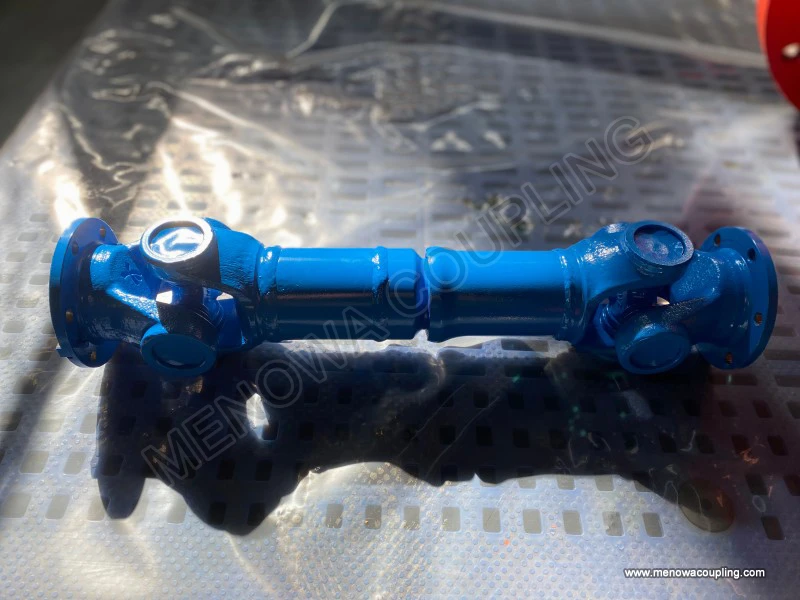
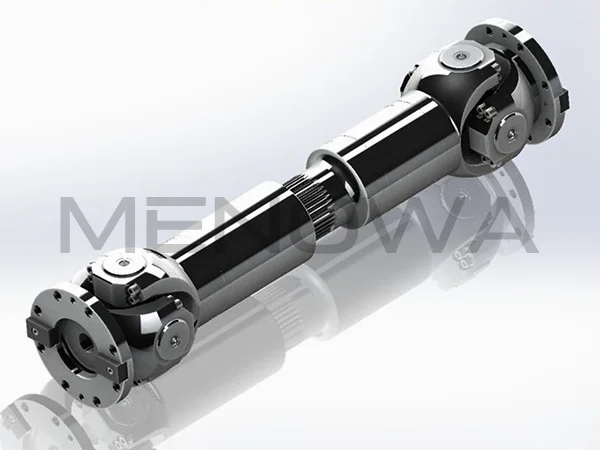
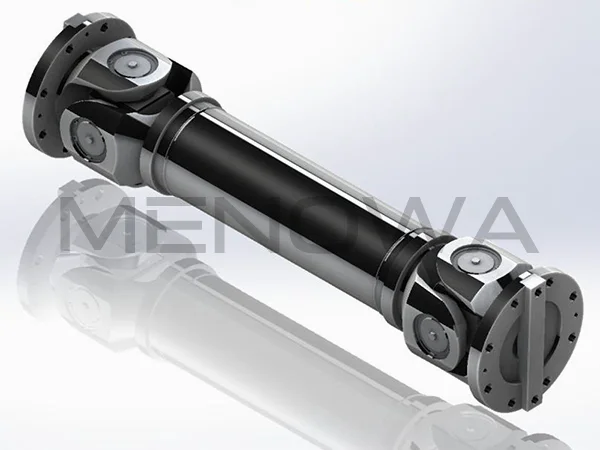
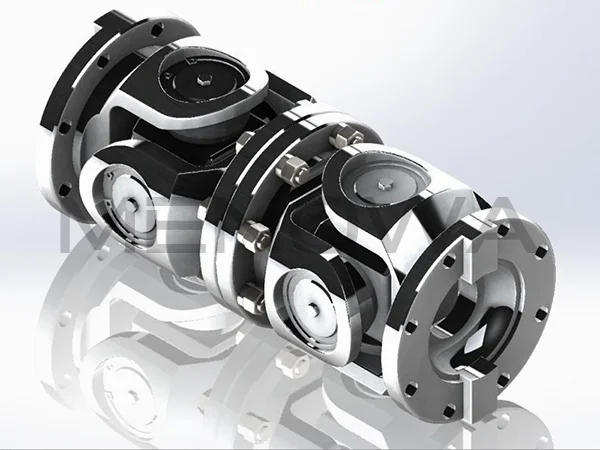
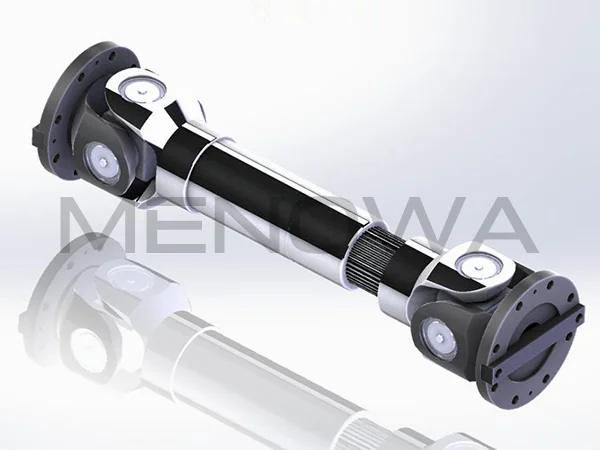
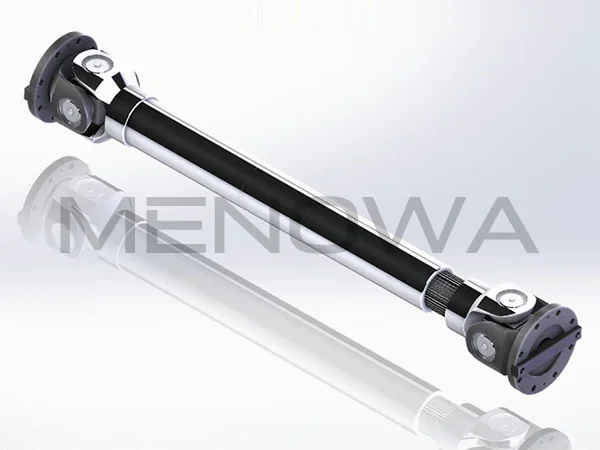
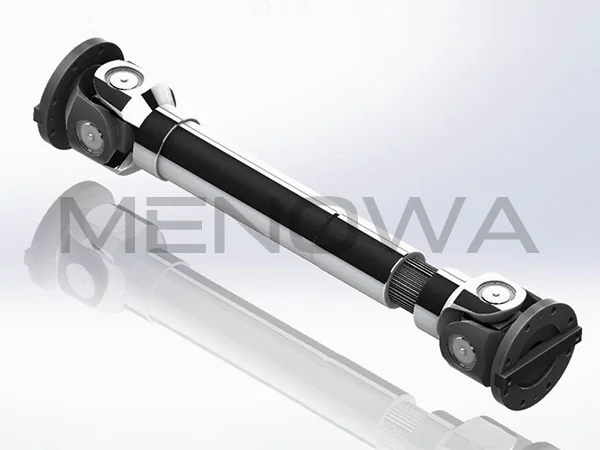
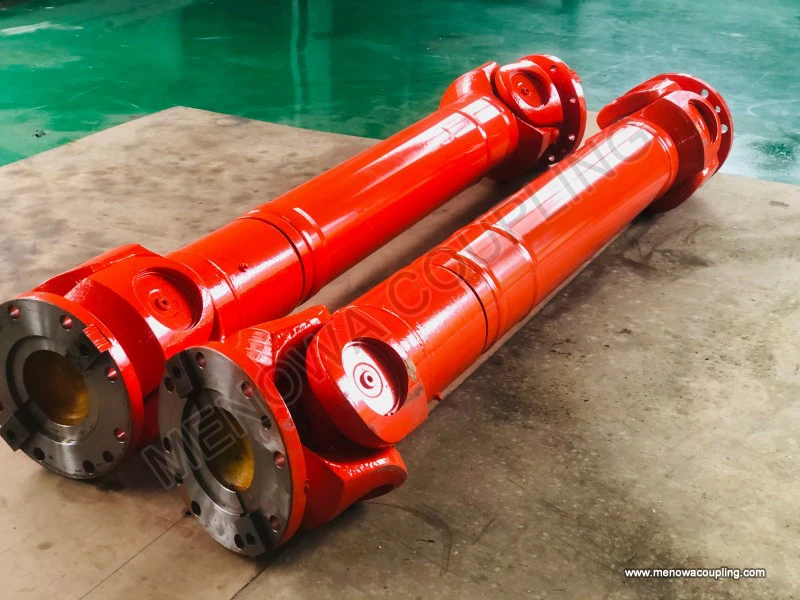
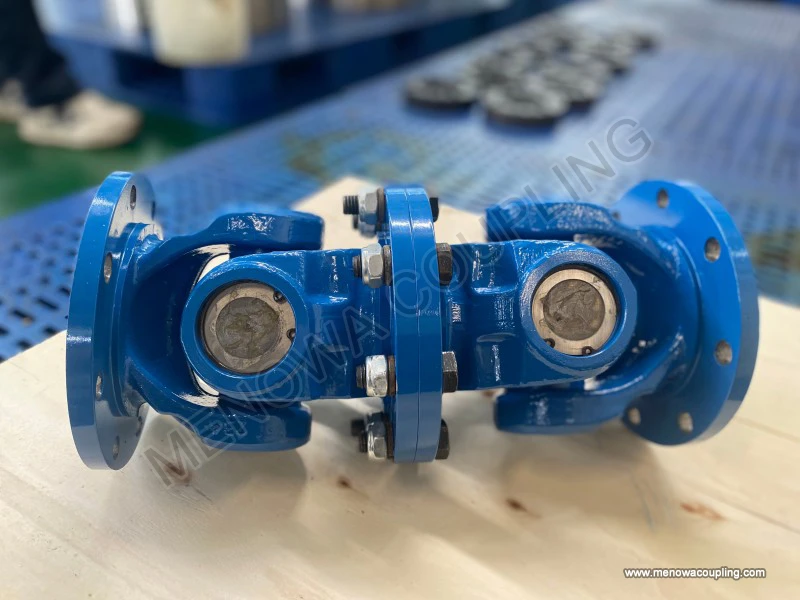
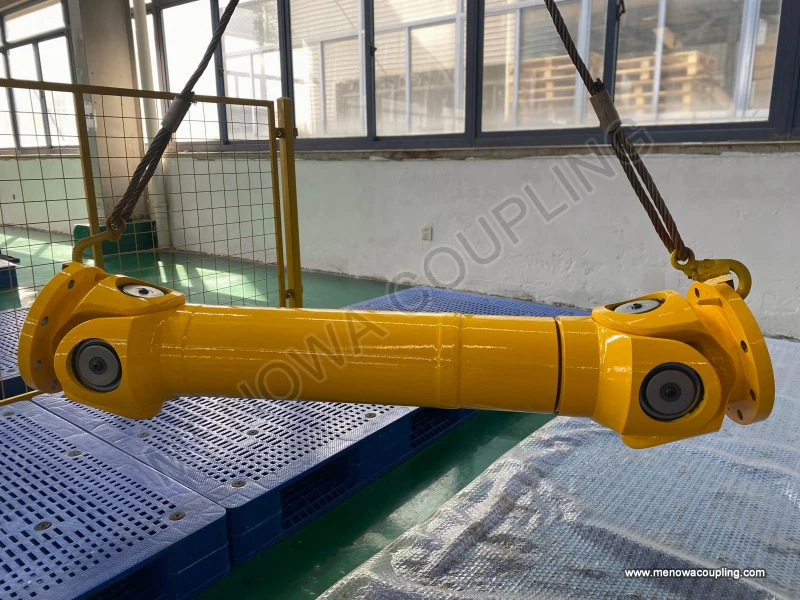
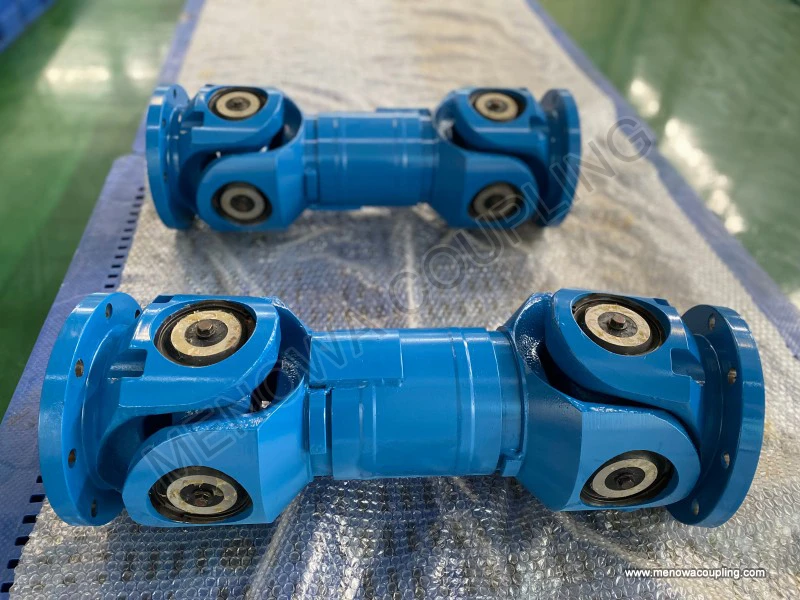
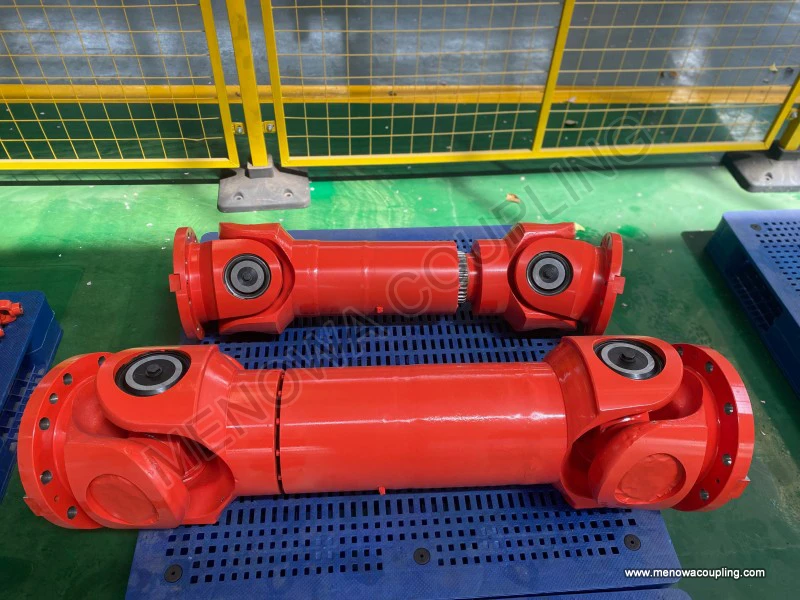
The basic composition and structural characteristics of the universal joint cross shaft determine its inherent performance advantages and application scope in mechanical transmission work. The overall assembly of the universal joint cross shaft does not involve cumbersome accessory parts, and the core operating part is mainly composed of a central cross-shaped shaft body, two symmetrically distributed fork-shaped yokes and supporting bearing components matched with each shaft head of the cross shaft. The cross-shaped shaft body, as the core force-bearing and motion-conveying core of the entire component, adopts an integrated forging and forming structure in most conventional processing and manufacturing processes. The four shaft ends of the cross shaft are arranged in a mutually perpendicular spatial relationship, forming a stable cross spatial structure, which can evenly bear the torque transmitted by the driving end and evenly distribute the force to the two connected fork-shaped yokes during the rotation process. Each shaft end of the cross shaft is equipped with independent bearing installation positions, and the bearing parts installed in cooperation are mostly needle roller bearings with compact structure and good radial load-bearing effect. This type of bearing structure can effectively reduce the friction resistance between the cross shaft and the fork-shaped yoke during relative rotation and angular deflection movement, avoid excessive mechanical wear caused by dry friction between metal parts, and ensure the flexibility and smoothness of the universal joint during angle adjustment and power transmission. The two fork-shaped yokes are respectively fixedly connected with the driving shaft and the driven shaft of the mechanical equipment, and the inner part of each yoke is provided with a bearing matching groove, which can be tightly sleeved on the bearing outside the shaft end of the cross shaft, forming a flexible hinged connection structure between the yoke and the cross shaft. This hinged connection mode allows a certain range of angular rotation between the two yokes and the cross shaft, and also allows the two connected shafts to maintain normal rotation and power transmission under the condition of non-straight line alignment. In addition to the core main parts, the universal joint cross shaft is also equipped with necessary sealing and dust-proof auxiliary structures in the actual assembly process. These auxiliary structures are mostly made of flexible rubber or wear-resistant fiber materials, which are installed at the gap between the bearing and the yoke connection position. The main function is to isolate external dust, moisture, metal debris and other impurities from entering the bearing friction area and the matching gap of the cross shaft, prevent impurities from causing abrasive wear and corrosion damage to the core moving parts, and at the same time lock the internal lubricating grease to avoid lubricant loss caused by long-term rotation and vibration, so as to maintain the long-term stable lubrication state of the friction pairs inside the component. The overall structural design of the universal joint cross shaft follows the basic mechanical design principles of simplicity, practicability and durability. Each component has a clear division of labor and coordinated operation, and there is no redundant structural design, which not only reduces the overall manufacturing and processing difficulty, but also facilitates subsequent daily disassembly, inspection and maintenance work, laying a solid foundation for its wide application in various mechanical equipment.
The working mechanism of the universal joint cross shaft is based on the spatial linkage mechanical motion principle, and the whole power transmission process realizes the continuous transfer of rotational torque and motion through the coordinated deflection and rotary fit between the cross shaft and the fork-shaped yokes. When the mechanical equipment starts to operate, the driving shaft connected with one of the fork-shaped yokes starts to rotate at a set speed, and the rotational torque and rotary motion are first transmitted to the connected yoke. Under the action of the rotational force of the yoke, the hinged cross shaft connected with the yoke starts to perform synchronous rotary motion, and at the same time, due to the spatial cross structure of the cross shaft itself, the rotational motion is transmitted to the other group of opposite shaft ends of the cross shaft, and then drives the other fork-shaped yoke and the connected driven shaft to rotate synchronously. In the whole transmission process, even if there is a certain angular inclination between the driving shaft and the driven shaft and the two shafts cannot maintain a strict coaxial state, the cross shaft can automatically adjust the spatial deflection angle through the flexible hinge fit with the two yokes to adapt to the angular misalignment between the shafts. The mutual perpendicular arrangement of the four shaft ends of the cross shaft ensures that no matter how the angle between the two connected shafts changes within the allowable range, the cross shaft can always maintain a stable force-bearing state, and the torque will not be distorted or lost due to the change of the shaft connection angle. It is important to note that a single universal joint cross shaft has the characteristic of non-constant velocity transmission in the working process. When the two connected shafts have a large angular deviation, the instantaneous angular velocity of the driving shaft and the driven shaft will have periodic slight fluctuations, but this velocity fluctuation will not affect the normal power transmission and overall operating stability of most conventional mechanical equipment. For mechanical equipment that requires extremely high rotational velocity stability and needs to eliminate instantaneous velocity fluctuation, the design of double universal joint cross shaft matching connection will be adopted in the actual mechanical design. By arranging two universal joint cross shafts in a matching way and adjusting the installation angle and position, the velocity fluctuation generated by a single cross shaft can be mutually offset, so as to realize approximate constant velocity power transmission between the driving shaft and the driven shaft. In the actual rotation and transmission process, the bearing components matched with the cross shaft play a key role in reducing motion resistance. The needle roller bearings between the cross shaft end and the yoke can convert the sliding friction between the metal contact parts into rolling friction, greatly reducing the friction force generated during relative motion, reducing the mechanical energy consumption in the power transmission process, and improving the overall transmission efficiency of the mechanical system. At the same time, the uniform distribution of the bearing force can avoid local stress concentration on the shaft end of the cross shaft and the inner wall of the yoke, prevent structural deformation and local damage caused by long-term overload stress, and ensure the continuity and stability of the power transmission process under long-term cyclic operation conditions. The entire working process of the universal joint cross shaft does not rely on complex electronic control systems or hydraulic auxiliary devices, and all motion transmission and angle compensation are completed purely through mechanical structural fit, which makes the component have strong anti-interference ability and environmental adaptability, and can work normally in high temperature, low temperature, dust, humidity and various harsh working environments.
Material selection and processing technology are core factors that directly affect the mechanical performance, load-bearing capacity and service cycle of the universal joint cross shaft. In the actual production and manufacturing link, the selection of raw materials for the cross shaft body needs to fully consider the comprehensive performance requirements of high strength, high wear resistance, good toughness and strong fatigue resistance, because the cross shaft will bear complex alternating torque, shear force and impact load during long-term operation. Conventional universal joint cross shaft products mostly use high-quality alloy steel materials as the base material. This type of alloy steel has excellent mechanical properties after special heat treatment processing, can withstand long-term cyclic load impact without plastic deformation or fracture damage, and has good hardenability and wear resistance, which can adapt to high-strength working conditions for a long time. The fork-shaped yoke, as the main force-bearing connecting part, also needs to be made of high-strength steel materials matching the performance of the cross shaft to ensure that the overall structural strength of the matching connection part is consistent and avoid the problem of unbalanced force-bearing damage caused by large performance differences between parts. The bearing parts matched with the cross shaft are made of high-carbon chromium bearing steel with professional bearing performance. After precision quenching and tempering heat treatment, the bearing parts have high surface hardness and good contact fatigue resistance, which can resist the wear and fatigue damage caused by long-term rolling friction. In terms of processing technology, the cross shaft body adopts integrated die forging forming technology in the initial processing stage. Compared with the welding and assembly forming process, the integrated forging structure has better overall structural integrity, no welding stress and welding seam defects, and the internal metal fiber structure is continuous and uniform, which effectively improves the overall structural strength and fatigue resistance of the cross shaft. After forging forming, the cross shaft needs to go through multiple processes such as rough turning, finish turning, grinding and surface finishing to ensure that the dimensional accuracy and surface smoothness of each shaft end and matching position meet the assembly requirements. The surface of the cross shaft will also be treated with anti-corrosion and wear-resistant reinforcement such as surface carburizing and quenching or galvanizing. On the one hand, it improves the surface hardness and wear resistance of the shaft end friction contact position, and on the other hand, it enhances the anti-rust and anti-corrosion ability of the cross shaft surface in harsh working environments. The processing of the fork-shaped yoke focuses on the precision processing of the bearing matching groove and the shaft connection installation hole. The matching tolerance of the groove and the bearing is strictly controlled to ensure the tightness of assembly and the flexibility of relative rotation. Too large matching gap will cause vibration and impact during operation, and too small gap will lead to inflexible rotation and increased friction resistance. The sealing and dust-proof auxiliary parts are processed according to the matching size of the assembly gap, focusing on the flexibility and wear resistance of the material, to ensure that the sealing effect is not reduced after long-term extrusion and friction. The whole processing and manufacturing process of the universal joint cross shaft strictly follows mechanical processing precision standards, and every link from raw material cutting, forging forming, precision processing to heat treatment and surface treatment is precisely controlled. The scientific material selection and standardized processing technology make the universal joint cross shaft have stable mechanical performance, good coordination accuracy and long service life, and can adapt to different load levels and long-term continuous operating requirements in various mechanical equipment.
The universal joint cross shaft has extremely wide application coverage in multiple industrial fields and mechanical equipment types, and its flexible connection and power transmission characteristics make it an essential core component in many mechanical transmission systems. In the field of road transportation machinery, various vehicle transmission systems are the most typical application scenarios of universal joint cross shafts. In the transmission structure of passenger vehicles, commercial vehicles and various engineering transport vehicles, the universal joint cross shaft is used to connect the transmission shaft and the drive axle, as well as the connecting part between the transmission and the transmission shaft. During the driving process of the vehicle, the body will produce jitter and up and down displacement due to road surface bumps, and the relative position and angle between the transmission shaft and the drive axle will change in real time. The universal joint cross shaft can automatically adapt to this dynamic angular change and displacement adjustment, ensuring that the power output by the engine can be stably transmitted to the drive wheels without transmission interruption or power loss, and ensuring the smooth driving and power output stability of the vehicle. In the field of engineering construction machinery, various excavators, loaders, bulldozers, road rollers and other engineering equipment have complex working environments and harsh operating conditions, and the internal power transmission system of the equipment needs to frequently adjust the transmission angle and bear large impact loads. The universal joint cross shaft with strong load-bearing capacity and stable performance can meet the power transmission needs of engineering machinery under heavy-load and frequent working conditions, and adapt to the angle deviation and vibration displacement generated during the operation of engineering equipment, ensuring the continuous operation of the equipment in complex construction scenarios. In the field of industrial production and processing machinery, various production line transmission equipment, conveyor transmission devices, mechanical processing machine tools and automated production equipment also widely use universal joint cross shafts. In industrial production lines, many transmission shafts need to be arranged in a limited production space, and it is impossible to realize strict coaxial arrangement of all transmission shafts. The universal joint cross shaft can realize flexible connection between shafts with different angles and positions, ensure the synchronous operation of each link of the production line transmission system, and improve the continuity and efficiency of industrial production and processing. In addition, in agricultural machinery equipment such as tractors, harvesters and agricultural irrigation machinery, as well as special mechanical equipment such as marine auxiliary transmission machinery and mining transmission equipment, the universal joint cross shaft also plays an important role. Agricultural machinery often works in field environments with uneven roads and complex terrain, and the internal transmission system needs to adapt to frequent vibration and angle changes. Mining machinery and marine machinery work in harsh environments such as high dust, high humidity and high corrosion, and the universal joint cross shaft with good environmental adaptability and stable structural performance can meet the long-term operating needs of these special equipment. Different application scenarios have different requirements on the load-bearing capacity, structural size, rotation angle range and environmental adaptability of the universal joint cross shaft. According to different actual working conditions, mechanical design personnel will select universal joint cross shafts with different specifications, materials and structural forms to match, so as to ensure that the component can give full play to its transmission performance and meet the normal operation requirements of different mechanical equipment.
In the long-term operation process of mechanical equipment, the universal joint cross shaft will be affected by various internal and external factors, and different degrees of wear, fatigue damage, corrosion and failure problems are prone to occur, which will affect the power transmission efficiency and overall operating safety of the mechanical system. Understanding the main failure causes and wear rules of the universal joint cross shaft is an important prerequisite for doing a good job in daily maintenance and prolonging the service life of the component. The most common failure form of the universal joint cross shaft is friction wear of the shaft end and bearing matching parts. During the long-term rotation and deflection movement, the rolling friction between the needle roller bearing and the cross shaft end will produce inevitable mechanical wear. If the lubrication state is poor for a long time, the wear speed will be significantly accelerated. When the lubricating grease inside the bearing is lost or deteriorated, dry friction will be formed between the friction pairs, resulting in rapid wear of the shaft end surface and the bearing inner wall, increasing the matching gap between the cross shaft and the yoke. Excessive matching gap will cause obvious vibration and impact during the rotation process, further aggravating the wear degree and forming a vicious cycle, and eventually leading to loose connection and abnormal noise of the universal joint cross shaft, which affects the normal power transmission. Fatigue damage is also a common failure problem of the universal joint cross shaft. The cross shaft will bear alternating torque and cyclic impact load during long-term operation. Under the repeated action of alternating load, tiny fatigue cracks will gradually appear inside the cross shaft material and on the surface of the stress concentration position. With the extension of operating time, the fatigue cracks will continue to expand, and eventually lead to structural fracture or local deformation of the cross shaft, resulting in the failure of the entire power transmission connection. In addition, environmental corrosion is also an important factor leading to the performance degradation of the universal joint cross shaft. When the equipment works in humid, rainy, high dust or chemical corrosive environments, the surface of the cross shaft and the bearing parts are easy to contact with moisture, corrosive substances and dust impurities. Long-term corrosion will cause rust and corrosion on the surface of the metal parts, damage the surface processing precision and smoothness, increase friction resistance, and accelerate the wear and failure of the component. Improper installation and operation management will also shorten the service life of the universal joint cross shaft. If the installation position is deviated and the assembly gap is not controlled in place during the equipment assembly process, the cross shaft will bear additional eccentric load and stress concentration during operation; if the equipment is overloaded for a long time or frequently started and braked violently during operation, the instantaneous impact load borne by the universal joint cross shaft will exceed the designed bearing range, resulting in accelerated damage and premature failure of the component. All these failure factors interact with each other in the actual operation process, and slight wear and corrosion problems will gradually evolve into serious structural failures if not inspected and dealt with in time, affecting the normal operation of the entire mechanical equipment.
Scientific and standardized daily maintenance and regular inspection work is the key to maintaining the good operating performance of the universal joint cross shaft, reducing failure probability and prolonging overall service life. The maintenance work of the universal joint cross shaft is simple and operable, and the core maintenance content focuses on lubrication management, sealing protection, regular inspection and timely replacement of damaged parts. Lubrication maintenance is the most basic and important link in the daily maintenance of the universal joint cross shaft. The friction pairs between the cross shaft end and the needle roller bearing must be kept in a good lubricated state for a long time. During the daily operation of the equipment, it is necessary to regularly inject professional high-quality lubricating grease into the bearing and the matching gap of the cross shaft according to the operating frequency and working environment of the equipment. The lubricating grease can form a uniform oil film on the friction contact surface, isolate direct metal contact, reduce friction wear and mechanical energy consumption, and at the same time play a certain role in heat dissipation and vibration reduction. It is necessary to avoid the use of inferior lubricating grease with poor viscosity and poor high and low temperature resistance. Inferior lubricants are easy to deteriorate and lose efficacy in harsh working environments, and cannot form a stable protective oil film, which cannot play a good lubrication and protection effect. At the same time, regular inspection of the lubrication state is required. If the lubricating grease is found to be deteriorated, hardened or mixed with dust and metal debris, the old lubricant should be cleaned up in time and new lubricating grease should be refilled to ensure the lasting lubrication effect. Sealing and dust-proof maintenance should not be ignored either. It is necessary to regularly check the integrity of the sealing and dust-proof auxiliary parts of the universal joint cross shaft. If the sealing rubber parts are found to be aging, deformed, cracked or damaged, they should be replaced in time to prevent external dust, moisture and impurities from entering the internal friction parts, avoid abrasive wear and corrosion damage caused by impurity deposition, and lock the internal lubricating grease to prevent loss and deterioration. Regular visual inspection and operational inspection are also essential maintenance work. During the downtime of the equipment, the staff can visually check the surface of the cross shaft for obvious corrosion, deformation, crack damage and excessive wear, check whether the connection between the yoke and the cross shaft is loose, and whether there is abnormal shaking and gap increase at the connection position. During the operation of the equipment, pay attention to observing whether the universal joint cross shaft has abnormal noise, obvious vibration and jitter. Once abnormal operating conditions are found, the equipment should be shut down for inspection in a timely manner to find out the cause of the problem and deal with it immediately, avoiding small faults evolving into large-scale structural failures. In addition, according to the service time and operating load of the universal joint cross shaft, regular disassembly and maintenance should be carried out regularly to clean up the internal wear debris and residual deteriorated lubricating grease, check the wear degree of the bearing and the cross shaft end, and replace the severely worn and fatigued parts in time. In the process of equipment use, standardized operation management should be adhered to, avoiding long-term overload operation, frequent violent starting and braking, reducing instantaneous impact load on the universal joint cross shaft, and reducing the occurrence of fatigue damage and accelerated wear. Through systematic and standardized daily maintenance and scientific operation management, the operating performance of the universal joint cross shaft can be always kept in a good state, the failure rate can be effectively reduced, the service life can be prolonged, and the stable and efficient operation of the mechanical power transmission system can be guaranteed for a long time.
With the continuous progress of mechanical manufacturing technology and the continuous development of various industrial industries, the technical upgrading and optimization development of universal joint cross shaft products have been continuously promoted, and the performance requirements for this basic mechanical component in various application fields are also constantly improving. In the early stage of mechanical industry development, the universal joint cross shaft was mainly designed and manufactured with simple structural layout and ordinary carbon steel materials, with single performance and limited load-bearing capacity, which could only meet the basic power transmission needs of simple mechanical equipment. With the rapid development of modern engineering machinery, transportation equipment and automated industrial production equipment, the operating conditions of mechanical equipment are becoming more and more complex, the operating load is gradually increased, and the requirements for transmission stability, environmental adaptability and service life of universal joint cross shafts are constantly improved. This promotes the continuous optimization and innovation of the universal joint cross shaft industry in terms of material upgrading, structural design optimization, processing precision improvement and surface strengthening technology research and development. In terms of material research and development, new high-strength wear-resistant alloy materials and composite structural materials are gradually applied to the production and manufacturing of universal joint cross shafts. These new materials have higher strength, better wear resistance, fatigue resistance and corrosion resistance than traditional materials, and can adapt to higher load working conditions and harsher operating environments, further improving the comprehensive performance and service cycle of the components. In terms of structural design, mechanical design personnel continuously optimize the spatial structure and force-bearing layout of the cross shaft and yoke, adopt more reasonable transition fillet design and stress dispersion structure, reduce local stress concentration positions, improve the overall structural stability and impact resistance of the universal joint cross shaft, and optimize the internal lubrication channel design to make the lubricating grease distribution more uniform and the lubrication effect better. In terms of processing and manufacturing technology, with the popularization and application of numerical control precision processing equipment and intelligent forging technology, the processing dimensional accuracy and surface finish of the universal joint cross shaft are continuously improved, the assembly matching precision between parts is higher, the operation friction resistance is smaller, and the power transmission efficiency is further optimized. At the same time, the surface strengthening treatment technology is continuously innovated, and more efficient anti-corrosion and wear-resistant surface treatment processes are applied to the surface processing of the cross shaft, enhancing the environmental adaptability and wear resistance of the product. In the future development process, with the continuous advancement of intelligent manufacturing and green environmental protection production concepts, the universal joint cross shaft will also develop in the direction of lightweight structure, high efficiency and energy saving, long life and low maintenance. While ensuring high load-bearing performance and stable transmission performance, optimize the structural design to reduce the overall weight of the component, reduce the material consumption in the production and manufacturing process, and realize green and low-carbon production. At the same time, combined with intelligent monitoring technology, realize real-time monitoring of the operating state, wear degree and lubrication state of the universal joint cross shaft, timely predict potential failure risks, realize predictive maintenance, further reduce equipment downtime and maintenance costs, and provide more reliable basic component support for the stable operation of various modern mechanical equipment. As a basic and core mechanical transmission component, the universal joint cross shaft will always accompany the development of the mechanical industry, and its continuous technical optimization and performance improvement will also provide a solid foundation for the upgrading and iteration of various mechanical equipment and the high-quality development of related industrial fields.
Post Date: Apr 26, 2026
https://www.menowacoupling.com/coupling-supplier/universal-joint-cross-shaft.html
Products
Tags
Related Articles
Universal Coupling Fabrication
Universal coupling fabrication stands as a foundational discipline within mechanical manufacturing, focusing on the precise production of flexible shaft connection components that enable reliable torque transmission between misaligned rotating shafts. As a core mechanical component widely adopted in power transmission s…Maintenance of Universal Coupling
Universal couplings serve as indispensable connecting components in mechanical transmission systems, designed to transmit rotational torque between two shafts that operate with angular misalignment, parallel offset, or variable positional relationships. Widely applied in industrial transmission equipment, mechanical eng…Characteristics of Universal Coupling
A universal coupling, also commonly referred to as a universal joint or U-joint, is a critical mechanical component designed to connect two rigid shafts whose axes are inclined to each other, enabling the transmission of rotary motion and torque even when the shafts are not perfectly aligned. This versatile component ha…Types of Universal Coupling
In the complex and interconnected mechanical transmission systems that power modern industrial production, automotive operation, engineering machinery movement, and various precision mechanical equipment, universal couplings stand as indispensable basic mechanical components that undertake the core task of transmitting …Universal Coupling Factory
In the intricate ecosystem of modern mechanical transmission systems, universal couplings stand out as indispensable foundational components, serving as the critical bridge that connects rotating shafts and ensures stable power transmission across complex operating conditions. As core mechanical parts designed to resolv…Material of Universal Coupling
Universal couplings serve as indispensable mechanical transmission components in modern industrial and mechanical systems, dedicated to transmitting torque and rotational power between two misaligned rotating shafts. Their core operational value lies in adapting to angular deviation, axial displacement and radial offset…Universal Coupling For Sale
A universal coupling, also commonly referred to as a universal joint or U-joint, is a critical mechanical component designed to connect two rigid shafts whose axes are inclined to each other, enabling the transmission of rotary motion and torque even when there is a misalignment between the two shafts. This versatile co…Universal Coupling Price
Universal coupling manufacture stands as a sophisticated and precise mechanical production discipline focused on crafting flexible transmission components that serve as critical connecting parts in mechanical power systems. These specialized mechanical structures are designed to transmit rotational torque and motion bet…Parts of Universal Coupling
A universal coupling, widely recognized as a flexible mechanical transmission component, serves as a critical connection between two rotating shafts in diverse mechanical systems. Its core value lies in its ability to transmit continuous torque and rotational motion while accommodating angular misalignment, axial displa…Classification of Universal Coupling
Universal couplings are indispensable mechanical transmission components widely applied in modern mechanical systems, serving the core function of transmitting rotational torque and motion between two shafts with angular misalignment, parallel offset, or axial displacement. Unlike rigid couplings that require precise sh…
 WeChat
 WhatsApp