Universal Coupling Exporter
As a vital component in mechanical transmission systems, universal couplings play an irreplaceable role in connecting two shafts that are not in the same axis or have relative displacement, ensuring stable and efficient torque transmission. For universal coupling exporters, understanding the product’s working principles, types, application scenarios, and global market trends is essential to meet the diverse needs of customers worldwide and gain a competitive edge in the international market. This article delves into the core aspects of universal couplings, providing comprehensive insights for both exporters and potential buyers, while focusing on the practical value and market dynamics of the product without involving any brand names or certification-related content.
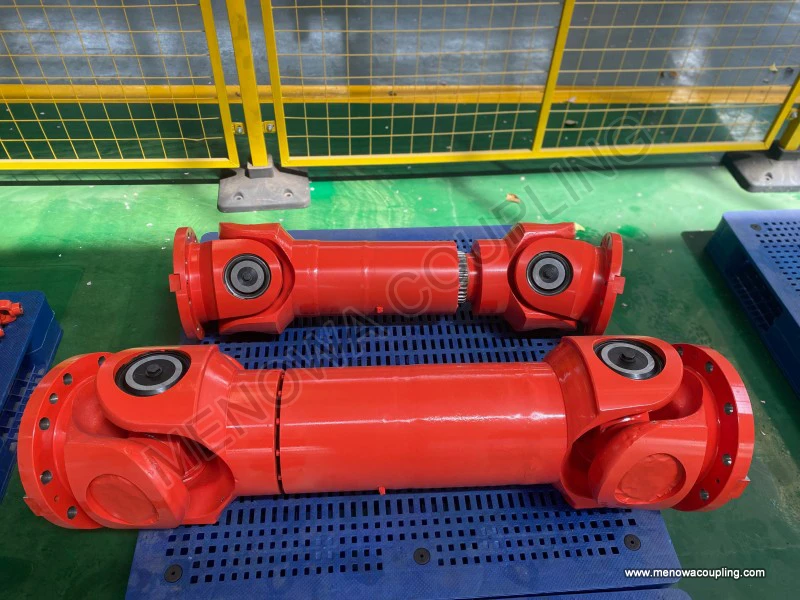
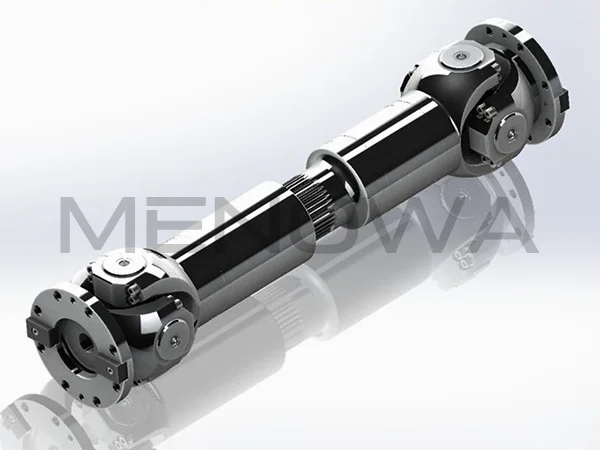
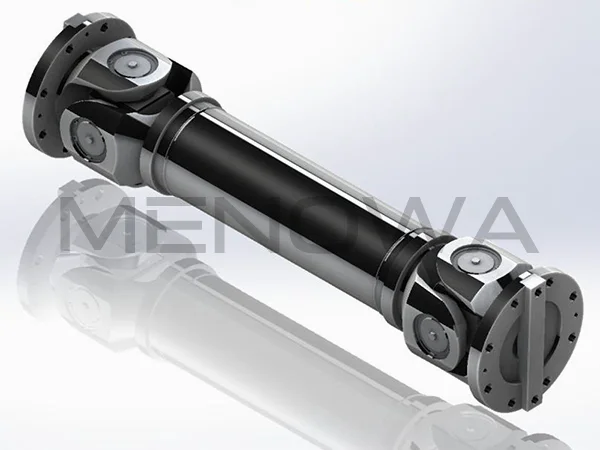
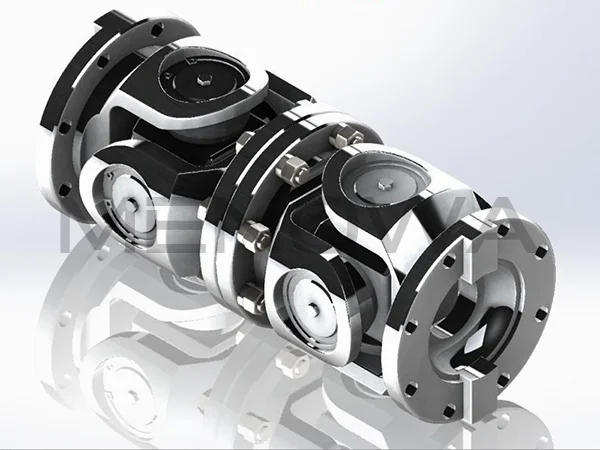
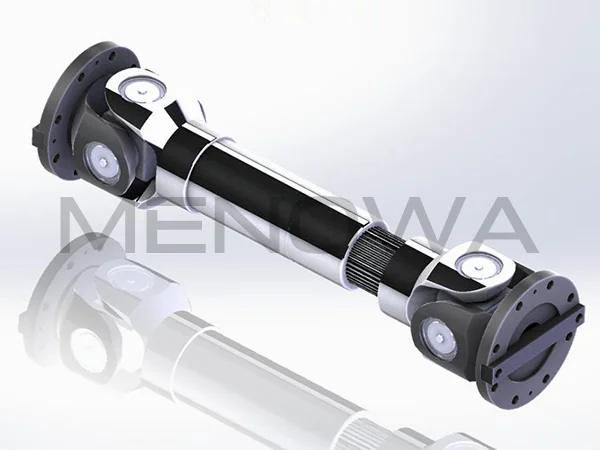
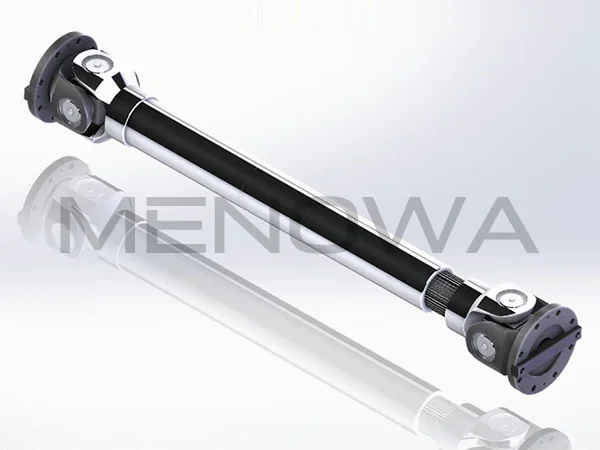
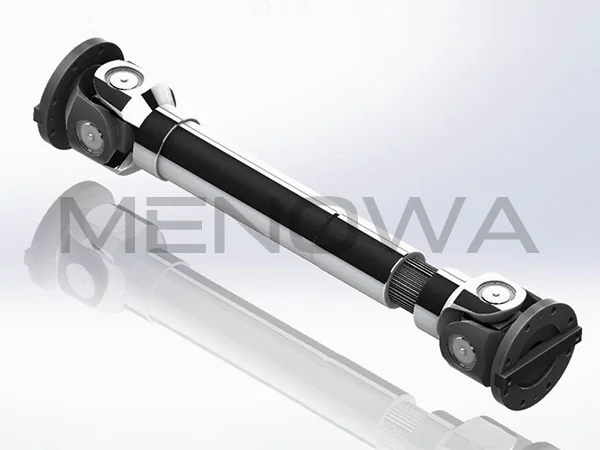
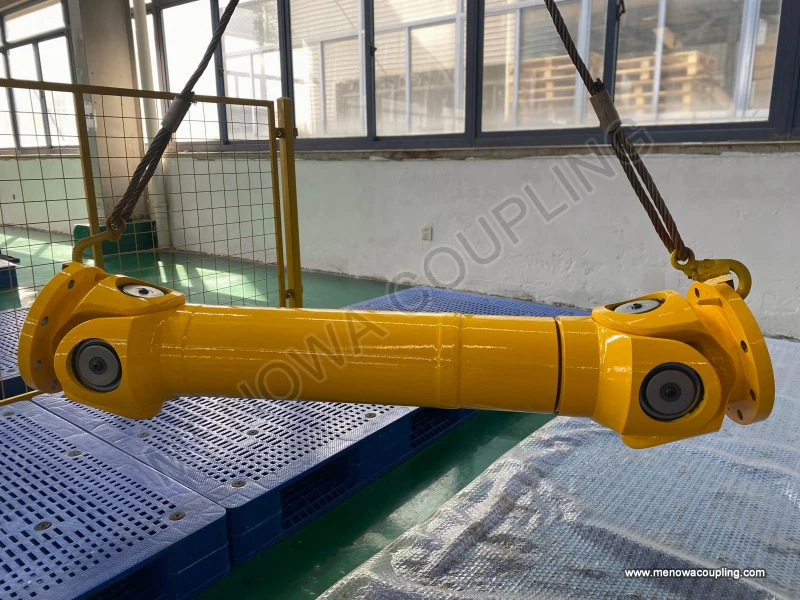
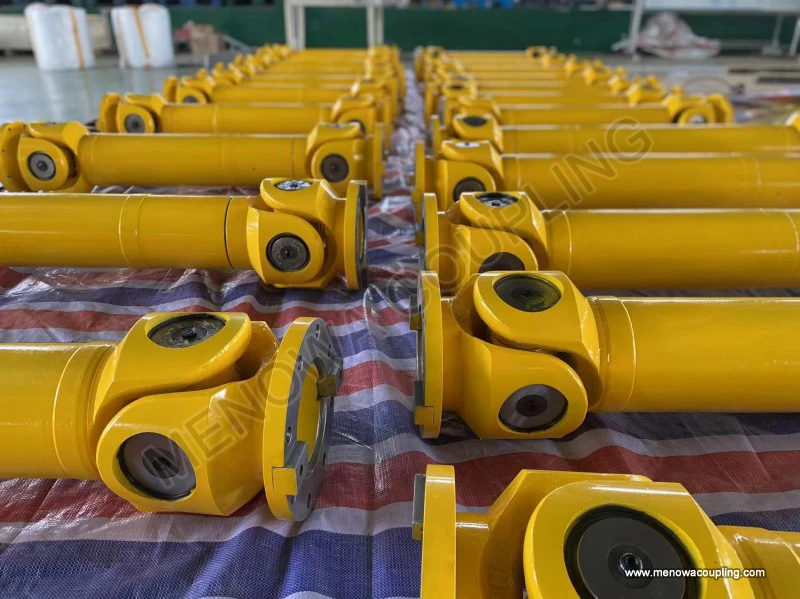
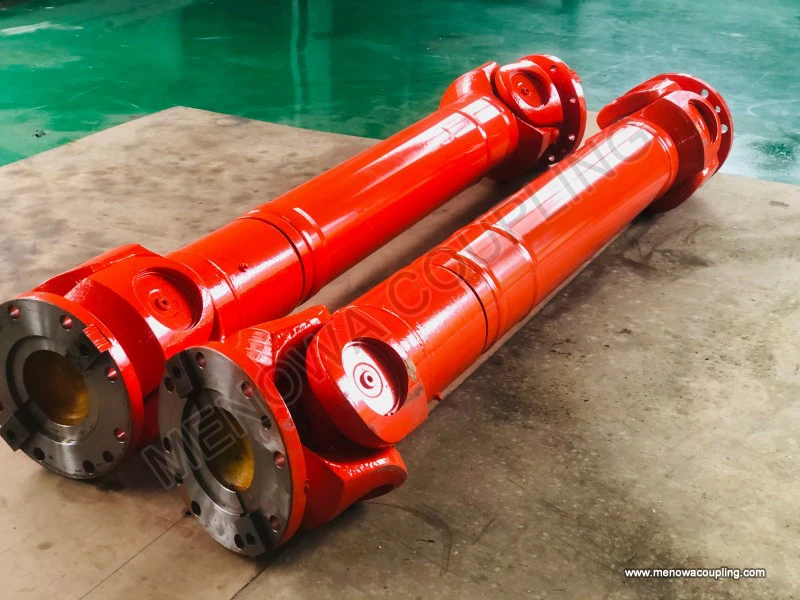
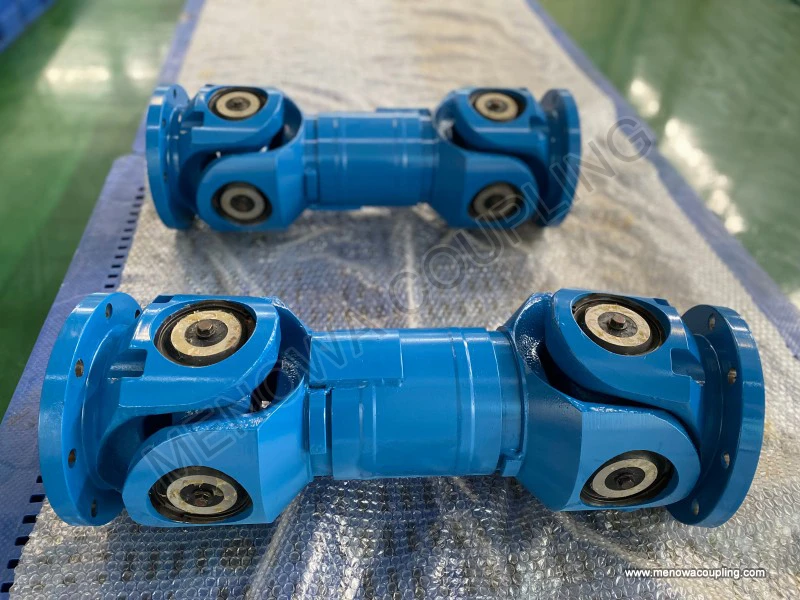
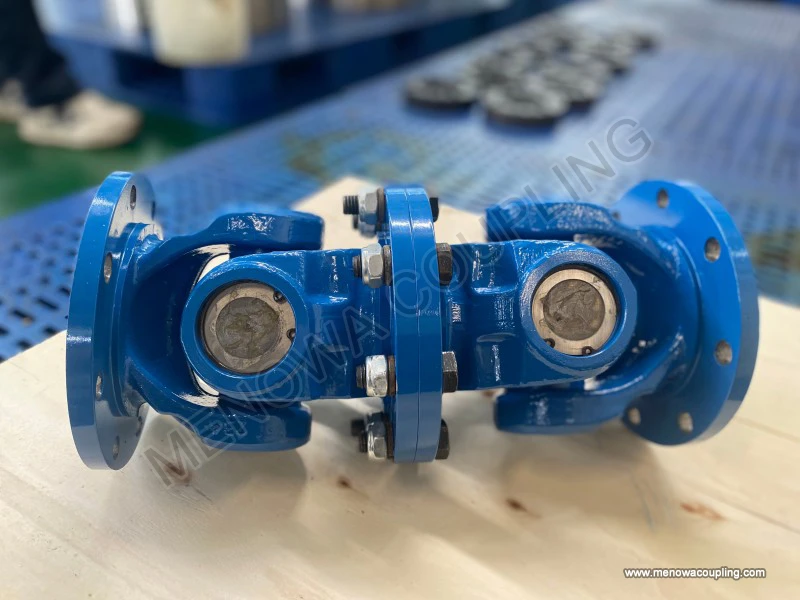
A universal coupling, also known as a universal joint, is a mechanical connector designed to transmit torque and motion between two shafts that are misaligned—either angularly, radially, or axially. Its working principle is similar to the joints in the human body, allowing the connected components to swing within a certain angle range while maintaining continuous power transmission. The basic structure of a universal coupling typically includes yokes, a cross shaft, needle bearings, and seals. The cross shaft connects two yokes, and the needle bearings reduce friction between the cross shaft and yokes, enabling smooth rotation even when the shafts are at an angle. When the driving shaft rotates, it drives the cross shaft through one yoke, which in turn drives the other yoke and the driven shaft, realizing torque transmission between misaligned shafts. The angle compensation capability of universal couplings varies depending on their structure, generally ranging from 5° to 45°, making them suitable for a wide range of complex mechanical systems.
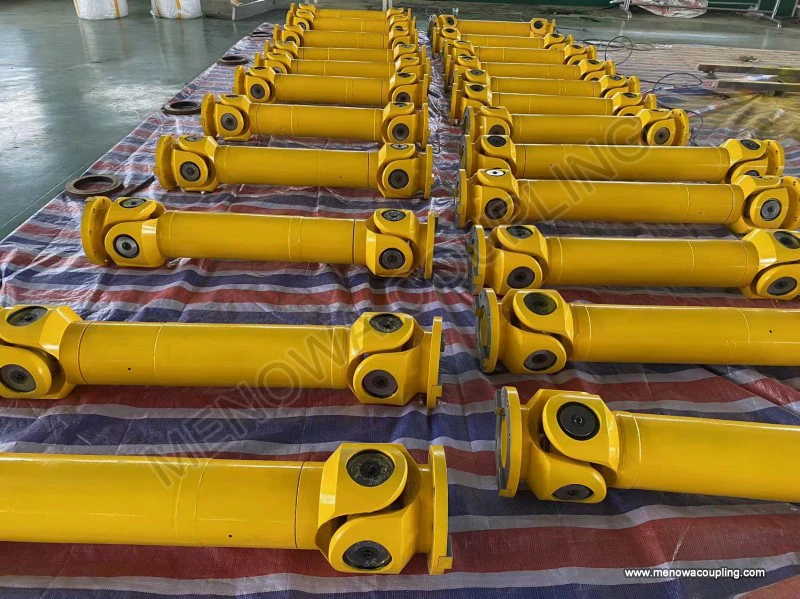
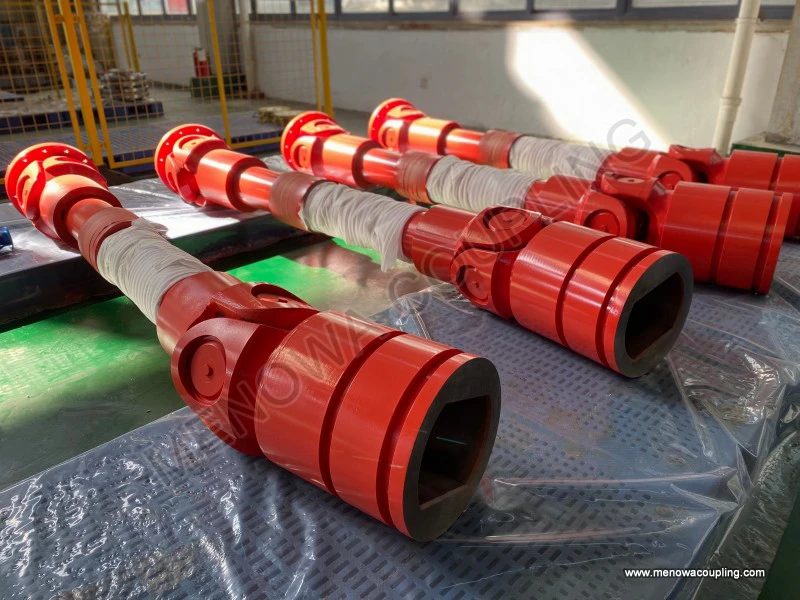
There are various types of universal couplings, each designed to meet specific application requirements, and understanding these types is crucial for exporters to match the right product with customer needs. The most common types include rigid universal couplings and flexible universal couplings. Rigid universal couplings are further divided into non-uniform velocity, quasi-uniform velocity, and uniform velocity couplings. Non-uniform velocity universal couplings, such as the cross-shaft type, are widely used due to their simple structure and low cost. However, when the angle between the two shafts is greater than zero, the instantaneous angular velocity of the driven shaft is not equal to that of the driving shaft, although the average angular velocity remains the same. To solve this problem, they are usually used in pairs, ensuring that the yokes at both ends of the transmission shaft are in the same plane, so as to achieve uniform velocity transmission. This type of coupling is commonly used in the transmission system between the gearbox and drive axle of vehicles, as well as in various industrial machinery.
Uniform velocity universal couplings, such as the ball cage type, are designed to ensure that the instantaneous angular velocity of the driving and driven shafts is always equal, eliminating the vibration caused by non-uniform velocity transmission. The ball cage type universal coupling consists of an outer ball seat, a ball cage, an inner ball seat, and steel balls. The outer ball seat and inner ball seat are equipped with curved grooves, and the steel balls are placed in the grooves and kept in a plane by the ball cage. This structure allows the coupling to transmit torque at a maximum shaft angle of 42°, with the advantages of large load-bearing capacity, small wear, compact structure, and easy disassembly and assembly, making it widely used in passenger cars, especially in the connection between the transaxle and drive wheels. Quasi-uniform velocity universal couplings, such as the double-joint type, transmit motion at a uniform instantaneous angular velocity within the designed angle range, and are often used in scenarios where the shaft angle changes slightly.
Flexible universal couplings, on the other hand, are equipped with elastic components such as rubber or nylon, which have good shock absorption and vibration isolation performance, and can compensate for larger axial, radial, and angular displacements. They are suitable for occasions sensitive to vibration, such as in precision machinery, electrical equipment, and light industrial machinery. The choice of universal coupling type depends on factors such as the working environment, torque requirements, shaft misalignment, and vibration sensitivity of the customer’s equipment. As an exporter, being able to accurately recommend the appropriate type of universal coupling based on the customer’s specific needs is a key factor in improving customer satisfaction and establishing long-term cooperative relationships.
The application scope of universal couplings is extremely wide, covering various fields such as automotive, industrial machinery, marine, aerospace, and agricultural machinery, which provides a broad market space for universal coupling exporters. In the automotive industry, which is one of the largest application fields, universal couplings are widely used in the transmission system of passenger cars, commercial vehicles, and new energy vehicles. With the rapid development of the global automotive industry, especially the rise of electric vehicles and intelligent vehicles, the demand for high-efficiency and lightweight universal couplings has increased significantly. Electric vehicles, in particular, have higher requirements for the transmission efficiency and reliability of universal couplings, as they directly affect the vehicle’s cruising range and performance. In addition, in the steering system of automobiles, universal couplings are used to connect the steering shaft and steering gear, ensuring flexible steering while transmitting torque.
In the industrial machinery field, universal couplings are essential components in equipment such as pumps, fans, compressors, conveyors, and machine tools. For example, in heavy machinery such as mining equipment and metallurgical equipment, universal couplings need to bear large torque and impact loads, requiring high strength and wear resistance. In precision machine tools, the accuracy and stability of universal couplings directly affect the processing precision of the equipment, so high-precision and low-noise universal couplings are needed. In the marine industry, universal couplings are used in the transmission system of ships, connecting the engine and propeller, and need to adapt to harsh working environments such as high humidity, corrosion, and large temperature changes, so they must have good corrosion resistance and sealing performance.
The aerospace industry has extremely strict requirements for universal couplings, which need to be lightweight, high-strength, and high-reliable to adapt to the harsh working conditions of high altitude, high speed, and large temperature differences. In agricultural machinery, such as tractors and harvesters, universal couplings are used to connect the engine and various working parts, requiring simple structure, easy maintenance, and strong adaptability to harsh working environments such as dust and vibration. With the continuous development of various industries, the application scenarios of universal couplings are constantly expanding, and the demand for customized products is also increasing, which brings new opportunities and challenges to exporters.
Material selection is a key factor affecting the performance and service life of universal couplings, and it is also an important consideration for exporters when producing and supplying products. The choice of materials depends on the application scenario and performance requirements of the coupling. Common materials include metal materials, engineering plastics, and elastomers. Metal materials, such as carbon steel, alloy steel, and aluminum alloy, are widely used due to their high strength, wear resistance, and toughness. Carbon steel is suitable for general mechanical transmission occasions with low performance requirements, while alloy steel, by adding alloy elements such as chromium, nickel, and molybdenum, has higher strength, toughness, and corrosion resistance, and is suitable for harsh working environments such as heavy load, high speed, and corrosion. Aluminum alloy has the advantage of light weight, which is suitable for occasions requiring lightweight, such as electric vehicles and aerospace equipment.
Engineering plastics, such as polyamide and polycarbonate, have the advantages of wear resistance, corrosion resistance, light weight, and simple molding process, and are suitable for occasions with low load and high corrosion resistance requirements. Elastomers, such as rubber and polyurethane, have good shock absorption and vibration isolation performance, and are often used as elastic components in flexible universal couplings. In the production process, exporters need to select appropriate materials according to the customer’s specific needs, and strictly control the material quality to ensure that the product meets the performance requirements. In addition, with the development of material science, new high-strength, wear-resistant, and lightweight materials are constantly being applied to the production of universal couplings, which helps to improve product performance and reduce production costs.
For universal coupling exporters, understanding the global market trends is crucial to formulating reasonable export strategies and expanding market share. In recent years, the global universal coupling market has shown a steady growth trend. According to relevant market research, the global market size of universal couplings reached 77.398 billion yuan in 2022, and it is expected to expand to 98.798 billion yuan by 2028, with a compound annual growth rate of 4.07%. The main driving factors for market growth include the acceleration of global industrialization, the continuous development of the automotive industry, the improvement of industrial automation levels, and the rise of emerging industries such as new energy and intelligent manufacturing.
From a regional perspective, the Asia-Pacific region is the largest market for universal couplings, accounting for a significant share of the global market. This is mainly due to the rapid economic development of countries such as China, India, and Japan, the continuous expansion of the manufacturing industry, and the increasing demand for various mechanical equipment. The North American and European markets are also important markets for universal couplings, with mature industrial systems and high requirements for product quality and performance, which are mainly dominated by high-end products. In addition, with the deepening of global economic integration, the demand for universal couplings in emerging markets such as Southeast Asia, South America, and Africa is also increasing, providing new market opportunities for exporters.
However, the global universal coupling market also faces fierce competition. The main challenges include homogeneous competition, price wars, and the continuous improvement of customer performance requirements. To gain a competitive edge in the market, exporters need to focus on technological innovation, increase R&D investment, and develop high-performance, high-reliability products with independent intellectual property rights. At the same time, optimizing the production process, reducing production costs, and improving production efficiency are also important ways to enhance competitiveness. In addition, with the increasing emphasis on environmental protection and sustainable development worldwide, exporters also need to pay attention to the environmental performance of products, adopt environmentally friendly materials and production processes, and meet the environmental protection requirements of various countries and regions.
In the export process of universal couplings, there are many key points that exporters need to pay attention to. First of all, it is necessary to understand the import policies and technical standards of the target market. Different countries and regions have different technical requirements and import regulations for universal couplings, such as product performance indicators, material standards, and safety requirements. Exporters need to ensure that their products meet the relevant standards of the target market to avoid trade barriers. For example, some European countries have strict requirements on the environmental performance and noise level of mechanical components, and exporters need to make corresponding adjustments to their products to meet these requirements.
Secondly, product quality control is crucial. As a mechanical component related to the safe operation of equipment, the quality of universal couplings directly affects the customer’s trust and the reputation of the exporter. Exporters need to establish a strict quality control system, from raw material procurement, production processing, to product inspection and testing, to ensure that each batch of products meets the quality requirements. In the production process, it is necessary to use advanced production equipment and testing tools to improve the precision and stability of products. At the same time, strengthening the training of production personnel and improving their professional quality is also an important measure to ensure product quality.
Thirdly, providing perfect after-sales service is an important way to enhance customer loyalty. Universal couplings, like other mechanical components, may have wear and tear or failures during use. Exporters need to provide timely after-sales service, such as technical guidance, maintenance advice, and replacement of wearing parts, to help customers solve problems encountered in the use process. In addition, establishing a good communication mechanism with customers, understanding their usage experience and needs, and continuously improving products and services according to customer feedback is also crucial for long-term cooperation.
In addition, with the development of e-commerce, online marketing has become an important channel for universal coupling exporters to expand the international market. Exporters can use B2B e-commerce platforms, social media, and other channels to display their products, promote their advantages, and contact potential customers around the world. At the same time, participating in international trade fairs and exhibitions is also an effective way to enhance brand visibility and expand customer resources, allowing exporters to have face-to-face communication with customers, understand market demand, and establish cooperative relationships.
Looking to the future, the global universal coupling market will continue to develop in the direction of lightweight, intelligent, and high-performance. With the continuous advancement of industrial 4.0 and intelligent manufacturing, the demand for high-precision, high-reliability, and intelligent universal couplings will increase. For example, the integration of intelligent technologies such as sensors and Internet of Things into universal couplings allows real-time monitoring of the operating status of the coupling, early warning of potential failures, and improvement of the reliability and service life of the equipment. In addition, the development of new energy vehicles will drive the demand for lightweight and high-efficiency universal couplings, and exporters need to keep up with market trends, adjust product structures, and develop products that meet the needs of emerging industries.
For universal coupling exporters, seizing market opportunities, strengthening technological innovation, improving product quality, and optimizing service levels are the keys to achieving sustainable development in the international market. It is necessary to have a global perspective, understand the needs of different markets and customers, and provide personalized products and services. At the same time, strengthening cooperation with suppliers, customers, and research institutions, establishing a stable industrial chain and supply chain system, and jointly promoting the development of the universal coupling industry are also important directions for future development.
In conclusion, universal couplings, as an important part of mechanical transmission systems, have a wide application prospect and a huge global market space. For universal coupling exporters, understanding the product’s working principles, types, material selection, and application scenarios, as well as mastering global market trends and export key points, is essential to gain a competitive edge. By focusing on technological innovation, quality control, and after-sales service, exporters can better meet the diverse needs of customers worldwide, promote the development of the global universal coupling industry, and achieve their own sustainable development.
Post Date: May 6, 2026
https://www.menowacoupling.com/china-coupling/universal-coupling-exporter.html
Products
Tags
Supply
Related Articles
Size Chart of Universal Coupling
A universal coupling, also known as a universal joint, is a critical mechanical component designed to transmit torque between two shafts that are not aligned perfectly, allowing for angular misalignment while maintaining efficient power transfer. The size chart of a universal coupling serves as a fundamental reference t…Universal Coupling Supplier
In the complex and interconnected system of modern mechanical transmission equipment, universal couplings stand out as one of the most fundamental and indispensable functional components, serving as a critical bridge for power and motion transmission between rotating shafts in diverse mechanical structures. Unlike rigid…Structure of Universal Coupling
A universal coupling, widely recognized as a core mechanical transmission component in modern machinery systems, serves as a flexible connection device designed to transmit rotational torque and motion between two shafts that present angular, parallel, or axial misalignment. Its unique structural configuration enables s…Components of Universal Coupling
A universal coupling, widely known as a universal joint or Cardan joint, is a fundamental mechanical transmission component designed to transmit torque and rotational motion between two shafts that exhibit angular misalignment, parallel offset, or axial displacement. Unlike rigid couplings that require precise shaft ali…Universal Coupling Supply
In the intricate ecosystem of mechanical power transmission, universal couplings stand out as indispensable foundational components that bridge the functional gaps of traditional rigid connection structures. Serving as a core link between rotating shafts in mechanical systems, these mechanical devices are engineered to …Uses of Universal Coupling
In the intricate ecosystem of mechanical transmission systems, universal couplings stand out as one of the most versatile and indispensable mechanical components, serving as a critical bridge for power and motion transmission across countless industrial and civilian mechanical devices. Also widely known as universal joi…
 WeChat
 WhatsApp