Cardan Coupling
In the vast and intricate landscape of mechanical power transmission systems, the cardan coupling stands as one of the most foundational and functionally indispensable mechanical components, serving as a critical connecting link that bridges rotational motion and torque transfer between independently positioned rotating shafts across countless mechanical equipment and industrial production scenarios. Also widely recognized as a universal joint in professional mechanical engineering circles, this mechanical assembly has evolved through centuries of mechanical innovation and practical iterative optimization, tracing its early conceptual development and structural exploration back to the mechanical research and mechanism summary conducted by distinguished polymaths in the early modern mechanical development era, laying a solid theoretical and practical foundation for the mature structural design and wide popularization and application seen in contemporary mechanical engineering practices. Unlike many specialized transmission couplings that are only suitable for ideal shaft alignment and single fixed operating conditions, the cardan coupling is uniquely engineered to address the common and unavoidable misalignment challenges between driving shafts and driven shafts that arise in actual mechanical operation, including angular deviation, axial displacement, and small radial offset generated by installation deviations, equipment operational vibration, thermal expansion and contraction of mechanical components during long-term continuous operation, and gradual structural deformation of mechanical frames under long-term load bearing. Its core design logic abandons the rigid connection mode of traditional integrated shaft connection structures, and adopts a flexible and rotatable cross-axis hinge connection structure, which enables stable and continuous transmission of rotational power and torque between two shafts that are not on the same straight line and have a certain deflection angle, while adapting to dynamic position changes of the shafts during equipment operation without causing excessive mechanical stress, transmission interruption, or abnormal mechanical vibration and noise. As basic mechanical transmission equipment continues to develop toward high load bearing, long continuous operation cycle, complex working condition adaptation and compact structural layout, the cardan coupling has been continuously optimized in structural details, material selection, bearing matching and assembly technology, gradually evolving from the original simple manual mechanical hinge structure to a precision-manufactured standardized mechanical assembly, and has become a core essential component in multiple fields such as road transportation equipment, engineering construction machinery, industrial production transmission lines, agricultural operation equipment and special mechanical transmission devices for industrial production supporting facilities.
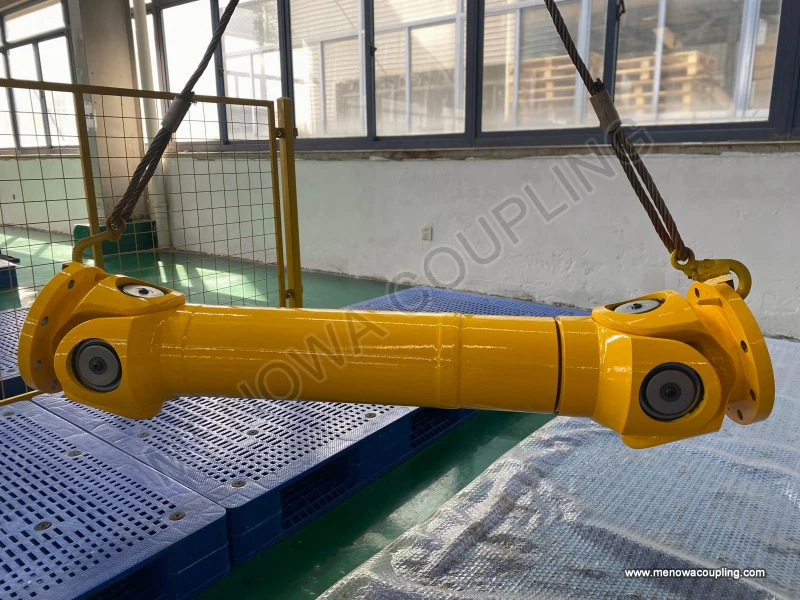
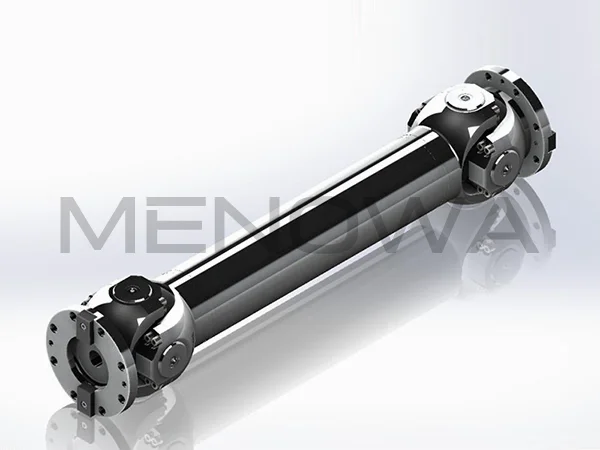
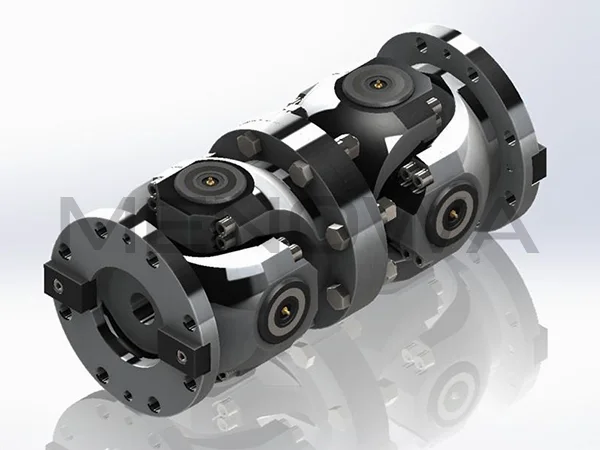
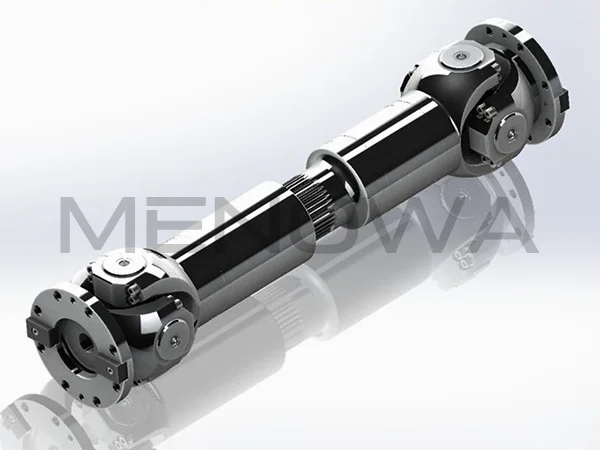
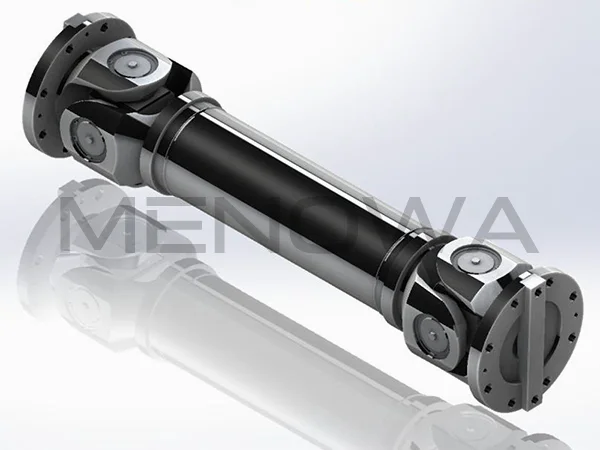
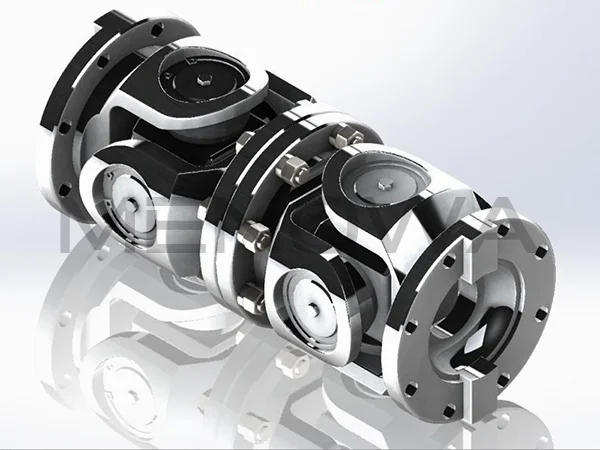
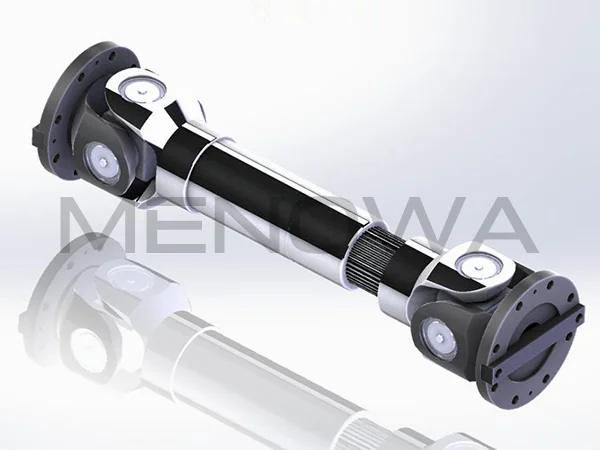
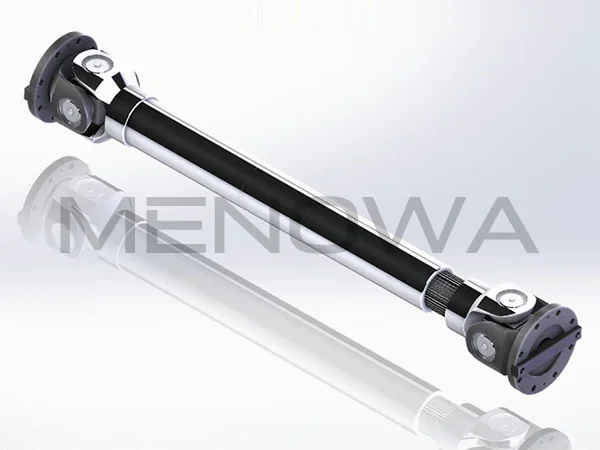
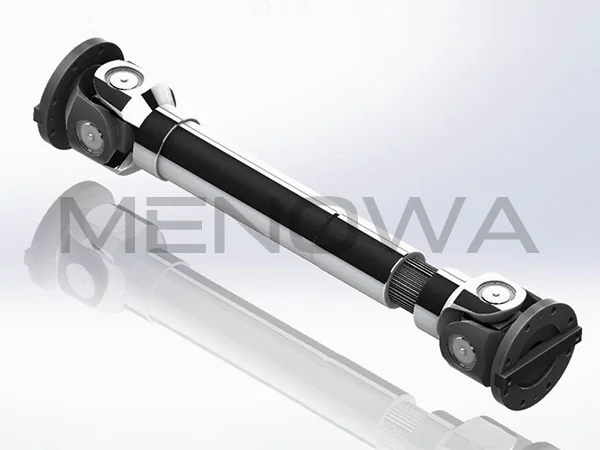
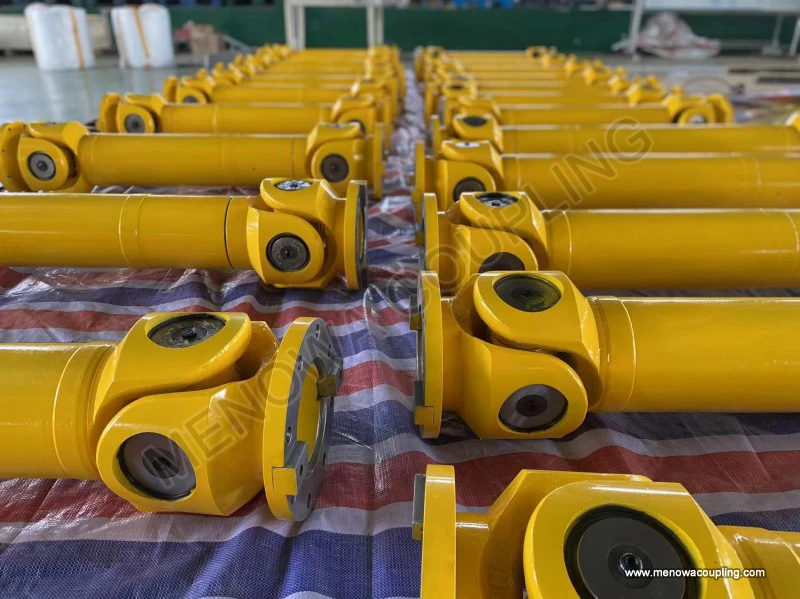
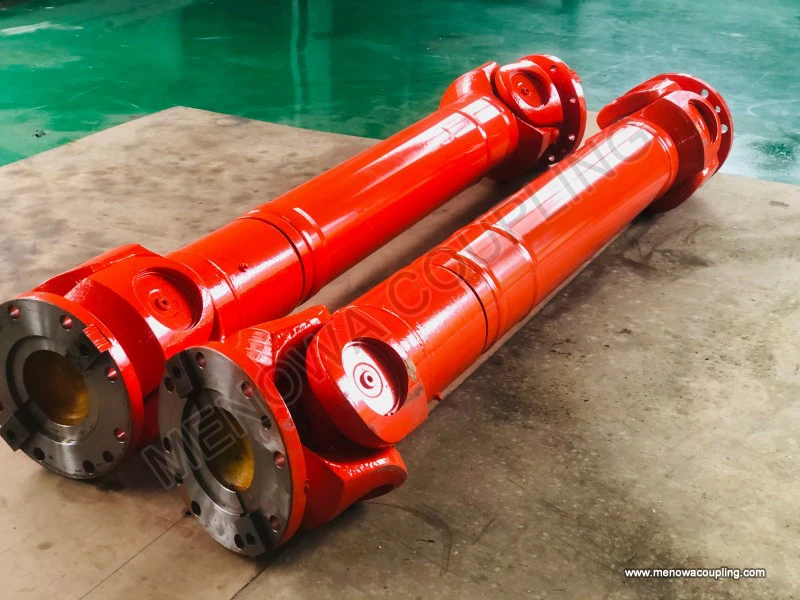
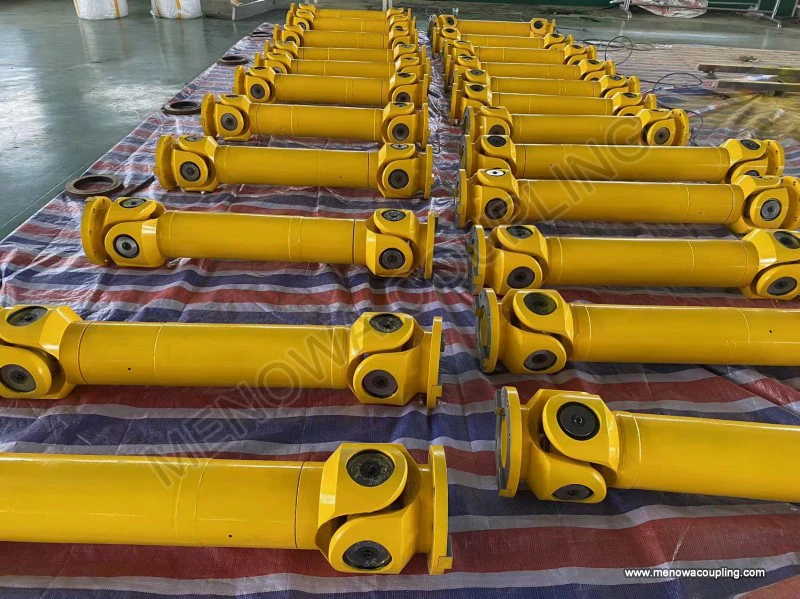
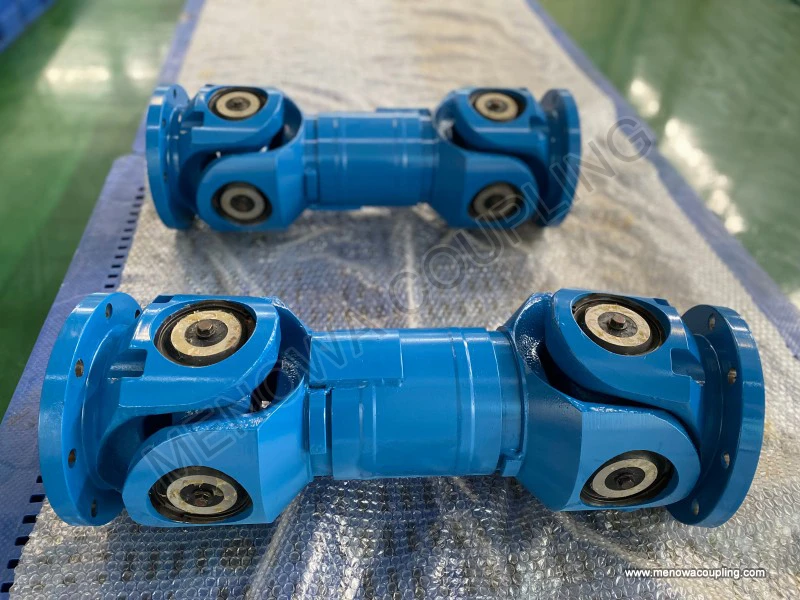
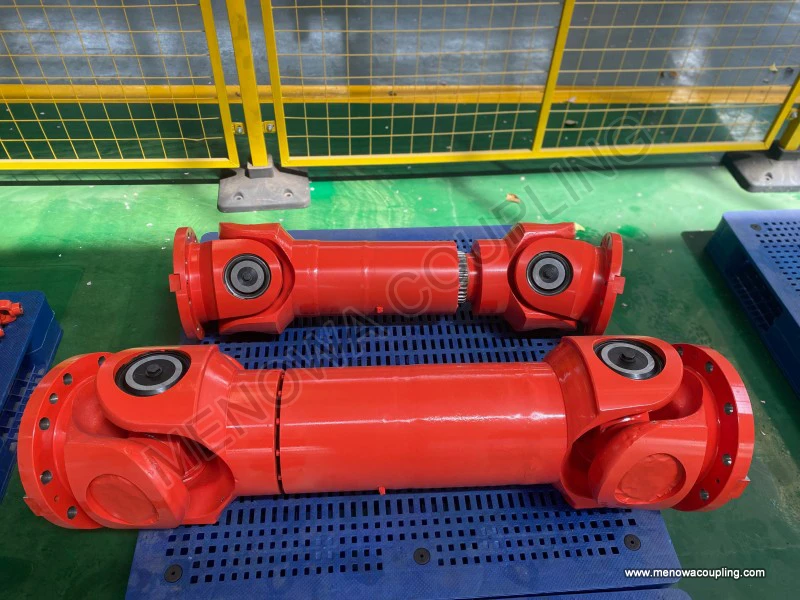
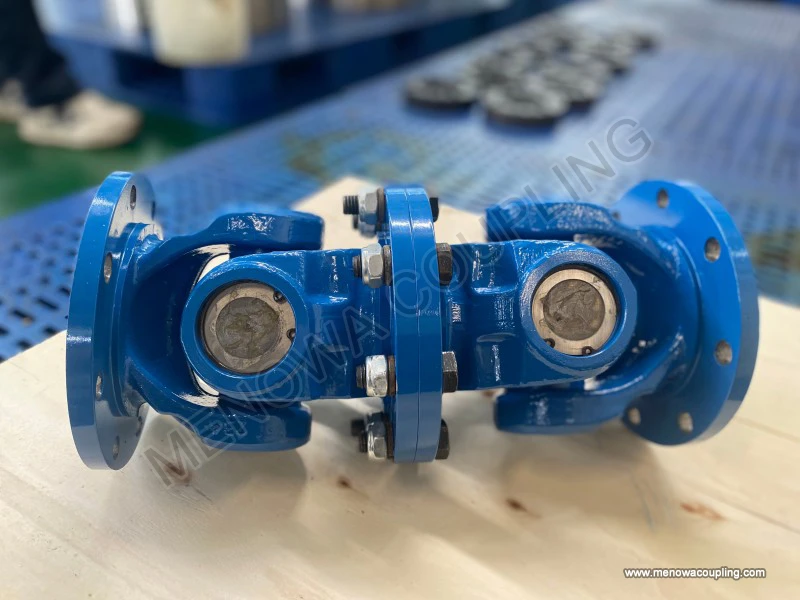
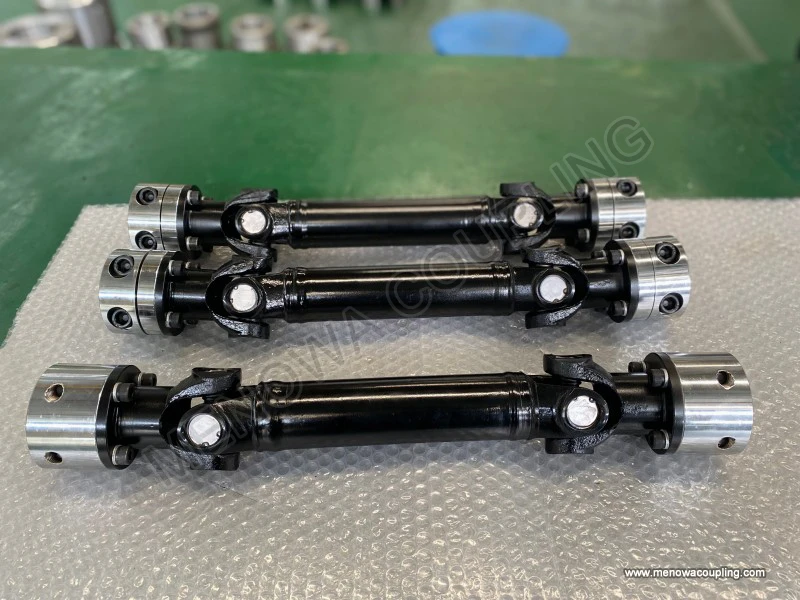
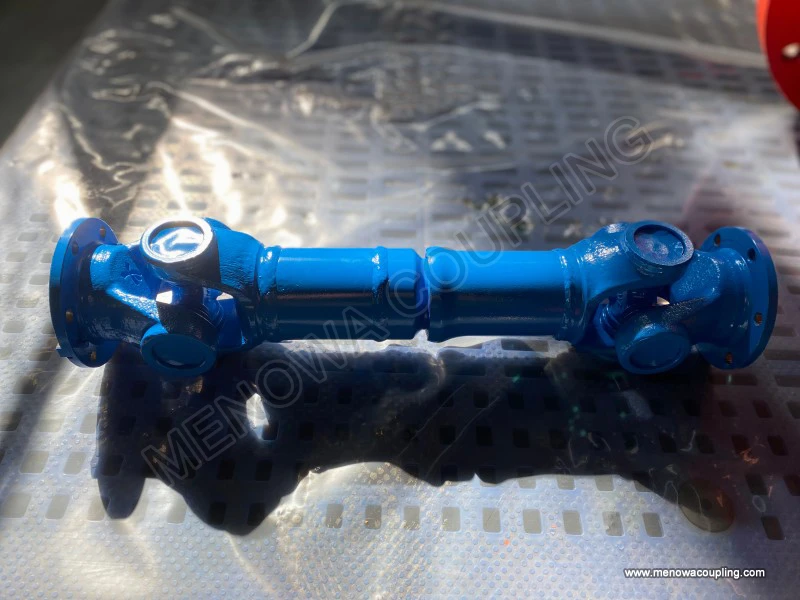
To fully understand the inherent operational advantages and wide application adaptability of the cardan coupling, it is necessary to start with the basic structural composition of the equipment and analyze the functional positioning and collaborative working relationship of each core component in the overall transmission process. The complete assembly of a standard cardan coupling follows a concise and reasonable mechanical design logic, with all core components cooperating closely and bearing forces in a balanced manner, ensuring both the structural stability required for long-term torque transmission and the flexible deflection capability needed for adapting to shaft misalignment. The main structural components of the cardan coupling include two symmetrically arranged yoke assemblies, a central cross shaft component that plays a core connecting and force transmission role, precision rolling bearing parts matched with each connecting end of the cross shaft, sealing and dustproof auxiliary components, and fastening and limiting parts used for fixed assembly and anti-loosening protection of the overall structure. Each component has a clear division of labor and precise dimensional matching standards, and any mismatch in component processing accuracy or assembly clearance will directly affect the transmission stability, operational smoothness and service life of the entire cardan coupling in actual use. The two yoke assemblies are respectively installed and fixed on the end parts of the driving shaft and the driven shaft that need power transmission, and the structural design of the yoke adopts a fork-shaped integrated structure, which can firmly wrap and connect the two opposite shaft necks of the central cross shaft, forming a rotatable hinge connection structure. The cross shaft, as the most central force-bearing and transmission core component of the entire cardan coupling, adopts an integrated cross-shaped symmetrical structure, with four uniformly distributed and vertically arranged shaft necks at the center, each vertically intersecting and mutually supporting in spatial structure, ensuring uniform force bearing and stable torque conduction in all directions during rotation. The four shaft necks of the cross shaft are respectively connected with the mounting holes of the two fork-shaped yokes through supporting rolling bearings, and the most commonly used bearing form in practical application is needle roller bearings, which have the characteristics of compact structural size, small friction coefficient, strong radial load-bearing capacity and good rotational flexibility, and can effectively reduce the friction resistance and mechanical wear between the cross shaft and the yoke during high-speed rotation and angular deflection movement. The sealing and dustproof components are installed at the matching gaps between the bearings and the yoke mounting holes, mainly playing the role of isolating external dust, moisture, industrial debris and other impurities, preventing these foreign substances from entering the bearing friction area and the internal hinge moving gap, avoiding abnormal wear, corrosion and bearing jamming caused by impurity accumulation, and at the same time locking the internal lubricating grease to ensure long-term effective lubrication of the friction moving parts. The fastening and limiting parts are used to fix the assembly position of each component, prevent the relative displacement and loosening of components caused by long-term rotational vibration and alternating load impact, and ensure the overall structural firmness and operational safety of the cardan coupling during continuous operation.
The unique working mechanical principle of the cardan coupling is the fundamental reason why it can achieve efficient power transmission under angular deflection conditions, and its motion transmission law and force conduction mechanism have been fully verified and summarized in mechanical kinematics and mechanical dynamics research. The core motion transmission logic of the single-section cardan coupling relies on the spatial rotation and hinge deflection movement formed by the cross shaft and the two yokes perpendicular to each other in spatial orientation. When the driving shaft starts to rotate and output rotational torque, the driving yoke fixed on the driving shaft will synchronously rotate with the shaft body, and drive the cross shaft connected to it through the bearing parts to perform synchronous rotational movement. The cross shaft, under the driving action of the driving yoke, relies on its symmetrical cross structure to transmit rotational torque and motion to the driven yoke connected to the other two shaft necks, and then the driven yoke drives the driven shaft to rotate synchronously, realizing the whole process of power and torque transmission from the driving end to the driven end. In this entire transmission process, the most critical mechanical characteristic is that the cardan coupling can allow a certain fixed angular deflection between the driving shaft and the driven shaft, and the deflection angle range that conventional structural products can adapt to covers the small-angle deviation generated by conventional equipment installation and the medium-angle deflection required for daily operational movement, meeting the misalignment compensation needs of most conventional mechanical transmission scenarios. It is important to note that a single cardan coupling has the inherent kinematic characteristic of non-constant velocity transmission in the working process. When there is an angular deviation between the driving shaft and the driven shaft, the instantaneous angular velocity of the driven shaft will produce periodic regular fluctuations with the rotation cycle, even though the average angular velocity of the driving shaft and the driven shaft remains completely consistent in each complete rotation cycle. This periodic instantaneous speed fluctuation will produce certain alternating mechanical inertia force and slight transmission vibration in the transmission system, which has little impact on mechanical equipment with low rotation speed, low transmission precision requirements and insensitive to transmission vibration, but needs to be optimized and eliminated in high-speed operation, high transmission stability requirements and precision mechanical transmission occasions.
To solve the problem of instantaneous speed fluctuation of single-section cardan coupling transmission and further expand its working angle adaptation range and operational stability, the double-section cardan coupling assembly structure has become a widely used optimized design form in industrial practical applications. The double-section cardan coupling is formed by connecting two single cardan couplings through an intermediate connecting shaft, and the core design key lies in the symmetrical installation and equal angle arrangement of the two single couplings, so that the instantaneous speed fluctuation generated by the first single coupling in the transmission process can be completely offset and compensated by the second single coupling. Through this reasonable structural combination and installation layout design, the final output angular velocity of the driven shaft can be kept stable and consistent with the input angular velocity of the driving shaft in the whole rotation process, realizing the constant velocity transmission effect of the overall transmission system, effectively reducing the alternating inertia force and mechanical vibration caused by speed fluctuation, and greatly improving the transmission smoothness and operational stability of the equipment. Whether it is a single-section or double-section cardan coupling, in the actual power transmission process, the force bearing state of each component follows the basic laws of mechanical dynamics, the torque is evenly distributed to each stress-bearing part of the cross shaft through the yokes, and the load is transmitted step by step through the bearings, avoiding local excessive stress concentration of individual components. This uniform force distribution characteristic enables the cardan coupling to bear large torque load and alternating impact load generated by equipment start-up, shutdown and load sudden change, and maintain good structural integrity and transmission performance without local deformation or component damage.
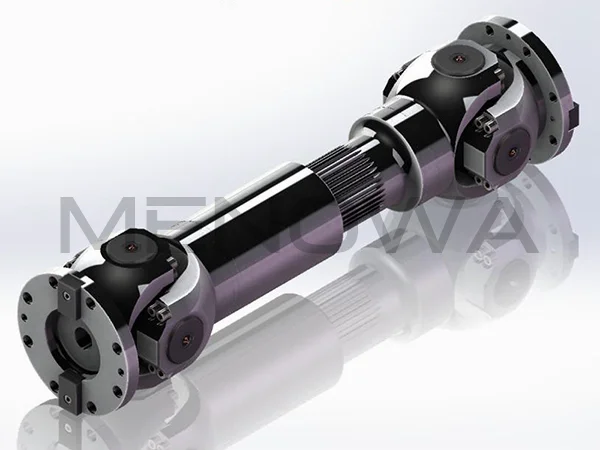
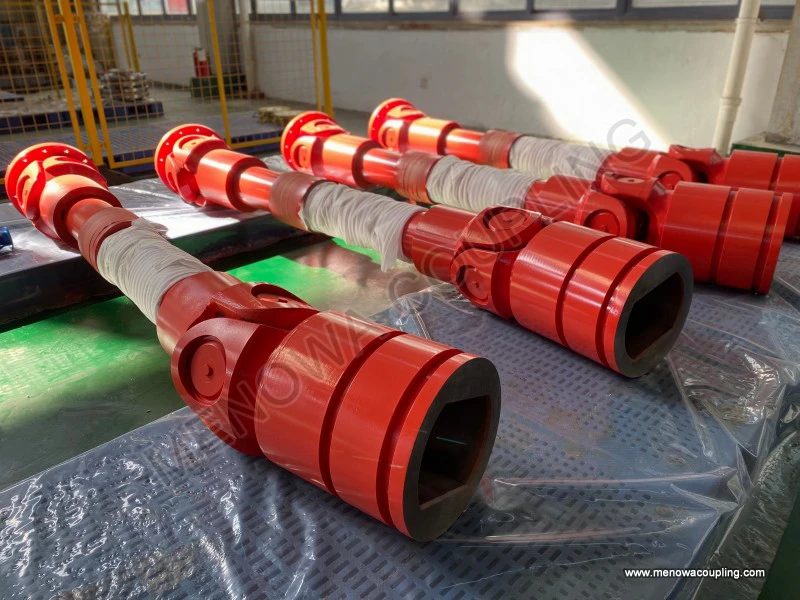
In addition to the core mechanical transmission function and angular misalignment compensation capability, the cardan coupling also has many remarkable comprehensive performance advantages in structural design and actual operational use, which make it stand out among various types of mechanical transmission couplings and become the preferred connecting component for most complex transmission working conditions. First of all, the overall structural design of the cardan coupling is compact and reasonable, with small overall occupied space, and can be flexibly installed and arranged in mechanical equipment with limited internal installation space and compact structural layout. Compared with other flexible couplings with similar misalignment compensation functions, the cardan coupling does not need additional complex auxiliary transmission structures or large-sized buffer parts, and all functional components are integrated in a small assembly space, which is convenient for integrated installation and later disassembly, maintenance and replacement. Secondly, the cardan coupling has excellent load-bearing performance and strong fatigue resistance, and can adapt to long-term continuous operation under heavy load, alternating load and impact load working conditions. The main stress-bearing components are made of high-strength alloy structural materials through precision forging and heat treatment processing technology, which have high structural rigidity, good mechanical toughness and strong wear resistance, and can resist mechanical fatigue damage and structural deformation caused by long-term repeated load impact. Thirdly, the cardan coupling has good axial displacement compensation capability on the basis of angular deviation adaptation. By matching the spline connection structure arranged on the connecting shaft body, it can effectively adapt to the axial telescopic displacement generated by thermal expansion and contraction of mechanical components during equipment operation and slight axial movement caused by mechanical vibration, avoiding additional axial mechanical stress between the driving shaft and the driven shaft and protecting the shaft body and related supporting components from damage. Fourthly, the operational friction degree of the cardan coupling is low, and the power transmission efficiency is maintained at a good level for a long time. The use of high-precision needle roller bearings and long-term stable lubrication system ensures that the friction resistance between moving parts is small, the mechanical energy loss in the torque transmission process is reduced, and the effective utilization rate of mechanical power of the whole equipment is improved. At the same time, the whole mechanical movement process is flexible and smooth, and the generated mechanical vibration and operating noise are kept within a low reasonable range, which meets the environmental operation requirements of most industrial production and mechanical use scenarios.
The application scenarios of the cardan coupling cover almost all mechanical fields that need non-coaxial shaft power transmission, showing extremely high application universality and working condition adaptability, and it plays an irreplaceable core role in different types of mechanical equipment and production links. In the field of road transportation equipment, the cardan coupling is an important basic component in the vehicle power transmission system, responsible for connecting the vehicle engine power output shaft and the rear drive axle transmission shaft. During the driving process of the vehicle, the body will produce continuous vibration and jitter due to road surface bumps and driving working condition changes, resulting in real-time dynamic angular deviation and axial displacement between the engine output shaft and the drive axle shaft. The cardan coupling can well adapt to this dynamic misalignment change, stably transmit engine power to the drive axle, ensure the continuous and stable driving power output of the vehicle, and avoid transmission power interruption and mechanical component damage caused by body vibration and shaft position deviation. In the field of engineering construction machinery, various heavy-duty construction equipment such as excavators, loaders, cranes and road rollers often work in harsh working environments with complex terrain, large operation vibration and frequent load changes. The power transmission systems of these engineering machines all need to transmit torque between shafts with large angular deflection and strong impact load. The cardan coupling's characteristics of strong load-bearing capacity, good impact resistance and large-angle misalignment adaptation make it fully suitable for the harsh working conditions of engineering machinery, ensuring the stable operation of the mechanical power transmission system under complex and changeable construction working conditions.
In the field of industrial production and manufacturing, various automated production lines, mechanical processing equipment, conveyor transmission systems and industrial supporting rotating machinery all need cardan couplings to complete the power connection between different transmission shafts. In industrial production workshops, affected by long-term equipment operation vibration, workshop temperature change and equipment foundation slight settlement, the relative position of the driving shaft and driven shaft of production machinery will inevitably produce small misalignment deviation. The application of cardan couplings can effectively compensate for these installation and operation deviations, ensure the continuous and stable operation of industrial production transmission equipment, reduce equipment failure rates caused by transmission shaft misalignment, and improve the overall operational efficiency and production continuity of industrial production lines. In the field of agricultural operation machinery, agricultural equipment such as tractors, harvesters and agricultural tillage machines often work in field environments with uneven ground and harsh working conditions. The power transmission parts of agricultural machinery need to adapt to large-angle deflection and frequent start-stop impact load. The simple structure, convenient maintenance and strong environmental adaptability of cardan couplings make them widely used in agricultural mechanical transmission systems, providing reliable power transmission guarantee for various agricultural production operations. In addition, in some special mechanical transmission fields such as marine auxiliary mechanical equipment, railway vehicle supporting transmission devices and mining underground transportation machinery, cardan couplings are also widely used according to actual transmission needs, relying on their excellent comprehensive performance to meet the power transmission requirements under various special and harsh working conditions.
Although the structural design of the cardan coupling is mature and the operational performance is stable, long-term high-load operation, harsh working environment and irregular use and maintenance will still lead to gradual wear and aging of components, affecting the transmission performance and service life of the equipment. Therefore, standardized daily use management and regular scientific maintenance and inspection work are essential to maintain the long-term stable operation of the cardan coupling and extend its service cycle. In the daily operation process of mechanical equipment, it is necessary to avoid long-term overload operation of the cardan coupling beyond the designed load range, and avoid frequent sudden start and sudden stop operations of the equipment, so as to reduce the alternating impact load on the coupling components and slow down the fatigue wear speed of stress-bearing parts. Regular visual inspection and operational state detection of the cardan coupling should be carried out in daily maintenance work, focusing on checking whether the overall structure of the coupling has obvious deformation, whether the fastening parts have loosening and falling off, whether the sealing components have aging damage and grease leakage, and whether abnormal vibration and abnormal noise occur during the rotation operation of the coupling. Once abnormal phenomena are found, timely shutdown inspection and maintenance adjustment should be carried out to avoid small faults evolving into large mechanical failures and affecting the normal operation of the whole mechanical equipment.
Lubrication maintenance is the core key link in the daily maintenance of cardan couplings, and good lubrication state is the basic guarantee to reduce component friction and wear and extend the service life of bearings and hinge moving parts. According to different working load and operating speed of the equipment, select lubricating grease with appropriate viscosity and wear resistance performance, and regularly replenish and replace the internal lubricating grease of the coupling according to the maintenance cycle requirements. During the lubrication operation, ensure that the lubricating grease is fully filled into the bearing interior and the hinge moving gap, avoiding insufficient lubrication or grease aging and failure leading to dry friction between components, which will accelerate component wear and cause bearing jamming and transmission failure. At the same time, the dustproof and sealing performance of the coupling should be regularly checked, and the damaged sealing and dustproof parts should be replaced in time to prevent external dust, sediment, moisture and corrosive substances from entering the internal moving structure, avoiding component corrosion, wear aggravation and operational flexibility reduction caused by impurity pollution. In addition, after the cardan coupling runs for a long cycle, regular disassembly and inspection maintenance should be carried out, the worn bearings and severely aged sealing parts should be replaced in a timely manner, the assembly clearance of each component should be adjusted, and the fastening state of all connecting parts should be checked and reinforced to ensure that the coupling always maintains a good assembly state and transmission performance during subsequent operation.
With the continuous progress of modern mechanical manufacturing technology and the continuous upgrading of industrial mechanical equipment performance requirements, the cardan coupling industry is also constantly carrying out technological innovation and structural optimization upgrading, moving towards the development direction of higher load-bearing performance, longer service life, higher transmission precision and stronger environmental adaptability. In terms of material optimization, with the continuous application of new high-strength wear-resistant alloy materials and advanced material heat treatment processing technology, the structural strength, wear resistance and fatigue resistance of cardan coupling core components are continuously improved, enabling the coupling to adapt to more extreme working conditions and longer continuous operation cycles. In terms of structural design optimization, through finite element mechanical simulation analysis and structural dynamic optimization design, the stress distribution of each component of the cardan coupling is further balanced, the structural weight is reduced on the premise of ensuring load-bearing performance, the transmission flexibility is improved, and the mechanical vibration and energy loss during operation are further reduced. In terms of processing and manufacturing technology, the popularization and application of precision numerical control processing technology and intelligent assembly equipment make the dimensional processing accuracy and assembly matching precision of cardan coupling components continuously improved, effectively reducing the assembly clearance error and mechanical running-in wear, and improving the overall transmission stability and operational reliability of the product.
In the future development of mechanical transmission systems, the core status and application value of cardan couplings in basic mechanical transmission will not be replaced by other new transmission components. On the contrary, with the continuous expansion of the application scope of special mechanical equipment and the continuous improvement of the requirements for mechanical transmission stability and working condition adaptability, the market demand for high-performance and high-reliability cardan couplings will continue to grow, and the technical research and development and product optimization of cardan couplings will also be more targeted and refined. Whether in traditional industrial production machinery, transportation equipment and agricultural machinery fields, or in emerging special engineering machinery and intelligent mechanical transmission equipment fields, the cardan coupling will always rely on its simple and reliable structural principle excellent misalignment compensation performance and strong working condition adaptability, to provide stable and efficient basic power transmission guarantee for the normal operation of various mechanical equipment. As a classic and timeless basic mechanical transmission component developed and iterated over hundreds of years, the cardan coupling has always maintained its core design essence of practicality, stability and high efficiency, and will continue to play an indispensable basic supporting role in the continuous development and progress of modern mechanical engineering technology, escorting the stable operation and efficient production of various mechanical systems in all walks of life.
https://www.menowacoupling.com/industrial-coupling/cardan-coupling.html
 WeChat
 WhatsApp