Universal Drive Shaft
Mechanical power transmission forms the fundamental backbone of all modern mobile equipment and industrial rotating systems, enabling the seamless transfer of rotational torque and kinetic energy between interconnected mechanical components regardless of positional deviations and dynamic operational fluctuations. Among all the essential mechanical components dedicated to this critical task, the universal drive shaft stands out as an indispensable and highly adaptable mechanical assembly, designed specifically to address the core challenge of power transmission between rotating shafts that are not maintained in perfect coaxial alignment during regular operation. In countless operational scenarios ranging from daily road transportation equipment and off-road engineering machinery to stationary industrial production lines, agricultural farming equipment and special engineering operating devices, the universal drive shaft undertakes the vital responsibility of connecting power output sources and power execution components, ensuring that rotational power can be transmitted stably, continuously and efficiently even when subjected to angular deflection, axial displacement and dynamic structural vibration generated by equipment operation and external environmental changes. Unlike rigid fixed connection shafts that can only work normally under strict coaxial installation conditions, the structural design characteristics of the universal drive shaft endow it with unique flexibility and adaptive adjustment capabilities, making it capable of coping with complex and variable working posture changes and mechanical movement states, and it has become a core basic mechanical part that cannot be replaced in the field of mechanical transmission worldwide.
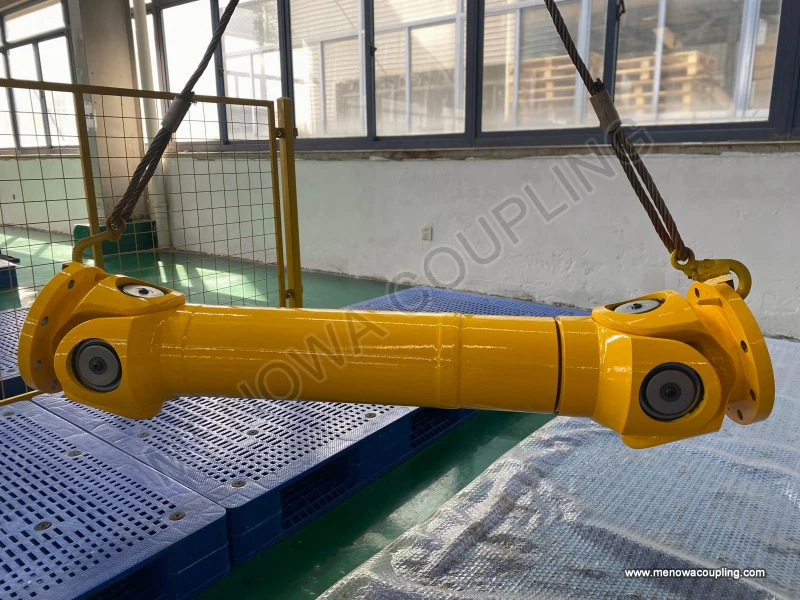
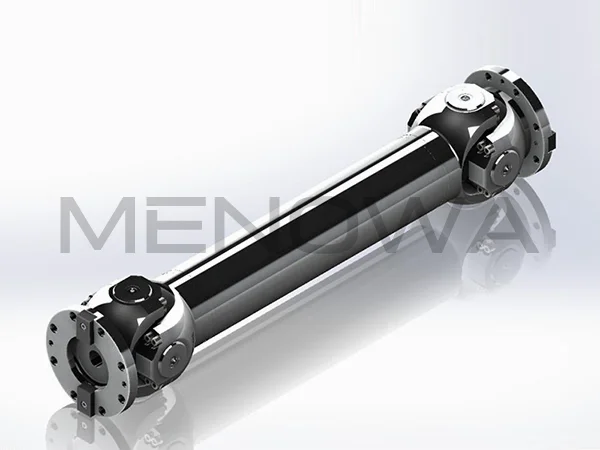
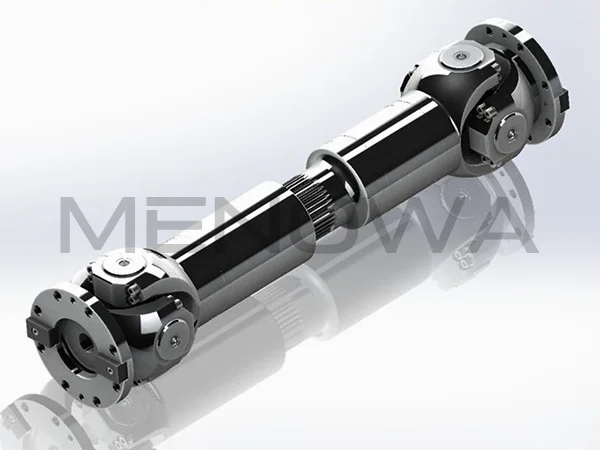
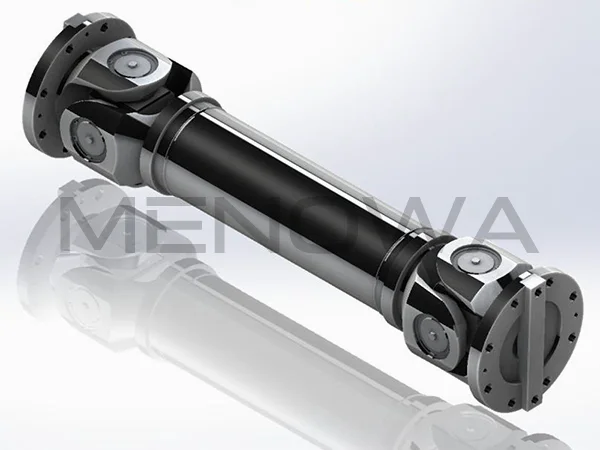
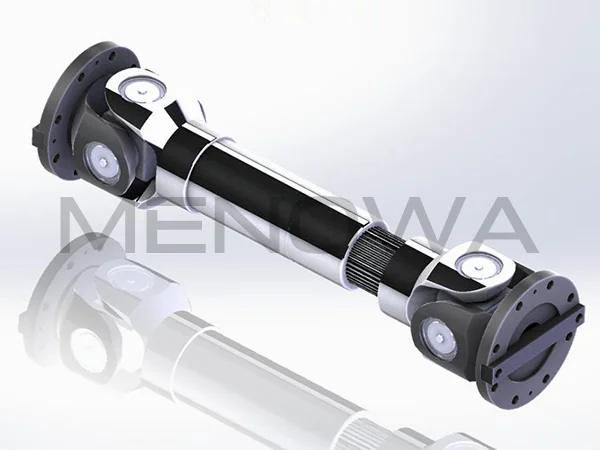
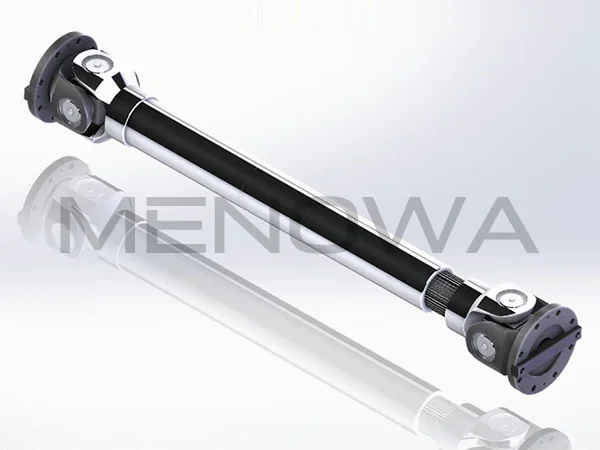
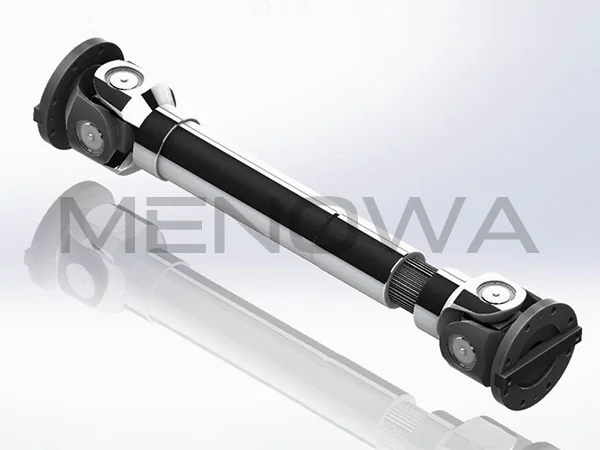
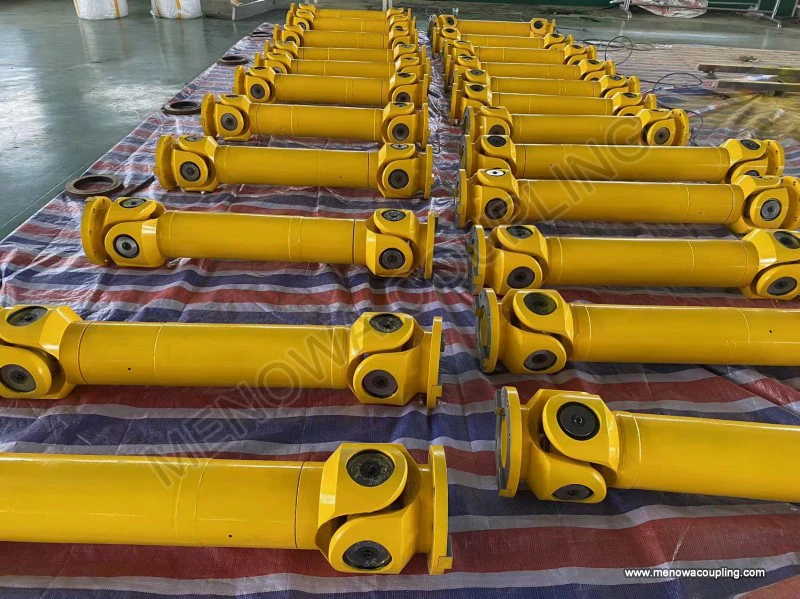
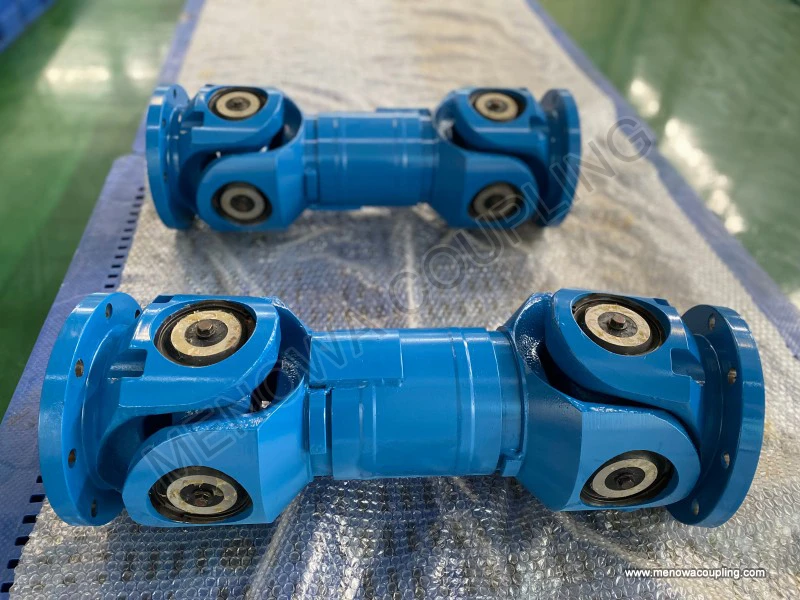
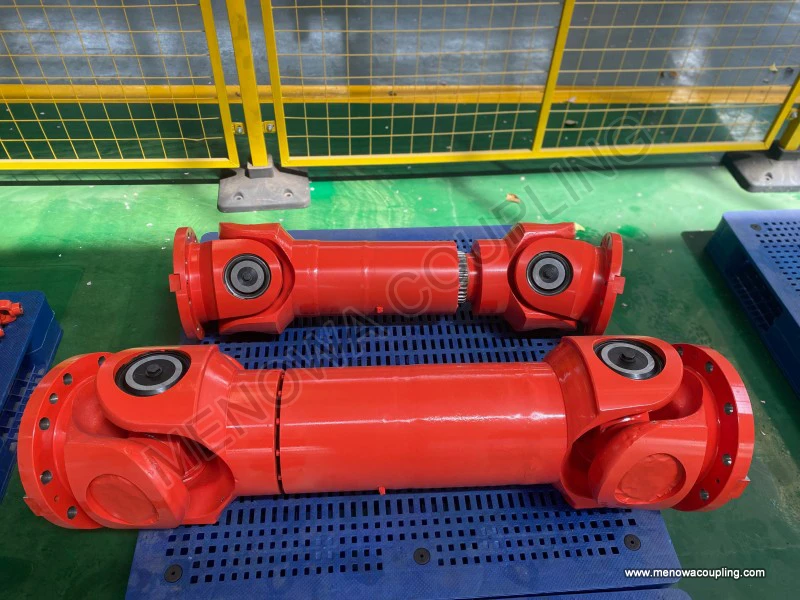
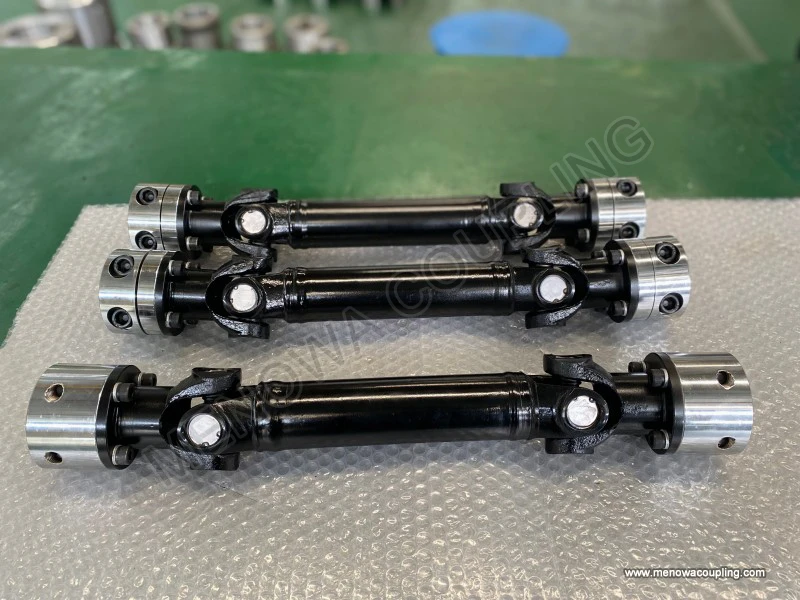
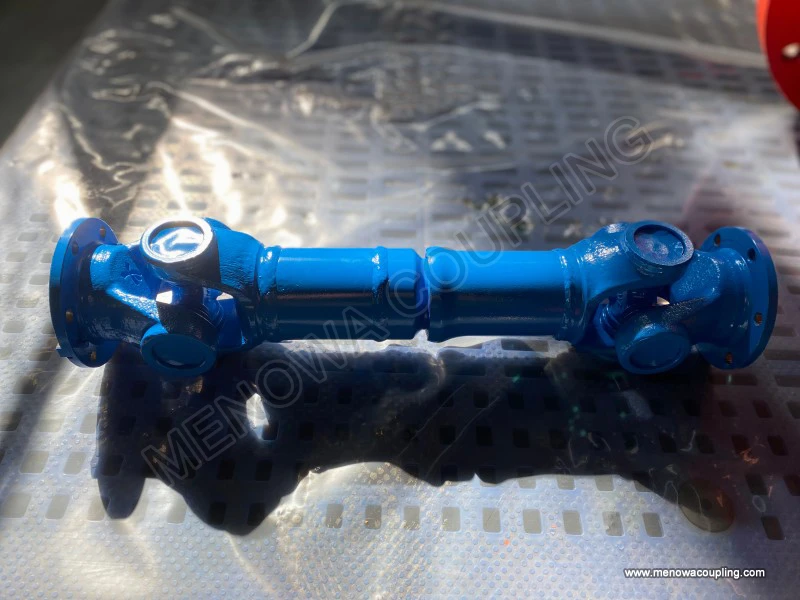
To fully comprehend the practical value and working logic of the universal drive shaft, it is necessary to start with the basic structural composition of the entire assembly and understand the coordination relationship and functional division of each internal component in depth. A complete universal drive shaft assembly is a combined mechanical structure assembled from multiple precision processed metal components, each of which is manufactured and processed according to strict mechanical strength standards and dynamic balance requirements, and every structural detail directly affects the overall transmission efficiency, operational stability and service life of the entire drive shaft system. The main body of the universal drive shaft is usually dominated by a hollow tubular shaft body, and a small number of special working condition scenarios with extreme load-bearing requirements will adopt a solid shaft body structure. The hollow tubular design adopted by most conventional universal drive shafts is derived from comprehensive mechanical engineering optimization design; this structure can effectively reduce the overall self-weight of the drive shaft while maintaining sufficient torsional rigidity and structural bending resistance, avoiding additional energy consumption and mechanical vibration caused by excessive self-weight during high-speed rotation operation. The wall thickness and outer diameter of the tubular shaft body are scientifically designed according to the torque transmission demand and operating speed range of different application scenarios, ensuring that the shaft body will not produce permanent deformation, torsional distortion or structural fatigue damage under long-term torque load and frequent dynamic impact.
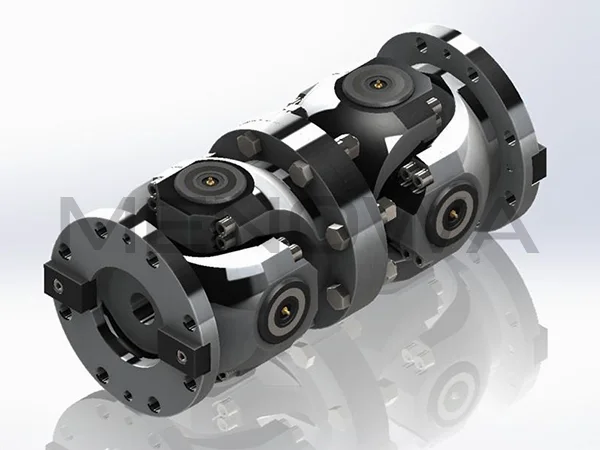
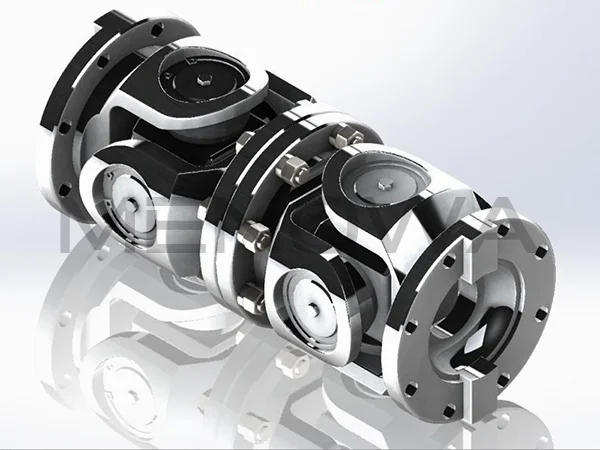
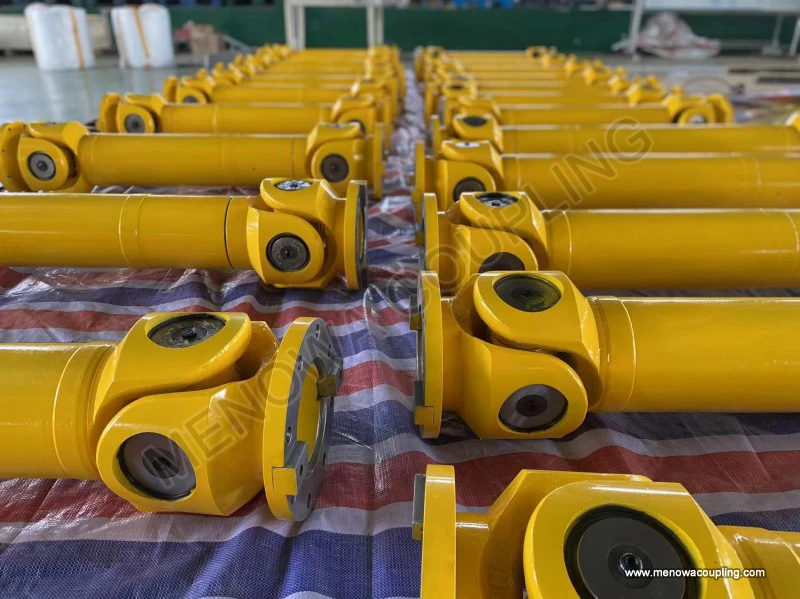
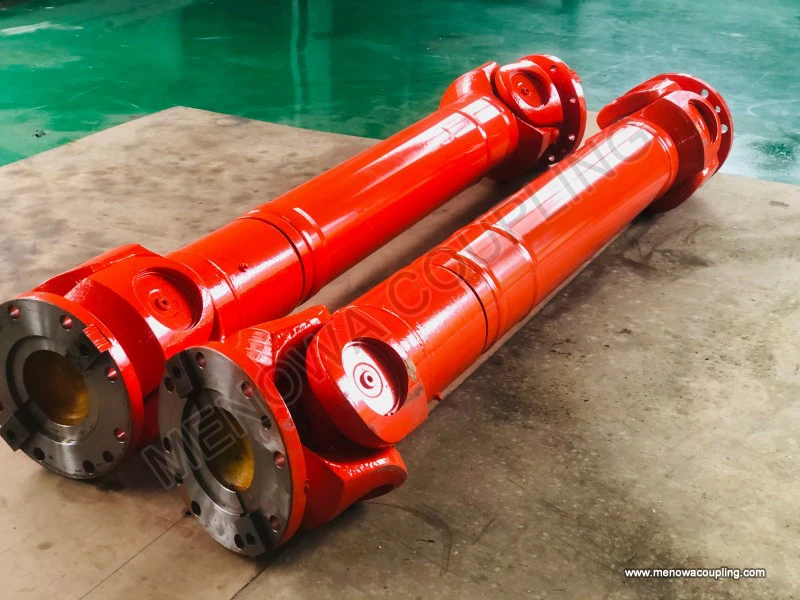
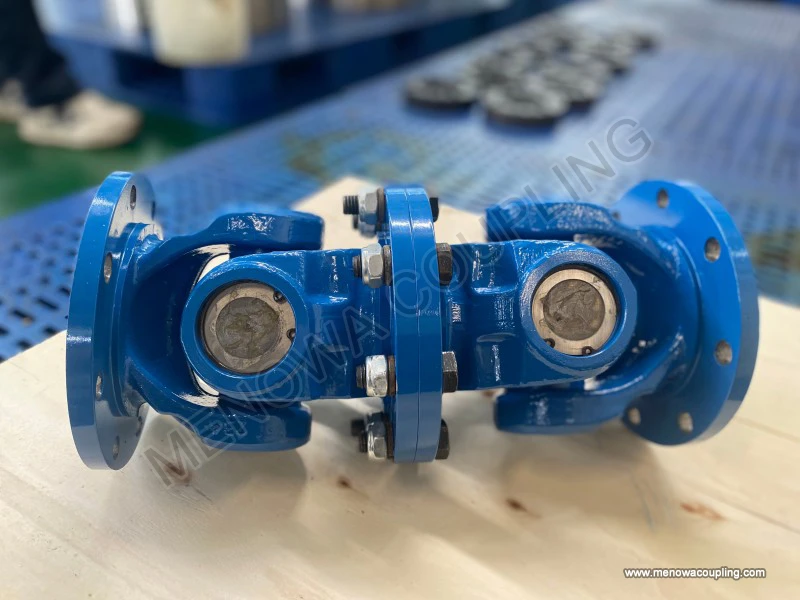
The most core functional components installed at both ends of the tubular shaft body are universal joints, commonly referred to as U-joints in mechanical engineering applications, which are the key structures that enable the universal drive shaft to achieve angular deflection power transmission. Each universal joint takes a cross-shaped metal spider as the central stress-bearing core component, and four cylindrical trunnions are distributed at equal angles around the cross spider, with each trunnion sleeved with a high-precision rolling bearing structure. These rolling bearings are wrapped and fixed inside the yoke structures connected to the driving end and driven end respectively, forming a flexible rotatable connection structure that can rotate freely in multiple directions. The internal bearing structure of the universal joint is filled with high-performance lubricating grease during assembly, and equipped with a good sealing protection structure, which can effectively reduce the friction resistance and mechanical wear of the trunnion and bearing during long-term rotational operation, while preventing external dust, moisture, sediment and other impurities from entering the internal moving gap of the universal joint and causing abrasive wear and structural corrosion. The yoke structures at both ends of the universal joint are tightly connected with the tubular shaft body and the external power input and output components respectively through fastening connection structures, ensuring that torque can be stably transmitted from the driving end yoke to the cross spider, and then to the driven end yoke through the bearing and trunnion coordination, realizing the basic power transmission function under angular deviation conditions.
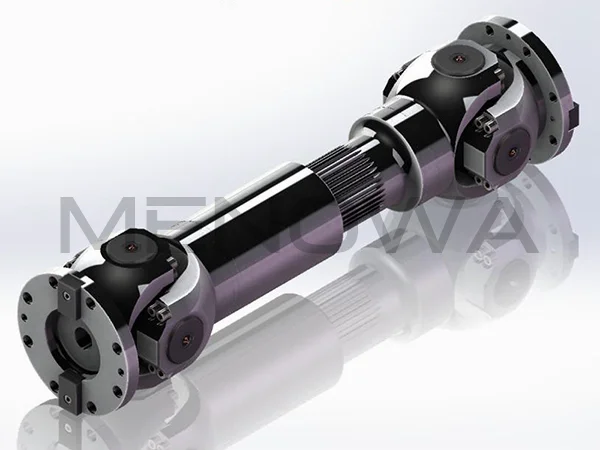
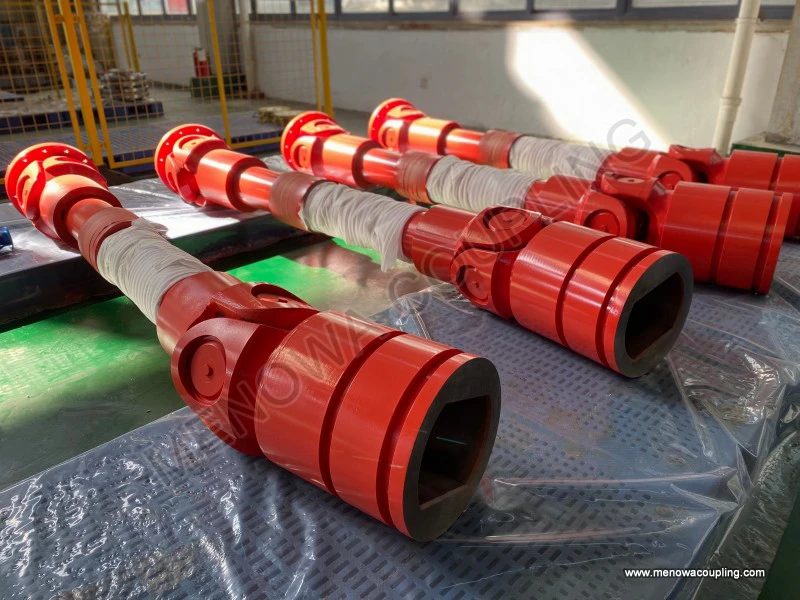
In addition to the core tubular shaft body and universal joint components, most universal drive shaft assemblies are also equipped with a telescopic spline connection section, which is another key structural design to adapt to the dynamic changes of mechanical equipment during operation. In the actual working process of various mechanical equipment, due to the up and down jitter of the suspension structure, the positional movement of the frame during load-bearing operation, and the angular position adjustment during equipment steering and walking, the linear distance between the power output component and the power input component connected by the universal drive shaft will constantly change dynamically. If the drive shaft adopts a fixed integrated length design, it will be prone to structural jamming, additional mechanical stress and even structural fracture damage when the distance changes. The telescopic spline section is composed of internal and external spline structures matched with each other, which can freely stretch and retract axially within a certain range while maintaining synchronous rotational rotation. This structural design can automatically compensate for the axial length change generated during the operation of the equipment, eliminate the extra mechanical stress caused by length deviation, and ensure that the power transmission process of the universal drive shaft will not be affected by the axial positional change of the connected components. For some long-span power transmission scenarios, the overall length of the single-section universal drive shaft cannot meet the usage requirements, and such scenarios will adopt a multi-section combined universal drive shaft structure, which is equipped with intermediate supporting bearings and connecting supports. The intermediate supporting bearing can play a stable supporting role for the long-distance drive shaft body, reduce the vibration amplitude and rotational swing of the shaft body during high-speed operation, avoid the resonance phenomenon caused by the excessive length of the single shaft body, and further improve the overall operational stability of the power transmission system.
The working principle of the universal drive shaft follows the basic laws of mechanical kinematics and torsional mechanics, and the core operation logic lies in using the structural flexibility of universal joints and the length compensation function of spline components to decouple the coaxiality limitation of traditional rigid shaft power transmission, realizing efficient torque transmission under multi-dimensional dynamic displacement conditions. A single universal joint has the structural characteristic of non-constant velocity transmission when working at a certain angular deflection angle; that is, when the driving end shaft rotates at a constant rotational speed, the instantaneous rotational speed of the driven end shaft will produce periodic slight fluctuations with the rotation cycle. This slight speed fluctuation will not have a significant impact on low-speed and heavy-load mechanical transmission scenarios, but for high-speed rotating equipment, long-term single universal joint transmission will easily cause periodic vibration of the transmission system, affecting the stability of equipment operation. Therefore, in the actual design and application of universal drive shafts, the assembly form of two universal joints matched with each other is almost always adopted. By reasonably adjusting the installation angle and phase position of the two universal joints at both ends of the drive shaft, the speed fluctuation generated by the first universal joint can be completely offset by the second universal joint, so that the final rotational speed transmitted to the driven end remains stable and consistent, realizing the approximate constant velocity power transmission effect. This mature structural matching design principle has been verified by long-term mechanical engineering practice, and has become the standard assembly basis for almost all universal drive shaft products applied in high-speed and stable operation scenarios.
In the actual torque transmission process, the universal drive shaft needs to bear multiple complex mechanical loads simultaneously, including basic torsional load generated by power rotation, impact load generated by equipment start-stop and sudden load change, alternating fatigue load generated by long-term cyclic rotation, and bending load generated by shaft body rotation and self-weight. The material selection of each component of the universal drive shaft is specially optimized for these complex load characteristics. Most of the main shaft bodies, cross spiders and yoke components are made of high-strength alloy structural steel materials, which have excellent torsional strength, fatigue resistance and impact toughness. After forging, heat treatment and precision machining processes, the internal structural density and surface hardness of the components are improved, effectively resisting structural deformation and fatigue damage under long-term alternating load. The internal bearings of universal joints are made of high-hardness bearing steel materials, which have good wear resistance and rotational smoothness, ensuring long-term stable rotation and reducing friction and energy loss. The surface of each component will also be treated with anti-corrosion and wear-resistant surface processes to adapt to different external working environments, avoiding structural rust and surface wear caused by humid, dusty and corrosive working conditions, and prolonging the overall stable working cycle of the universal drive shaft.
The application scope of universal drive shafts covers almost all fields involving mechanical power transmission with non-coaxial connection requirements, showing extremely high industrial versatility and scenario adaptability. In the field of road transportation vehicles, universal drive shafts are one of the core components of the vehicle drivetrain system, responsible for transmitting the power output by the engine and transmission assembly to the rear axle differential or wheel side power components. During the driving process of the vehicle, the suspension system will continuously compress and rebound with the changes of road surface bumps, and the frame and axle will produce continuous relative positional displacement and angular deflection. The universal drive shaft can well adapt to these dynamic changes, ensuring that the vehicle can still transmit power normally during driving, steering and bumpy road driving, and realizing normal starting, acceleration and driving functions of the vehicle. Different types of vehicles have different design forms of universal drive shafts; light-duty passenger vehicles usually adopt single-section universal drive shaft structures with compact structure and small load demand, while heavy-duty transport vehicles and large engineering vehicles bear larger torque load and longer transmission distance, so multi-section combined universal drive shaft structures with higher strength and supporting components are adopted to meet the power transmission demand under heavy-load and long-term continuous operation conditions.
In the field of engineering machinery and construction equipment, the working environment of mechanical equipment is more harsh and complex, with frequent load changes, severe vibration and large angular displacement of components during operation, which puts forward higher requirements for the load-bearing capacity and structural reliability of universal drive shafts. Various engineering machinery such as excavators, loaders, bulldozers and road rollers all rely on universal drive shafts to complete the power transmission between the power engine and each working mechanism. These devices often need to work on uneven construction sites, and the working arms and walking mechanisms need to adjust their working angles and positions frequently. The excellent angular adaptability and impact resistance of universal drive shafts ensure that the power transmission system will not fail or be damaged under harsh working conditions, and maintain the continuous and stable operation of engineering construction work. In addition, special engineering equipment such as mining machinery and tunnel construction machinery also uses a large number of universal drive shaft assemblies, adapting to the narrow working space and complex mechanical movement posture of underground and special construction scenarios, and providing reliable power transmission guarantee for high-intensity engineering operation.
Agricultural production machinery and equipment are also important application scenarios for universal drive shafts. Farmland operation equipment such as tractors, harvesters, rotary tillers and seeders usually need to walk on rugged farmland roads and field plots, and the working tools and walking chassis of the equipment need to be frequently adjusted in working height and operating angle according to agricultural operation needs. The universal drive shaft can stably transmit the power of the tractor engine to various agricultural working tools, adapting to the jitter and position change of the equipment during field operation, ensuring that agricultural operations such as tillage, sowing and harvesting can be carried out smoothly. The universal drive shafts used in agricultural machinery also have good dustproof and anti-fouling structural design, adapting to the harsh working environment with more sediment, crop residues and dust in farmland, reducing the failure rate of components and ensuring the continuity and efficiency of agricultural production operations.
In the field of industrial production and manufacturing, universal drive shafts are widely used in various rotating mechanical production lines, conveyor equipment, mechanical transmission devices and industrial processing machinery. Many industrial production equipment needs to arrange power motors and working execution components in different positions due to production process and workshop layout requirements, and the two cannot be installed in a strict coaxial state. At the same time, the equipment will produce slight vibration and positional deviation during long-term continuous operation. The universal drive shaft can realize stable power transmission between non-coaxial industrial mechanical components, ensuring the synchronous operation of each link of the production line and the normal progress of industrial processing and production. Whether it is material conveyor lines in factory workshops, rotating transmission mechanisms in processing machine tools, or power connection components in large industrial fans and pump equipment, universal drive shafts play an important role in maintaining the stable operation of industrial mechanical systems and improving the overall production efficiency of industrial equipment.
In addition to the above conventional application fields, universal drive shafts also have important application value in many special professional fields, such as ship auxiliary mechanical transmission systems, airport ground handling equipment, railway auxiliary maintenance equipment and military special mechanical equipment. These special fields have higher requirements for the structural compactness, working stability and environmental adaptability of universal drive shafts, and the universal drive shafts used are optimized and designed in terms of structural size, material performance and sealing protection according to the special working conditions, ensuring that they can work stably for a long time in special working environments such as high humidity, high salt fog, low temperature and high vibration. No matter in conventional civil production and life or special professional operation scenarios, the core functional advantages of universal drive shafts determine their irreplaceable important position in mechanical power transmission systems.
The long-term stable operation of the universal drive shaft is inseparable from scientific daily maintenance, regular inspection and standardized use and operation management. As a mechanical component that bears alternating load and frequent mechanical movement for a long time, the universal drive shaft will inevitably produce normal mechanical wear and aging of accessories after a long working cycle. Good maintenance work can effectively reduce the wear rate of components, delay the aging speed of structural parts, reduce the probability of sudden failure and damage, and extend the overall service life of the drive shaft assembly. The most conventional and important maintenance work is regular lubrication maintenance. The universal joint bearings and telescopic spline components inside the universal drive shaft need to be kept in a good lubrication state for a long time. Regular injection of high-quality special lubricating grease can reduce the friction coefficient between moving parts, reduce mechanical wear and heat generation during operation, and avoid dry friction damage of components caused by insufficient lubrication. At the same time, it is necessary to regularly check the sealing protection structure of the universal drive shaft to ensure that the sealing sleeves and protective covers are intact and undamaged, preventing external impurities from entering the interior of the components and causing abrasive wear and corrosion.
Regular visual inspection and structural fastening inspection are also essential maintenance links. In the daily operation interval of mechanical equipment, operators and maintenance personnel need to regularly observe the surface state of the universal drive shaft body, universal joints and connecting parts, check whether there are surface cracks, structural deformation, rust and corrosion and other abnormal phenomena. At the same time, it is necessary to check the fastening degree of all connecting bolts and fixing parts to ensure that there is no looseness or falling off of fastening parts caused by long-term vibration of the equipment. If any loose connecting parts are found, they need to be fastened in time according to the standard torque requirements to avoid abnormal vibration and structural impact of the drive shaft caused by loose connection during operation. For the universal drive shaft assembly used for a long time, regular dynamic balance detection is also required. After long-term operation, the shaft body may have slight deformation and uneven wear, resulting in unbalanced rotation, which will cause obvious vibration and noise during high-speed operation. Timely dynamic balance calibration can restore the rotational stability of the drive shaft and avoid vibration damage to the transmission system and related connecting components.
Standardized use and operation management are also important factors to ensure the service life of the universal drive shaft. In the daily use of mechanical equipment, avoid frequent aggressive start-up, sudden braking and sudden load increase operation modes as much as possible. Such operation behaviors will cause instantaneous huge impact load on the universal drive shaft, easily lead to fatigue damage of universal joint bearings, deformation of the shaft body and loosening of connecting parts, and accelerate the failure and damage of the drive shaft assembly. During the operation of the equipment, if abnormal vibration, abnormal noise and power transmission lag of the drive shaft are found, the equipment should be shut down for inspection in time, and the operation should not be continued with faults, so as to avoid small faults evolving into large-scale structural damage and more serious mechanical failure accidents. For the universal drive shaft that has reached the service life or has serious wear and irreparable structural damage, it is necessary to replace the damaged components or the whole assembly in a timely manner to ensure the safe and stable operation of the entire mechanical transmission system.
With the continuous progress of mechanical engineering technology and the continuous upgrading of various mechanical equipment, the design and manufacturing technology of universal drive shafts are also constantly optimized and improved, developing towards lighter overall weight, higher transmission efficiency, stronger structural reliability, longer service life and better environmental adaptability. In terms of material research and development, new high-strength lightweight alloy materials and composite materials are gradually applied to the production and manufacturing of universal drive shaft components. On the premise of ensuring the structural strength and load-bearing capacity of the drive shaft, the overall self-weight of the assembly is further reduced, which helps to reduce the energy consumption of mechanical equipment operation and improve the power transmission efficiency. In terms of structural design optimization, through finite element mechanical simulation analysis and dynamic kinematics research, the structural size and stress distribution of each component of the universal drive shaft are optimized, the stress concentration area inside the components is reduced, the fatigue resistance and impact resistance of the structure are improved, and the structural stability under extreme working conditions is enhanced.
In terms of processing and manufacturing technology, modern precision forging, CNC precision machining and intelligent heat treatment processes are widely used in the production of universal drive shafts, improving the processing accuracy and dimensional consistency of each component, reducing the assembly gap and mechanical friction between matching parts, and further improving the smoothness and efficiency of power transmission. At the same time, the sealing protection technology and lubrication system design of universal drive shafts are also continuously upgraded, adapting to more harsh working environments such as high temperature, low temperature, strong corrosion and heavy dust, expanding the applicable scope of universal drive shafts in special mechanical equipment fields. In the future, with the rapid development of intelligent mechanical equipment and automated production systems, universal drive shafts will also be combined with intelligent monitoring technology, realizing real-time monitoring of operating temperature, vibration state, lubrication state and structural wear degree of the drive shaft assembly, realizing early warning of potential faults and predictive maintenance, and further improving the operational reliability and intelligent management level of the universal drive shaft transmission system.
From the most basic mechanical power transmission function to adapting to complex and changeable working conditions and diverse application scenarios, from simple structural connection components to core mechanical assemblies integrating material science, mechanical kinematics and structural optimization design, the universal drive shaft has always played a silent and important role in the development of mechanical engineering and the operation of various mechanical equipment. It is not only a simple mechanical connection component, but also an important guarantee for realizing flexible, efficient and reliable power transmission between mechanical components. All mechanical equipment that needs power transmission under non-coaxial and dynamic displacement conditions cannot work normally without the support of universal drive shafts. With the continuous development of mechanical technology and the continuous improvement of equipment performance requirements, the universal drive shaft will continue to carry out technological innovation and structural optimization, keep pace with the development of modern mechanical engineering, provide more stable and efficient power transmission services for various industries and fields, and make continuous and important contributions to the efficient operation and technological progress of modern mechanical systems and industrial production activities.
https://www.menowacoupling.com/industrial-coupling/universal-drive-shaft.html
 WeChat
 WhatsApp