Industrial coupling serves as an essential mechanical connection component widely applied in various mechanical power transmission systems across modern industrial sectors. Its core role is to connect separate rotating driving and driven shafts, steadily transmitting torque and rotational motion to ensure coordinated operation of different mechanical parts within a complete equipment set. In actual industrial operation, shaft installation often produces minor deviations, and long-term equipment running will also cause subtle position changes due to thermal expansion and mechanical wear. This component can effectively adapt to such common misalignment conditions, relieving extra mechanical stress on shafts and adjacent mechanical parts.
Beyond basic power transmission, industrial coupling plays a key part in absorbing operating shocks and damping mechanical vibrations generated during equipment startup, operation and load switching. It buffers fluctuating mechanical force between connected devices, reducing mutual impact between driving and driven ends. This protective effect lowers component wear, extends the service cycle of the whole mechanical system, and maintains stable and smooth running status. It fits well for conventional industrial equipment including conveyors, pumps and processing machinery, supporting continuous and reliable daily industrial production operation.
![Flexible Coupling]()
Flexible Coupling
In the complex and interconnected operating system of modern mechanical transmission engineering, the stable connection and efficient power transmission between rotating shafts have always been the core foundational link that determines the overall operating state of mechanical equipment. Every piece of rotating machine…![Elastic Coupling]()
Elastic Coupling
In the intricate and interconnected ecosystem of modern mechanical transmission systems, the smooth and stable transfer of rotational power and torque between adjacent rotating shafts serves as the fundamental guarantee for the continuous and efficient operation of all types of industrial and civil mechanical equipment.…![Elastomeric Coupling]()
Elastomeric Coupling
In the intricate and interconnected ecosystem of modern mechanical engineering and industrial power transmission, the seamless and reliable transfer of rotational force and torque between adjacent rotating shafts stands as one of the most fundamental and indispensable operational requirements for all types of mechanical…![Drive Shaft]()
Drive Shaft
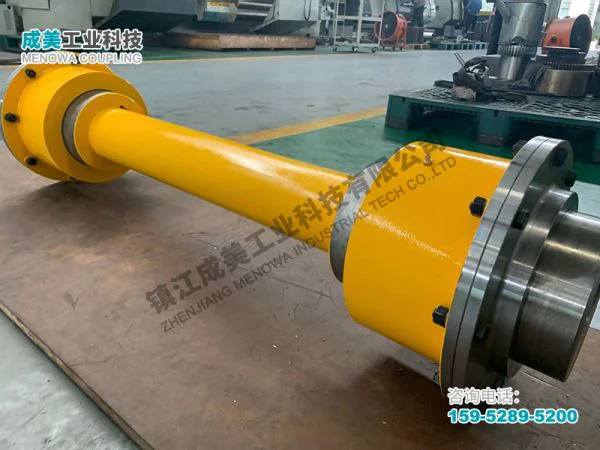
In the intricate and interconnected ecosystem of mechanical power transmission systems across mobile machinery and industrial rotating equipment, the drive shaft stands as an indispensable foundational component that quietly undertakes the critical mission of transferring rotational torque and mechanical motion between …![Drive Shaft Coupling]()
Drive Shaft Coupling
In the entire system of mechanical power transmission, drive shaft coupling stands as an indispensable foundational mechanical component that undertakes the key connection between driving shafts and driven shafts in all types of rotating machinery and equipment. Every set of mechanical transmission equipment that relies…![Rigid Coupling]()
Rigid Coupling
In the complex and interconnected ecosystem of modern mechanical transmission systems, every small mechanical component undertakes an irreplaceable basic responsibility for the stable operation, power transmission efficiency and running accuracy of the entire equipment. Among numerous transmission connection parts, rigi…![Gear Tooth Coupling]()
Gear Tooth Coupling
In the complex and interconnected operational system of modern mechanical transmission equipment, the reliable connection between rotating shafts serves as the foundational guarantee for the stable power output and continuous operation of all industrial machinery. Among various mechanical connection components used for …![Face Gear Coupling]()
Face Gear Coupling
In the vast field of mechanical power transmission, coupling components serve as the critical connecting medium between rotating shafts of various mechanical equipment, undertaking the core task of stably transmitting torque, coordinating rotational operation, and buffering mechanical operation fluctuations between driv…![Curved Tooth Gear Coupling]()
Curved Tooth Gear Coupling
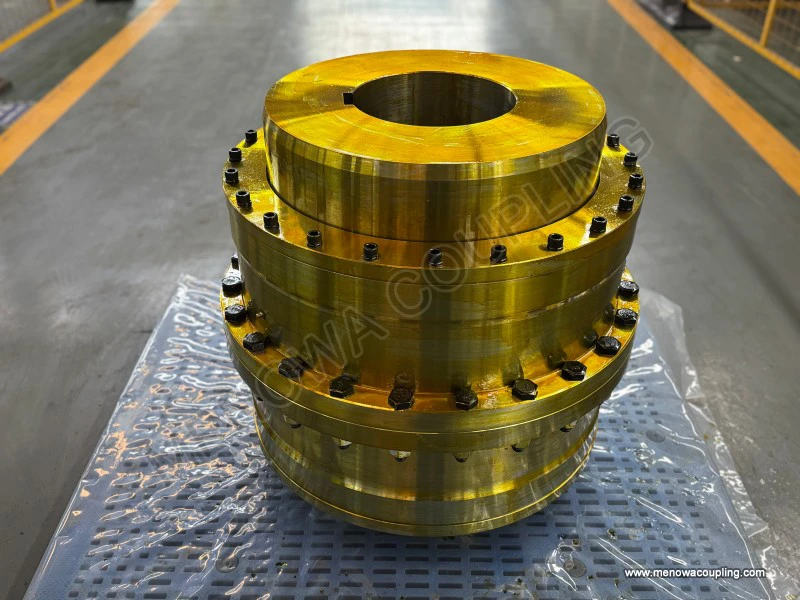
Curved tooth gear coupling stands as a fundamental mechanical transmission component widely deployed in modern industrial mechanical transmission systems, serving the core purpose of connecting two independent rotating shafts within mechanical equipment to achieve stable and continuous torque and rotational motion trans…![Toothed Coupling]()
Toothed Coupling
In the intricate and interconnected framework of modern industrial mechanical transmission systems, the reliable connection between rotating shafts serves as a fundamental guarantee for the stable operation of various mechanical equipment, and toothed couplings have long occupied an indispensable core position in this v…![Geared Coupling]()
Geared Coupling
In the entire field of mechanical power transmission systems, the connection and coordination between rotating shafts form the fundamental guarantee for the stable operation of all industrial mechanical equipment. Various types of shaft connecting components have been developed and optimized according to different load …![Gear Type Coupling]()
Gear Type Coupling
In the entire field of mechanical power transmission systems, the connection and coordination between rotating shafts are indispensable basic links that determine the stable operation, power transmission efficiency and long-term service cycle of the entire mechanical equipment. Various types of shaft connection componen…![Flexible Gear Coupling]()
Flexible Gear Coupling
In the entire industrial power transmission system, the connection and coordination between rotating shafts form the core foundation for the stable operation of various mechanical equipment. Whether it is large-scale heavy-duty industrial production lines, continuous operating processing machinery, or material transport…![Curved Tooth Coupling]()
Curved Tooth Coupling
In the entire field of mechanical power transmission systems, the connection between rotating shafts serves as one of the most fundamental and indispensable core links that determine the overall operating stability, transmission efficiency and service life of complete mechanical equipment. All types of rotating machiner…![Teeth Coupling]()
Teeth Coupling
In the complex and interconnected operational framework of modern industrial mechanical transmission systems, the stable and efficient transfer of rotational motion and torque between adjacent rotating shafts stands as an indispensable foundational requirement for the normal operation of all types of mechanical equipmen…![Crown Gear Coupling]()
Crown Gear Coupling
In the intricate and interconnected ecosystem of modern mechanical power transmission systems, the stable and efficient transfer of rotational force and torque between interconnected rotating shafts stands as a foundational requirement for the normal operation of all types of industrial machinery and mechanical equipmen…![Drum Gear Coupling]()
Drum Gear Coupling
In the entire system of industrial mechanical power transmission, the connection between rotating shafts serves as a fundamental and indispensable link that determines the stability, continuity, and service cycle of all mechanical equipment operation. Various types of coupling devices have been developed and optimized a…![Barrel Gear Coupling]()
Barrel Gear Coupling
In the entire mechanical power transmission industry, the stable connection between driving equipment and driven equipment has always been a core link that determines the overall operating efficiency, operational stability and long-term service cycle of mechanical systems. Various types of coupling components undertake …![Tooth Coupling]()
Tooth Coupling
In the intricate and interconnected ecosystem of modern mechanical power transmission systems, the reliable connection between rotating shafts stands as a foundational prerequisite for the stable and continuous operation of all types of industrial machinery and mechanical equipment. Every mechanical device that relies o…![Industrial Cardan Shaft]()
Industrial Cardan Shaft
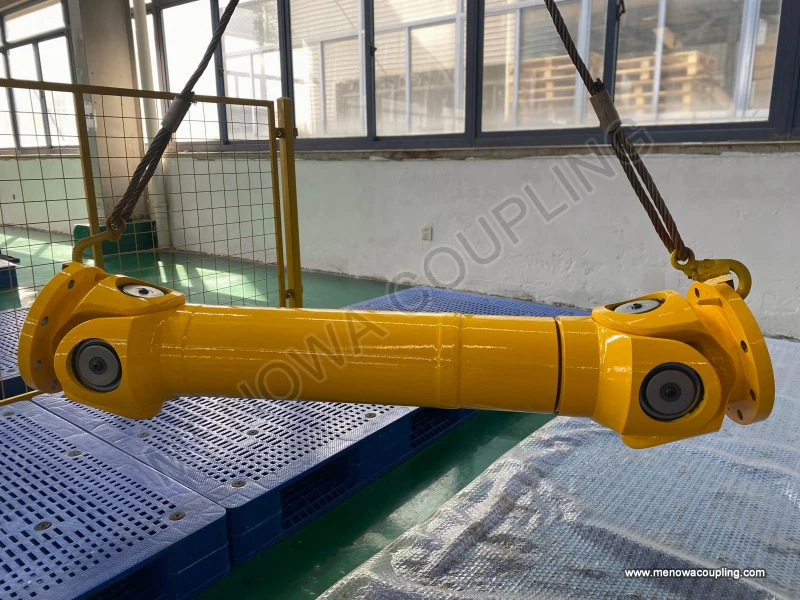
In the complex and interconnected operational system of modern industrial production, power transmission stands as one of the most fundamental and indispensable foundational links that determine the stable operation, continuous production and operational efficiency of all types of mechanical equipment. All mechanical pr…![Cardan Coupling]()
Cardan Coupling
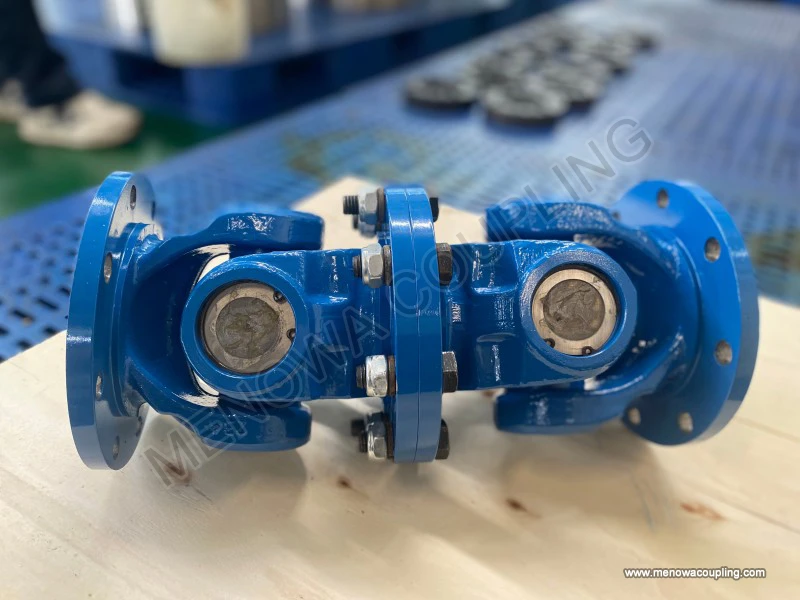
In the vast and intricate landscape of mechanical power transmission systems, the cardan coupling stands as one of the most foundational and functionally indispensable mechanical components, serving as a critical connecting link that bridges rotational motion and torque transfer between independently positioned rotating…![Universal Coupling]()
Universal Coupling
Mechanical transmission forms the fundamental backbone of all industrial production, transportation operation, and engineering machinery movement, serving as the critical bridge that converts original power generated by power units into usable rotational torque and mechanical motion for driven equipment. Within the enti…![Cardan Shaft]()
Cardan Shaft
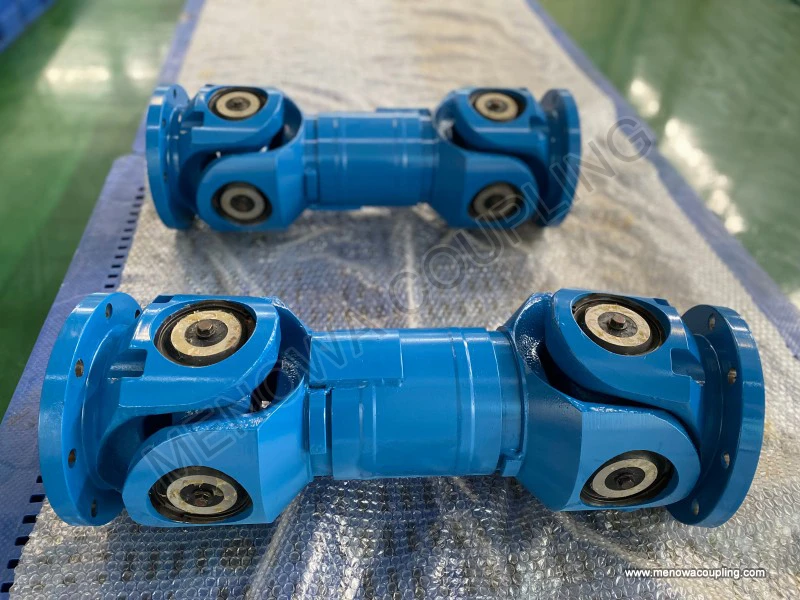
Mechanical power transmission forms the fundamental foundation of all modern industrial production, mobile equipment operation, and engineering machinery movement, connecting power generation sources with working execution parts to ensure the continuous and stable transfer of rotational force and kinetic energy across d…![Cardan Shaft Coupling]()
Cardan Shaft Coupling
In the entire field of mechanical power transmission systems, the stable and efficient transfer of torque and rotational motion between adjacent rotating shafts serves as the fundamental guarantee for the normal operation of all types of mechanical equipment. Various mechanical coupling devices have been developed and o…![Cross Cardan Shaft]()
Cross Cardan Shaft
The cross cardan shaft stands as one of the most fundamental and ingeniously engineered mechanical transmission components in the entire field of mechanical engineering, serving as a reliable and indispensable link for power and rotational motion transfer between non-collinear, spatially offset, and angularly deflected …![Universal Shaft Coupling]()
Universal Shaft Coupling
In the entire system of mechanical power transmission, the connection between rotating shafts stands as a fundamental and indispensable link that determines whether mechanical equipment can operate stably, transmit power efficiently, and adapt to complex and changeable working conditions. Various mechanical devices in i…![Universal Shaft]()
Universal Shaft
In the complex and interconnected world of mechanical power transmission, the universal shaft stands as one of the most foundational and functionally indispensable mechanical components, quietly supporting the normal operation of countless mechanical systems across diverse industrial and mobile equipment scenarios. Unli…![Universal Drive Shaft]()
Universal Drive Shaft
Mechanical power transmission forms the fundamental backbone of all modern mobile equipment and industrial rotating systems, enabling the seamless transfer of rotational torque and kinetic energy between interconnected mechanical components regardless of positional deviations and dynamic operational fluctuations. Among …![Universal Joint Drive Shaft]()
Universal Joint Drive Shaft
In the intricate and interconnected ecosystem of mechanical power transmission, the universal joint drive shaft stands as one of the most fundamental and indispensable mechanical assemblies, serving as a critical bridging component that facilitates the seamless transfer of rotational torque and mechanical motion between…![Cardan Joint Coupling]()
Cardan Joint Coupling
In the entire field of mechanical power transmission, the stable and efficient transfer of torque and rotational motion between different rotating shafts is the fundamental guarantee for the normal operation of all mechanical equipment systems. In actual mechanical installation and operation scenarios, it is almost impo…![Cardan Joint Drive Shaft]()
Cardan Joint Drive Shaft
In the entire field of mechanical power transmission, the cardan joint drive shaft stands as one of the most foundational and widely applied mechanical components, undertaking the essential task of transmitting rotational torque and mechanical power between two mechanical shafts that cannot maintain perfect coaxial alig…![Cardan Propshaft]()
Cardan Propshaft
In the entire field of mechanical power transmission, the reasonable transfer of rotational torque and kinetic energy between power generating components and load executing components has always been the core foundation to ensure the normal operation of various mechanical equipment and mobile machinery. Many mechanical …![Cardan Drive Shaft]()
Cardan Drive Shaft
The cardan drive shaft stands as an indispensable mechanical power transmission component in modern mechanical engineering, serving as a critical connecting medium that transfers rotational torque and kinetic energy between two independently installed mechanical units with non-coaxial spatial positions and variable rela…![Universal Joint Coupling]()
Universal Joint Coupling
In the entire field of mechanical power transmission, the stable and efficient transfer of rotational torque and rotary motion between different power components has always been a core fundamental requirement for the normal operation of all types of mechanical equipment. Various mechanical coupling devices have been dev…![Barrel Coupling]()
Barrel Coupling
In the vast and intricate ecosystem of mechanical power transmission systems, the reliable connection between rotating shafts stands as one of the most fundamental and indispensable foundations for the stable operation of all types of industrial machinery and heavy-duty mechanical equipment. Every mechanical device that…![Drum Coupling]()
Drum Coupling
Mechanical transmission systems form the fundamental backbone of all modern industrial production and engineering operation processes, serving as the critical link that connects power generation components, speed regulation equipment, and executive working mechanisms across diverse industrial scenarios. Within these int…![Steel Laminae Coupling]()
Steel Laminae Coupling
In the complex and interconnected mechanical transmission systems that underpin modern industrial production and mechanical operation, the reliable connection between rotating shafts of different power equipment stands as an indispensable foundational link, directly determining the overall operational stability, transmi…![Lamina Coupling]()
Lamina Coupling
In the complex and interconnected ecosystem of modern industrial mechanical transmission, the stability and reliability of shaft connection components directly determine the overall operating efficiency, service cycle, and operational safety of complete mechanical equipment. Among various flexible connection components …![Flexible Diaphragm Coupling]()
Flexible Diaphragm Coupling
In the complex and interconnected mechanical transmission systems that underpin modern industrial production and precision mechanical operation, the reliable connection between rotating shafts of different power equipment has always been a core link that determines the overall operating stability, operational efficiency…![Laminated Membrane Coupling]()
Laminated Membrane Coupling
In the complex and interconnected operating system of modern mechanical transmission equipment, the connection and coordination between driving shafts and driven shafts directly determine the overall operating stability, transmission efficiency and long-term service cycle of the entire mechanical system. As a vital all-…![Membrane Coupling]()
Membrane Coupling
In the modern mechanical transmission field, the stable and efficient connection between rotating shafts of various core industrial equipment has always been a key link determining the overall operating efficiency, operational stability and long-term service cycle of mechanical systems. All mechanical transmission equip…![Diaphragm Coupling]()
Diaphragm Coupling
In the complex and interconnected mechanical transmission systems that form the backbone of modern industrial production and mechanical operation, the role of shaft connection components cannot be overstated, as these basic structural parts undertake the core task of transmitting rotational torque and power between adja…![Metal Diaphragm Coupling]()
Metal Diaphragm Coupling
In the entire system of mechanical power transmission, the connection between rotating shafts serves as a fundamental foundational link that determines the stability, continuity, and long-term operational reliability of complete mechanical equipment sets. Various mechanical devices involved in industrial production, ene…![Flexible Membrane Coupling]()
Flexible Membrane Coupling
In the complex and interconnected field of mechanical power transmission, the stable and reliable connection between rotating shafts serves as a fundamental guarantee for the continuous operation of various industrial mechanical systems. Every rotating mechanical device that relies on power input and output transmission…![Disc Membrane Coupling]()
Disc Membrane Coupling
In the complex and interconnected operating system of modern industrial mechanical equipment, the stability and efficiency of power transmission between rotating shafts directly determine the overall operating state, service cycle, and operational stability of the entire production line. Every mechanical transmission li…![Shim Pack Coupling]()
Shim Pack Coupling
In the field of mechanical power transmission, couplings play an indispensable role as key components that connect two shafts to transmit torque and motion while accommodating various forms of misalignment. Among the diverse range of couplings available, the shim pack coupling stands out as a high-performance metal flex…![Diaphram Coupling]()
Diaphram Coupling
In the complex and interconnected ecosystem of modern mechanical power transmission, the reliable connection between driving equipment and driven machinery stands as a fundamental prerequisite for stable operational performance, continuous production cycles, and prolonged equipment service longevity. Every rotating mech…![Metal Membrane Coupling]()
Metal Membrane Coupling
In the intricate and interconnected ecosystem of modern industrial mechanical transmission, the stability, coordination and operational efficiency of shaft connection components directly determine the overall operating state and service cycle of complete mechanical equipment. All mechanical power transmission systems re…![Plate Coupling]()
Plate Coupling
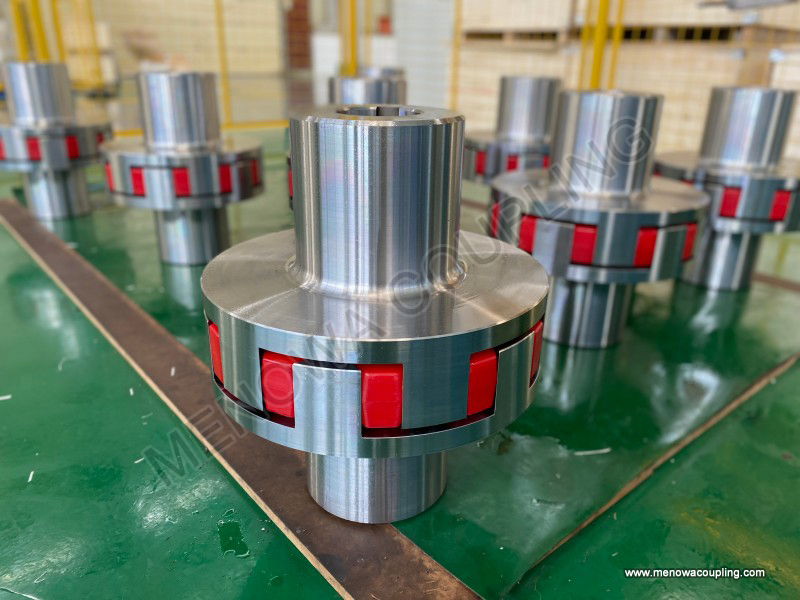
In the complex and interconnected operating system of modern industrial mechanical transmission, the connection and coordination between rotating shafts directly determine the overall operating stability, running smoothness and long-term service cycle of complete mechanical equipment. All mechanical transmission systems…![Jaw Coupling]()
Jaw Coupling
In the vast and intricate landscape of mechanical power transmission systems, the reliable connection between rotating shafts stands as a foundational prerequisite for the stable and continuous operation of all types of mechanical equipment. Every mechanical device that relies on rotational power output and transmission…![Spider Coupling]()
Spider Coupling
Mechanical power transmission forms the fundamental backbone of all modern industrial production and mechanical operation, serving as the critical bridge that connects driving components and driven equipment to ensure the continuous and stable transfer of rotational force and kinetic energy across diverse mechanical sys…![Plum Coupling]()
Plum Coupling
The quiet hum of late spring settles over the quiet lanes where old plum trees have stood for generations, their branches intertwining naturally as if woven by the slow, patient hands of time itself. Plum coupling is not a bond forged in haste or shaped by fleeting passion, nor is it a connection defined by grand gestur…![Plum Blossom Coupling]()
Plum Blossom Coupling
The quiet rhythm of winter lingers softly across the rolling hills and quiet courtyards, where frost veils the bare earth and cold winds brush gently against the silent branches of dormant trees. In this season of stillness and waiting, when most living things retreat into quiet rest and the world seems wrapped in a sof…![Claw Coupling]()
Claw Coupling
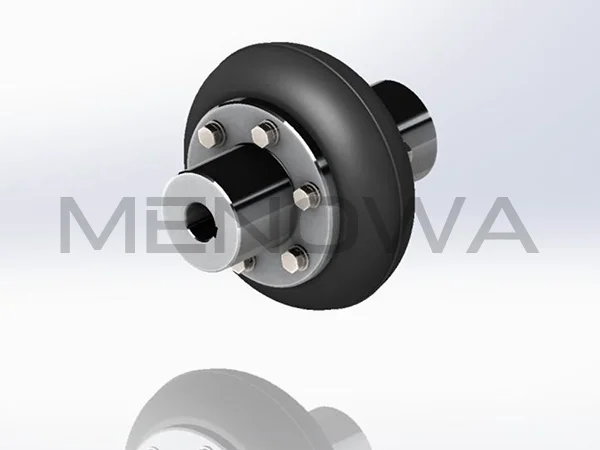
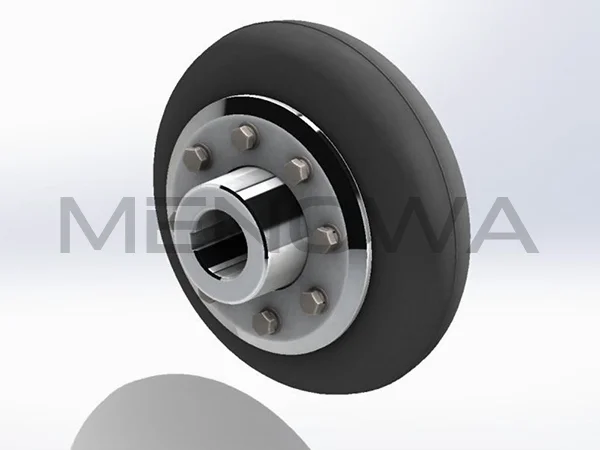
In the entire industrial power transmission ecosystem, the stable and efficient connection between driving equipment and driven equipment lays a solid foundation for the normal operation of all mechanical production and processing links. Various mechanical transmission accessories undertake different connection and tran…![Tyre Coupling]()
Tyre Coupling
In the vast field of mechanical power transmission systems, the reliable connection between rotating shafts serves as an indispensable foundational link for the stable operation of all types of industrial equipment and mechanical devices. Every mechanical system that relies on rotational power output and transmission ne…![Tire Coupling]()
Tire Coupling
In the complex and interconnected world of mechanical power transmission, the smooth and reliable connection between rotating shafts stands as one of the most foundational and indispensable requirements for all types of industrial machinery and mechanical equipment. Every mechanical system that relies on rotational moti…![Flexible Grid Coupling]()
Flexible Grid Coupling
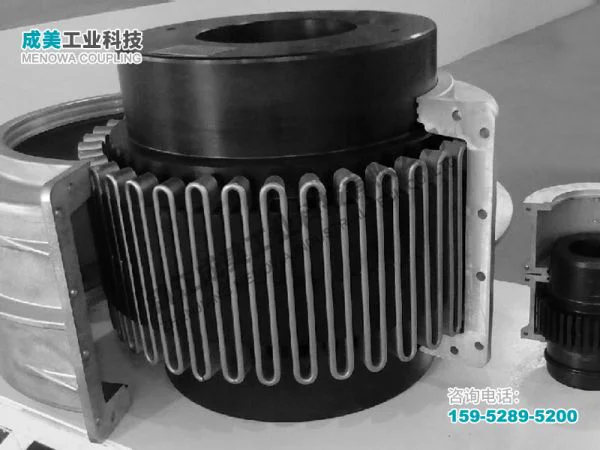
In the complex and diverse modern industrial transmission systems, the stable connection between driving equipment and driven equipment has always been a key link affecting the overall operating efficiency, mechanical safety and service life of the entire production line. All kinds of mechanical transmission equipment n…![Grid Spring Coupling]()
Grid Spring Coupling
Mechanical power transmission systems form the foundational backbone of all modern industrial production and mechanical operation processes, serving as the critical connecting link that transfers rotational motion and torque between driving equipment and driven mechanical components. In every mechanical setup where two …![Grid Coupling]()
Grid Coupling
In the complex and interconnected operating ecosystem of modern industrial mechanical transmission systems, the stable and efficient transmission of torque between driving equipment and driven machinery has always been the core foundational link that determines the overall operational reliability, service life and compr…![Snake Coupling]()
Snake Coupling
In the intricate and interconnected ecosystem of modern mechanical transmission systems, the smooth transfer of rotational force and power between driving components and driven equipment stands as an indispensable foundation for all industrial production and mechanical operation. Every piece of mechanical equipment, whe…
 WeChat
 WhatsApp