Cross Shaft Coupling
In the complex and interconnected mechanical transmission systems that underpin modern industrial production, engineering operation, and mobile mechanical equipment, the connection between rotating shafts serves as a foundational link that determines the overall operational stability, power transmission efficiency, and long-term service reliability of the entire mechanical set. Among the diverse range of mechanical coupling devices designed to connect driving shafts and driven shafts for the transfer of torque and rotational motion, cross shaft coupling stands out as a widely adopted and structurally mature transmission component, favored for its unique spatial motion adaptation capability, robust load-bearing performance, and simple and practical structural design. Unlike rigid couplings that only support precise coaxial shaft connection and flexible couplings relying on elastic deformation for minor misalignment compensation, cross shaft coupling is specially engineered to adapt to non-coaxial working conditions between two connected shafts, including angular deviation, slight axial displacement, and small radial offset, ensuring continuous and stable transmission of rotational power even when the relative position of the driving end and driven end shafts changes dynamically during equipment operation. This core functional advantage makes cross shaft coupling an indispensable basic component in heavy-duty machinery, transportation equipment, metallurgical production lines, mining machinery, and various general industrial mechanical transmission scenarios, undertaking the key task of connecting discrete shafting structures and realizing uninterrupted power output under complex and variable working environments. Understanding the intrinsic structural composition, operational working mechanism, transmission performance characteristics, applicable working condition boundaries, scientific selection criteria, standardized installation procedures, and systematic daily maintenance and fault management methods of cross shaft coupling is not only essential for mechanical design engineers to carry out reasonable transmission system scheme planning and component matching design, but also crucial for equipment operation and maintenance personnel to ensure long-term stable operation of mechanical equipment, reduce unexpected shutdown losses, extend the service cycle of transmission components, and control overall equipment operation and maintenance costs.
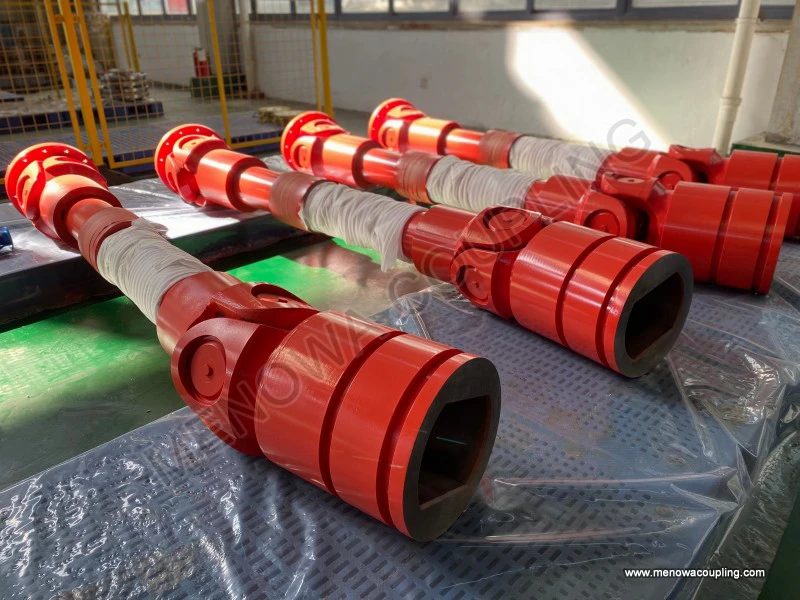
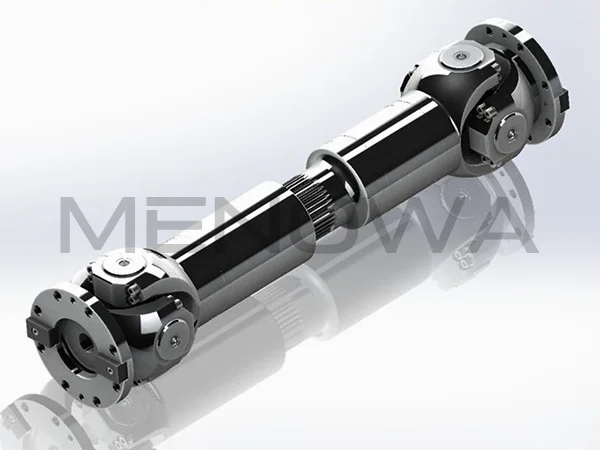
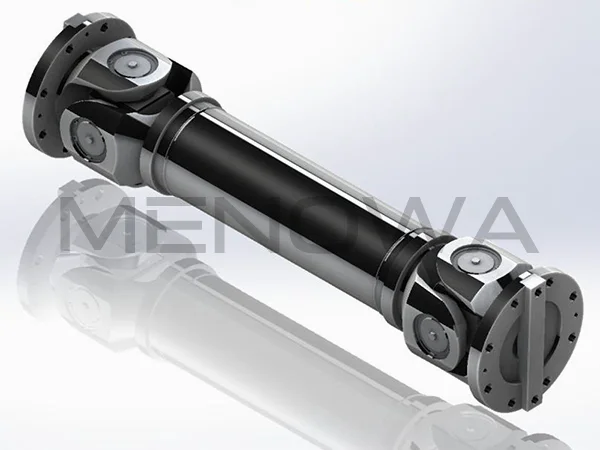
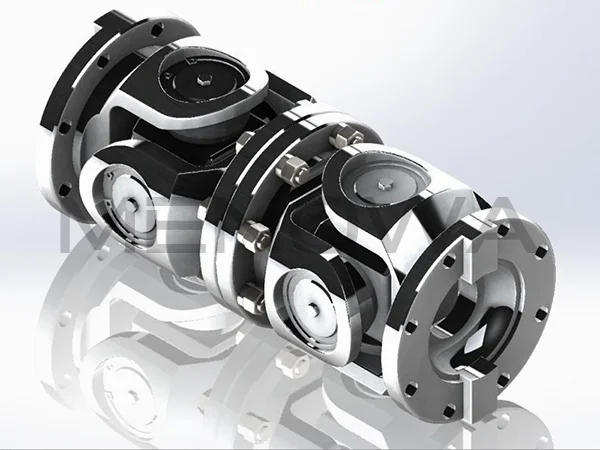
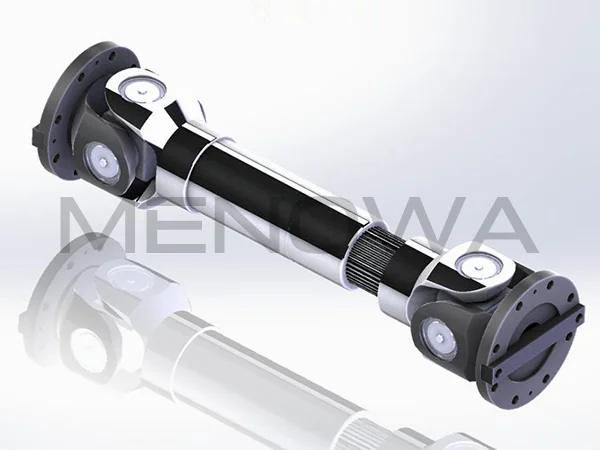
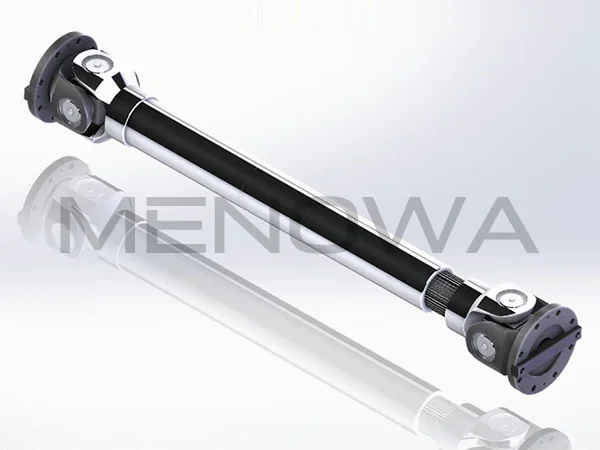
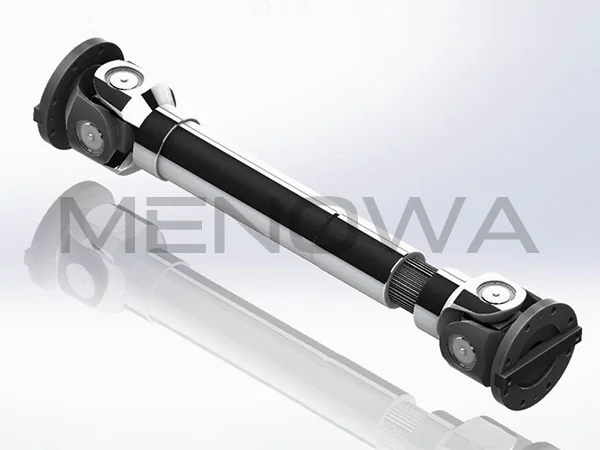
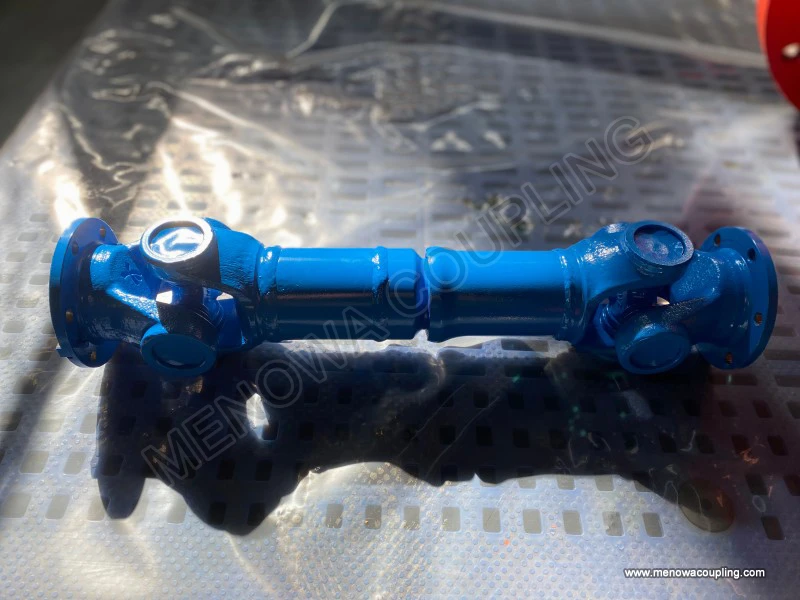
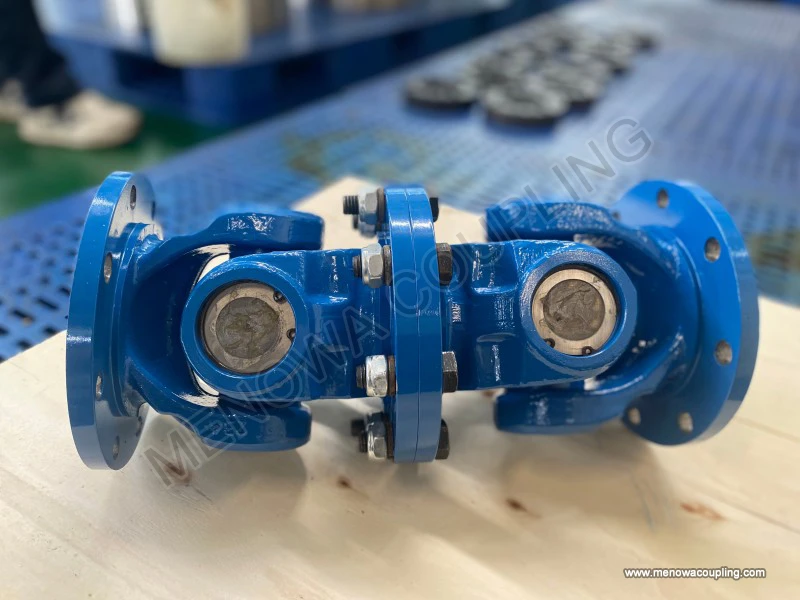
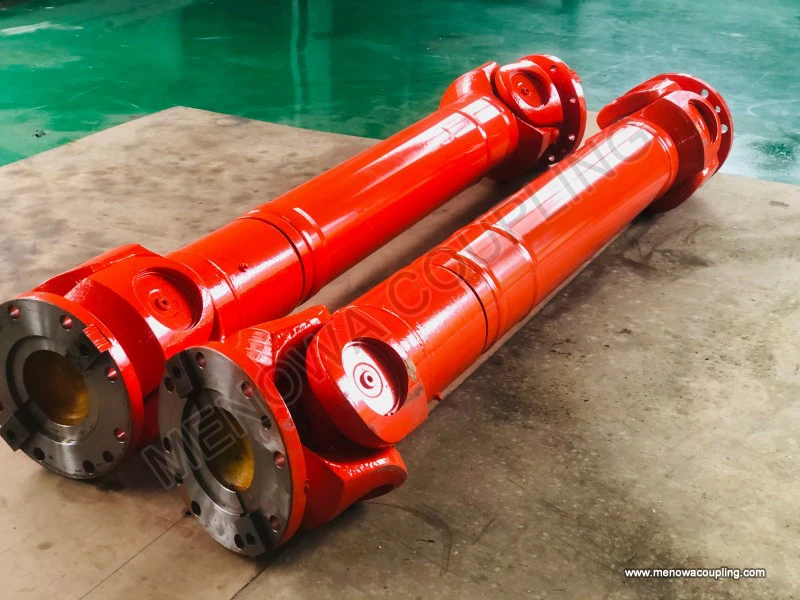
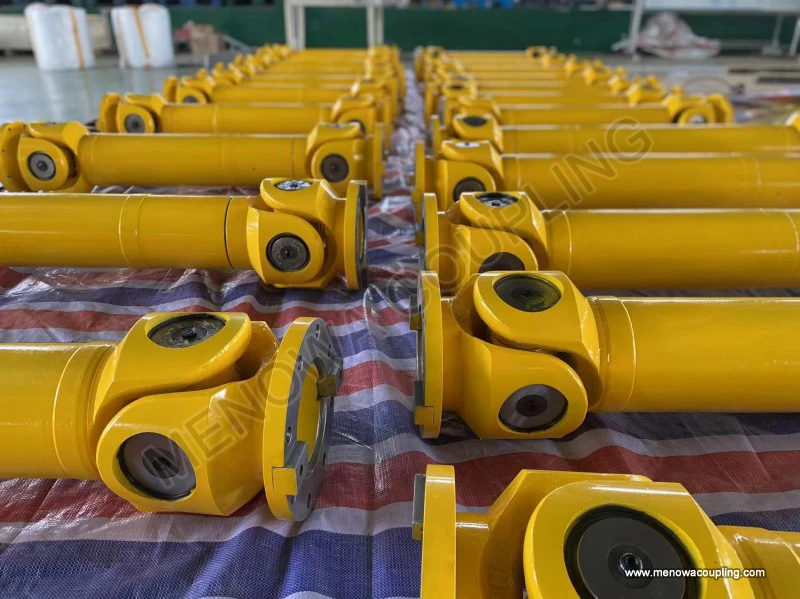
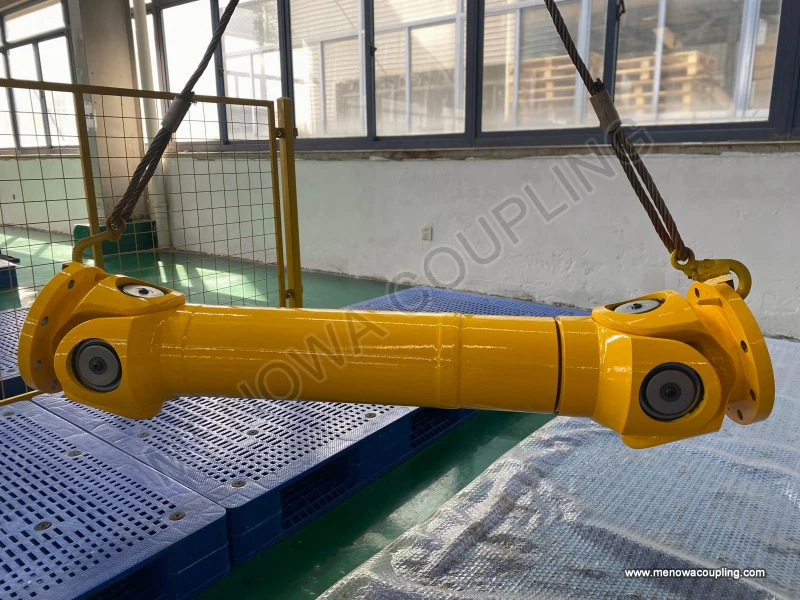
The basic structural composition of cross shaft coupling follows the design logic of spatial hinge connection mechanism, and the overall configuration is simple and compact without redundant auxiliary structures, which lays a solid foundation for its reliable operation and convenient later maintenance in harsh industrial environments. The core assembly of a standard cross shaft coupling mainly consists of two symmetrical coupling yokes, a central cross-shaped shaft body, and four sets of matching rotating bearing components, and all parts cooperate closely to form a flexible and rotatable connecting whole between the driving shaft and driven shaft. The two coupling yokes, also commonly referred to as joint forks, are the main connecting parts of the coupling and are respectively fixedly installed on the end parts of the driving shaft and the driven shaft through flange connection, sleeve fastening or key connection structures. The structural design of each coupling yoke includes a rigid fixed section connected to the shaft end and a fork-shaped hinge section used for butt joint with the cross shaft, and the fork-shaped hinge section is processed with precise bearing installation holes to ensure the accurate assembly and flexible rotation of subsequent bearing parts. The cross shaft, as the core force-bearing and motion conversion component of the entire coupling, adopts an integrated cross symmetrical structure, with four shaft necks distributed at 90 degrees to each other in space, and each shaft neck corresponds to the bearing installation hole on one coupling yoke respectively. The orthogonal spatial layout of the cross shaft fundamentally realizes the spatial hinge connection between the two coupling yokes, enabling the two yokes to produce relative angular deflection in different spatial planes without interfering with each other during the rotation process. The four sets of bearing components installed between the cross shaft necks and the coupling yoke holes are mostly needle roller bearings or plain bearing structures, which play a key role in reducing rotational friction resistance, avoiding direct metal contact and wear between the cross shaft and the yoke body, and ensuring the flexibility and smoothness of relative rotation and angular deflection movement between components. In addition to the above core main components, cross shaft coupling is also equipped with necessary auxiliary sealing and fastening parts, including sealing gaskets, bearing end covers, fastening bolts and anti-loosening parts. These auxiliary structures can effectively prevent external dust, moisture, industrial debris and other pollutants from entering the bearing working area and the internal hinge matching gap of the coupling, avoid lubricating grease leakage inside the bearing, and ensure that all assembly parts remain in a stable fastening state during long-term high-speed rotation and heavy-load operation, preventing component loosening or displacement caused by rotational vibration and torque impact. The overall structural design of cross shaft coupling does not involve complex transmission accessories or precise vulnerable parts, and all main components are made of high-strength alloy steel materials through forging and precision machining processes, with good structural rigidity, mechanical strength and impact resistance, which can adapt to long-term continuous operation under heavy-load, high-vibration and harsh environmental working conditions.
The working principle of cross shaft coupling is based on the spatial multi-linkage mechanical motion theory, realizing the effective transmission of torque and rotational motion while adapting to the relative angular misalignment between the driving shaft and the driven shaft. When the mechanical equipment is in normal operation, the driving shaft drives the connected coupling yoke to perform synchronous rotational motion, and the rotational torque and motion are transmitted to the cross shaft through the hinge matching structure between the driving side yoke and the cross shaft neck. Driven by the driving side yoke, the cross shaft not only rotates synchronously with the driving shaft around the main shaft axis, but also generates slight swinging and rotating motion relative to the driving side yoke through the bearing assembly, realizing the conversion between fixed-axis rotation and spatial swinging motion. Subsequently, the cross shaft transmits the received torque and rotational motion to the driven side coupling yoke through the other two sets of symmetrically distributed shaft necks and bearing components, and finally drives the driven shaft connected with the driven side yoke to rotate synchronously, completing the whole process of power transmission from the driving end to the driven end. The most distinctive core feature of this working motion process is that the cross shaft can automatically adjust its spatial posture in real time according to the angular deflection angle between the driving shaft and the driven shaft during operation. When the two connected shafts are not in a strict coaxial state and form a certain included angle due to installation errors, equipment operation vibration, mechanical deformation or structural layout requirements, the cross shaft relies on the flexible hinge connection formed by itself and the two coupling yokes to continuously compensate for the angular misalignment between the two shafts in the rotation cycle, ensuring that the torque can be stably transmitted without obvious power loss and motion interruption. It is important to note that the basic single-section cross shaft coupling belongs to the non-constant velocity transmission mechanism in the mechanical transmission principle, which means that when there is a fixed angular deviation between the driving shaft and the driven shaft, the instantaneous angular velocity of the driven shaft will have periodic small fluctuations relative to the driving shaft during each rotation cycle. The magnitude of this instantaneous velocity fluctuation is closely related to the size of the angular deflection angle between the two shafts; the smaller the included angle between the shafts, the weaker the velocity fluctuation and the smoother the transmission process, while the larger the angular deviation, the more obvious the periodic change of instantaneous angular velocity. This inherent transmission characteristic of single cross shaft coupling will not cause adverse effects on most heavy-load low-speed mechanical transmission scenarios, because these equipment have low requirements for rotational speed stability and mainly focus on torque transmission capacity and operational reliability. For mechanical equipment that requires high rotational speed stability and strict constant velocity transmission, the problem of instantaneous angular velocity fluctuation can be effectively solved by adopting the combined installation form of two cross shaft couplings matched with intermediate connecting shafts. The double-section combined structural layout can offset the periodic velocity fluctuations generated by the two single couplings respectively through reasonable angle installation and position matching, realizing the approximate constant velocity synchronous rotation between the driving shaft and the driven shaft, and expanding the application range of cross shaft coupling in medium and high-speed precision transmission occasions.
In actual industrial and mechanical application scenarios, cross shaft coupling exhibits remarkable and comprehensive transmission performance characteristics, which are the key reasons why it has been widely used in various complex working condition environments for a long time. First of all, this coupling has excellent angular misalignment compensation capability, allowing a large range of included angle deviation between the driving shaft and the driven shaft during normal operation. The allowable angular deflection of conventional cross shaft coupling can meet the use requirements of most mechanical equipment, and can adapt to the structural layout design of mechanical transmission systems that cannot achieve strict coaxial shaft arrangement due to space constraints or functional design needs. This large-angle compensation advantage cannot be matched by ordinary rigid couplings and common small-displacement flexible couplings, making cross shaft coupling the preferred connecting component for transmission systems with large shaft angle deviation requirements. Secondly, cross shaft coupling has strong heavy-load torque bearing capacity and good impact load resistance. All core force-bearing components are made of high-strength structural materials and processed by precision forging and heat treatment processes, with high structural rigidity and fatigue resistance. It can stably bear continuous heavy torque load and instantaneous impact torque generated by equipment start-up, shutdown, load sudden change and mechanical vibration, and will not produce structural deformation, component damage or torque transmission failure under long-term heavy-load operation. Thirdly, the overall structural design of cross shaft coupling is compact and reasonable, with small external installation space occupation, simple assembly and disassembly process, and low daily maintenance difficulty. Compared with other special-purpose couplings with complex structures and many vulnerable parts, the number of parts of cross shaft coupling is small, the structural matching relationship is simple and intuitive, and no complex professional tools and complicated operation procedures are required for installation, disassembly and replacement. The daily maintenance work only involves regular lubrication and sealing inspection, which can effectively reduce the time cost and labor cost of equipment maintenance and improve the overall operation efficiency of mechanical equipment. In addition, cross shaft coupling has strong environmental adaptability, and can work stably in high-temperature, low-temperature, dusty, humid and other harsh industrial working environments. The structural design without elastic vulnerable parts avoids the aging, deformation and failure problems of elastic components caused by temperature change and environmental corrosion, and the equipped sealing structure can effectively isolate external harmful media, ensuring that the coupling maintains stable transmission performance and long service life under various harsh working conditions. At the same time, the rotational vibration and noise generated by cross shaft coupling during operation are relatively low under reasonable installation and normal lubrication conditions, which will not cause obvious vibration impact and noise pollution to the mechanical equipment and the surrounding working environment, and is conducive to maintaining the stable overall operation state of the equipment.
Despite the many excellent performance advantages of cross shaft coupling, its application effect and service life are directly affected by the rationality of type selection and the compliance of working condition matching. Different mechanical transmission scenarios have different requirements for coupling transmission torque, rotational speed, compensation range, installation space and environmental adaptability, so it is necessary to follow scientific selection principles and combine actual working condition parameters to select the appropriate cross shaft coupling specification and model, avoiding performance mismatch caused by blind selection and subsequent equipment operation failures. The first core factor to be considered in selection is the rated transmission torque required by the mechanical transmission system. It is necessary to calculate the maximum working torque and instantaneous impact torque generated during the actual operation of the equipment according to the power parameters and load characteristics of the driving power component, and select the coupling with rated bearing torque higher than the actual working torque margin, so as to prevent the coupling from being overloaded for a long time and causing component wear, deformation or fracture failure. The second key selection parameter is the allowable working rotational speed of the coupling. Different specifications of cross shaft couplings have different rated rotational speed ranges due to structural size and material differences. It is necessary to ensure that the maximum working rotational speed of the equipment transmission shaft does not exceed the rated rotational speed limit of the selected coupling, avoiding excessive rotational speed leading to increased centrifugal force of coupling components, intensified bearing wear and increased transmission vibration. The third important factor is the actual angular misalignment and axial displacement compensation requirements between the driving shaft and the driven shaft. According to the structural layout of the mechanical equipment and the dynamic displacement change of the shaft during operation, select the coupling with matching angular compensation range and axial displacement allowance to ensure that the coupling can effectively compensate for shaft position deviation and avoid additional assembly stress and transmission resistance caused by insufficient compensation capacity. In addition, the installation space size of the equipment shaft end, the working environmental temperature, the frequency of equipment start-stop and load change, and the requirements for transmission stability also need to be comprehensively considered in the selection process. For mechanical equipment with frequent start-stop and large load impact, it is necessary to appropriately increase the torque selection margin; for high-speed transmission occasions, priority should be given to optimizing the dynamic balance performance of the coupling and selecting a double-section constant velocity combined structure; for special harsh environments such as high temperature and corrosion, attention should be paid to selecting couplings made of high-temperature resistant and corrosion-resistant materials and equipped with enhanced sealing structures. Only by comprehensively coordinating various working condition parameters and selecting cross shaft coupling in a targeted manner can its excellent transmission performance be fully exerted and the long-term stable operation of the transmission system be guaranteed.
The standardized installation and commissioning process of cross shaft coupling is a crucial link to ensure its good transmission performance and extended service life, and non-standard installation is one of the main causes of early wear, abnormal vibration and premature failure of most couplings. Before the formal installation operation, it is necessary to carry out comprehensive inspection and pretreatment work on all parts of the coupling and the connected driving and driven shafts. First, check whether the surface of the cross shaft, coupling yoke, bearing components and fastening parts has obvious processing defects, deformation, wear or rust, ensure that all parts are intact and meet assembly requirements, and clean the surface of all parts to remove processing debris, rust spots and oil stains to avoid foreign matter affecting the assembly accuracy and matching effect. Then, check the coaxiality and perpendicularity of the driving shaft and driven shaft ends, adjust the installation position of the equipment shafting according to the design requirements, minimize the initial installation angular deviation and radial offset of the two shafts within the allowable range of the coupling, and reduce the additional working load of the coupling caused by excessive initial misalignment. During the formal assembly process, first install the two coupling yokes on the driving shaft and driven shaft respectively, ensure that the connecting key or flange fastening structure is installed in place, the fastening bolts are evenly tightened according to the symmetrical fastening sequence, and the anti-loosening parts are installed reliably to prevent the yoke from loosening and rotating relative to the shaft during operation. After the yoke is fixed in place, assemble the bearing components on the four shaft necks of the cross shaft respectively, inject special high-temperature and wear-resistant lubricating grease into the bearing interior in an appropriate amount, and then install the cross shaft with bearings into the fork-shaped hinge holes of the two coupling yokes in sequence to ensure that the matching gap between the shaft neck, bearing and yoke hole is uniform and the rotation is flexible without jamming and abnormal clamping stagnation. After the assembly of the main body of the coupling is completed, install the sealing gaskets and bearing end covers in place, fasten all auxiliary fastening bolts, and check the overall assembly flexibility of the coupling by manually rotating the driving and driven shafts to ensure that there is no abnormal resistance, stuck point and unsmooth rotation during the rotation process. After the installation is completed, the commissioning test operation must be carried out in strict accordance with the equipment operation specifications. First, carry out no-load low-speed trial operation for a certain period of time, observe the operation state of the coupling, check whether there is abnormal vibration, abnormal noise and local heating phenomenon, confirm that the no-load operation is stable and no abnormal problems exist, and then gradually increase the load and rotational speed to carry out formal load operation. In the initial stage of operation after installation, it is necessary to increase the frequency of operation inspection, timely find and eliminate minor installation hidden dangers, and ensure that the coupling runs in the best working state after formal operation.
Scientific and reasonable daily maintenance and regular maintenance management are essential to maintain the long-term stable performance of cross shaft coupling, reduce component wear rate, extend overall service life, and avoid sudden equipment shutdown accidents caused by coupling failure. The daily maintenance work of cross shaft coupling is mainly concentrated on conventional inspection and lubrication management. During the daily operation of the equipment, the operation and maintenance personnel need to regularly observe the running state of the coupling, check whether there is abnormal vibration, abnormal friction noise and obvious local temperature rise on the surface of the coupling during operation. Abnormal vibration and noise often indicate that the bearing inside the coupling is worn, the fastening parts are loose or the lubrication state is poor, and timely inspection and adjustment are required once found; excessive local temperature rise usually reflects excessive bearing friction or overload operation of the coupling, which needs to be dealt with in time to avoid accelerated component damage. Lubrication maintenance is the core content of the daily maintenance of cross shaft coupling. The bearing components and the hinge matching parts between the cross shaft and the yoke rely on lubricating grease to reduce friction and wear. It is necessary to regularly replenish and replace special lubricating grease according to the operating time and working environment conditions of the coupling. For couplings working under normal temperature and conventional load conditions, the lubricating grease can be replaced and replenished every a fixed cycle of equipment operation; for couplings working under high temperature, heavy load and dusty harsh environments, the lubrication maintenance cycle needs to be appropriately shortened to ensure that the friction matching parts are always in a good lubrication state and avoid dry friction wear of metal parts caused by lubricating grease failure or loss. At the same time, it is necessary to regularly check the sealing performance of the coupling sealing parts, timely replace aging and damaged sealing gaskets and end covers, prevent lubricating grease leakage and external pollutant ingress, and protect the internal bearing and hinge matching structure from corrosion and wear. The regular maintenance work needs to carry out comprehensive disassembly inspection and maintenance of the coupling according to the equipment annual maintenance plan. During the regular maintenance, disassemble all parts of the coupling in sequence, thoroughly clean the residual old lubricating grease and internal dirt, check the wear degree of the cross shaft surface, bearing rollers, coupling yoke hinge holes and other key friction parts, replace severely worn bearings and damaged sealing and fastening parts, re-apply new high-quality lubricating grease, and reassemble and debug the coupling in accordance with the standardized installation process. After the regular maintenance and reassembly, recheck the rotation flexibility and operation stability of the coupling to ensure that all performance parameters return to the normal working standard.
In the long-term operation process of cross shaft coupling, due to long-term load operation, component natural wear, improper installation and maintenance, and harsh working environment erosion, various common faults are prone to occur, which affect the normal power transmission of mechanical equipment. Timely fault diagnosis, cause analysis and targeted troubleshooting are important guarantees to restore the working performance of the coupling and reduce equipment operation losses. The most common operating fault of cross shaft coupling is abnormal vibration and abnormal noise during operation. The main causes of this fault include loose coupling fastening bolts, serious wear of internal bearing components, insufficient lubrication of friction parts, excessive installation angular deviation between shafts, and deformation of cross shaft or coupling yoke after long-term load operation. When dealing with this fault, first stop the equipment for safety inspection, check and tighten all loose fastening parts, supplement and replace lubricating grease to ensure good lubrication, readjust the coaxiality and angular deviation of the driving and driven shafts to reduce assembly misalignment, and replace severely worn bearings and deformed components if necessary. Another common fault is excessive heating of the coupling during operation, which is mainly caused by long-term overload operation of the coupling, too small matching gap of internal bearings, failure of lubricating grease leading to increased friction, and blocked rotation flexibility of the hinge parts. The troubleshooting measures include reducing the equipment operating load to avoid long-term overload operation, replacing bearings with reasonable matching gaps, thoroughly replacing failed lubricating grease, and cleaning the internal matching parts to ensure flexible rotation of all movable structures. In addition, lubricating grease leakage and seal failure faults often occur in the coupling, mostly due to aging and damage of sealing gaskets and end covers, loose fastening of sealing parts, and excessive internal grease injection leading to extrusion leakage. The solution is to replace all aging and damaged sealing parts, evenly fasten sealing fastening bolts, and inject lubricating grease according to the standard dosage to avoid excessive grease injection. For the fault of torque transmission weakness and power transmission failure of the coupling, it is generally caused by serious wear of the cross shaft and bearing components, fracture of key force-bearing parts, or serious loosening of the connecting parts between the yoke and the shaft. It is necessary to replace the severely worn and damaged core force-bearing components in time, re-fasten and fix the connecting structure, and re-debug the coupling operation state to ensure stable torque transmission. Through accurate fault diagnosis and scientific and reasonable troubleshooting measures, most common faults of cross shaft coupling can be effectively solved, and the normal working performance of the coupling can be quickly restored.
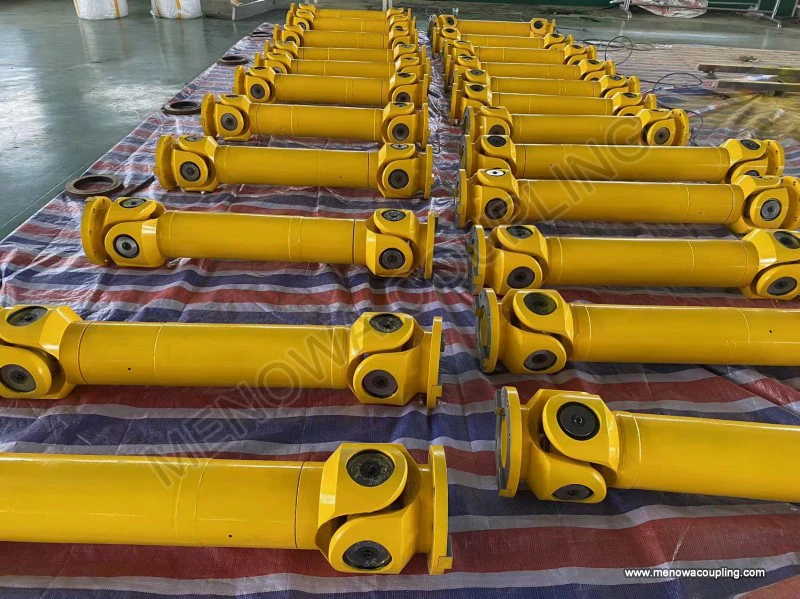
With the continuous development of modern industrial machinery, engineering construction, transportation and mining industries, the application scope of cross shaft coupling has been continuously expanded, and it has become an essential basic transmission component in multiple industrial fields and various types of mechanical equipment. In the field of engineering construction machinery, cross shaft coupling is widely used in the transmission systems of excavators, loaders, cranes, road rollers and other equipment. This type of construction machinery often works in complex and changeable construction environments, with large equipment vibration, frequent load changes and large angular deviation of shafting transmission. The excellent angular compensation performance and heavy-load bearing capacity of cross shaft coupling can fully adapt to the harsh working conditions of construction machinery, ensuring stable power transmission of walking devices, working devices and power output systems. In the metallurgical and rolling industry, cross shaft coupling is applied to the transmission connection of various rolling mill equipment, sintering equipment and metallurgical conveying machinery. Metallurgical equipment has the characteristics of long-term continuous operation, heavy transmission load and high ambient temperature. The high structural rigidity and high-temperature resistance of cross shaft coupling enable it to operate stably in high-temperature and heavy-load metallurgical production lines, maintaining the continuity and stability of metallurgical production and processing. In the mining machinery field, cross shaft coupling is used in the transmission systems of mining conveyors, crushing equipment, mining hoists and other mechanical equipment. Mining equipment works in dusty and humid underground mining environments, with high requirements for environmental adaptability and operational reliability of components. The good sealing performance and wear resistance of cross shaft coupling can resist the erosion of dust and humid air, ensuring long-term stable operation of mining transmission equipment and reducing equipment maintenance frequency. In the field of transportation machinery and equipment, cross shaft coupling is applied to the transmission shaft connection of various special transport vehicles and engineering vehicles, adapting to the angular position change of transmission shafts caused by vehicle walking vibration and road surface bumping, and realizing stable power transmission of vehicle power systems. In addition, cross shaft coupling is also widely used in general industrial fields such as papermaking machinery, rubber machinery, petroleum machinery, ship machinery and lifting transportation equipment, playing an important basic supporting role in the normal operation of various mechanical transmission systems. With the continuous upgrading of mechanical equipment towards high power, heavy load and high reliability, the structural design and material technology of cross shaft coupling are also constantly optimized and improved, further enhancing its transmission performance, environmental adaptability and service life, and adapting to the increasingly stringent working condition requirements of modern mechanical transmission systems.
In summary, cross shaft coupling, as a structurally mature, functionally reliable and widely applicable mechanical transmission connecting component, has irreplaceable important value in the field of mechanical transmission by virtue of its unique spatial hinge structure, excellent angular misalignment compensation capability, strong heavy-load torque bearing performance and good environmental adaptability. From the basic structural composition and intrinsic working principle, to transmission performance characteristics and scientific type selection matching, from standardized installation and commissioning procedures and daily maintenance management, to common fault diagnosis and troubleshooting and multi-industry practical application scenarios, every link is closely related to the operational effect and service life of cross shaft coupling. In the design and application process of modern mechanical transmission systems, only by fully understanding the comprehensive performance and application characteristics of cross shaft coupling, strictly following scientific selection, installation, maintenance and fault management specifications, can the core advantages of cross shaft coupling be fully exerted, the stable and efficient operation of mechanical equipment transmission systems be effectively guaranteed, good production and operation benefits be created for various industrial production and engineering construction fields, and solid basic support be provided for the stable development and technological upgrading of modern mechanical industry.
Post Date: Apr 26, 2026
https://www.menowacoupling.com/coupling-supplier/cross-shaft-coupling.html
Products
Tags
Related Articles
Universal Coupling Supply
In the intricate ecosystem of mechanical power transmission, universal couplings stand out as indispensable foundational components that bridge the functional gaps of traditional rigid connection structures. Serving as a core link between rotating shafts in mechanical systems, these mechanical devices are engineered to …Uses of Universal Coupling
In the intricate ecosystem of mechanical transmission systems, universal couplings stand out as one of the most versatile and indispensable mechanical components, serving as a critical bridge for power and motion transmission across countless industrial and civilian mechanical devices. Also widely known as universal joi…Diagram of Universal Coupling
A universal coupling, widely recognized as a core mechanical component for flexible power transmission, serves as a pivotal connecting structure in mechanical transmission systems to transfer rotational torque and motion between two shafts with angular misalignment. The structural diagram of a universal coupling intuiti…Universal Coupling Vendor In China
Universal couplings stand as indispensable mechanical transmission components in modern industrial systems, serving as core connecting parts that transmit torque and rotational power between misaligned drive shafts. In China’s complete industrial manufacturing ecosystem, universal coupling production and supply have fo…What is Universal Coupling
A universal coupling, commonly referred to as a universal joint or U-joint, is a fundamental mechanical transmission component designed to connect two rotating shafts while enabling reliable transfer of torque and rotational motion under misaligned operating conditions. Unlike rigid coupling mechanisms that demand preci…Dimensions of Universal Coupling
Universal couplings, commonly known as universal joints or Cardan joints, serve as fundamental mechanical components for power transmission between misaligned rotating shafts in diverse mechanical systems. Their dimensional parameters are the core factors that determine structural compatibility, operational stability, l…Universal Coupling Exporter
As a vital component in mechanical transmission systems, universal couplings play an irreplaceable role in connecting two shafts that are not in the same axis or have relative displacement, ensuring stable and efficient torque transmission. For universal coupling exporters, understanding the product’s working principle…Universal Coupling Wholesale
In the global mechanical transmission industry, universal couplings have emerged as indispensable core components for power transmission systems, widely favored by downstream manufacturing, engineering, and transportation sectors across international markets. As global industrialization continues to advance and mechanic…Working Principle of Universal Coupling
A universal coupling, also widely known as a universal joint, is a fundamental mechanical transmission component designed to solve the core problem of power transmission between two non-collinear rotating shafts. Unlike rigid couplings that only work efficiently when connected shafts maintain perfect coaxial alignment, …Gap Chart of Universal Coupling
The operational stability and transmission accuracy of universal couplings are fundamentally determined by the internal gap distribution between mating components, making gap chart analysis a core technical method for evaluating assembly quality, predicting operating performance, and optimizing structural design. A univ…
 WeChat
 WhatsApp