Spider Coupling
Mechanical power transmission forms the fundamental backbone of all modern industrial production and mechanical operation, serving as the critical bridge that connects driving components and driven equipment to ensure the continuous and stable transfer of rotational force and kinetic energy across diverse mechanical systems. Within the extensive array of power transmission components available for industrial deployment, flexible coupling variants have long stood out for their unique capacity to balance rigid torque transmission and adaptive operational flexibility, and among these practical and widely adopted components, the spider coupling has consistently maintained a vital position in both general mechanical configuration and complex industrial production line layouts. Unlike rigid connecting parts that prioritize fixed and unyielding shaft connection alone, this type of coupling is engineered to address the common operational challenges that arise during the long-term running of mechanical equipment, including inevitable shaft misalignment, operational vibration, mechanical shock loads, and gradual component wear that accumulates over thousands of working cycles. Every mechanical system that relies on interconnected rotating shafts will inevitably encounter subtle deviations in shaft alignment during installation, regular operation, and prolonged service life, deviations that cannot be completely eliminated even with meticulous manual calibration and precision mechanical adjustment during the initial assembly phase. These minor misalignments, if left uncompensated and unbuffered, will gradually generate additional mechanical stress on shaft surfaces, bearing assemblies, motor internal structures, and the core components of driven machinery, eventually leading to accelerated component aging, frequent mechanical failure, increased operational downtime, and a notable rise in overall equipment maintenance burdens for production and processing enterprises. The spider coupling is precisely designed and structured to resolve these inherent mechanical contradictions, integrating basic torque transmission functionality with flexible vibration damping and multi-directional misalignment compensation performance, making it a reliable and adaptable connecting component for almost all medium and low-speed power transmission scenarios involving motor drive, pump operation, fan rotation, and conveyor system movement.
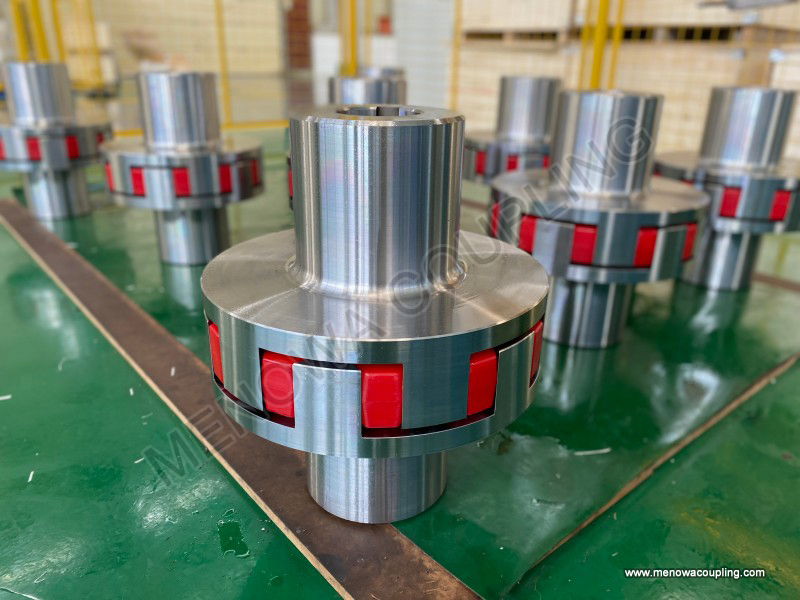
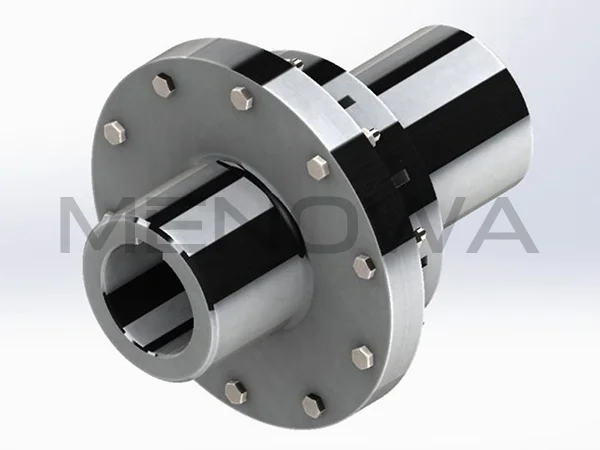
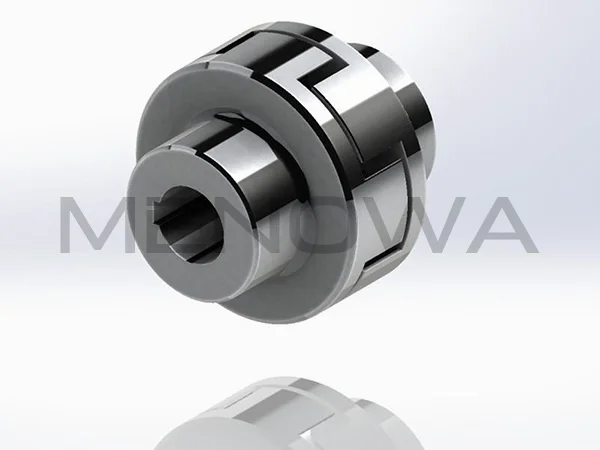
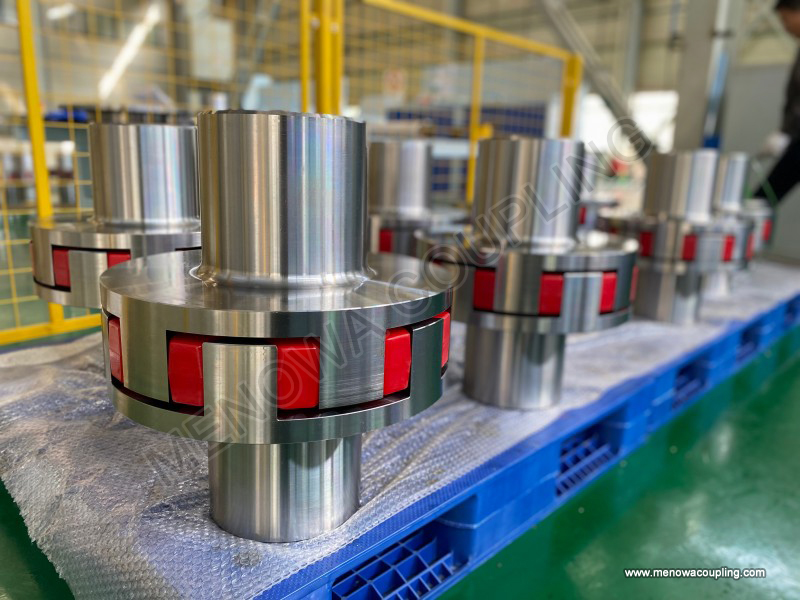
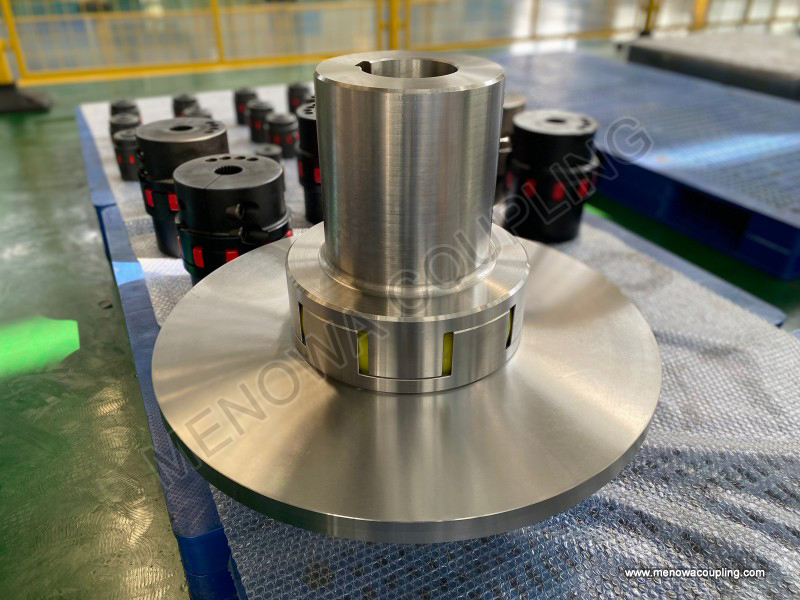
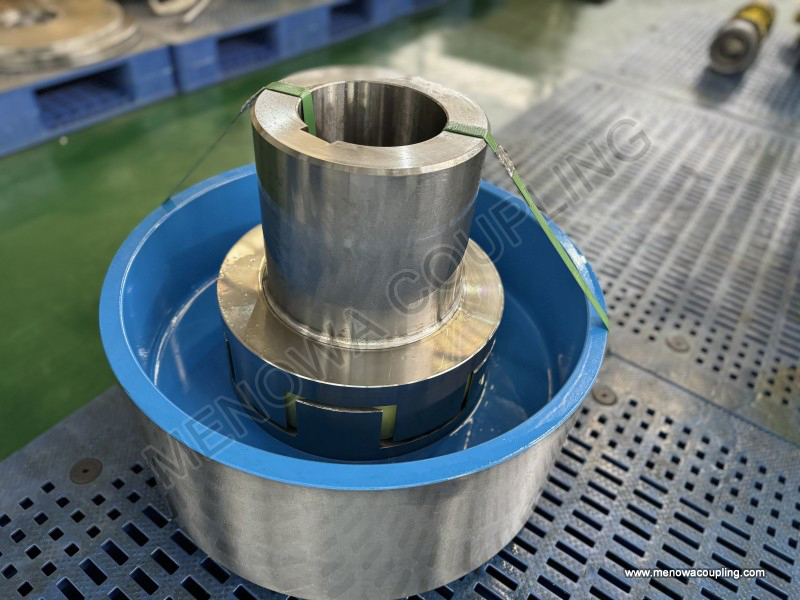
To fully understand the practical value and operational advantages of the spider coupling in actual mechanical work, it is essential to start with its basic structural composition and the inherent logical relationship between each structural part and its corresponding mechanical functions. The overall structural layout of the spider coupling follows a simple and practical design concept, abandoning overly complex mechanical structures that would increase manufacturing difficulty and subsequent maintenance complexity, and instead adopting a three-part core combination mode composed of two symmetrical metal hubs and a central flexible elastomeric insert commonly referred to as the spider element. The two metal hubs serve as the rigid connecting foundation of the entire coupling device, with one hub firmly installed and fixed on the outer shaft end of the driving equipment, typically including electric motors, internal combustion power units, and other power source devices that provide initial rotational power, while the other hub is stably mounted on the shaft end of the driven mechanical equipment that needs to receive rotational torque and complete corresponding mechanical work tasks. The outer side of each metal hub is designed with uniformly distributed jaw-shaped protruding structures arranged in a radial pattern around the center of the shaft hole, and these protruding jaws are precisely matched with the reserved grooves on the outer edge of the intermediate flexible spider insert, forming a tight and stable embedded connection structure after assembly is completed. The central spider insert, manufactured from high-performance elastomeric or thermoplastic materials through integrated molding processes, is the core functional component that distinguishes the spider coupling from traditional rigid coupling structures and endows the entire device with flexible working characteristics. This intermediate flexible part does not undertake rigid fixed connection work like metal components but acts as a buffer transition and force transmission medium between the two metal hubs, bearing the main torque transfer task while relying on its own material elasticity and structural deformability to cope with various abnormal mechanical states generated during equipment operation. The simple and compact overall structure brings multiple practical benefits in actual industrial application scenarios, including small overall installation space occupation, convenient and fast on-site assembly and disassembly processes, no need for complex auxiliary installation tools or professional calibration equipment during routine replacement, and strong adaptability to various narrow mechanical installation spaces and compact equipment internal layout environments.
The working mechanism of the spider coupling follows the basic mechanical principles of flexible power transmission and elastic deformation buffering, and the entire power transmission and deformation compensation process operates synchronously and efficiently without additional manual control or auxiliary power drive throughout the equipment operation cycle. When the driving power source starts to operate and generate rotational motion and torque, the driving shaft drives the connected metal hub to rotate synchronously, and the radial jaws on the driving hub continuously apply uniform pushing force to the contact grooves of the intermediate flexible spider insert. Under the action of this continuous rotational pushing force, the flexible spider insert transmits the received torque evenly and stably to the other metal hub connected to the driven shaft, thereby driving the entire driven mechanical equipment to rotate and operate according to the preset working parameters and completing the scheduled production and processing work. During the entire torque transmission process, once the connected driving shaft and driven shaft produce any form of misalignment due to installation errors, equipment foundation slight settlement, long-term operation vibration, or component thermal expansion and contraction during mechanical operation, the flexible spider insert will produce subtle and controllable elastic deformation adaptively according to the actual deviation degree of the shaft position. This elastic deformation does not affect the basic efficiency and stability of torque transmission but effectively offsets the additional mechanical tension, extrusion force, and shear stress that would otherwise be directly applied to the shaft surface and bearing components due to shaft misalignment. The types of misalignment that the spider coupling can effectively compensate cover three common forms in actual mechanical operation, including angular misalignment where the two shafts form a subtle included angle in the vertical direction, parallel misalignment where the two shafts are staggered horizontally without overlapping centerlines, and axial misalignment where the two shafts produce slight displacement along the axial direction due to equipment thermal expansion or mechanical vibration. While completing multi-directional misalignment compensation, the flexible spider insert can also absorb and weaken the instantaneous mechanical shock generated by frequent equipment start-stop, sudden load changes, and unstable power output in special working conditions, and isolate most of the mechanical vibration generated during high-speed rotation and mechanical operation, preventing vibration from being transmitted back and forth between the driving end and the driven end of the equipment.
The material selection of each component of the spider coupling directly determines its overall service life, operational stability, environmental adaptability, and load-bearing capacity in different industrial working conditions, and different material combinations are matched according to the actual working intensity, operating temperature range, and environmental complexity of various application scenarios. The two metal hubs that form the rigid connecting part are mostly made of high-strength cast metal or forged alloy materials with good rigidity, wear resistance, and structural stability. These metal materials have excellent mechanical strength and hardness, will not produce permanent deformation or structural damage under long-term torque action and conventional mechanical impact, can maintain the precise matching size of the jaw structure for a long time, and ensure the stable connection effect between the coupling and the equipment shaft. The surface of the metal hub is usually treated with basic anti-rust and anti-corrosion processing technology to adapt to conventional indoor and outdoor industrial working environments, slowing down the oxidation and corrosion speed of the metal surface in humid, dusty, and weakly corrosive atmospheric environments and avoiding structural performance degradation caused by metal rust affecting the matching accuracy and connection firmness. The material selection of the intermediate flexible spider insert is more diverse and targeted, as this component bears the core flexible buffering and deformation compensation functions and needs to meet different elasticity, wear resistance, temperature resistance, and anti-aging requirements according to different working conditions. Common materials for the spider insert include general-purpose elastomer materials suitable for conventional normal-temperature working scenarios, which have moderate elasticity and good vibration damping effects, low comprehensive application cost, and stable performance in long-term continuous operation of conventional mechanical equipment. For working scenarios with higher operating temperatures, frequent mechanical shocks, and higher load intensity, special modified thermoplastic materials and enhanced elastomer formulas are usually adopted, which have better high-temperature resistance, anti-fatigue performance, and deformation recovery ability, can maintain stable elastic buffering performance without softening or aging failure under long-term high-temperature operation and frequent alternating load action, and effectively extend the replacement cycle of vulnerable parts. In some special working environments with oil pollution, chemical medium corrosion, and severe weather erosion, customized corrosion-resistant and oil-resistant flexible materials will be selected to ensure that the spider insert will not be corroded, swollen, or deformed by contact with lubricating oil, industrial wastewater, and weak chemical media during operation, maintaining the long-term stability of the overall coupling performance.
In the daily operation and long-term service process of industrial mechanical equipment, the rational selection and correct use of spider couplings can bring far-reaching positive effects on the overall operational stability of the mechanical system and the reduction of equipment comprehensive operating costs, many of which are reflected in the protection of core mechanical components and the extension of equipment overall service life. Mechanical bearings and motor internal rotating components are the most vulnerable parts affected by shaft misalignment and mechanical vibration in the power transmission system. Excessive uncompensated misalignment will cause the bearings to bear uneven radial and axial force for a long time, resulting in accelerated wear of bearing rollers and inner and outer ring surfaces, increased bearing operating clearance, abnormal noise during equipment operation, and eventually bearing failure and equipment shutdown. The elastic buffering and misalignment compensation performance of the spider coupling can effectively reduce the extra load on bearings and motor rotating parts, make the force on each rotating component uniform and stable during equipment operation, reduce the wear degree of vulnerable moving parts, and significantly reduce the frequency of bearing replacement and motor maintenance. At the same time, the vibration damping effect of the flexible spider insert can reduce the overall vibration amplitude of the equipment during operation, avoid loose connection of equipment fixing bolts, cracking of equipment foundation, and damage to precision auxiliary components caused by long-term strong vibration, and maintain the overall structural stability of the mechanical equipment. For production enterprises, the reduction of component wear and mechanical failure frequency directly means the reduction of equipment maintenance time and maintenance labor and material costs, the improvement of equipment continuous operation rate and production efficiency, and the avoidance of production interruption and economic losses caused by sudden equipment shutdown and maintenance. In addition, the stable power transmission effect of the spider coupling ensures that the torque output by the power source can be efficiently transmitted to the driven equipment without obvious power loss, maintaining the consistent and stable operating speed and working state of the mechanical equipment, which is crucial for industrial production processes that require high operating stability and precise operating parameter control.
The application scope of spider couplings covers almost all conventional industrial mechanical power transmission scenarios, showing strong versatility and scenario adaptability in different industries and different types of mechanical equipment operation. In motor matching drive systems, which are the most common application scenarios, spider couplings are widely used to connect various types of driving motors and matched driven mechanical equipment. Whether it is small and medium-sized motors used for light-duty mechanical operation or medium-power motors used for medium-load industrial production and processing, the coupling can complete stable shaft connection and power transmission work. The vibration damping performance of the coupling can effectively isolate the electromagnetic vibration generated during motor operation and the mechanical vibration generated by the load operation of the driven equipment, avoiding mutual vibration interference between the motor and the driven equipment and ensuring the smooth and low-noise operation of the entire motor drive system. In fluid power equipment such as various industrial pumps and ventilation fans, spider couplings play an important role in adapting to equipment thermal expansion and reducing operational vibration. Pump and fan equipment will generate obvious heat during long-term continuous operation, leading to thermal expansion of the rotating shaft and subtle axial and angular misalignment between the motor shaft and the pump or fan shaft. The flexible deformation ability of the spider insert can well adapt to this thermal expansion displacement, avoiding additional mechanical stress caused by thermal deformation and preventing equipment operation failure and component damage. At the same time, the vibration generated during the high-speed rotation of fan blades and pump impellers can be effectively absorbed and weakened by the coupling, reducing the vibration noise of the entire equipment and improving the on-site working environment of the production workshop.
In conveyor transportation systems widely used in mining, building materials, food processing, and logistics transportation industries, spider couplings have become one of the essential connecting components for conveyor power drive. Conveyor equipment often faces complex working conditions such as uneven material transportation load, frequent start-stop operation, and long-distance continuous operation during work. Instant load impact will be generated at the moment of start-stop and when the transportation material load changes suddenly, which is easy to cause impact damage to the motor and conveyor drive shaft components. The spider coupling can effectively buffer these instantaneous impact loads through the elastic deformation of the intermediate flexible insert, protect the conveyor drive motor and reduction components from impact damage, and ensure the stable start and smooth operation of the conveyor equipment. The compact structural design of the coupling is also very suitable for the narrow installation space of conveyor drive devices, facilitating the layout and installation of conveyor systems in different production sites and meeting the power transmission needs of various light, medium, and medium-heavy duty conveyor transportation work. In HVAC circulating systems and environmental protection ventilation equipment, spider couplings are used to connect drive motors and ventilation blowers, circulating water pumps, and other equipment. These types of equipment need long-term uninterrupted continuous operation with low maintenance frequency requirements. The spider coupling, with its simple structure, stable performance, and low daily maintenance characteristics, can meet the long-term continuous operation needs of HVAC and environmental protection equipment, reduce the daily maintenance workload of equipment management personnel, and ensure the long-term stable operation of building ventilation, temperature regulation, and environmental protection exhaust systems.
In marine auxiliary mechanical equipment and light-duty engineering mechanical systems, spider couplings also show good environmental adaptability and operational reliability. Marine auxiliary equipment often works in humid, high-salt fog, and alternating temperature environments, requiring coupling components to have good anti-corrosion and stable performance in complex atmospheric environments. Through the matching of anti-corrosion treated metal hubs and corrosion-resistant flexible spider materials, the spider coupling can adapt to the harsh marine working environment, maintain stable power transmission performance for a long time, and ensure the normal operation of marine power auxiliary equipment and transportation auxiliary machinery. Light-duty engineering machinery and agricultural machinery equipment often work in outdoor open-air environments with dusty and complex working conditions, and the equipment is prone to shaft misalignment and vibration during operation due to uneven road surfaces and complex operation environments. The spider coupling can adapt to these harsh outdoor working conditions, with good dust resistance and anti-vibration performance, stable connection effect in long-term outdoor operation, and less susceptible to external environmental interference, providing reliable power transmission guarantee for engineering and agricultural mechanical operation.
The daily maintenance and routine inspection work of spider couplings is simple and easy to operate, without requiring complex professional technology, special maintenance equipment, or long maintenance time, which is also an important reason why this type of coupling is widely popularized and applied in various industrial fields. The core daily maintenance work mainly includes regular visual inspection of the overall structural state of the coupling and regular check of the wear and aging degree of the intermediate flexible spider insert. During the daily equipment patrol inspection process, equipment management personnel only need to observe whether the two metal hubs of the coupling have loose fixation, obvious structural deformation, surface cracking, or serious rust and corrosion problems, and check whether the flexible spider insert has obvious extrusion deformation, surface cracking, aging hardening, elastic fatigue, or falling off from the embedded groove of the hub. For most conventional working scenarios, regular inspection once every few months can meet the daily maintenance needs. When abnormal wear, aging, or deformation of the spider insert is found during inspection, the replacement work can be completed quickly by simply disassembling the connecting fasteners of the two hubs, taking out the old flexible insert, and installing a new matching spider insert. The entire replacement process does not need to move the overall position of the motor and driven equipment or re-calibrate the shaft alignment, which greatly shortens the equipment maintenance downtime and improves the convenience of component replacement. In addition, regular cleaning of the dust, oil dirt, and sundries accumulated on the surface of the coupling during daily use can avoid long-term adhesion of dirt affecting the flexible deformation of the spider insert and the matching accuracy of the hub jaws, maintaining the stable working performance of the coupling for a long time. Compared with other complex transmission connecting components that require regular lubrication, precision calibration, and frequent professional maintenance, the spider coupling has extremely low daily maintenance cost and simple maintenance operation, which is very suitable for industrial equipment that requires long-term continuous operation and low maintenance investment.
When selecting a suitable spider coupling for specific mechanical equipment and actual working conditions, it is necessary to comprehensively consider multiple key factors related to equipment operation, rather than simply selecting according to the basic size parameters of the shaft diameter, to ensure that the selected coupling can match the actual working load, operating speed, misalignment degree, and environmental conditions of the equipment and achieve the optimal working state and service life. The first core factor to consider is the actual torque demand and conventional operating speed of the mechanical equipment. Different mechanical equipment has different torque output and transmission requirements in operation, and the coupling needs to have enough torque bearing capacity to meet the normal operation and instantaneous impact load requirements of the equipment, avoiding long-term overload operation of the coupling leading to accelerated aging and damage of the flexible insert. The second factor is the actual misalignment degree of the driving shaft and driven shaft after equipment installation and the vibration intensity during operation. For equipment with large installation misalignment and obvious operational vibration, it is necessary to select a spider coupling with better elastic deformation performance and stronger vibration damping capacity, matching with flexible insert materials with higher elasticity and fatigue resistance. The third factor is the actual working environmental conditions of the equipment, including operating temperature range, whether there is oil pollution, chemical corrosion, humidity, and dust in the working environment. According to different environmental characteristics, select matching metal hub anti-corrosion treatment processes and flexible insert material types to ensure that the coupling can adapt to the long-term working environment without performance degradation. In addition, the installation space size of the equipment and the daily maintenance and replacement convenience requirements also need to be considered comprehensively, selecting a coupling with appropriate overall structural size and simple disassembly and assembly structure to meet the installation layout and later maintenance needs of the equipment.
Looking at the entire development trend of modern industrial mechanical power transmission technology, with the continuous upgrading of industrial production automation degree and the continuous improvement of equipment operation stability and energy efficiency requirements, the market demand for practical, reliable, low-maintenance, and high-adaptability flexible coupling components will continue to rise, and the spider coupling, as a mature and stable basic transmission component, will still maintain irreplaceable application value in various industrial fields. Although new structural transmission components and special customized connecting parts are constantly emerging with the progress of mechanical manufacturing technology, the spider coupling still occupies an important position in the basic power transmission market by virtue of its simple and reliable structure, excellent comprehensive performance, wide scenario adaptability, low manufacturing and maintenance cost, and convenient installation and use characteristics. In the future, with the continuous innovation and optimization of elastomer material technology and mechanical structure design, the comprehensive performance of spider couplings in high temperature resistance, corrosion resistance, fatigue resistance, and high load bearing will be further improved, and the applicable working condition range will be further expanded, adapting to more complex and harsh industrial production environments and higher standard equipment operation requirements. Whether in traditional manufacturing and production industries or emerging light industrial processing and new energy supporting mechanical systems, spider couplings will continue to undertake the important task of stable power transmission and mechanical component protection, providing solid basic component support for the stable operation and efficient production of various mechanical equipment, and becoming an indispensable and important part of the healthy and sustainable operation of modern industrial mechanical systems.
https://www.menowacoupling.com/industrial-coupling/spider-coupling.html

 WeChat
 WhatsApp