Drive Shaft Coupling
In the entire system of mechanical power transmission, drive shaft coupling stands as an indispensable foundational mechanical component that undertakes the key connection between driving shafts and driven shafts in all types of rotating machinery and equipment. Every set of mechanical transmission equipment that relies on rotational motion to output power and drive load operation cannot achieve normal power conduction and equipment coordination without the reasonable matching and stable operation of drive shaft couplings. From common industrial production and processing equipment in factory workshops to large engineering machinery and transportation power transmission systems, from precision automated mechanical transmission structures to conventional civilian mechanical operation devices, drive shaft couplings are always arranged at the core connection nodes of the transmission chain, silently bearing the transmission of torque and rotational speed, and balancing various mechanical deviations and dynamic loads generated during the long-term operation of equipment. The essential value of drive shaft coupling is not only limited to realizing the basic connection between two rotating shafts, but more importantly, it can adapt to various inevitable installation errors, mechanical deformation caused by temperature changes, vibration impact generated by dynamic operation and subtle position displacement between shafts in complex working environments, ensuring that the power transmission process remains continuous, stable and efficient, reducing unnecessary mechanical wear and energy loss of equipment, and extending the overall service life and stable operation cycle of the entire mechanical transmission system. Understanding the internal working logic, structural differentiation characteristics, applicable working condition boundaries and scientific operation and maintenance management methods of drive shaft couplings is a basic prerequisite for mechanical design personnel, equipment operation and maintenance personnel and engineering management personnel to optimize mechanical system design, improve equipment operation efficiency and reduce subsequent equipment failure and maintenance costs.
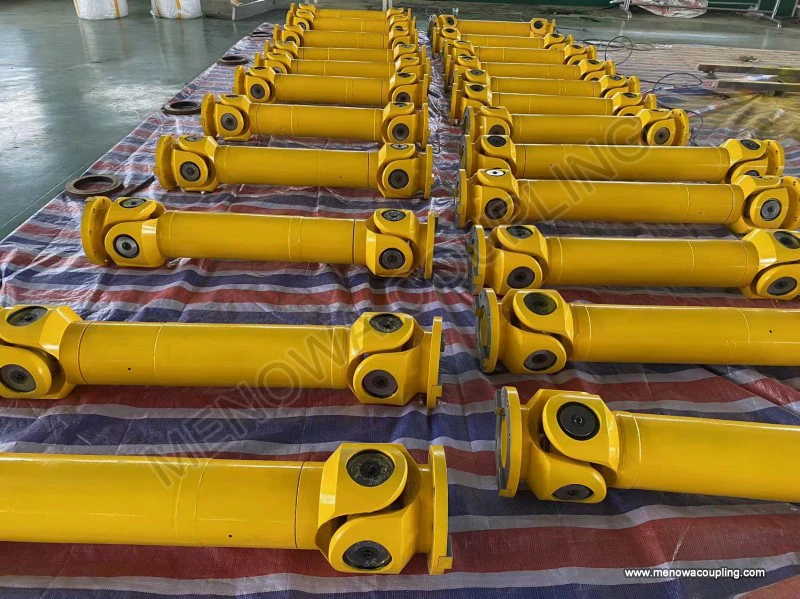
The basic working principle of drive shaft coupling follows the fundamental laws of mechanical motion and torque transmission in mechanical engineering, taking the rotational power generated by power components such as motors, engines and reduction boxes as the input source, and stably transmitting torque and rotational motion from the active rotating shaft connected to the power end to the driven rotating shaft connected to the load end through its own mechanical connection structure and transmission components. In the actual assembly and operation process of mechanical equipment, it is almost impossible to achieve complete absolute coaxial alignment between the active shaft and the driven shaft due to the influence of many objective factors. Manufacturing tolerances of mechanical parts, subtle position deviations generated during equipment assembly and installation, thermal expansion and contraction deformation of metal components caused by long-term operation and temperature changes of equipment, slight structural displacement caused by mechanical vibration and impact during equipment startup and shutdown and load switching, and slow structural settlement of equipment foundation after long-term use will all lead to different degrees of axial displacement, radial displacement and angular deflection between the two connected shafts. If the two shafts are directly connected by rigid fixed structures without buffer and compensation capabilities, these subtle deviations and displacements will generate huge additional mechanical stress and alternating load during the high-speed rotation and power transmission process, which will directly act on the shaft body, bearing parts and key connection components of the equipment, resulting in accelerated wear of parts, frequent fatigue deformation of structural components, increased equipment operation vibration and noise, and even sudden shaft breakage and equipment shutdown failure in serious cases. The drive shaft coupling is designed and manufactured to solve this core mechanical problem. Its internal structural design can effectively absorb and compensate various comprehensive deviations between shafts generated during installation and operation, isolate part of vibration and impact generated by load changes and mechanical operation in the transmission process, ensure that the torque transmission path remains smooth and uniform, avoid additional stress concentration on key mechanical components, and maintain the synchronous and stable rotation state of the active shaft and the driven shaft under various complex working conditions.
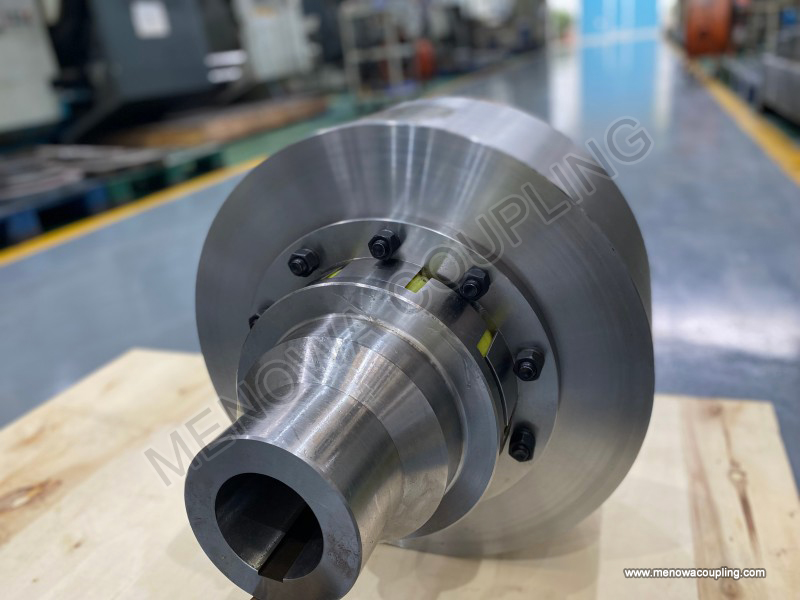
Drive shaft couplings can be divided into two major core categories according to structural design forms and functional compensation characteristics, namely rigid drive shaft couplings and flexible drive shaft couplings, and each category derives multiple structural forms adapted to different working conditions and transmission requirements according to different design concepts and application orientations. Rigid drive shaft couplings are the most basic and original structural form of shaft connection transmission components, which adopt an integrated fixed connection structure design without any flexible deformation parts and displacement compensation structures inside. The core design concept of rigid drive shaft couplings is to realize the rigid and fixed locking connection between the active shaft and the driven shaft, so that the two shafts can maintain complete synchronous rotation with no relative displacement and angle change during the power transmission process, and the torque transmission efficiency can be maintained at a relatively high level with no additional power loss caused by flexible deformation. This type of coupling has a simple overall structure, fewer internal parts, convenient processing and manufacturing, and easy on-site assembly and disassembly operation. It is suitable for mechanical transmission scenarios where the installation coaxiality of the two connected shafts is extremely high, the equipment operating load is stable with no sudden impact load, the equipment operating speed is relatively low, and the working environment temperature and vibration fluctuation range are small. In actual industrial application, rigid drive shaft couplings are mostly used in some conventional low-speed and steady-load transmission equipment, such as small-sized stirring mechanical transmission devices, simple conveyor shaft connection structures and low-power mechanical transmission components that run continuously for a long time with stable working conditions. However, the inherent defect of rigid drive shaft couplings is obvious, that is, they have no displacement compensation and vibration buffering functions at all. Once there is slight coaxial deviation between shafts or vibration impact during equipment operation, the additional mechanical stress generated cannot be released and buffered, and all the impact force and stress will be directly transmitted to the shaft and bearing system of the equipment, so the application scope is greatly limited, and it cannot be applied to medium and high-speed operation equipment and mechanical equipment with variable loads and complex working conditions.
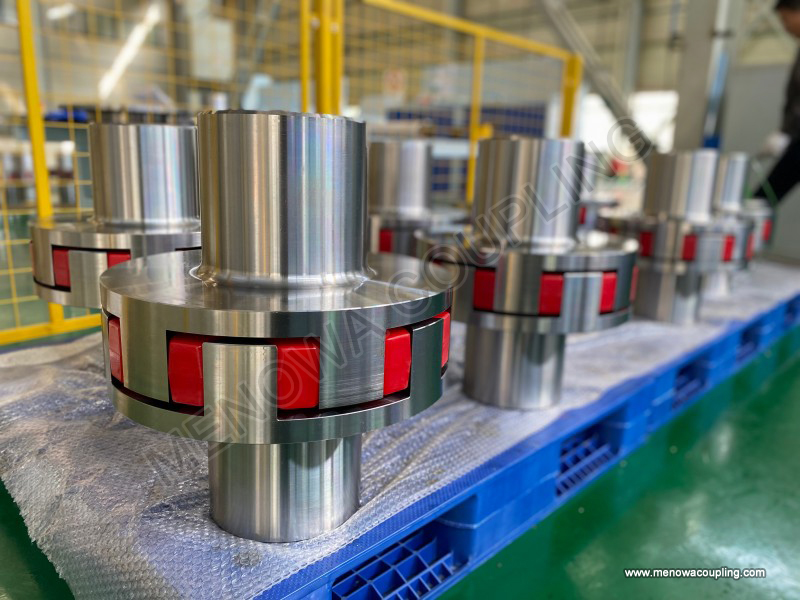
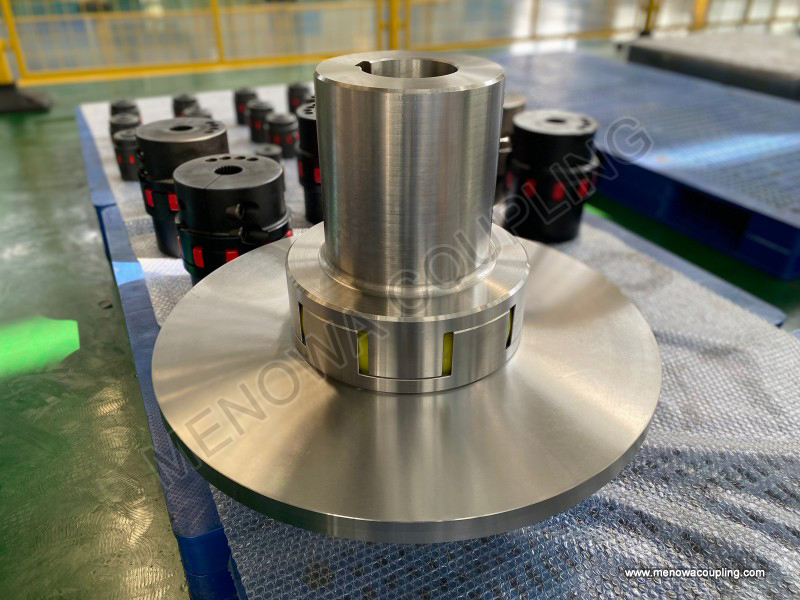
Flexible drive shaft couplings are the most widely used type in modern mechanical power transmission systems, which are optimized and upgraded on the basis of rigid coupling structure, adding flexible deformation components and movable connection structures with displacement compensation and vibration buffering capabilities inside. The core advantage of flexible drive shaft couplings is that they can rely on the elastic deformation of internal flexible materials or the movable hinge movement of mechanical structures to automatically compensate axial, radial and angular comprehensive deviations between the active shaft and the driven shaft generated during installation and operation, and absorb and buffer the vibration and impact load generated during equipment startup, shutdown, load switching and normal operation, avoiding the direct transmission of impact vibration to the entire mechanical transmission system. According to the different flexible deformation and force-bearing transmission modes of internal components, flexible drive shaft couplings can be further subdivided into two sub-types: flexible couplings with non-metallic elastic elements and flexible couplings with metallic elastic elements. Flexible drive shaft couplings equipped with non-metallic elastic elements usually use rubber, polyurethane, plastic and other polymer elastic materials as the core force-bearing and deformation buffer parts. These non-metallic materials have good elastic deformation performance, strong vibration absorption and noise reduction effects, low manufacturing cost, and good adaptability to conventional normal temperature working environments. During the operation of the equipment, the elastic deformation of non-metallic materials can effectively offset various subtle displacements between shafts, reduce vibration and noise in the transmission process, and play a good role in protecting the shaft and bearing components. This type of flexible coupling is mostly suitable for medium and low-speed mechanical transmission equipment with ordinary load requirements, common working environments and no special high temperature, high pressure and corrosion resistance requirements, covering most conventional industrial production and civilian mechanical equipment transmission scenarios.
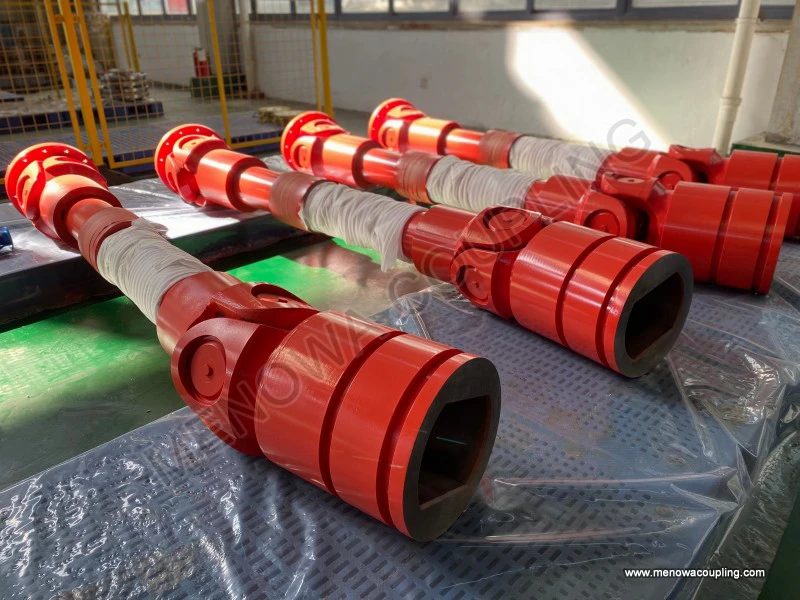
Flexible drive shaft couplings using metallic elastic elements rely on the elastic deformation of thin metal sheets, metal springs and other metal structural parts to realize displacement compensation and torque transmission. Compared with non-metallic elastic materials, metal elastic components have higher structural strength, better high temperature resistance, corrosion resistance and fatigue resistance, can maintain stable elastic deformation performance and transmission effect under high-speed operation, high load bearing and harsh working environments such as high temperature and humidity and chemical corrosion, and have longer service life and more stable long-term operation performance. This type of flexible drive shaft coupling is mostly used in high-speed rotating mechanical equipment, heavy-load engineering transmission systems, and mechanical equipment operating in harsh industrial environments such as high temperature, low temperature and chemical corrosion, which have high requirements for coupling structural stability and durability. In addition to the above two mainstream flexible coupling types, there are also special structural flexible drive shaft couplings with movable mechanical hinge structures, which realize angular displacement compensation and torque transmission through the relative rotation and hinge movement of cross shaft, fork head and other mechanical structures. This special structural coupling can adapt to large angular deflection displacement between two shafts, and is widely used in engineering machinery, transportation equipment and other transmission scenarios where the relative position and angle of the driving shaft and the driven shaft change frequently with equipment operation.
The selection of a suitable drive shaft coupling is a systematic and professional engineering work, which cannot be randomly selected according to simple installation size or subjective experience, but needs to be comprehensively judged and determined according to multiple core factors such as the actual transmission power of the mechanical equipment, operating rotational speed, load characteristics, installation working conditions, shaft connection size and equipment operation environment. The first core factor to be considered in selection is the torque transmission demand of the mechanical system, including the rated torque required for normal operation of the equipment and the peak instantaneous torque generated during startup, acceleration, deceleration and load mutation. The selected drive shaft coupling must have sufficient torque bearing capacity to ensure that it will not be deformed, damaged or failed due to excessive torque during long-term operation and instantaneous impact of the equipment. The second key factor is the operating speed of the equipment. Different structural types of drive shaft couplings have different allowable maximum operating speed ranges. High-speed rotating mechanical equipment needs to select flexible couplings with good dynamic balance performance, small running vibration and stable structural coordination, avoiding the use of couplings with complex movable structures and poor dynamic balance, so as to prevent excessive centrifugal force and vibration generated during high-speed rotation from affecting the stable operation of the equipment. The third important factor is the magnitude of misalignment deviation between the driving shaft and the driven shaft after equipment installation and the possible displacement change range during subsequent operation. For equipment with small installation deviation and stable operation displacement, couplings with conventional compensation capacity can be selected; for mechanical equipment with large installation deviation, obvious thermal deformation and frequent operation displacement change, flexible drive shaft couplings with strong comprehensive displacement compensation performance need to be matched.
The working environment of equipment is also an indispensable key factor in the selection of drive shaft couplings. For mechanical equipment operating in conventional normal temperature, dry and dust-free indoor environments, most common rigid and flexible couplings can meet the use requirements; for equipment working in high-temperature production workshops, low-temperature outdoor environments, humid and watery working conditions, or industrial scenarios with chemical corrosive media such as acid and alkali, it is necessary to select couplings made of high-temperature resistant, low-temperature resistant, moisture-proof and corrosion-resistant materials, and avoid using couplings with non-metallic elastic elements that are easy to aging and fail in harsh environments. In addition, the installation and maintenance conditions of the equipment also need to be fully considered. For mechanical equipment with compact installation space, inconvenient later disassembly and maintenance, drive shaft couplings with simple structure, convenient assembly and disassembly and low maintenance difficulty should be preferred; for key core equipment that requires long-term continuous operation and low failure rate, couplings with stable performance, strong durability and long service life need to be selected, reducing the frequency of later replacement and maintenance and ensuring the continuous and stable operation of the production and processing system. Reasonable selection of drive shaft coupling can not only meet the basic power transmission demand of mechanical equipment, but also effectively reduce the failure rate of equipment operation, reduce mechanical vibration and noise, extend the service life of key parts of equipment, and indirectly reduce the overall operation and maintenance cost of mechanical systems.
In the actual operation process of various mechanical equipment, the operating state of drive shaft coupling directly affects the overall operation stability and safety of the entire mechanical transmission system, and any subtle abnormal state of the coupling will be gradually amplified with the operation of the equipment, eventually leading to equipment failure and production interruption. In the daily operation and use of drive shaft couplings, common abnormal working states mainly include excessive vibration and noise during operation, abnormal temperature rise of coupling parts, loose connection of coupling components, abnormal wear and deformation of elastic parts and structural parts, and obvious displacement deviation between connected shafts. The main causes of these abnormal problems are diversified, including unreasonable selection of coupling model in the early stage, unqualified installation and alignment operation, long-term lack of daily maintenance and lubrication, long-term overload operation of equipment exceeding the bearing range of the coupling, aging and fatigue damage of internal elastic parts and long-term erosion and damage of coupling structure by harsh working environment. For example, if the coaxial alignment accuracy is not up to standard during the installation of drive shaft coupling, additional alternating stress will be generated during long-term rotation, resulting in accelerated wear of coupling connection parts and shaft body, increased vibration and noise, and even fatigue fracture of coupling parts in severe cases; if the coupling runs in an overload state for a long time, the internal elastic elements will be permanently deformed and failed, losing the original displacement compensation and vibration buffering function; if the coupling lacks regular maintenance and dust and impurities accumulate inside for a long time, the friction and wear between structural parts will be intensified, affecting the normal flexible deformation and movable coordination of the coupling.
Scientific and standardized daily operation management and regular maintenance and maintenance are the key links to ensure the long-term stable operation of drive shaft couplings, delay the aging and wear rate of coupling components, and extend the overall service life. The daily maintenance work of drive shaft coupling is mainly divided into daily routine inspection, regular disassembly and maintenance, timely replacement of vulnerable parts and standardized operation management of equipment. In the daily routine inspection work, equipment operation and maintenance personnel need to regularly check the operating vibration, noise and surface temperature of the coupling during the operation of the equipment every day, observe whether there is obvious looseness, displacement and abnormal deformation at the coupling connection position, and record the operating state data of the coupling regularly. Once abnormal vibration, excessive temperature rise and abnormal noise are found, the equipment should be shut down for inspection in a timely manner to find out the cause of the abnormality and eliminate hidden dangers, avoiding small abnormal problems evolving into major equipment failures. Regular disassembly and maintenance work needs to be carried out according to the operating intensity and working environment of the equipment. For couplings operating with high load and high frequency, the disassembly and maintenance cycle should be shortened appropriately; for couplings operating with stable load and good working environment, the maintenance cycle can be extended moderately. During disassembly and maintenance, it is necessary to clean up the dust, oil dirt and impurities inside the coupling and on the surface of structural parts, check the wear degree of internal elastic elements, connection bolts, hinge structures and other key components, check whether there is fatigue deformation, aging damage and corrosion failure of parts, and carry out lubrication maintenance on the movable connection parts that need lubrication to ensure the flexible coordination of mechanical structures.
Timely replacement of vulnerable parts is an important part of the maintenance of drive shaft couplings. The elastic elements of flexible couplings and the connection fasteners of rigid couplings belong to vulnerable parts, which will produce natural aging, wear and fatigue damage after long-term operation. When the wear and deformation degree of these vulnerable parts reaches the use limit, they must be replaced in a timely manner with parts matching the original specification and model, and it is not allowed to continue to use damaged and deformed parts in order to save costs, so as to avoid hidden dangers of equipment operation. In terms of equipment standardized operation management, it is necessary to avoid frequent startup and sudden load switching of mechanical equipment, prohibit long-term overload operation of equipment beyond the design range, reduce the instantaneous impact load on the drive shaft coupling, and maintain the stable and balanced operation state of the transmission system. In addition, for drive shaft couplings operating in harsh working environments, necessary protective measures can be added according to the actual situation, such as installing protective covers to isolate dust and impurities, applying protective coatings to prevent corrosion, and avoiding direct damage to the coupling structure by external adverse environmental factors. Through the implementation of systematic and comprehensive maintenance and management measures, the failure probability of drive shaft couplings can be effectively reduced, the stable operation cycle of the equipment can be prolonged, and the normal production and operation order of mechanical engineering systems can be guaranteed.
With the continuous progress of modern mechanical manufacturing technology and the continuous upgrading and optimization of industrial mechanical equipment, the design and manufacturing technology of drive shaft couplings is also constantly developing and innovating towards the direction of high precision, high efficiency, strong durability, light weight and intelligent adaptation. In the early stage of mechanical industrial development, drive shaft couplings were mainly designed with simple rigid structures, with single function, heavy structure, large wear and short service life, which could only meet the most basic power transmission needs of low-speed and low-load mechanical equipment. With the improvement of industrial production automation level and the increasing demand for high-speed, high-precision and high-load mechanical transmission, the structural design and material selection of drive shaft couplings have been continuously optimized. New high-strength metal materials, high-elasticity and aging-resistant non-metallic materials are widely used in coupling manufacturing, and the structural design is more refined and reasonable, which not only ensures high-efficiency torque transmission, but also improves displacement compensation, vibration buffering and environmental adaptation performance of couplings. At the same time, with the popularization of intelligent mechanical equipment, the matching drive shaft couplings are also developing towards lightweight and compact structure, which can adapt to the compact installation space of modern precision mechanical equipment, and can maintain stable transmission performance under complex and changeable working conditions.
In the future development of mechanical transmission engineering, drive shaft coupling, as the core basic connecting component, will always occupy an irreplaceable important position in various mechanical equipment and power transmission systems. No matter how the mechanical equipment structure is upgraded and the transmission technology is innovated, the basic demand for stable connection and efficient power transmission between rotating shafts will never change, and the important role of drive shaft coupling in compensating shaft deviation, buffering vibration impact and protecting mechanical components will become more prominent. For mechanical design and engineering application personnel, attaching importance to the research and application of drive shaft coupling technology, doing a good job in scientific model selection, standardized installation and meticulous daily maintenance management, can not only ensure the efficient and stable operation of mechanical equipment, but also promote the long-term stable and healthy operation of the entire mechanical engineering system. The seemingly simple drive shaft coupling undertakes the important task of connecting power and transmitting motion in the entire mechanical system. Every structural design detail, every material selection and every maintenance management link is related to the operation efficiency and service life of mechanical equipment, and lays a solid foundation for the stable development of various industrial production and mechanical engineering construction.
https://www.menowacoupling.com/industrial-coupling/drive-shaft-coupling.html
 WeChat
 WhatsApp