Extendable Drive Shaft
In the complex and interconnected operating ecosystem of mechanical power transmission, the stable and continuous delivery of rotational torque and kinetic energy stands as the fundamental guarantee for the normal operation of various mechanical equipment and mobile machinery. Every link in the power transmission chain needs to adapt to changing working conditions, variable spatial positions, and dynamic mechanical deformation during long-term operation, and any slight mismatch in axial distance, angular deviation, or structural displacement may lead to increased transmission resistance, accelerated component wear, reduced operating efficiency, and even unexpected equipment shutdown and mechanical failure. Among all the core transmission components developed to solve such practical industrial and mechanical operation problems, the extendable drive shaft has always occupied an irreplaceable core position, serving as a key connecting component that integrates basic torque transmission function, axial length self-compensation capability, and angular displacement adaptation performance. Unlike traditional fixed-length drive shafts with single structural form and rigid connection characteristics, the extendable drive shaft breaks through the structural limitation of fixed overall dimension design, relying on its unique telescopic matching structure and flexible connection assembly to freely adjust its effective working length within a preset reasonable range during equipment installation, static debugging, and dynamic operation. This inherent structural advantage enables it to effectively cope with axial position changes caused by equipment installation errors, thermal expansion and contraction of metal components after long-time high-load operation, suspension jitter and stroke change of mobile machinery, and relative displacement between power output ends and load working ends in complex working environments, ensuring that the power transmission process remains stable, continuous and efficient without interference from external spatial and mechanical variable factors. As mechanical equipment continues to develop towards large-scale, high-power, long-distance transmission and multi-condition adaptive operation, the performance requirements for extendable drive shafts in terms of structural stability, torsional resistance, telescopic flexibility, wear resistance and long-term operational durability are constantly improving, and the continuous optimization of its design structure, material selection, processing technology and assembly process has also become an important research direction in the field of modern mechanical transmission design and manufacturing engineering.
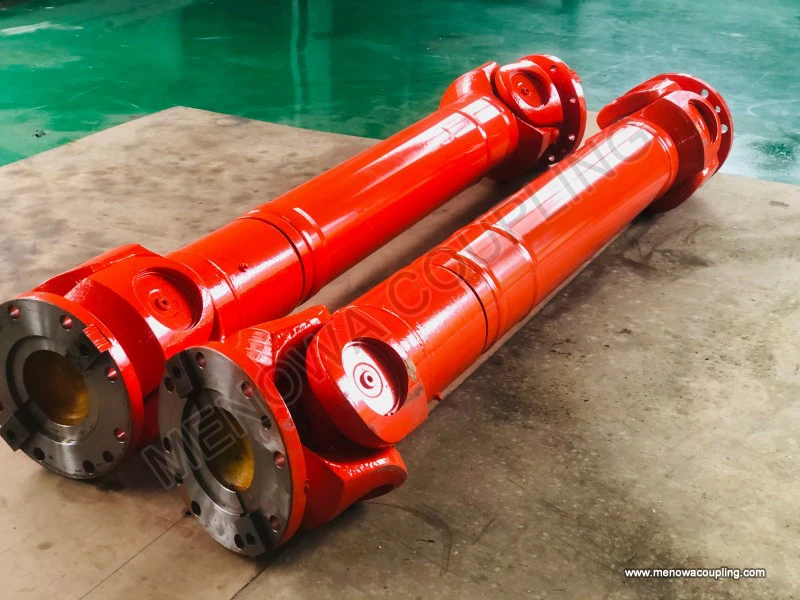
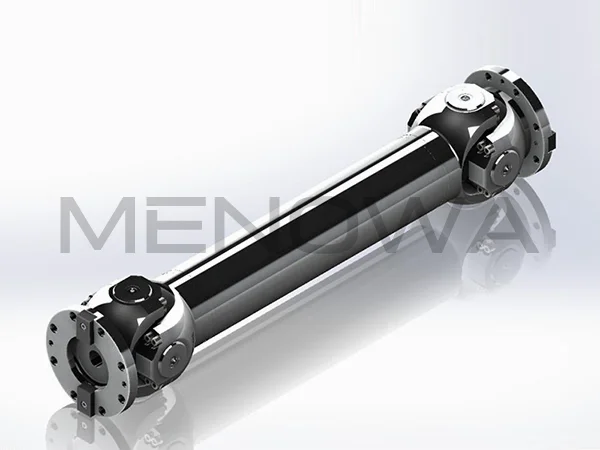
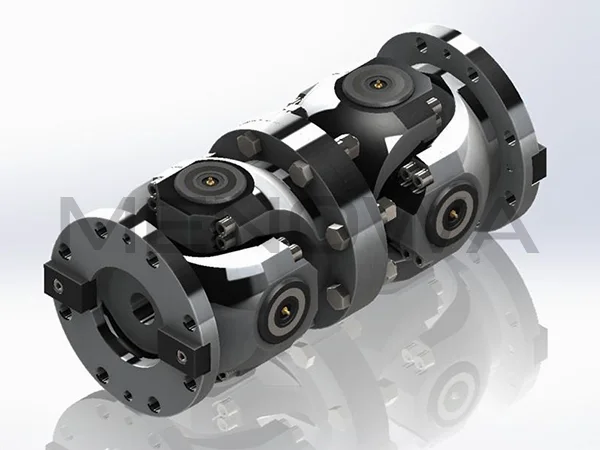
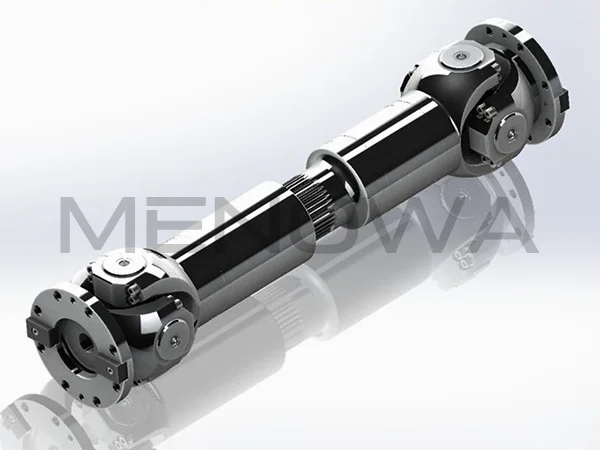
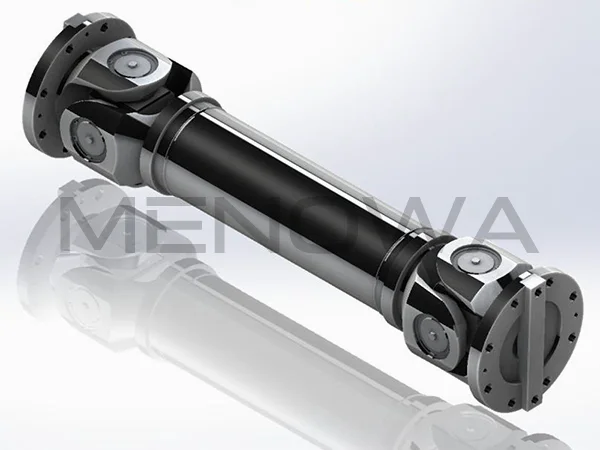
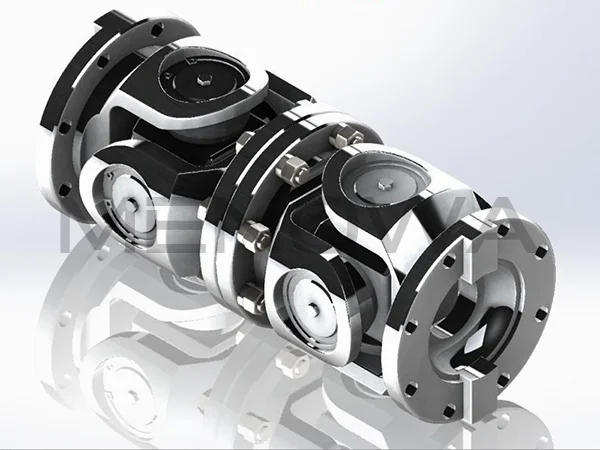
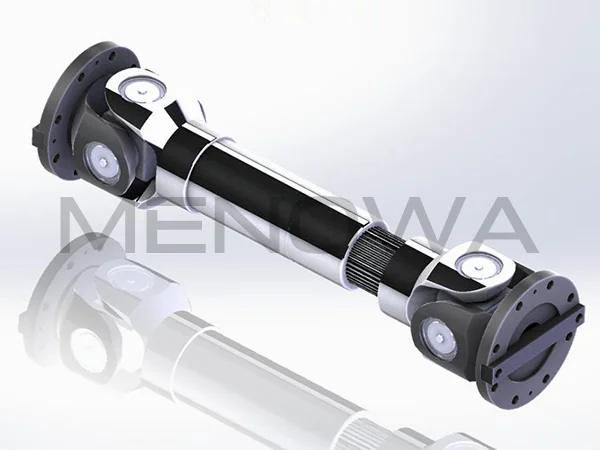
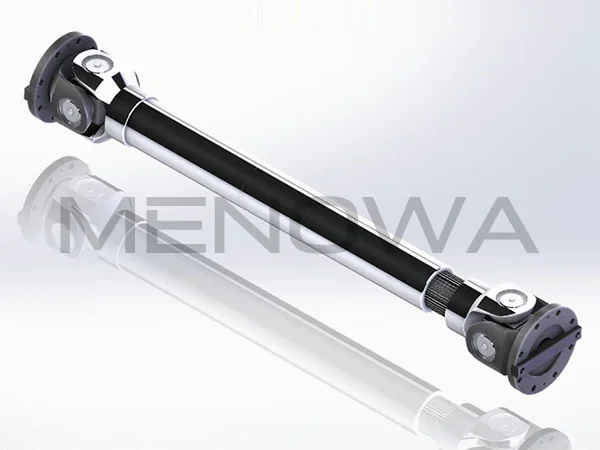
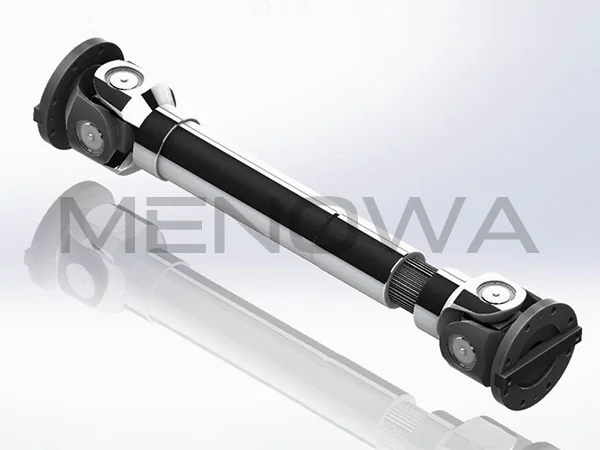
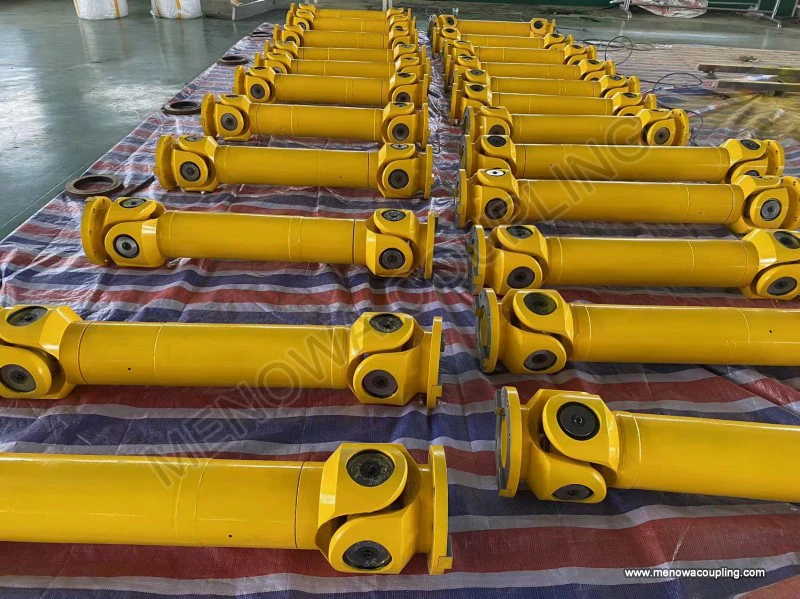
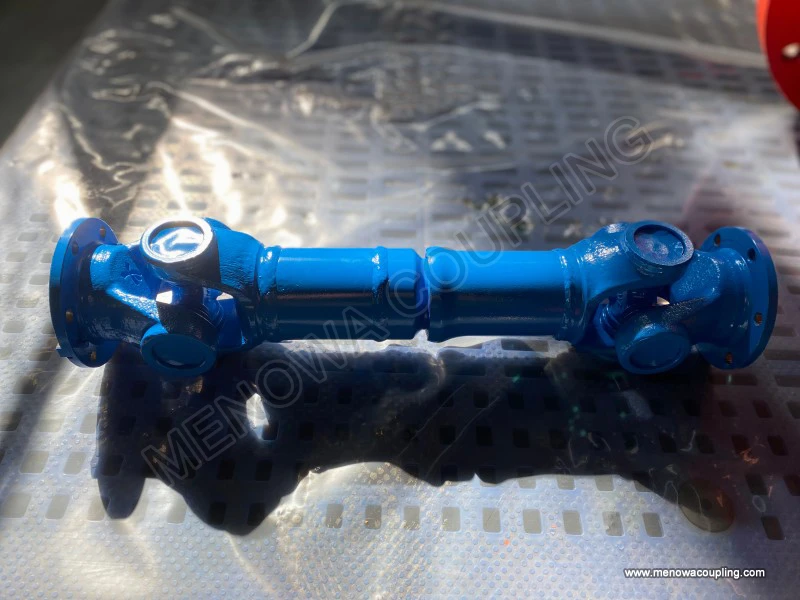
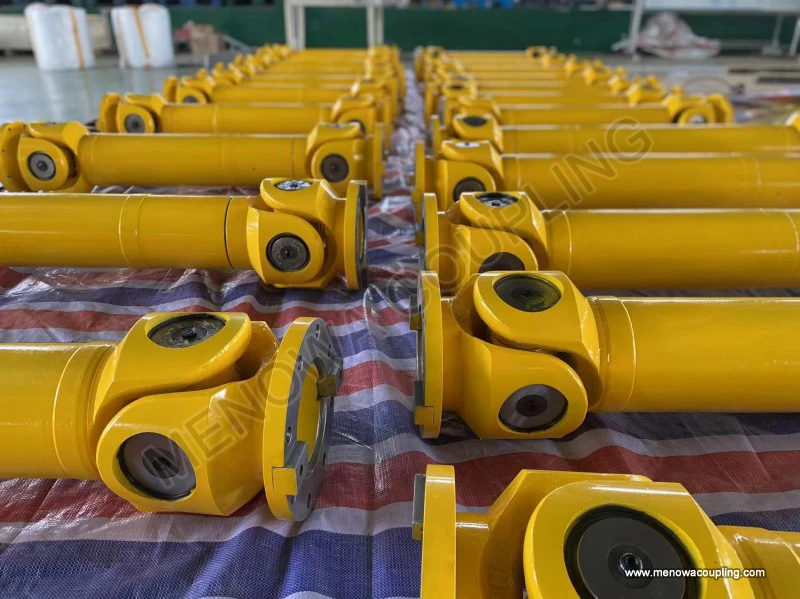
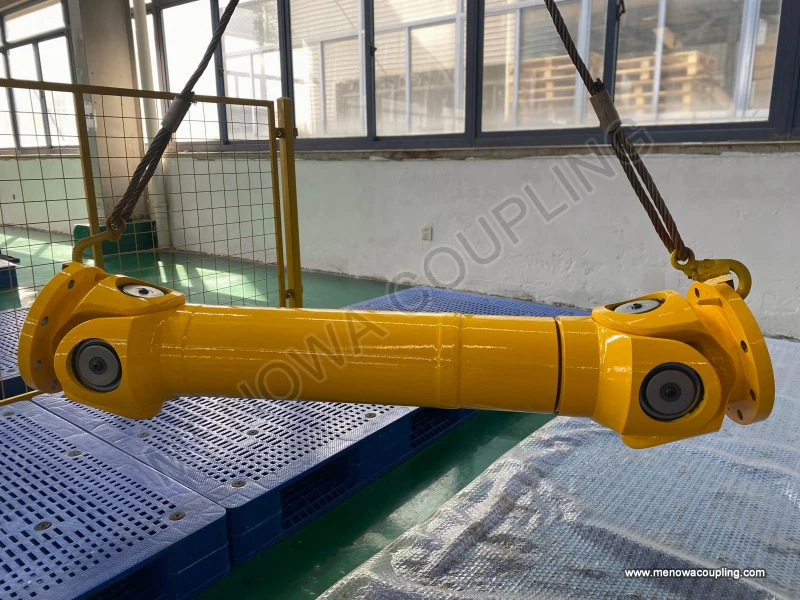
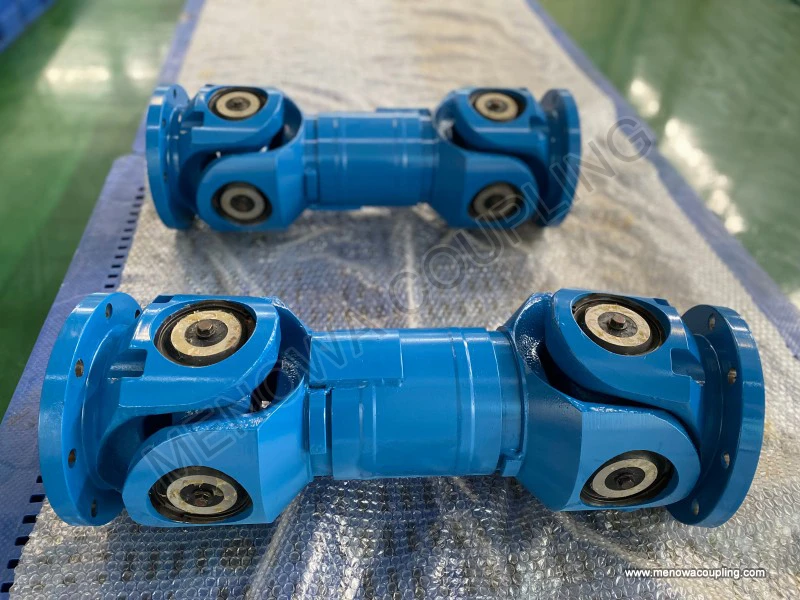
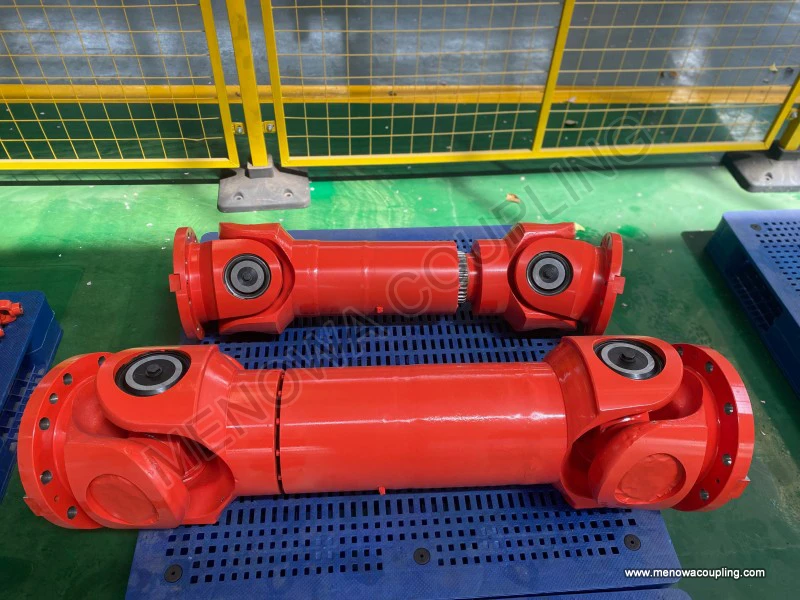
The basic structural composition of the extendable drive shaft is derived from the iterative upgrade and functional optimization of the traditional universal drive shaft, retaining the core flexible connection components required for basic torque transmission and angular deviation adaptation, and adding a set of precision telescopic sliding matching structure as the core functional module to realize axial length adjustment. The overall structure of a standard extendable drive shaft mainly includes three core parts: the universal joint assembly responsible for angular displacement compensation and flexible torque transmission, the telescopic sliding mechanism undertaking axial length adjustment and dynamic position adaptation, and the shaft body main structure bearing torsional load and connecting each functional assembly. Each part is precisely processed and tightly assembled according to mechanical transmission design standards, and the structural coordination relationship between different components is scientifically calculated and verified to ensure that there is no structural jamming, transmission lag or local stress concentration during the integration of telescopic movement and rotational torque transmission. The universal joint assembly, usually arranged at both ends of the extendable drive shaft, is the key component to solve the problem of non-coaxial power transmission between the power source and the load equipment. The common structural form of the universal joint assembly is the cross shaft type structure, which is composed of two fork-shaped joint parts and a central cross shaft connecting piece. The four shaft ends of the cross shaft are equipped with precision needle roller bearings, which can effectively reduce the friction resistance during relative rotation between the cross shaft and the fork-shaped joints, allowing a certain range of angular deviation between the driving shaft body and the driven shaft body in the working state. This structural design ensures that even if the relative angle between the power output end and the load input end changes dynamically with the operation of the equipment, the rotational torque can still be smoothly and continuously transmitted without obvious power loss or rotational jitter. In some working scenarios with complex angular change requirements and high transmission stability requirements, the ball cage type flexible connection structure can also be adopted, which can adapt to more complex and frequent angular displacement changes and maintain higher transmission efficiency and rotational stability under high-speed operating conditions.
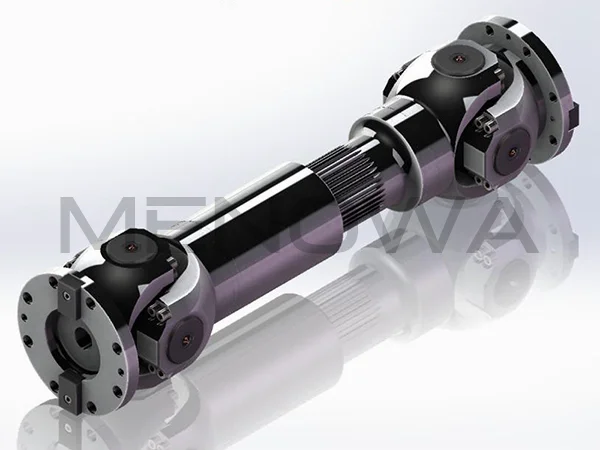
The telescopic sliding mechanism is the most distinctive core component of the extendable drive shaft and the fundamental difference between it and the ordinary fixed-length drive shaft. This mechanism mostly adopts a precision spline pair matching design, composed of an internal spline sleeve and an external spline shaft that can be nested and slid with each other. The external spline shaft is integrated with one section of the main shaft body, and the internal spline sleeve is connected with the other section of the shaft body and the universal joint assembly. The precise tooth shape matching between the internal and external splines not only ensures that the two sections of the shaft body can synchronously rotate and stably transmit torsional torque during operation, but also allows the external spline shaft to linearly slide inside the internal spline sleeve along the axial direction within a predetermined stroke range, so as to realize the active adjustment of the overall effective length of the drive shaft. The design of the spline directly determines the telescopic smoothness and torque bearing capacity of the extendable drive shaft. The tooth height, tooth width, tooth spacing and surface finish of the splines need to be processed with high precision to avoid excessive assembly clearance leading to rotational backlash and torque transmission instability, and also to prevent excessive matching tightness leading to unsmooth telescopic movement and increased mechanical wear. In addition to the spline pair structure, some extendable drive shafts used in light-load and low-speed working environments adopt simple sliding sleeve matching structures, which have a relatively simple manufacturing process and lower production difficulty, and can meet the basic axial length adjustment needs of conventional low-load transmission scenarios. No matter what kind of telescopic matching structure is adopted, the telescopic moving part needs to be equipped with a reliable sealing and lubrication protection structure. The sealing structure can effectively block external dust, sediment, moisture and other corrosive and abrasive impurities from entering the matching gap of the telescopic mechanism, preventing impurity deposition from causing structural jamming and accelerated wear of the matching surface. The lubrication system provides long-term lubricating oil or grease protection for the sliding friction surface of the telescopic mechanism, reducing friction and wear during frequent telescopic movement, reducing the heat generated by friction, and extending the overall service life of the telescopic moving parts.
The main shaft body of the extendable drive shaft is the basic bearing structure connecting the universal joint assembly and the telescopic mechanism, and its structural form and material selection are directly related to the overall torsional resistance, structural rigidity and operational stability of the drive shaft. The shaft body is mainly divided into solid shaft structure and hollow tubular shaft structure, and the two structural forms have their own applicable working scenarios and performance characteristics. The solid shaft body has high structural rigidity and strong torsional load-bearing capacity, and is suitable for heavy-load, low-speed and high-torque mechanical transmission working conditions, such as large engineering machinery, heavy industrial transmission equipment and large agricultural machinery. The hollow tubular shaft body has the advantages of light overall weight, small rotational inertia and good dynamic balance performance, and is mostly used for medium and light-load, high-speed transmission scenarios, such as various passenger vehicles, light commercial vehicles and medium-sized general industrial transmission equipment. In the actual design and manufacturing process, the wall thickness of the hollow tubular shaft body and the diameter of the solid shaft body need to be scientifically calculated according to the maximum torsional load, operating speed and transmission distance of the equipment, so as to ensure that the shaft body will not produce torsional deformation, structural bending or fatigue fracture under long-term cyclic load operation. At the same time, all shaft body components need to undergo precision dynamic balance processing after processing and forming. The dynamic balance treatment can eliminate the rotational unbalance caused by machining errors, material density deviation and structural assembly errors of the shaft body, effectively reduce the vibration and noise generated during the high-speed rotation of the extendable drive shaft, avoid harmonic resonance between the drive shaft and the equipment body, and reduce the additional load and wear of bearings and other matching components connected with the drive shaft.
The working principle of the extendable drive shaft can be divided into two core functional operation processes: conventional torque transmission and axial telescopic length compensation, and the two processes run synchronously and do not interfere with each other during the equipment operation process, jointly ensuring the stable and reliable operation of the power transmission system. In the conventional torque transmission process, the rotational power output by the power equipment is transmitted to one end of the extendable drive shaft through the connecting flange or fixing assembly, and the power is transmitted to the universal joint assembly at the input end through the shaft body. The universal joint assembly converts the rotational power with a certain angular deviation and transmits it to the telescopic mechanism and the main shaft body. The spline pair or sliding sleeve structure of the telescopic mechanism keeps the two sections of the shaft body rotating synchronously under the action of torsional force, ensuring that the torque is not attenuated or lost during the transmission process. Finally, the power is transmitted to the load equipment through the universal joint assembly at the output end, realizing the whole process of power transmission from the power source to the working load. In this process, the universal joint assemblies at both ends always adapt to the dynamic angular change between the drive shaft and the power input and output ends, ensuring that the rotation is flexible and the torque transmission is continuous even if the connection angle is not fixed. In the axial telescopic length compensation process, when the working state of the equipment changes, such as the suspension system of mobile machinery compressing and rebounding, the metal components of industrial equipment thermally expanding after long-time operation, or the relative position of the power end and the load end shifting due to equipment vibration, the external spline shaft and internal spline sleeve of the telescopic mechanism will automatically slide axially according to the actual spatial distance change. When the axial distance between the power input end and the load output end increases, the telescopic mechanism extends outward to increase the overall length of the drive shaft; when the axial distance decreases, the telescopic mechanism retracts inward to shorten the overall length of the drive shaft. This automatic length adjustment process is completed passively with the operation of the equipment without manual operation or additional power drive, and the adjustment range is always within the preset safe stroke of the structural design, which will not affect the normal synchronous rotation and torque transmission function of the drive shaft. The coordinated operation of the two core processes enables the extendable drive shaft to maintain stable power transmission in various dynamic and variable working conditions, avoiding the problems of shaft body deformation, connection looseness and component damage caused by rigid length mismatch.
The material selection of each component of the extendable drive shaft is a key link to determine its overall mechanical performance, operational durability and environmental adaptability, and different components need to select appropriate metal materials according to their respective stress characteristics and working environment requirements. The main shaft body and the core spline components, which bear long-term cyclic torsional load and frequent telescopic friction, are mostly made of high-quality alloy steel or high-strength carbon steel. These metal materials have good comprehensive mechanical properties, including high tensile strength, strong torsional resistance, excellent fatigue resistance and good structural toughness, which can resist long-term cyclic mechanical load and avoid fatigue fracture and permanent deformation of components during long-term operation. After the completion of preliminary machining, these key components also need to undergo professional heat treatment processes such as quenching and tempering to further optimize the internal metal structure of the materials, improve the surface hardness and internal toughness of the components, enhance wear resistance and impact resistance, and extend the service life of the core stressed parts. The fork-shaped joints and cross shaft parts of the universal joint assembly need to bear complex shear force, torsional force and impact load during operation, so high-strength alloy steel with good hardenability and impact resistance is selected, and the surface of the parts is subjected to carburizing and quenching treatment to ensure that the surface has high hardness and wear resistance, while the internal structure maintains good toughness to resist sudden impact load and avoid brittle fracture of the universal joint during equipment start-up and load mutation. The sealing parts and lubrication protection accessories of the telescopic mechanism are mostly made of high-quality rubber and polymer wear-resistant materials, which have good elasticity, aging resistance, corrosion resistance and wear resistance, can adapt to different temperature changes and complex working environments, maintain stable sealing effect for a long time, and prevent lubricant leakage and external impurity intrusion. For extendable drive shafts used in special working environments such as high temperature, low temperature, high humidity and chemical corrosion, special corrosion-resistant and high and low temperature resistant alloy materials and modified protective materials will be selected correspondingly to ensure that the drive shaft can maintain stable working performance in harsh environments and will not fail due to material corrosion or performance attenuation.
The application scope of extendable drive shafts covers multiple fields of mobile transportation machinery, engineering construction machinery, agricultural production machinery and general industrial transmission equipment, and different application scenarios have different performance requirements for the structural design, telescopic stroke and load-bearing capacity of extendable drive shafts. In the field of road transportation vehicles, extendable drive shafts are widely used in rear-wheel drive and all-wheel drive passenger vehicles, pickup trucks and SUVs. The suspension system of these vehicles will produce frequent compression and rebound changes during driving on different road surfaces, resulting in continuous changes in the axial distance and connection angle between the transmission and the rear differential. The extendable drive shaft installed in the vehicle power transmission system can automatically adjust the length with the suspension stroke change, adapt to the spatial position change during vehicle driving, ensure smooth power transmission from the engine to the driving wheels, and reduce vibration and jitter during vehicle driving, improving driving stability and riding comfort. In the field of engineering construction machinery, large excavators, loaders, bulldozers and concrete pump trucks often work in complex and harsh construction environments with uneven road surfaces and large load changes. The power transmission components of these engineering machinery need to bear huge torsional load and frequent position displacement. The heavy-duty extendable drive shaft with reinforced structure and large telescopic stroke can adapt to the violent vibration and position deviation of engineering machinery during operation, maintain stable power output of the hydraulic system and walking system, and ensure the continuous operation of construction machinery in complex working conditions. In the field of agricultural production machinery, agricultural tractors, harvesters and rotary tillers often work in farmland environments with muddy roads and uneven terrain. The working parts of agricultural machinery need to be frequently lifted and lowered, and the relative position between the power output end and the working tool end changes frequently. The extendable drive shaft for agricultural machinery has simple and durable structural design and good dustproof and anti-mud performance, which can adapt to the frequent length adjustment needs of agricultural machinery operation, ensure the stable transmission of power during farmland operation, and reduce the failure rate of transmission components in harsh farmland working environments.
In the field of general industrial transmission equipment, extendable drive shafts are widely used in production line transmission equipment, mechanical processing equipment, fan and pump power transmission systems and other industrial equipment. In industrial production workshops, the long-term operation of mechanical equipment will lead to thermal expansion and contraction of metal components, and the installation position of equipment will have certain deviation and subtle displacement during long-term use. The extendable drive shaft can compensate for the axial position deviation caused by installation errors and thermal deformation, ensure the accurate alignment and stable power transmission between the driving equipment and the driven equipment, avoid equipment operation failure and production line shutdown caused by transmission shaft position mismatch, and improve the continuous operation efficiency of industrial production. In addition, in some special mechanical equipment with mobile working parts, such as lifting transportation equipment and telescopic processing machinery, the extendable drive shaft can adapt to the axial position change of the moving parts, maintain the normal power transmission function during the movement of the equipment, and meet the special power transmission needs of mechanical equipment with variable working positions.
In the actual operation and use process, the long-term stable performance and service life of the extendable drive shaft are closely related to daily maintenance, regular inspection and standardized use and operation. Although the extendable drive shaft is designed with reliable structural protection and wear-resistant performance, long-term cyclic load operation, frequent telescopic movement and complex external environmental erosion will still cause normal wear and aging of components. Scientific and standardized daily maintenance work can effectively slow down the wear speed of components, reduce the probability of mechanical failure, and extend the overall service cycle of the drive shaft. The core maintenance work of the extendable drive shaft mainly includes regular lubrication maintenance, sealing structure inspection, component fastening inspection and regular dynamic balance detection. Lubrication maintenance is the most basic and important maintenance link for the extendable drive shaft, especially for the telescopic spline matching mechanism and the needle roller bearing parts of the universal joint assembly. These parts are in frequent friction and relative rotation working states for a long time, and sufficient and high-quality lubrication can reduce friction wear, reduce operating temperature and prevent rust and corrosion of metal matching surfaces. It is necessary to regularly inject special lubricating grease or lubricating oil into the lubrication points according to the operation frequency and working environment of the equipment, and replace the deteriorated and failed lubricant in time to ensure that the friction parts are always in a good lubrication state. The inspection of the sealing structure needs to regularly check the integrity of the sealing sleeves and rubber sealing rings of the telescopic mechanism and the universal joint assembly, check for lubricant leakage, aging damage and falling off of sealing parts, and replace the damaged sealing accessories in time to prevent external dust, moisture and impurities from entering the interior of the components and causing wear and jamming failure.
The fastening inspection of connecting components needs to regularly check the fastening state of all connecting bolts, flanges and fixing parts of the extendable drive shaft, check for bolt looseness, thread slipping and connection displacement caused by long-term equipment vibration, and tighten the loose connecting parts in time to ensure that all components of the drive shaft are firmly connected without relative displacement during operation. Regular dynamic balance detection is mainly aimed at the extendable drive shaft used for high-speed operation scenarios. After long-term use, the drive shaft may have slight structural deformation and component wear, resulting in reduced dynamic balance performance and increased vibration and noise. Regular dynamic balance testing and calibration can correct the rotational unbalance of the drive shaft, ensure the stability of high-speed operation, and avoid structural fatigue damage caused by long-term vibration. In addition to daily maintenance, it is also necessary to avoid overload operation and abnormal impact in the use process. Long-term overload torque transmission will exceed the designed load-bearing limit of the drive shaft, resulting in permanent torsional deformation and fatigue fracture of the shaft body and spline components. Abnormal impact load caused by sudden start and sudden stop of equipment will also cause instantaneous impact damage to the universal joint and telescopic mechanism, affecting the structural stability and service life of the drive shaft. Standardized operation and avoiding abnormal working loads are important prerequisites to ensure the long-term reliable operation of the extendable drive shaft.
With the continuous progress of modern mechanical design technology, material processing technology and intelligent manufacturing level, the design and manufacturing technology of extendable drive shafts is also constantly upgrading and iterating, and the development direction is gradually moving towards lightweight structure, high efficiency transmission, long service life, intelligent monitoring and strong environmental adaptability. In terms of structural design optimization, with the help of computer simulation analysis and finite element mechanical calculation technology, designers can accurately simulate the stress distribution, telescopic movement state and dynamic operation performance of each component of the extendable drive shaft under different working conditions, optimize the structural size and stress distribution of the shaft body, spline and universal joint assembly, reduce redundant structural design, realize lightweight structural design on the premise of ensuring load-bearing performance, reduce the overall weight of the drive shaft, reduce rotational inertia, and improve transmission efficiency. In terms of material innovation and processing technology, the application of new high-strength lightweight alloy materials and precision numerical control processing technology further improves the structural strength, wear resistance and processing accuracy of the extendable drive shaft components, reduces the machining error and assembly gap of matching parts, makes the telescopic movement more flexible and the torque transmission more stable, and effectively extends the service life of the drive shaft. In terms of intelligent operation and maintenance, some new extendable drive shafts are equipped with simple vibration detection and temperature sensing components, which can monitor the operating vibration amplitude, operating temperature and component wear state of the drive shaft in real time during operation, timely feed back abnormal operating data, remind maintenance personnel to carry out inspection and maintenance work in advance, realize predictive maintenance of the drive shaft, reduce unplanned downtime caused by sudden failure, and improve the overall operation reliability of the mechanical transmission system.
In the future, with the continuous development of new energy power equipment, intelligent engineering machinery and automated industrial production lines, the application demand for extendable drive shafts in various industries will continue to grow, and the working conditions faced by the products will become more diverse and complex. The extendable drive shaft, as a basic and core transmission component, will continue to play an important role in connecting power output and load operation, adapting to variable working conditions and ensuring stable power transmission. Through continuous structural optimization, material upgrading, process improvement and intelligent technology integration, the comprehensive performance of extendable drive shafts will be further improved to meet the higher standard transmission needs of various emerging mechanical equipment and industrial scenarios. Whether in traditional mobile machinery and industrial transmission fields or emerging intelligent mechanical equipment systems, the extendable drive shaft will always rely on its unique telescopic adaptive function and stable torque transmission performance to provide reliable basic guarantee for the normal and efficient operation of various mechanical power transmission systems, and become an indispensable important part of the development and progress of modern mechanical engineering industry.
Post Date: Apr 26, 2026
https://www.menowacoupling.com/coupling-supplier/extendable-drive-shaft.html
Products
Tags
Related Articles
Universal Coupling Wholesale
In the global mechanical transmission industry, universal couplings have emerged as indispensable core components for power transmission systems, widely favored by downstream manufacturing, engineering, and transportation sectors across international markets. As global industrialization continues to advance and mechanic…Working Principle of Universal Coupling
A universal coupling, also widely known as a universal joint, is a fundamental mechanical transmission component designed to solve the core problem of power transmission between two non-collinear rotating shafts. Unlike rigid couplings that only work efficiently when connected shafts maintain perfect coaxial alignment, …Gap Chart of Universal Coupling
The operational stability and transmission accuracy of universal couplings are fundamentally determined by the internal gap distribution between mating components, making gap chart analysis a core technical method for evaluating assembly quality, predicting operating performance, and optimizing structural design. A univ…Universal Coupling For Ball Mill
In the complex and demanding operating environment of mineral processing, building materials production, chemical raw material grinding and other heavy industrial fields, ball mills stand as core processing equipment responsible for crushing and grinding various bulk raw materials into fine particles and powders that me…Universal Coupling Fabrication
Universal coupling fabrication stands as a foundational discipline within mechanical manufacturing, focusing on the precise production of flexible shaft connection components that enable reliable torque transmission between misaligned rotating shafts. As a core mechanical component widely adopted in power transmission s…Maintenance of Universal Coupling
Universal couplings serve as indispensable connecting components in mechanical transmission systems, designed to transmit rotational torque between two shafts that operate with angular misalignment, parallel offset, or variable positional relationships. Widely applied in industrial transmission equipment, mechanical eng…Characteristics of Universal Coupling
A universal coupling, also commonly referred to as a universal joint or U-joint, is a critical mechanical component designed to connect two rigid shafts whose axes are inclined to each other, enabling the transmission of rotary motion and torque even when the shafts are not perfectly aligned. This versatile component ha…Types of Universal Coupling
In the complex and interconnected mechanical transmission systems that power modern industrial production, automotive operation, engineering machinery movement, and various precision mechanical equipment, universal couplings stand as indispensable basic mechanical components that undertake the core task of transmitting …Universal Coupling Factory
In the intricate ecosystem of modern mechanical transmission systems, universal couplings stand out as indispensable foundational components, serving as the critical bridge that connects rotating shafts and ensures stable power transmission across complex operating conditions. As core mechanical parts designed to resolv…Material of Universal Coupling
Universal couplings serve as indispensable mechanical transmission components in modern industrial and mechanical systems, dedicated to transmitting torque and rotational power between two misaligned rotating shafts. Their core operational value lies in adapting to angular deviation, axial displacement and radial offset…
 WeChat
 WhatsApp