Universal Joint Coupling
In the entire field of mechanical power transmission, the stable and efficient transfer of rotational torque and rotary motion between different power components has always been a core fundamental requirement for the normal operation of all types of mechanical equipment. Various mechanical coupling devices have been developed and optimized continuously to adapt to diverse installation layouts, complex operating environments and variable power transmission demands, among which the universal joint coupling stands out as one of the most widely used and functionally essential transmission components in modern mechanical systems. Unlike rigid coupling structures that can only work stably under strict coaxial alignment of connected shafts and flexible couplings limited by small displacement compensation ranges, the universal joint coupling is uniquely designed to achieve reliable torque and motion transmission between two shafts with angular deviation, parallel offset and even composite spatial misalignment. This distinctive functional characteristic makes it an indispensable connecting part in mechanical equipment where strict straight-line shaft alignment cannot be realized due to structural layout constraints, equipment installation space limitations or dynamic position changes during operation. The development history of universal joint coupling can be traced back to early mechanical exploration and mechanism research, with the basic mechanical prototype gradually formed through continuous structural improvement and performance optimization by mechanical researchers and engineering practitioners over centuries. After long-term practical verification and technical iteration, the modern universal joint coupling has evolved from a simple manual mechanical connecting piece to a precision-engineered core transmission component integrating mechanical structure optimization, material science application and dynamic motion balance design, fully adapting to the diversified and high-demand operating conditions of contemporary industrial production, transportation machinery, engineering construction equipment and special mechanical facilities.
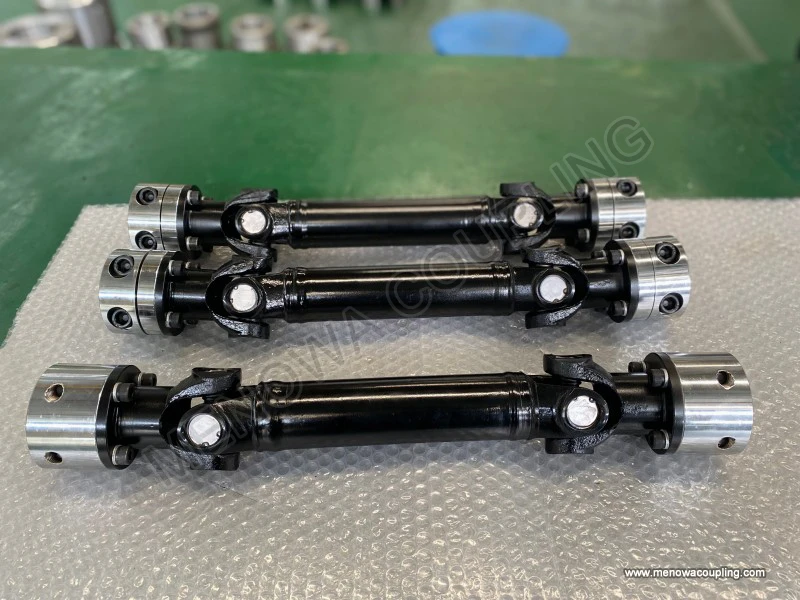
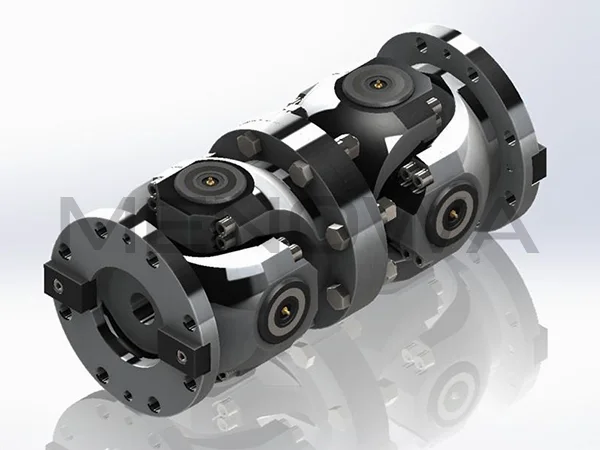
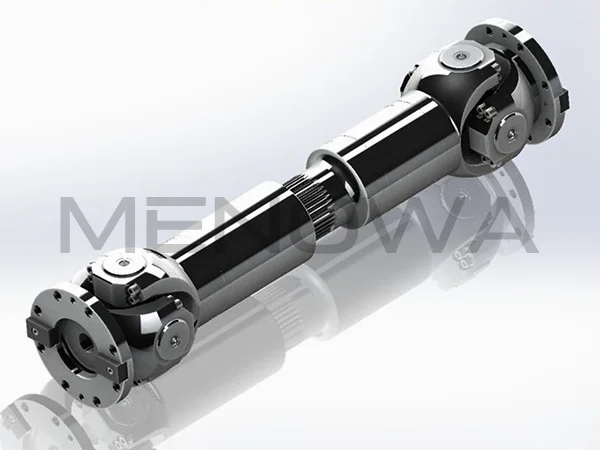
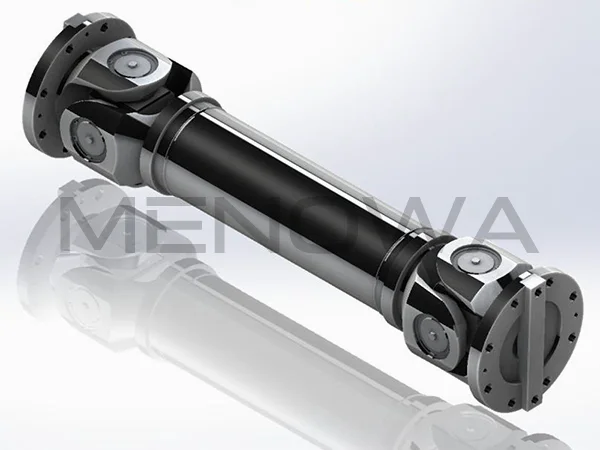
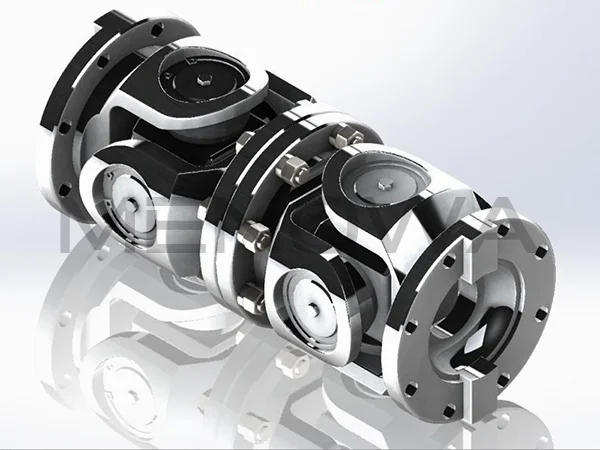
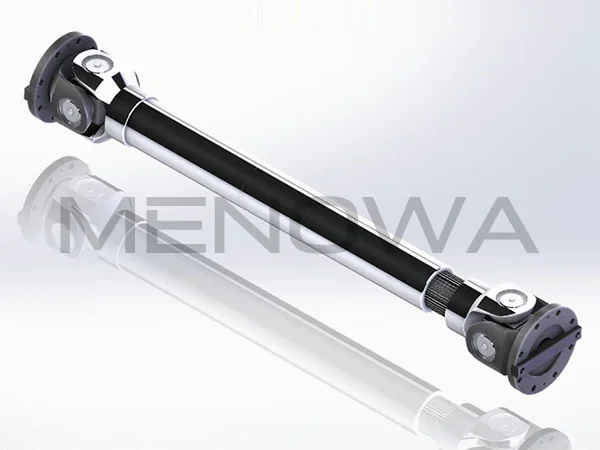
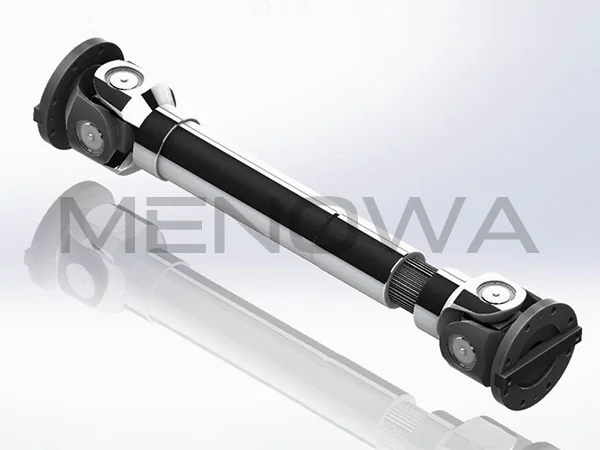
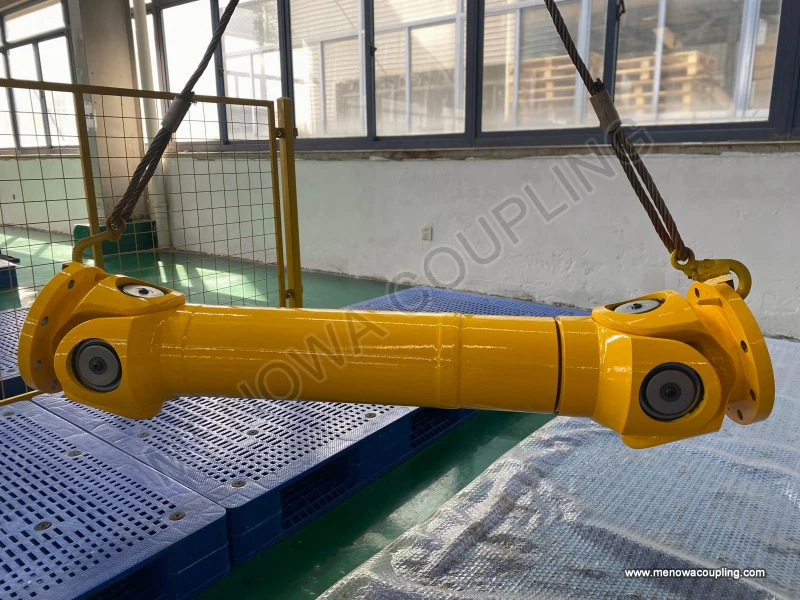
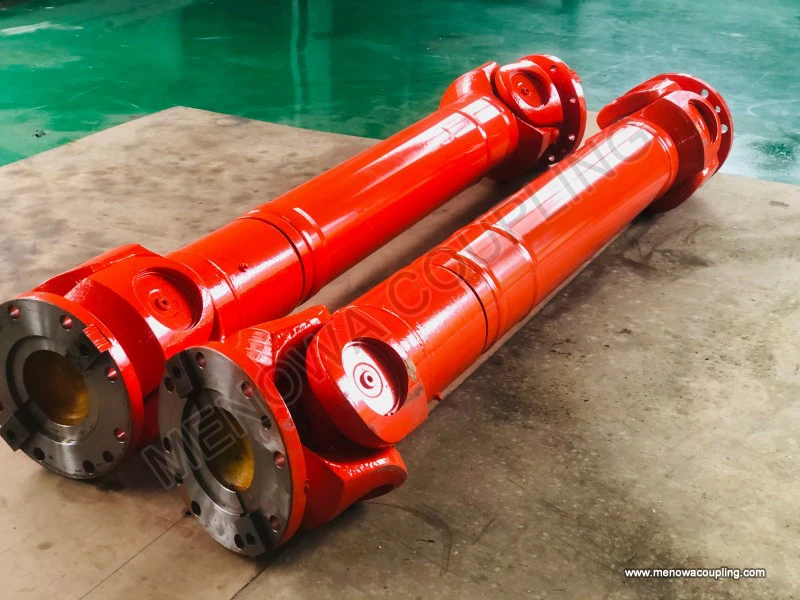
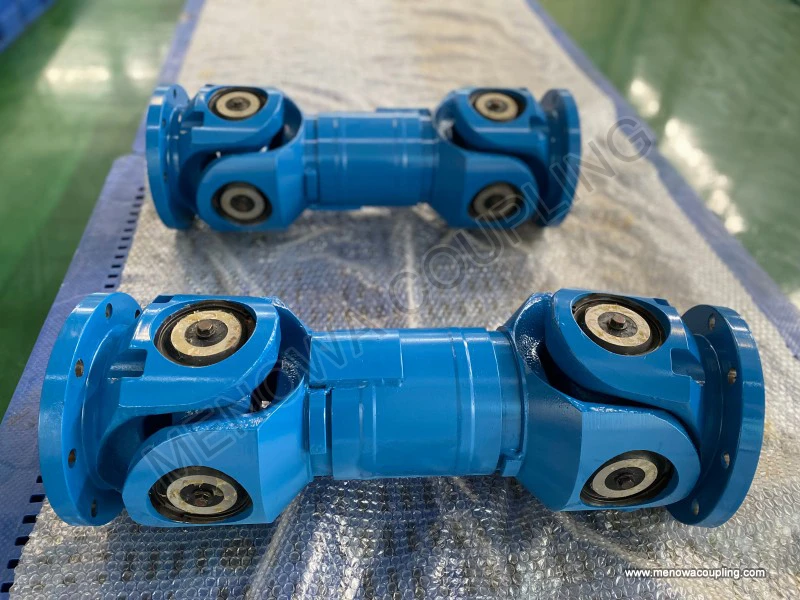
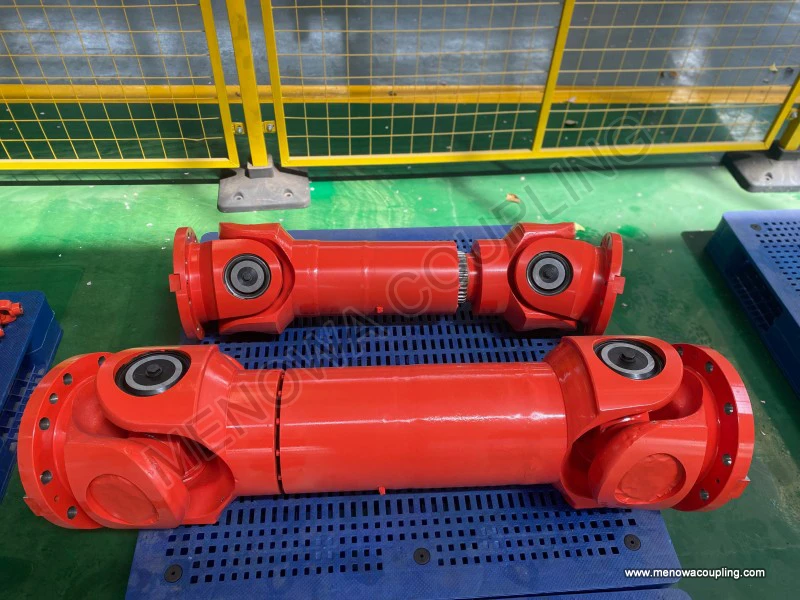
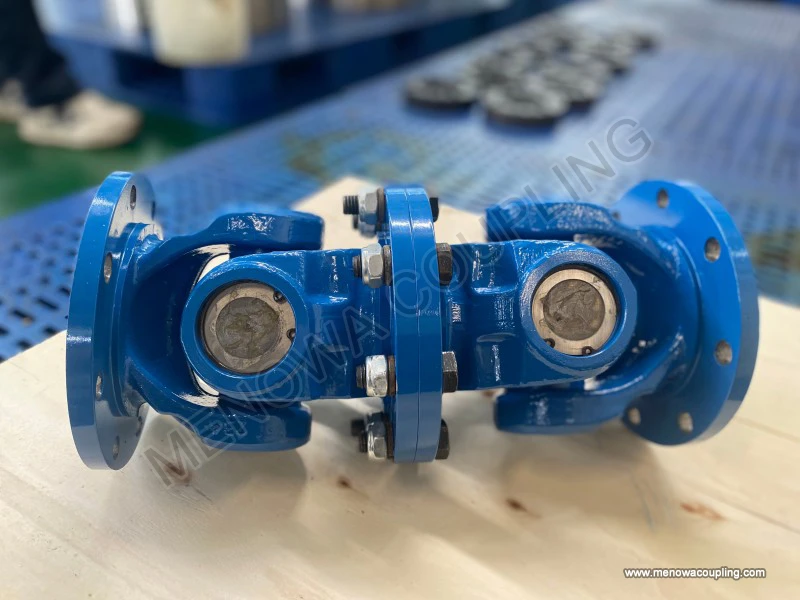
To understand the practical value and application significance of universal joint coupling in depth, it is necessary to start with its basic structural composition, as all reliable mechanical performance stems from scientific and reasonable structural design and precise matching of each component. The mainstream and most widely used cross-shaft universal joint coupling, which serves as the basic form of all derivative universal joint products, adopts a simple and robust spatial linkage structure with several core components cooperating closely to complete the whole power transmission process. The main structural parts include two yoke assemblies, also commonly known as fork joints, a central cross-shaped intermediate transmission component generally called spider or cross shaft, and four sets of precision bearing assemblies matched with the four trunnions of the cross shaft, along with auxiliary fastening and sealing parts supporting stable operation. The two yoke assemblies are respectively fixed on the driving shaft and the driven shaft that need to realize power connection, acting as the direct connecting carrier between the coupling and the power input and output ends. The structural design of the yoke follows the mechanical force transmission principle, with a fork-shaped opening at one end for sleeving and connecting with the cross shaft trunnions, and a fixed connecting structure at the other end that can be closely assembled and locked with the shaft body to ensure no relative rotation or displacement between the yoke and the shaft during high-load rotation. The central cross shaft is the core force-bearing and motion-converting component of the entire universal joint coupling, with four cylindrical trunnions distributed in a mutually perpendicular spatial structure, forming a 90-degree included angle between every two adjacent trunnions. This special spatial layout enables the cross shaft to perform multi-directional pivoting and swinging actions during operation, adapting to the angular misalignment between the driving shaft and the driven shaft and realizing continuous torque transmission without motion interruption. The bearing assemblies installed between the cross shaft trunnions and the yoke openings are mostly needle roller bearings or plain bearings, which play a key role in reducing friction resistance and mechanical wear during the relative rotation and pivoting movement between the cross shaft and the yokes. The rolling friction formed by the needle roller bearings can effectively lower the mechanical energy loss caused by friction during power transmission, while ensuring the flexibility of the articulation movement of the coupling at any working angle. The auxiliary sealing and fastening parts are mainly used to lock the bearing positions to prevent axial displacement and lubricant leakage, and isolate external dust, moisture and particulate impurities from entering the internal friction pairs, creating a clean and stable operating environment for the long-term normal operation of the internal components of the coupling. Each component of the universal joint coupling bears different mechanical loads and functional responsibilities during operation, and the coordinated cooperation of all parts ensures that the coupling can maintain stable power transmission performance under various misalignment conditions, reflecting the excellent mechanical design logic of combining simple structure with reliable performance.
The working principle of the universal joint coupling is based on the basic theory of spatial linkage mechanism and rotary motion transmission, and its core operating logic lies in converting the fixed-axis rotary motion of the driving shaft into the spatial swinging and rotating composite motion of the cross shaft, and then converting this composite motion back into the stable rotary motion of the driven shaft, thus completing the continuous transfer of torque and power between misaligned shafts. When the driving shaft starts to rotate and output torque, the yoke connected to the driving shaft will rotate synchronously with the shaft body, and drive the cross shaft connected with it through the bearing assembly to start synchronous movement. Due to the existence of a certain angular deviation between the driving shaft and the driven shaft in actual working conditions, the two yokes connected to the two shafts are not on the same straight line, and the cross shaft will continuously adjust its spatial posture and swing angle with the rotation of the driving shaft to adapt to this angular misalignment. In this process, the four trunnions of the cross shaft rotate and pivot relative to the two yokes respectively through the bearings, realizing the flexible transmission of rotary motion without being restricted by the angular position deviation of the two connected shafts. It is important to note that a single basic universal joint has the inherent characteristic of non-constant velocity transmission during operation. When there is an obvious angle between the driving shaft and the driven shaft, the instantaneous rotational speed of the driven shaft will produce periodic slight fluctuation and change within each rotation cycle of the driving shaft, even if the driving shaft maintains a constant rotational speed. This periodic speed variation comes from the spatial motion trajectory change of the cross shaft during the rotation process, which leads to the alternating change of the motion transmission radius between the driving yoke and the driven yoke. Although this instantaneous speed fluctuation exists, it will not affect the normal use of most conventional mechanical equipment with low and medium speed operating conditions and low requirements for rotation stability. For mechanical equipment with high operating speed, high transmission precision and strict requirements for rotational stability and vibration control, the engineering design usually adopts the installation form of two universal joints used in tandem. By reasonably arranging the installation angle and spatial position of the two universal joints, the speed fluctuation generated by the first single universal joint can be completely offset by the complementary motion effect of the second universal joint, so that the final output rotational speed of the driven shaft remains stable and constant, realizing constant velocity power transmission effect. This simple and effective matching design method greatly expands the application range of universal joint couplings, enabling them to meet both conventional low-speed and special high-precision high-speed transmission working conditions.
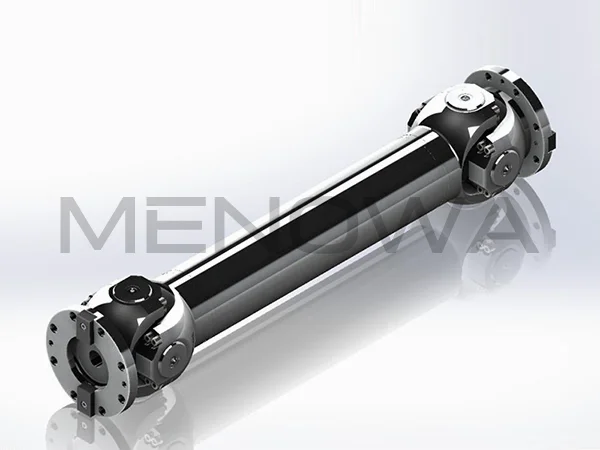
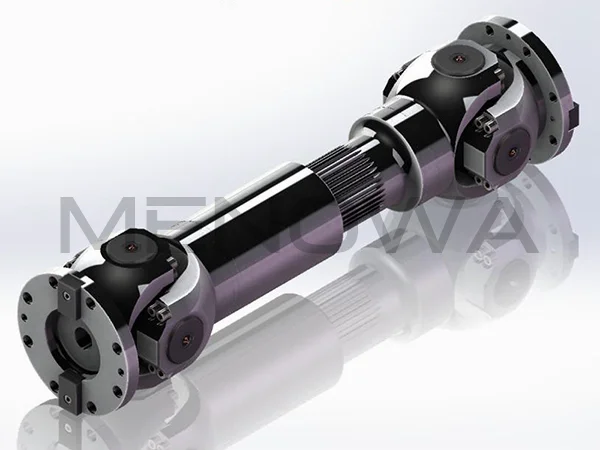
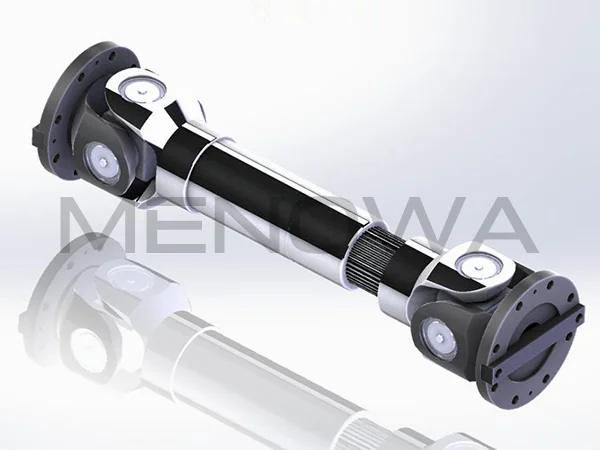
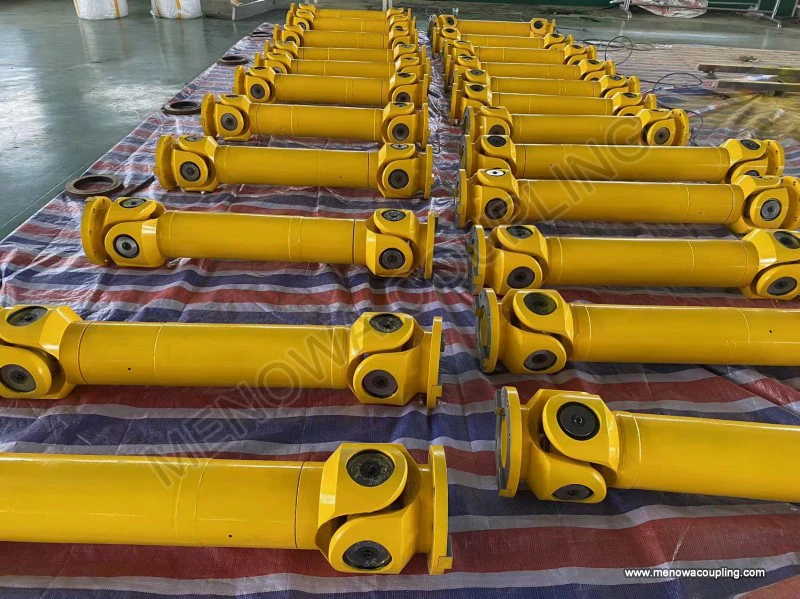
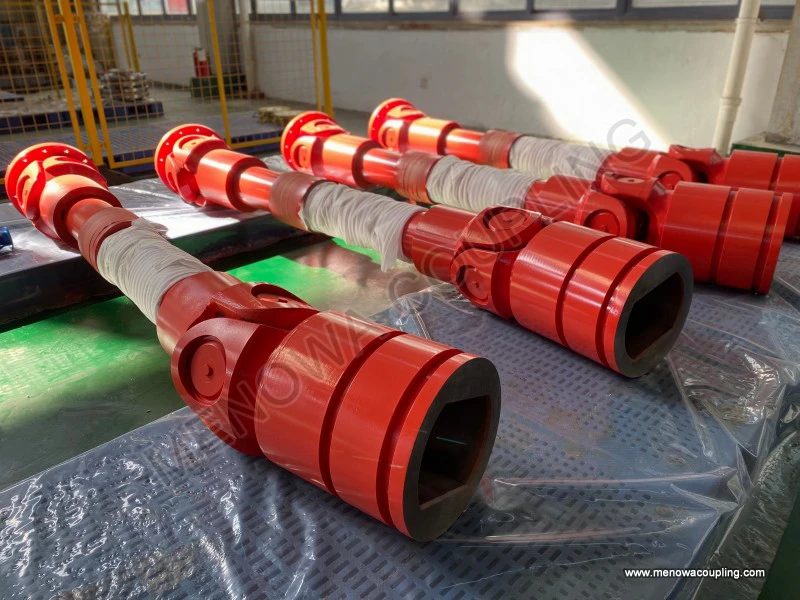
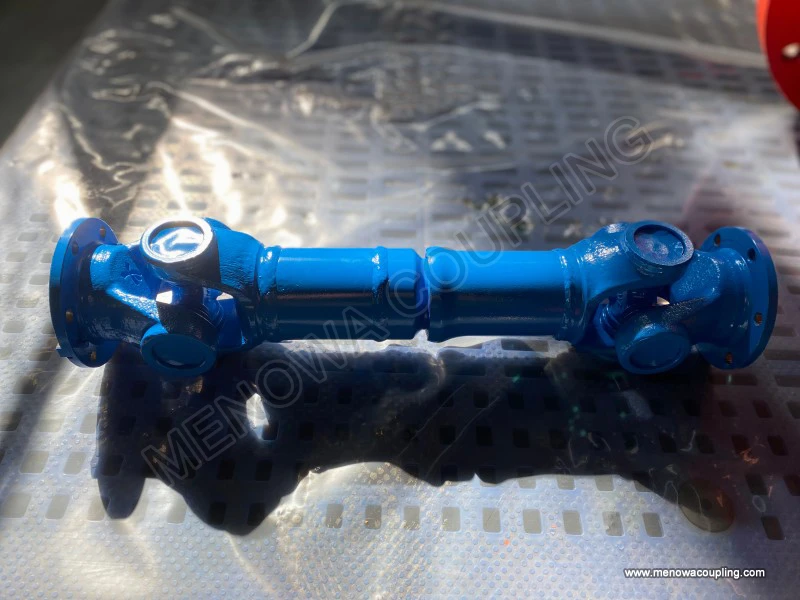
After years of technical development and engineering practice accumulation, universal joint couplings have derived multiple different structural types and structural deformation forms according to different operating conditions, transmission torque requirements, rotation speed levels and installation space constraints, each with targeted structural characteristics and applicable working condition scenarios, forming a complete product system covering light-load, medium-load, heavy-load, low-speed and high-speed working environments. The most basic and widely used type is the single cross-shaft universal joint coupling, which features a compact overall structure, small installation space occupation, simple assembly and disassembly process and low daily maintenance difficulty. This type of coupling is mainly suitable for mechanical transmission occasions with small angular misalignment, medium and low transmission torque and ordinary operating speed, and is widely used in conventional general machinery, small and medium-sized transportation equipment and ordinary industrial transmission devices. On the basis of the single-section structure, the double universal joint coupling composed of two single universal joints matched with intermediate connecting shafts is another common mainstream type, which not only eliminates the non-constant velocity transmission defect of the single joint through double-joint coordination, but also can adapt to larger angular misalignment and a certain range of axial displacement compensation. This structural form is mostly used in mechanical equipment with high requirements for transmission stability and large shaft position deviation caused by working motion. In addition, according to different bearing structure forms, universal joint couplings can be divided into needle roller bearing type and plain bearing type. The needle roller bearing type has small friction coefficient, high transmission efficiency and flexible rotation, suitable for high-speed and continuous long-term operating working conditions; the plain bearing type has simple structure, strong impact resistance and good wear resistance under heavy-load and low-speed frequent starting conditions, and is more suitable for heavy industrial machinery and engineering equipment with harsh working environments. There are also special enhanced universal joint couplings designed for extreme working conditions, such as high-temperature resistant, low-temperature resistant and corrosion-resistant modified models, which adjust the manufacturing material of components and optimize the sealing structure according to the special environmental characteristics of high temperature, low temperature, chemical corrosion and humid dust, ensuring that the coupling can maintain stable working performance in extreme harsh working environments that conventional couplings cannot adapt to. Different types of universal joint couplings have their own targeted performance advantages and application boundaries, and the reasonable selection of coupling types according to actual working condition parameters is the primary prerequisite to ensure the long-term stable and efficient operation of mechanical transmission systems.
The application scope of universal joint couplings covers almost all mainstream mechanical industries and mechanical equipment fields involving power transmission between misaligned shafts, showing extremely high engineering practicality and industrial universality. In the field of road transportation machinery, universal joint couplings are core transmission components for many types of vehicles and transportation equipment, mainly used for power connection between the engine power output end and the driving axle of various vehicles. During the driving process of vehicles, the relative position and angle between the engine and the driving axle will change dynamically in real time due to road surface bumping, vehicle body vibration and suspension system telescopic movement. The universal joint coupling can well adapt to this dynamic angular and displacement change, ensuring that engine power can be continuously and stably transmitted to the driving wheels without transmission interruption or power loss, maintaining the normal driving power output of vehicles. In the field of engineering construction machinery, various excavators, loaders, cranes, road rollers and large engineering vehicles have complex working environments and harsh operating conditions, with large equipment vibration, frequent load impact and large shaft misalignment during operation. Heavy-duty enhanced universal joint couplings are widely used in the power transmission systems of these engineering equipments, bearing large torque impact and frequent variable load transmission tasks, and adapting to the severe working conditions such as vibration, impact and dust pollution on construction sites to ensure the continuous operation of engineering machinery. In the field of industrial production and manufacturing, various production line transmission equipment, mechanical processing machine tools, conveyor systems, fan and pump power transmission devices all need universal joint couplings to complete power connection between shafts with installation deviation. Many industrial production equipment has compact internal installation space and complex structural layout, making it impossible to arrange coaxial shaft transmission structures. The compact structural characteristics and good misalignment adaptation performance of universal joint couplings can perfectly meet the installation and transmission needs of industrial production lines, ensuring the stable operation of production equipment and the continuity of production work. In addition, in the field of agricultural machinery equipment, agricultural tractors, harvesters, tillage machinery and other field operation equipment often work in complex terrain such as farmland ridges and uneven land, with severe equipment vibration and large dynamic shaft position changes during operation. Universal joint couplings provide reliable power transmission guarantee for agricultural machinery, adapting to the complex working environment and variable working load of field operations, and improving the operating efficiency and working stability of agricultural machinery. From light-duty civilian mechanical equipment to heavy-duty industrial engineering machinery, from fixed industrial production equipment to mobile mobile operation machinery, universal joint couplings play an irreplaceable core role in the power transmission link, becoming an important basic guarantee for the normal operation of various mechanical systems.
To ensure that the universal joint coupling can maintain stable transmission performance and long service life in long-term operation, it is essential to carry out reasonable working condition adaptation design and correct type selection and installation according to actual use requirements. In the engineering design and equipment supporting stage, the first factor to be considered is the actual transmission torque demand of the mechanical system. Different working equipment has different torque output and load-bearing requirements, and the universal joint coupling needs to select the corresponding structural specification and material grade according to the maximum torque and rated working torque of the equipment to avoid structural deformation, component damage and transmission failure caused by long-term overload operation. The second key factor is the operating rotation speed of the equipment. High-speed rotating mechanical systems need to prioritize the dynamic balance performance and constant velocity transmission effect of the coupling, and it is necessary to adopt double-section universal joint matching structure and high-precision processing components to reduce vibration and noise caused by speed fluctuation and dynamic unbalance; low-speed heavy-load equipment can focus more on the structural strength and impact resistance of the coupling, and select simple and durable structural forms to meet the heavy-load transmission demand. The angular misalignment and axial displacement between the driving shaft and the driven shaft in actual operation are also important basis for type selection. For working conditions with small fixed angular deviation, a single universal joint can meet the use demand; for working conditions with large angular deviation and frequent dynamic displacement change, it is necessary to adopt a double-section or multi-section universal joint structure to improve the displacement and angle compensation capacity of the coupling. In the installation process, it is necessary to ensure that the assembly position of the coupling is accurate, the fastening connection between the yoke and the shaft body is firm and reliable, and the installation angle of the double-section universal joint is arranged symmetrically according to the mechanical design requirements, so as to ensure that the speed fluctuation generated by the single joint can be effectively offset and the transmission stability is improved. At the same time, the sealing structure of the coupling needs to be checked during installation to ensure that the internal bearing and cross shaft friction pairs are in a well-sealed state, preventing external impurities from entering and affecting the operating effect. Scientific and reasonable type selection and standardized installation can not only give full play to the transmission performance advantages of the universal joint coupling, but also effectively reduce the failure rate in the later operation process and lay a foundation for long-term stable work.
Like all mechanical moving parts, universal joint couplings will inevitably produce mechanical wear, component aging and performance attenuation after long-term continuous operation, and the main causes of coupling failure and performance degradation are mostly concentrated in friction and wear of core components, poor lubrication effect, seal failure and external environmental erosion. The cross shaft and bearing assembly are the most prone to wear parts in the universal joint coupling. Long-term relative rotation and pivoting friction between the cross shaft trunnions and the bearings will cause gradual wear of the bearing rollers and the surface of the cross shaft trunnions, increasing the internal friction resistance of the coupling. With the deepening of wear, the matching gap between components will increase, resulting in obvious vibration and noise during rotation, and even affecting the transmission accuracy and stability of the entire mechanical system. Lubrication failure is another important inducement for accelerated wear of coupling components. The internal friction pairs of universal joint couplings need long-term stable lubricant protection to reduce friction and wear and take away the heat generated by friction during operation. Long-term operation will lead to lubricant volatilization, deterioration and loss, and failure to replenish lubricant in time will lead to dry friction between metal components, rapid aggravation of component wear, and even serious damage such as ablation and jamming of friction pairs in severe cases. Seal damage and failure will cause external dust, sediment, moisture and corrosive substances to enter the interior of the coupling, resulting in corrosion and abrasion of the cross shaft and bearing surfaces, accelerating the aging and damage of internal components. In addition, long-term overload operation, frequent starting and stopping of equipment, and excessive impact load will cause fatigue damage to the coupling structure, resulting in structural deformation of the yoke and fatigue cracks of the cross shaft, seriously affecting the service life and operation safety of the universal joint coupling. Understanding these failure causes can help equipment management and maintenance personnel targeted carry out daily maintenance and fault prevention work, reduce the probability of coupling failure, and extend the overall service life of the coupling.
Scientific and standardized daily maintenance and regular overhaul work are the key to ensuring the long-term stable operation of universal joint couplings, reducing failure frequency and extending service life, and the maintenance work mainly focuses on lubrication management, sealing inspection, wear detection and fault timely disposal. Lubrication maintenance is the most basic and core daily maintenance content. According to different operating speeds and load conditions of the coupling, select lubricating grease or lubricating oil suitable for the working environment, and regularly replenish and replace the lubricant inside the coupling as required by the maintenance cycle. For high-speed continuous operating couplings, the lubricant replacement cycle should be appropriately shortened to ensure that the lubricant always maintains good lubrication performance and heat dissipation effect, avoiding dry friction and component ablation caused by lubricant deterioration and failure. Sealing inspection work needs to be carried out regularly in the daily operation process, checking whether the coupling sealing parts are aged, deformed, damaged or leaking oil, and replacing the failed sealing components in a timely manner once problems are found, so as to ensure that the internal working environment of the coupling is clean and isolated from external harmful impurities. Regular wear detection and overhaul work require regular disassembly and inspection of the coupling according to the equipment operation cycle, checking the wear degree of the cross shaft, bearings and yoke key parts, measuring the matching gap between components, and replacing severely worn and aging parts in a timely manner to avoid mechanical failure caused by excessive wear. In the daily operation process, equipment operators should also pay attention to observing the operating state of the coupling at all times. If abnormal vibration, abnormal noise, transmission jitter and other abnormal phenomena are found during the operation of the equipment, the equipment should be shut down in time for inspection and troubleshooting, and forced operation with faults should be strictly prohibited to prevent small faults from evolving into major mechanical damage and affecting the normal production and operation work. Good maintenance management habits can not only effectively reduce the use and maintenance cost of universal joint couplings, but also ensure the long-term efficient and stable operation of mechanical transmission systems.
With the continuous progress of modern mechanical manufacturing technology and the continuous upgrading of industrial production and mechanical equipment performance, the technical development of universal joint couplings is also constantly moving towards structural optimization, material upgrading, performance improvement and intelligent adaptation. In terms of structural design, with the help of modern mechanical simulation and finite element analysis technology, the internal force distribution and motion state of universal joint couplings under different working conditions can be accurately calculated, the structural size of components can be optimized, the mechanical stress concentration of key parts can be reduced, and the structural strength and fatigue resistance of couplings can be improved while reducing the overall weight of products. In terms of manufacturing materials, the application of new high-strength wear-resistant alloy materials and special anti-corrosion materials further improves the wear resistance, impact resistance and environmental adaptation of universal joint couplings, enabling them to adapt to more extreme working conditions and longer continuous operation time. In terms of processing technology, the popularization and application of precision machining and heat treatment processes improve the machining accuracy and surface finish of coupling components, reduce the matching gap between parts, reduce friction and vibration during operation, and further improve transmission efficiency and operation stability. In the future, with the continuous development of intelligent mechanical equipment and automated production systems, universal joint couplings will also be combined with intelligent monitoring technology to realize real-time monitoring of operating temperature, vibration state, component wear degree and lubrication state, realizing early warning of potential faults and predictive maintenance, further improving the operation reliability and intelligent management level of couplings. As an indispensable basic mechanical transmission component, universal joint coupling will continue to rely on technological innovation and technical iteration to continuously adapt to the increasingly complex and diversified mechanical power transmission needs, and provide solid and reliable basic support for the stable operation of various mechanical equipment and the development of modern industrial machinery industry.
https://www.menowacoupling.com/industrial-coupling/universal-joint-coupling.html
 WeChat
 WhatsApp