Extendable Shaft
In the intricate and interconnected world of modern mechanical engineering, every functional component serves as a foundational link that sustains the stable operation of entire equipment sets and industrial production lines. Among these essential mechanical parts, the extendable shaft stands out as a remarkably practical and versatile structural element, seamlessly integrating flexible length adjustment capabilities with reliable torque transmission performance to adapt to complex and variable working conditions across countless industrial and civilian mechanical scenarios. Unlike fixed rigid shafts that maintain a constant dimensional length and can only operate under relatively stable installation and working environments, the extendable shaft features a unique nested sliding structural design, allowing its overall axial length to be adjusted freely within a preset reasonable range while in use. This core characteristic enables the component to effectively cope with positional changes, structural displacement, thermal deformation, and dynamic distance variations between connected mechanical parts during equipment operation, making it an indispensable connecting and transmission component in both stationary industrial machinery and mobile mechanical equipment. The basic design logic of the extendable shaft originates from the most fundamental demand of mechanical connection: achieving synchronous power transmission between two moving or relatively positioned mechanical structures while reserving enough dimensional adjustment space to accommodate natural displacement and deformation generated during equipment operation, avoiding structural stress concentration, component wear, and mechanical operation failure caused by rigid fixed connection constraints.
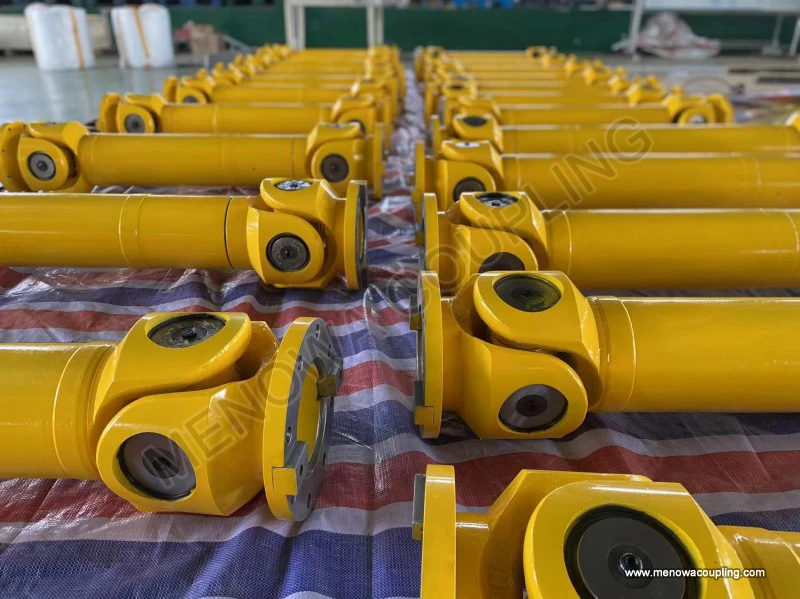
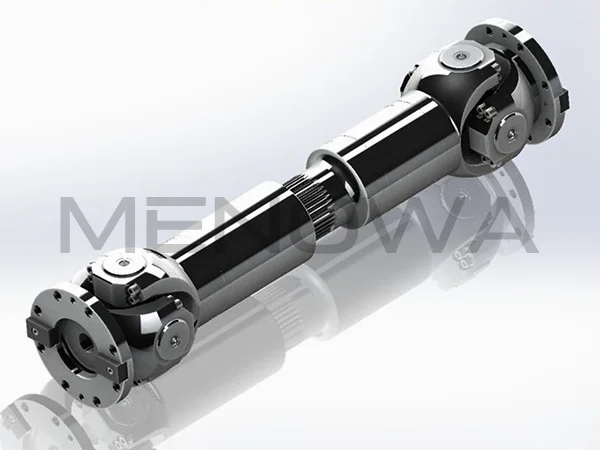
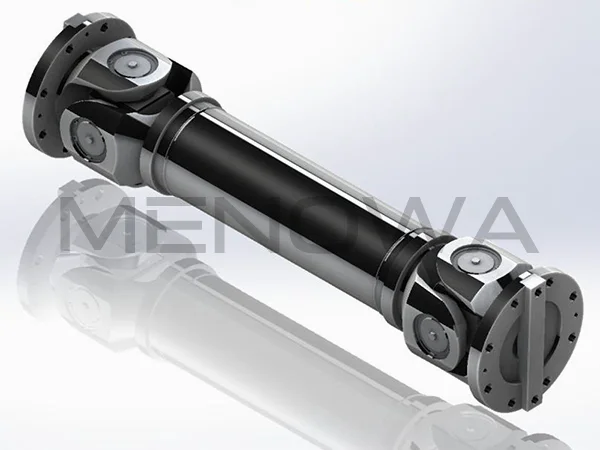
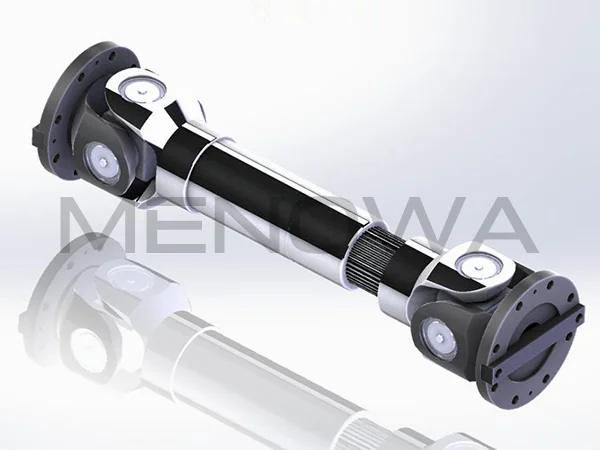
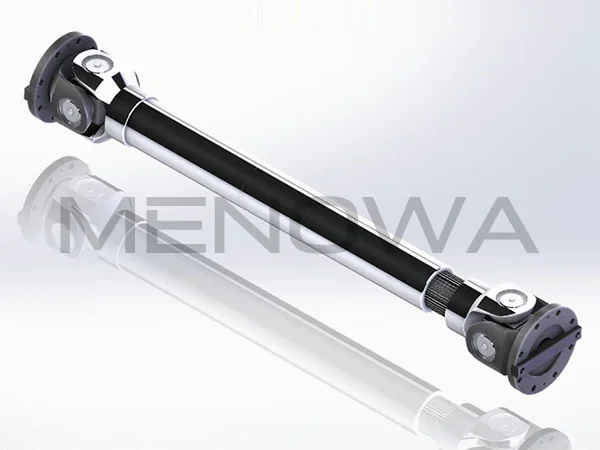
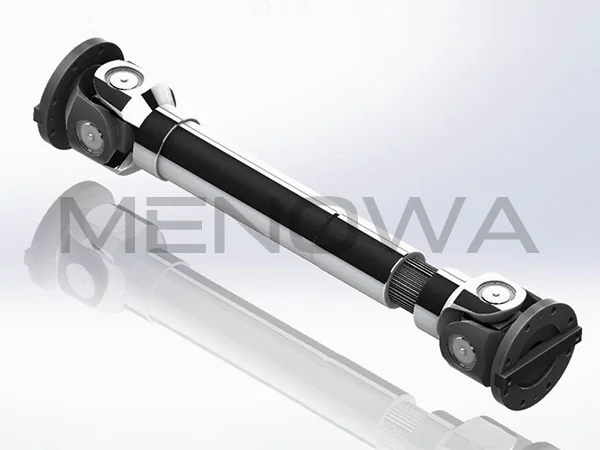
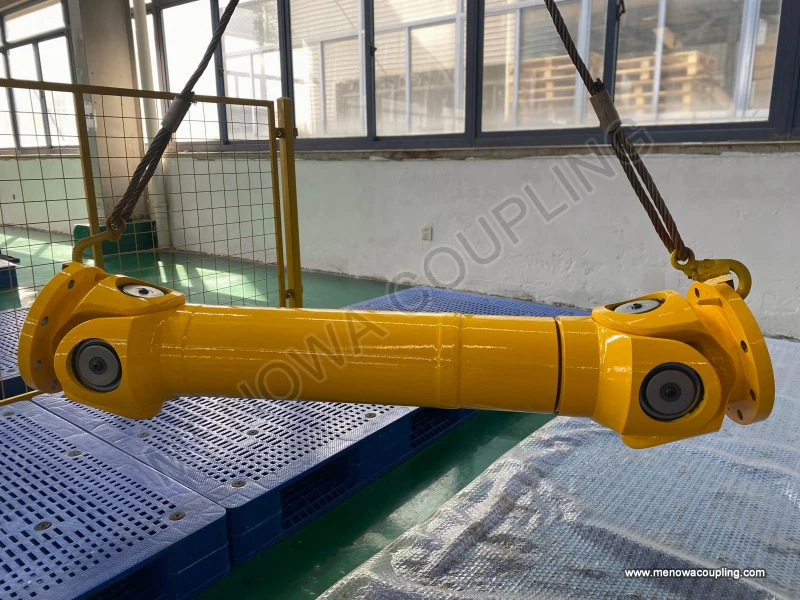
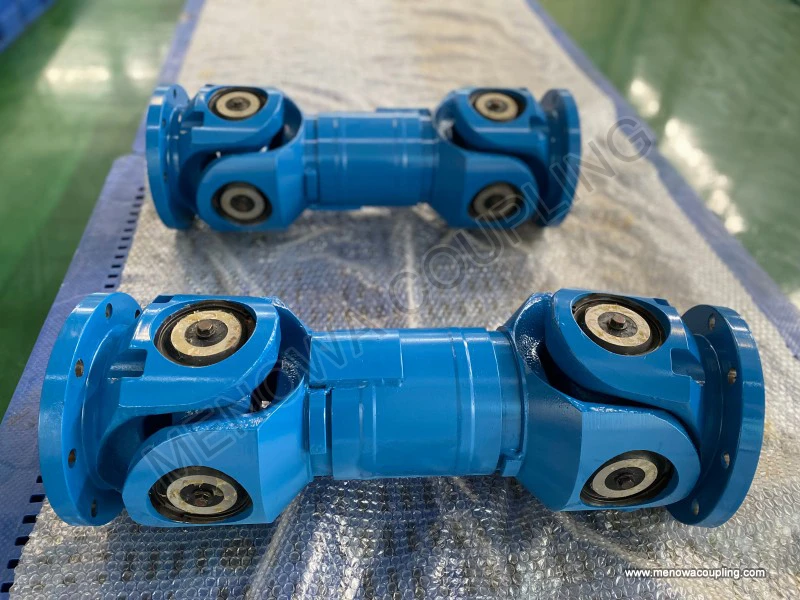
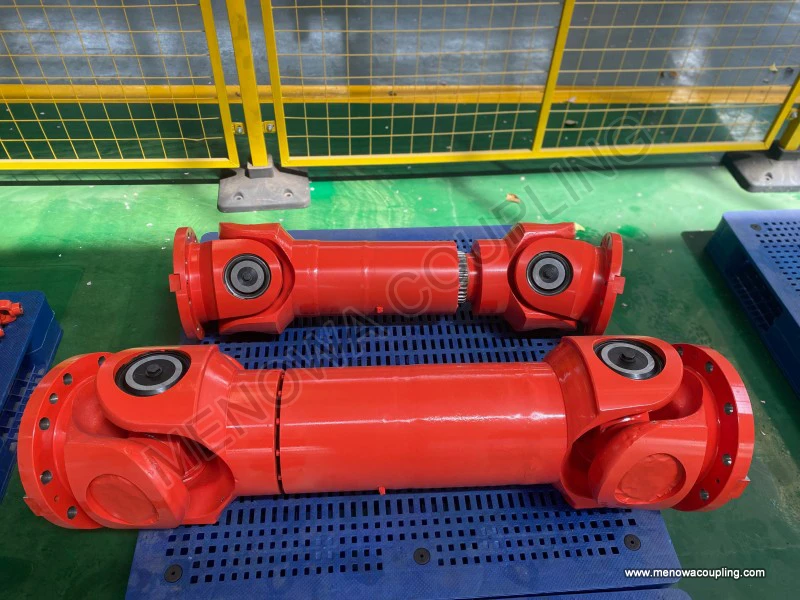
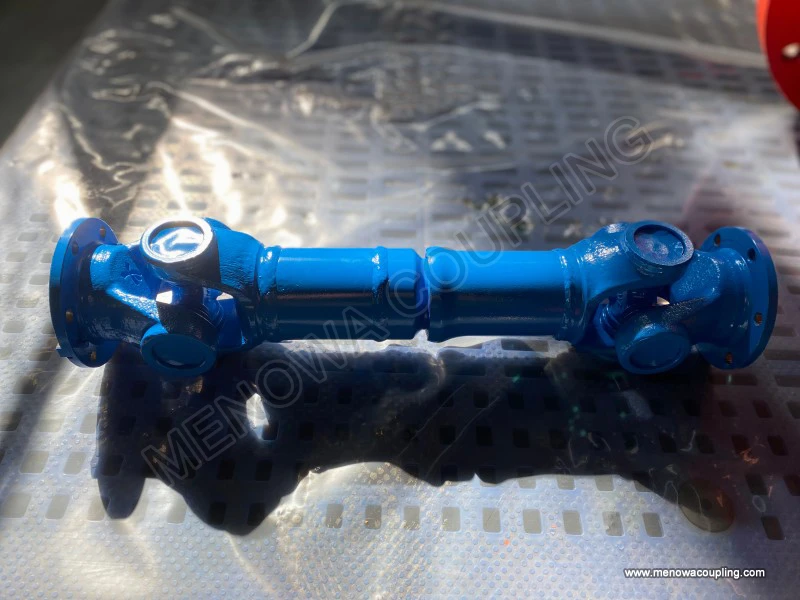
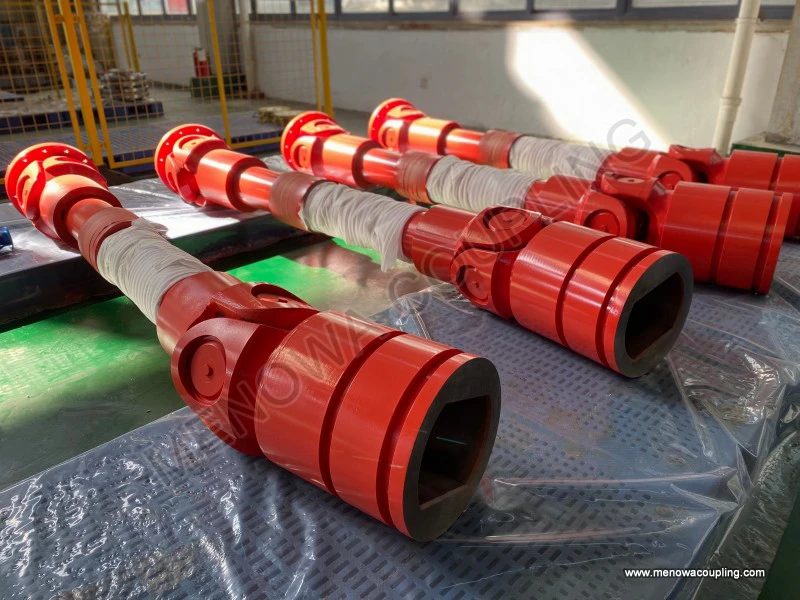
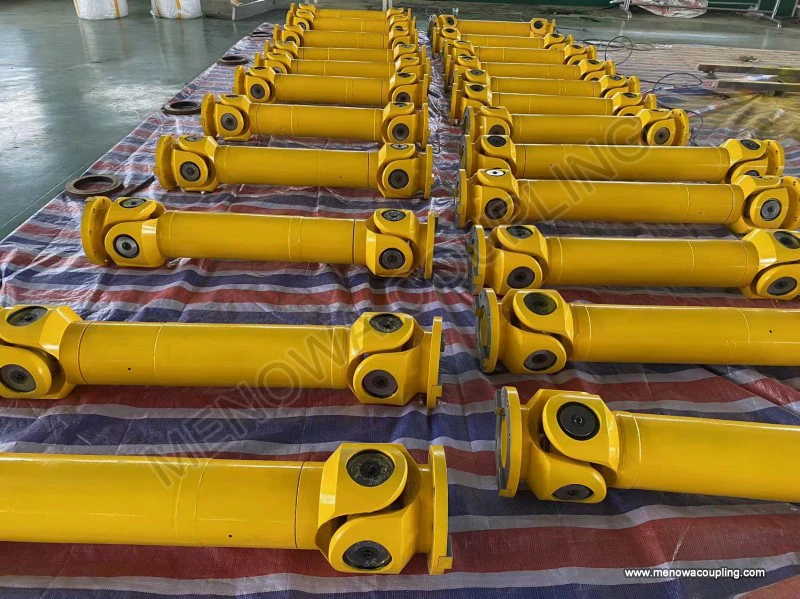
The basic structural composition of a standard extendable shaft follows a mature nested assembly concept, mainly consisting of an inner shaft core and an outer sleeve body that are precisely matched and fitted together. The inner shaft core is usually processed with standardized spline structures or smooth sliding guide structures on its outer surface, while the inner wall of the outer sleeve body is equipped with matching groove structures or spline tooth grooves corresponding to the inner shaft core. This precise matching design ensures that the inner shaft core can slide smoothly and linearly along the axial direction inside the outer sleeve body, realizing the continuous expansion and retraction of the overall shaft length according to actual working needs. At the same time, the mutually fitted spline or guide structure can effectively transfer rotational torque between the inner shaft core and the outer sleeve body during the rotation process of the entire shaft body, ensuring that power input from one end can be stably and efficiently transmitted to the other end without obvious power loss or rotational slippage. In order to further optimize the sliding performance and operational stability of the extendable shaft, many conventional structural designs add auxiliary limit structures and anti-drop assemblies at the matching ends of the inner shaft core and outer sleeve body. These simple but effective structural accessories can prevent excessive sliding separation between the inner and outer parts during high-speed operation or heavy-load work, and also control the telescopic stroke of the shaft body within a safe and designed range, avoiding mechanical collision and structural damage caused by overextension or excessive retraction. The overall structural layout of the extendable shaft is compact and reasonable, without redundant complicated parts, which not only reduces the overall occupied space during equipment installation and layout but also facilitates subsequent daily inspection, maintenance, and replacement work for mechanical operators and maintenance personnel.
The working principle of the extendable shaft can be divided into two core functional modules according to actual mechanical operation states, namely the axial telescopic adjustment function under static or low-load working conditions and the synchronous torque transmission function under dynamic rotating working conditions. In the static installation stage or the non-rotating adjustment state of the equipment, the inner shaft core and outer sleeve body of the extendable shaft can be manually or mechanically pushed and pulled to slide relatively, and the overall length of the shaft can be adjusted in real time according to the installation distance between the driving component and the driven component of the equipment. This adjustment process is smooth and flexible, relying on the precise machining tolerance between the matching surfaces of the inner and outer structures and the auxiliary lubrication measures arranged on the contact surfaces, which can effectively reduce sliding friction resistance and ensure no jamming or unsmooth adjustment during length changes. When the equipment starts to operate formally and the extendable shaft enters the rotating power transmission state, the spline or guide matching structure between the inner shaft core and the outer sleeve body plays a key locking and transmission role. The contact surfaces of the mutually embedded structures bear the torsional force generated by power rotation, so that the inner shaft core and the outer sleeve body form a relatively fixed rotating whole in the circumferential direction. Even if the shaft body needs to maintain a certain extended or retracted length state during operation, it can still ensure synchronous rotation of the two parts without relative circumferential displacement, thus realizing continuous and stable power transmission. In practical working processes, many mechanical equipment will produce slight vibration, structural shaking, and thermal expansion and contraction deformation due to long-term operation and changes in working temperature. The extendable shaft can well adapt to these subtle dynamic changes through its own telescopic allowance, automatically absorbing small axial displacement changes generated by the equipment, avoiding additional structural stress inside the shaft body and connected parts, and greatly reducing the risk of component fatigue damage and mechanical connection loosening.
Material selection is a crucial link that directly determines the service life, load-bearing capacity, and operational stability of the extendable shaft, and different application scenarios and working load requirements correspond to different material matching and processing technologies. Most extendable shafts used in general industrial conventional working conditions are made of high-quality alloy steel materials with good toughness and strength properties. These alloy steel materials undergo strict quenching and tempering heat treatment processes after initial forming and rough machining, which can effectively improve the overall structural rigidity and torsional resistance of the shaft body, enhance the ability to resist deformation and damage under long-term torque load, and at the same time maintain good structural toughness to avoid brittle fracture under sudden impact load. For the matching sliding contact parts between the inner shaft core and the outer sleeve body, additional surface strengthening treatment is usually carried out on the basis of overall heat treatment, including surface quenching and fine grinding processing. These post-processing measures can significantly improve the surface hardness and wear resistance of the sliding contact surface, reduce the wear degree of the matching parts after long-term frequent telescopic sliding and rotating friction, and maintain the long-term matching precision and telescopic smoothness of the extendable shaft. For extendable shafts applied in special working environments, such as humid and corrosive industrial production workshops or outdoor mechanical equipment exposed to natural weather changes, the surface of the shaft body will also be equipped with anti-corrosion and anti-rust protective layers through electroplating, spraying, and other processes. These protective measures can isolate the direct contact between the metal material of the shaft body and external humid air, corrosive liquids, and dust impurities, prevent rust corrosion and surface oxidation of the shaft body structure, and further extend the stable service cycle of the component. In addition to metal main materials, some auxiliary non-metallic buffer and lubrication auxiliary materials will be used in the internal limit and buffer parts of individual extendable shafts, which play a role in reducing vibration and noise during telescopic adjustment and rotation operation, making the overall operation of the mechanical equipment more stable and low-noise.
The application scope of extendable shafts covers almost all mainstream industrial production fields and many civilian mechanical equipment usage scenarios, showing strong adaptability and practical value in different mechanical working environments. In the field of industrial material processing and winding machinery, extendable shafts are widely installed on winding and unwinding stations of slitting machines, coating machines, laminating machines, and printing processing equipment. In these devices, various rolled raw materials such as paper, plastic film, and textile fabrics need to be continuously unwound and rewound during processing and production. The extendable shaft can adjust its axial length according to the inner diameter and width of different material roll cores, realizing stable clamping and fixing of various specifications of roll cores. At the same time, during the high-speed operation of the equipment, the extendable shaft transmits rotational power to drive the material rolls to rotate and operate, and automatically adapts to the slight positional deviation and structural vibration generated during the winding and unwinding process through its own telescopic performance, ensuring uniform tension of material transmission and neat winding effect, and effectively avoiding material deviation, wrinkling, and winding irregularities in the processing process. In the field of vehicle transportation and mobile mechanical equipment, extendable shafts are important core components of transmission systems of many engineering vehicles, agricultural machinery, and special transport vehicles. The suspension structure of these vehicles will produce continuous up and down displacement and positional changes during driving on complex road surfaces and working operation. The extendable shaft used in the vehicle transmission system can freely stretch and retract with the displacement of the suspension structure, always maintaining a stable connection state between the power output end and the power input end of the vehicle, ensuring that power can be continuously and stably transmitted to the walking structure of the vehicle, and avoiding transmission failure and power interruption caused by rigid connection unable to adapt to structural displacement.
In the field of engineering construction and mechanical operation equipment, various construction machinery and maintenance operation equipment also rely heavily on the stable performance of extendable shafts to complete various complex operation tasks. Many construction equipment such as lifting machinery and drilling equipment need to adjust the working radius and operating depth according to different construction operation requirements. The extendable shaft installed inside the equipment can adjust the overall working length as required, matching the mechanical telescopic arm and operating mechanism to complete lifting, drilling, and positioning operations in different spatial positions. During the operation of construction machinery, the working load changes frequently, and the equipment is often affected by external impact and vibration. The extendable shaft relies on its high-strength material structure and stable transmission performance to withstand variable loads and vibration impacts, maintaining the stability of power transmission and mechanical structure connection, and ensuring the smooth progress of construction operations. In the field of daily maintenance and handheld mechanical tools, small and lightweight extendable shafts are also widely used in various electric tool accessories and maintenance auxiliary tools. These small extendable shaft components can adjust the working length according to the maintenance space and operating depth, helping maintenance personnel reach deep and narrow working positions that are difficult for ordinary fixed shafts to access, completing disassembly, assembly, and maintenance operations of mechanical parts in complex spatial positions, greatly improving the convenience and working efficiency of daily equipment maintenance and repair work.
In long-term practical industrial application and mechanical operation practice, the use effect and service life of extendable shafts are not only determined by structural design and material processing quality but also closely related to daily reasonable use, regular maintenance, and standardized maintenance work. In the daily operation and use of mechanical equipment, operators need to avoid forced stretching or forced compression of the extendable shaft beyond the designed telescopic stroke range. Excessive telescopic operation will cause excessive extrusion and collision of the internal limit structure and matching parts of the shaft body, resulting in deformation of the spline and guide structures, jamming of telescopic sliding, and even irreversible damage to the overall shaft body structure. At the same time, during the high-speed rotation and heavy-load operation of the equipment, it is necessary to avoid sudden impact load and violent vibration as much as possible. Although the extendable shaft has good adaptive capacity to conventional vibration and displacement, long-term sudden impact will still accelerate the fatigue wear of internal matching parts and shorten the service cycle of the component. Regular lubrication maintenance is a key maintenance work to ensure the long-term stable operation of the extendable shaft. The sliding matching surface between the inner shaft core and the outer sleeve body needs to be filled with professional lubricating grease regularly. The lubricating medium can form a protective oil film on the contact surface, reduce friction and wear during sliding and rotation, avoid dry friction damage of metal contact surfaces, and also play a certain role in heat dissipation, noise reduction, and rust prevention. Maintenance personnel need to check the lubrication status of the extendable shaft regularly according to the equipment operation frequency and working environment, supplement and replace lubricating grease in time, and clean up dust, impurities, and oil dirt accumulated inside the telescopic gap to prevent foreign matter from entering the matching gap and causing sliding jamming and structural wear.
Regular structural inspection and periodic performance detection are also essential maintenance links for extendable shafts in long-term use. During the daily equipment shutdown maintenance period, maintenance personnel need to visually check the surface of the extendable shaft body for obvious wear, deformation, cracks, and corrosion and damage, and check whether the internal limit assembly and connecting parts are loose or displaced. For extendable shafts that have been used for a long time, regular professional performance testing is required, including detecting the smoothness of telescopic sliding, checking whether there is abnormal rotational jitter and torque transmission loss during operation, and confirming whether the matching clearance between the inner shaft core and outer sleeve body is within the normal allowable range. Once abnormal wear, excessive matching clearance, unsmooth telescopic adjustment, or unstable power transmission problems are found, maintenance and replacement measures should be taken in a timely manner to avoid continued use of faulty extendable shafts, which may lead to mechanical operation failure, production line shutdown, and even safety accidents caused by power transmission interruption or structural fracture. Scientific and standardized maintenance work can not only maintain the stable working performance of the extendable shaft for a long time and ensure the normal and efficient operation of the entire mechanical equipment and production line but also effectively reduce the frequency of component replacement and equipment maintenance costs, bringing good economic benefits to industrial production and mechanical operation work.
With the continuous progress of modern mechanical manufacturing technology and the continuous upgrading and iteration of industrial production demand, the design level, processing technology, and application performance of extendable shafts are also constantly developing and improving, gradually adapting to higher standard mechanical operation requirements and more complex working condition scenarios. In the early stage of mechanical component development, the structural design of extendable shafts was relatively simple, with single matching forms and limited telescopic adjustment range and load-bearing capacity, which could only meet the basic power transmission and simple length adjustment needs of low-speed and light-load conventional mechanical equipment. With the rapid development of modern industrial production towards high-speed operation, heavy-load bearing, high-precision processing, and intelligent control, the design and manufacturing of extendable shafts have also achieved great progress. Modern extendable shaft design adopts more precise spline matching parameters and optimized nested structural layout, which not only further improves the torque transmission efficiency and structural stability during high-speed rotation but also expands the applicable telescopic adjustment range, enabling the component to adapt to more complex mechanical displacement and structural deformation changes. At the same time, with the application of new high-strength, wear-resistant, and corrosion-resistant alloy materials and advanced precision machining and heat treatment processes, the overall comprehensive performance of extendable shafts has been significantly improved, with stronger load-bearing capacity, better wear resistance and corrosion resistance, and longer service life, able to operate stably for a long time in harsh working environments such as high temperature, high humidity, heavy dust, and heavy load.
In recent years, with the rapid development of intelligent manufacturing and automated production lines, the intelligent optimization design of extendable shafts has also become an important development trend in the industry. More and more extendable shaft designs begin to combine adaptive adjustment structures and auxiliary sensing components, which can monitor the working state of the shaft body in real time during operation, including telescopic length change, operating temperature, vibration amplitude, and torque transmission status. The real-time monitoring data can be fed back to the equipment intelligent control system, which automatically adjusts the working state and operating parameters of the equipment according to the actual operation situation of the extendable shaft, realizing intelligent adaptive matching between the extendable shaft and the mechanical equipment operation, further improving the operational stability and automation level of the entire production line. In addition, the lightweight and integrated design of extendable shafts is also constantly advancing. On the premise of ensuring structural strength and transmission performance, through optimized structural topology design and reasonable material ratio selection, the overall weight and volume of the extendable shaft are reduced, which is convenient for equipment installation and layout, reduces the overall weight of mechanical equipment, and helps mechanical equipment save operating energy consumption and improve operating efficiency.
From the most basic conventional mechanical transmission connection to complex industrial automated production lines, from mobile vehicle transmission systems to engineering construction machinery and daily maintenance tools, extendable shafts, as a simple but core mechanical component, have always played an irreplaceable important role in the entire modern mechanical system. Its unique telescopic adjustment function and stable torque transmission performance perfectly solve the connection and power transmission problems of mechanical structures with variable distances and dynamic displacement, making up for the functional deficiencies of traditional fixed rigid shafts in complex working conditions. Through reasonable structural design, scientific material selection, advanced processing technology, and standardized daily maintenance, extendable shafts can maintain long-term stable and efficient working performance in various complex and harsh working environments, providing reliable basic support for the normal operation of various mechanical equipment and the smooth progress of industrial production. With the continuous development of mechanical manufacturing technology and the continuous expansion of industrial application demand, the comprehensive performance of extendable shafts will continue to be optimized and upgraded, the application fields will be further expanded, and more innovative design and application modes will emerge to adapt to the higher development requirements of modern mechanical engineering and intelligent industrial production, continuously contributing basic mechanical power support to the progress and development of all walks of life.
Post Date: Apr 26, 2026
https://www.menowacoupling.com/coupling-supplier/extendable-shaft.html
Products
Tags
Related Articles
Universal Coupling Supplier
In the complex and interconnected system of modern mechanical transmission equipment, universal couplings stand out as one of the most fundamental and indispensable functional components, serving as a critical bridge for power and motion transmission between rotating shafts in diverse mechanical structures. Unlike rigid…Structure of Universal Coupling
A universal coupling, widely recognized as a core mechanical transmission component in modern machinery systems, serves as a flexible connection device designed to transmit rotational torque and motion between two shafts that present angular, parallel, or axial misalignment. Its unique structural configuration enables s…Components of Universal Coupling
A universal coupling, widely known as a universal joint or Cardan joint, is a fundamental mechanical transmission component designed to transmit torque and rotational motion between two shafts that exhibit angular misalignment, parallel offset, or axial displacement. Unlike rigid couplings that require precise shaft ali…Universal Coupling Supply
In the intricate ecosystem of mechanical power transmission, universal couplings stand out as indispensable foundational components that bridge the functional gaps of traditional rigid connection structures. Serving as a core link between rotating shafts in mechanical systems, these mechanical devices are engineered to …Uses of Universal Coupling
In the intricate ecosystem of mechanical transmission systems, universal couplings stand out as one of the most versatile and indispensable mechanical components, serving as a critical bridge for power and motion transmission across countless industrial and civilian mechanical devices. Also widely known as universal joi…Diagram of Universal Coupling
A universal coupling, widely recognized as a core mechanical component for flexible power transmission, serves as a pivotal connecting structure in mechanical transmission systems to transfer rotational torque and motion between two shafts with angular misalignment. The structural diagram of a universal coupling intuiti…Universal Coupling Vendor In China
Universal couplings stand as indispensable mechanical transmission components in modern industrial systems, serving as core connecting parts that transmit torque and rotational power between misaligned drive shafts. In China’s complete industrial manufacturing ecosystem, universal coupling production and supply have fo…What is Universal Coupling
A universal coupling, commonly referred to as a universal joint or U-joint, is a fundamental mechanical transmission component designed to connect two rotating shafts while enabling reliable transfer of torque and rotational motion under misaligned operating conditions. Unlike rigid coupling mechanisms that demand preci…Dimensions of Universal Coupling
Universal couplings, commonly known as universal joints or Cardan joints, serve as fundamental mechanical components for power transmission between misaligned rotating shafts in diverse mechanical systems. Their dimensional parameters are the core factors that determine structural compatibility, operational stability, l…Universal Coupling Exporter
As a vital component in mechanical transmission systems, universal couplings play an irreplaceable role in connecting two shafts that are not in the same axis or have relative displacement, ensuring stable and efficient torque transmission. For universal coupling exporters, understanding the product’s working principle…
 WeChat
 WhatsApp