Gear Tooth Coupling
In the complex and interconnected operational system of modern mechanical transmission equipment, the reliable connection between rotating shafts serves as the foundational guarantee for the stable power output and continuous operation of all industrial machinery. Among various mechanical connection components used for shaft connection and torque transmission, gear tooth coupling has always occupied an indispensable core position in heavy-duty and high-load transmission scenarios by virtue of its unique meshing transmission structure, excellent deformation compensation capacity and stable power transmission performance. As a typical type of flexible rigid coupling integrating rigid torque transmission and flexible displacement adaptation, it perfectly balances the two core demands of mechanical transmission: efficient and non-loss transfer of rotational power and safe adaptation to various shaft misalignment deviations generated during equipment operation and installation. Different from elastic couplings that rely on elastic deformation of rubber or polyurethane components to buffer vibration and compensate displacement, gear tooth coupling realizes power transmission through precise meshing fit between internal and external gear teeth, and relies on the special profile design of gear teeth to cope with various tiny and medium-sized displacement deviations between driving shafts and driven shafts. This structural design feature makes it far more adaptable to heavy load, frequent startup and shutdown, continuous long-term operation and harsh working environments than many other types of couplings, and it is widely deployed in core transmission links of metallurgical production, mining machinery, cement processing, energy power, heavy transportation and other industrial fields. Understanding the internal structural composition, working principle, design connotation, application adaptation logic and daily operation and maintenance essentials of gear tooth coupling is not only a necessary prerequisite for mechanical design personnel to select matching transmission components reasonably, but also a key basis for equipment operation and maintenance personnel to ensure the long-term stable and efficient operation of mechanical equipment, reduce unexpected failure downtime and extend the overall service life of transmission systems.
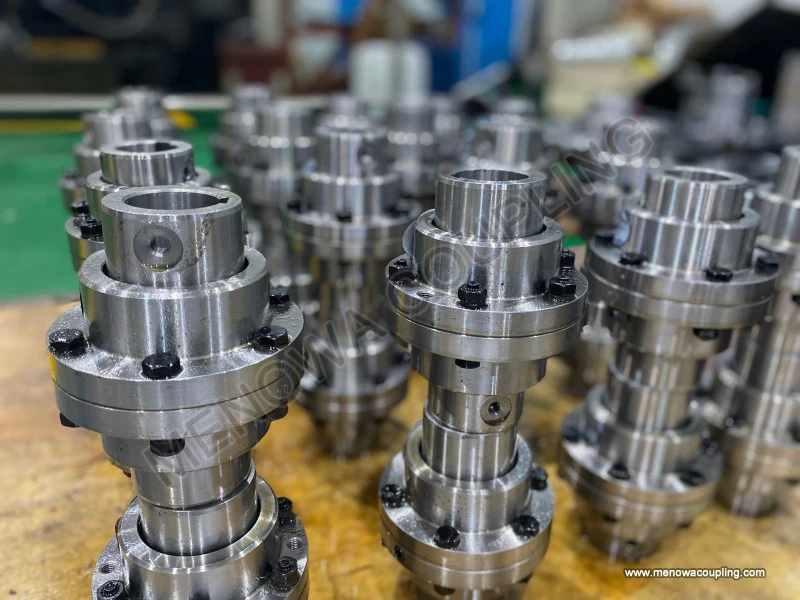
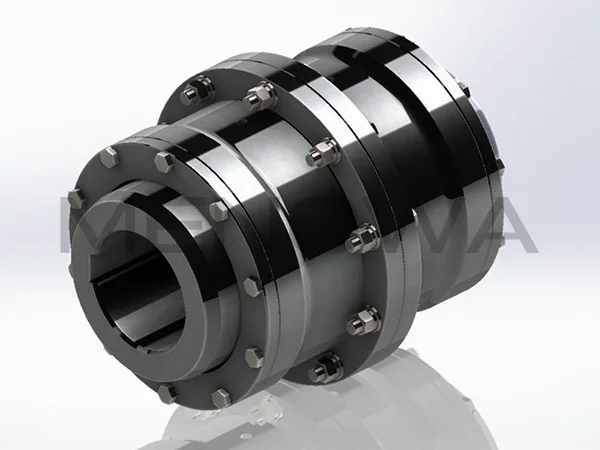
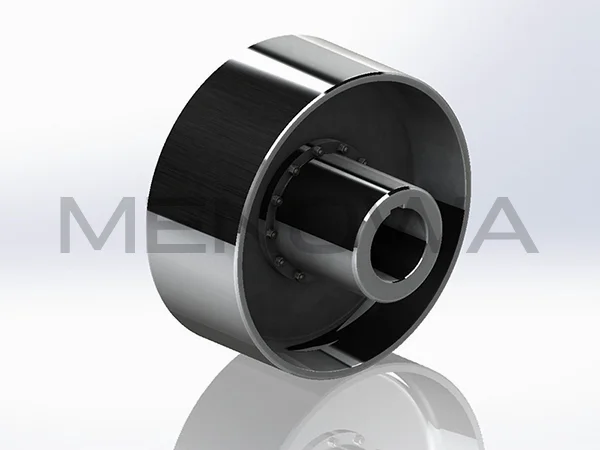
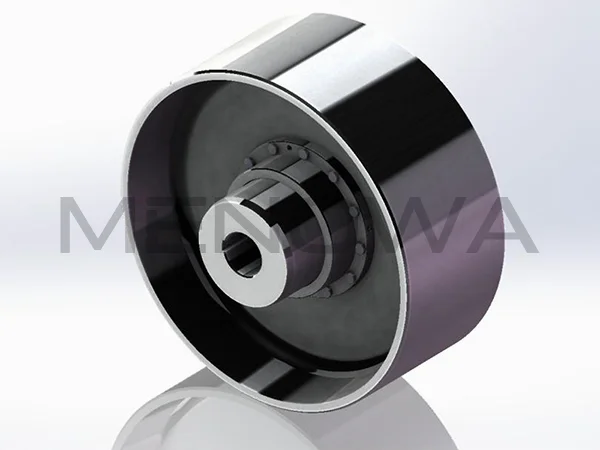
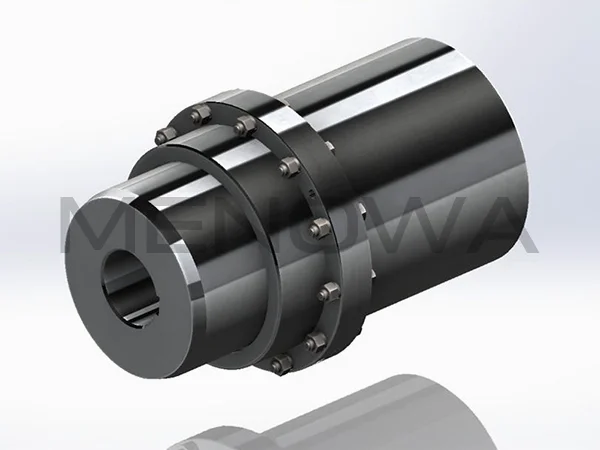
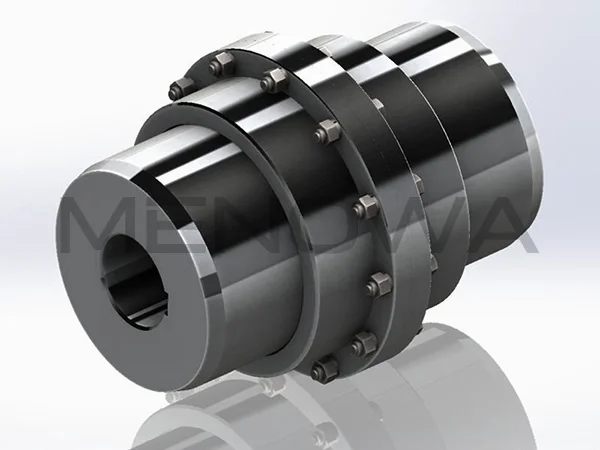
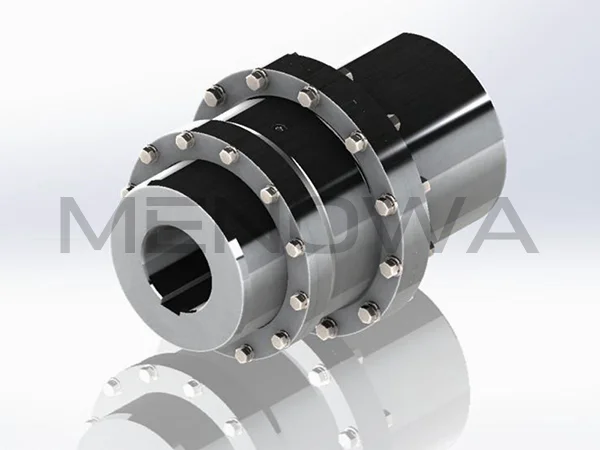
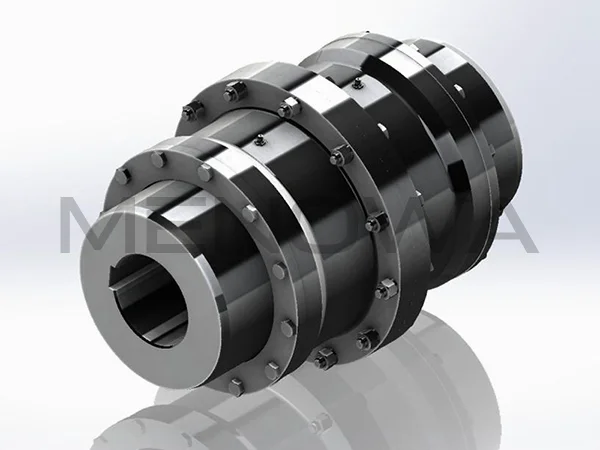
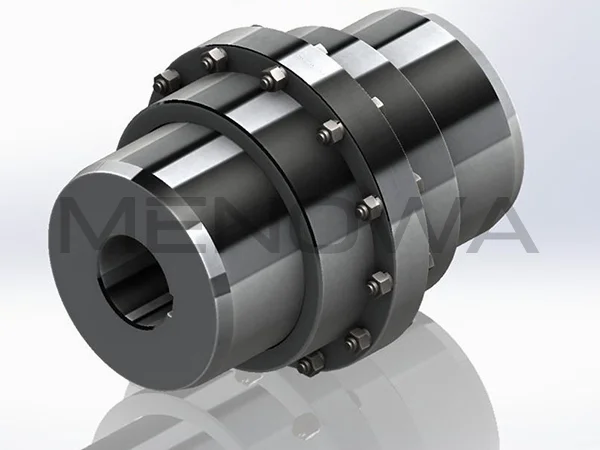
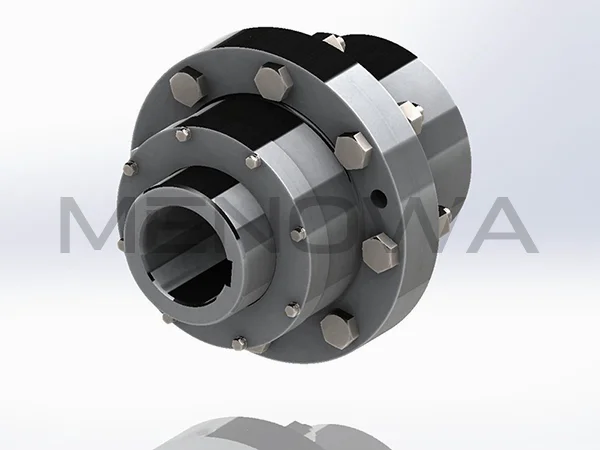
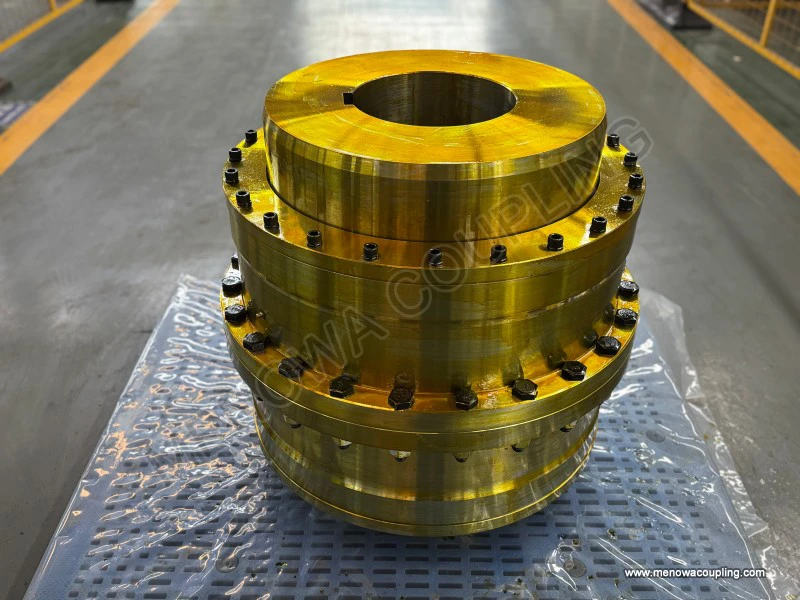
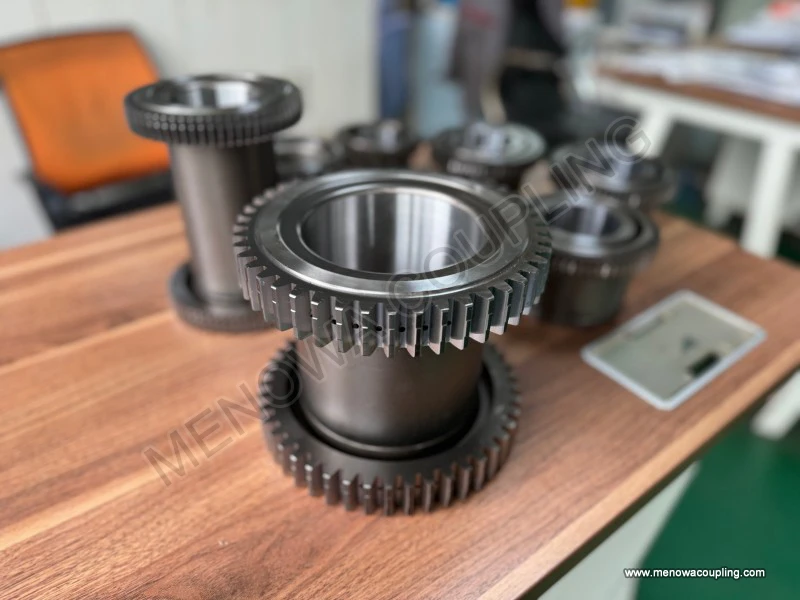
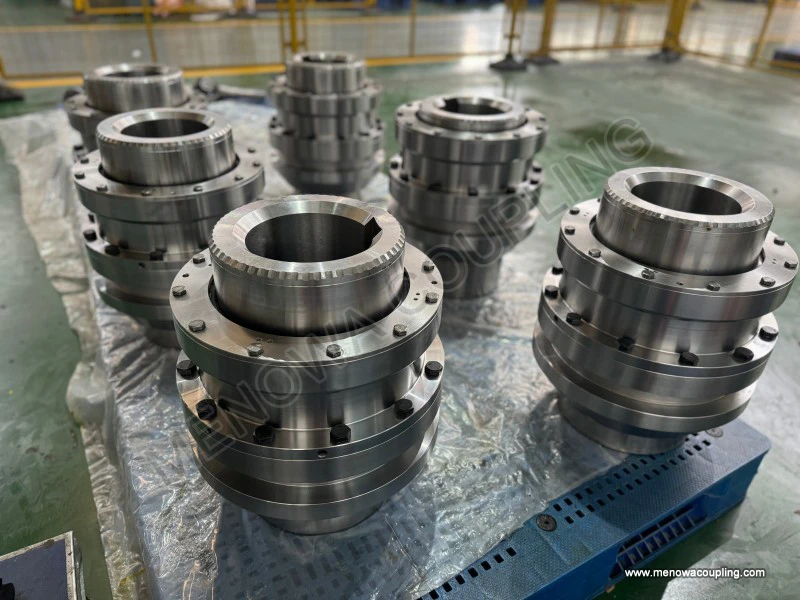
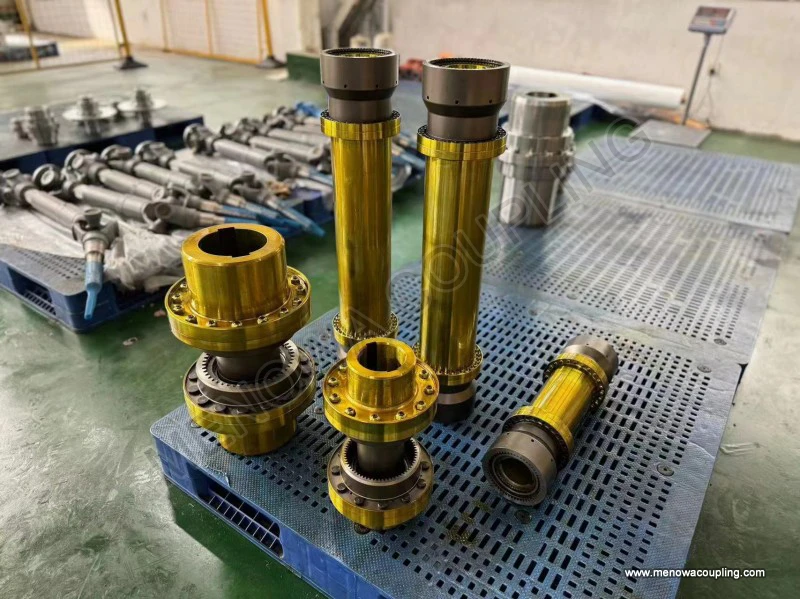
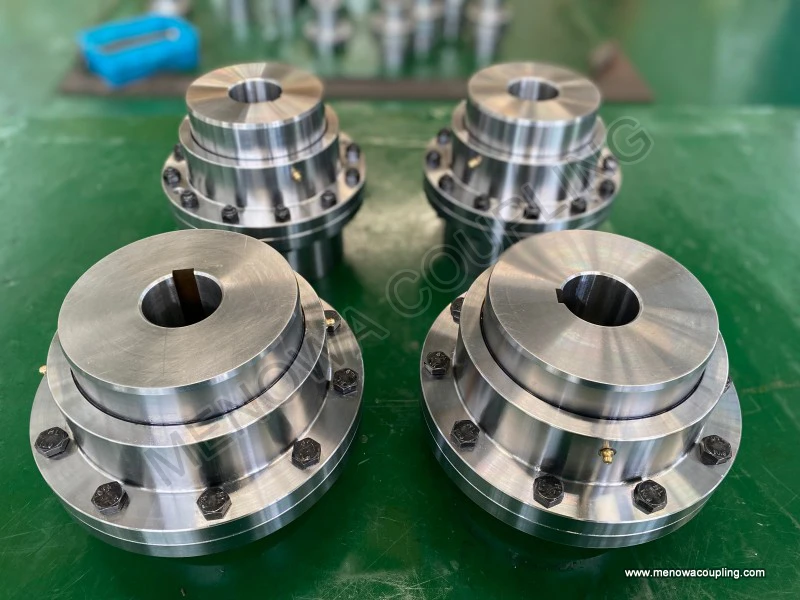
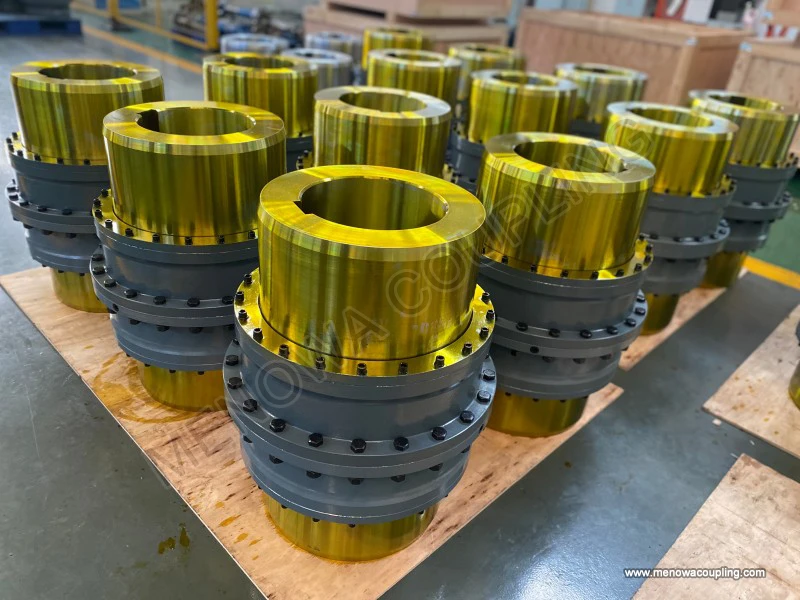
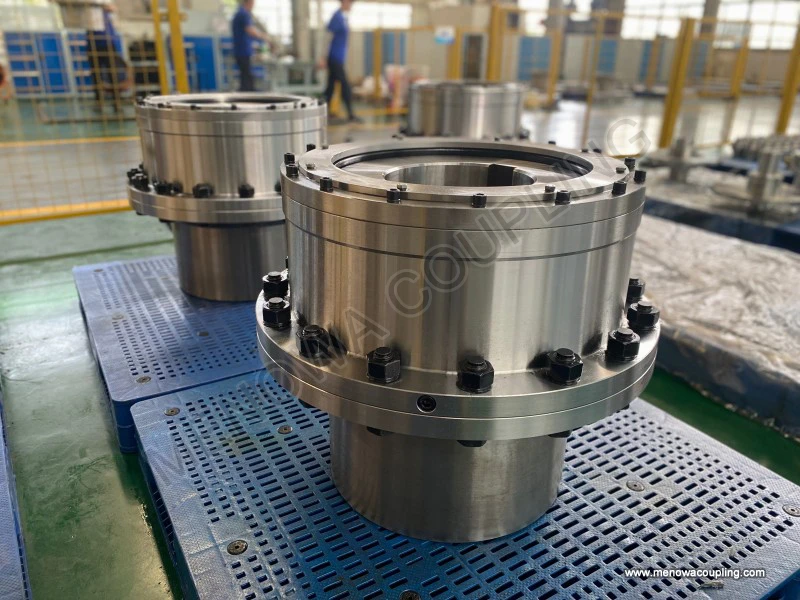
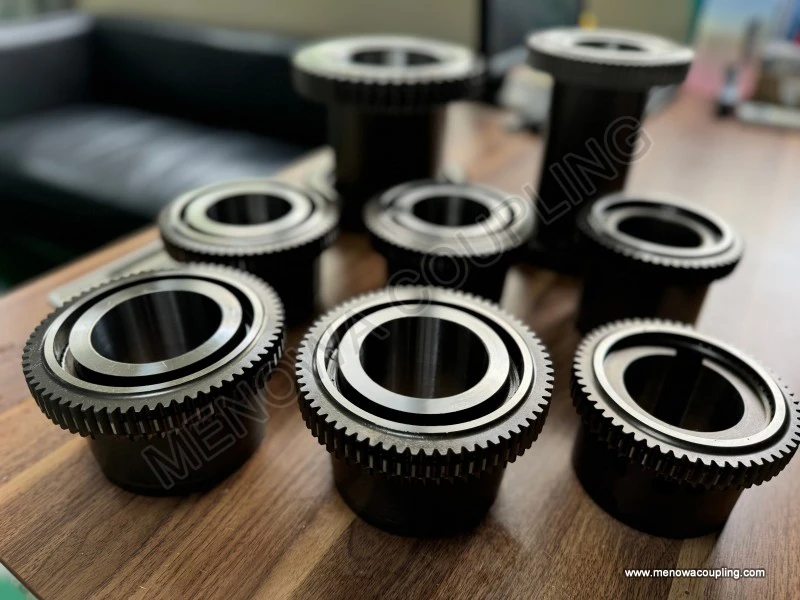
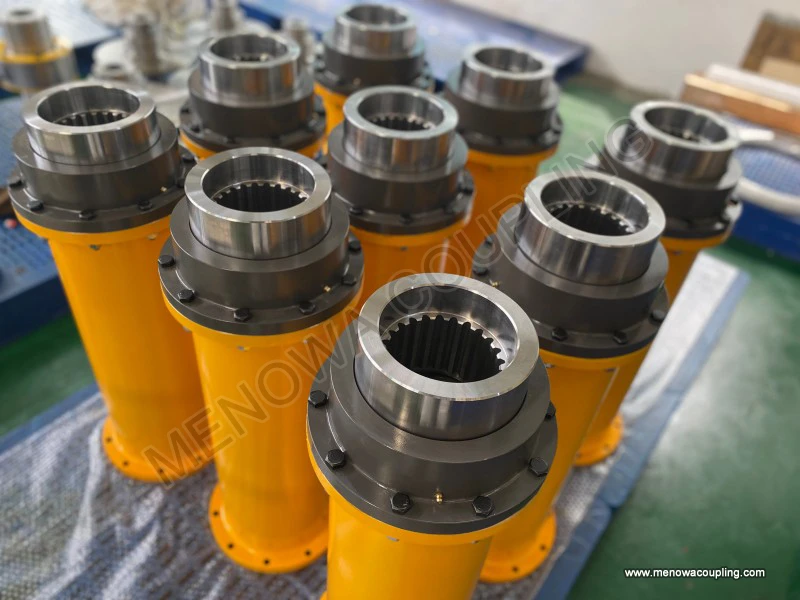
The basic structural composition of gear tooth coupling follows a simple and practical mechanical design logic, and all core components are designed around the two core functions of torque transmission and misalignment compensation, with no redundant auxiliary structures, which also lays a solid foundation for its high structural rigidity and strong operational reliability in industrial environments. The main body of a standard gear tooth coupling is composed of two external gear hubs, two internal gear flanged sleeves, fastening connecting parts and sealing and lubrication auxiliary components. The two external gear hubs are respectively installed and fixed on the end parts of the driving shaft and the driven shaft through interference fit or key connection structure, rotating synchronously with the respective shafts during equipment operation, and are the core rotating parts that directly bear and transmit torque. The external gear teeth on the outer circumference of the external gear hubs are processed with special crowned tooth profile through precision machining technology, which is the most critical structural design difference between gear tooth coupling and ordinary gear transmission structures and also the core structural basis for it to adapt to various shaft misalignment deviations. The two internal gear flanged sleeves are provided with complete internal gear teeth structures inside, and the internal gear teeth are usually designed as straight tooth structure, which can form a precise meshing fit state with the crowned external gear teeth on the external gear hubs. The two internal gear flanged sleeves are tightly connected as a whole through high-strength fastening bolts and other connecting parts during installation, so that the meshing parts of internal and external gears are wrapped inside the integral sleeve structure, forming a closed meshing transmission space. In addition to the main transmission and connection components, complete gear tooth coupling is also equipped with professional sealing structures and lubrication filling structures. The sealing parts are arranged at the matching gaps between the internal gear sleeve and the external gear hub, which can effectively isolate the internal meshing gear tooth contact area from the external working environment, prevent external dust, sediment, moisture and other impurities from entering the meshing gap to cause gear tooth wear and corrosion, and also avoid the leakage of internal lubricating medium to ensure the long-term stable lubrication effect of the meshing parts. The lubrication filling structure includes reserved oil filling holes and oil storage cavities inside the coupling, which is convenient for personnel to inject and replenish professional lubricating grease or lubricating oil regularly, and maintain a good lubricating film state on the contact surface of gear teeth during operation.
The core working operation mechanism of gear tooth coupling is based on the basic principle of gear meshing transmission, and realizes the synchronous rotation and efficient torque transmission between the driving shaft and the driven shaft through the continuous meshing action between internal gear teeth and external gear teeth. When the industrial equipment starts to run, the driving shaft driven by the power source drives the fixed external gear hub to rotate synchronously, and the torque and rotational power generated by the power equipment are transmitted to the internal gear flanged sleeve through the meshing contact between the crowned external gear teeth and the internal gear teeth. Then the integrated internal gear sleeve drives the other external gear hub meshed with it to rotate synchronously, and finally the power and torque are stably transmitted to the driven shaft connected with the production load equipment, realizing the continuous and stable operation of the entire mechanical transmission system. In the whole power transmission process, the gear tooth meshing state always remains stable and reliable, and the torsion rigidity of the overall structure is maintained at a good level, so there will be no obvious torsional deformation or power transmission loss during torque transmission, which can meet the high-precision and high-efficiency power transmission demands of various heavy-duty mechanical equipment. What distinguishes gear tooth coupling from ordinary rigid couplings is its unique adaptive adjustment function in the working process. In the actual installation and long-term operation of mechanical equipment, it is difficult to achieve absolute coaxial alignment between the driving shaft and the driven shaft in any working state. Affected by installation accuracy errors, equipment foundation settlement, mechanical component wear, thermal expansion and contraction of parts during operation, and alternating load impact during equipment startup and operation, various misalignment deviations will inevitably occur between the two connected shafts, including radial parallel offset deviation, angular deflection deviation and axial displacement deviation. For ordinary rigid couplings, these deviations will cause additional bending stress and shear stress on the shaft and coupling components, leading to accelerated component wear, shaft deformation, bolt fracture and even sudden equipment shutdown failure in a short time. Gear tooth coupling can effectively avoid such adverse effects relying on the crowned tooth profile design of external gear teeth. The special curved tooth surface processing enables the external gear teeth to produce a small amount of relative sliding and flexible adaptive adjustment in the meshing process with internal gear teeth when various misalignment deviations occur between the shafts. This small-range relative sliding will not affect the overall torque transmission efficiency and synchronous rotation effect, but can effectively offset the additional mechanical stress caused by shaft misalignment, protect the shaft and key transmission components from excessive alternating stress impact, and ensure the continuous and safe operation of the equipment.
The tooth profile design technology of gear teeth is the core key part that determines the comprehensive performance and service life of gear tooth coupling, and all performance advantages of the coupling in misalignment compensation, wear resistance and stable operation are closely related to the precision machining and optimized design of crowned gear teeth. The external gear teeth of gear tooth coupling are processed into a spherical crowned structure through special gear processing technology, and the center of the spherical curve of the tooth profile is concentrated on the central axis of the coupled rotating shaft. This ingenious design makes the contact position between external gear teeth and internal gear teeth always maintain a uniform and reasonable stress state no matter the coupling produces angular deflection, radial offset or axial displacement during operation. In the meshing process with misalignment deviation, the tooth surface contact stress can be evenly distributed on the whole tooth surface without local stress concentration at the tooth tip or tooth root position. Local stress concentration is the main cause of gear tooth surface abrasion, tooth root fatigue fracture and early failure of coupling transmission parts. The crowned tooth profile design fundamentally avoids the sharp corner extrusion and partial excessive wear between gear teeth under misalignment conditions, greatly improving the wear resistance and fatigue resistance of gear tooth meshing parts. The internal gear teeth matched with the crowned external gear teeth generally adopt straight tooth profile design, which has the characteristics of simple processing technology, high machining accuracy and stable meshing coordination. The cooperation of crowned external teeth and straight internal teeth forms a scientific and reasonable meshing pair structure, which not only ensures the high rigidity and high efficiency of torque transmission, but also retains the flexible adaptive adjustment space for various shaft deviations. In addition to the tooth profile curve design, the gear tooth modulus, tooth width and tooth surface hardness of gear tooth coupling are also optimized according to different load levels and operating speed requirements. The gear tooth parts are usually processed by integral forging and precision hobbing, and then subjected to surface heat treatment to improve the surface hardness and core toughness of gear teeth. The high-hardness tooth surface can resist the abrasion caused by long-term meshing friction and impurity contact, while the tough core part can bear the impact load and alternating torque generated during equipment frequent startup and shutdown, avoiding brittle fracture of gear teeth under sudden load changes. The comprehensive optimization of tooth profile design, processing technology and heat treatment process ensures that gear tooth coupling can maintain stable meshing state and good transmission performance under long-term heavy load and complex working conditions.
Gear tooth coupling has obvious comprehensive performance advantages compared with other common types of shaft couplings, which makes it show strong applicability and irreplaceability in multiple industrial transmission scenarios. First of all, gear tooth coupling has high torque density and compact structural size. Under the same torque transmission demand and installation space conditions, the overall volume and weight of gear tooth coupling are smaller than those of many other heavy-duty couplings, which can save the installation space of mechanical equipment and reduce the overall structural load of the transmission system. This compact and high-load characteristic makes it very suitable for mechanical equipment with limited installation space but high power and torque transmission demands. Secondly, gear tooth coupling has excellent resistance to impact load and alternating load. Different from elastic couplings that are easy to age and deform after long-term impact load, the main components of gear tooth coupling are all metal rigid structures with high structural strength and good impact resistance. It can withstand the mechanical impact and load fluctuation generated by frequent startup, sudden shutdown, load sudden change and forward and reverse rotation of equipment, and will not produce permanent deformation or performance attenuation due to repeated impact, maintaining stable transmission performance for a long time. Thirdly, gear tooth coupling has strong environmental adaptability and can work normally in various harsh industrial working environments. Whether it is high-temperature working conditions generated by metallurgical smelting and thermal processing equipment, dusty and humid working environments in mining and cement production sites, or low-temperature and high-load operating states in outdoor heavy machinery and energy equipment, gear tooth coupling will not be affected by environmental temperature, humidity and dust impurities in a large range. Its all-metal structural material and good sealing protection structure can effectively resist corrosion, aging and performance degradation caused by harsh environments. In addition, gear tooth coupling has low rotational power loss and high transmission efficiency during operation. The meshing friction resistance between precisely processed gear teeth is small, and the relative sliding friction generated during misalignment compensation is within a reasonable small range, which will not cause excessive power consumption and heat generation. The high transmission efficiency ensures that most of the power output by the power source can be effectively transmitted to the load equipment, reducing energy waste and equipment operating heat generation, and helping mechanical equipment maintain energy-saving and efficient operating state.
The application scope of gear tooth coupling covers almost all heavy-duty mechanical transmission links in the industrial field, and it plays a vital role in ensuring the stable operation of core equipment in various industries. In the metallurgical industry, gear tooth coupling is applied to the transmission connection of rolling mills, smelting auxiliary machinery, steel conveying equipment and other core equipment. Metallurgical production equipment needs to operate continuously for a long time, with heavy transmission load, frequent startup and shutdown, and large temperature change during operation, which is easy to cause shaft thermal deformation and misalignment deviation. Gear tooth coupling can adapt to these complex working conditions, stably transmit rolling torque and conveying power, and avoid equipment shutdown failure caused by shaft misalignment and load impact. In the mining industry, mining crushing machinery, ore conveying equipment and hoisting machinery all need to use gear tooth coupling for shaft connection. Mining equipment usually works in dusty, humid and high-impact working environments, with harsh working conditions and high requirements for coupling wear resistance and impact resistance. The reliable structural design and good environmental adaptability of gear tooth coupling can cope with the severe test of mining working conditions and ensure the safe and continuous operation of mining production machinery. In the cement building materials processing industry, rotary kilns, grinding mills and large conveying fans and other equipment have the characteristics of large transmission torque, long-term continuous operation and easy foundation settlement leading to shaft misalignment. Gear tooth coupling can effectively compensate the shaft displacement deviation caused by foundation settlement and equipment operation wear, maintain the stable operation of cement production line equipment, and reduce the maintenance frequency and failure downtime of production equipment. In the energy and power industry, power generation equipment, water pump units and fan transmission systems all need reliable shaft connection components. Gear tooth coupling can adapt to high-speed rotation and long-term stable operation requirements, ensure the efficient transmission of power equipment torque, and avoid power transmission failure affecting the normal supply of energy and power. In addition, gear tooth coupling is also widely used in heavy-duty transportation machinery, port handling equipment, chemical production machinery and other fields, providing stable and reliable shaft connection and power transmission guarantee for various heavy-duty mechanical equipment.
The installation and commissioning quality of gear tooth coupling directly affects its subsequent operating state, service life and transmission stability, and standardized installation and scientific commissioning work is the primary premise to give full play to the comprehensive performance of the coupling. Before the formal installation of gear tooth coupling, relevant preparation work needs to be completed first, including checking the dimensional accuracy and surface quality of all coupling components, confirming that there are no defects such as gear tooth damage, thread damage and component deformation, and cleaning the surface of the shaft end and coupling hub fitting position to remove oil stains, rust and sundries, ensuring that the fitting surface is clean and smooth. During the formal installation process, the external gear hubs need to be installed on the driving shaft and driven shaft respectively according to the assembly process requirements, and the installation position accuracy of the hubs should be calibrated to ensure that the hubs and the shaft are firmly connected without relative rotation and displacement. After the installation of the external gear hubs is completed, the internal gear flanged sleeves are sleeved on the outside of the external gear teeth respectively, and the two internal gear sleeves are preliminarily connected by fastening bolts. After the preliminary connection, the coaxiality and parallelism of the two shafts need to be accurately calibrated by professional measuring tools, and the installation misalignment deviation of the shafts is controlled within the reasonable adaptation range of gear tooth coupling. Excessive installation deviation will increase the meshing friction and stress of gear teeth in subsequent operation, accelerate component wear and even cause early failure of the coupling. After the calibration of shaft alignment is completed, the fastening bolts between the internal gear sleeves are tightened evenly in a symmetrical sequence to ensure that the connecting force of each bolt is uniform and the overall structure of the coupling is firm and stable. After the installation is completed, an appropriate amount of special lubricating medium is injected into the coupling through the lubrication filling hole, and the sealing structure is installed and checked to ensure that the sealing is tight without gaps, preventing lubricant leakage and external impurities from entering. After the installation and lubrication work is all completed, equipment no-load test operation is required first. Observe the operating state of the gear tooth coupling during no-load operation, check whether there are abnormal vibration, noise and heating phenomena, and confirm that the coupling meshing transmission is stable without abnormal faults. After the no-load test operation is normal, gradually carry out load test operation, and officially put into formal production and operation after ensuring that all operating indicators meet the requirements.
Scientific and standardized daily maintenance and regular inspection management are key factors to prolong the service life of gear tooth coupling, reduce operating faults and maintain long-term stable transmission performance. The core of the daily maintenance work of gear tooth coupling is the maintenance of lubrication state and sealing performance. Lubrication is the most important link to ensure the normal meshing operation of gear teeth. The relative sliding friction between gear tooth meshing surfaces must be reduced by high-quality lubricating medium, and a protective lubricating film must be formed on the gear tooth surface to avoid direct metal contact and dry friction wear between gear teeth. In daily equipment operation management, it is necessary to regularly check the sealing state of the coupling, check whether there is lubricant leakage at the sealing position, and whether there is dust and sundry accumulation at the coupling connection position. If sealing aging or lubricant leakage is found, the sealing parts should be replaced in time and the lubricating medium should be replenished to ensure that the internal meshing parts are always in a good lubrication and sealing state. According to the different operating load and running time of the equipment, the lubricating medium inside the coupling needs to be replaced regularly. After long-term use, the lubricating grease or oil will deteriorate, age and mix with wear metal debris, resulting in reduced lubrication effect and increased gear tooth wear. Regular replacement of lubricating medium can effectively remove internal wear debris and keep the gear tooth meshing state good. In addition to lubrication and sealing maintenance, regular visual inspection and disassembly inspection of gear tooth coupling are also required. In the regular visual inspection during equipment operation, observe whether the coupling has abnormal vibration, abnormal noise and local overheating phenomenon. Abnormal vibration and noise usually indicate that the gear tooth meshing is abnormal or the shaft misalignment deviation exceeds the standard, and local overheating reflects excessive friction and poor lubrication inside the coupling, which need to be checked and adjusted in time. Regular disassembly and maintenance shall be carried out according to the equipment operation cycle. After disassembly, check the wear degree of gear tooth surface, confirm whether there are tooth surface scratches, fatigue pitting corrosion and tooth root cracks, check the fastening bolts for loosening and fatigue deformation, and replace the severely worn parts and aging accessories in time. For the gear tooth coupling that has been used for a long time, the shaft alignment accuracy shall be re-calibrated during regular maintenance to correct the shaft misalignment deviation caused by equipment foundation settlement and component wear, ensuring that the coupling always works within the optimal adaptation range.
In the long-term operation process of gear tooth coupling, some common operational faults may occur due to improper installation, insufficient maintenance, long-term wear and excessive load operation. Timely judgment of fault causes and adoption of targeted solutions can effectively avoid the expansion of faults and reduce equipment production losses. The common abnormal noise and vibration fault of gear tooth coupling are mostly caused by excessive shaft installation misalignment, insufficient internal lubrication, gear tooth surface serious wear or fastening bolt loosening. When such faults occur, it is necessary to first stop the equipment for inspection, check the fastening state of the connecting bolts, replenish or replace the lubricating medium, re-calibrate the shaft coaxiality, and deal with the gear tooth wear problem in a targeted manner. The local overheating fault of the coupling is mainly due to poor lubrication effect, excessive meshing friction or long-term overload operation. It is necessary to check the lubrication system and load operating state of the equipment, avoid long-term overload operation of the equipment, and ensure that the lubricating medium meets the operating requirements. The lubricant leakage fault is usually caused by aging and damage of the sealing structure, which can be solved by replacing the sealing parts and reinforcing the sealing protection. The gear tooth wear and pitting corrosion failure is mainly the result of long-term poor lubrication and frequent impact load, which requires strengthening daily lubrication maintenance and avoiding equipment frequent sudden load changes. Through effective fault early warning and timely maintenance and handling, most operational faults of gear tooth coupling can be eliminated in the initial stage, ensuring the long-term stable and reliable operation of the coupling and the entire mechanical transmission system.
With the continuous upgrading and development of modern industrial mechanical equipment towards large-scale, high-power and long-term continuous operation, the technical requirements for supporting transmission connection components such as gear tooth coupling are also constantly improving, and the application value and development prospect of gear tooth coupling in the industrial transmission field are becoming more and more prominent. As a mature and reliable flexible rigid coupling product after long-term industrial practice verification, gear tooth coupling will always rely on its excellent torque transmission performance, reliable misalignment compensation capacity, strong environmental adaptability and long service life to meet the core connection demands of heavy-duty mechanical transmission in various industries. In the future mechanical design and equipment operation management work, only by deeply mastering the structural characteristics and working mechanism of gear tooth coupling, doing a good job in reasonable type selection, standardized installation, scientific maintenance and timely fault handling, can we give full play to the performance advantages of gear tooth coupling, ensure the stable and efficient operation of industrial mechanical equipment, reduce equipment operation and maintenance costs, and provide solid basic support for the stable development of various industrial production activities. The continuous optimization of gear tooth profile processing technology, lubrication protection technology and structural design will also further enhance the comprehensive performance of gear tooth coupling, making it more adaptable to the increasingly complex and harsh industrial working conditions and becoming an indispensable core basic component in the field of modern mechanical transmission.
https://www.menowacoupling.com/industrial-coupling/gear-tooth-coupling.html
 WeChat
 WhatsApp