Metal Membrane Coupling
In the intricate and interconnected ecosystem of modern industrial mechanical transmission, the stability, coordination and operational efficiency of shaft connection components directly determine the overall operating state and service cycle of complete mechanical equipment. All mechanical power transmission systems rely on reliable connecting parts to connect driving components and driven components, realizing the stable transfer of torque, rotational speed and motion signals between different shaft sections, and metal membrane coupling has gradually become an indispensable basic connecting component in high-precision, high-speed and harsh working condition transmission scenarios by virtue of its unique all-metal flexible elastic structure and excellent comprehensive mechanical properties. Unlike traditional coupling products that rely on rubber, plastic and other non-metal elastic materials for flexible buffering and displacement compensation, metal membrane coupling takes high-strength metal thin plate components as the core elastic force-bearing and deformation compensation carrier, realizing the dual functional integration of efficient torque transmission and automatic compensation of shaft body misalignment through the micro elastic deformation of metal membranes in the working process. This all-metal structural design mode enables the coupling to get rid of the performance limitations of non-metal materials such as easy aging, low temperature resistance and poor corrosion resistance, and can maintain stable and reliable working performance for a long time in various complex industrial environments, covering low-speed heavy-load mechanical transmission and high-speed precision motion control fields, and adapting to diversified production and operation needs of different industrial sectors. With the continuous upgrading of modern industrial manufacturing towards precision intelligence, high-efficiency energy saving and long-cycle stable operation, the requirements for the matching accuracy, operational stability and maintenance cycle of mechanical transmission shafting are constantly improving, and metal membrane coupling, as a key flexible transmission component that balances rigidity and flexibility, has been widely promoted and applied in more and more industrial production and mechanical equipment supporting fields, becoming an important guarantee for optimizing the transmission performance of mechanical equipment and reducing equipment operation failure rates.
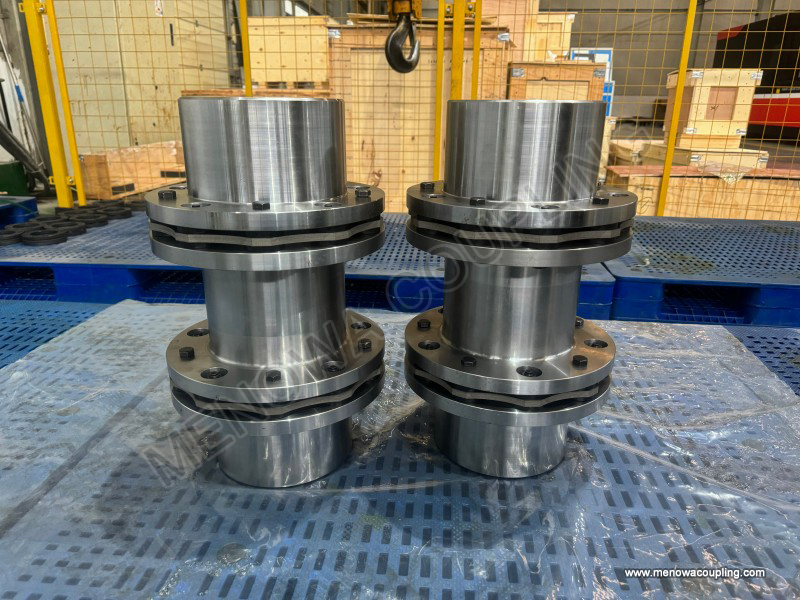
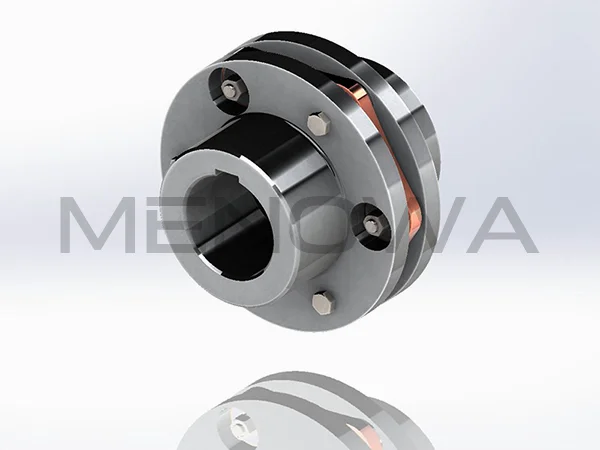
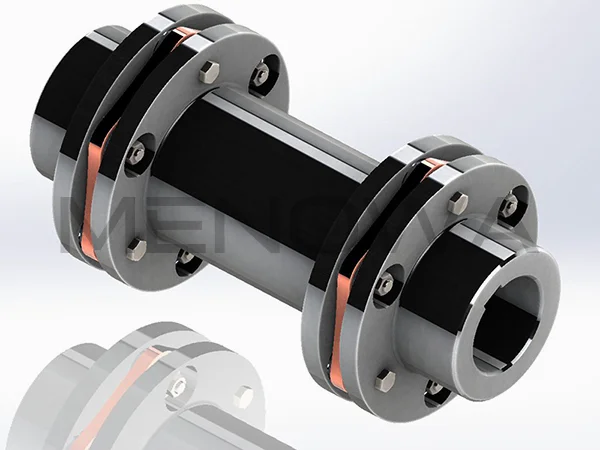
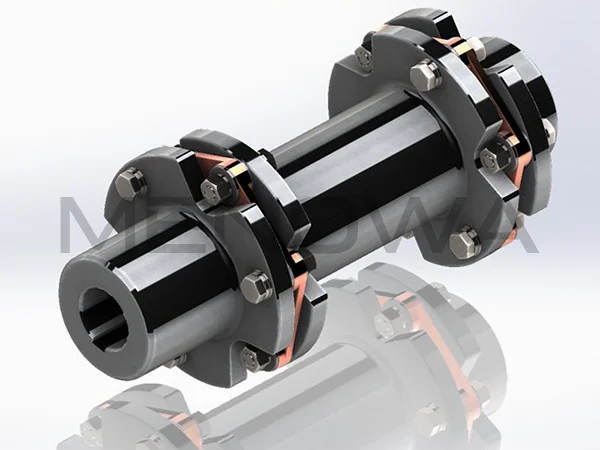
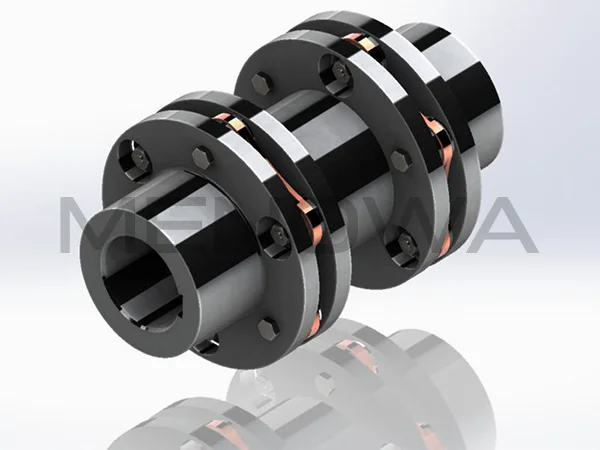
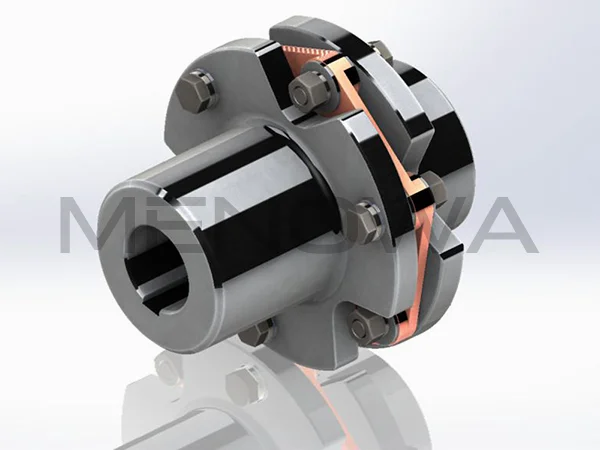
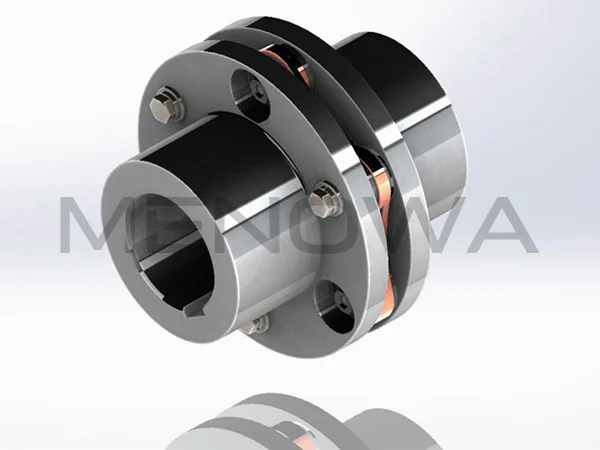
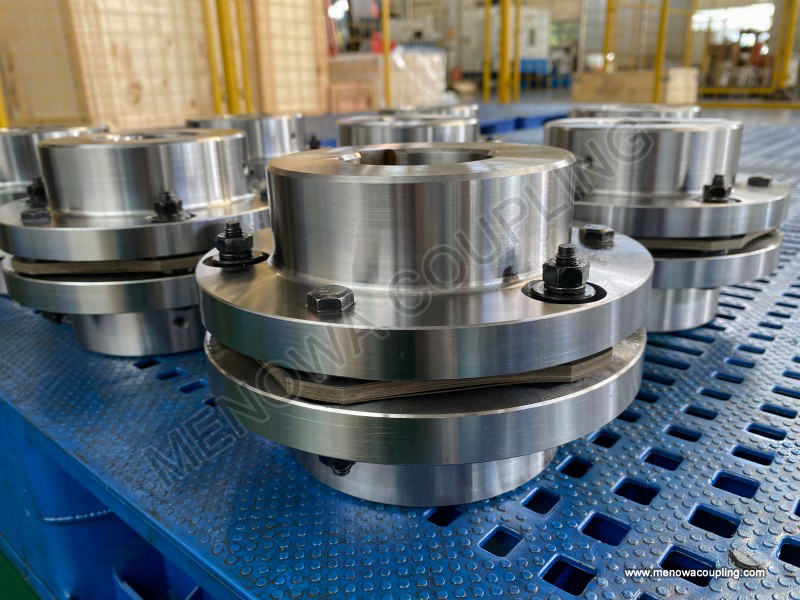
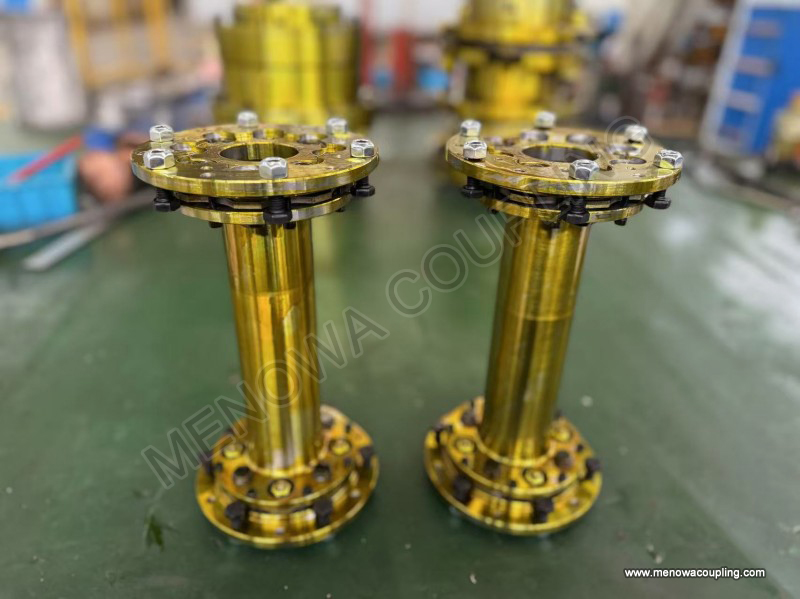
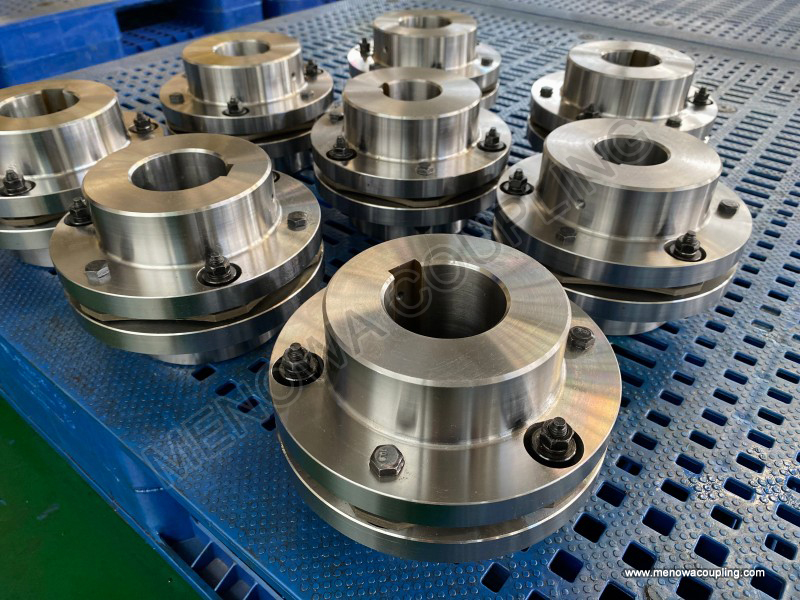
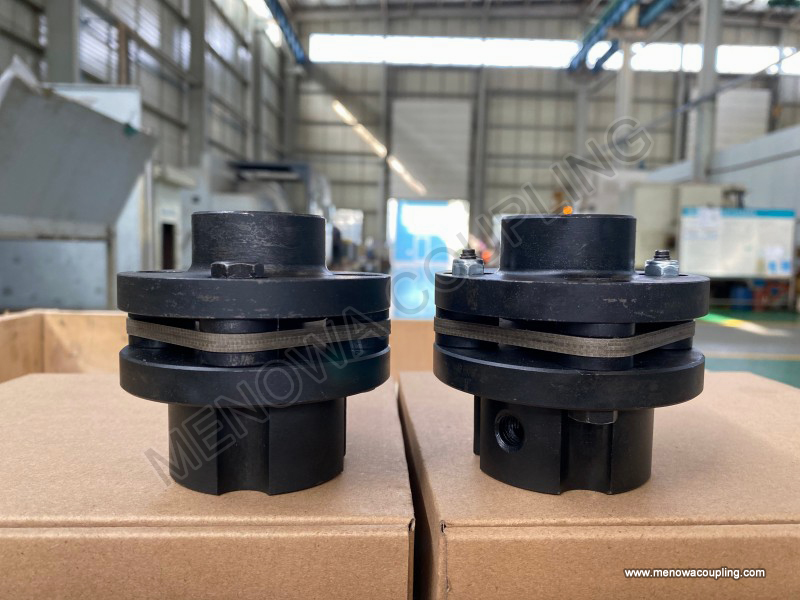
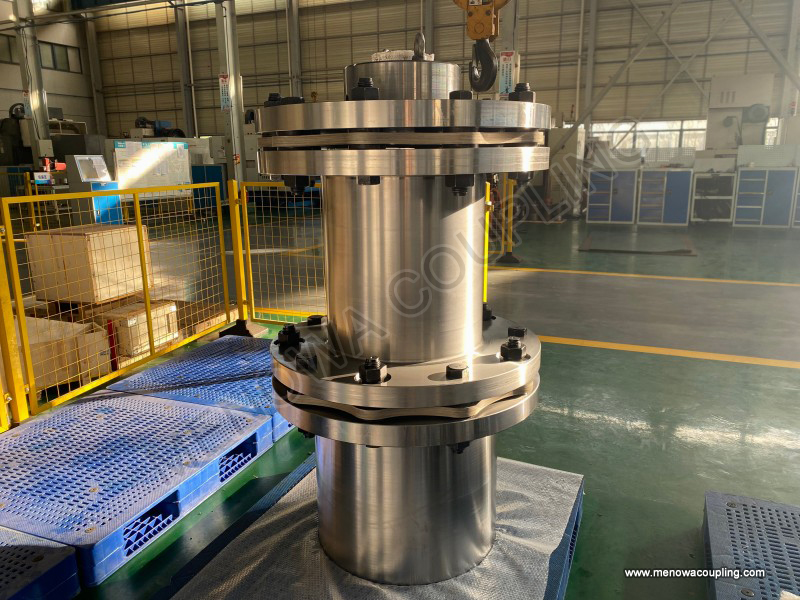
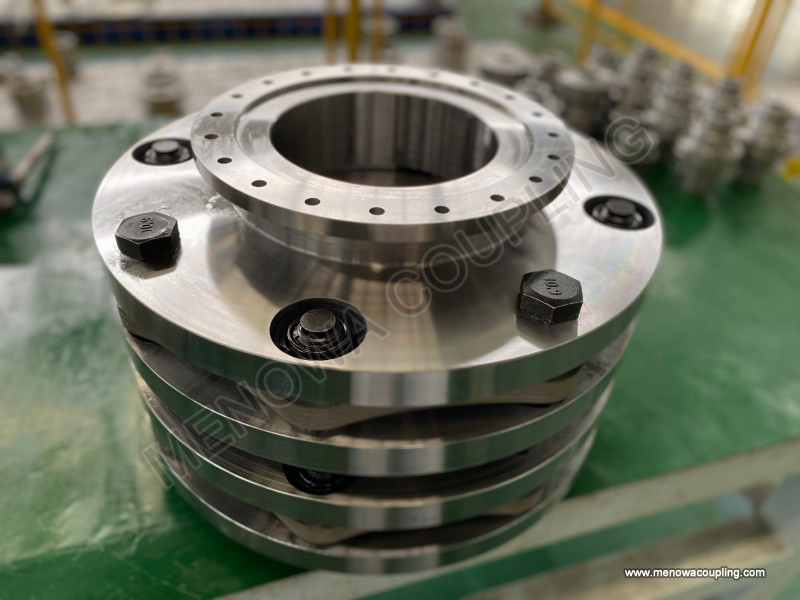
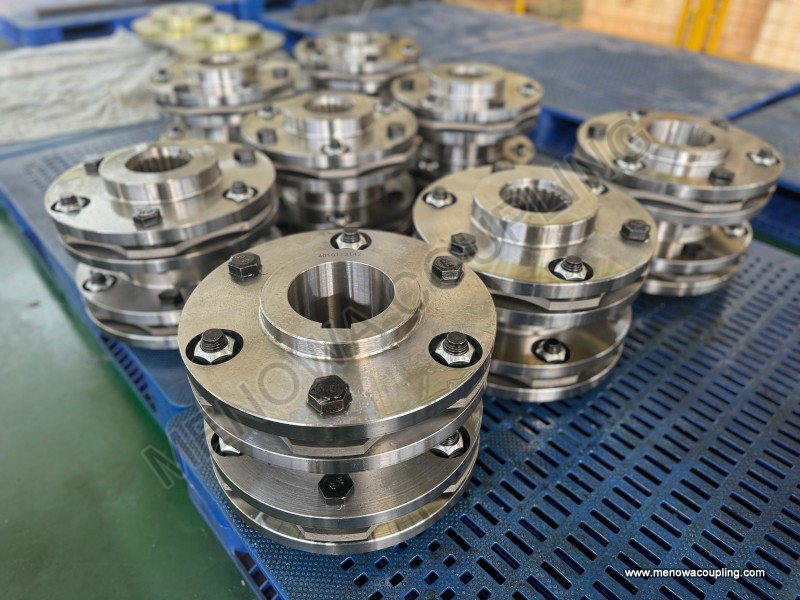
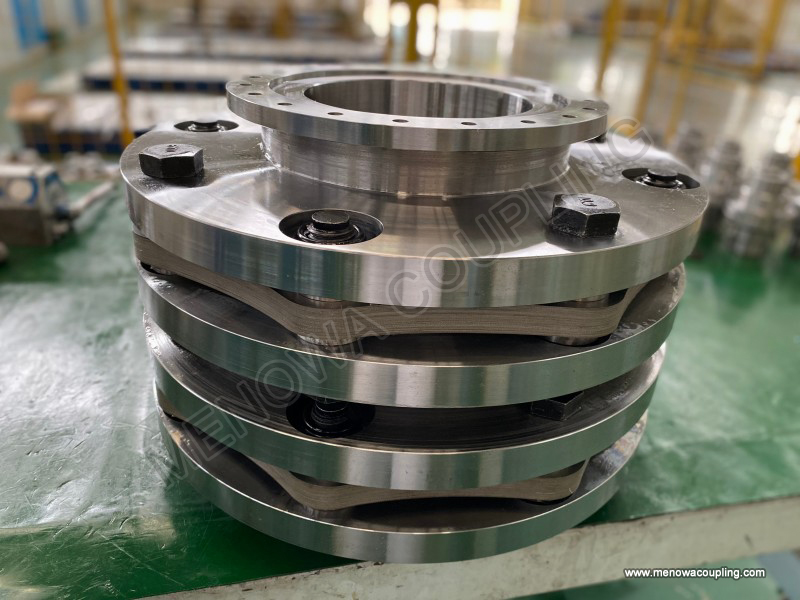
The basic structural composition of metal membrane coupling follows the simple and practical design logic of mechanical transmission components, and the overall structure is compact and reasonable without redundant auxiliary parts, which lays a solid foundation for its stable operation and convenient installation and maintenance in various working conditions. The whole coupling is mainly composed of two symmetrical shaft connecting hubs, metal membrane groups and high-strength connecting fasteners, and each component cooperates with each other in a precise assembly state to jointly complete the core functions of power transmission and displacement compensation. The shaft connecting hubs on both sides are the basic connecting base of the coupling and the driving shaft and driven shaft of the equipment, usually made of high-quality alloy steel materials processed by fine forging and precision finishing, with high structural rigidity and mechanical strength, which can ensure that the coupling and the shaft body maintain a tight and reliable connection state during long-term rotation and torque transmission, avoiding relative sliding, loosening and abnormal vibration between the coupling and the shaft body caused by load fluctuation and rotational operation. The core functional component of the coupling is the metal membrane group, which is assembled by stacking multiple ultra-thin high-strength stainless steel thin plates according to a certain process standard. The thin plates have uniform thickness, smooth surface and stable material performance, and have good elastic deformation recovery ability and fatigue resistance after special heat treatment and surface processing. The metal membrane group is installed and fixed between the two shaft connecting hubs through high-strength bolts and matching locking parts, and the staggered assembly structure forms a stable force transmission and deformation structure. The connecting fasteners used for assembly are all made of high-strength alloy materials with high tensile strength and shear resistance, and the locking structure can effectively prevent the fasteners from loosening and falling off due to long-term rotational vibration and alternating load impact in the working process, ensuring the long-term structural stability of the whole coupling. According to the different structural forms and compensation capacity requirements, metal membrane coupling can be divided into single membrane group structure and double membrane group structure. The single membrane group structure has a simpler overall composition and smaller overall size, and is suitable for mechanical transmission occasions with small shaft misalignment and stable load operation; the double membrane group structure is equipped with a spacing sleeve between two groups of metal membranes, which further improves the overall displacement compensation capacity of the coupling and can adapt to more complex shaft misalignment and variable load working conditions, meeting the application needs of most medium and large industrial mechanical equipment.
The working principle of metal membrane coupling is based on the elastic mechanics characteristics of metal materials and the mechanical coordination relationship between structural components, realizing organic integration of rigid torque transmission and flexible displacement compensation without relying on lubrication, friction contact and other auxiliary working modes. In the actual operation process of mechanical equipment, the driving shaft drives one side of the coupling hub to rotate synchronously, and the torque is evenly transmitted to the metal membrane group fixed between the two hubs through the connecting fasteners. The metal membrane group bears the torque load through the rigid connection part of the membrane itself, and realizes the synchronous rotation of the other side hub and the driven shaft under the action of tension and compression force between the membranes, so as to complete the efficient transmission of mechanical power from the driving end to the driven end. Due to the inevitable installation deviation in the assembly process of mechanical equipment shafting, as well as the shaft position offset and deformation caused by equipment operation vibration, thermal expansion and cold contraction of components, long-term load operation and other factors, there are often different degrees of axial displacement, radial displacement and angular deflection between the driving shaft and the driven shaft connected by the coupling. These misalignment deviations will cause additional alternating stress and vibration impact on the transmission shafting if not compensated in time, which will not only affect the transmission accuracy of the equipment, but also easily lead to accelerated wear of shafting components, bearing damage and equipment operation failure. The metal membrane group of the coupling can produce micro elastic bending and telescopic deformation according to the actual misalignment state of the shaft body in the working process. This natural elastic deformation can effectively absorb and compensate various displacement deviations between the two shafts, eliminate the additional mechanical stress and vibration torque generated by shaft misalignment, and ensure that the torque transmission process between the driving shaft and the driven shaft is always kept in a stable and uniform state. It is worth noting that this deformation compensation mode is pure elastic deformation of metal materials, no sliding friction and mechanical wear occur between internal components of the coupling in the whole working process, and no lubricating oil, grease and other lubricating media are needed for auxiliary operation, which fundamentally reduces the wear loss and maintenance demand of the coupling itself, and ensures the continuity and stability of long-term operation.
Compared with other traditional types of flexible couplings widely used in the mechanical transmission industry, metal membrane coupling has prominent and unique comprehensive performance advantages in structural performance, environmental adaptability, operation stability and later maintenance, which makes it show better application adaptability in complex and high-demand working conditions. In terms of torsional rigidity and transmission accuracy, the all-metal structural design enables the coupling to have high torsional rigidity, and the angular deflection generated in the torque transmission process is extremely small. Even under the condition of frequent acceleration and deceleration and dynamic load fluctuation, it can still maintain accurate torque and motion transmission without obvious transmission hysteresis and motion deviation, which is very suitable for high-precision motion control equipment and mechanical transmission occasions with strict requirements on transmission synchronization. In terms of environmental adaptability, because the core components are all made of metal materials, the coupling is not affected by high temperature, low temperature, humid environment and corrosive medium environment that easily cause aging and damage to non-metal elastic materials. It can work stably for a long time in high-temperature industrial production occasions, low-temperature cold processing environments and working conditions with weak acid and alkali corrosive media, and the material performance and structural state will not change significantly with the change of external environmental temperature and medium, maintaining consistent working performance. In terms of operation and wear performance, since there is no relative sliding and friction movement between all internal components of the coupling during operation, the wear degree of components is extremely low, and the problem of component failure caused by long-term friction and wear is avoided. The metal membrane has good fatigue resistance and deformation recovery ability, and can withstand long-term alternating load and repeated deformation without permanent deformation and structural damage, with long service life. In terms of daily maintenance and later use cost, the coupling does not need regular lubrication, oil replacement and wearing part replacement maintenance work in the whole service cycle, and the daily maintenance operation is extremely simple. It only needs regular visual inspection of the structural fastening state to ensure no loosening of fasteners and no obvious deformation of the membrane group, which greatly reduces the daily maintenance workload and equipment operation and maintenance labor input of industrial enterprises, and improves the overall operation efficiency of the production line.
The selection of metal membrane coupling in practical industrial application needs to be comprehensively determined according to the actual working condition parameters and equipment transmission characteristics of mechanical equipment, and multiple key influencing factors need to be fully considered to ensure that the selected coupling matches the equipment operation demand and achieves the optimal transmission and compensation effect. The first core factor to be considered is the torque transmission demand of the equipment, including the rated torque required for normal operation of the equipment, the peak torque generated during equipment start-up, stop and load impact, and the torque fluctuation range in the actual working process. It is necessary to select the coupling with matching torque bearing capacity according to the actual torque parameters, to avoid the problem of membrane deformation damage and fastener loosening caused by long-term overload operation of the coupling, and also to avoid the waste of structural performance and space caused by selecting a coupling with excessive torque bearing capacity. The second key factor is the rotating speed of the equipment shafting. Different structural specifications of metal membrane couplings have different applicable rotating speed ranges, and high-speed rotating working conditions have higher requirements on the dynamic balance performance and structural stability of the coupling. It is necessary to select the coupling meeting the dynamic balance standard according to the actual working rotating speed of the equipment, to avoid abnormal vibration and resonance phenomenon of the coupling during high-speed operation, which affects the stable operation of the whole equipment. The third important factor is the actual misalignment deviation of the equipment shafting, including the axial, radial and angular misalignment values generated during equipment installation and actual operation. Different structural forms of couplings have different displacement compensation capacities, and single membrane group products are suitable for working conditions with small misalignment deviation, while double membrane group products are selected for working conditions with large misalignment deviation and complex offset changes, to ensure that the coupling can effectively compensate the shaft deviation and eliminate additional transmission stress. In addition, the external working environment of the equipment also needs to be fully considered, including environmental temperature, humidity, corrosive medium and other factors. For special harsh environments, couplings made of high-grade corrosion-resistant stainless steel materials can be selected to further improve the environmental adaptability and service life of the product. At the same time, the installation space of the equipment shafting and the assembly and disassembly convenience also need to be matched, and the coupling with appropriate overall size and structural form should be selected according to the limited installation space of the equipment to ensure smooth installation and later replacement and maintenance.
The installation and commissioning quality of metal membrane coupling is directly related to the subsequent operation stability, transmission effect and service life of the product, and standardized installation operation and accurate commissioning adjustment are essential links to give full play to the performance advantages of the coupling. Before formal installation, it is necessary to carefully check the appearance quality and structural integrity of all coupling components, confirm that the metal membrane has no obvious deformation, scratches and corrosion damage, the connecting hub has no crack and dimensional deviation, and the connecting fasteners are complete and matching without missing and damage. At the same time, the surface of the driving shaft and driven shaft of the equipment matched with the coupling hub should be cleaned and polished to remove rust, oil stain and sundries on the shaft surface, ensuring that the matching surface is smooth and clean, which is conducive to the tight assembly and stable connection between the hub and the shaft body. In the formal installation process, the two shaft connecting hubs are respectively installed on the driving shaft and the driven shaft according to the assembly process requirements, and the initial positioning and fastening are carried out to ensure that the hub and the shaft body are coaxial initially without obvious deflection. Then the metal membrane group and spacing sleeve (for double membrane group structure) are installed in sequence, and the connecting fasteners are preliminarily screwed in place according to the assembly sequence, without excessive tightening to facilitate the subsequent alignment and commissioning of shafting. After the preliminary assembly of all components is completed, the key alignment commissioning operation is carried out to accurately adjust the coaxiality and relative position of the driving shaft and the driven shaft, minimize the initial installation misalignment deviation between the two shafts, and reduce the elastic deformation amplitude of the metal membrane group in the subsequent working process, so as to reduce the long-term alternating stress of the membrane and prolong the service life of the coupling. After the alignment commissioning meets the standard requirements, the connecting fasteners are tightened uniformly and symmetrically according to the specified torque sequence to ensure that all fasteners are evenly stressed and the overall structural connection of the coupling is firm and reliable. After the installation and fastening are completed, it is necessary to conduct a no-load test run of the equipment, observe the operation state of the coupling, check whether there is abnormal vibration, noise and jitter during rotation, confirm that the coupling operates stably without abnormal state, and then put the equipment into formal load production and operation.
In the daily operation and later maintenance management of mechanical equipment equipped with metal membrane coupling, scientific and standardized daily inspection and simple maintenance work can effectively maintain the good working performance of the coupling, avoid sudden failure problems, and extend the overall service cycle of the product. In the daily production and operation process, the operator only needs to conduct regular visual inspection and operation state observation of the coupling during the equipment shutdown gap, focusing on checking whether the external structure of the coupling has obvious deformation, whether the connecting fasteners have loosening and displacement, whether the metal membrane surface has corrosion, crack and damage, and whether there is abnormal vibration and abnormal noise during the operation of the coupling. For most conventional working conditions, these simple inspection contents can timely find potential hidden dangers of coupling operation and avoid small problems evolving into equipment operation failures. Since the coupling adopts all-metal flexible structure and has no wearing parts and friction operation parts, it does not need regular lubrication, oil change and replacement of vulnerable parts like other traditional couplings, which greatly simplifies the daily maintenance process. For the couplings working in harsh environments such as high humidity and corrosive media, regular surface anti-corrosion treatment can be carried out according to the actual environmental conditions to avoid long-term corrosion and damage of the metal membrane and hub structure. In the long-term operation process, if abnormal vibration, noise and transmission instability of the coupling are found through inspection, the equipment should be shut down in time for detailed inspection and troubleshooting, check whether the shafting alignment deviation exceeds the standard, whether the fasteners are loosened, and whether the metal membrane has fatigue deformation and damage, and carry out targeted adjustment, fastening and replacement treatment according to the actual situation, so as to ensure that the coupling returns to the normal stable working state. Scientific daily maintenance management not only ensures the stable operation of the coupling and the whole mechanical transmission system, but also reduces the unexpected shutdown loss and maintenance cost of industrial production, and creates stable production operation conditions for enterprises.
Metal membrane coupling has been widely applied and promoted in multiple industrial fields and mechanical equipment types due to its excellent comprehensive performance, covering heavy industrial production, precision manufacturing and processing, energy power equipment, chemical production equipment and many other core industrial sectors, and has played an important role in optimizing equipment transmission performance and ensuring stable production operation. In the field of heavy industrial machinery and equipment manufacturing, metal membrane coupling is applied to large-scale conveying machinery, crushing equipment, mixing and stirring equipment and other heavy-load mechanical transmission equipment. These equipment have large transmission load, frequent load impact and long continuous operation time, and the all-metal structure of the coupling can bear heavy torque load and alternating impact, compensate the shaft misalignment caused by equipment vibration and load deformation, and ensure the stable operation of heavy-load transmission shafting. In the field of precision motion control and intelligent manufacturing equipment, the coupling is used in servo motor supporting transmission equipment, precision machining machine tools, automated production line transmission mechanisms and other high-precision transmission occasions. Its high torsional rigidity and high-precision transmission characteristics can ensure the synchronization and accuracy of motion transmission, avoid motion deviation and transmission hysteresis, and meet the high-precision operation requirements of intelligent manufacturing and precision machining equipment. In the field of energy and power equipment such as fans, pumps and power generation equipment, the equipment has high rotating speed and long-term continuous operation characteristics, and the maintenance-free performance and high-speed stable operation performance of metal membrane coupling can reduce the maintenance frequency of power equipment, avoid equipment shutdown and maintenance caused by coupling failure, and ensure the long-term stable operation of energy power supply equipment. In the field of chemical and pharmaceutical production equipment, the production environment often has corrosive media and high-temperature and high-humidity working conditions, and the corrosion resistance and high and low temperature resistance of the coupling enable it to adapt to harsh chemical production environments, maintain stable transmission performance for a long time, and meet the continuous production needs of chemical and pharmaceutical industries. With the continuous development of industrial upgrading and mechanical manufacturing technology, the application scope of metal membrane coupling will continue to expand, and its core role in modern mechanical transmission systems will become more prominent.
Looking at the overall development trend of modern mechanical transmission component technology, with the continuous progress of material processing technology, mechanical design optimization technology and industrial intelligent manufacturing level, the performance of metal membrane coupling will continue to be optimized and upgraded, and its application value in the industrial field will be further improved. In terms of material research and development and processing technology, the continuous application of new high-strength and high-fatigue-resistant metal materials and precision fine processing technology will further improve the mechanical strength, elastic deformation performance and fatigue resistance of the metal membrane, so that the coupling can adapt to more extreme working conditions such as higher rotating speed, heavier load and stronger corrosion, and expand the application boundary of the product. In terms of structural design optimization, through finite element mechanical simulation analysis and structural dynamic optimization design, the internal structural coordination of the coupling will be more reasonable, the displacement compensation capacity and torsional rigidity will be further balanced, the structural size will be more compact, and the application adaptability in small-space installation and high-precision transmission equipment will be stronger. In terms of industrial application matching, with the rapid development of new energy equipment, intelligent logistics transmission equipment, high-end precision manufacturing equipment and emerging industrial fields, metal membrane coupling will be further matched and optimized according to the transmission characteristics and working condition requirements of emerging equipment, developing more targeted structural forms and performance specifications, and meeting the diversified and personalized transmission connection needs of emerging industrial equipment. As a key basic component in mechanical transmission systems, metal membrane coupling will always rely on its reliable structural performance and excellent comprehensive advantages, continuously empower the stable and efficient operation of modern mechanical equipment, and provide solid basic support for the high-quality development of various industrial sectors.
https://www.menowacoupling.com/industrial-coupling/metal-membrane-coupling.html
 WeChat
 WhatsApp