In the intricate and interconnected framework of modern mechanical transmission systems, the stable and efficient transfer of rotational torque and kinetic energy between adjacent rotating shafts stands as one of the foundational prerequisites for the normal operation of all types of industrial and civil mechanical equipment. Every mechanical device that relies on rotary power output, from large-scale industrial production equipment supporting factory continuous operation to small and refined electromechanical devices used in precision processing and daily supporting scenarios, needs a reliable connecting component to link the driving end and the driven end of the power transmission chain. Among various types of shaft connecting components developed and optimized along with the progress of mechanical manufacturing technology, flexible couplings have always occupied an indispensable core position by virtue of their unique elastic deformation working mechanism, excellent comprehensive compensation performance and strong adaptive capacity to complex operating environments. Unlike rigid connecting parts that pursue absolute rigidity and fixed connection effects, elastic couplings take elastic buffer and flexible coordination as their core design concepts, perfectly balancing the rigid demand for stable torque transmission and the flexible demand for adaptive adjustment of mechanical operation deviations, becoming a key basic component that bridges the rigid power output of power components and the stable load operation of working components in mechanical systems.
The basic installation and working logic of elastomeric couplings is simple and intuitive in essence, but the mechanical principles and practical operation effects behind their structural design and material selection are extremely profound and complex. Fundamentally, an elastic coupling is a mechanical component specially used for butt jointing two independent rotating shafts in a mechanical transmission system, mainly responsible for completing the continuous and efficient transmission of rotational torque, operating power and rotational motion between the driving shaft connected to power sources such as motors and engines and the driven shaft connected to load equipment such as reducers, conveyors and processing machinery. In the actual assembly and operation process of mechanical equipment, due to the limitations of mechanical processing accuracy, assembly operation errors, structural thermal deformation caused by long-term high-load operation, mechanical vibration displacement generated during equipment start-stop and load switching, and slight foundation settlement of equipment installation positions, it is almost impossible to achieve absolute perfect coaxial alignment between the driving shaft and the driven shaft of any mechanical system. There are always different degrees of relative position deviations between the two connected shafts, including radial parallel offset, angular deflection deviation and axial telescopic displacement. These unavoidable alignment deviations will produce additional mechanical stress, friction loss and extrusion impact on the shaft body, supporting bearings and other core transmission components during the high-speed rotation and power transmission process of the equipment. If these deviations cannot be effectively buffered and compensated in a timely manner, long-term cumulative operation will inevitably lead to accelerated wear of shaft parts, increased bearing operating load, frequent fatigue damage of connecting structures, and even serious mechanical failure and equipment shutdown in severe cases, greatly shortening the overall service life of mechanical equipment and increasing the daily operation and maintenance burden of mechanical systems. The emergence and wide application of elastic couplings fundamentally solve this common pain point in mechanical transmission, relying on the reversible elastic deformation of internal elastic elements to naturally absorb and compensate for various shaft body alignment deviations generated during equipment operation, eliminate additional mechanical stress caused by misalignment, and ensure that the power transmission process between shafts remains smooth, stable and low-loss all the time.
The core working principle that supports all the functional performances of elastic couplings is the elastic deformation characteristics of flexible materials and the mechanical buffering effect brought by structural elastic coordination. All elastic couplings are equipped with special elastic deformation elements inside their basic structures, which are made of materials with good elasticity, toughness and fatigue resistance through professional processing and forming. In the normal power transmission process of mechanical equipment, when the driving shaft drives the coupling to rotate synchronously, the torque generated by the power source will be transmitted to the driven shaft through the elastic elements inside the coupling. At this moment, the elastic elements will produce mild and controllable elastic deformation under the action of torque load and the slight relative displacement between the two shafts. This elastic deformation does not affect the basic efficiency and stability of torque transmission, but can effectively offset various misalignment deviations between the driving and driven shafts, avoid rigid collision and direct hard friction between shaft components, and convert the rigid impact force and vibration energy generated during equipment start-stop, load mutation and unstable operation into elastic potential energy stored in the elastic elements. When the operating state of the equipment tends to be stable or the impact load disappears, the elastic elements will quickly recover to their original initial state under the action of their own material elasticity, releasing the stored elastic potential energy slowly and uniformly, realizing the effective damping and buffering of mechanical vibration and impact load in the transmission process. This unique working mode of transmitting torque through elastic deformation and relieving mechanical stress through elastic recovery makes flexible couplings not only simple shaft connecting parts, but also important vibration reduction, shock absorption and protection components in mechanical transmission systems, undertaking the dual core responsibilities of power transmission and equipment operation protection.
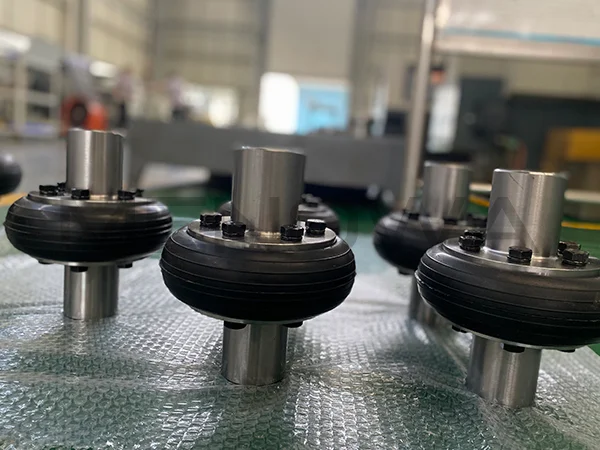
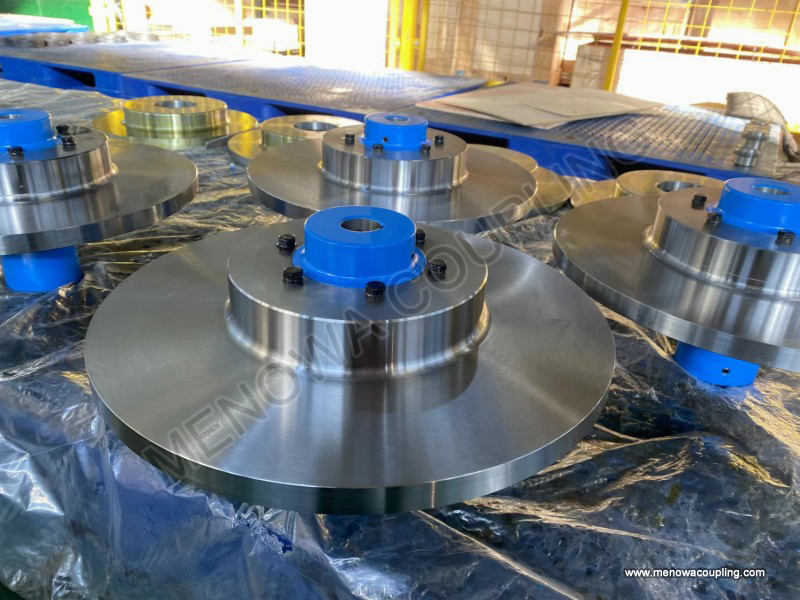
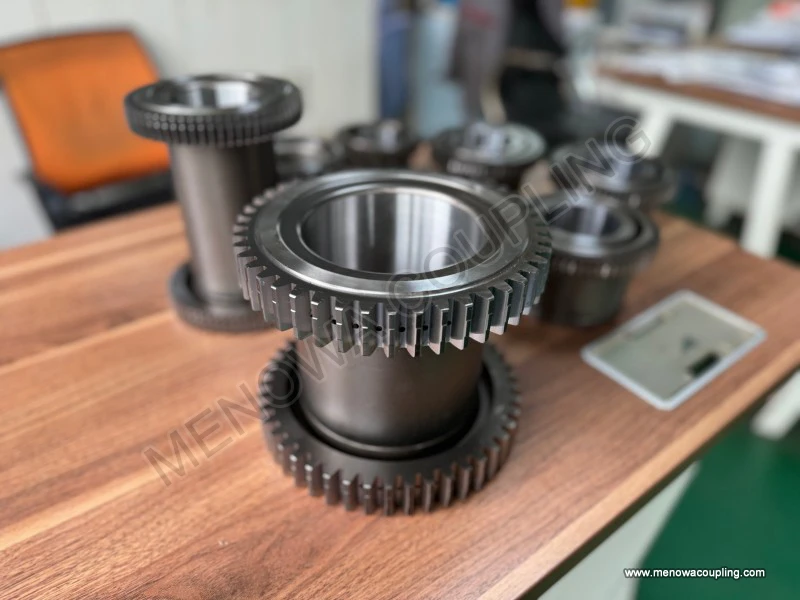
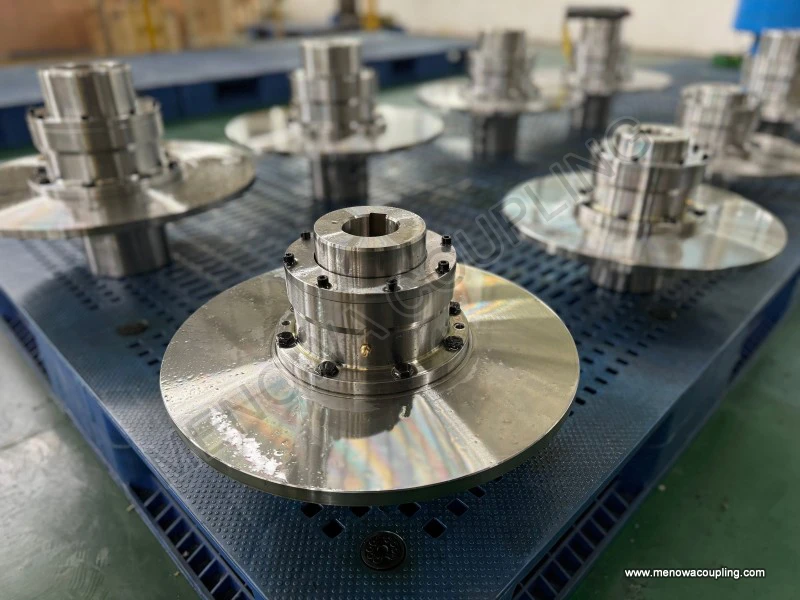
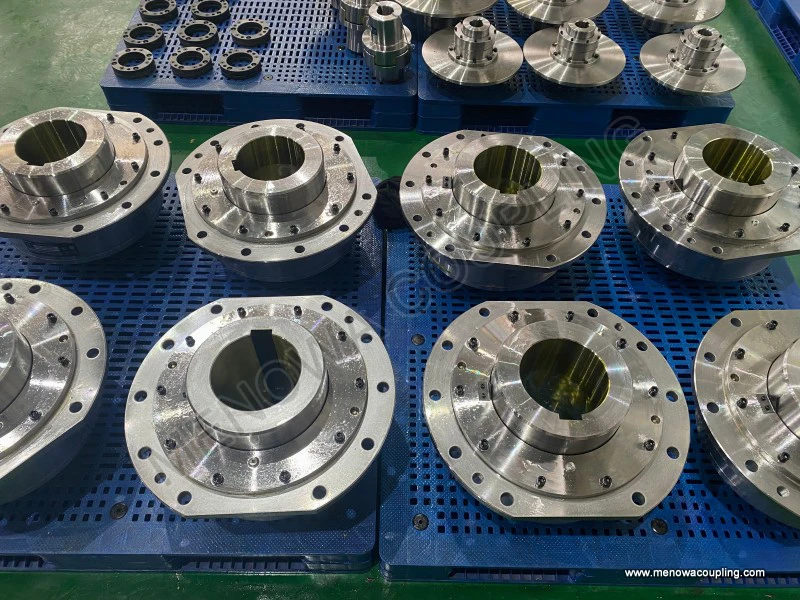
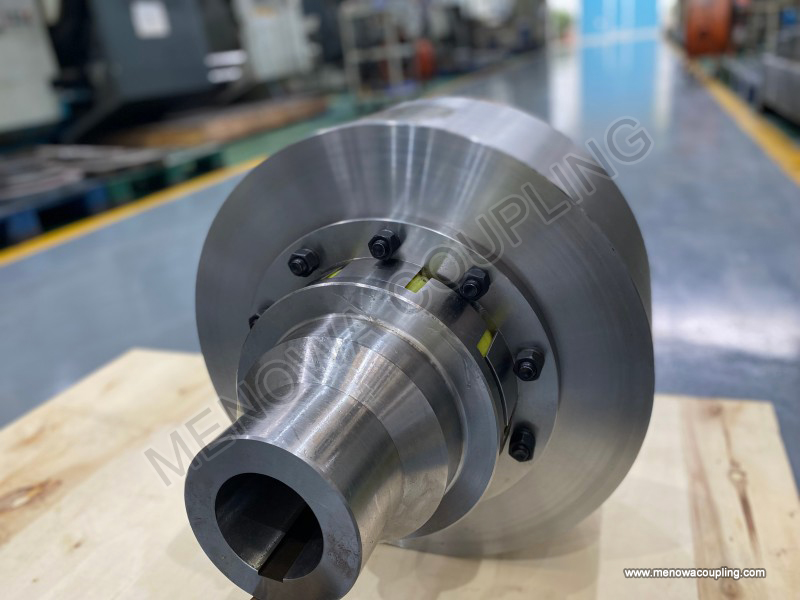
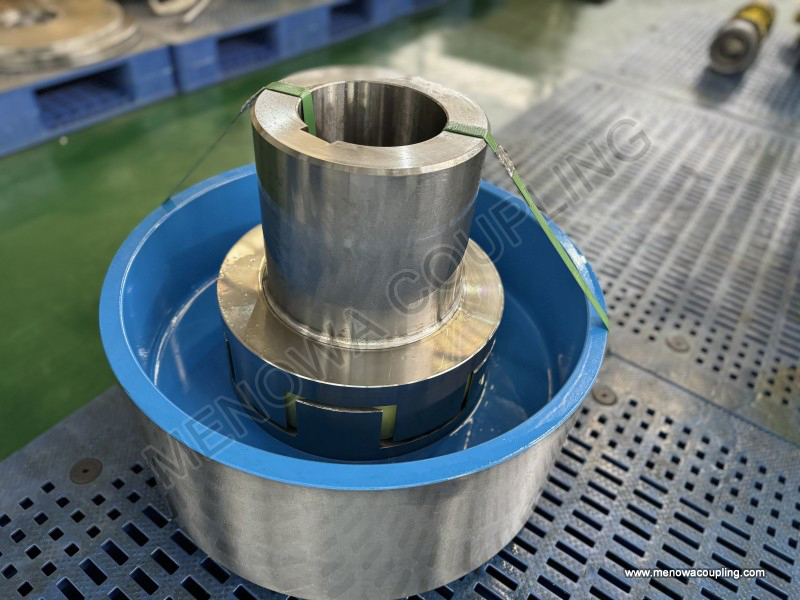
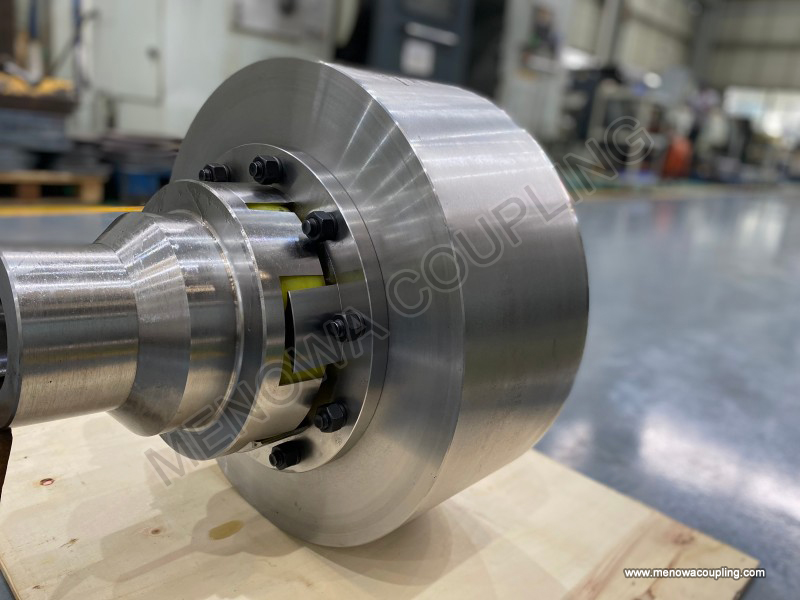
The basic structural composition of elastic couplings follows a mature and standardized mechanical design logic, and different structural forms derived according to different use scenarios and load intensities have consistent core component configurations, ensuring the unity of basic functions and the diversity of adaptive performance. A complete flexible coupling product mainly includes two rigid hub structures, an intermediate elastic deformation element and a set of fastening and connecting auxiliary parts. The two rigid hubs are usually processed from metal materials with high strength, high rigidity and good wear resistance, and are respectively fixedly installed on the outer circle of the driving shaft and the driven shaft through interference fit or fastening connecting structures. The main function of the rigid hubs is to ensure the stable connection between the coupling and the shaft body, bear the basic torque transmission load, and maintain the overall structural stability of the coupling during high-speed rotation. The intermediate elastic element is the most critical functional core of the entire elastic coupling, and all the core performances such as deviation compensation, vibration damping and impact resistance of the coupling are realized by relying on this part. The structural forms of elastic elements are diverse, including block-shaped elastic bodies, sleeve-shaped elastic bodies, disc-shaped elastic diaphragms, spiral elastic structures and pin-shaped elastic parts, and the specific structural shape is designed and adjusted according to the required torque transmission range, misalignment compensation capacity and vibration damping demand. The fastening and connecting auxiliary parts include conventional connecting bolts, anti-loosening gaskets and positioning parts, which are mainly used to firmly assemble the rigid hubs and elastic elements into a unified whole, preventing structural loosening and displacement caused by long-term vibration during equipment operation, and ensuring the long-term stable and reliable operation of the coupling.
The material selection of each component of elastic couplings is directly related to the overall service performance, operating stability and service life of the product, and the material matching design has obvious pertinence and professionalism according to different working conditions and use environments. For the rigid hub parts that need to bear high torque and maintain structural rigidity, metal materials with excellent mechanical strength, good processing performance and strong fatigue resistance are generally selected. These metal materials can maintain stable structural shape and mechanical performance under long-term high-load rotation and frequent torque impact, and will not produce permanent deformation or structural damage due to long-term stress action, ensuring the accurate docking and stable connection between the coupling and the shaft body. For the core elastic elements, the material selection is more diverse and targeted, and common materials include high-elasticity polymer elastomers, polyurethane composite materials and special flexible metal materials. Different elastic materials have different elasticity, hardness, wear resistance, temperature resistance and aging resistance characteristics, which can meet the use needs of different mechanical equipment under different operating environments. Elastomer and polyurethane materials have good comprehensive elasticity and vibration damping performance, low manufacturing cost, good adaptive effect on conventional low and medium load working conditions, and can effectively absorb daily vibration and conventional impact loads in the transmission process. Flexible metal elastic materials have higher structural strength, better high temperature resistance and fatigue resistance, can maintain stable elastic deformation performance under high-speed operation, high-load torque transmission and harsh extreme working environments, and are suitable for high-end precision mechanical equipment and industrial equipment with harsh operating conditions and high operation requirements. The scientific matching of rigid hub metal materials and elastic element flexible materials makes the elastic coupling have both rigid torque transmission capacity and flexible buffer compensation performance, realizing the perfect combination of strength and flexibility in mechanical transmission.
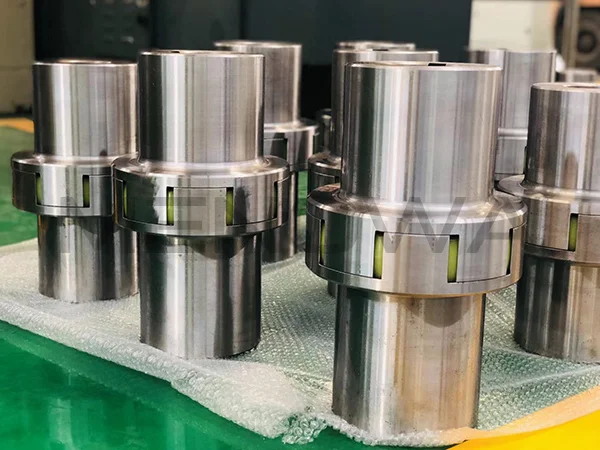
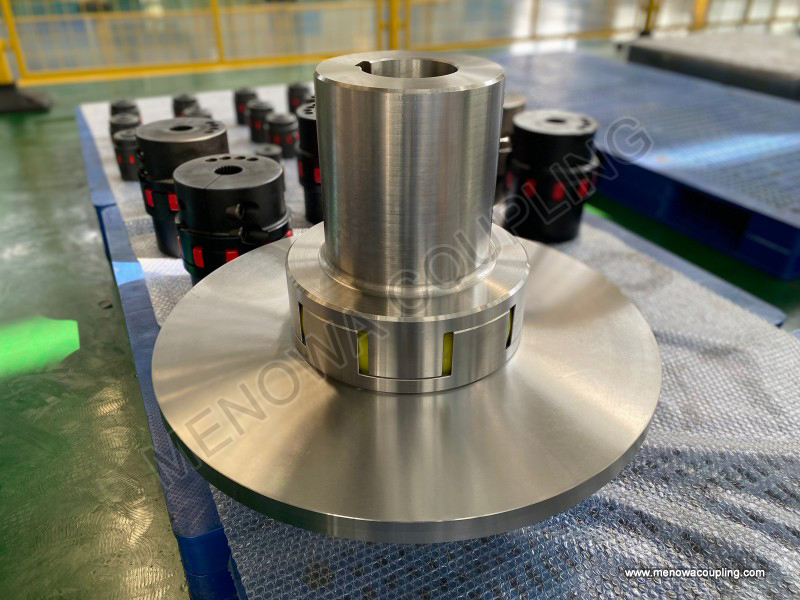
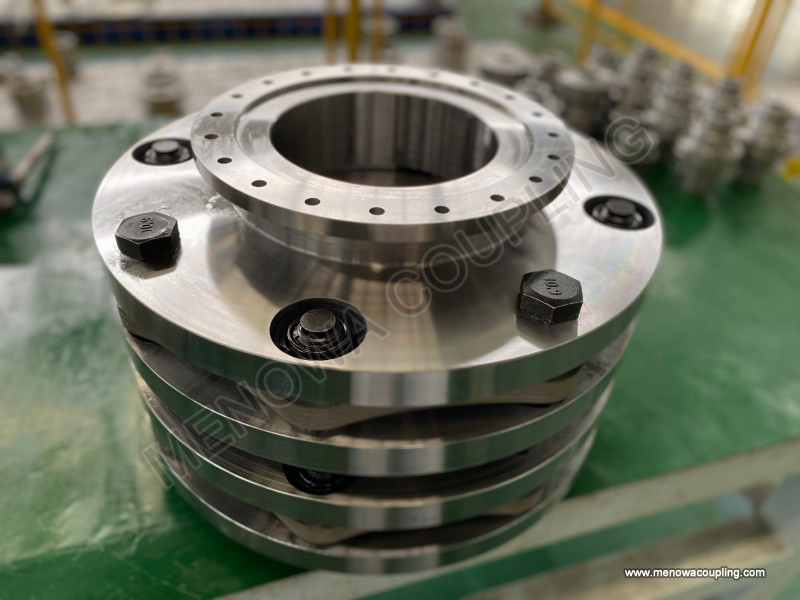
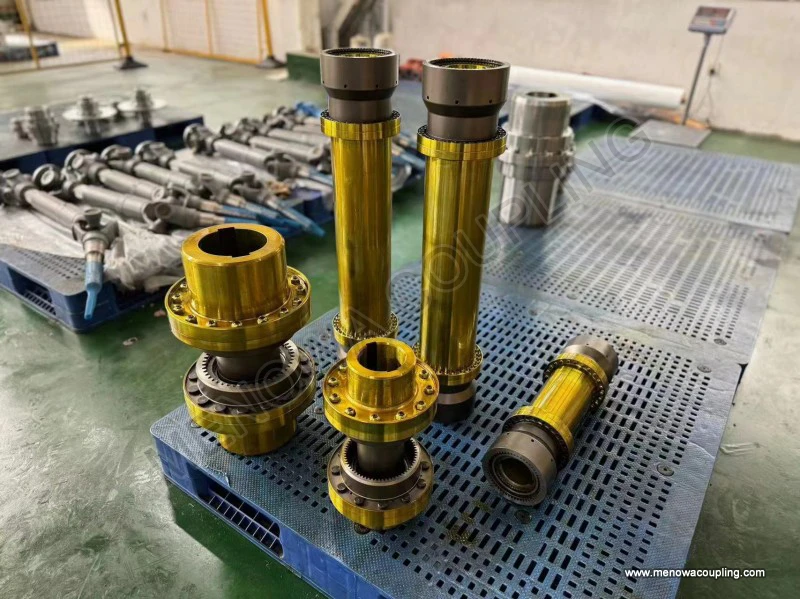
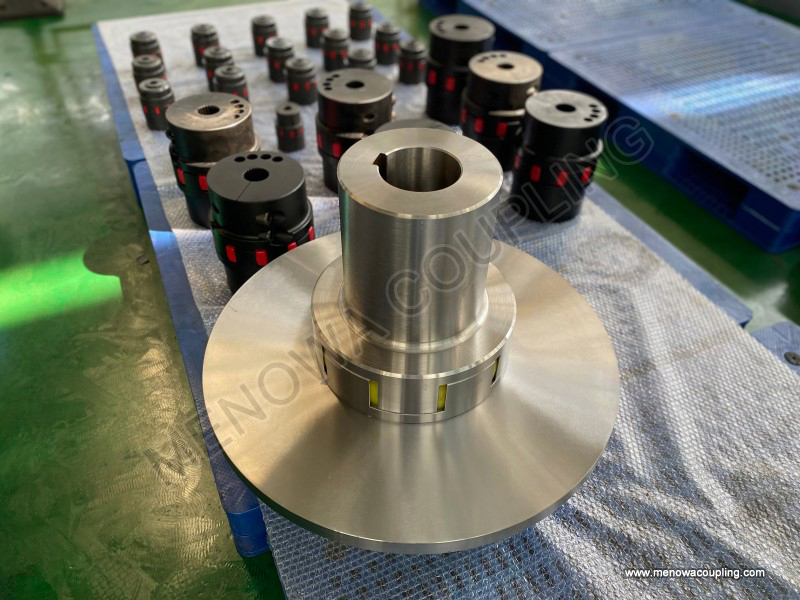
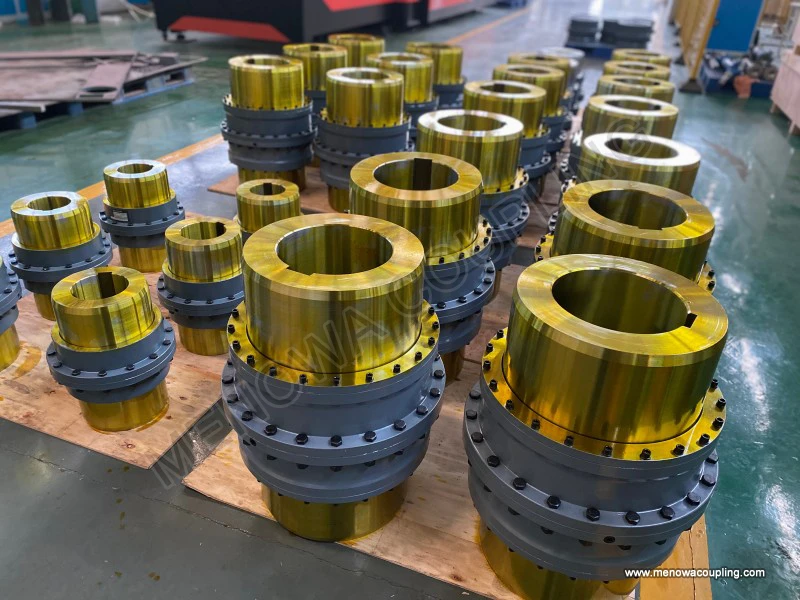
According to different structural design forms, elastic deformation modes and torque transmission mechanisms, flexible couplings can be divided into several common mainstream types, each with distinct performance characteristics and targeted application scenarios, covering almost all mechanical transmission occasions that need flexible connection and vibration damping protection in the industrial field. Jaw type elastic couplings are one of the most widely used basic types, with a compact overall structure and simple assembly and disassembly operation. This type of coupling relies on the elastic intermediate block clamped between the jaws of two rigid hubs to transmit torque and compensate for misalignment deviations, with good basic vibration damping effect and small installation space occupation, suitable for conventional general mechanical equipment such as ordinary conveying machinery, small and medium-sized processing equipment and general electromechanical transmission devices. Diaphragm type flexible couplings use stacked thin metal elastic diaphragms as the core deformation elements, relying on the micro elastic deformation of the diaphragm structure to complete torque transmission and shaft deviation compensation. This type of coupling has extremely high transmission accuracy, small rotation inertia, no rotation backlash, and excellent high-speed operation stability, suitable for precision processing equipment, high-speed rotating mechanical devices and transmission systems that require high torque transmission accuracy and low vibration operation. Sleeve type elastic couplings adopt an integral elastic sleeve structure as the intermediate connecting part, with simple overall structure, low operation noise and good axial displacement compensation effect, suitable for medium and low speed mechanical transmission occasions with small load fluctuation and stable operation state. Pin type elastic couplings take elastic pins as the deformation and transmission core, with strong torque bearing capacity and good impact resistance, suitable for medium and large load industrial transmission equipment that needs to bear occasional impact loads and long-term continuous operation. Different types of flexible couplings have their own performance advantages and applicable boundaries, and mechanical equipment designers can select the most suitable coupling type according to the actual working load, rotating speed, misalignment degree and environmental conditions of the equipment.
In the actual operation and application process of mechanical equipment, the practical value of flexible couplings is reflected in multiple dimensions of equipment operation protection, transmission efficiency improvement, operation cost reduction and service life extension, bringing comprehensive and tangible optimization effects to the entire mechanical transmission system. The most direct and core value is to effectively protect the core components of mechanical transmission equipment. By compensating for various misalignment deviations between the driving and driven shafts and absorbing vibration and impact loads generated during operation, elastic couplings can greatly reduce the additional mechanical stress and friction wear borne by shaft bodies, bearings, gears and other precision transmission parts, avoid premature fatigue damage and accelerated aging of key components, and reduce the probability of mechanical failure caused by transmission misalignment and vibration impact. For mechanical equipment that needs long-term continuous uninterrupted operation, this protective effect can effectively reduce unexpected equipment shutdown times, improve the overall operation continuity and production efficiency of the production line, and avoid production losses caused by equipment failure and shutdown. Secondly, flexible couplings can effectively improve the smoothness and stability of the power transmission process. In the operation of mechanical systems, rigid transmission connections often produce obvious vibration, impact and noise during equipment start-stop, load switching and speed regulation, which not only affect the operating accuracy of the equipment, but also cause certain noise pollution to the working environment. The elastic buffer performance of elastic couplings can smooth the torque mutation in the transmission process, reduce vibration and noise generated by rigid transmission, make the power output and load operation of the equipment more stable and gentle, and improve the overall operation comfort and working environment quality of the production workshop.
In addition to the core equipment protection and stable transmission functions, flexible couplings also have significant advantages in reducing equipment daily operation and maintenance costs and simplifying mechanical system maintenance work. Most elastic couplings have a simple and compact structural design, no complex transmission structures and easily damaged precision parts, and do not need regular lubrication, frequent debugging and complex daily maintenance work during long-term operation. Compared with other complex transmission connecting components that require regular maintenance and regular replacement of wearing parts, the later maintenance work of flexible couplings is extremely simple, with low maintenance labor input and low replacement cost of vulnerable parts. Long-term application practice shows that reasonable selection and correct installation of elastic couplings can effectively extend the overall maintenance cycle of mechanical equipment, reduce the frequency of equipment maintenance and parts replacement, reduce the manpower and material resources investment in equipment daily maintenance and later overhaul, and create good economic benefits for industrial production and mechanical equipment operation. At the same time, the good adaptive adjustment performance of flexible couplings can tolerate slight assembly errors and minor structural deformation of equipment after long-term operation, reduce the high-precision assembly requirements of mechanical equipment in the installation process, simplify the equipment assembly and debugging process, improve the efficiency of equipment installation and commissioning, and shorten the equipment put-into-operation cycle.
Elastic couplings have extremely wide application coverage in modern industrial production, mechanical manufacturing, civil supporting equipment and other fields, and can be seen in almost all mechanical scenarios involving rotary power transmission flexible connection. In the field of industrial manufacturing and production processing, flexible couplings are widely used in various production line conveying equipment, mechanical processing machine tools, forging and stamping machinery, metallurgical production equipment, chemical production supporting machinery and mining mechanical equipment. These industrial equipments have the characteristics of long continuous operation time, large operating load, frequent load fluctuation and harsh working environment, and need elastic couplings to provide stable torque transmission, effective vibration damping and reliable equipment protection to ensure the stable operation of production machinery and the smooth progress of production and processing work. In the field of power transmission and electromechanical supporting, flexible couplings are applied to various motor matching transmission devices, generator sets, fan and water pump supporting equipment and compressor operation systems, buffering the vibration and impact generated during the start and operation of power equipment, ensuring the stable output of power and the normal operation of supporting load equipment. In the field of precision mechanical equipment and intelligent electromechanical devices, precision elastic couplings with high transmission accuracy and low vibration performance are used in automation processing equipment, intelligent robot transmission joints, precision testing instruments and automated production supporting equipment, ensuring the high-precision operation and accurate motion control of precision mechanical systems. In the field of civil machinery and daily supporting equipment, flexible couplings are also applied to various general mechanical devices and small electromechanical equipment, providing basic stable transmission and vibration reduction protection for the normal operation of civil mechanical equipment.
Although elastic couplings have excellent comprehensive performance and wide application adaptability in mechanical transmission work, the long-term stable and reliable operation of flexible couplings is inseparable from reasonable type selection, standardized installation and regular simple inspection and maintenance. In the type selection stage of elastic couplings, it is necessary to fully combine the actual working parameters of mechanical equipment, including operating torque range, working rotating speed, shaft body misalignment deviation range, operating ambient temperature and load fluctuation degree, to select the coupling with appropriate structural type, material configuration and performance parameters. Blind selection of couplings that do not match the working conditions will lead to insufficient compensation and vibration damping performance of the coupling, or excessive performance surplus causing unnecessary cost waste, which cannot achieve the best matching effect between the coupling and the mechanical system. In the equipment installation process, the installation operation must be carried out in strict accordance with the standardized assembly process requirements, ensuring that the coaxiality of the two shafts is controlled within the reasonable compensation range of the coupling, the fastening connecting parts are installed in place with uniform fastening force, and the structural assembly is firm and reliable, avoiding structural deviation and hidden dangers of loosening caused by non-standard installation. In the daily operation process of the equipment, it is only necessary to carry out regular simple visual inspection and running state detection of the flexible coupling, check whether the elastic elements have aging deformation, wear damage and structural failure, and whether the connecting fasteners have loosening and displacement. Timely replacement of aging and damaged elastic elements and fastening of loose connecting parts can ensure that the elastic coupling always maintains good working performance and long service life.
With the continuous progress of modern mechanical manufacturing technology, the continuous upgrading of industrial production equipment and the increasing requirements for mechanical transmission efficiency, operation stability and equipment energy consumption control, the design and manufacturing technology of flexible couplings is also constantly innovating and optimizing, moving towards the development direction of higher transmission accuracy, better vibration damping performance, stronger environmental adaptability, longer service life and more compact structural design. The continuous optimization of elastic element materials and structural design makes the compensation capacity and vibration damping effect of elastic couplings continuously improved, which can adapt to more complex and harsh working conditions and higher standard mechanical operation requirements. The continuous progress of precision processing and manufacturing technology makes the overall structural coordination and transmission stability of elastic couplings continuously enhanced, meeting the matching needs of high-end precision mechanical equipment and intelligent automated mechanical systems. As an indispensable basic core component in modern mechanical transmission systems, elastic couplings will always rely on their unique flexible transmission and buffer protection advantages, continuously adapt to the development and upgrading of various mechanical equipment, provide solid and reliable basic guarantee for the stable operation, efficient transmission and long-term service of all kinds of mechanical systems, and play an irreplaceable important role in the sustainable development of mechanical manufacturing industry and industrial production field. In the future mechanical design and equipment manufacturing work, attaching importance to the reasonable application and scientific selection of flexible couplings, giving full play to the comprehensive performance advantages of elastic couplings, will still be an important basic work to improve the overall operating quality of mechanical equipment, reduce operation and maintenance costs, and extend the service life of mechanical systems.
 WeChat
 WhatsApp