Characteristics of Universal Coupling
A universal coupling, also commonly referred to as a universal joint or U-joint, is a critical mechanical component designed to connect two rigid shafts whose axes are inclined to each other, enabling the transmission of rotary motion and torque even when the shafts are not perfectly aligned. This versatile component has become an indispensable part of numerous mechanical systems, spanning industries from automotive and aerospace to industrial manufacturing and agricultural machinery, due to its unique set of characteristics that address the challenges of misaligned shaft transmission. Unlike rigid couplings that require precise coaxial alignment between the connected shafts, universal couplings offer a high degree of flexibility, making them ideal for applications where shaft misalignment is inevitable, whether due to manufacturing and installation errors, structural deformation under load, or dynamic changes in the position of mechanical components during operation. The fundamental design of a universal coupling revolves around a pair of hinges positioned close together, oriented at 90 degrees to each other, and connected by a cross shaft—a structure that allows for angular movement while maintaining a continuous transfer of power. This basic design has evolved over centuries, with roots dating back to ancient times when gimbals, the precursor to the universal joint, were used in devices like ballistae by the ancient Greeks. Later, in the 16th and 17th centuries, scholars and inventors such as Gerolamo Cardano and Robert Hooke further refined the design, with Hooke being the first to formally describe the component as a "universal joint" in his 1676 book Helio Scopes, leading to the widespread use of the term "Hooke's joint" in the English-speaking world.
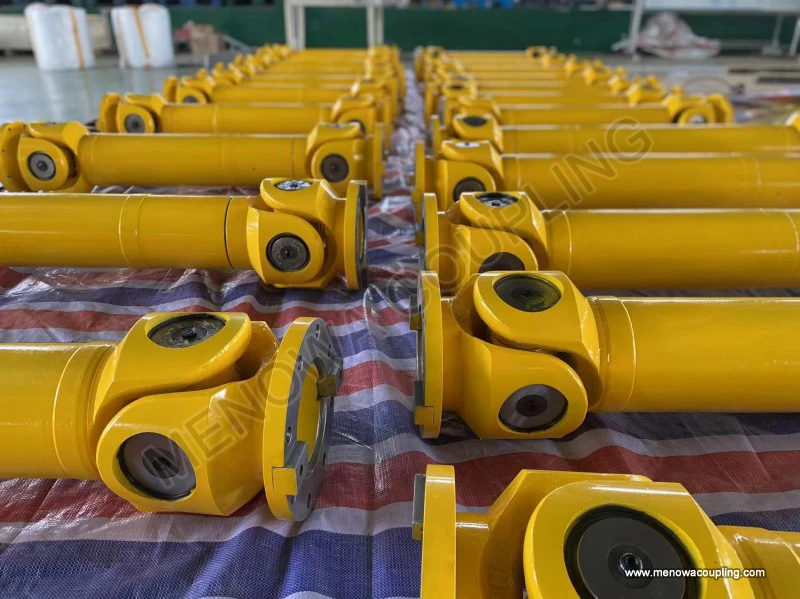
One of the most prominent and defining characteristics of a universal coupling is its exceptional angular compensation capability, which allows it to accommodate significant misalignment between the two connected shafts. Unlike many other types of couplings that can only handle minor axial or radial displacements, universal couplings excel at compensating for angular misalignment, with the allowable angle between the two shafts typically ranging from 5 degrees to 45 degrees depending on the specific structural design. This range can be extended even further in specialized models, making universal couplings particularly suitable for applications where the shafts are intersecting or where the angle between them changes dynamically during operation. For example, in automotive drive systems, the universal coupling connects the transmission to the rear axle, accommodating the vertical movement of the axle as the vehicle travels over uneven terrain. Similarly, in construction machinery such as excavators and cranes, universal couplings enable the transmission of power between components that move relative to each other, ensuring continuous operation even when the equipment is in different positions. This angular flexibility not only simplifies the installation process by reducing the need for precise coaxial alignment but also reduces the mechanical stress on the shafts and other connected components, thereby extending the overall service life of the system. The ability to compensate for misalignment also makes universal couplings highly adaptable to a wide range of operating conditions, as they can adjust to changes in shaft position caused by thermal expansion, vibration, or structural deformation.
Another key characteristic of universal couplings is their high load-bearing capacity and efficient torque transmission. Designed to handle both light and heavy-duty applications, universal couplings are typically constructed from high-strength materials such as alloy steel, forged steel, and carbon steel, which undergo heat treatment to enhance their strength, wear resistance, and fatigue life. Common materials used include 45 steel, 45 forged steel, and 40 chromium, with heavier-duty models incorporating alloy cast steel or forged steel components to withstand extreme torque loads. This robust construction allows universal couplings to transmit large amounts of torque without significant deformation or failure, making them suitable for use in heavy machinery such as轧钢机 (rolling mills), mining equipment, and ship propulsion systems. In addition to their high load-bearing capacity, universal couplings also offer excellent transmission efficiency, with most standard models achieving an efficiency of 90% or higher. Ball cage-type universal couplings, which are designed for high-speed applications, can achieve efficiencies close to 98% due to their rolling contact transmission mechanism, minimizing energy loss and improving the overall energy efficiency of the mechanical system. This combination of high load capacity and efficient torque transmission makes universal couplings a reliable choice for power transmission in both industrial and mobile applications.
The structural compactness of universal couplings is another notable characteristic that contributes to their widespread use. Unlike some other types of flexible couplings that require large installation spaces, universal couplings have a relatively small and lightweight design, making them ideal for applications where space is limited. The compact structure is achieved through the efficient arrangement of components, with the cross shaft and hinge assembly occupying minimal space while still providing the necessary flexibility and load-bearing capacity. This compactness is particularly advantageous in automotive applications, where underhood space is limited, and in small industrial machinery where every inch of space is valuable. Despite their small size, universal couplings do not compromise on performance, maintaining high levels of strength and flexibility. Additionally, the simple design of most universal couplings makes them easy to assemble and disassemble, facilitating maintenance and repair work. The simplicity of the design also contributes to their cost-effectiveness, as they can be manufactured using standard production processes without the need for complex machining or specialized components.
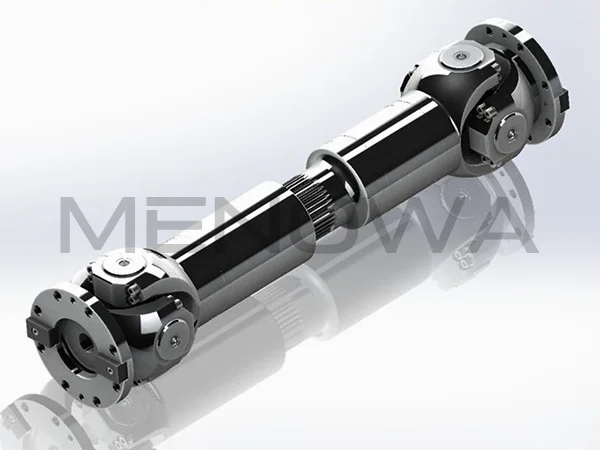
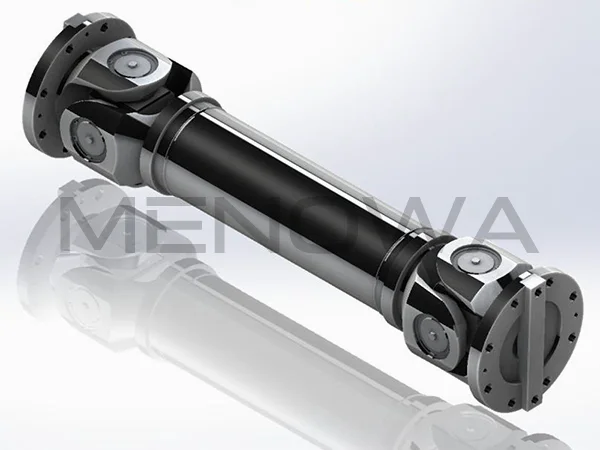
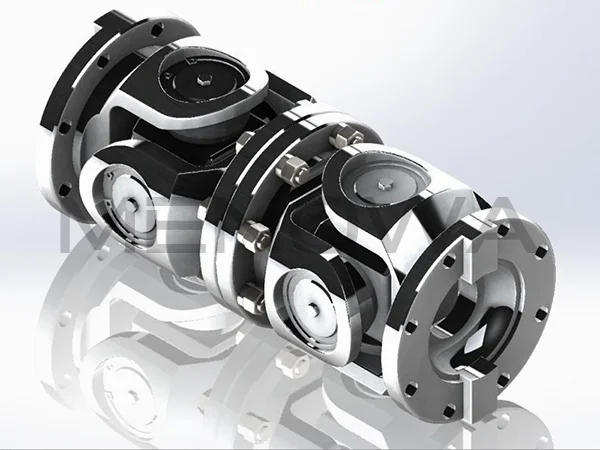
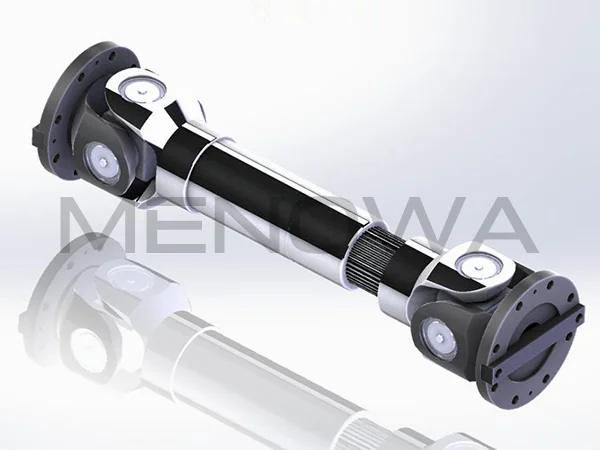
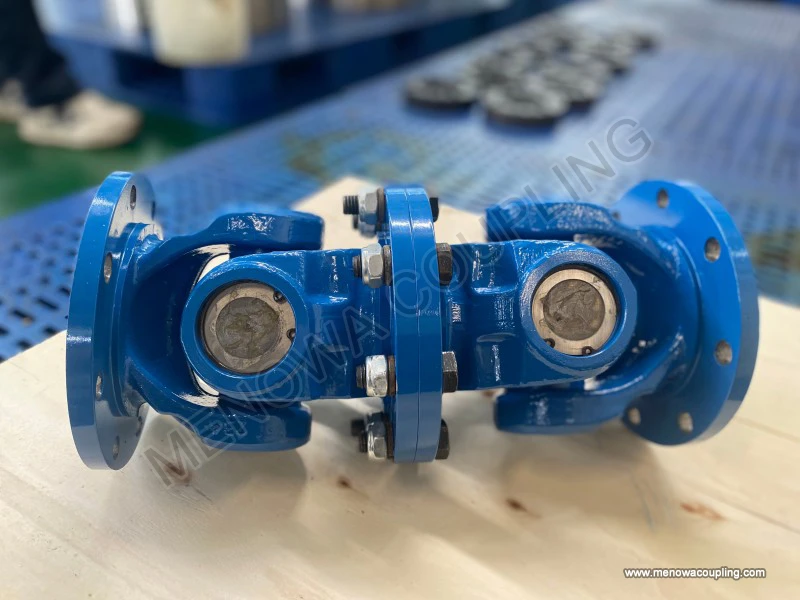
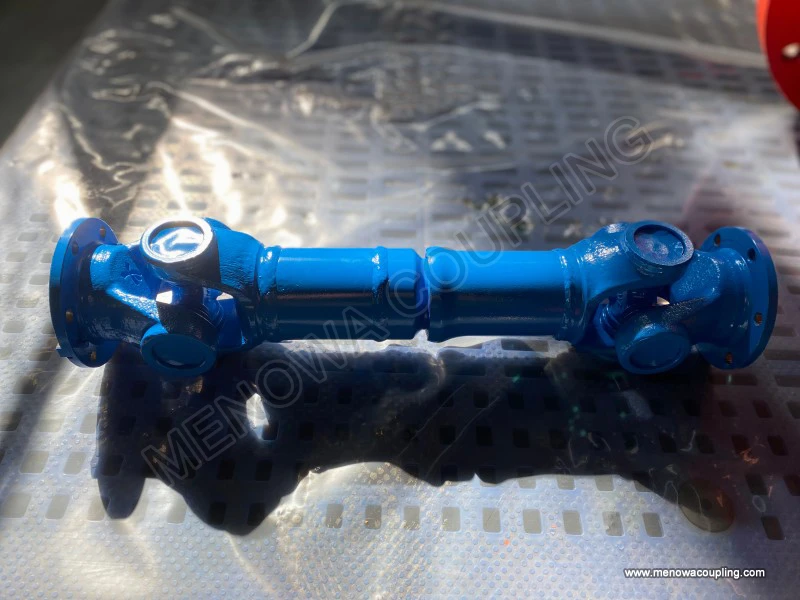
Universal couplings exhibit a high degree of adaptability, with a wide range of structural variations available to suit different application requirements. The most common type is the cross-axis universal coupling, which consists of a cross shaft, four bearings, and two yokes (fork heads) that connect to the driving and driven shafts. This type is widely used in medium to heavy-duty applications due to its simplicity, robustness, and high load-bearing capacity. Another common type is the ball cage universal coupling, also known as a constant velocity (CV) joint, which uses a cage of steel balls to maintain a constant rotational speed in the output shaft regardless of the angular misalignment. This type is particularly suitable for high-speed applications such as front-wheel-drive vehicles and precision machinery, as it minimizes vibration and ensures smooth power delivery. Double universal coupling assemblies, which consist of two universal joints connected by an intermediate shaft, are used to reduce speed fluctuations that occur in single universal couplings when the angular misalignment is large. By arranging the two joints 90 degrees out of phase, the double universal coupling ensures that the speed of the output shaft matches the speed of the input shaft, eliminating the non-uniform rotational speed characteristic of single joints. Other variations include ball joint universal couplings, three-pin universal couplings, and sliding bearing cross-axis universal couplings, each designed to address specific application needs such as high radial load capacity, compact size, or resistance to harsh environments.
Despite their numerous advantages, universal couplings also have certain inherent limitations that must be considered when selecting them for a specific application. One of the most significant limitations is the non-constant velocity transmission characteristic of single universal couplings. When the two shafts are misaligned, the output shaft speed fluctuates periodically, with the degree of fluctuation increasing as the angular misalignment increases. This speed variation can cause vibration, noise, and additional stress on the connected components, which can be problematic in precision applications where smooth, consistent motion is required. To mitigate this issue, double universal couplings or ball cage CV joints are often used, as they provide constant velocity transmission. However, these solutions increase the complexity and cost of the coupling assembly. Another limitation is the need for regular maintenance, particularly for cross-axis universal couplings. The bearings and cross shaft are subject to wear due to the sliding and rolling contact between components, and they require regular lubrication to reduce friction and prevent premature failure. In harsh environments such as those with high levels of dust, moisture, or corrosive substances, the wear rate increases, requiring more frequent maintenance and replacement of components. Additionally, while universal couplings can compensate for angular misalignment, excessive misalignment can lead to increased wear, reduced transmission efficiency, and shortened service life, so proper installation and alignment are still important.
The performance of universal couplings is also influenced by several factors, including the material used, the design of the components, and the operating conditions. The choice of material is critical, as it directly affects the strength, wear resistance, and fatigue life of the coupling. High-strength alloys are typically used for heavy-duty applications, while lighter materials may be used for light-duty applications where weight is a concern. The design of the cross shaft and bearings also plays a crucial role in determining the coupling's performance. For example, larger cross shafts and high-quality bearings can handle higher torque loads and reduce wear, while precision machining ensures smooth operation and minimal vibration. Operating conditions such as temperature, speed, and load also impact the performance of universal couplings. High temperatures can degrade lubricants and weaken materials, while high speeds require precise balancing to prevent vibration and premature failure. Heavy loads can increase stress on the components, leading to deformation or failure if the coupling is not properly sized for the application. By carefully considering these factors, engineers can select the appropriate universal coupling for a given application, ensuring optimal performance and longevity.
In terms of application versatility, universal couplings are used in a wide range of industries and mechanical systems. In the automotive industry, they are a key component of drive shafts, connecting the transmission to the axles in rear-wheel-drive, four-wheel-drive, and all-wheel-drive vehicles. They also find use in steering systems, where they allow for the transmission of motion between the steering wheel and the steering gear, accommodating the angular movement of the steering column. In industrial manufacturing, universal couplings are used in machinery such as conveyors, pumps, compressors, and mixers, where they connect motors to driven components that may be misaligned. In the agricultural industry, they are used in tractors and other farm equipment, connecting the engine to implements such as plows, harvesters, and irrigation pumps. In the aerospace industry, universal couplings are used in aircraft systems, such as landing gear and engine components, where they must operate reliably under extreme conditions of temperature, pressure, and vibration. They also find application in marine systems, such as ship propulsion systems, where they connect the engine to the propeller, accommodating the misalignment between the engine and the propeller shaft.
The durability and reliability of universal couplings are also important characteristics that make them a preferred choice for many applications. When properly designed, manufactured, and maintained, universal couplings can have a long service life, even in harsh operating conditions. The robust construction using high-strength materials ensures that they can withstand the stresses of continuous operation, while regular lubrication and maintenance help to prevent wear and extend their service life. Additionally, the simplicity of their design means that they are less prone to mechanical failure compared to more complex coupling systems. However, it is important to note that the service life of a universal coupling is also dependent on the operating conditions and the level of maintenance it receives. In applications where the coupling is exposed to excessive dust, moisture, or corrosive substances, or where it is subjected to overloading or misalignment beyond its design limits, the service life will be significantly reduced.
Advancements in materials science and manufacturing technology have further enhanced the characteristics of universal couplings in recent years. The development of high-strength, lightweight materials such as advanced alloys and composites has allowed for the design of universal couplings that are both stronger and lighter, making them suitable for applications where weight reduction is critical, such as in automotive and aerospace systems. Improvements in machining precision have also led to the production of universal couplings with tighter tolerances, reducing vibration and improving transmission efficiency. Additionally, the development of advanced lubricants has extended the service life of the coupling components by reducing friction and wear. These advancements have expanded the range of applications for universal couplings, allowing them to be used in more demanding environments and to meet the evolving needs of modern mechanical systems.
In summary, the characteristics of universal couplings—including their exceptional angular compensation capability, high load-bearing capacity, efficient torque transmission, structural compactness, adaptability, and application versatility—make them a critical component in a wide range of mechanical systems. While they have certain limitations, such as non-constant velocity transmission in single joints and the need for regular maintenance, these can be mitigated through proper design, selection, and maintenance. As materials and manufacturing technologies continue to advance, universal couplings are likely to become even more efficient, durable, and versatile, further solidifying their role as an essential part of modern mechanical power transmission systems. Whether in automotive, industrial, agricultural, aerospace, or marine applications, universal couplings provide a reliable and flexible solution for connecting misaligned shafts, ensuring the smooth and efficient transmission of power and motion.
Post Date: Apr 28, 2026
https://www.menowacoupling.com/china-coupling/characteristics-of-universal-coupling.html
Products
Tags
Supply
Related Articles
Universal Coupling Production
Universal couplings stand as indispensable mechanical components in modern industrial transmission systems, serving as flexible connection units that enable stable torque and rotational motion transfer between misaligned rotating shafts. Unlike rigid connecting structures that demand precise coaxial alignment of paired …Specification of Universal Coupling
Universal couplings represent a fundamental category of mechanical transmission components engineered to transmit rotational torque and motion between two shafts that operate with intentional or unavoidable misalignment. Widely adopted in mechanical transmission systems across industrial machinery, transportation equipm…Coaxiality of Universal Coupling
Coaxiality stands as one of the most fundamental and influential precision indicators governing the operational performance of universal couplings, serving as the core benchmark for evaluating the alignment accuracy between driving and driven shafts in mechanical transmission systems. A universal coupling, as a flexible…Size Chart of Universal Coupling
A universal coupling, also known as a universal joint, is a critical mechanical component designed to transmit torque between two shafts that are not aligned perfectly, allowing for angular misalignment while maintaining efficient power transfer. The size chart of a universal coupling serves as a fundamental reference t…Universal Coupling Supplier
In the complex and interconnected system of modern mechanical transmission equipment, universal couplings stand out as one of the most fundamental and indispensable functional components, serving as a critical bridge for power and motion transmission between rotating shafts in diverse mechanical structures. Unlike rigid…Structure of Universal Coupling
A universal coupling, widely recognized as a core mechanical transmission component in modern machinery systems, serves as a flexible connection device designed to transmit rotational torque and motion between two shafts that present angular, parallel, or axial misalignment. Its unique structural configuration enables s…
 WeChat
 WhatsApp