Cardan Drive Shaft
The cardan drive shaft stands as an indispensable mechanical power transmission component in modern mechanical engineering, serving as a critical connecting medium that transfers rotational torque and kinetic energy between two independently installed mechanical units with non-coaxial spatial positions and variable relative angles during operation. Unlike rigid transmission shafts that can only work under strict coaxial installation conditions, the fundamental design logic of the cardan drive shaft revolves around flexible adaptive transmission, breaking the limitations of fixed-axis power output and making stable and continuous power delivery possible between driving ends and driven ends that generate angular deviation, axial displacement and radial offset due to equipment installation errors, mechanical operation vibration, load fluctuation and structural deformation. This core functional characteristic enables the cardan drive shaft to penetrate numerous mechanical scenarios ranging from conventional road transportation equipment and off-road engineering machinery to industrial production lines, agricultural farming equipment and special industrial transmission systems, becoming a basic guarantee for the normal linkage and coordinated operation of various mechanical power assemblies. The development history of the cardan drive shaft can be traced back to the early exploration period of mechanical transmission technology, and after centuries of iterative upgrading in structural design, material selection and processing technology, it has evolved from simple original articulated transmission structures to refined, high-load and high-durability transmission components adapted to complex and harsh working environments, constantly matching the increasingly stringent power transmission demands of modern mechanical equipment for stability, reliability and long service life.
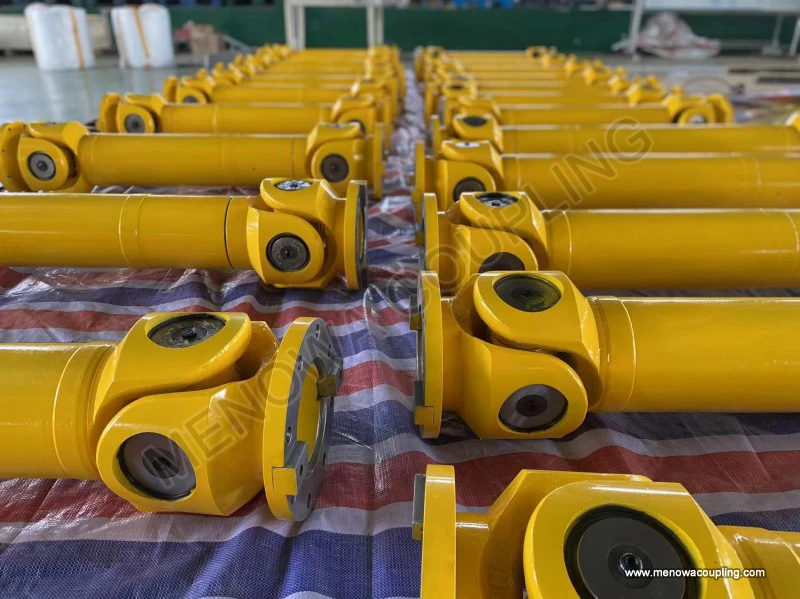
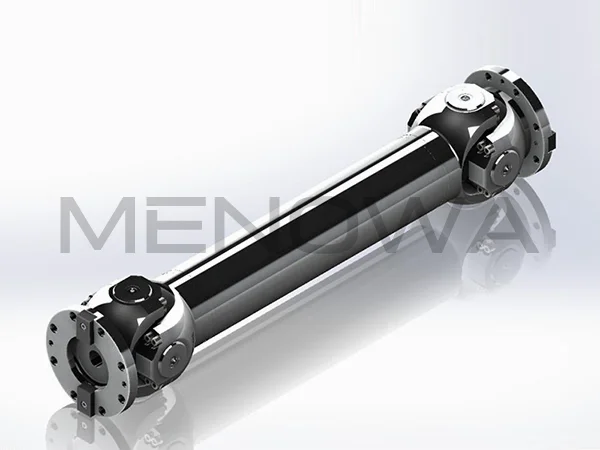
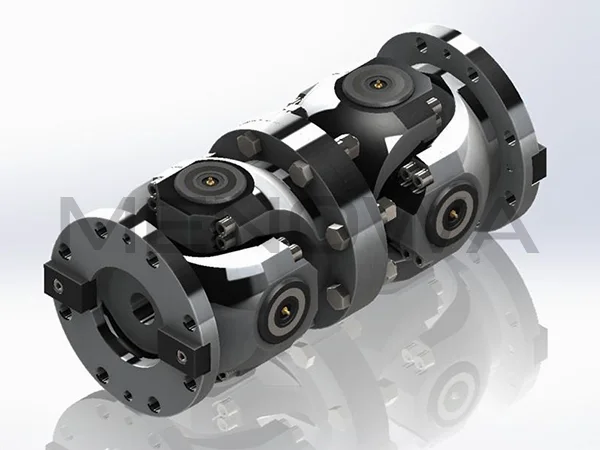
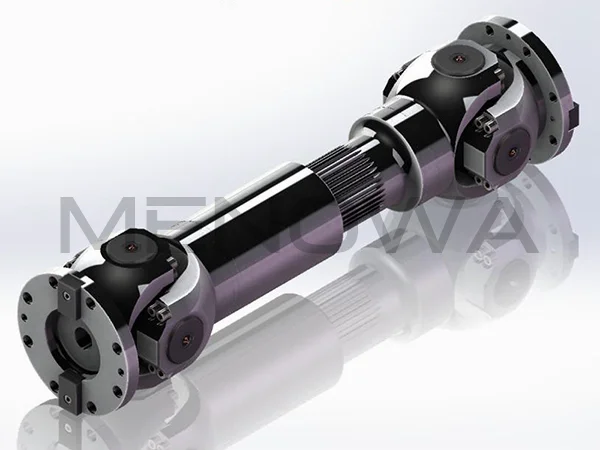
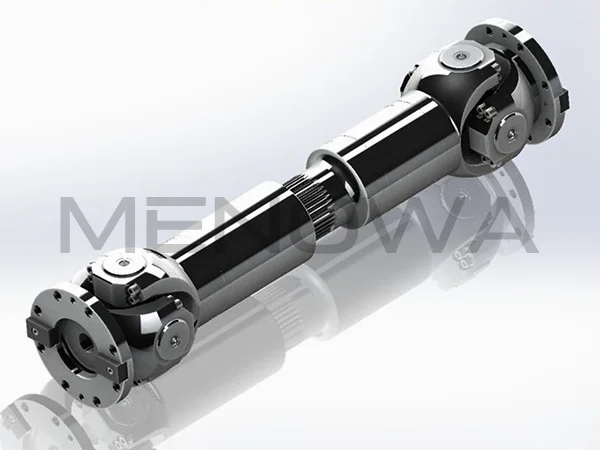
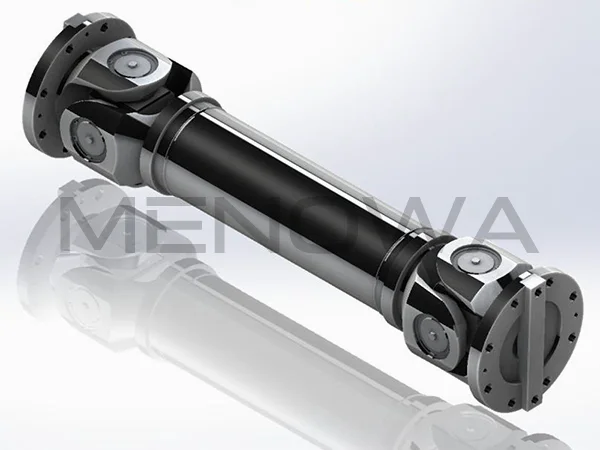
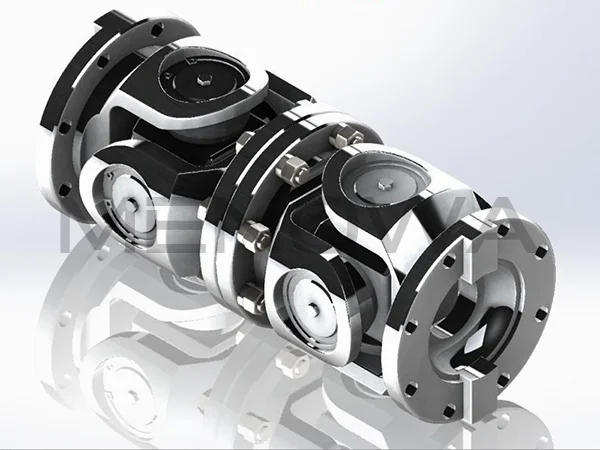
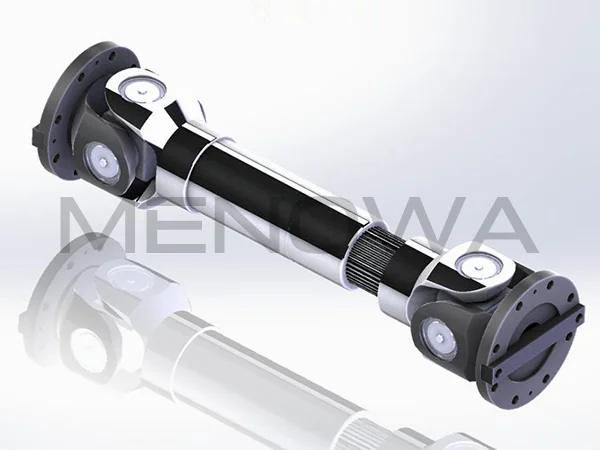
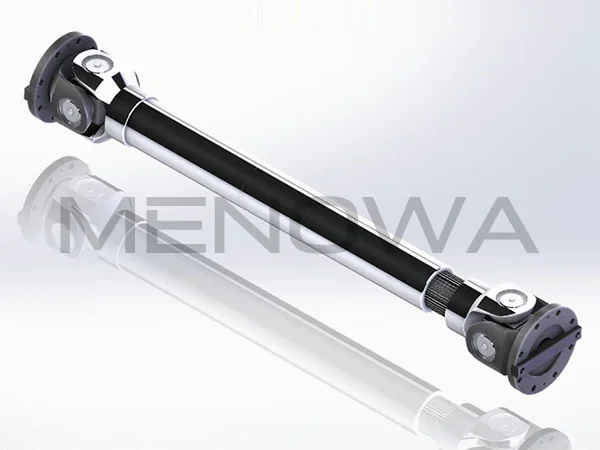
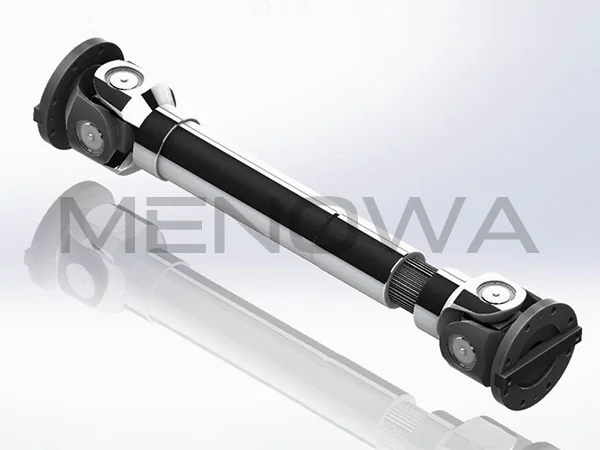
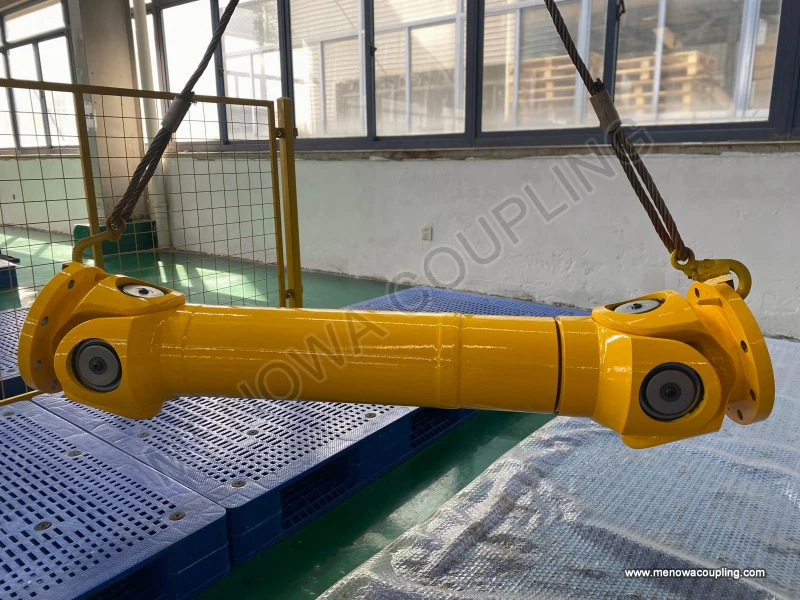
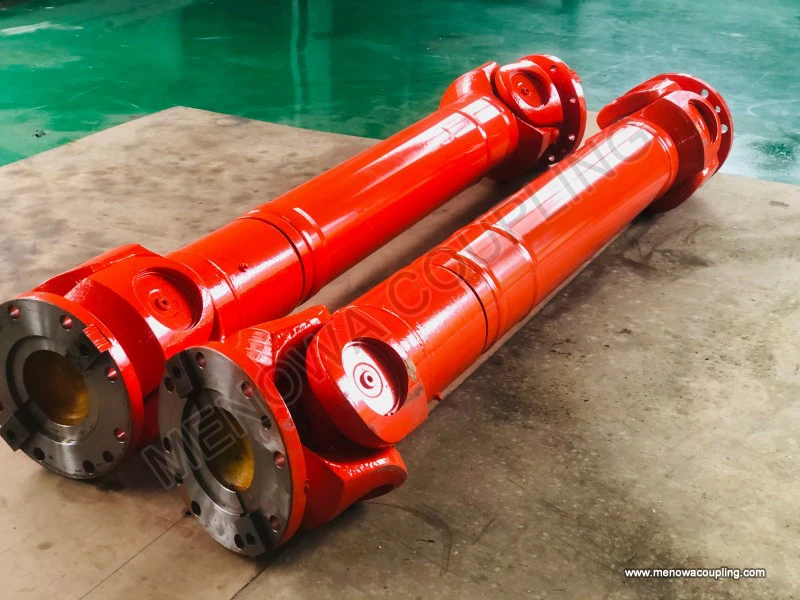
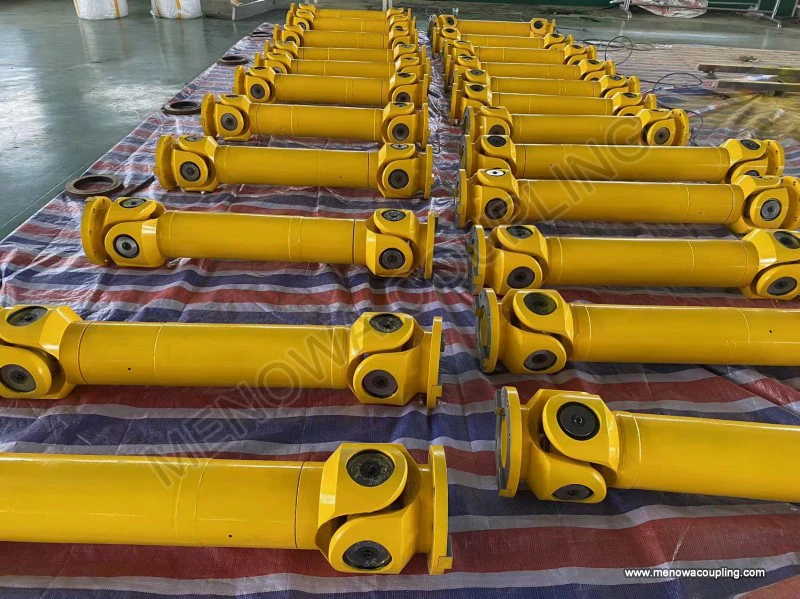
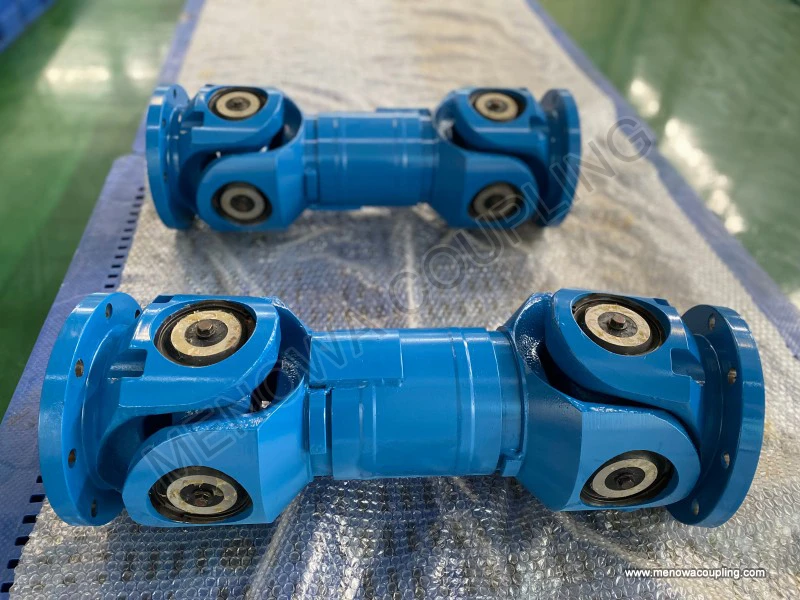
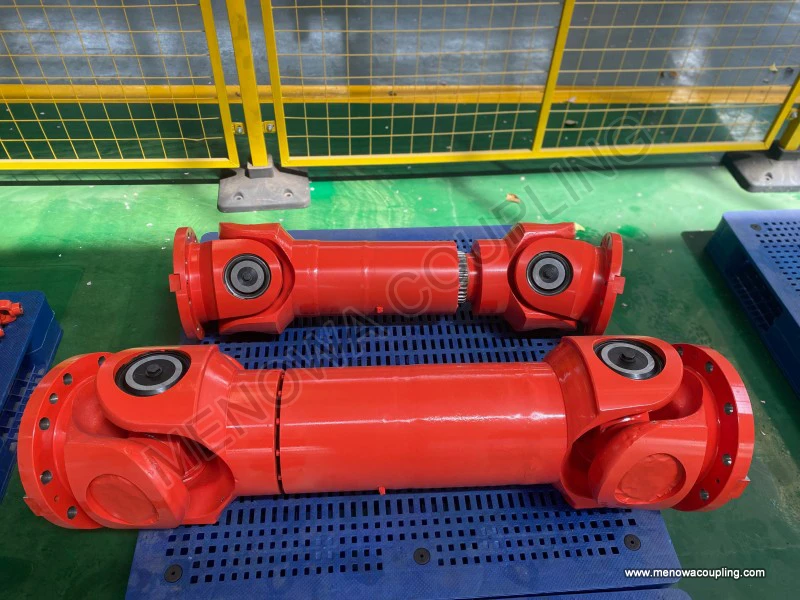
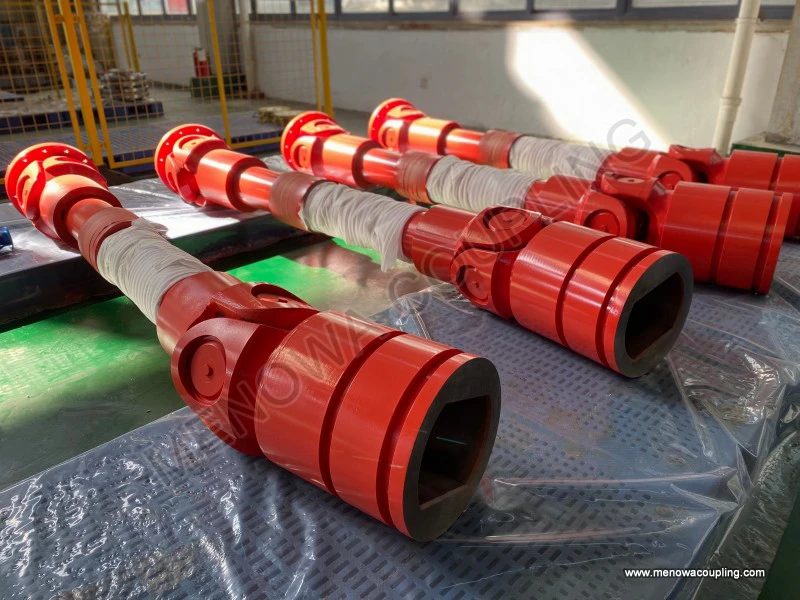
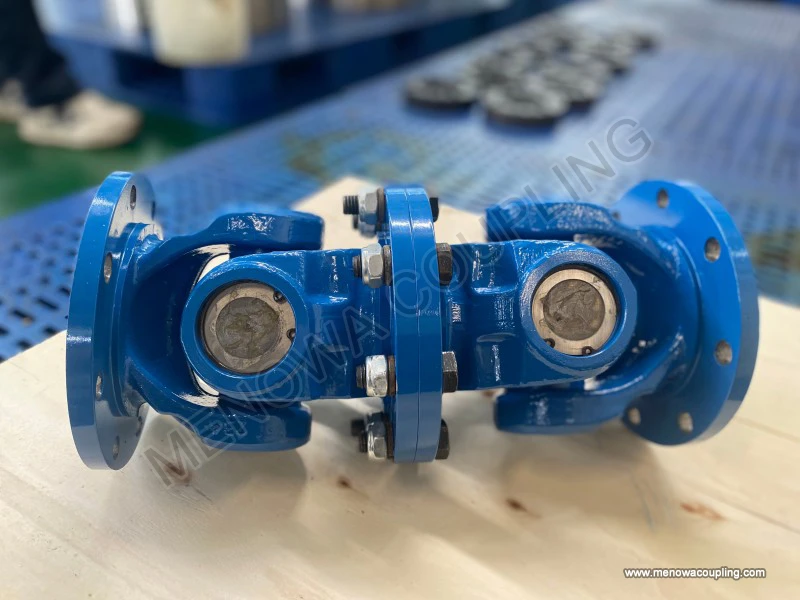
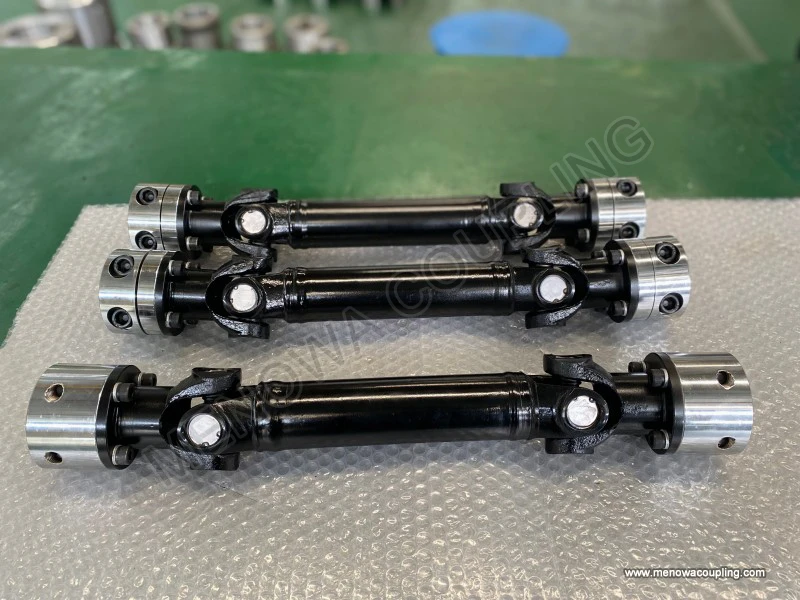
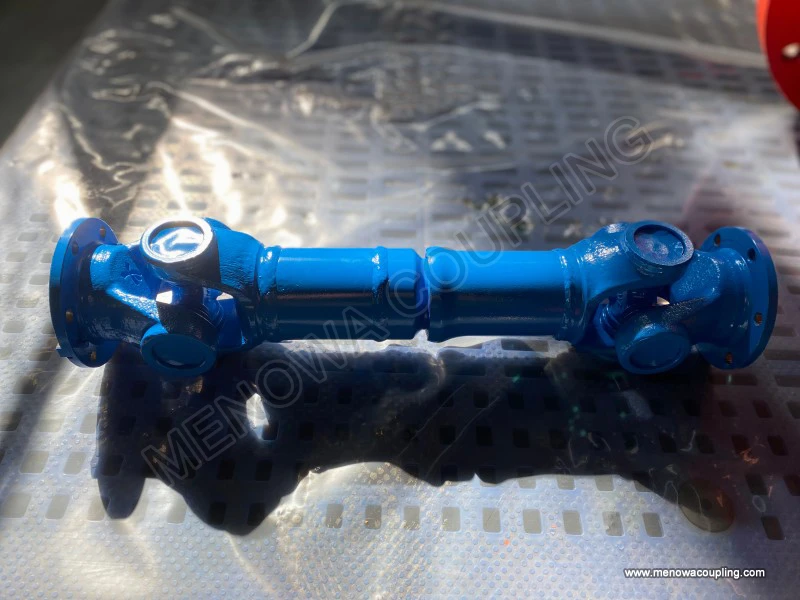
To understand the practical value and working logic of the cardan drive shaft in depth, it is essential to start with its basic structural composition, as every component in the overall assembly is designed with targeted functional attributes, and the coordinated operation of all parts forms the complete flexible transmission capability of the entire shaft body. The main body of a standard cardan drive shaft assembly is composed of multiple core functional parts, including universal joint assemblies arranged at both ends, a hollow shaft tube body, telescopic spline connection structures, and flange connection parts used for docking with driving and driven equipment. Each component undertakes different transmission and compensation tasks, and no single part can independently complete the long-term stable power transmission work under complex working conditions. The universal joint assembly, also the core functional unit of the entire cardan drive shaft, relies on a special cross shaft and yoke matching structure to realize angle compensation during rotation. This articulated structure allows the driving shaft and the driven shaft to maintain continuous rotational motion transmission within a certain angular deflection range, effectively coping with the angle changes between the power input end and output end caused by equipment jitter, structural shaking and load impact in actual operation. The applicable angular deflection range of most conventional cardan drive shafts covers the common deviation angles required for daily mechanical operation, and the internal geometric structural design of the universal joint ensures that even under deflection conditions, the basic continuity of torque transmission will not be interrupted, avoiding power transmission interruption caused by minor spatial position changes of mechanical components.
The hollow shaft tube body of the cardan drive shaft is designed with a scientific hollow tubular structure instead of a solid shaft rod, and this structural optimization is derived from comprehensive consideration of mechanical bearing capacity and overall weight balance. In the process of torque transmission, the stress borne by the drive shaft is mainly concentrated on the outer wall of the shaft body, while the stress borne by the central part of the shaft body is extremely low and has little contribution to the overall torque transmission efficiency. The hollow design not only effectively reduces the overall self-weight of the cardan drive shaft, lowers the additional load and energy consumption generated by the rotation of the shaft body itself, but also ensures that the shaft body has sufficient torsional rigidity and structural strength to bear the alternating torque and impact load generated during long-term operation. The wall thickness of the shaft tube will be adjusted according to the actual load demand of different application scenarios; transmission shafts used for heavy-load engineering machinery and large industrial equipment adopt thicker wall thickness designs to enhance pressure resistance and torsional resistance, while those used for light-duty transportation and small mechanical equipment adopt relatively thin wall thicknesses to achieve lightweight operation and reduce mechanical operation energy consumption. The surface of the shaft tube body will also undergo special processing treatments in the production and manufacturing process to enhance surface hardness, corrosion resistance and wear resistance, avoiding structural damage and performance attenuation caused by external environmental erosion and long-term rotational friction during subsequent use.
The telescopic spline connection structure is another key compensation component of the cardan drive shaft, mainly responsible for adapting to the axial displacement change between the driving end and the driven end during mechanical operation. In the actual working process of various mechanical equipment, affected by road vibration, mechanical structural deformation, torque reaction force and braking action, the relative distance between the power input component and the power output component will produce frequent small-scale front and rear changes. If the drive shaft cannot adapt to this axial length change, it will lead to excessive extrusion or tensile stress inside the shaft body and connecting parts, resulting in component deformation, accelerated wear and even sudden fracture failure. The spline structure is composed of mutually matched internal splines and external splines, which can realize free telescopic sliding in the axial direction while ensuring synchronous rotational torque transmission. This structural design perfectly solves the problem of axial displacement compensation, enabling the cardan drive shaft to always maintain a reasonable installation stress state during the dynamic operation of the equipment, eliminating mechanical damage caused by length mismatch, and greatly improving the overall operation stability and service life of the transmission system. The flange connection parts at the two ends of the drive shaft adopt a standardized docking design, which is convenient for rapid assembly and disassembly between the cardan drive shaft and different power components, and the connection tightness and assembly accuracy can be guaranteed through bolt fastening, ensuring no relative rotation or displacement at the connection during torque transmission, avoiding power loss and vibration noise caused by loose connection.
The working principle of the cardan drive shaft is based on the mechanical motion characteristics of the universal joint articulated structure and the coordinated compensation effect of the spline telescopic structure, realizing flexible and continuous power transmission under the combined conditions of angular deviation, axial displacement and radial offset. When the driving mechanical component starts to rotate and output torque, the rotational power is first transmitted to the universal joint at the input end of the cardan drive shaft through the flange part, and the cross shaft structure inside the universal joint converts the coaxial rotational motion of the driving end into rotational motion with a certain deflection angle, and then transmits the power to the hollow shaft tube body. The shaft tube body stably transmits the torque to the universal joint at the output end through the fixed connection mode, and the output universal joint converts the rotational motion with deflection angle back to the rotational motion adapted to the installation angle of the driven equipment, finally realizing the synchronous rotation and power output of the driven mechanical component. In this whole transmission process, the two universal joints at the two ends work together to offset the uneven speed change caused by the single universal joint in the deflection state, ensuring that the rotational speed and torque output of the driven end remain stable and avoiding periodic vibration and power fluctuation in the transmission process.
It is necessary to clarify that a single universal joint will produce a certain degree of rotational speed fluctuation when working under angular deflection conditions, and the larger the deflection angle, the more obvious the speed unevenness, which will bring adverse effects such as mechanical vibration, operation noise and component fatigue wear to the transmission system. The conventional cardan drive shaft assembly adopts a double universal joint symmetrical layout design, which can effectively counteract the speed variation generated by the front and rear universal joints during operation. Through reasonable phasing installation and angle matching, the speed fluctuation generated by the input universal joint in the rotation process is exactly offset by the speed compensation effect of the output universal joint, so that the final rotational speed transmitted to the driven equipment remains uniform and stable. This working principle design is the core key to ensure the smooth operation of the cardan drive shaft transmission system, and also an important reason why the cardan drive shaft can be widely used in high-speed and stable operation scenarios. In the actual operation process, the spline telescopic structure always responds dynamically to the axial distance change between the driving and driven ends, and the radial offset generated by equipment installation and operation is also compensated by the flexible coordination of the universal joint and the shaft tube structure, realizing multi-dimensional comprehensive compensation of angular, axial and radial deviations.
Material selection is a core link that determines the overall performance, load-bearing capacity and service life of the cardan drive shaft, and different application scenarios and working load conditions correspond to different material matching schemes. The basic materials used for producing cardan drive shafts are all high-strength alloy steel materials with excellent torsional resistance, fatigue resistance and impact resistance. Such materials have good mechanical strength and structural toughness, can withstand long-term alternating torque, frequent impact load and cyclic stress generated in complex working environments, and are not easy to produce plastic deformation, fatigue cracking and structural damage. For the universal joint cross shaft and yoke parts that bear frequent friction and impact stress, high-hardness alloy materials are selected, and after forging and heat treatment processes such as quenching and tempering, the surface hardness and wear resistance of the parts are significantly improved, reducing the wear loss of key moving parts during long-term rotational friction and ensuring the flexible rotation and stable coordination of the universal joint structure. The hollow shaft tube body mostly adopts seamless steel pipe materials processed by integral rolling, which has uniform internal structure, no internal cracks and structural defects, and can maintain stable structural performance under long-term high-load torque transmission, avoiding shaft tube fracture caused by stress concentration.
With the continuous upgrading of mechanical equipment performance and the increasingly harsh working environment of transmission components, the material technology of cardan drive shafts is also constantly optimized and upgraded. In recent years, new high-strength lightweight alloy materials have been gradually applied to the production and manufacturing of some cardan drive shafts used in high-speed operation and energy-saving demand scenarios. While ensuring the original structural strength and load-bearing capacity of the drive shaft, these new materials further reduce the overall self-weight of the shaft body, effectively reduce the rotational inertia of the drive shaft during operation, lower the energy consumption of mechanical power transmission, and improve the overall operation efficiency of the equipment. For cardan drive shafts used in special environments such as high humidity, strong corrosion and high temperature, corrosion-resistant and high-temperature resistant alloy materials are selected, and the surface is matched with anti-corrosion and anti-oxidation coating treatments to avoid material performance attenuation and structural corrosion damage caused by environmental factors, ensuring that the drive shaft can maintain stable working performance in harsh working conditions for a long time. The scientific matching of materials and targeted processing treatments make the cardan drive shaft adapt to diversified working scenarios and meet the differentiated performance demands of different mechanical equipment.
The application scope of the cardan drive shaft covers almost all mechanical fields that need flexible power transmission between non-coaxial components, showing extremely strong application adaptability and practical value. In the field of road transportation machinery, the cardan drive shaft is one of the core transmission components of various commercial vehicles, engineering vehicles and special off-road vehicles. In these vehicles, the power output by the engine and gearbox needs to be transmitted to the rear axle differential and wheels, and the suspension structure of the vehicle will produce continuous jitter and up and down displacement during driving on different road surfaces, resulting in constant changes in the relative position and angle between the gearbox and the rear axle. The cardan drive shaft can well adapt to this dynamic position and angle change, stably transmit power, and ensure the normal driving and power output of the vehicle. Whether it is daily transportation on flat roads or off-road driving on bumpy and complex road conditions, the cardan drive shaft can maintain stable transmission performance and will not affect the power output efficiency of the vehicle due to road condition changes and body jitter.
In the field of engineering and construction machinery, the working environment of mechanical equipment is more harsh, with frequent heavy-load operation, complex terrain conditions and large mechanical structural vibration, which puts forward higher requirements on the load-bearing capacity and impact resistance of power transmission components. Engineering machinery such as excavators, loaders, bulldozers and road rollers all rely on cardan drive shafts to complete power transmission between engines, hydraulic systems and walking or working devices. These equipments often bear sudden impact loads and alternating torques during operation, and the flexible compensation performance and high structural strength of the cardan drive shaft can effectively cope with these harsh working conditions, ensure the stable transmission of power during heavy-load operation, and avoid transmission system failure caused by impact and vibration. At the same time, the telescopic and angle compensation functions of the cardan drive shaft can also adapt to the large-scale structural displacement and deformation of engineering machinery during operation, ensuring the coordinated operation of all working parts of the equipment.
The field of agricultural machinery is also an important application scenario for cardan drive shafts. Various farming machinery such as tractors, harvesters and rotary tillers need to transmit power to different working accessories during farmland operation. The farmland working terrain is uneven, and the mechanical equipment will produce large jitter and position changes during walking and operation. Moreover, the working accessories of agricultural machinery often need to be disassembled and replaced according to different farming needs, requiring convenient and fast power connection structures. The cardan drive shaft not only has good flexible transmission performance to adapt to farmland operation vibration and terrain changes, but also has the characteristics of simple assembly and disassembly and convenient maintenance, which meets the actual use needs of agricultural machinery. It can stably transmit power to rotary tillage, harvesting, sowing and other working components, ensuring the smooth progress of various agricultural production operations, and can adapt to the frequent start-stop and intermittent working state of agricultural machinery, with strong working stability and environmental adaptability.
In addition to mobile mechanical equipment, the cardan drive shaft also has a wide range of applications in fixed industrial production equipment and mechanical transmission systems. Many industrial production lines, processing equipment and transmission machinery have the problem of non-coaxial installation of power motors and working execution components due to production process and equipment layout requirements. The rigid transmission structure cannot meet the installation and operation needs, while the cardan drive shaft can well solve the problem of power transmission between non-coaxial fixed equipment. In industrial production scenarios such as material conveying equipment, mechanical processing production lines and industrial fan transmission systems, the cardan drive shaft realizes stable power transmission between driving motors and working equipment, compensates for installation errors and slight structural displacement generated during long-term operation of equipment, ensures the continuous and stable operation of industrial production equipment, and reduces production shutdown failures caused by transmission system problems. The diversified application scenarios fully reflect the strong versatility and irreplaceable practical value of the cardan drive shaft in modern mechanical transmission systems.
Daily installation, commissioning and regular maintenance work are crucial to the operating performance and service life of the cardan drive shaft, and standardized operation and scientific maintenance can effectively reduce component wear, avoid sudden failure and extend the overall service cycle of the transmission shaft. In the installation and commissioning stage, the first thing to do is to check the overall structural integrity of the cardan drive shaft, confirm that there is no bending deformation of the shaft tube, no damage and wear of the universal joint parts, and no jamming of the spline telescopic structure. During the installation process, the phasing angle of the double universal joints must be strictly aligned and installed in accordance with the mechanical design requirements, ensuring that the two universal joints can work in coordination to offset speed fluctuation and avoid abnormal vibration and noise caused by incorrect installation angle. The connection flange needs to be tightly fastened with matching bolts to ensure firm connection and no looseness, and the coaxiality and deflection angle of the driving end and driven end after installation are adjusted within the reasonable design range to avoid excessive deflection angle increasing component wear and affecting transmission stability.
In the daily operation and use process, regular inspection and maintenance of the cardan drive shaft should be done well. The key inspection contents include the fastening state of the connecting bolts, the wear degree of the universal joint rotating parts, the telescopic flexibility of the spline structure and the surface corrosion and deformation of the shaft tube. For the rotating friction parts inside the universal joint, regular lubricating oil filling and lubrication maintenance are required to ensure sufficient lubrication between moving parts, reduce friction resistance and wear loss, and avoid dry friction operation leading to rapid wear and damage of key parts. The spline telescopic structure also needs to maintain good lubrication state to ensure flexible telescopic movement and avoid jamming and axial displacement compensation failure caused by rust and dirt accumulation. For the surface of the shaft tube and connecting parts, regular cleaning and anti-corrosion treatment should be carried out to remove surface dust, mud and corrosive substances, prevent structural corrosion and rust, and maintain the structural integrity and surface performance of the drive shaft.
In the process of long-term use, if abnormal vibration, operation noise or power transmission lag of the cardan drive shaft are found during equipment operation, the equipment should be shut down in time for inspection and troubleshooting, and forced operation with faults is strictly prohibited to avoid small faults evolving into large-scale structural damage and safety accidents. The worn and aging parts should be replaced in a timely manner in accordance with the actual wear condition, and the overall dynamic balance of the drive shaft should be rechecked and adjusted after replacement to ensure that the transmission shaft can return to the optimal working state. Scientific and standardized maintenance work can not only effectively reduce the failure rate of the cardan drive shaft, ensure the stable operation of the mechanical transmission system, but also reduce the later maintenance cost and improve the economic benefit of equipment operation.
With the continuous progress of mechanical engineering technology and the continuous improvement of energy conservation, environmental protection and high-efficiency operation requirements of modern mechanical equipment, the optimization and upgrading of cardan drive shaft design and manufacturing technology are also constantly advancing. The current development trend of cardan drive shafts focuses on structural lightweight, transmission high efficiency, operation low noise and long service life durability. In terms of structural design, through finite element mechanical simulation analysis, the structural size and stress distribution of each component are optimized, the structural strength of key stress parts is improved, the redundant structure of non-key parts is reduced, and the lightweight design of the whole machine is realized on the premise of ensuring load-bearing performance, reducing rotational energy consumption and improving transmission efficiency. In terms of processing technology, high-precision integral forging and fine machining processes are adopted to improve the processing accuracy and assembly matching degree of parts, reduce assembly gaps and mechanical vibration during operation, and realize low-noise and smooth operation of the transmission shaft.
In terms of material research and development and application, more high-performance new alloy materials and composite materials are being continuously applied to the production of cardan drive shafts, further improving the fatigue resistance, impact resistance and corrosion resistance of products, adapting to more harsh working environments and longer continuous operation requirements. At the same time, combined with intelligent mechanical monitoring technology, some cardan drive shaft transmission systems have begun to be equipped with real-time stress and vibration monitoring components, which can monitor the operating state, load change and component wear degree of the drive shaft in real time, realize early warning of potential faults, and further improve the operation safety and maintenance convenience of the transmission system. These technological upgrades and optimization developments make the cardan drive shaft, as a traditional basic mechanical component, always adapt to the development pace of modern mechanical equipment, and continue to play an irreplaceable core role in various power transmission scenarios.
Throughout the entire mechanical transmission field, the cardan drive shaft, with its unique flexible transmission principle, scientific and reasonable structural design, diversified application adaptability and mature and reliable manufacturing and maintenance system, has become an essential basic component supporting the normal operation of various mechanical equipment. From simple mechanical transmission in the early stage to complex and diversified power transmission needs under modern high-load and high-efficiency working conditions, the cardan drive shaft has always maintained stable core functional advantages, and continuously optimized and upgraded with the progress of mechanical technology. Its core value lies in solving the universal mechanical problem of stable power transmission between non-coaxial and dynamically displaced mechanical components, providing a reliable connection guarantee for the coordinated operation of various mechanical systems. Whether in transportation, engineering, agriculture or industrial production fields, the cardan drive shaft silently undertakes the important task of power transmission, and its structural design, working principle and maintenance management are all important contents of mechanical engineering research and practical application. With the continuous development of modern mechanical industry, the performance of cardan drive shafts will continue to be improved, and the application fields will be further expanded, making more important contributions to the efficient and stable operation of various mechanical equipment and the continuous progress of mechanical engineering technology.
https://www.menowacoupling.com/industrial-coupling/cardan-drive-shaft.html
 WeChat
 WhatsApp