Universal Shaft
In the complex and interconnected world of mechanical power transmission, the universal shaft stands as one of the most foundational and functionally indispensable mechanical components, quietly supporting the normal operation of countless mechanical systems across diverse industrial and mobile equipment scenarios. Unlike rigid transmission shafts that require precise coaxial alignment between connected power components, this specialized mechanical connecting structure is uniquely designed to adapt to non-straight-line shaft connection states, effectively transferring rotational motion and torque between two shafts with angular deviation, axial displacement, and slight radial offset. Its existence solves a core mechanical dilemma that has long plagued mechanical design and equipment assembly: in practical engineering environments, it is often impossible to maintain perfect coaxial alignment between power input ends and power output ends due to structural layout limitations, equipment installation deviations, mechanical operation vibration, thermal expansion and contraction of metal materials, and dynamic position changes during equipment working processes. Without a reliable flexible transmission component like the universal shaft, most power transmission systems would suffer from severe mechanical jitter, excessive component wear, unstable power output, and even premature structural damage, making continuous and efficient equipment operation completely unattainable. The universal shaft, with its ingenious spatial linkage mechanical structure and reasonable material matching design, perfectly balances the rigidity required for torque transmission and the flexibility needed for adaptive position adjustment, becoming an irreplaceable key link connecting power sources and working executing mechanisms in modern mechanical engineering.
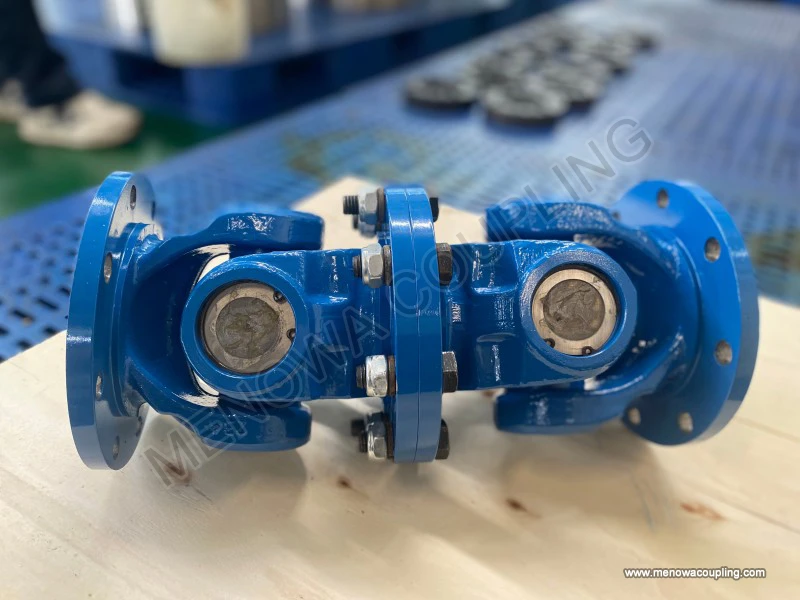
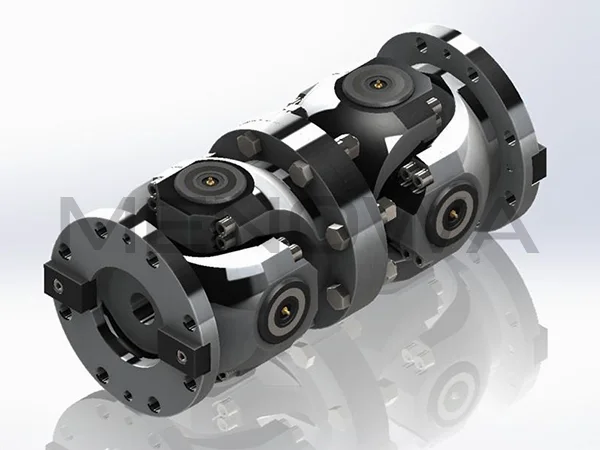
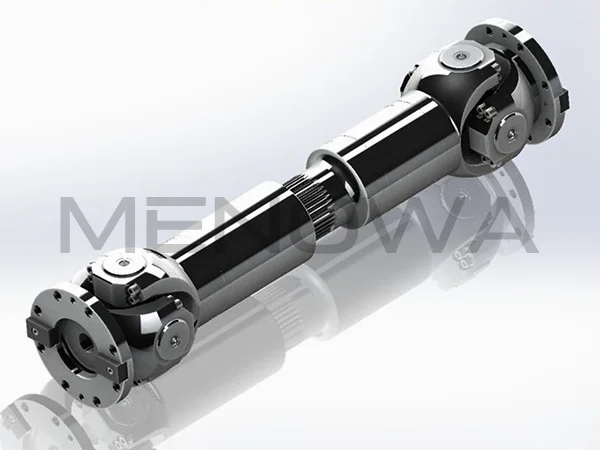
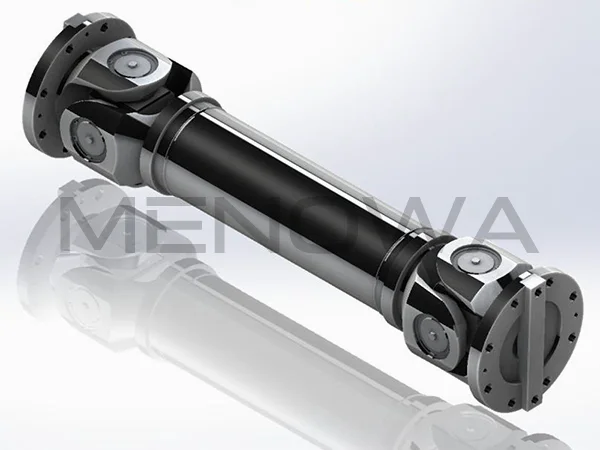
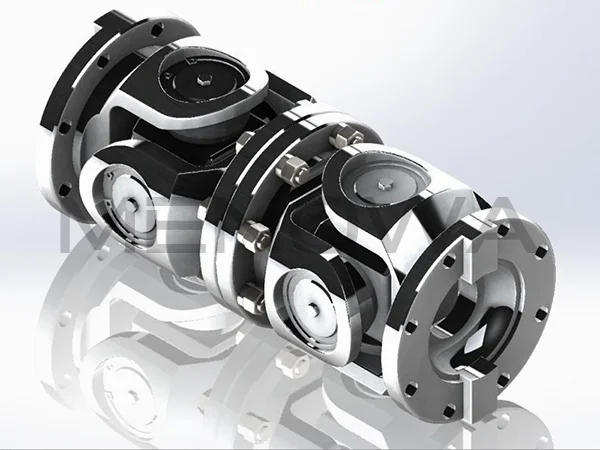
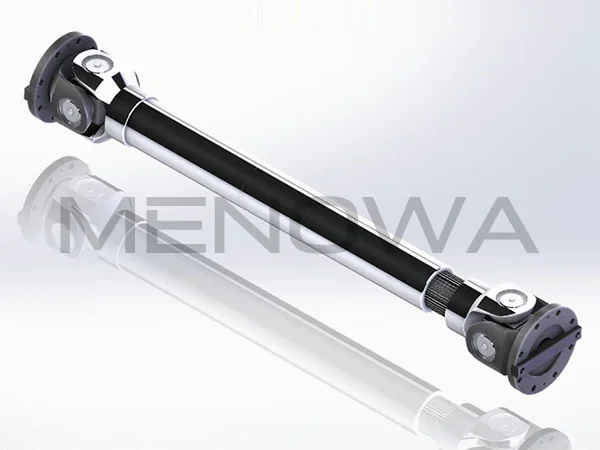
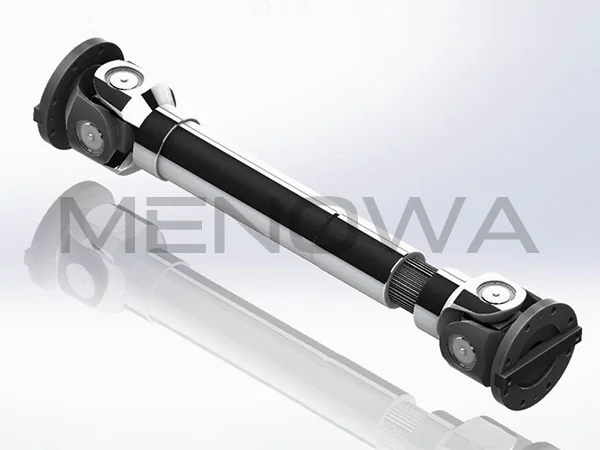
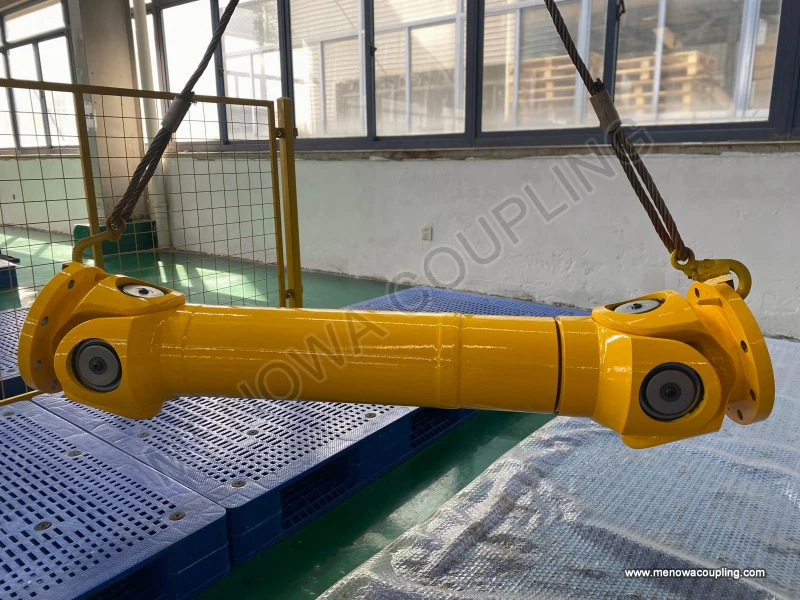
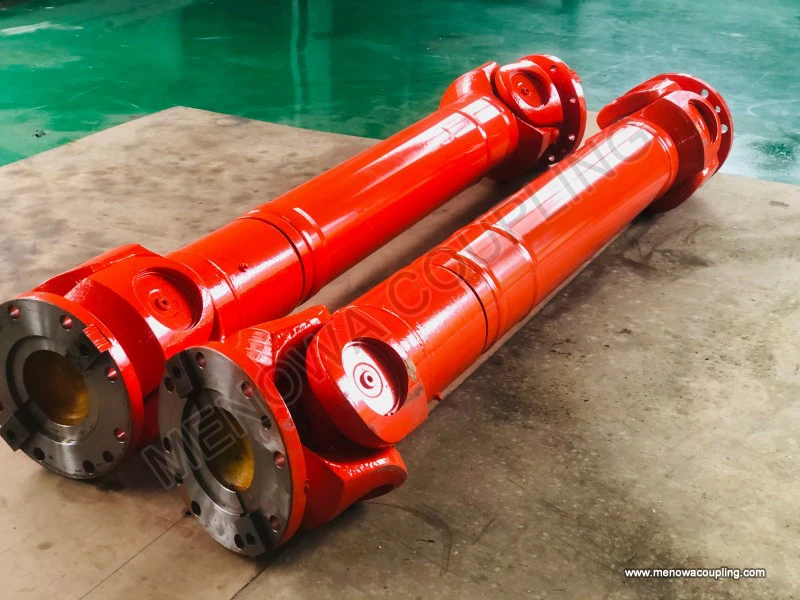
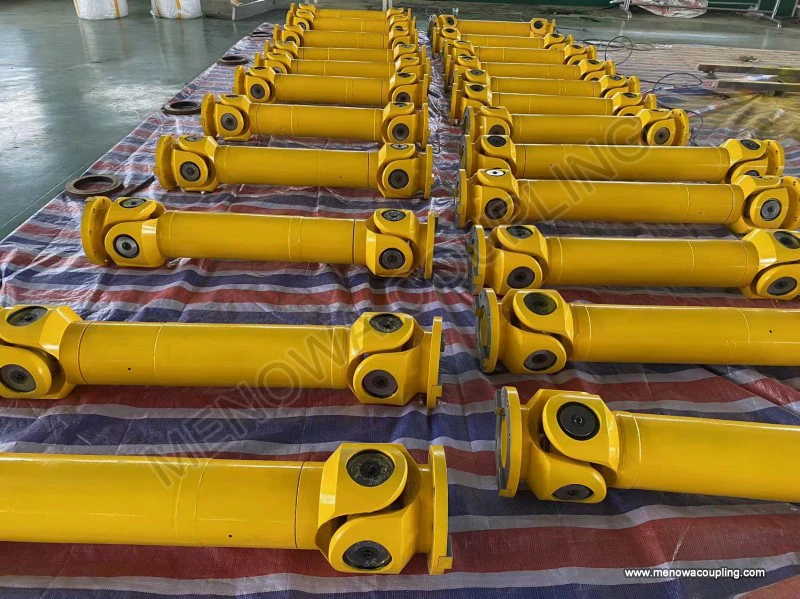
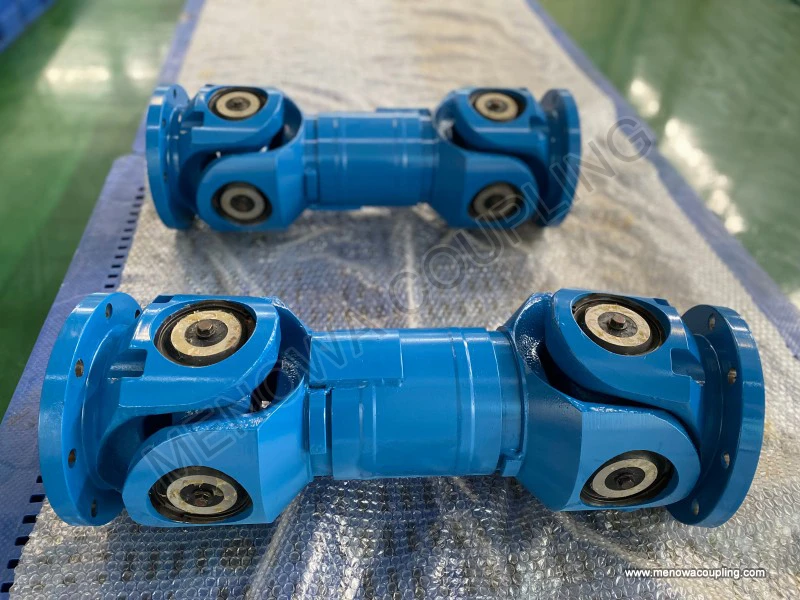
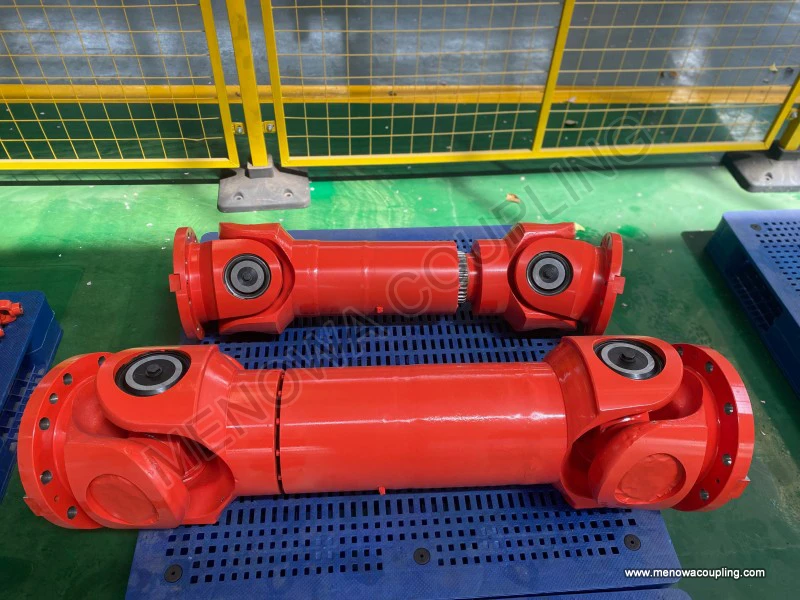
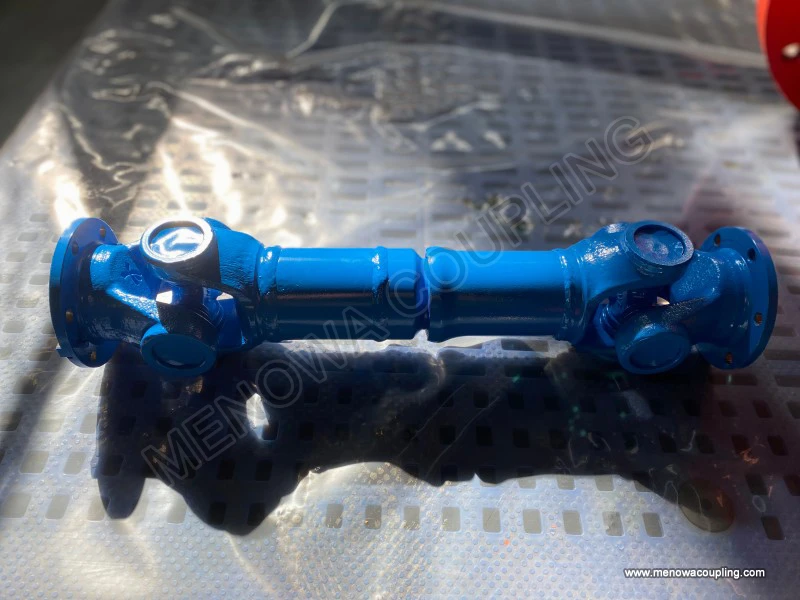
To understand the intrinsic value and working essence of the universal shaft, it is first necessary to delve into its basic structural composition and the mechanical coordination relationship between each core part, as all its excellent adaptive performance and stable transmission capacity stem from the scientific combination and precise dimensional matching of internal components. A complete universal shaft assembly is not a single simple part but a combined mechanical structure formed by the organic connection of multiple functional components, each undertaking distinct and irreplaceable mechanical tasks in the power transmission process. The core functional unit of the entire universal shaft is the universal joint, also commonly recognized as the basic flexible connecting unit responsible for achieving angular deflection adaptation and motion transfer. Most conventional universal shaft configurations adopt a double universal joint layout, with two independent universal joints symmetrically installed at both ends of a middle connecting shaft body, forming a complete transmission whole that can offset the speed fluctuation defect of a single universal joint and ensure more stable and uniform rotational power output. Each individual universal joint relies on three key core components to achieve basic movement and force transmission functions, including two fork-shaped yoke structures, a central cross-shaped intermediate connecting part often referred to as the spider, and a set of precision bearing assemblies matched with the connecting positions of the cross structure and the yokes. The yoke parts are the basic connecting carriers of the universal shaft and the external shafting system, with one end fixedly connected to the input shaft or output shaft of the equipment through flange connection or clamping fixation, and the other end processed into a fork-shaped open structure to provide installation and rotating movable space for the cross connecting part. The cross-shaped spider is the central force-bearing and motion-converting core component of the entire universal joint, with four mutually perpendicular trunnion structures extending outward in cross distribution, each trunnion correspondingly inserted into the bearing installation position inside the fork head of the yoke, forming a mutually rotatable flexible hinge connection structure between the two yokes. The bearing assemblies installed between the trunnions of the cross spider and the inner wall of the yoke fork holes are mostly needle roller bearings with compact structure and strong pressure resistance, which can effectively reduce the friction resistance generated by relative rotation between the cross shaft and the yokes during operation, avoid dry friction wear between metal contact surfaces, and ensure the flexibility and smoothness of the deflection movement of the universal joint during power transmission. In addition to these core force-bearing and moving parts, the universal shaft is also equipped with auxiliary supporting components such as sealing rings, dust-proof sleeves, and grease filling structures. These auxiliary parts do not directly participate in torque transmission, but they play a vital role in protecting the internal moving parts, prolonging the overall service life, and maintaining long-term stable working performance. The sealing structures can isolate external dust, moisture, corrosive media, and mechanical debris from entering the interior of the bearing and cross shaft moving gaps, preventing abrasive wear and corrosion damage to precision moving parts. The grease filling and storage structures can store a sufficient amount of lubricating grease inside the movable connection parts, providing long-term lubrication for relative rotating friction pairs, reducing friction heat generation and mechanical loss, and ensuring that the universal shaft can maintain stable working conditions under long-term continuous operation and variable load working environments.
The working principle of the universal shaft is based on the basic mechanical theory of spatial multi-linkage mechanism motion conversion and torque transfer, and its core operation logic lies in using the spatial rotation and deflection adjustment of the cross-shaped intermediate structure to realize the synchronous transfer of rotational motion between two shafts with a certain included angle, while eliminating the adverse effects of angular deviation on transmission stability through structural layout optimization. When the power input shaft starts to rotate and output rotational torque, the connected input end yoke will rotate synchronously with the input shaft, and the rotational motion of the yoke will be transmitted to the cross spider through the bearing assembly on the inner side of the fork head. Driven by the rotation of the input yoke, the cross spider does not perform simple fixed-axis rotation, but generates composite spatial motion including rotation and slight swing, adapting to the angular difference between the input shaft and the middle connecting shaft through the flexible hinge connection formed by the trunnions and bearings. The cross spider then transmits the received rotational torque and motion to the output end yoke connected to the other side, and the output yoke drives the middle connecting shaft to rotate synchronously, completing the first stage of flexible power transmission. When the rotational motion is transmitted to the universal joint at the other end of the middle connecting shaft, the same motion conversion and torque transfer process is repeated, and the second universal joint offsets the non-uniform rotation speed phenomenon generated by the first universal joint during single-angle transmission through reverse adaptive deflection adjustment. A single universal joint has an inherent mechanical characteristic that when there is an angular deviation between the two connected shafts, the instantaneous rotation speed of the output shaft will periodically fluctuate within a single rotation cycle, even if the input shaft maintains a constant rotation speed. This periodic speed fluctuation will produce alternating mechanical vibration and additional dynamic load on the transmission system, which is not conducive to the stable operation of high-speed or high-precision mechanical equipment. The double universal joint structure adopted by the conventional universal shaft effectively solves this problem by setting the two universal joints at symmetrical angles and matching the spatial position of the yokes, so that the speed fluctuation generated by the first universal joint in the transmission process is exactly offset by the complementary speed change of the second universal joint, and the final output shaft can obtain smooth and stable constant-speed rotational motion and torque. In the actual working process, the universal shaft can not only adapt to the fixed angular misalignment between the input and output shafts, but also cope with the dynamic angle change and axial relative displacement generated during equipment operation. For example, when mobile equipment is running on uneven roads or industrial machinery is subjected to alternating load impact, the relative position and angle between the power input end and the output end will change in real time. The flexible hinge structure of the universal joint can freely adjust the deflection angle and telescopic length according to the actual operating state, always maintaining a reliable connection state between the two shafting systems, and ensuring that power transmission is not interrupted or affected by dynamic position changes. The entire motion transmission process follows the basic laws of mechanical force balance and moment conservation, the torque input at the initial end is efficiently transmitted to the output end through the rigid connection of the shaft body and the flexible adaptation of the universal joint, and the mechanical energy loss in the transmission process is controlled within a low range by virtue of low-friction bearing lubrication design, ensuring high-efficiency power output of the entire transmission system.
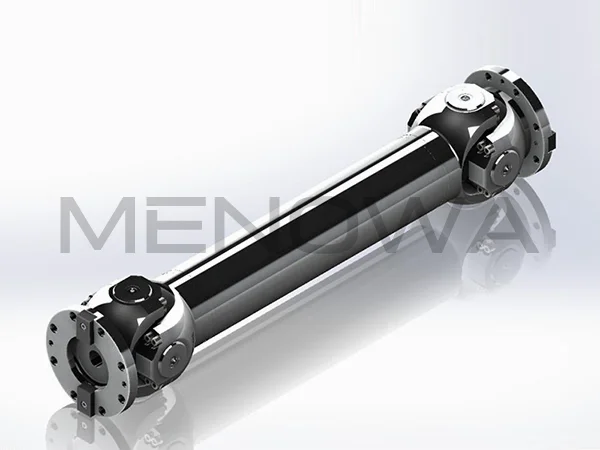
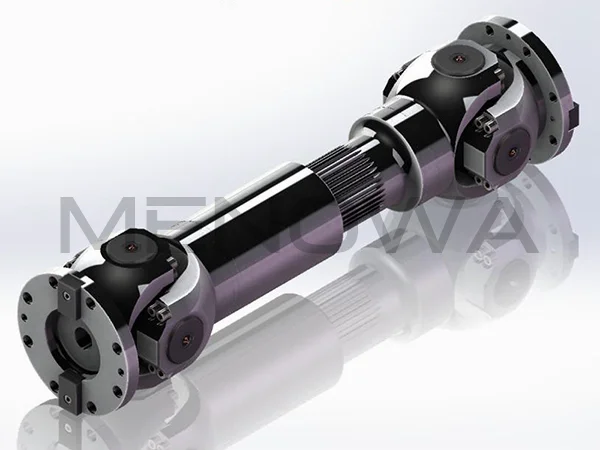
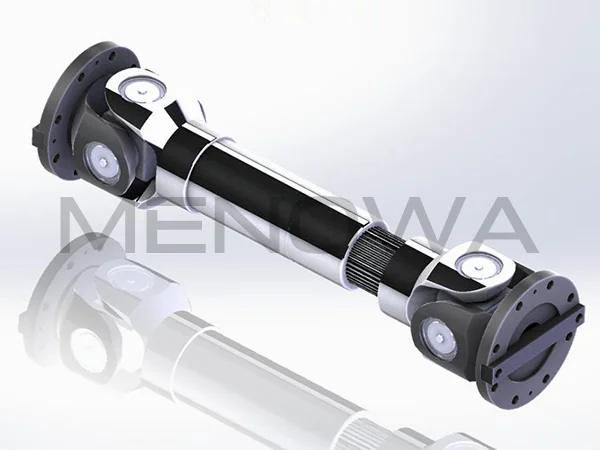
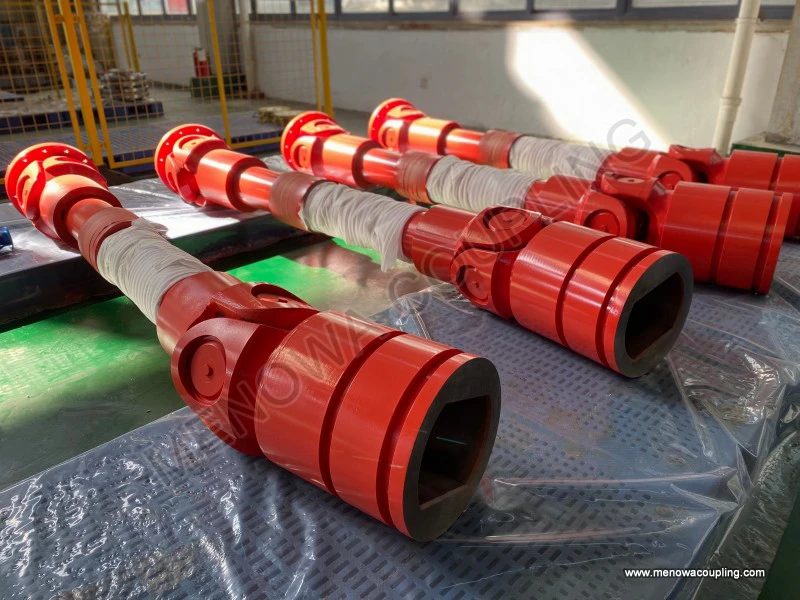
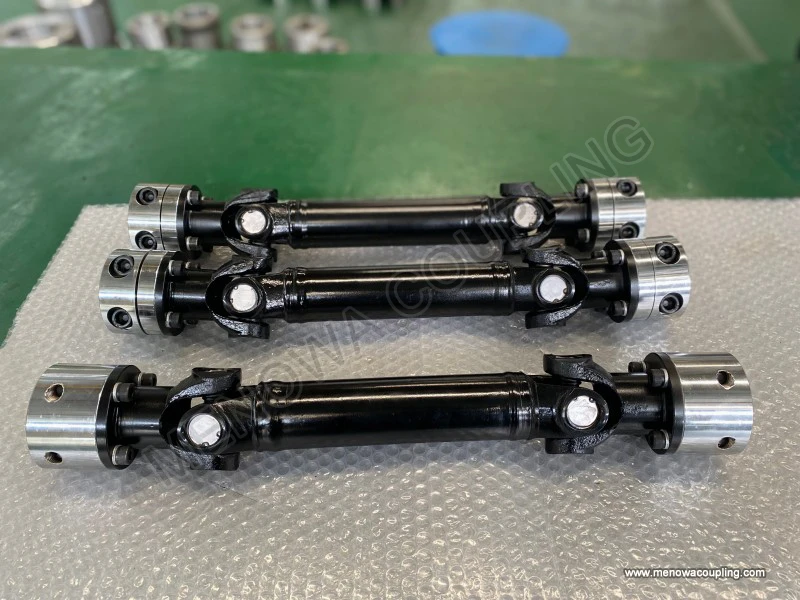
Different application scenarios and mechanical working conditions put forward differentiated performance requirements for universal shafts, which promotes the continuous derivation and optimization of various structural types of universal shafts to adapt to diverse working environments and load characteristics. According to the structural form, adaptive capacity, and load-bearing range, universal shafts can be roughly divided into several mainstream types, each with unique structural characteristics and targeted application fields, realizing accurate matching with different mechanical equipment working conditions. The most widely used basic type is the cross shaft rigid universal shaft, which adopts the classic double universal joint and solid middle shaft body structure, with simple overall structure, low manufacturing and maintenance cost, stable and reliable basic performance, and strong adaptability to conventional angular deviation and medium-load working conditions. This type of universal shaft is mostly used in conventional industrial transmission equipment, general engineering machinery, and conventional power transmission parts of mobile transportation equipment, meeting the basic flexible transmission needs of most conventional mechanical systems. On the basis of the basic cross shaft structure, the telescopic universal shaft is designed with a telescopic sliding matching structure on the middle connecting shaft body, which can not only adapt to angular misalignment between shafts, but also automatically adjust the axial length of the universal shaft according to the real-time axial displacement between the input and output shafts. The telescopic structure is usually composed of inner and outer spline shafts matched with each other, which can slide relatively axially while ensuring synchronous rotational torque transmission, effectively coping with the frequent axial position changes of shafting systems during equipment operation, and avoiding additional axial tension or compression load on the universal shaft and connected equipment components. This type of universal shaft is commonly used in mechanical equipment with large dynamic axial displacement, such as mobile construction machinery, agricultural operating machinery, and special transportation vehicles. Another important category is the heavy-duty large-scale universal shaft, which is designed and manufactured for heavy-load, high-torque, and harsh working condition scenarios such as metallurgical rolling equipment, mining machinery, port handling equipment, and large industrial kiln transmission systems. This kind of universal shaft adopts thickened and high-strength alloy steel materials for core force-bearing components such as cross shafts, yokes, and middle shaft bodies, with optimized structural size and enhanced bearing capacity, able to withstand long-term high-torque impact load and continuous heavy-duty operation. At the same time, its sealing and lubrication structure is specially strengthened, with better dust resistance, corrosion resistance, and high-temperature resistance, adapting to harsh working environments such as high dust, high humidity, high temperature, and heavy impact in heavy industrial production sites. In addition, there are special lightweight universal shafts designed for light-load and high-speed operation scenarios, which adopt optimized lightweight structural design and high-strength lightweight alloy materials, reducing the overall weight and rotational inertia of the universal shaft while ensuring basic transmission performance, suitable for high-speed rotating mechanical equipment such as precision automated production equipment and small high-speed power transmission devices, reducing the dynamic load and energy consumption generated by the rotation of the transmission components themselves. Each type of universal shaft is designed around the core demands of load size, rotation speed range, deformation adaptation degree, and environmental adaptability of the target working condition, realizing the targeted matching between mechanical structure and actual use demand, and ensuring that the universal shaft can maintain good working performance and structural stability in different application environments.
Material selection and manufacturing process level are core factors that directly determine the service performance, structural durability, and working stability of the universal shaft, and every link from raw material selection to finished product processing and heat treatment is closely related to the final comprehensive quality of the product. The core force-bearing components such as the cross spider, yokes, and middle connecting shaft body need to bear complex alternating shear force, torque, impact load, and friction wear during long-term operation, so the selected materials must have high tensile strength, good fatigue resistance, strong impact toughness, and excellent wear resistance. Conventional universal shaft core parts are mostly made of high-quality alloy structural steel, which is smelted and processed through strict metallurgical processes, with uniform internal material texture, low impurity content, and stable mechanical properties, able to withstand long-term alternating load without structural deformation or fatigue fracture. For universal shafts used in heavy-duty and harsh working conditions, higher-grade alloy steel with special strengthening elements is selected, and the material ratio is optimized to further improve the overall hardness, wear resistance, and high-temperature resistance of the parts, adapting to long-term heavy-load impact and high-temperature working environments. The bearing components and sealing parts of the universal shaft adopt targeted material matching according to their respective functional needs: the needle roller bearings are made of high-carbon chromium bearing steel with high hardness and good wear resistance, which can maintain stable dimensional accuracy and low friction performance after long-term rolling friction; the sealing rings and dust-proof sleeves are made of high-quality rubber and polymer composite materials, with good elasticity, aging resistance, corrosion resistance, and temperature adaptability, ensuring long-term effective sealing and dustproof effects in different temperature and media environments. In terms of manufacturing technology, the key components of the universal shaft adopt precision forging forming process instead of simple casting processing. Precision forging can make the internal metal fiber structure of the parts continuously distributed along the force-bearing direction, improving the overall structural strength and fatigue resistance of the parts, avoiding internal shrinkage porosity, cracks, and other defects that are easy to occur in casting parts, and ensuring the structural compactness and force-bearing uniformity of the core parts. After forging forming, all key matching surfaces and rotating connection positions need to undergo precision mechanical finishing, including turning, milling, grinding, and other processing procedures, to ensure that the dimensional tolerance and geometric accuracy of the matching parts are within the design allowable range. The precise matching size can reduce the assembly gap between components, avoid excessive impact and abnormal wear caused by large gap during operation, and ensure the smoothness and stability of the rotation and deflection movement of the universal shaft. After mechanical processing, all core force-bearing parts must undergo professional heat treatment processes such as quenching and tempering, surface carburizing and quenching. The heat treatment process can adjust the internal hardness and toughness distribution of the parts, making the surface of the parts have high hardness and good wear resistance, while the core part maintains good toughness and impact resistance, realizing the complementary coordination of surface wear resistance and core impact resistance. Finally, the finished universal shaft assembly needs to undergo strict dynamic balance detection and performance debugging. The dynamic balance treatment can eliminate the unbalanced mass generated in the processing and assembly process, avoid mechanical vibration and additional dynamic load caused by unbalanced rotation during high-speed operation, and ensure that the universal shaft runs smoothly and stably under various working speeds and load conditions.
In the actual operation and use process, the working state and service life of the universal shaft are affected by many external factors and daily use and maintenance conditions, and scientific daily maintenance and standardized use management are essential to maintain its long-term stable performance and extend its service cycle. The most common factor leading to the performance degradation and damage of the universal shaft is the lack of lubrication or deterioration of lubricating grease. The internal moving friction pairs such as bearings and cross shaft hinge positions rely on lubricating grease to reduce friction and wear and dissipate friction heat. After long-term operation, the lubricating grease will gradually age, deteriorate, dry up, or be polluted by external dust and impurities, losing its original lubricating and protective effect. Without timely replacement and replenishment of lubricating grease, dry friction will occur between metal moving parts, resulting in rapid wear of bearing components and cross shaft trunnions, increased working friction resistance, obvious heat generation during operation, and even ablation and jamming of moving parts in severe cases, leading to the failure of power transmission of the universal shaft. Therefore, regular grease replenishment and regular replacement of aging lubricating grease according to the operating frequency and working environment of the equipment are the most basic and important maintenance work for the universal shaft. Another key maintenance content is the regular inspection of the sealing structure and connecting fastening parts. The sealing rings and dust-proof sleeves will gradually age and deform after long-term use, resulting in sealing failure, allowing external dust, moisture, and corrosive substances to enter the interior of the universal shaft, causing abrasive wear and corrosion damage to internal precision moving parts. Regular inspection of the integrity of the sealing components and timely replacement of aging and damaged sealing parts can effectively isolate external harmful media and protect the internal working structure. The connecting bolts and clamping parts of the universal shaft and the equipment shafting will gradually loosen due to long-term mechanical vibration and alternating load impact. Loose connecting parts will lead to abnormal impact and vibration during the operation of the universal shaft, aggravate component wear, and even cause connection detachment in serious cases, affecting equipment operation safety. It is necessary to regularly check the fastening state of all connecting fasteners and tighten the loose parts in time to ensure reliable connection between the universal shaft and the equipment. In addition, the operating load and working angle of the universal shaft also need to be controlled within the design allowable range in daily use. Long-term overload operation and excessive deflection angle will cause the universal shaft to bear excessive torque and bending load, exceeding the design bearing capacity of the structure, resulting in permanent deformation of the shaft body, fatigue fracture of core parts, and accelerated aging damage of components. For the universal shaft working in harsh environments such as high dust, high humidity, and high temperature, the frequency of daily inspection and maintenance should be appropriately increased, and surface cleaning and anti-corrosion protection should be done regularly to avoid surface corrosion and structural damage caused by long-term exposure to harsh media. Through standardized daily use management and regular professional maintenance, the universal shaft can always maintain good transmission performance, reduce the probability of sudden failure and shutdown maintenance, and effectively extend the overall service life of the equipment.
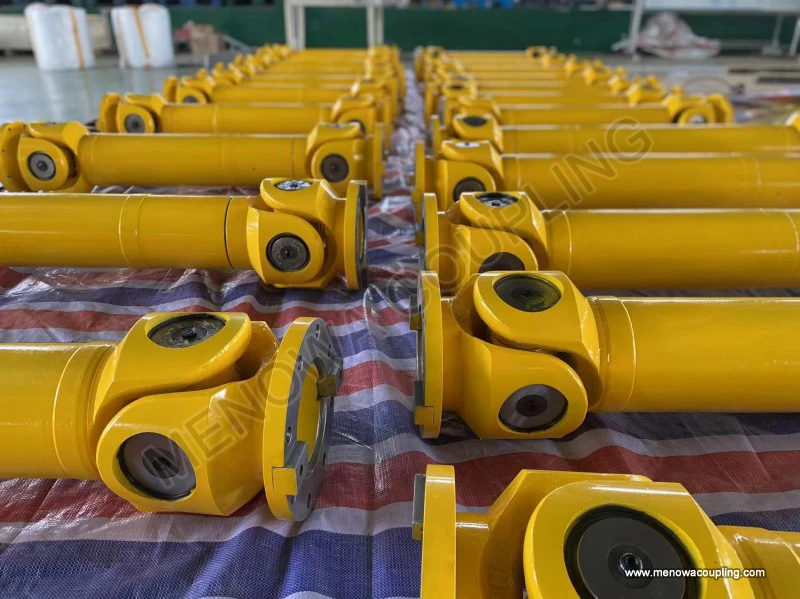
The application scope of the universal shaft covers almost all mechanical fields that need flexible power transmission, playing an irreplaceable core role in industrial production, engineering construction, agricultural production, transportation and mobile equipment, and special mechanical equipment manufacturing. In the field of industrial manufacturing and processing, universal shafts are widely used in metallurgical rolling production lines, cement production equipment, chemical processing machinery, paper-making and textile production equipment, and automated production transmission lines. In metallurgical rolling mills, large heavy-duty universal shafts undertake the power transmission task between the power motor and the rolling mill rollers, adapting to the angular deviation and dynamic position change of the roller shafting during the rolling process, ensuring stable and continuous torque output during high-pressure rolling of metal materials, and maintaining the continuity and stability of the rolling production process. In cement and chemical production equipment, universal shafts connect various power transmission motors and production executing machinery, adapting to the vibration and axial displacement generated during the operation of large-scale production equipment, avoiding transmission system failure caused by equipment vibration and position deviation, and ensuring the stable operation of long-term continuous production equipment. In the field of engineering construction machinery, various construction equipment such as excavators, loaders, cranes, and road rollers all rely on universal shafts to complete power transmission between the engine, gearbox, and walking or working devices. The working environment of construction machinery is complex and harsh, with frequent equipment vibration, large load impact, and dynamic position changes of working parts. The universal shaft's good angular adaptation and shock resistance can well meet the flexible transmission needs of construction machinery under complex working conditions, ensuring that the equipment can normally complete various construction operations in different working environments. In agricultural production machinery, field operation equipment such as tractors, harvesters, and tillers need to adapt to uneven field terrain and complex working load changes. The universal shaft installed on agricultural machinery can adapt to the position and angle changes of the power transmission shaft during field walking and operation, ensuring stable power output of agricultural machinery and normal progress of farmland operation. In the field of transportation and mobile equipment, universal shafts are used in the power transmission systems of various special vehicles and mobile transportation equipment, realizing power transmission between the power output end and the walking shafting, adapting to the vibration and position deviation generated during vehicle driving, and ensuring the stability and reliability of vehicle power transmission. In addition, in the field of special mechanical equipment such as mining machinery, port handling equipment, and wind power generation supporting transmission facilities, universal shafts also undertake key power transmission tasks, adapting to the harsh working conditions and complex mechanical movement requirements of different special equipment, and providing reliable basic guarantee for the normal operation of various mechanical systems.
With the continuous progress of mechanical manufacturing technology and the continuous upgrading of industrial equipment performance requirements, the design, manufacturing, and performance optimization of universal shafts are also constantly developing and evolving towards higher precision, stronger durability, higher transmission efficiency, and better environmental adaptability. In the early stage of mechanical development, the structural design of universal shafts was relatively simple, the manufacturing process was rough, the dimensional accuracy and material performance were limited, and the adaptability and service life of the products were relatively low, which could only meet the basic low-load and low-precision power transmission needs. With the rapid development of modern industry, the working conditions of mechanical equipment are becoming more and more complex, the load borne by the transmission system is increasing, the operation time is longer, and the requirements for transmission stability and equipment operation efficiency are constantly improving, which promotes the continuous innovation and optimization of universal shaft related technologies. In terms of structural design, modern universal shaft design adopts computer-aided simulation and finite element stress analysis technology, accurately calculating the stress distribution, deformation degree, and fatigue load bearing state of each component under different working conditions, optimizing the structural size and force-bearing layout of key parts, reducing structural stress concentration, improving the overall structural stability and fatigue resistance, and realizing the lightweight design of the premise of ensuring load-bearing performance. In terms of material research and development, new high-strength, wear-resistant, and corrosion-resistant alloy materials and composite materials are continuously applied to the production and manufacturing of universal shafts, further improving the mechanical performance and environmental adaptability of products, and enabling universal shafts to adapt to more extreme working conditions such as ultra-high temperature, ultra-low temperature, and strong corrosion. In terms of manufacturing technology, the popularization of precision forging, intelligent processing, and automatic heat treatment production lines has greatly improved the processing accuracy and product consistency of universal shafts, reduced the dimensional deviation and assembly error of parts, and further improved the transmission smoothness and service stability of universal shafts. In terms of maintenance and use management, with the development of intelligent monitoring technology, some universal shaft transmission systems have begun to be equipped with real-time working state monitoring devices, which can monitor the operating temperature, vibration amplitude, torque load, and lubrication state of the universal shaft in real time, realize early warning of potential faults, avoid sudden equipment shutdown failures caused by universal shaft damage, and improve the overall operation safety and maintenance efficiency of mechanical equipment. In the future, with the continuous development of intelligent manufacturing and high-end equipment manufacturing industry, the universal shaft, as a basic core transmission component, will continue to carry out technological innovation and performance upgrading, adapt to the increasingly high-performance use needs of various emerging mechanical equipment, and continue to play an indispensable basic supporting role in the development of modern mechanical engineering and industrial economy.
https://www.menowacoupling.com/industrial-coupling/universal-shaft.html
 WeChat
 WhatsApp