Face Gear Coupling
In the vast field of mechanical power transmission, coupling components serve as the critical connecting medium between rotating shafts of various mechanical equipment, undertaking the core task of stably transmitting torque, coordinating rotational operation, and buffering mechanical operation fluctuations between driving and driven ends. Among numerous flexible coupling types developed to adapt to complex industrial working conditions, face gear coupling stands out as a specialized and reliable transmission component, uniquely designed with face gear meshing structure to integrate efficient torque transmission capability, excellent misalignment compensation performance and durable structural stability. Unlike conventional drum gear couplings, straight tooth gear couplings and other traditional meshing transmission couplings that rely on cylindrical gear meshing for power transfer, face gear coupling adopts a distinctive face-to-face gear meshing layout, with gear teeth distributed on the end face of the coupling hub structure rather than the outer cylindrical surface, which fundamentally changes the stress distribution form and meshing operation state of gear teeth during transmission process. This structural innovation enables the coupling to adapt to more complex shaft connection environments, effectively cope with various installation deviations and operational displacement generated during long-term mechanical operation, and maintain stable and efficient power transmission state under heavy load, variable load and continuous cyclic working conditions. As industrial mechanical equipment continues to develop toward large-scale, high-load, continuous operation and high-precision transmission direction, the demand for coupling components with strong bearing capacity, good deformation adaptability and long service cycle is constantly increasing, making face gear coupling widely applied in metallurgical production, mining operation, cement processing, energy power, heavy machinery manufacturing and other core industrial fields, and becoming an indispensable key basic component ensuring the stable operation of the entire mechanical transmission system.
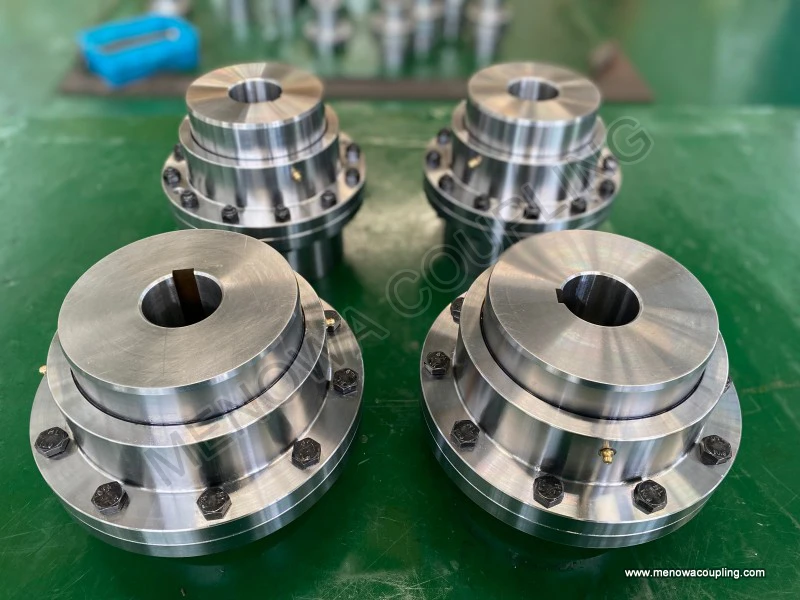
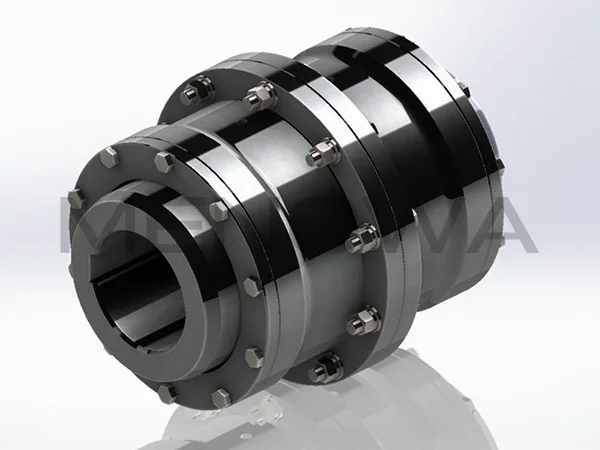
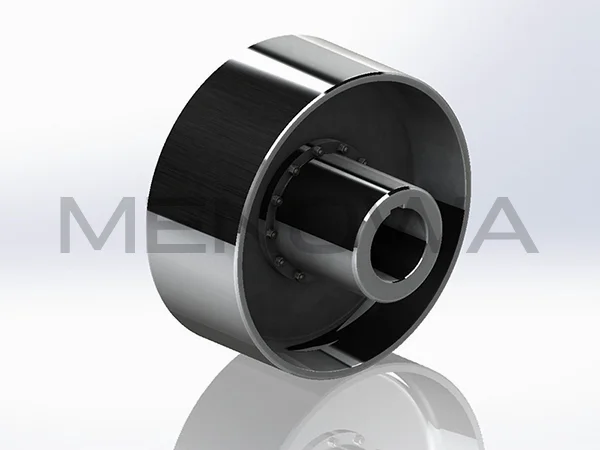
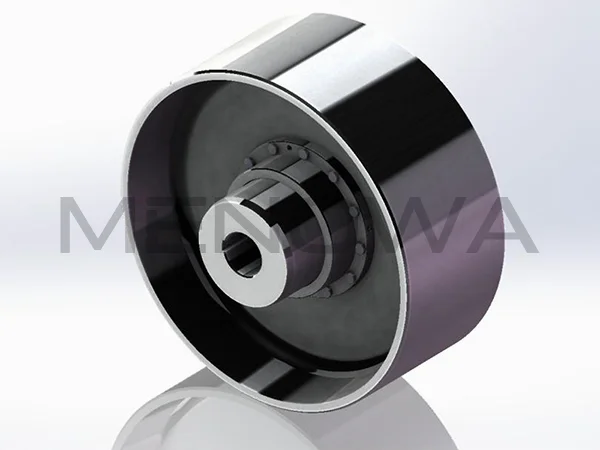
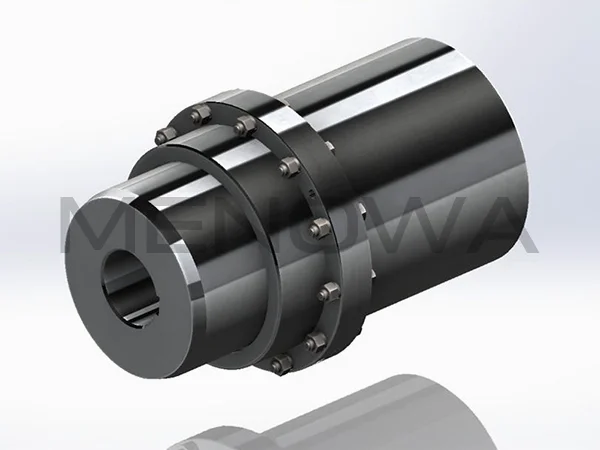
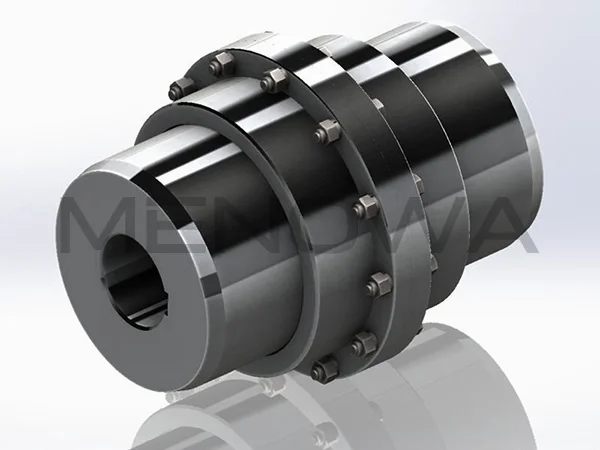
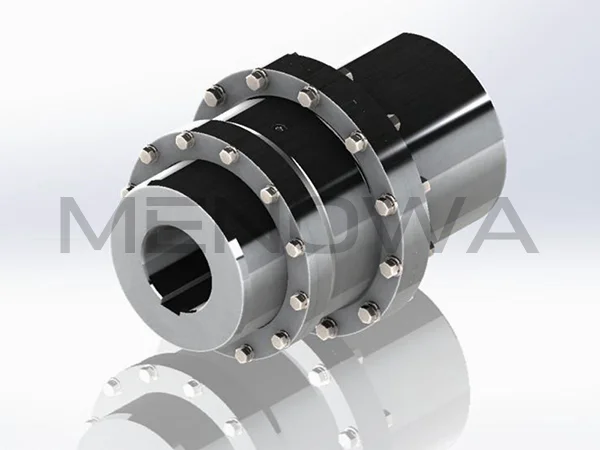
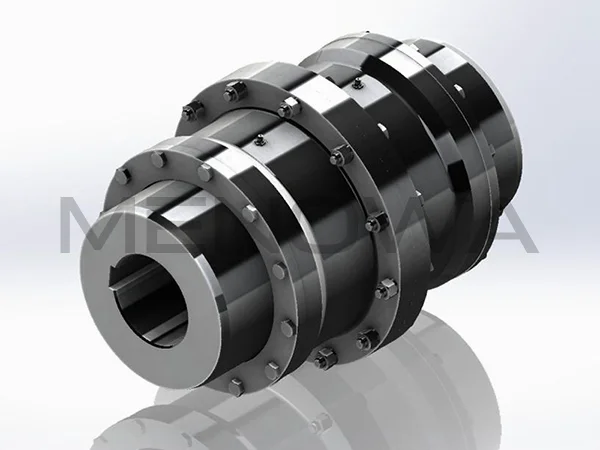
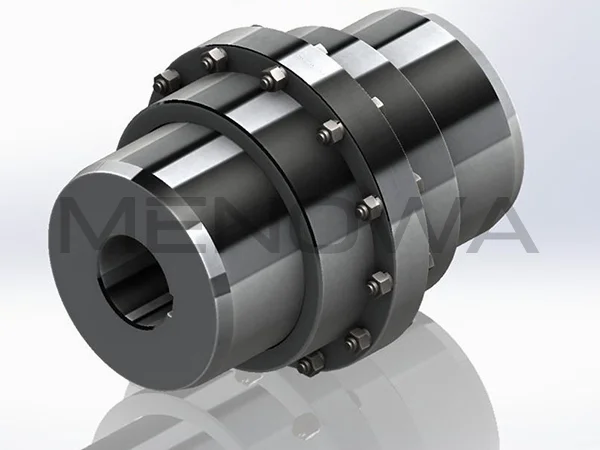
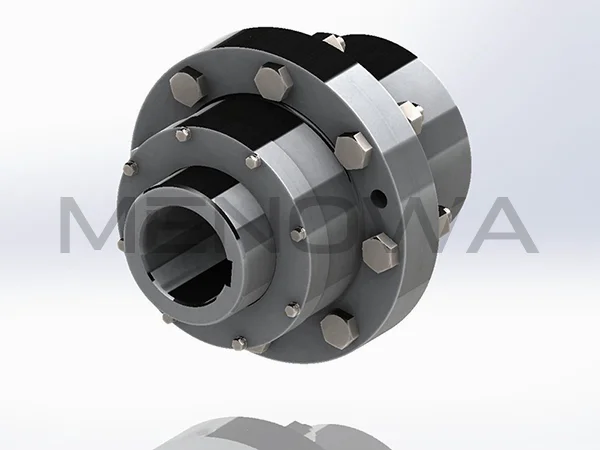
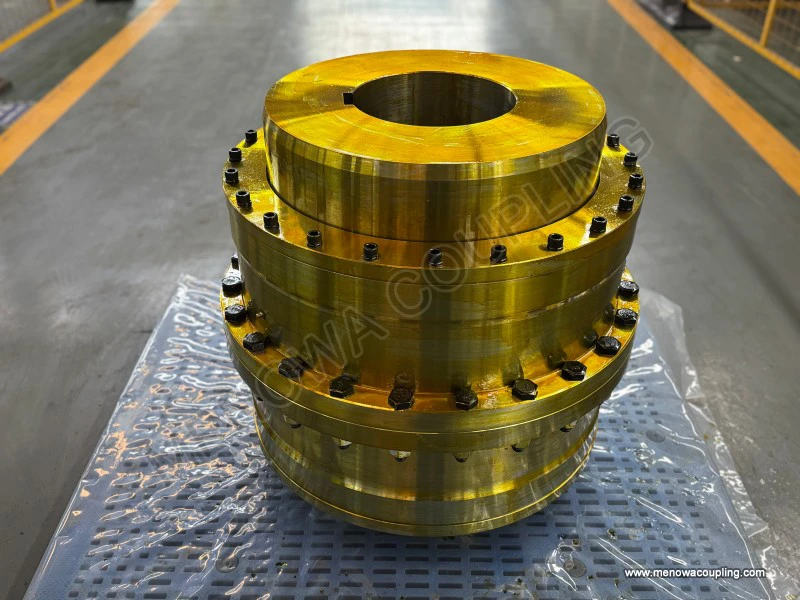
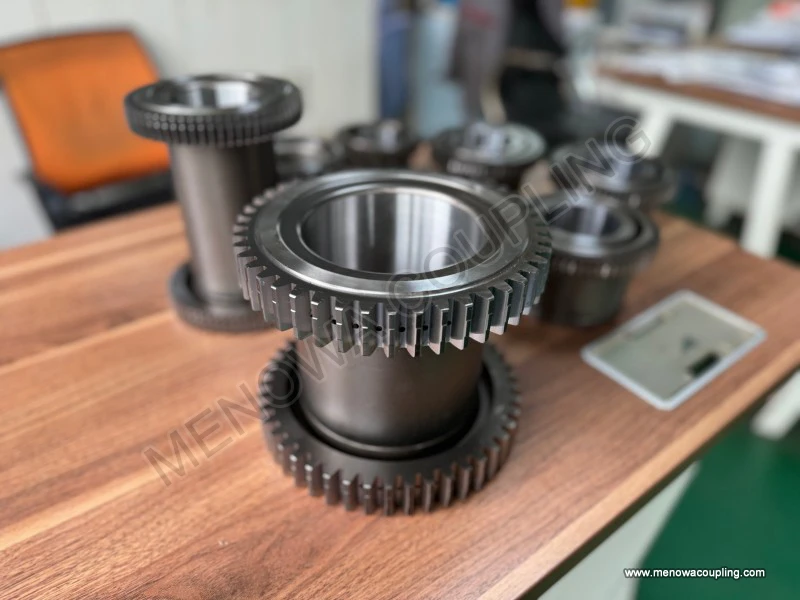
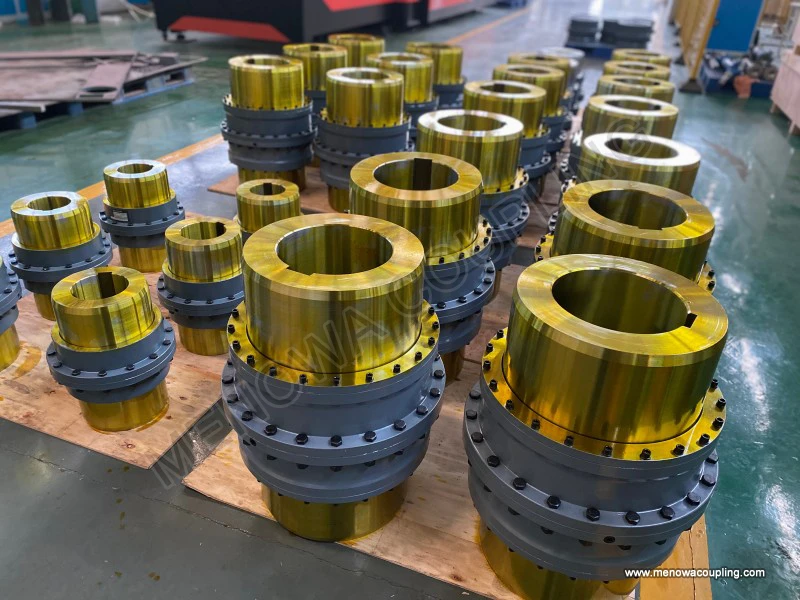
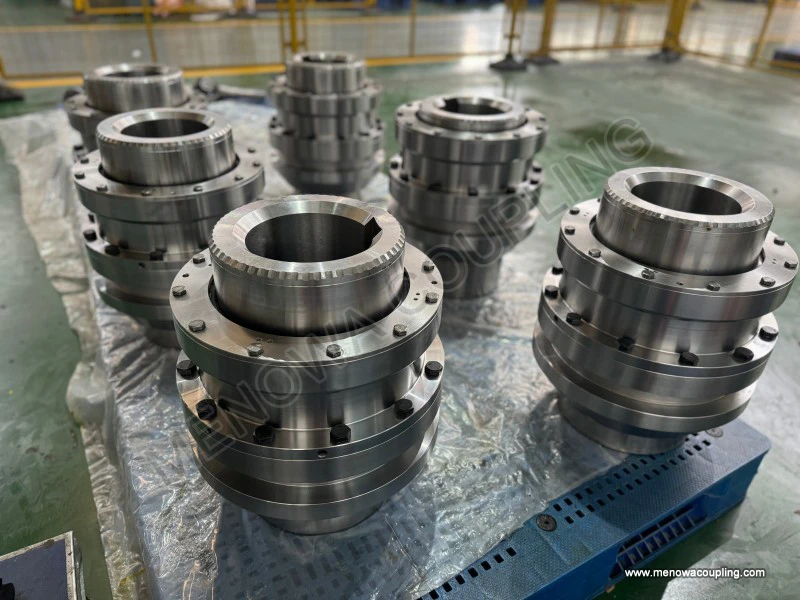
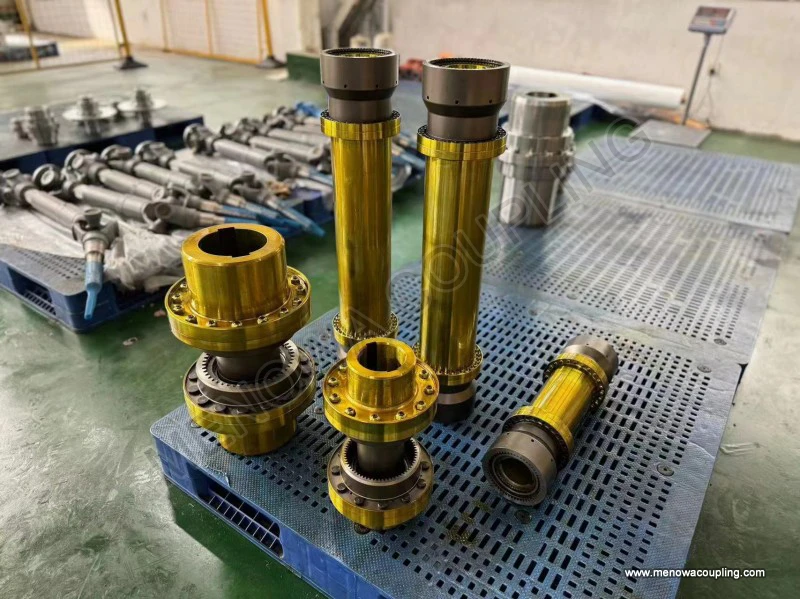
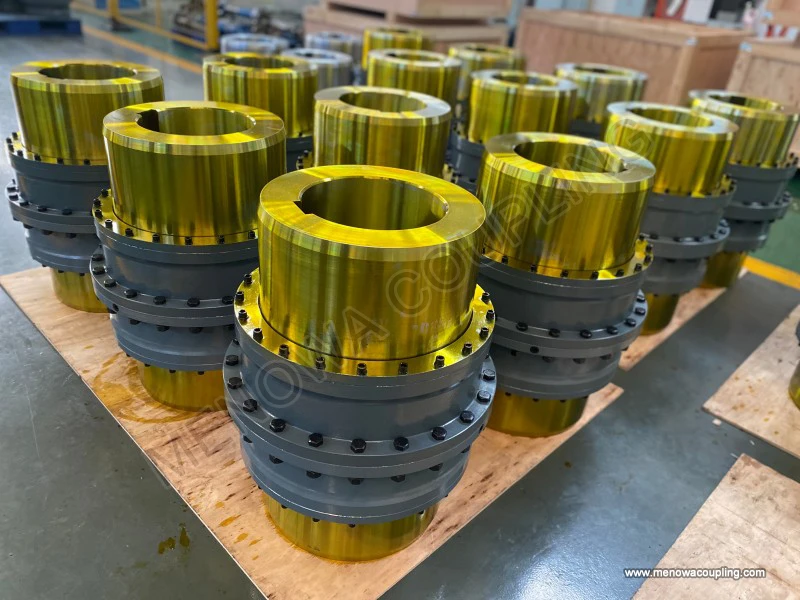
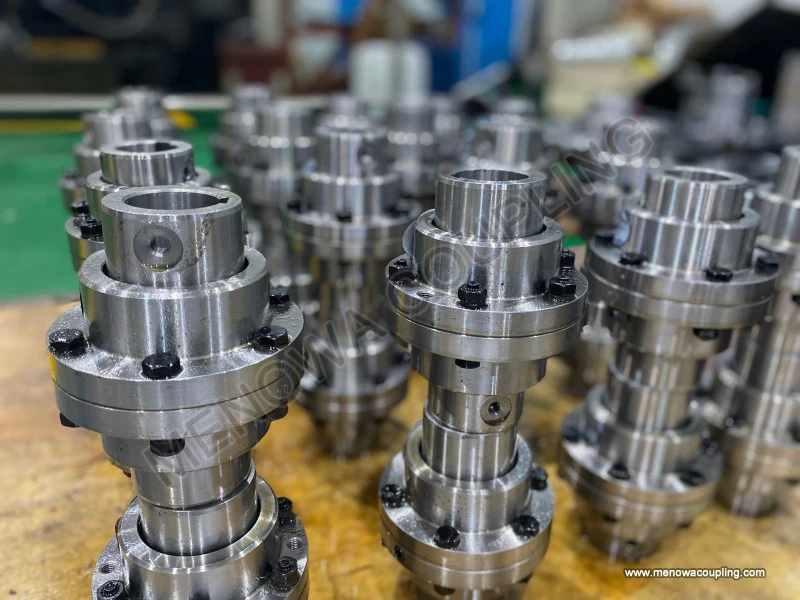
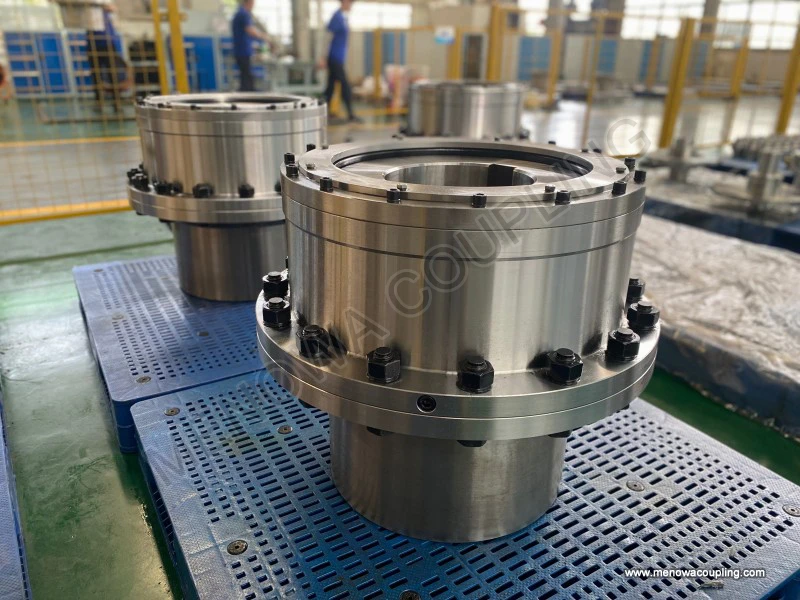
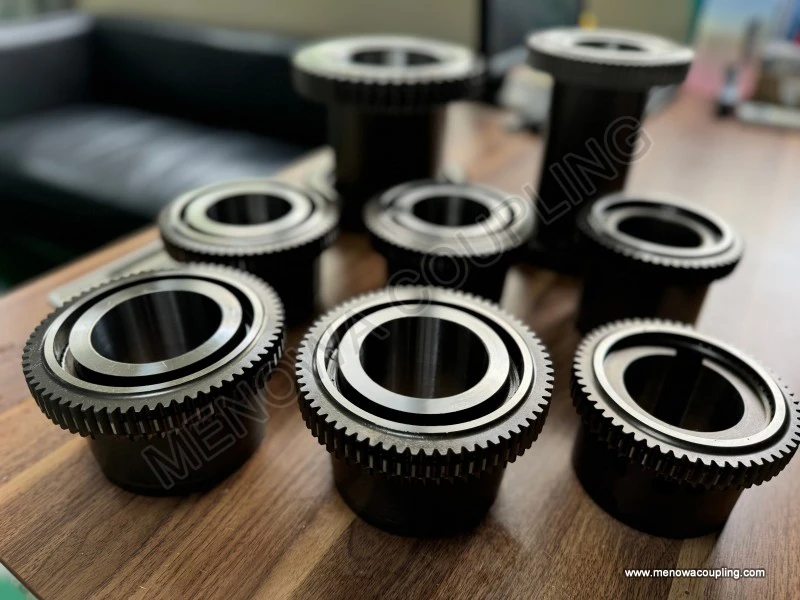
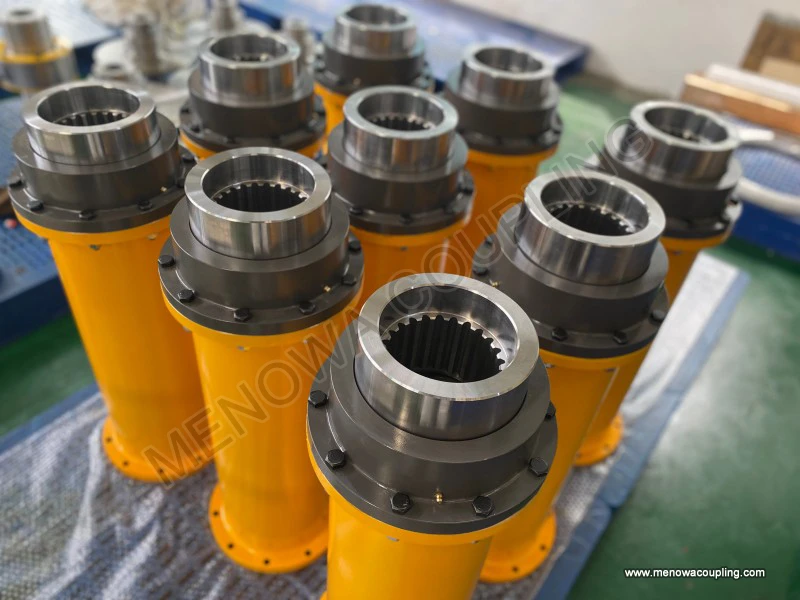
To deeply understand the practical value and application advantages of face gear coupling in industrial transmission systems, it is necessary to start with its basic structural composition, clarify the functional division and structural matching relationship of each component, and analyze how the unique structural design lays the foundation for its excellent transmission performance. The overall structure of face gear coupling follows the basic assembly logic of flexible gear coupling, retaining the core combination form of double hub matching meshing sleeve, but carrying out targeted optimized design on gear tooth shape, meshing position and overall assembly fit clearance according to the characteristics of face gear transmission. The complete set of face gear coupling is mainly composed of two symmetrical outer gear hubs, two inner gear sleeves matched with the outer gear hubs, fastening connecting parts, sealing protection components and lubrication storage auxiliary structures. The two outer gear hubs are the core connecting parts directly connected with the driving shaft and driven shaft respectively, and the inner hole of each hub is processed with standard connecting structures such as keyways or splines, which can realize tight and stable assembly and fixation with the rotating shaft, ensuring that torque can be accurately transmitted from the shaft body to the gear hub without relative rotation and power loss. The gear teeth of the outer gear hub are processed into spherical crown tooth surface structure with precise machining accuracy, and the spherical center of each gear tooth spherical crown is concentrated on the central axis of the coupling shaft body. This special tooth surface design is the core structural feature distinguishing face gear coupling from other gear couplings, enabling each gear tooth to form point contact meshing state with the inner gear teeth of the matching inner gear sleeve during operation, rather than the line contact meshing form of traditional cylindrical gear couplings.
The inner gear sleeve of face gear coupling is processed with inner ring gear teeth matching the outer gear tooth profile, and the inner gear teeth are designed with reasonable tooth profile curvature and tooth groove spacing to ensure good meshing fit with the spherical crown outer gear teeth. The two inner gear sleeves are fastened and connected by high-strength bolt sets after butt assembly, forming a closed integral meshing outer sleeve structure, which wraps the meshing part of the inner and outer gear teeth inside, providing a stable meshing working environment for gear tooth operation. The fit clearance between the inner gear sleeve and the outer gear hub of face gear coupling is reasonably optimized and slightly larger than that of ordinary standard gear couplings. This reserved reasonable clearance does not affect the stability of torque transmission, but provides sufficient space for the coupling to compensate for various misalignment displacements generated during equipment operation. The fastening connecting parts adopt high-strength alloy structural bolts with good tensile and shear resistance, which can maintain stable locking state under long-term heavy load operation and avoid loose connection and transmission failure caused by mechanical vibration and cyclic load impact. The sealing protection components are installed at the assembly gap between the gear sleeve and the gear hub, including rubber sealing gaskets and annular sealing rings with good wear resistance and aging resistance. These sealing structures can effectively isolate external dust, particulate impurities, moisture and corrosive media from entering the internal meshing area of the coupling, prevent gear tooth surface wear, corrosion and lubricant pollution caused by external impurities, and ensure the long-term stable operation of the internal meshing transmission structure. The lubrication storage auxiliary structures are arranged inside the closed cavity formed by the gear sleeve and the gear hub, which can store a sufficient amount of professional lubricating grease or lubricating oil required for gear meshing operation, and continuously provide lubrication protection for the meshing contact surface of gear teeth during the rotation process of the coupling.
The working mechanism of face gear coupling is based on the basic principle of conjugated gear meshing transmission, and realizes the efficient transfer of torque and rotational power between the driving shaft and the driven shaft through the precise meshing cooperation between spherical crown face outer gear teeth and inner ring gear teeth. In the actual operation process, the driving shaft drives the connected outer gear hub to rotate synchronously, and the rotational torque is transmitted to the meshing inner gear sleeve through the contact extrusion between the outer gear teeth and the inner gear teeth. Then the inner gear sleeve transmits the torque to the other outer gear hub connected with the driven shaft through the meshing action of the other group of inner and outer gear teeth, and finally drives the driven shaft to rotate synchronously, completing the whole process of power and torque transmission. Different from the rigid transmission mode of rigid couplings, face gear coupling relies on the flexible fit clearance of gear meshing and the deformable coordination of spherical crown tooth surface contact, realizing flexible transmission in the power transfer process. When the mechanical equipment is started, stopped or subjected to sudden load fluctuation, the meshing clearance and elastic contact of gear teeth can buffer the instantaneous impact force generated by load change, avoid rigid impact and torque shock directly acting on the shaft body and mechanical equipment body, and effectively protect the main transmission components and mechanical equipment from impact damage.
The core advantage of the working mechanism of face gear coupling is reflected in its excellent misalignment compensation ability, which can effectively adapt to angular misalignment, radial parallel misalignment and axial displacement between the driving shaft and the driven shaft inevitably generated in the process of equipment installation and long-term operation. In the actual industrial production environment, due to the limitation of on-site installation conditions, installation operation errors, long-term mechanical operation vibration, equipment foundation settlement and thermal expansion and contraction of mechanical components during operation, it is difficult to achieve absolute precise alignment between the driving shaft and the driven shaft connected by the coupling, and various misalignment states will inevitably occur. If the coupling cannot effectively compensate for these misalignments, additional bending stress and shear stress will be generated on the shaft body, bearings and related transmission parts, resulting in accelerated component wear, increased equipment operation vibration, shortened service life of parts, and even serious mechanical failure and production shutdown in severe cases. The spherical crown tooth surface structure of face gear coupling enables the gear teeth to have good adaptive adjustment ability during meshing operation. When angular misalignment occurs between the two shafts, the spherical contact surface of the gear teeth can automatically adjust the meshing contact angle without generating additional meshing resistance and stress concentration; when radial parallel misalignment exists, the reasonable reserved meshing clearance can offset the radial displacement deviation and maintain stable meshing state of gear teeth; when axial displacement occurs due to thermal expansion and contraction of equipment parts, the matching structure between the gear hub and the gear sleeve can adapt to axial position change without affecting the normal torque transmission. This multi-dimensional misalignment compensation performance ensures that the face gear coupling can always maintain efficient and stable transmission state under various complex shaft connection deviation conditions, reducing additional mechanical stress and operation failure risks.
The material selection and manufacturing process of face gear coupling directly determine its mechanical bearing capacity, wear resistance, fatigue resistance and overall service life, and all production and processing links follow strict mechanical part manufacturing standards and industrial processing specifications. In terms of material selection, the main body components such as gear hubs and gear sleeves of face gear coupling are mostly made of high-quality carbon structural steel or low-alloy structural steel with good comprehensive mechanical properties. These steel materials have high tensile strength, yield strength and good impact toughness, which can withstand long-term heavy load torque transmission and cyclic load impact without plastic deformation or structural fracture. The gear tooth parts, as the core stress and meshing wear parts, undergo special heat treatment processing after rough machining and finish machining, including overall quenching and tempering treatment and surface high-frequency quenching treatment. The overall quenching and tempering treatment can improve the overall toughness and structural stability of the gear hub and gear sleeve, avoid structural brittle fracture under impact load; the surface high-frequency quenching treatment can significantly improve the surface hardness and wear resistance of the gear tooth meshing contact surface, reduce the wear loss of gear teeth during long-term meshing operation, and extend the service cycle of the coupling. The fastening bolts used for connection are made of high-strength alloy steel materials, with strict tensile and shear strength indicators, ensuring that the connecting structure remains firm and reliable under long-term vibration and heavy load conditions.
In terms of manufacturing and machining technology, the gear tooth processing of face gear coupling adopts advanced precision gear processing equipment and professional tooth profile processing technology to ensure the machining accuracy of spherical crown tooth surface and the matching precision of inner and outer gear teeth. The tooth surface processing strictly controls the tooth profile error, tooth direction error and meshing contact accuracy, so that each gear tooth can form uniform and stable point contact meshing state during operation, avoiding local stress concentration caused by poor meshing accuracy and uneven gear tooth wear. After the completion of gear tooth machining, all components will undergo strict deburring and surface finishing treatment to remove machining burrs and sharp edges generated in the processing process, prevent burrs from affecting assembly accuracy and causing gear tooth meshing jamming, and also reduce the risk of local stress concentration. After the completion of component machining and heat treatment, all parts will undergo strict quality inspection and dimensional calibration, including dimensional accuracy detection, surface hardness detection, structural flaw detection and meshing performance test, to ensure that all indicators meet the design and industrial use requirements, and unqualified parts are strictly prohibited from entering the assembly and use link. The final assembly of face gear coupling is carried out in a dust-free and dry professional assembly environment, and the assembly operation is carried out in accordance with standardized assembly procedures. The lubricating medium is injected quantitatively during assembly, and the sealing structure is installed in place to ensure that the internal meshing cavity forms a good lubrication and sealing environment after assembly is completed.
Compared with other common types of flexible couplings in the market, face gear coupling has distinctive comprehensive performance advantages in load bearing capacity, misalignment compensation range, operation stability and adaptability to working conditions, making it more suitable for heavy-duty and continuous industrial transmission scenarios. Compared with elastic sleeve pin coupling and plum blossom elastic coupling, which rely on elastic elements for buffering and vibration reduction, face gear coupling has much higher torque transmission density and structural rigidity. Elastic element couplings are limited by the bearing capacity of elastic parts, and are mostly suitable for light and medium load transmission occasions, with poor resistance to heavy load and impact load, and elastic parts are easy to aging and damage, requiring frequent replacement and maintenance. Face gear coupling relies on metal gear meshing for torque transmission, with strong structural bearing capacity, good impact load resistance, no vulnerable elastic parts, and longer maintenance cycle and service life. Compared with traditional drum gear coupling and straight tooth gear coupling, face gear coupling adopts spherical crown face gear meshing design, with more reasonable gear tooth stress distribution, smaller meshing friction resistance and lower operation vibration and noise. The line contact meshing mode of traditional gear couplings is easy to produce local excessive stress on gear teeth surface, resulting in rapid local wear of gear teeth, while the point contact meshing mode of face gear coupling can disperse meshing stress, make gear tooth wear more uniform, and effectively reduce vibration and noise generated by meshing friction during operation.
In addition, face gear coupling has better adaptability to high-temperature and low-temperature working environments and dusty and corrosive working conditions. The fully closed structural design of the coupling cooperates with reliable sealing components, which can effectively isolate external harsh environmental factors, avoid the impact of high temperature, low temperature, dust and corrosive media on the internal meshing structure, and maintain stable transmission performance in various harsh industrial working conditions. Its reserved reasonable meshing clearance and optimized tooth surface structure also enable the coupling to adapt to high-speed rotation and variable speed operation working conditions, without obvious transmission power loss and operation instability during high-speed and variable-speed conversion processes. Whether it is continuous stable operation under fixed load or frequent start-stop and variable load operation under cyclic working conditions, face gear coupling can maintain good transmission performance and structural stability, and meet the diversified operation requirements of different industrial mechanical equipment.
Face gear coupling has been widely used in many core industrial fields due to its excellent comprehensive performance, covering heavy industrial production, basic energy supply, engineering machinery operation and other key industrial links, and has become an important basic component to ensure the stable operation of various heavy-duty mechanical transmission systems. In the metallurgical industry, metallurgical production equipment such as rolling mills, smelting auxiliary transmission equipment and steel conveying machinery need to transmit large torque for a long time, and the equipment will generate large vibration and load impact during the rolling and smelting production process, accompanied by high-temperature operation environment. Face gear coupling is applied to the main transmission shaft connection of these metallurgical equipment, relying on its high load-bearing capacity, impact resistance and high-temperature adaptability, to ensure stable power transmission of rolling mill and smelting equipment, buffer production vibration and impact, and avoid production interruption and equipment damage caused by transmission failure.
In the mining industry, mining crushing equipment, ore conveying equipment and mining hoisting machinery often work in dusty, humid and high-impact working conditions, with complex and changeable load during operation, and frequent start-stop and impact load. The misalignment of equipment shaft connection is easy to occur due to harsh on-site working conditions and long-term vibration operation. Face gear coupling can adapt to the dusty and humid harsh working environment through good sealing performance, compensate for shaft misalignment generated by equipment operation and foundation vibration through excellent misalignment compensation ability, and withstand frequent impact load through strong structural stability, ensuring the continuous and reliable operation of mining mechanical equipment and reducing equipment failure and maintenance downtime caused by transmission problems.
In the cement building materials processing industry, cement rotary kilns, raw material grinding equipment and clinker conveying equipment have the characteristics of long-term continuous operation, large transmission torque and large mechanical vibration during operation. The thermal expansion and contraction of equipment parts during long-term operation will lead to axial displacement and angular misalignment of connecting shafts. Face gear coupling can adapt to long-term continuous operation requirements with its durable structural performance, compensate for shaft displacement and misalignment caused by thermal deformation, maintain stable transmission of cement production equipment, and ensure the continuous and efficient operation of cement production line.
In the energy and power industry, power generation equipment auxiliary transmission systems, fan and water pump large-scale transmission equipment and new energy power transmission machinery need stable and low-vibration power transmission to ensure the stable operation of power supply and energy conversion systems. Face gear coupling operates with low vibration and low noise, has stable transmission performance, will not produce large vibration interference to power equipment, and can ensure the efficient and stable operation of energy power transmission equipment. In the heavy machinery manufacturing and engineering machinery field, large hoisting machinery, port handling equipment and engineering construction machinery need to bear variable load and impact load during operation, and the shaft connection position is prone to installation deviation and operation displacement. Face gear coupling provides reliable torque transmission and misalignment compensation guarantee for these engineering machinery, ensuring the safety and stability of mechanical operation and hoisting handling work.
Scientific and reasonable installation operation, daily inspection management and regular maintenance and maintenance work are key factors to ensure the long-term stable operation and extended service life of face gear coupling. The installation quality of the coupling directly affects its transmission performance and service life, and standardized installation steps and accurate alignment operation must be followed during the installation process. Before installation, all coupling parts should be carefully inspected to check whether the gear tooth surface is intact, whether the sealing components are damaged, whether the connecting bolts are complete, and whether the dimensional matching between the gear hub and the connecting shaft meets the requirements, and all impurities and rust on the surface of parts and shaft body should be cleaned to ensure clean and dust-free assembly environment. During the installation process, the gear hubs should be installed on the driving shaft and driven shaft respectively, and the assembly tightness should be ensured to avoid relative rotation between the gear hub and the shaft body. After the gear hubs are installed, the preliminary alignment adjustment of the two shafts should be carried out to reduce the initial misalignment error between the shafts, laying a foundation for the subsequent stable operation of the coupling. Then the inner gear sleeves are assembled and fastened with high-strength bolts, and the fastening force of each bolt should be uniform to avoid structural deviation and stress concentration caused by uneven fastening force. After the installation is completed, the rotation test should be carried out to check whether the coupling rotates smoothly without jamming, abnormal friction and obvious vibration, and the installation work can be confirmed to be completed only after the test operation is normal.
Daily inspection and management of face gear coupling should be incorporated into the daily equipment operation and maintenance management system, and regular inspection and operation status monitoring should be carried out by special maintenance personnel. In the daily equipment operation process, maintenance personnel should regularly observe the operation state of the coupling, check whether there is abnormal vibration, abnormal noise and local temperature overheating during coupling operation, and judge whether the coupling is in normal working state. Regularly check the sealing structure of the coupling to see if there is lubricant leakage, once oil leakage is found, the sealing gasket and sealing ring should be replaced in time to prevent lubricant loss and external impurities from entering the meshing cavity. Regularly check the fastening state of the connecting bolts to prevent bolt loosening caused by long-term vibration, and timely fasten the loose bolts to ensure the stable connection of the coupling structure. For the coupling working under high-load and long-term continuous operation conditions, the inspection frequency should be appropriately increased to timely discover potential hidden dangers such as gear tooth wear and seal aging, and avoid small faults evolving into large mechanical failures affecting production operation.
Regular maintenance and lubrication maintenance are the core links to maintain the good performance of face gear coupling and extend its service life. The lubricating medium inside the coupling meshing cavity will gradually age and deteriorate after long-term operation, and the lubrication and protection effect will decrease, and the lubricant will be mixed with tiny wear particles generated by gear tooth meshing wear, affecting the normal meshing operation of gear teeth. Therefore, regular lubricant replacement work must be carried out according to the actual working conditions and operation time of the coupling. During maintenance, the coupling sealing structure is disassembled first, the old deteriorated lubricant inside the meshing cavity is completely cleaned, the wear particles and impurities inside the cavity are removed, and then new professional special lubricating grease or lubricating oil is injected quantitatively according to the design requirements to ensure that the gear tooth meshing surface is fully covered by lubricating medium and form a good lubricating protection film. At the same time of lubricant replacement, the wear degree of gear tooth surface should be inspected, the wear state of meshing contact position should be checked, and if excessive wear, tooth surface peeling and other abnormal conditions are found, the damaged coupling parts should be replaced in time to ensure the transmission safety of the coupling.
In addition, according to different seasonal changes and working environment changes, targeted maintenance adjustment should be carried out for face gear coupling. In high-temperature summer working environment, high-temperature resistant lubricating medium should be selected to avoid lubricant thinning and failure caused by high temperature; in low-temperature winter working environment, low-temperature resistant lubricating medium should be used to ensure that the lubricant has good fluidity at low temperature and normal lubrication effect. For the coupling working in humid and corrosive environment, anti-corrosion treatment should be regularly carried out on the outer surface of the coupling to prevent structural corrosion and rust of the coupling shell, and the sealing performance inspection should be strengthened to prevent moisture and corrosive media from entering the interior. Through scientific and standardized installation, daily inspection and regular maintenance work, the failure rate of face gear coupling can be effectively reduced, the stable transmission performance of the coupling can be maintained for a long time, and the service life of the coupling can be maximized, creating stable and reliable operation conditions for the entire mechanical transmission system.
With the continuous progress of mechanical manufacturing technology and the continuous upgrading of industrial production equipment, the performance optimization and application expansion of face gear coupling are also constantly promoted, and the future development direction will focus on structural optimization design, new material application and intelligent maintenance management. In terms of structural optimization design, combined with computer simulation analysis and finite element stress calculation technology, the tooth surface structure and overall assembly structure of face gear coupling will be further optimized, the meshing stress distribution of gear teeth will be more reasonable, the misalignment compensation range and load-bearing capacity of the coupling will be further improved, and the operation vibration and noise will be further reduced. In terms of new material application, with the continuous development of new high-strength, wear-resistant and corrosion-resistant alloy materials and composite materials, new materials will be applied to the production and manufacturing of face gear coupling, further improving the mechanical performance, wear resistance and environmental adaptability of the coupling, and adapting to more harsh industrial working conditions and higher standard transmission requirements.
In terms of intelligent maintenance management, with the popularization of industrial intelligent monitoring technology, more face gear couplings will be equipped with vibration monitoring, temperature monitoring and operation state sensing devices, which can realize real-time online monitoring of the coupling's operation state, automatically collect operation data, judge potential failure hidden dangers in advance, and realize predictive maintenance of the coupling. This intelligent maintenance management mode can change the traditional passive maintenance mode of post-fault maintenance and regular maintenance, reduce maintenance costs and equipment downtime, and improve the overall operation efficiency of industrial production lines. As a key basic transmission component in the industrial field, face gear coupling will continue to rely on technological innovation and performance optimization, adapt to the development needs of modern industrial mechanical equipment, provide stable, efficient and reliable power transmission guarantee for various industrial production and mechanical operation, and play an important supporting role in the stable operation and efficient development of the industrial mechanical transmission field.
https://www.menowacoupling.com/industrial-coupling/face-gear-coupling.html
 WeChat
 WhatsApp