In the entire system of mechanical power transmission equipment, the connection component between rotating shafts undertakes the core task of stably transmitting torque, coordinating the operation of different mechanical units, and buffering various abnormal loads generated during equipment operation. Among numerous types of shaft connection parts developed for diverse industrial working conditions, drum gear coupling stands out as a vital rigid-flexible integrated transmission component, perfectly balancing the structural rigidity required for high-efficiency torque transmission and the flexible compensation performance needed to adapt to shaft misalignment and complex operating environments. Unlike traditional straight gear couplings and other common flexible coupling structures, the unique drum-shaped tooth profile design of drum gear coupling fundamentally optimizes the meshing state between internal and external gear teeth, effectively solving the common technical pain points of traditional transmission connection parts such as easy tooth edge wear, serious stress concentration, poor misalignment adaptability and short service life in long-term industrial operation. This type of coupling has become an indispensable basic component in heavy-duty machinery, rotating power equipment and continuous production industrial lines, providing reliable basic guarantee for the stable, continuous and safe operation of various mechanical transmission systems in different fields. Understanding the inherent structural characteristics, internal working mechanism, actual performance advantages, applicable industrial scenarios, scientific selection methods, standardized installation and commissioning processes, as well as daily maintenance and common fault disposal measures of drum gear coupling is of great practical significance for mechanical design engineers, equipment operation and maintenance personnel, and industrial production management personnel to optimize mechanical system configuration, reduce equipment operating failure rates, extend the overall service cycle of transmission equipment, and control industrial production and operation costs.
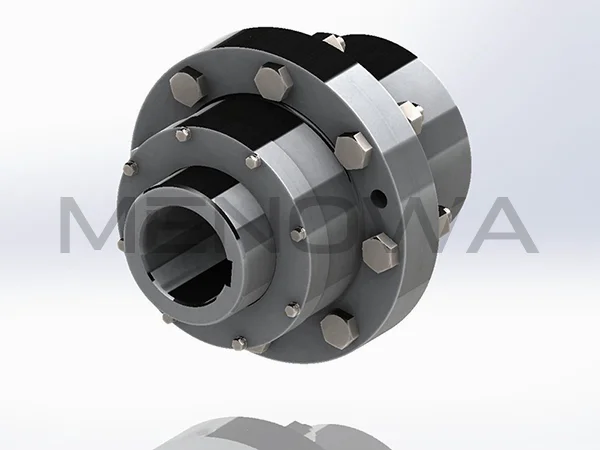
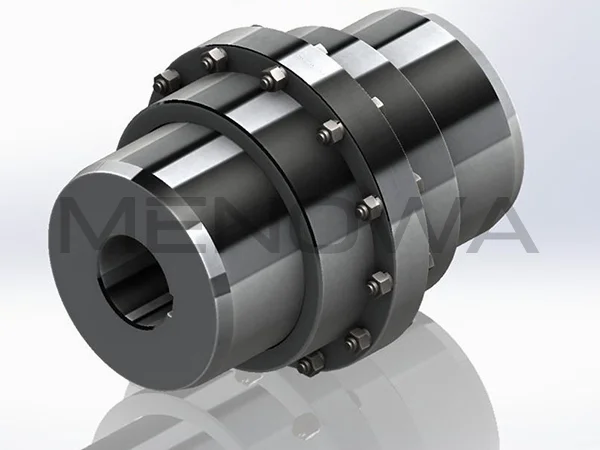
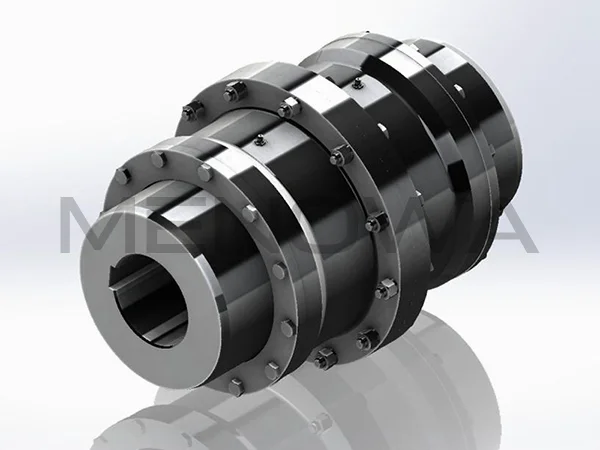
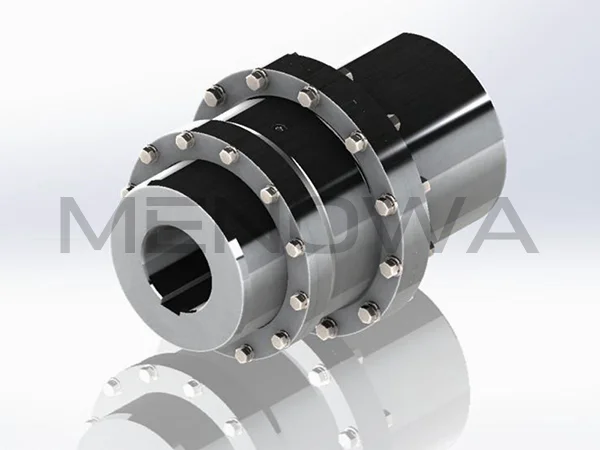
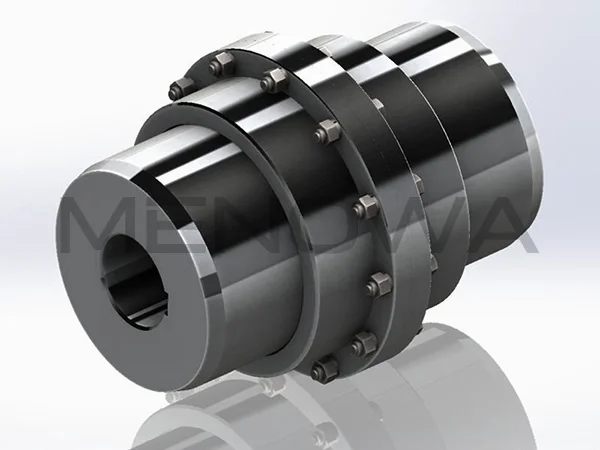
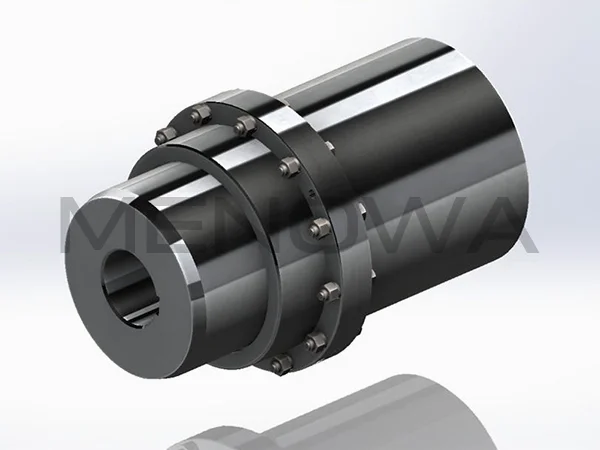
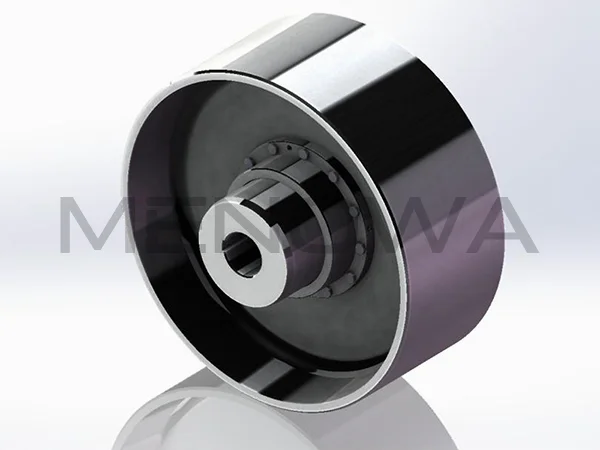
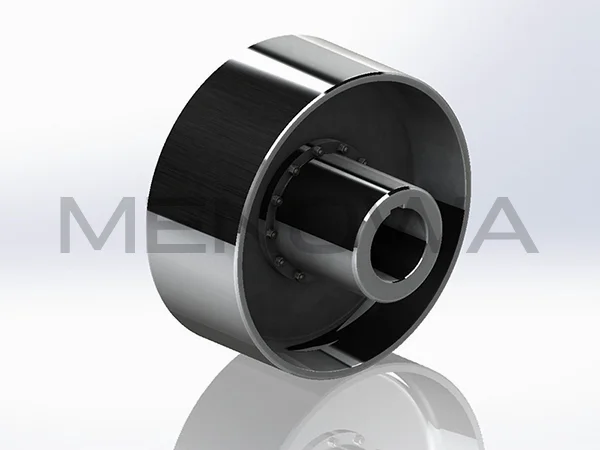
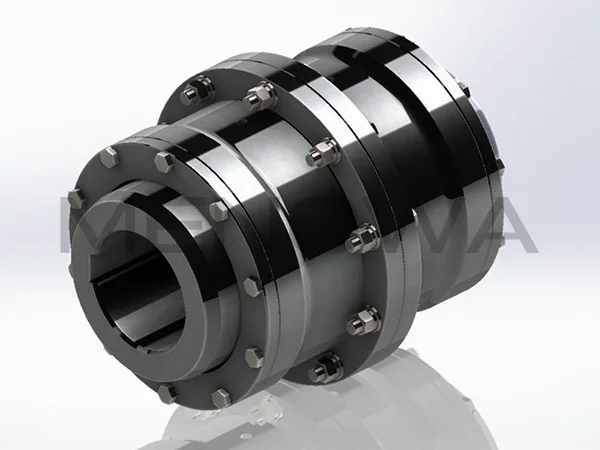
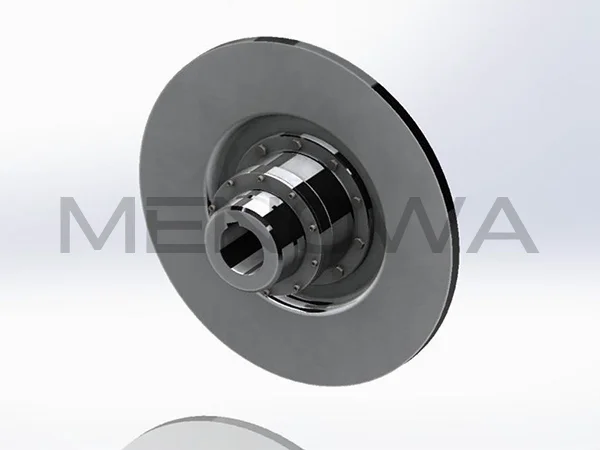
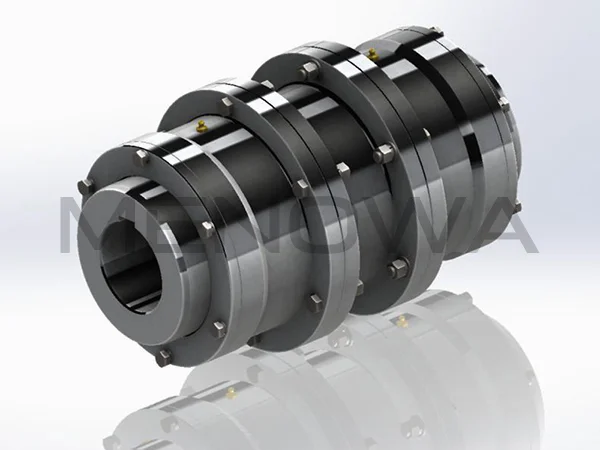
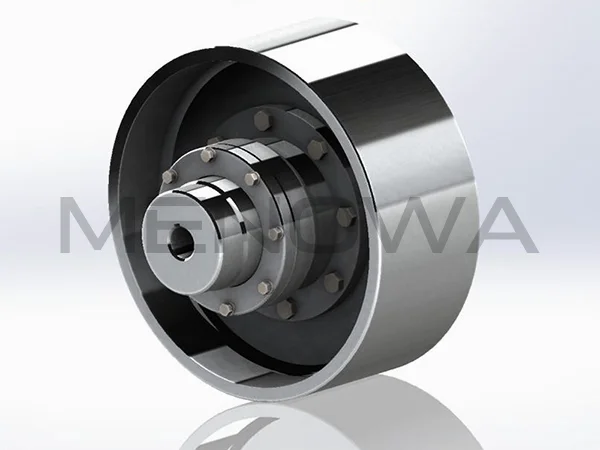
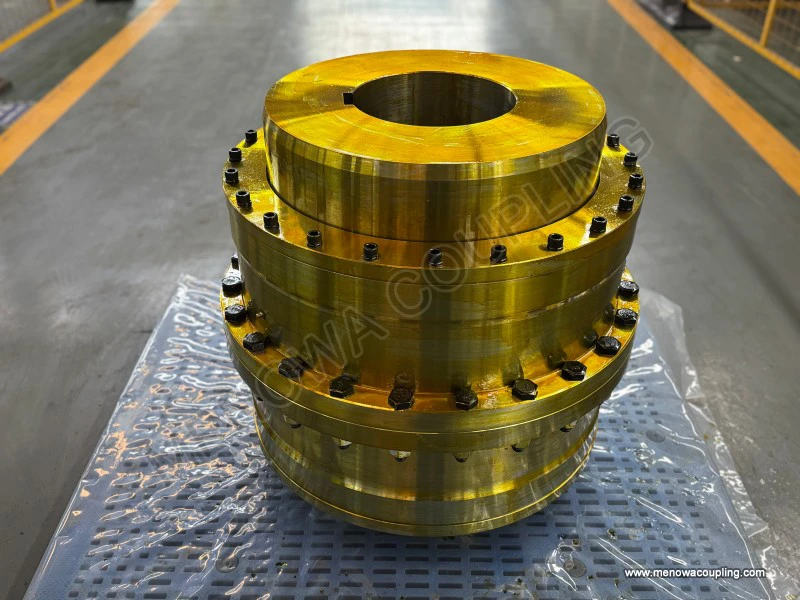
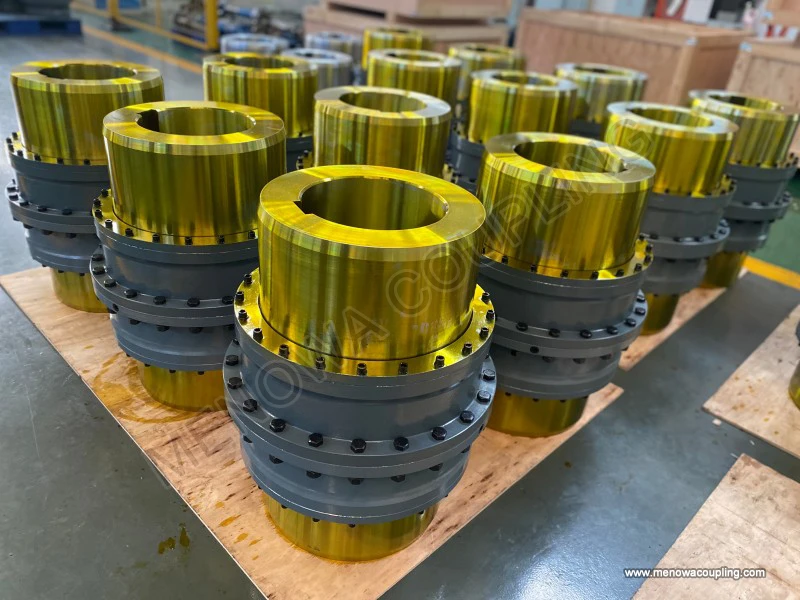
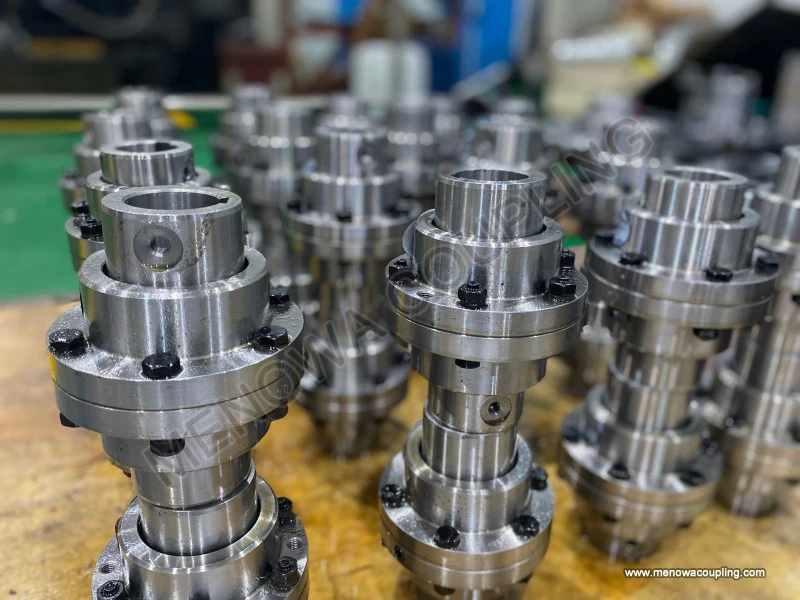
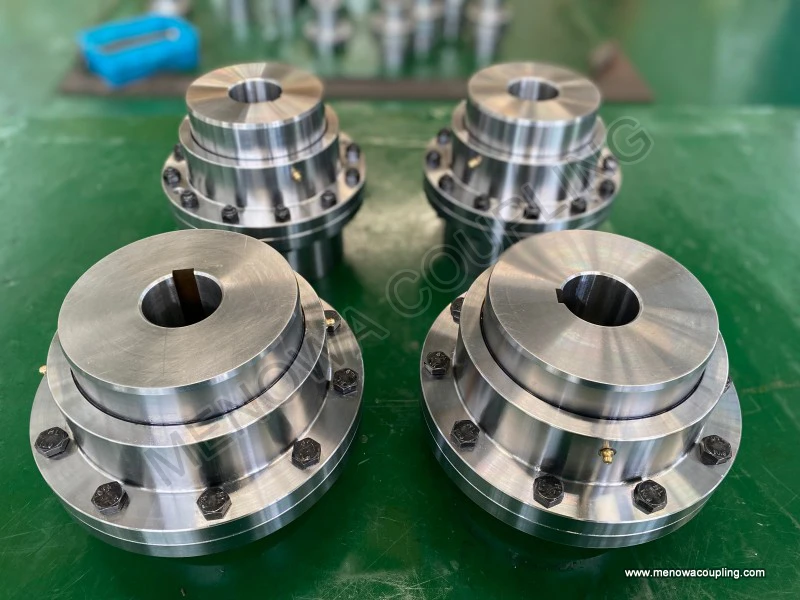
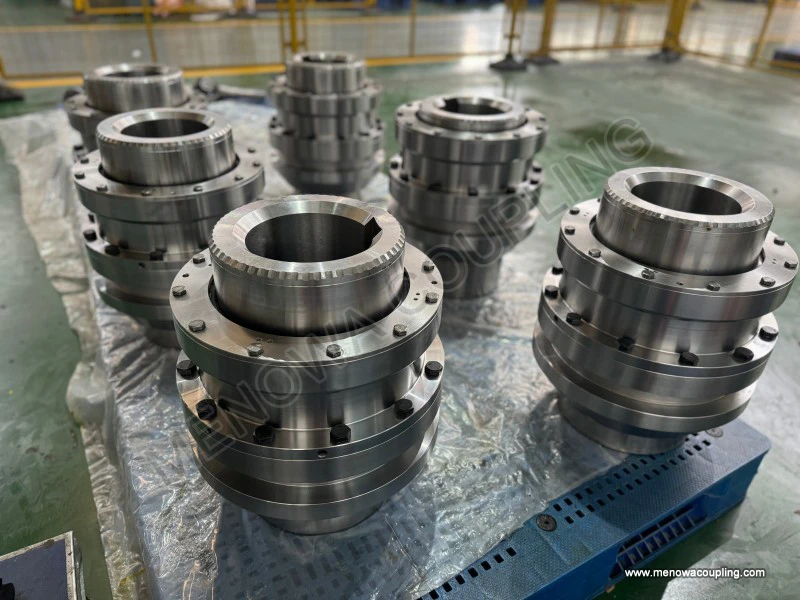
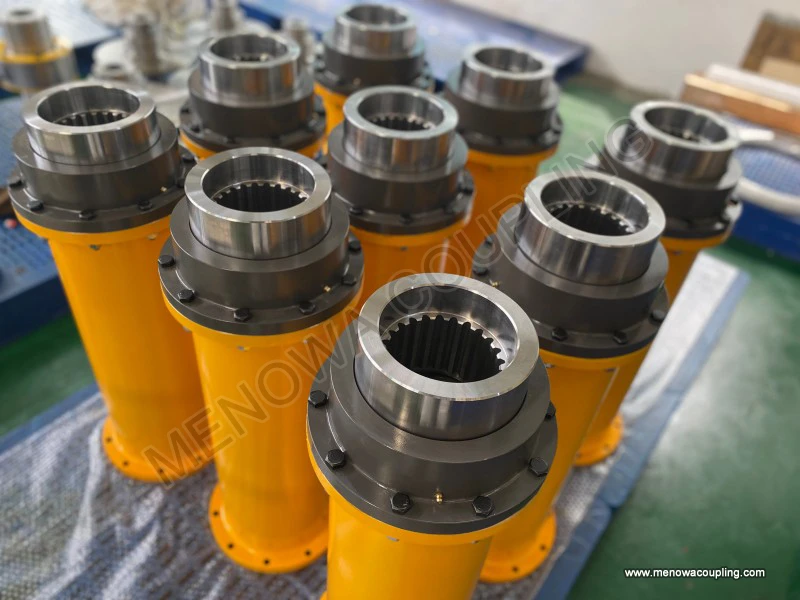
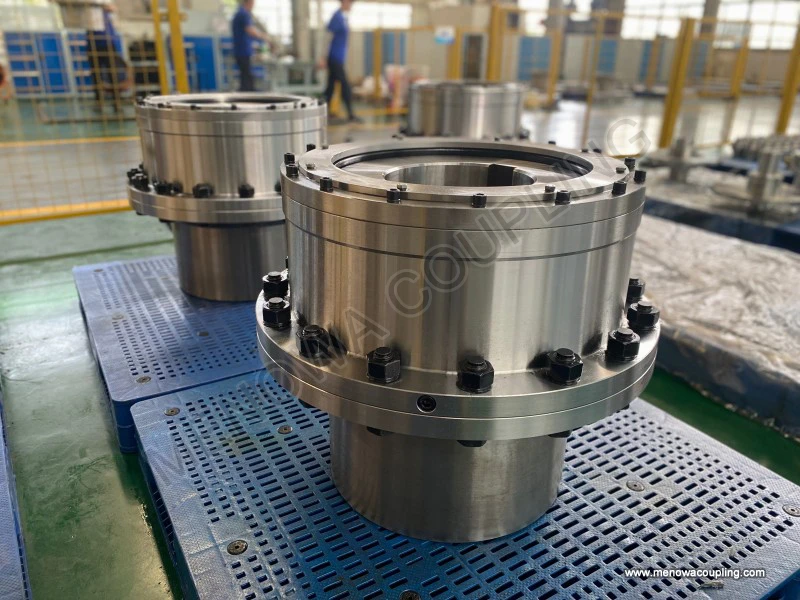
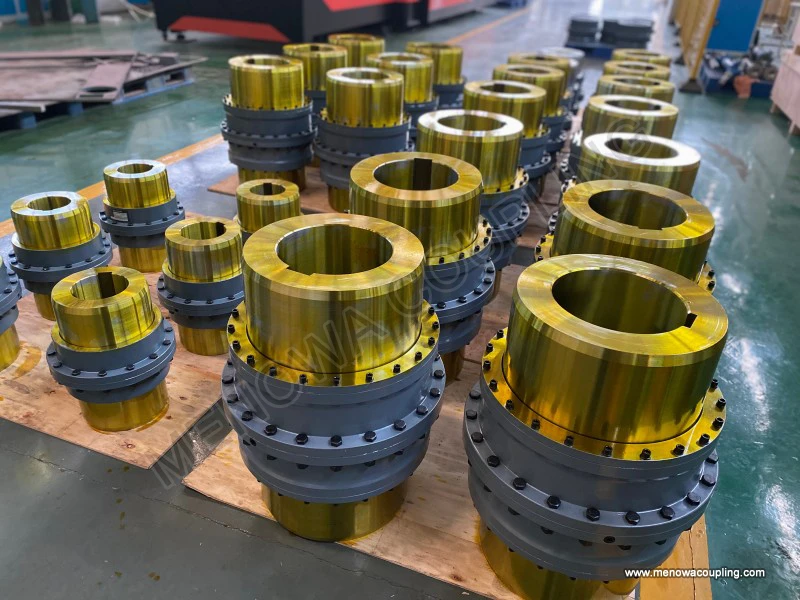
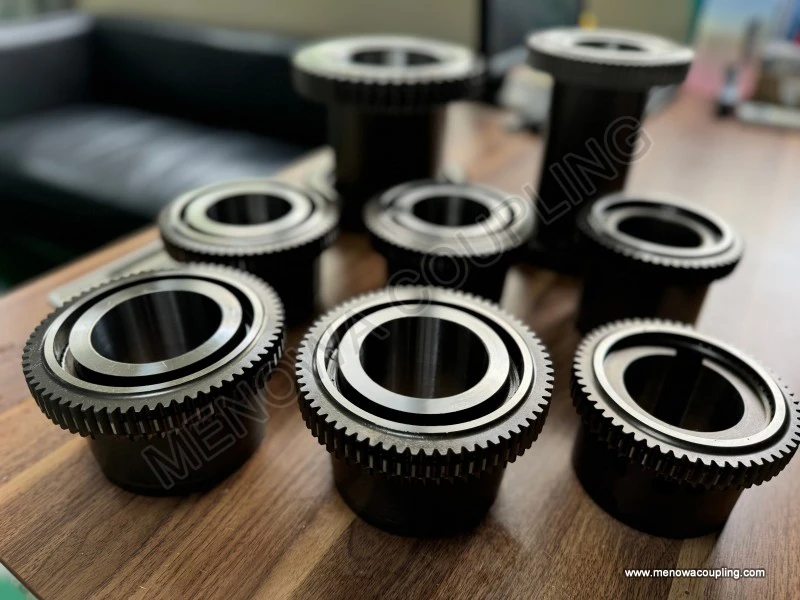
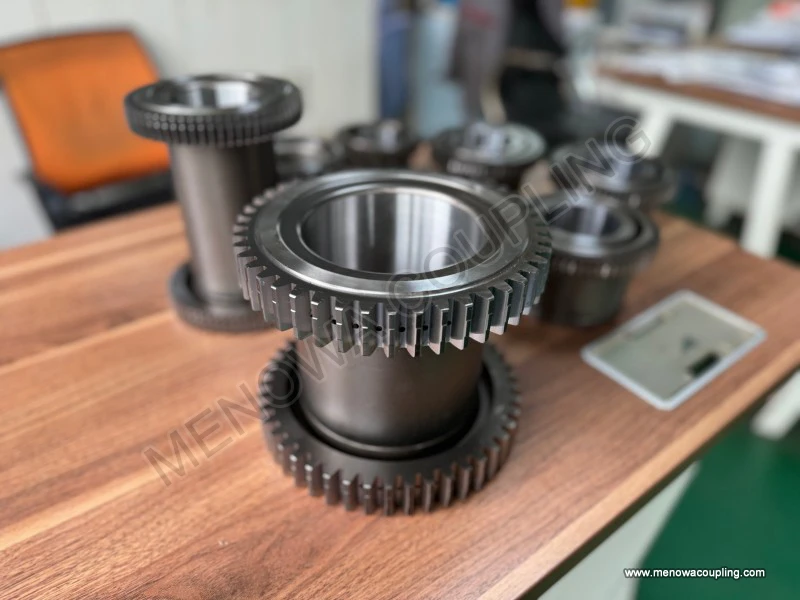
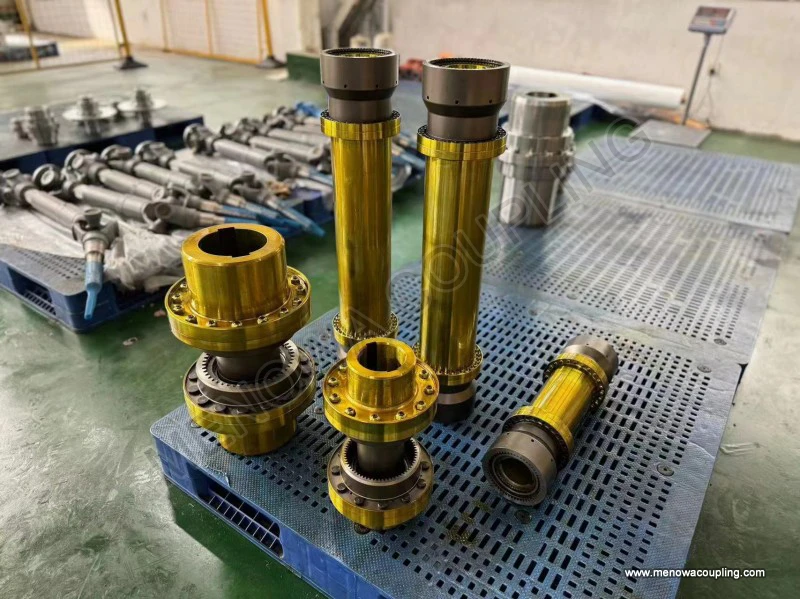
The basic composition of barrel gear coupling follows the mature design logic of gear meshing transmission, and the overall structure is compact and reasonable without redundant accessory settings, which is convenient for on-site assembly, disassembly and subsequent maintenance work in industrial production environments. The main body of the coupling is composed of two core matching parts, including the external gear half coupling with drum-shaped external teeth and the internal gear ring flange with internal teeth of the same number. The external gear part is processed into a special drum-shaped curved tooth surface through precise machining technology, and the center of the drum-shaped arc of each tooth is concentrated on the central axis of the gear itself, which is the most critical structural difference between drum gear coupling and ordinary straight gear coupling. The internal gear ring adopts a standard annular integral structure, and the internal tooth profile is processed according to the matching meshing parameters of the external drum-shaped teeth to ensure the tight and stable meshing fit between the internal and external teeth during operation. In addition to the core gear meshing components, the complete drum gear coupling is also equipped with supporting connecting flanges, reliable sealing components and necessary positioning and fastening parts. The connecting flanges are integrally forged and processed with high-strength metal materials, which are responsible for the fixed connection between the coupling and the shaft ends of driving equipment and driven equipment, ensuring the stable transmission of torque without looseness or displacement during high-load operation. The sealing system composed of rubber or polymer sealing rings is installed at the meshing gap between the internal gear ring and the external gear half coupling, which plays two key protective roles in the actual operation process. On the one hand, it can effectively lock the internal lubricating grease or lubricating oil required for gear meshing operation to prevent the leakage of lubricating media caused by long-term rotation and vibration, avoiding the reduction of lubrication effect and the waste of lubricating materials. On the other hand, it can isolate external dust, metal wear debris, moisture and other harmful impurities in the industrial working environment from entering the gear meshing area, preventing the abrasive wear and corrosion damage of the tooth surface caused by foreign matter intrusion, and maintaining the good meshing working state of the gear teeth for a long time. All positioning and fastening parts are made of high-strength alloy materials with excellent fatigue resistance and shear resistance, which can resist the alternating load and vibration impact generated during the long-term continuous operation of the equipment, ensuring that the overall structural tightness and connection accuracy of the coupling will not change due to long-term operation.
The unique working mechanism of crown gear coupling is based on the flexible meshing contact principle of drum-shaped tooth surface, and the whole torque transmission and displacement compensation process is smooth and efficient without rigid impact and abnormal friction. When the driving equipment and driven equipment are installed in an ideal aligned state with no shaft deviation, the drum-shaped external teeth and internal gear teeth are in central contact at the middle position of the tooth surface, the stress distribution on the whole meshing tooth surface is uniform and balanced, the torque generated by the driving shaft is evenly transmitted to the driven shaft through the multi-point meshing contact of the gear teeth, and the transmission process is stable and efficient with low power loss. In the actual industrial production scenario, due to the limitations of equipment installation accuracy, long-term operation vibration, mechanical foundation settlement, thermal expansion and contraction of equipment components during operation and other objective factors, it is difficult to keep the driving shaft and driven shaft in a complete and absolute aligned state all the time, and different degrees of axial displacement, radial displacement and angular deflection deviation will inevitably occur between the two connected shafts. At this time, the structural advantages of the drum-shaped tooth profile of the drum gear coupling are fully reflected. Different from the straight tooth structure of traditional gear couplings which is prone to rigid edge extrusion when misaligned, the curved drum-shaped tooth surface can make the meshing contact point between the internal and external teeth smoothly shift left and right along the tooth surface with the deflection and displacement of the shaft system. In the process of contact point migration, the meshing position always maintains the middle area of the tooth surface, avoiding the dangerous edge contact and local sharp extrusion of the gear teeth. This flexible contact migration mode enables the coupling to automatically and adaptively compensate for various comprehensive deviations generated between the two shafts during operation, without generating additional bending stress and shear stress on the gear teeth and connected shafts. In the whole torque transmission process, the meshing friction between gear teeth is rolling friction supplemented by slight sliding friction, the friction coefficient is small, the power consumption in the transmission link is low, and the effective transmission efficiency of the coupling can be maintained at a high level for a long time. Even under the working conditions of frequent start-stop, forward and reverse rotation conversion and intermittent load impact, the drum gear coupling can rely on its stable meshing structure and flexible compensation ability to buffer and absorb part of the impact load, avoid the direct action of instantaneous impact force on the driving and driven equipment shafts and internal components, and protect the main mechanical equipment from damage caused by sudden load changes.
Compared with other types of couplings widely used in the mechanical transmission field, curved tooth gear coupling has comprehensive and prominent practical performance advantages in load bearing capacity, displacement compensation range, operation stability, environmental adaptability and service life cycle, which makes it suitable for harsh and high-demand industrial working conditions that many ordinary flexible couplings and rigid couplings cannot adapt to. In terms of displacement compensation performance, the drum-shaped tooth structure design greatly improves the allowable deviation range of the coupling for shaft system misalignment. It can simultaneously and effectively compensate for axial displacement, radial displacement and angular displacement between connected shafts, and the compensation capacity for angular displacement is significantly improved compared with traditional straight gear couplings. This excellent comprehensive compensation performance can well adapt to the shaft position changes caused by various complex factors in actual operation, reduce the additional mechanical load and vibration wear caused by shaft misalignment on the transmission system, and maintain the long-term stable operation of the equipment. In terms of load bearing performance, the uniform stress distribution brought by the central meshing contact of the drum-shaped tooth surface avoids the local stress concentration phenomenon common in straight gear meshing. Each gear tooth can bear the load evenly in the meshing process, giving full play to the mechanical bearing performance of the gear tooth material. The coupling can withstand continuous high torque load and long-term cyclic alternating load without tooth surface deformation, tooth root fracture and other structural damage, and has strong overload resistance to short-term instantaneous load fluctuation. In terms of operation stability and wear resistance, the optimized meshing contact state eliminates edge wear and sharp friction of gear teeth, and with the cooperation of the internal sealing and lubrication system, the wear degree of the tooth surface in long-term operation is kept at a low level. The vibration and noise generated during the power transmission process are small, which will not cause adverse vibration interference to the main equipment and surrounding mechanical structures, and can meet the operation requirements of equipment with high requirements for operation stability. In terms of structural durability and maintenance cycle, the overall rigid-flexible integrated structure has no easily damaged elastic vulnerable parts unlike rubber couplings and spring couplings, and the main components are all metal forged and machined parts with high structural strength and fatigue resistance. Under the condition of normal operation and regular lubrication maintenance, the service life of the coupling can be synchronized with the main transmission equipment to a great extent, and the frequency of replacement and maintenance is low, which effectively reduces the downtime loss and equipment maintenance cost caused by coupling failure in industrial production.
Drum gear coupling, relying on its excellent comprehensive performance and strong working condition adaptability, has been widely applied in multiple core industrial fields involving heavy-load power transmission and continuous mechanical operation, covering basic industrial production, engineering machinery operation, energy power generation, material handling and transportation, industrial processing and manufacturing and other important industries. In the field of heavy engineering machinery and mining equipment, the coupling is applied to the power transmission connection of large excavators, mining conveyors, crushing equipment and ball mill equipment. This kind of equipment often operates under harsh working conditions with heavy load impact, complex working environment and frequent start-stop operations, and the shaft system is prone to large misalignment deviation and instantaneous load fluctuation during operation. The drum gear coupling can stably transmit high torque, buffer impact load and compensate for shaft displacement deviation, ensuring that the mining and engineering machinery can maintain continuous and stable operation in harsh working environments and avoid production interruption caused by transmission connection failure. In the field of electric power and energy equipment production and operation, the coupling is used for the shaft connection of power generation unit auxiliary equipment, fan and water pump power transmission systems and power transmission speed reducer equipment. The power energy equipment has high requirements for the stability and continuity of power transmission, and any failure of the transmission connection link will affect the normal operation of the whole power supply system. The low vibration, low wear and high-efficiency transmission characteristics of drum gear coupling ensure the long-term trouble-free operation of power transmission components of energy equipment, and reduce the potential safety hazards caused by transmission system failure. In the field of metallurgy and chemical industrial production, continuous production lines such as metallurgical rolling equipment, chemical reaction kettle transmission devices and material mixing processing equipment need to run continuously for a long time without shutdown. The thermal expansion and contraction of equipment components and foundation vibration in the production process will lead to continuous small changes in shaft alignment. The good displacement compensation performance and long-life operation characteristics of drum gear coupling adapt to the long-term continuous operation requirements of metallurgical and chemical production lines, ensuring the synchronization and stability of each link of the continuous production process. In the field of port logistics and material handling transportation equipment, such as port cranes, belt conveyor long-distance transmission systems and bulk material handling machinery, the coupling undertakes the power transmission task of long-distance and long-time material handling. The equipment often bears alternating load and starting impact load, and the drum gear coupling can effectively resist load impact and maintain stable transmission, ensuring the efficient and orderly progress of port logistics and material transportation work. In addition, in the fields of cement building materials production, papermaking and textile industrial machinery, and municipal engineering supporting mechanical equipment, drum gear coupling has become a conventional matching transmission connection component, providing reliable basic support for the normal operation of various mechanical systems.
The scientific and reasonable selection of curved tooth coupling is the primary premise to ensure that it gives full play to its performance advantages and adapts to the actual working conditions of the mechanical transmission system. The selection work needs to be carried out comprehensively according to the core parameters of the mechanical system and actual operating conditions, rather than simply selecting according to the size of the shaft diameter. The first core factor to be considered in selection is the rated torque required for the actual operation of the transmission system. It is necessary to calculate the actual working torque of the driving equipment and driven equipment according to the power and rotating speed parameters of the mechanical equipment, and fully consider the additional torque generated by equipment start-stop, forward and reverse rotation, load impact and other working conditions. On this basis, select the coupling model with appropriate rated torque bearing capacity, to ensure that the rated torque of the coupling is higher than the actual maximum working torque of the system, avoiding structural damage and accelerated wear caused by long-term overload operation of the coupling. The second key selection factor is the shaft diameter and shaft end connection size of the driving shaft and driven shaft. The inner hole size and keyway connection form of the coupling half coupling need to be completely matched with the shaft end size of the connected equipment, ensuring the accuracy and firmness of the assembly connection, avoiding the transmission failure caused by the mismatch of connection size and loose assembly. The third important factor is the actual misalignment deviation of the shaft system under normal operating conditions. According to the installation accuracy of the equipment, the vibration degree of operation and the deformation degree of the mechanical foundation, select the coupling with matching displacement compensation range, to ensure that the coupling can effectively compensate for all kinds of deviation generated in actual operation and reduce additional transmission stress. In addition, the selection also needs to comprehensively consider the operating environment temperature of the equipment, the running time of continuous operation, the frequency of load fluctuation and other auxiliary factors. For high-temperature operation environments, it is necessary to select couplings made of high-temperature resistant metal materials and matched with high-temperature resistant sealing and lubricating materials; for equipment with long-term uninterrupted continuous operation, priority should be given to coupling models with stronger wear resistance and longer maintenance cycle to reduce the frequency of equipment shutdown maintenance. After the initial selection according to the above parameters, it is also necessary to verify the structural space installation conditions on site to ensure that the selected coupling can be smoothly installed in the reserved installation space of the mechanical equipment without structural interference with other surrounding components.
The standardized installation and commissioning process of teeth coupling directly determines the initial assembly accuracy, subsequent operating state and long-term service life of the equipment, and any non-standard installation operation will leave hidden dangers such as increased vibration, accelerated wear and early failure for the subsequent operation of the coupling. Before the formal installation work, comprehensive preparation and inspection work must be done first. It is necessary to carefully check the appearance quality and dimensional accuracy of each component of the coupling, confirm that the gear tooth surface has no processing defects such as cracks, burrs and deformation, the sealing parts and fastening parts are complete and undamaged, and the matching size of each component meets the design requirements. At the same time, the surface of the driving shaft and driven shaft ends and the inner hole of the coupling half coupling need to be thoroughly cleaned to remove rust, oil stain, metal debris and other impurities, ensuring that the assembly matching surface is clean and smooth, avoiding assembly gaps and poor positioning caused by impurities. In the formal assembly stage, the external gear half couplings are respectively installed on the shaft ends of the driving equipment and driven equipment first, and the assembly position is positioned according to the design requirements, and the fastening bolts and key connection parts are preliminarily tightened to ensure that the half couplings and the shaft ends are firmly connected without relative rotation and displacement. After the installation of the two half couplings is completed, the internal gear ring is installed and butted to make the internal gear and the external drum-shaped gear mesh with each other smoothly, and then the flange connecting bolts are installed in place in sequence. After the preliminary assembly of the whole coupling is completed, the most critical alignment and commissioning work needs to be carried out. Professional alignment detection tools are used to detect the radial runout and axial deflection of the two connected shafts at the coupling position, fine-tune the installation position of the driving equipment and driven equipment according to the detection data, minimize the initial installation misalignment of the shaft system, and control the installation deviation within the optimal compensation range of the coupling. After the alignment is qualified, all fastening bolts need to be tightened evenly and symmetrically in accordance with the standard torque tightening sequence, to ensure that the overall connection rigidity of the coupling is consistent and no local stress concentration occurs. After the installation and tightening are completed, an appropriate amount of special lubricating grease or lubricating oil for gear meshing is injected into the sealed meshing cavity of the coupling, and the sealing components are installed in place to ensure that the meshing cavity forms a closed lubricating space to prevent lubricant leakage and foreign matter intrusion. After the installation is completed, no-load trial operation shall be carried out first to observe whether the coupling has abnormal vibration, abnormal noise and oil leakage, and formal load operation can be carried out only after confirming that the no-load operation state is normal.
Scientific daily maintenance and regular inspection and maintenance are essential to maintain the long-term stable performance and extend the service life of toothed coupling, and reasonable maintenance management can effectively reduce the failure rate of the coupling and avoid unnecessary equipment shutdown losses. The daily maintenance work mainly focuses on the daily operation state inspection and the protection of the operating environment. During the daily operation of the equipment, the operation and maintenance personnel regularly check the running state of the coupling, observe whether there is abnormal vibration, abnormal friction noise and lubricant leakage at the coupling position, and check whether the surface temperature of the coupling is abnormal. If any abnormal phenomenon is found during the inspection, the equipment operation state shall be checked in time, and potential problems shall be handled in advance to avoid the expansion of minor faults into major failures. At the same time, keep the external working environment of the coupling clean and tidy, regularly remove the accumulated dust, debris and dirt around the coupling, prevent a large amount of dust and impurities from accumulating near the sealing parts and affecting the sealing effect, and avoid the corrosion of the coupling metal components caused by long-term exposure to humid and corrosive media. The regular maintenance work needs to formulate a standardized maintenance cycle according to the operating intensity and continuous operation time of the equipment. For equipment with long-term continuous high-load operation, the maintenance cycle should be appropriately shortened; for equipment with intermittent operation and low load, the maintenance cycle can be reasonably extended. The core content of regular maintenance includes lubrication maintenance, fastening inspection and sealing performance inspection. In terms of lubrication maintenance, the aging and deterioration of the internal lubricant of the coupling are checked regularly, the expired and deteriorated lubricating grease or lubricating oil is replaced in a timely manner, and the lubricating cavity is cleaned before refilling to ensure that the new lubricant can play a good lubricating and anti-wear role in gear meshing. Good lubrication can not only reduce the meshing friction and wear of gear teeth, but also play a role in cooling and heat dissipation of the meshing parts, avoiding tooth surface damage caused by overheating friction. In terms of fastening inspection, all connecting and fastening bolts of the coupling are regularly checked for looseness, fatigue and deformation, and the loose bolts are re-tightened to the standard torque. The bolts with deformation, fatigue and damage are replaced in a timely manner to ensure the overall connection firmness and structural stability of the coupling. In terms of sealing performance inspection, the aging, deformation and damage of the sealing rings are regularly checked. The sealing components are vulnerable to aging and failure under the influence of long-term vibration and temperature change. Timely replacement of aging sealing parts can ensure the long-term sealing effect of the coupling, prevent lubricant leakage and foreign matter intrusion, and maintain the good internal meshing working environment of the coupling.
In the long-term operation process of gear type coupling, due to factors such as long-term wear, improper installation and commissioning, insufficient maintenance and harsh operating environment, some common operational faults may occur. Timely and accurate fault diagnosis and scientific and reasonable disposal measures can quickly restore the normal operation state of the coupling and reduce the impact of faults on industrial production. The most common abnormal phenomenon in the operation of the coupling is excessive operation vibration and abnormal noise. This fault is mostly caused by excessive installation misalignment of the shaft system, loosening of connecting fastening bolts, serious wear of gear tooth surface and insufficient internal lubrication of the coupling. When dealing with such faults, first stop the equipment for safety inspection, re-align the shaft system to correct the misalignment deviation, tighten all loose fastening bolts, check the wear degree of the gear tooth surface, replace the severely worn coupling components if necessary, and replenish or replace the internal lubricant to ensure good meshing lubrication state. Another common fault is lubricant leakage at the sealing position of the coupling, which is mainly caused by aging and damage of sealing parts, excessive internal lubricant injection and unsmooth exhaust of the lubricating cavity. For this kind of fault, replace the aging and failed sealing components first, discharge the excess lubricant in the lubricating cavity to keep the lubricant dosage within the reasonable design range, and check the exhaust structure of the lubricating cavity to ensure the internal and external pressure balance of the closed cavity and avoid oil leakage caused by excessive internal pressure. In addition, there may be faults such as inflexible coupling rotation and blocked torque transmission, which are mostly caused by serious corrosion of internal gear teeth, accumulation of wear debris in the meshing cavity and deformation of coupling components due to overload impact. When handling such faults, it is necessary to disassemble the coupling thoroughly, clean the internal meshing cavity and gear tooth surface, remove corrosion dirt and wear debris, repair the slightly worn and corroded gear tooth surface, and replace the severely deformed and damaged coupling parts. After the fault disposal is completed, re-install and commission the coupling in accordance with the standardized installation process, and carry out no-load and load trial operation to confirm that the fault is completely eliminated and the coupling returns to normal working state.
As a key rigid-flexible integrated transmission connection component in the field of mechanical engineering, tooth coupling relies on its optimized drum-shaped tooth profile structure design, reasonable internal composition configuration and excellent comprehensive performance of torque transmission and displacement compensation, and has irreplaceable application value in various industrial mechanical transmission systems. From the basic structural composition and internal working mechanism to practical performance advantages and diversified industrial application scenarios, from scientific model selection and standardized installation and commissioning to daily maintenance management and common fault diagnosis and disposal, every link determines the operating effect and service life of the coupling in actual industrial production. In the modern industrial production system with increasingly complex mechanical equipment structure and increasingly strict requirements for continuous and stable operation, the reasonable application and scientific management of drum gear coupling can not only realize efficient and stable power transmission between mechanical equipment, but also effectively reduce equipment operation failure rate, extend the service cycle of transmission system equipment, and reduce the comprehensive operation and maintenance cost of industrial production. With the continuous upgrading and development of industrial mechanical equipment towards high power, high load and long-term continuous operation, drum gear coupling will also be continuously optimized and improved in structural design, material processing and performance matching, and will always maintain its important core position in the field of mechanical power transmission connection, providing solid and reliable basic technical support for the stable operation and efficient production of various industrial mechanical systems.
 WeChat
 WhatsApp