Universal Coupling For Sale
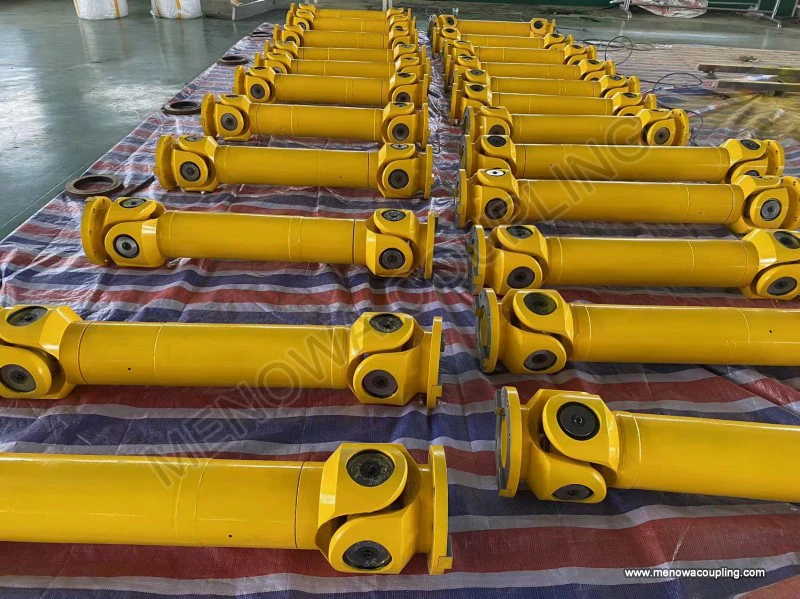
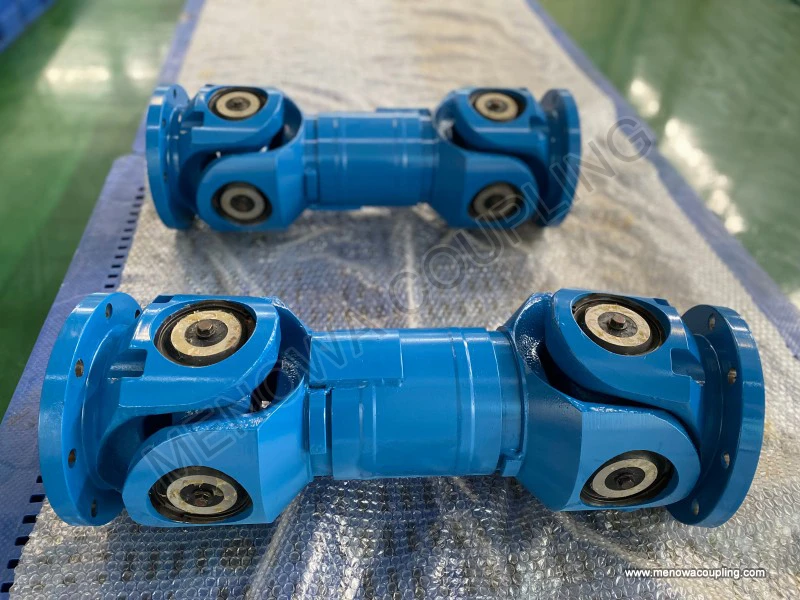
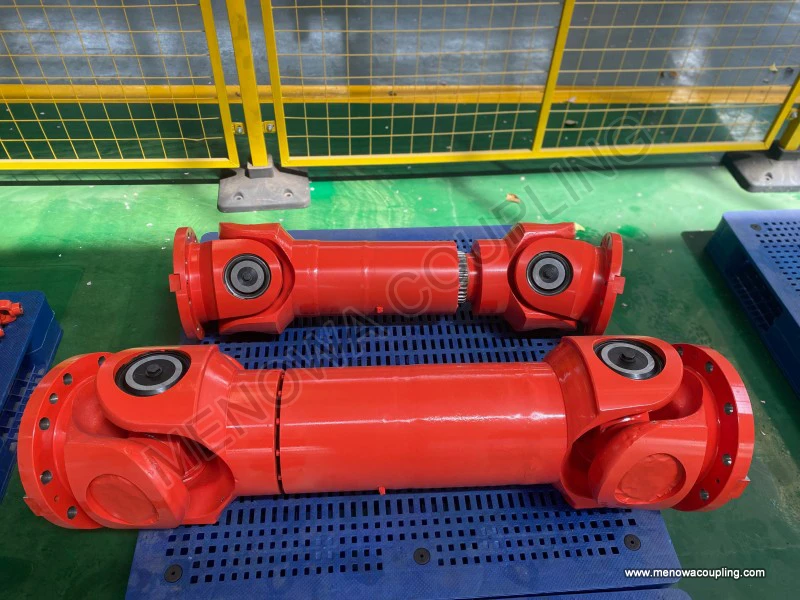
A universal coupling, also commonly referred to as a universal joint or U-joint, is a critical mechanical component designed to connect two rigid shafts whose axes are inclined to each other, enabling the transmission of rotary motion and torque even when there is a misalignment between the two shafts. This versatile component plays an indispensable role in countless industrial and mechanical applications, serving as the backbone of power transmission systems across various sectors. Whether in heavy machinery, automotive systems, agricultural equipment, or industrial manufacturing, universal couplings ensure that power is transferred efficiently and reliably, even in challenging operating conditions where perfect alignment of shafts is impossible or impractical. For those seeking high-quality universal couplings for sale, understanding the key features, types, applications, and maintenance requirements of these components is essential to making an informed purchase decision that aligns with specific operational needs.
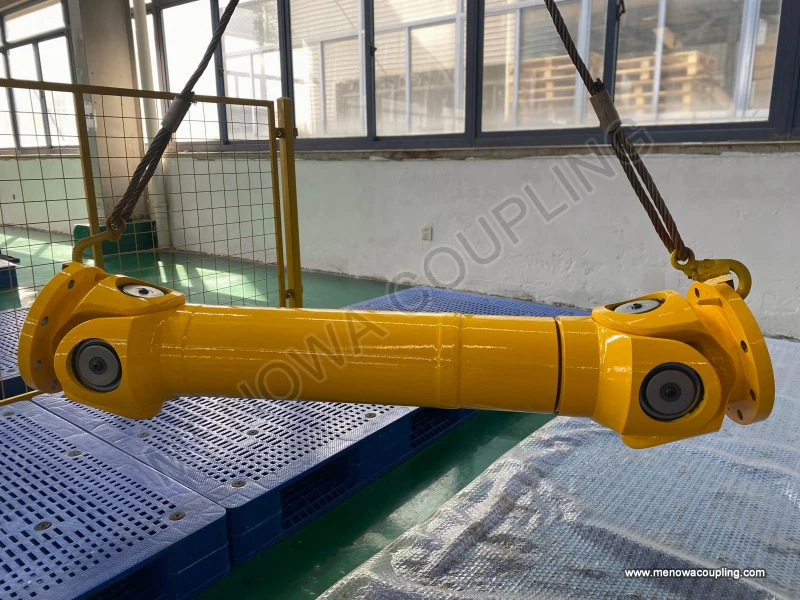
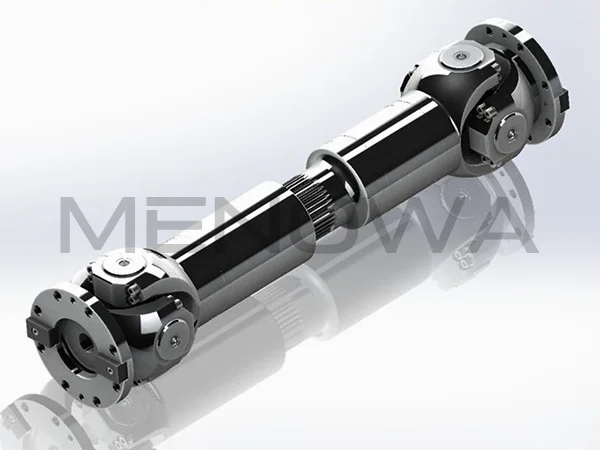
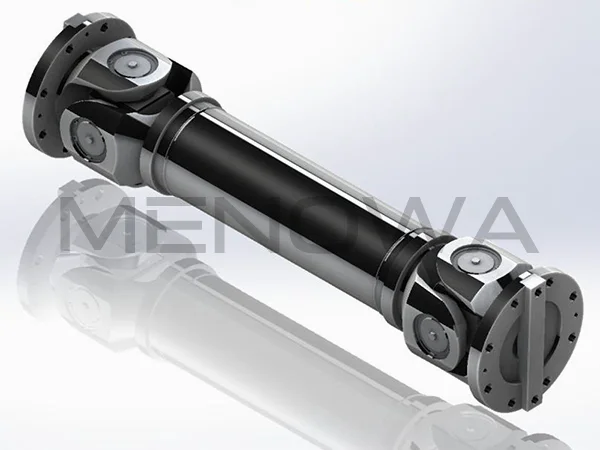
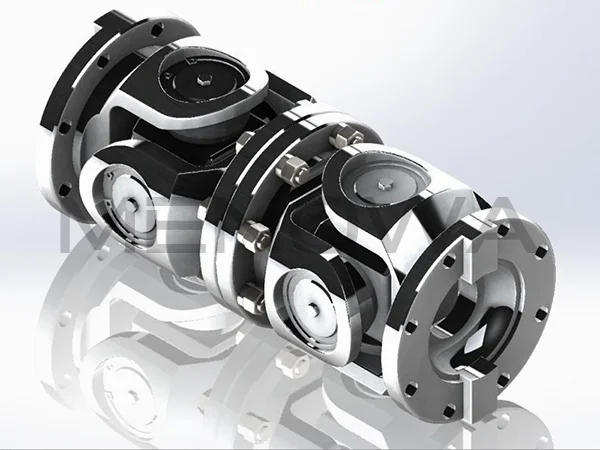
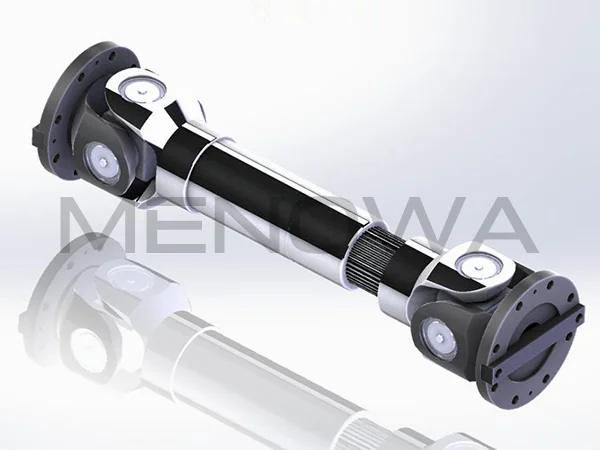
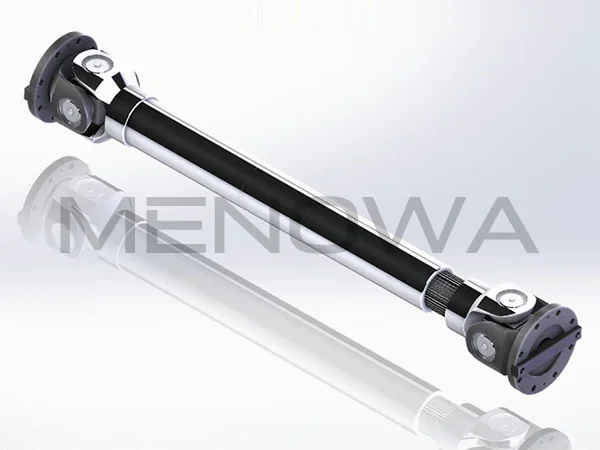
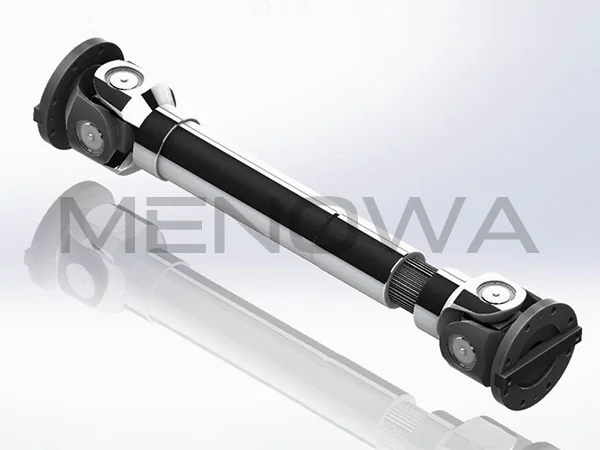
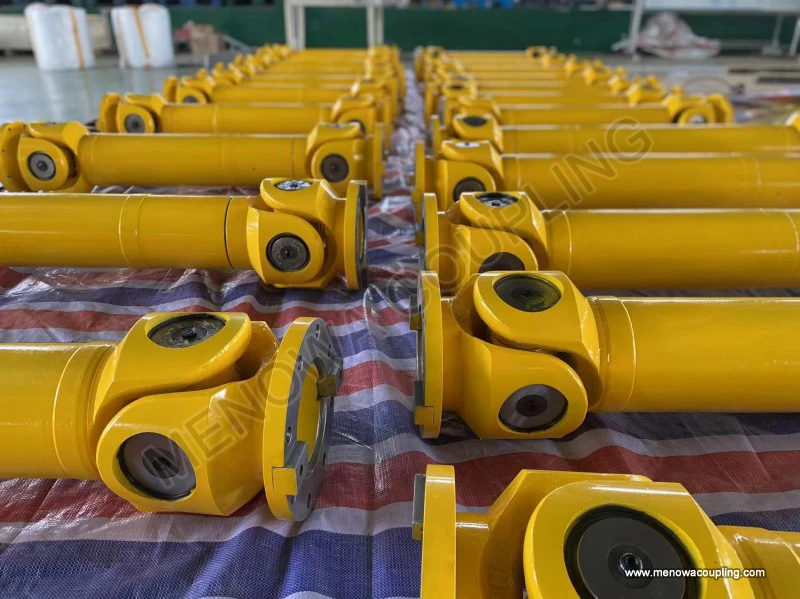
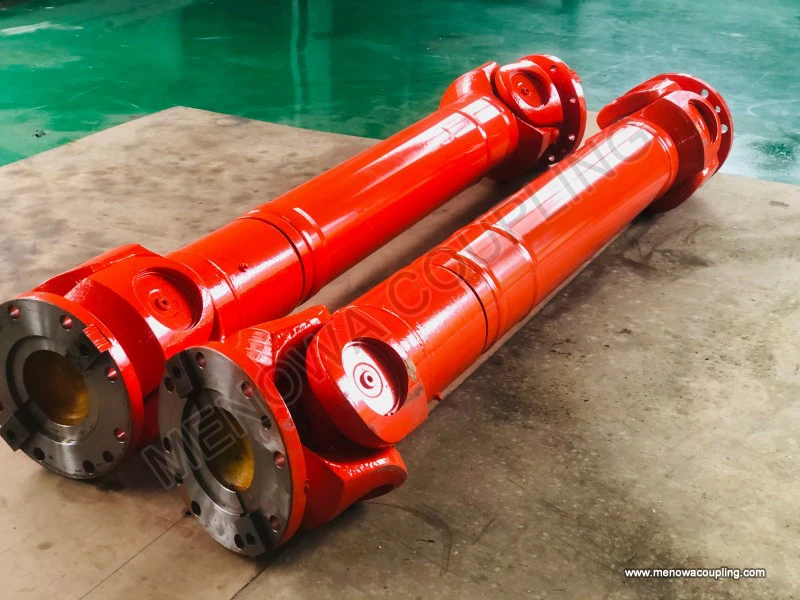
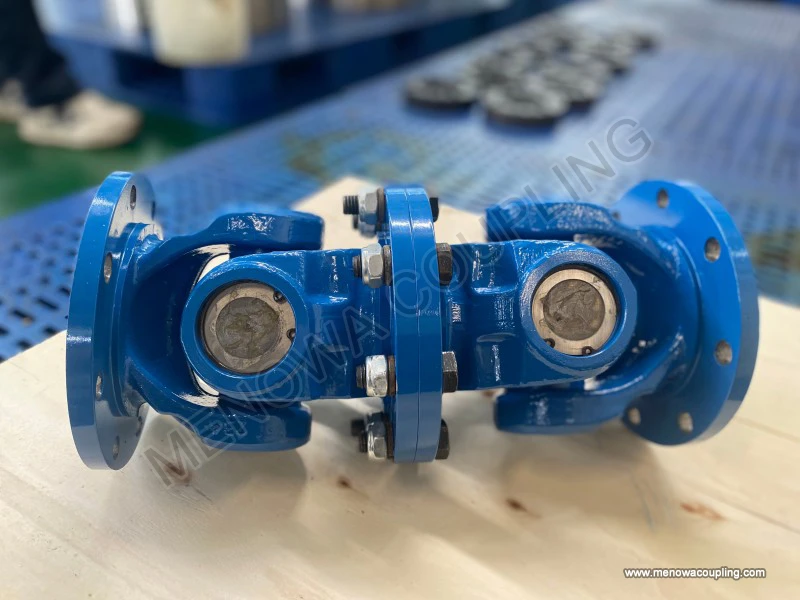
The fundamental design of a universal coupling revolves around a simple yet effective mechanism that allows for angular misalignment between two connected shafts. Typically, a basic universal coupling consists of two yokes (also known as forks) attached to the ends of the shafts that need to be connected, and a cross-shaped component (called a cross shaft or spider) that links these two yokes. The cross shaft is fitted with bearings at each of its four ends, allowing it to rotate freely within the yokes. This design enables the coupling to accommodate angular misalignment—meaning the two shafts can be positioned at an angle to each other while still transmitting torque smoothly. Additionally, many universal couplings are designed to accommodate small amounts of radial and axial displacement, making them highly adaptable to the dynamic conditions of most mechanical systems. The simplicity of this design not only ensures durability but also makes universal couplings easy to install and maintain, contributing to their widespread use in various industries.
One of the most notable characteristics of universal couplings is their ability to transmit high levels of torque while maintaining structural integrity. This makes them ideal for use in heavy-duty applications where large amounts of power need to be transferred between misaligned shafts. Unlike some other types of couplings that may fail under high torque or misalignment, well-manufactured universal couplings are engineered to withstand extreme loads and harsh operating environments. The materials used in their construction play a crucial role in determining their performance and longevity. Common materials include high-strength steel, alloy steel, and sometimes stainless steel for applications that require resistance to corrosion. These materials are selected for their durability, tensile strength, and ability to withstand wear and tear, ensuring that the coupling can operate reliably over an extended period, even in demanding conditions such as high temperatures, heavy vibrations, or exposure to harsh chemicals.
There are several types of universal couplings available on the market, each designed to meet specific application requirements. The most common type is the cross-shaped universal coupling, also known as the Hooke’s joint or Cardan joint, which is widely used in automotive drive shafts, industrial machinery, and agricultural equipment. This type of coupling is simple in design, cost-effective, and capable of accommodating angular misalignment up to a certain degree—typically between 5 and 45 degrees, depending on the specific design and application. Another popular type is the ball cage universal coupling, also referred to as a constant velocity (CV) joint. Unlike the cross-shaped coupling, which can experience speed fluctuations at large angles, the ball cage universal coupling maintains a constant rotational speed regardless of the operating angle, making it ideal for high-speed applications such as front-wheel-drive vehicles and precision industrial machinery. This type of coupling uses a set of balls housed in a cage to transmit torque, ensuring smooth and consistent power delivery even at extreme angles.
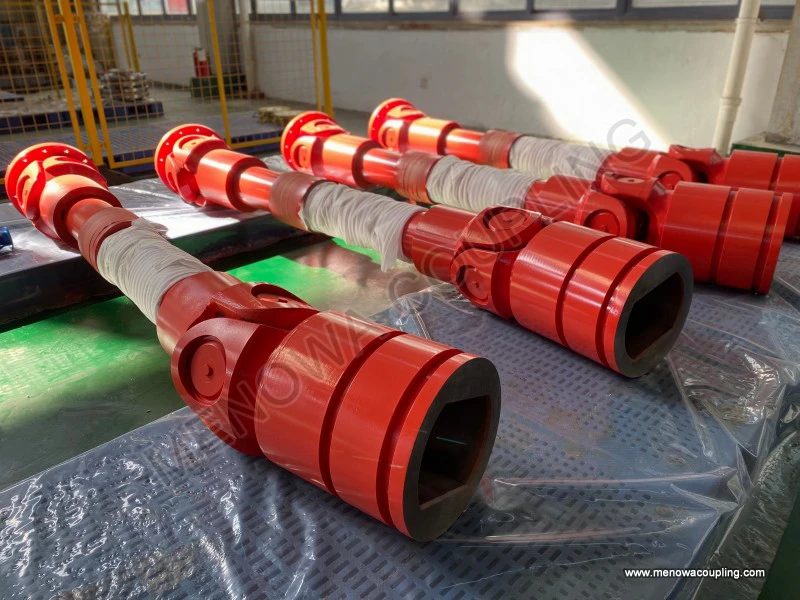
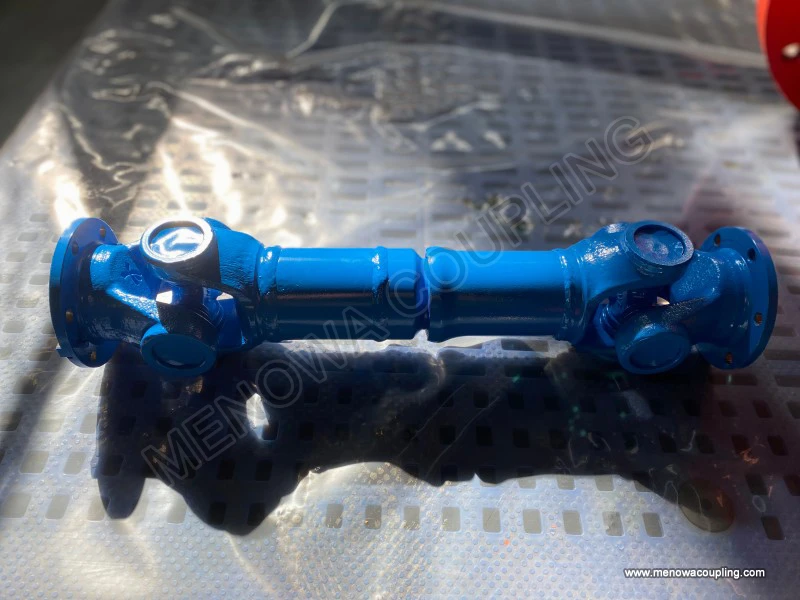
Double universal couplings, which consist of two cross-shaped couplings connected by an intermediate shaft, are another common variant. This design is used to minimize speed fluctuations and accommodate greater angular misalignment, making it suitable for applications where the two shafts are positioned at a significant angle or where a longer distance between the shafts is required. Double universal couplings are often used in heavy-duty trucks, industrial conveyors, and marine applications, where reliable power transmission over long distances and large angles is essential. Additionally, there are specialized universal couplings designed for specific industries, such as miniature universal couplings for small-scale machinery and high-temperature universal couplings for applications in extreme heat environments.
The applications of universal couplings are vast and varied, spanning across numerous industries and sectors. In the automotive industry, they are a critical component of drive shafts, connecting the transmission to the differential and allowing for the misalignment that occurs as the suspension moves. This ensures that power is transferred from the engine to the wheels smoothly, even when the vehicle is turning or traveling over uneven terrain. In industrial manufacturing, universal couplings are used in a wide range of machinery, including pumps, compressors, motors, and conveyors. They enable the connection of misaligned shafts in these machines, ensuring efficient power transmission and reducing the risk of component failure due to misalignment-induced stress.
Agricultural equipment also relies heavily on universal couplings, as farm machinery such as tractors, harvesters, and irrigation systems often require the transmission of power between misaligned shafts. These couplings must be durable enough to withstand the harsh conditions of agricultural environments, including exposure to dirt, dust, and moisture, while still maintaining reliable performance. In the marine industry, universal couplings are used in ship propulsion systems, connecting the engine to the propeller shaft and accommodating the misalignment that occurs due to the movement of the ship. They are also used in offshore equipment, where resistance to corrosion and durability in saltwater environments is essential.
Another important application of universal couplings is in robotics and automation systems. These systems often require precise power transmission between misaligned components, and universal couplings provide the flexibility needed to ensure smooth and accurate movement. Miniature universal couplings are particularly useful in small-scale robotics, where space is limited and precision is critical. Additionally, universal couplings are used in medical equipment, such as diagnostic machines and surgical tools, where reliable power transmission and precise movement are essential for patient safety and treatment effectiveness.
When considering universal couplings for sale, it is important to evaluate several key factors to ensure that the selected coupling is suitable for the intended application. One of the most important factors is the maximum torque capacity of the coupling, which must be sufficient to handle the power requirements of the system. The torque capacity is determined by the size of the coupling, the materials used, and the design of the cross shaft and bearings. It is essential to select a coupling with a torque capacity that exceeds the maximum torque generated by the system to prevent premature failure.
Angular misalignment capacity is another critical factor to consider. Different applications require different levels of misalignment, and it is important to select a coupling that can accommodate the specific angle of misalignment between the two shafts. For example, applications with a small angle of misalignment may require a standard cross-shaped coupling, while applications with a larger angle may require a ball cage or double universal coupling. Additionally, the maximum rotational speed of the coupling must be compatible with the operating speed of the system, as exceeding the recommended speed can lead to vibration, wear, and eventual failure.
The material of the universal coupling is also an important consideration, as it affects the coupling’s durability, corrosion resistance, and performance in different environments. Steel and alloy steel couplings are ideal for heavy-duty applications and high-torque environments, while stainless steel couplings are better suited for applications where corrosion resistance is required, such as marine or chemical processing environments. Additionally, some couplings may be coated with protective finishes to enhance corrosion resistance and extend their service life.
Installation and maintenance are also important factors to consider when purchasing universal couplings. A well-designed coupling should be easy to install, with clear instructions and minimal requirements for specialized tools. Proper installation is critical to ensuring the coupling operates correctly and efficiently—misalignment during installation can lead to increased vibration, wear, and premature failure. Regular maintenance is also essential to extend the service life of the coupling. This includes regular lubrication of the bearings and cross shaft to reduce friction and wear, inspection for signs of damage or wear (such as cracks, corrosion, or excessive play), and replacement of worn components as needed.
Lubrication is particularly important for universal couplings, as it helps to reduce friction between the moving parts and prevent premature wear. The type of lubricant used depends on the operating conditions of the coupling, including temperature, load, and environmental factors. For most applications, a high-quality lithium-based grease is suitable, providing excellent lubrication and protection against wear. In high-temperature environments, a high-temperature grease may be required to ensure that the lubricant remains effective. Regular lubrication intervals should be followed, with the frequency depending on the operating conditions—harsh environments may require more frequent lubrication.
Inspection of the universal coupling should be performed regularly to identify any potential issues before they lead to failure. This includes checking for signs of wear on the cross shaft, bearings, and yokes, as well as checking for loose fasteners or misalignment. If any damage or wear is detected, the affected components should be replaced immediately to prevent further damage to the coupling or the connected machinery. Additionally, the coupling should be checked for proper alignment periodically, as misalignment can develop over time due to wear, vibration, or changes in the system.
When searching for universal couplings for sale, it is important to source them from a reliable supplier that offers high-quality products. A reputable supplier will provide couplings that are manufactured to strict quality standards, ensuring consistent performance and durability. They will also offer a range of coupling types and sizes to meet different application requirements, as well as provide technical support and advice to help customers select the right coupling for their needs. Additionally, a reliable supplier will offer competitive pricing and timely delivery, ensuring that customers can get the couplings they need when they need them.
It is also important to consider the availability of replacement parts when purchasing universal couplings. Over time, components such as bearings, cross shafts, and yokes may wear out and need to be replaced. A supplier that offers a comprehensive range of replacement parts will make it easier to maintain the coupling and extend its service life, reducing downtime and maintenance costs. Additionally, some suppliers may offer customization services, allowing customers to order universal couplings that are tailored to their specific application requirements, such as custom sizes, materials, or designs.
In conclusion, universal couplings are essential components in power transmission systems, enabling the efficient and reliable transfer of torque between misaligned shafts. With a wide range of types, materials, and applications, there is a universal coupling suitable for almost every industrial and mechanical need. When looking for universal couplings for sale, it is important to consider factors such as torque capacity, angular misalignment capacity, material, installation, and maintenance requirements to ensure that the selected coupling meets the specific needs of the application. By choosing a high-quality universal coupling from a reliable supplier, businesses can ensure that their machinery operates efficiently, reliably, and safely, reducing downtime and maintenance costs and maximizing productivity. Whether for automotive, industrial, agricultural, marine, or robotic applications, a well-selected universal coupling is a valuable investment that will contribute to the long-term success of any mechanical system.
Post Date: Apr 29, 2026
https://www.menowacoupling.com/china-coupling/universal-coupling--for-sale.html
Products
Tags
Supply
Related Articles
Universal Coupling Price
Universal coupling manufacture stands as a sophisticated and precise mechanical production discipline focused on crafting flexible transmission components that serve as critical connecting parts in mechanical power systems. These specialized mechanical structures are designed to transmit rotational torque and motion bet…Parts of Universal Coupling
A universal coupling, widely recognized as a flexible mechanical transmission component, serves as a critical connection between two rotating shafts in diverse mechanical systems. Its core value lies in its ability to transmit continuous torque and rotational motion while accommodating angular misalignment, axial displa…Classification of Universal Coupling
Universal couplings are indispensable mechanical transmission components widely applied in modern mechanical systems, serving the core function of transmitting rotational torque and motion between two shafts with angular misalignment, parallel offset, or axial displacement. Unlike rigid couplings that require precise sh…Universal Coupling Manufacture
In the complex landscape of mechanical power transmission, universal couplings stand out as indispensable components that bridge the gap between misaligned shafts, enabling the seamless transfer of torque and rotational motion across a wide range of industrial and mechanical applications. Unlike rigid couplings that dem…Universal Coupling Production
Universal couplings stand as indispensable mechanical components in modern industrial transmission systems, serving as flexible connection units that enable stable torque and rotational motion transfer between misaligned rotating shafts. Unlike rigid connecting structures that demand precise coaxial alignment of paired …Specification of Universal Coupling
Universal couplings represent a fundamental category of mechanical transmission components engineered to transmit rotational torque and motion between two shafts that operate with intentional or unavoidable misalignment. Widely adopted in mechanical transmission systems across industrial machinery, transportation equipm…
 WeChat
 WhatsApp