What is Universal Coupling
A universal coupling, commonly referred to as a universal joint or U-joint, is a fundamental mechanical transmission component designed to connect two rotating shafts while enabling reliable transfer of torque and rotational motion under misaligned operating conditions. Unlike rigid coupling mechanisms that demand precise coaxial alignment of connected shafts and fail to accommodate any positional deviation, the universal coupling features unique structural flexibility that allows continuous power transmission even when the connected shafts form an angular offset, experience minor axial displacement, or sustain slight parallel misalignment during operation. This distinctive adaptive capability makes it an indispensable part of countless mechanical and industrial systems, serving as a flexible bridge for power transmission in dynamic working environments where fixed shaft alignment cannot be permanently maintained. Rooted in spatial linkage mechanical principles, the device has evolved through long-term engineering practice to balance structural simplicity, transmission stability, and environmental adaptability, becoming a core component in both traditional mechanical equipment and modern automated transmission systems.
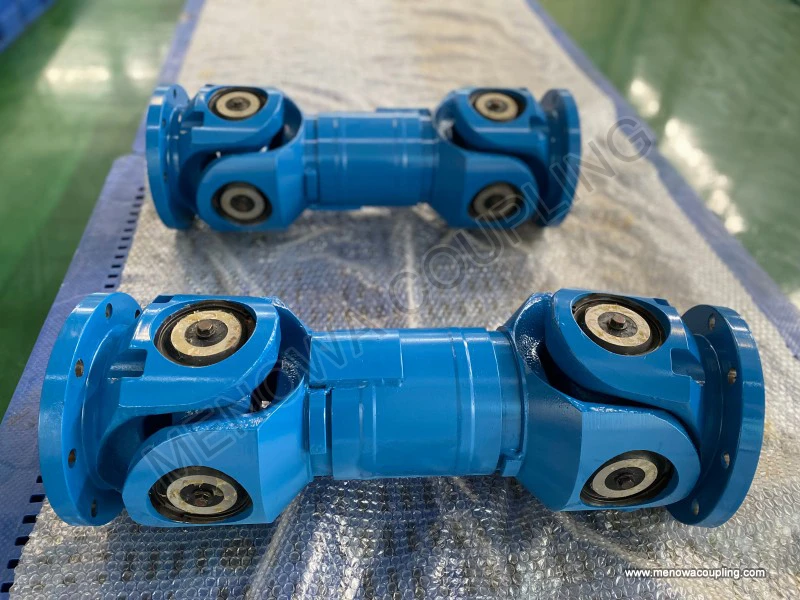
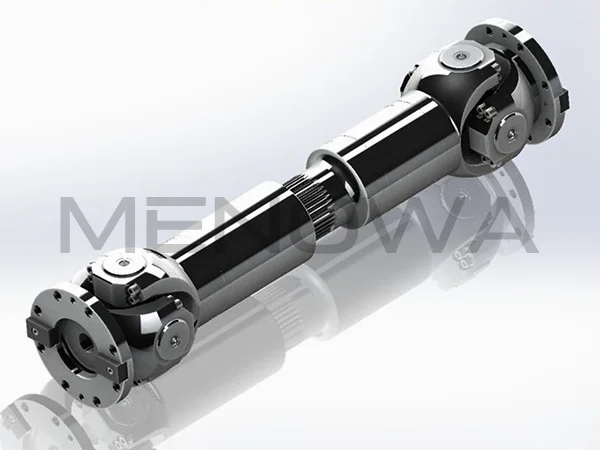
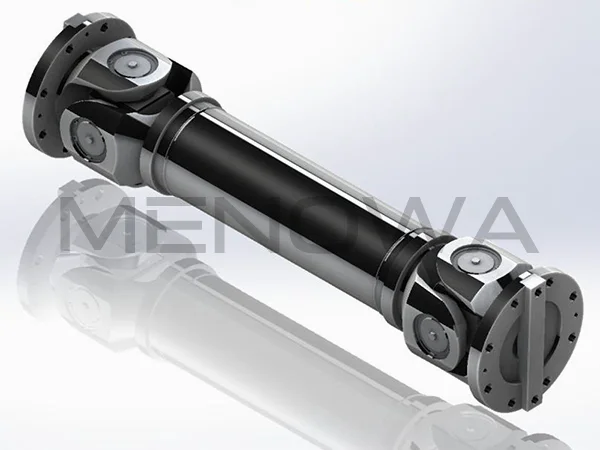
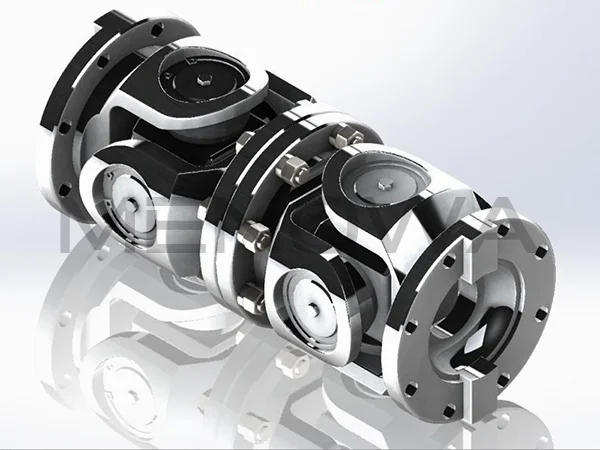
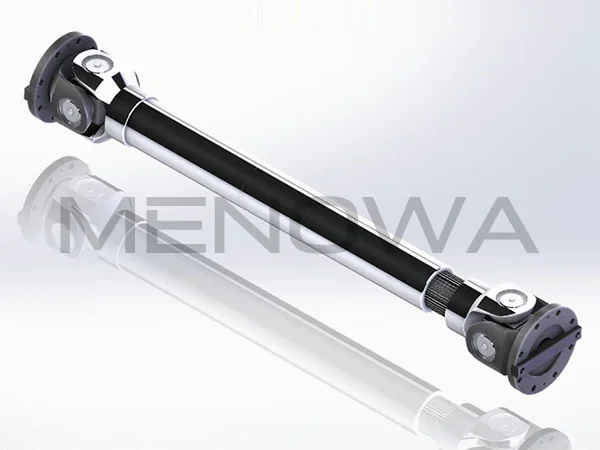
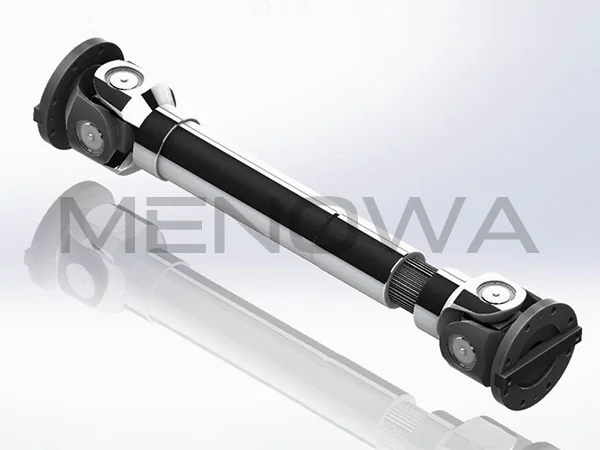
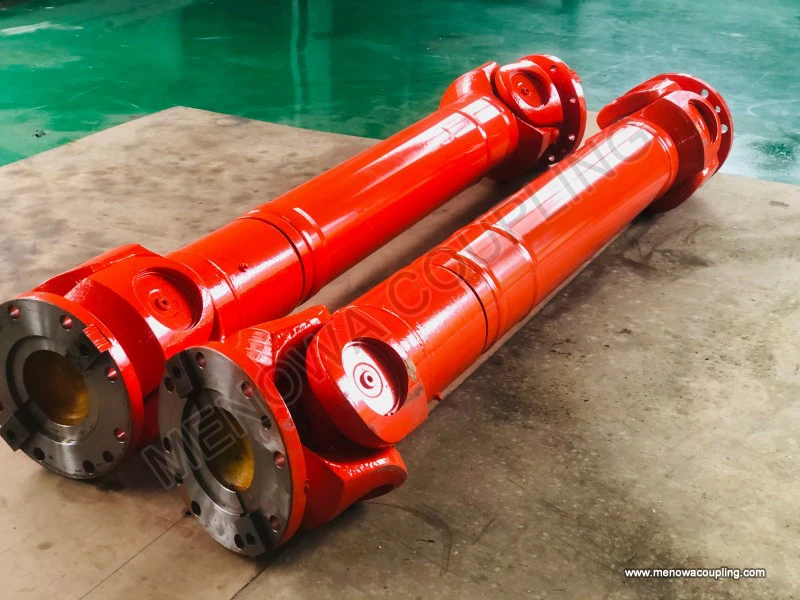
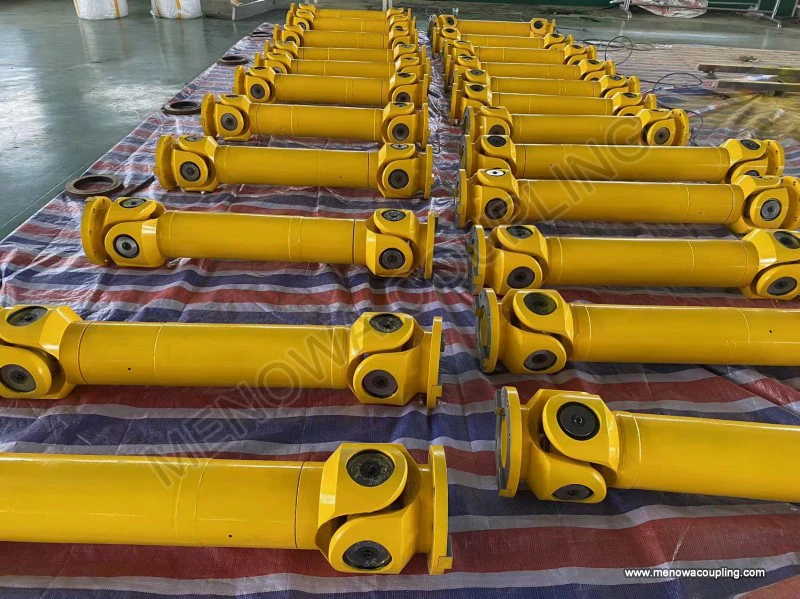
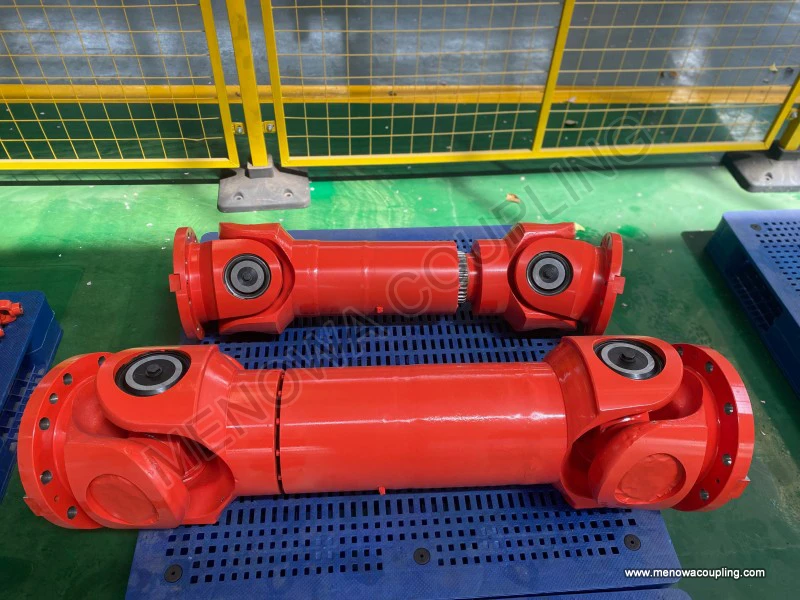
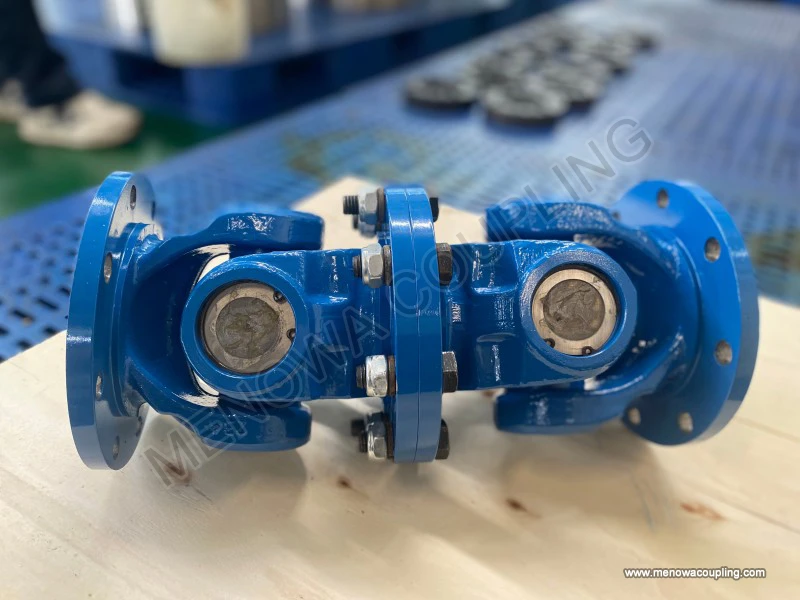
The basic structural composition of a universal coupling is concise and highly functional, with core components that define its adaptive transmission performance. The standard configuration consists of two fork-shaped yoke structures and a central cross-shaped connector, also known as a spider or cross shaft, which links the two yokes together. Each yoke is fixed to the end of a driving or driven shaft, with two symmetrical arm structures arranged perpendicularly to the shaft axis. The central cross component features four mutually perpendicular extending arms, each paired with the bearing structure installed on the yoke arms to form a flexible rotating connection. This orthogonal structural layout is the key to the device’s misalignment compensation ability, as it allows relative rotational swing between the two connected shafts in multiple planes. Auxiliary internal structures, including precision bearings and sealing assemblies, reduce friction during relative movement and prevent external contaminants from interfering with internal motion, ensuring long-term stable operation of the entire transmission mechanism. The overall compact structural design enables the universal coupling to adapt to narrow installation spaces while maintaining excellent mechanical strength and torque bearing capacity.
The working principle of the universal coupling revolves around the coordinated spatial movement of its core components to achieve continuous torque transmission under angular deviation. When the driving shaft starts to rotate, it drives the connected input yoke to perform circular rotational motion. Through the bearing connection points, the rotational force is transmitted to the central cross shaft, which converts the single-plane rotation of the input yoke into flexible spatial swinging and rotational movement. The cross shaft then transfers this kinetic energy to the output yoke and the connected driven shaft, realizing synchronous rotation and torque output. In the process of power transmission, the cross shaft can adjust its spatial angle in real time according to the offset degree of the two shafts, automatically compensating for the angular difference between the driving and driven shafts. A single universal coupling can generally adapt to shaft angular offsets ranging from 5 degrees to 45 degrees, with the specific adaptive range varying slightly according to structural specifications. It is worth noting that a single universal coupling exhibits periodic uneven velocity transmission when operating under a fixed angular offset, causing minor rotational speed fluctuations of the driven shaft during each rotation cycle. This inherent characteristic is a key theoretical basis for the combined application of multiple universal couplings in high-precision transmission scenarios.
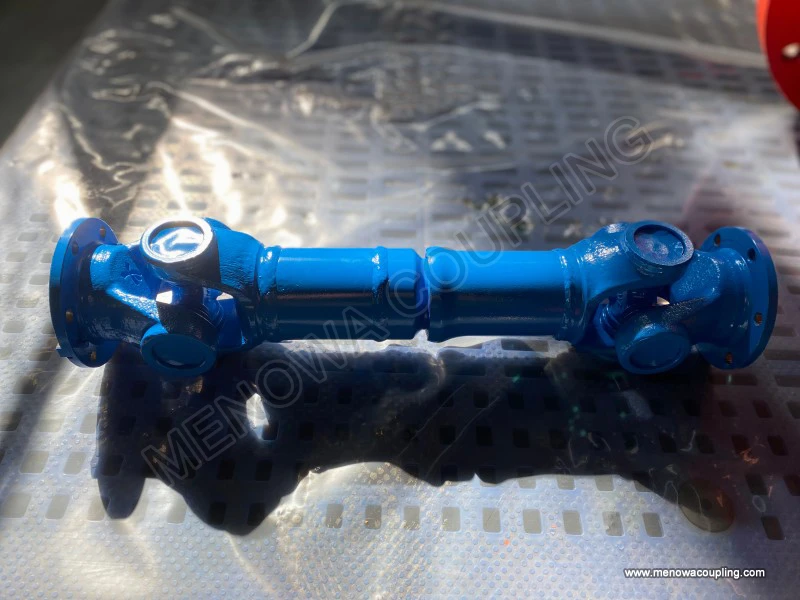
To overcome the velocity unevenness of single-unit transmission, double universal coupling combinations are widely adopted in practical engineering applications to achieve approximate constant-velocity power transmission. The assembly logic of the double universal coupling system follows a precise mechanical matching rule: the two universal joint units are installed with parallel offset angles, and the yoke planes at both ends of the intermediate connecting shaft are kept in the same plane. This structural arrangement enables the velocity fluctuation generated by the first universal joint to be completely offset by the complementary velocity change of the second universal joint, ultimately ensuring stable and uniform rotational speed output of the driven shaft. This optimized combination design fundamentally improves the transmission smoothness of universal coupling systems, expanding their application scope from low-speed, low-precision equipment to high-speed, stable-operation mechanical systems. Beyond double-joint combinations, structurally optimized constant-velocity universal couplings have been developed through mechanical iteration, which integrate improved internal curve structures and motion coordination mechanisms to achieve constant-velocity transmission under large angular offsets without relying on combined assembly, further enhancing transmission efficiency and operational stability.
Universal couplings possess multiple superior mechanical properties that distinguish them from other types of transmission couplings, laying the foundation for their wide industrial application. First and foremost, they deliver outstanding angular compensation performance, far exceeding the misalignment tolerance of rigid couplings and elastic couplings, making them suitable for equipment with frequent shaft position changes or unavoidable installation deviations. Second, the device maintains high transmission efficiency during operation, with minimal power loss in the process of torque and motion transfer, ensuring effective conversion and utilization of mechanical energy. Its compact structural form saves installation space and reduces the overall structural weight of mechanical equipment, which is particularly critical for mobile and lightweight mechanical systems. Additionally, universal couplings exhibit strong structural adaptability, capable of operating stably under complex working conditions including variable load impacts, continuous cyclic rotation, and slight axial and radial shaft displacement. The durable mechanical structure also provides excellent wear resistance and fatigue resistance, enabling long-term continuous operation in harsh environments such as dust, humidity, and variable temperature conditions without frequent performance degradation.
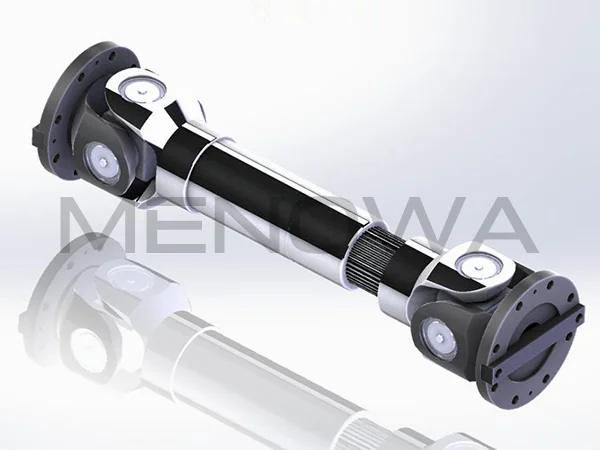
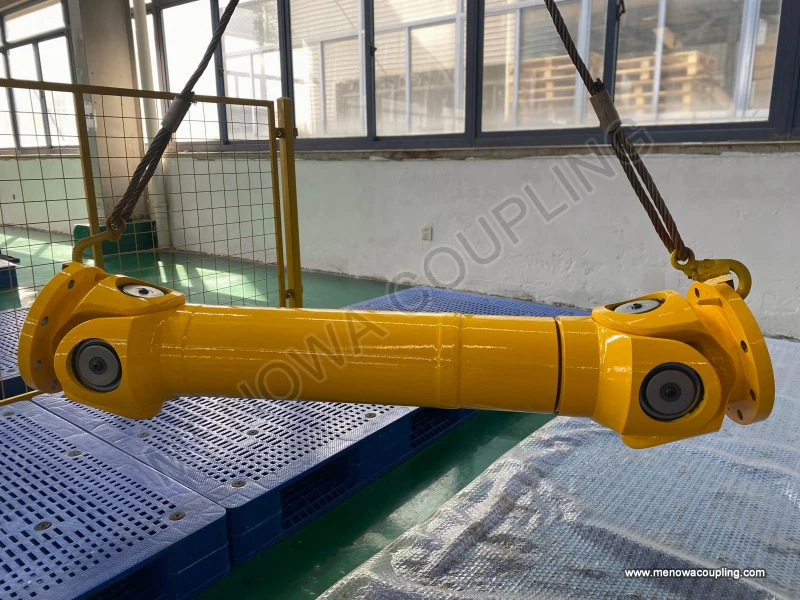
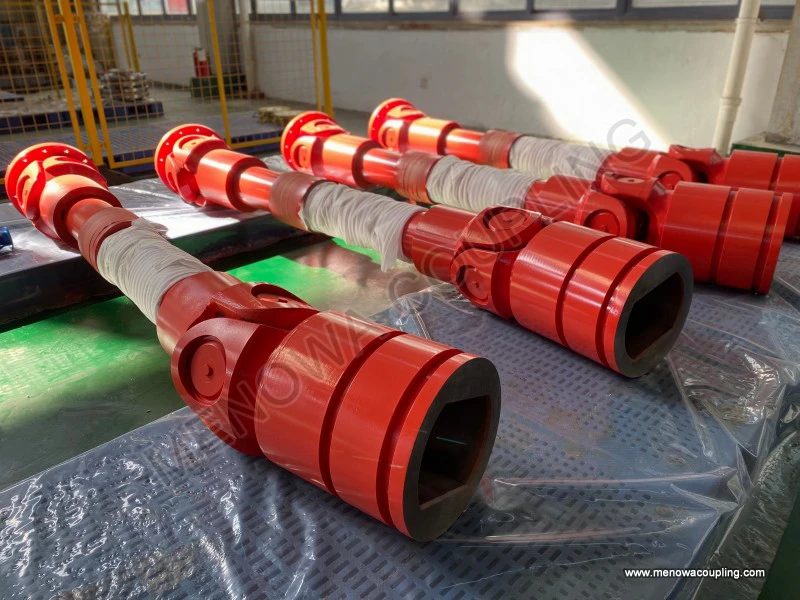
According to structural differences and functional characteristics, universal couplings can be divided into several mainstream types, each tailored to specific application scenarios and working condition requirements. The basic cross-shaft universal coupling is the most conventional and widely used type, featuring a simple structure, low maintenance difficulty, and strong torque bearing capacity, making it suitable for most general industrial transmission scenarios with medium and low rotational speeds. The telescopic universal coupling adds a slidable telescopic structure on the basis of the basic structure, which can effectively compensate for axial displacement between shafts caused by mechanical operation, thermal expansion and contraction, or equipment vibration, and is commonly used in transmission systems with frequent axial position changes. The constant-velocity universal coupling, as an upgraded structural type, solves the velocity fluctuation problem of traditional single-section structures, achieving stable constant-speed transmission under large angular offsets, and is widely applied in high-speed and high-stability transmission fields. In addition, small precision universal couplings are designed for miniature precision mechanical equipment, with optimized structural accuracy and tiny motion gaps to meet the high-precision transmission requirements of precision instruments and small automated devices.
The application scenarios of universal couplings cover almost all fields involving mechanical power transmission, demonstrating irreplaceable practical value in industrial production and mechanical equipment operation. In general industrial machinery, they are applied in transmission systems of processing equipment, conveying equipment, and power machinery, adapting to installation errors and operational vibration displacement between transmission shafts to ensure continuous and stable equipment operation. In mobile mechanical equipment, universal couplings serve as core transmission components in walking and power output systems, solving the problem of power transmission between dynamically offset shafts caused by equipment walking, vibration, and attitude changes. In heavy industrial equipment, their high torque bearing capacity and strong structural stability enable them to adapt to heavy-load and impact-load working conditions, ensuring reliable power output of large mechanical systems. In precision automation equipment, optimized high-precision universal couplings eliminate transmission jitter and velocity deviation, guaranteeing the motion accuracy of automated production and processing systems. Moreover, they are also widely used in special mechanical fields such as environmental protection equipment, hydraulic power systems, and light industrial machinery, providing flexible and reliable transmission solutions for diverse mechanical working conditions.
The operational performance and service life of universal couplings are closely related to reasonable selection, correct installation, and daily maintenance, which are key links to ensure long-term stable operation of the transmission system. In terms of type selection, it is necessary to comprehensively match the structural type and specification according to the actual working conditions, including the magnitude of transmission torque, operating rotational speed, shaft offset angle, and environmental conditions. Exceeding the allowable torque range or adaptive offset angle will lead to accelerated component wear, transmission jitter, and even structural damage. During installation, the alignment angle of the coupling and the fixing tightness of each component must be strictly controlled to avoid excessive local stress caused by unreasonable installation angles or loose connections, which affects transmission stability. Daily maintenance mainly includes regular inspection of internal wear conditions of bearings and connecting structures, timely cleaning of external dust and dirt, and supplementing lubricating media to reduce friction loss. Reasonable maintenance can effectively reduce mechanical wear, lower operational failure rates, and extend the service cycle of the coupling, ensuring the long-term efficient operation of the entire mechanical transmission system.
In the context of continuous upgrading of modern mechanical technology, universal coupling technology is also undergoing continuous optimization and innovation, evolving towards higher precision, higher efficiency, stronger adaptability, and longer service life. Modern mechanical design and material technology have promoted the improvement of coupling structural precision and mechanical performance; optimized structural design reduces internal motion gaps and transmission friction, while high-strength wear-resistant materials enhance the structural durability and environmental adaptability of the device. At the same time, the integrated and lightweight design trend enables universal couplings to adapt to more compact and refined modern mechanical equipment, meeting the transmission needs of miniaturized and high-precision mechanical systems. Intelligent structural optimization and adaptive adjustment technologies are also gradually applied to coupling design, laying a foundation for further improving the operational stability and fault tolerance of transmission systems. As a classic and continuously evolving mechanical basic component, the universal coupling will always maintain important application value in the field of mechanical transmission, supporting the stable operation and technological upgrading of various mechanical equipment systems.
Post Date: Jun 3, 2026
https://www.menowacoupling.com/china-coupling/what-is-universal-coupling.html
Products
Tags
Supply
Related Articles
Universal Coupling Manufacture
In the complex landscape of mechanical power transmission, universal couplings stand out as indispensable components that bridge the gap between misaligned shafts, enabling the seamless transfer of torque and rotational motion across a wide range of industrial and mechanical applications. Unlike rigid couplings that dem…Universal Coupling Production
Universal couplings stand as indispensable mechanical components in modern industrial transmission systems, serving as flexible connection units that enable stable torque and rotational motion transfer between misaligned rotating shafts. Unlike rigid connecting structures that demand precise coaxial alignment of paired …Specification of Universal Coupling
Universal couplings represent a fundamental category of mechanical transmission components engineered to transmit rotational torque and motion between two shafts that operate with intentional or unavoidable misalignment. Widely adopted in mechanical transmission systems across industrial machinery, transportation equipm…Coaxiality of Universal Coupling
Coaxiality stands as one of the most fundamental and influential precision indicators governing the operational performance of universal couplings, serving as the core benchmark for evaluating the alignment accuracy between driving and driven shafts in mechanical transmission systems. A universal coupling, as a flexible…Size Chart of Universal Coupling
A universal coupling, also known as a universal joint, is a critical mechanical component designed to transmit torque between two shafts that are not aligned perfectly, allowing for angular misalignment while maintaining efficient power transfer. The size chart of a universal coupling serves as a fundamental reference t…Universal Coupling Supplier
In the complex and interconnected system of modern mechanical transmission equipment, universal couplings stand out as one of the most fundamental and indispensable functional components, serving as a critical bridge for power and motion transmission between rotating shafts in diverse mechanical structures. Unlike rigid…
 WeChat
 WhatsApp