Specification of Universal Coupling
Universal couplings represent a fundamental category of mechanical transmission components engineered to transmit rotational torque and motion between two shafts that operate with intentional or unavoidable misalignment. Widely adopted in mechanical transmission systems across industrial machinery, transportation equipment, and general power transmission devices, these components solve the core problem of stable power delivery when driving and driven shafts cannot maintain strict coaxial alignment. Unlike rigid couplings that require precise shaft positioning and flexible couplings limited to minor displacement compensation, universal couplings feature unique structural flexibility that accommodates angular misalignment, slight axial displacement, and limited radial offset during continuous operation, making them highly adaptable to complex and dynamic working environments where shaft positions shift under load or operational vibration. The comprehensive specifications of universal couplings cover structural composition, material characteristics, working principles, performance parameters, operational limitations, and application adaptation rules, all of which collectively determine their operational stability, service life, and transmission efficiency in diverse mechanical systems.
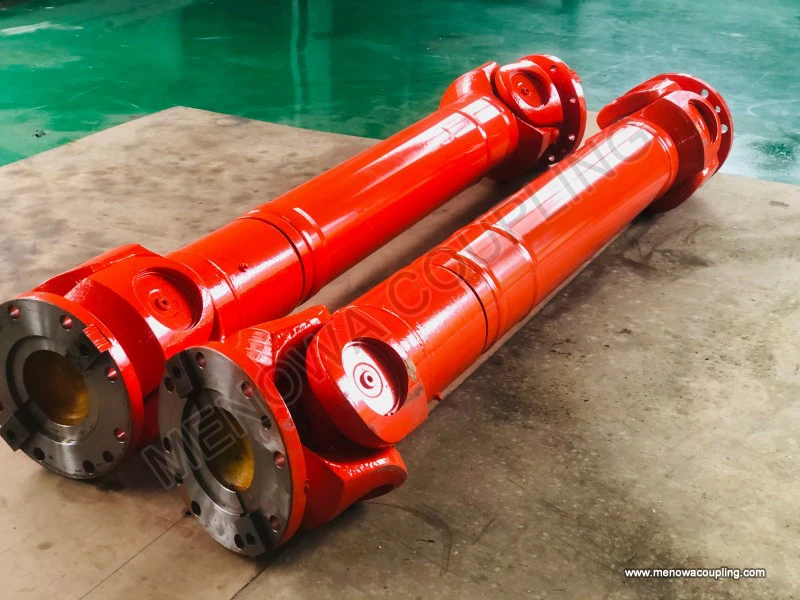
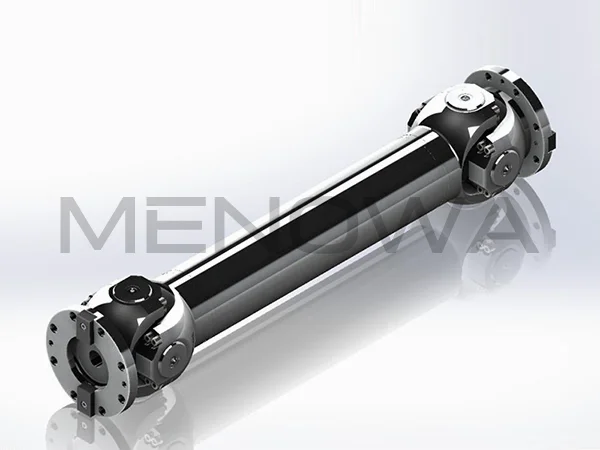
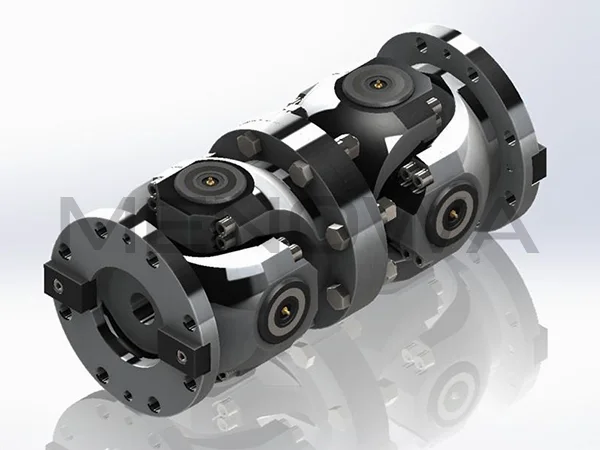
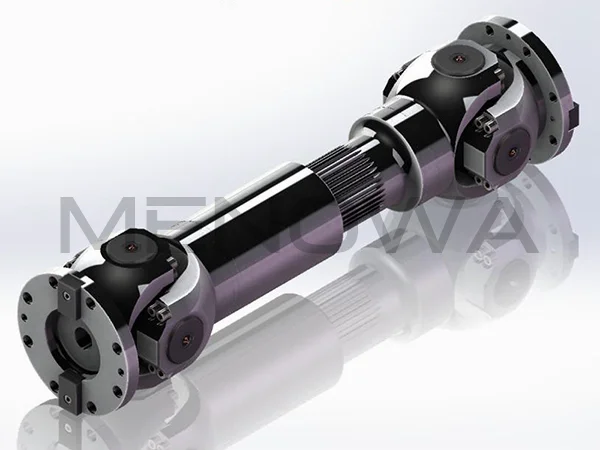
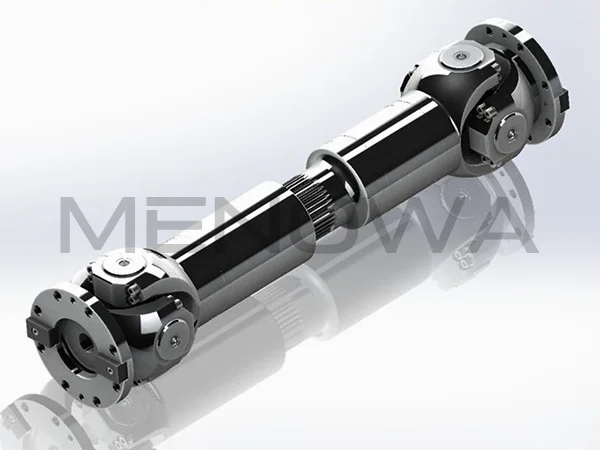
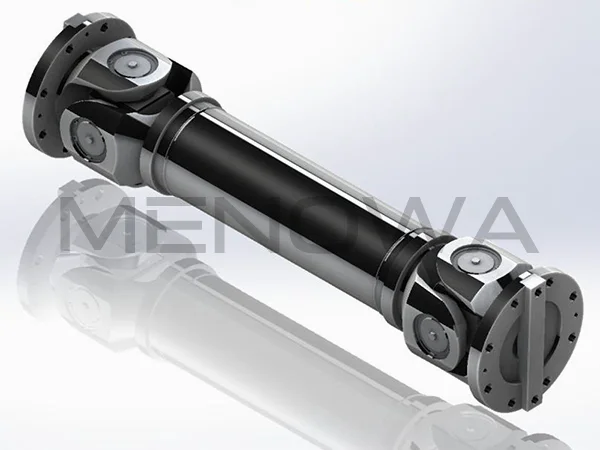
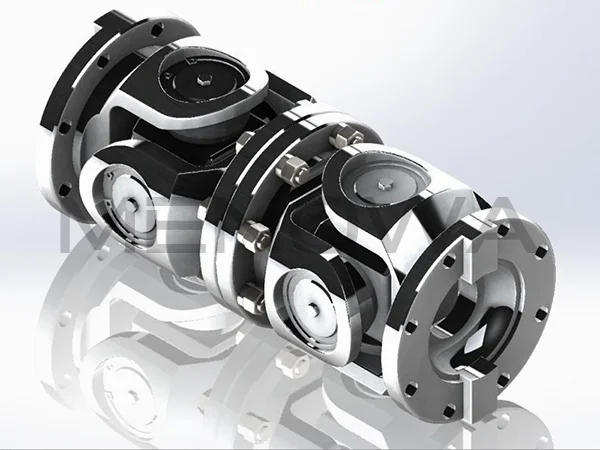
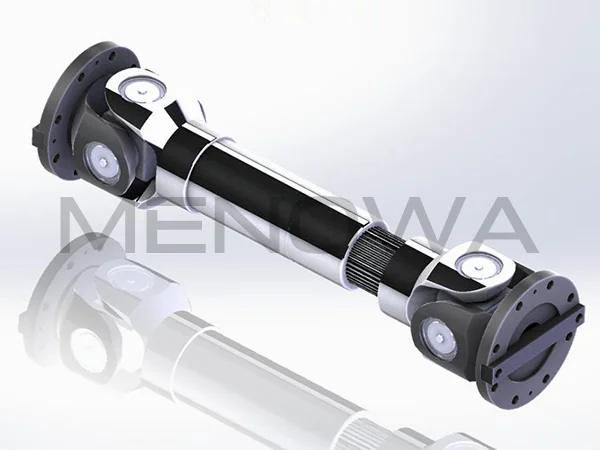
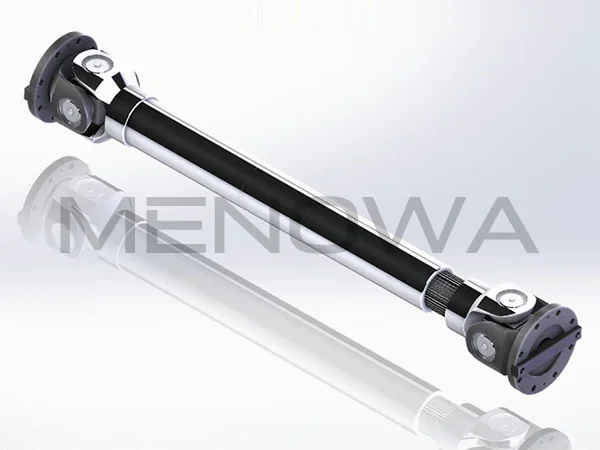
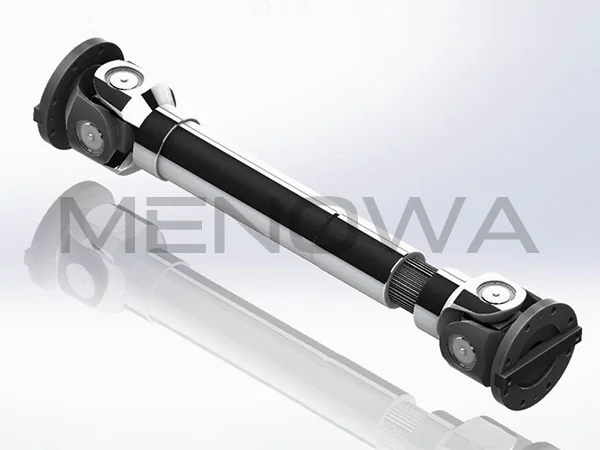
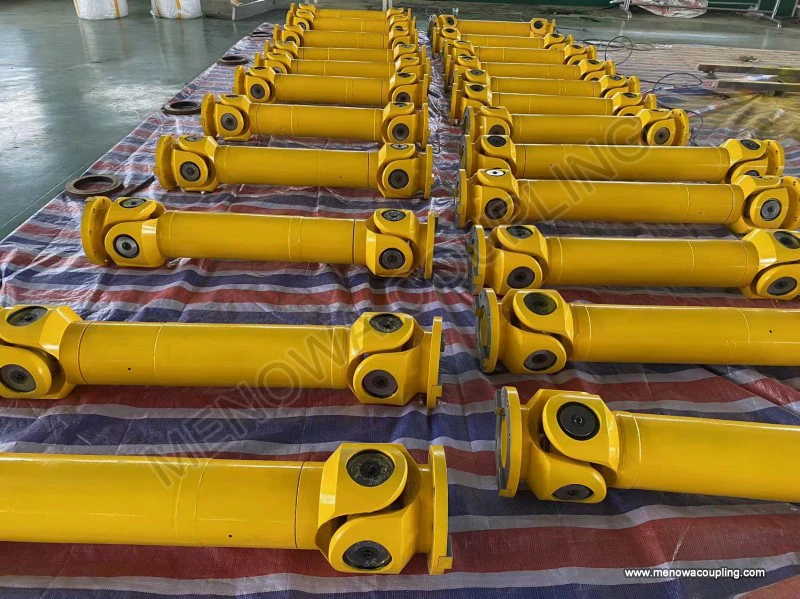
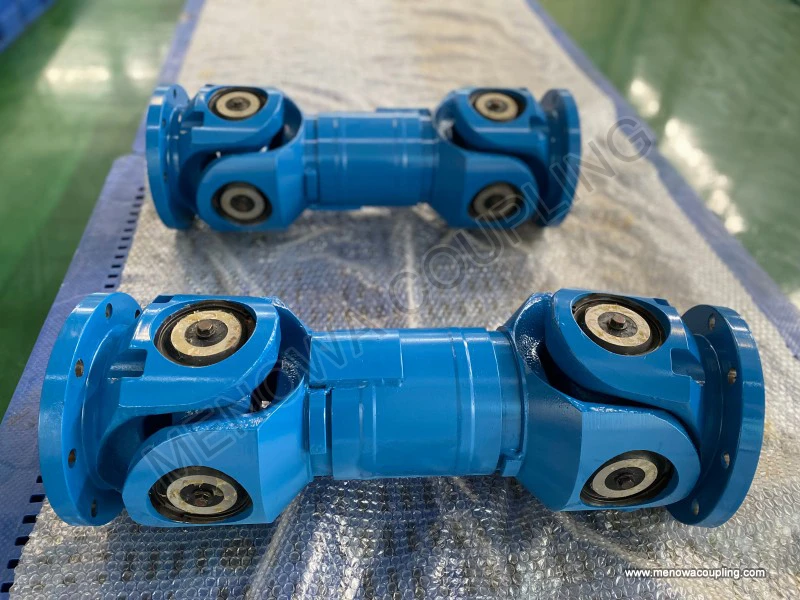
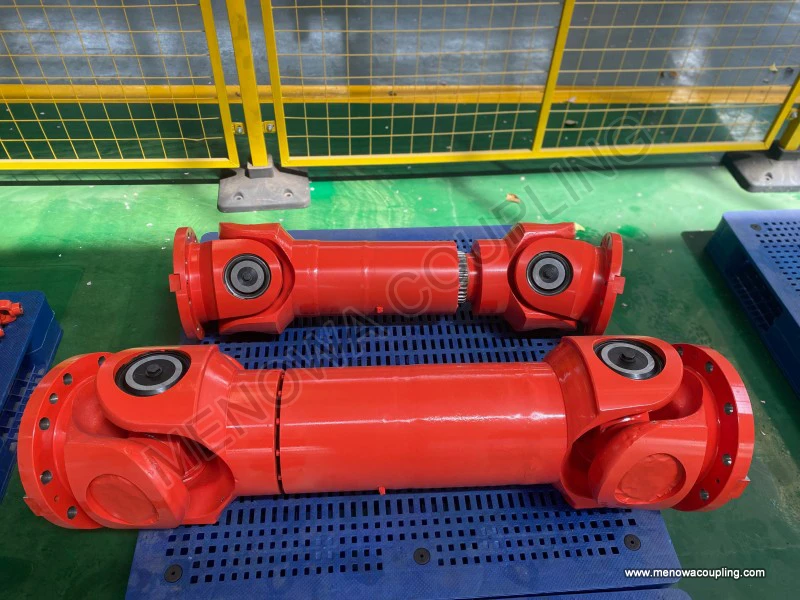
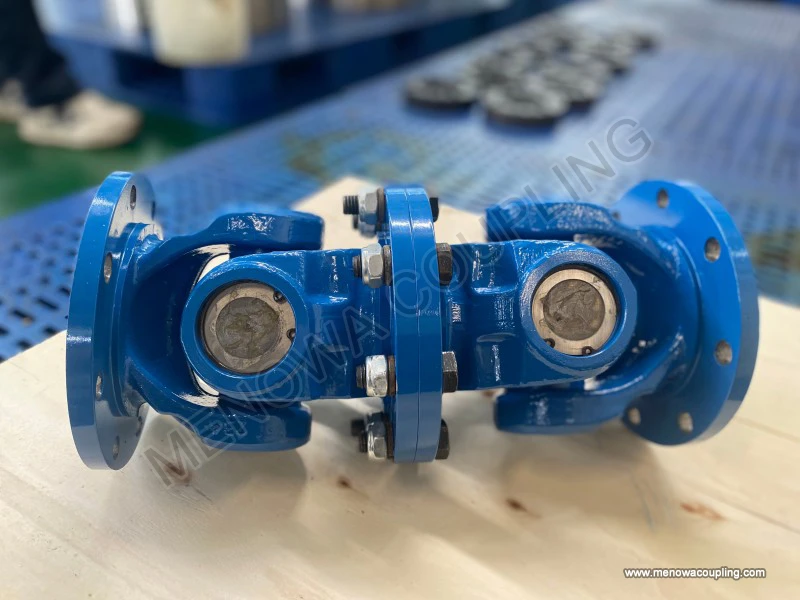
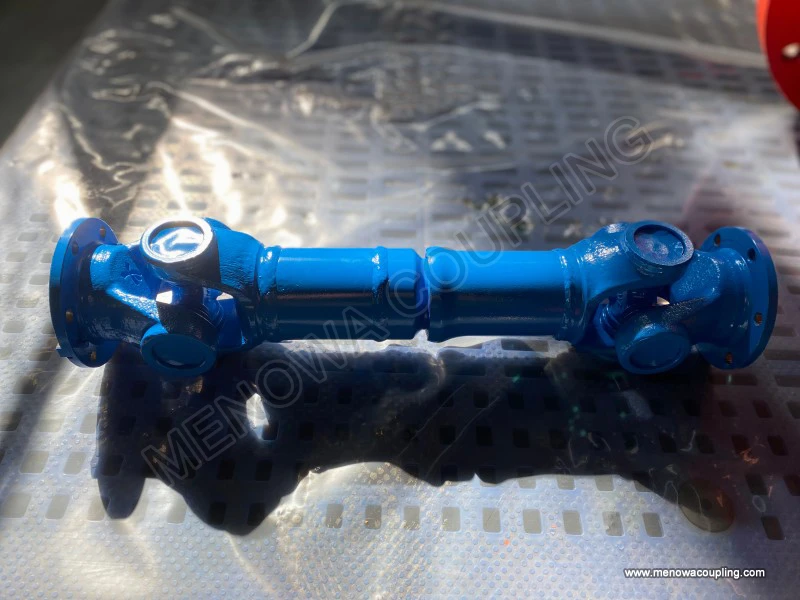
The basic structural configuration of a standard universal coupling follows a mature and robust mechanical design centered on a cross shaft transmission mechanism, forming a simple yet highly reliable power transmission unit. The core assembly consists of two symmetric fork-shaped joints, a central cross shaft, and four sets of rotating bearing components. The two fork joints serve as the primary connecting structures, with one fixed to the driving shaft and the other attached to the driven shaft, acting as the input and output terminals of torque transmission. The cross shaft functions as the intermediate connecting core, with four mutually perpendicular shaft journals that fit precisely into the bearing holes of the two fork joints, forming a 90-degree spatial rotation structure. The bearing components installed between the cross shaft journals and fork joint holes are critical for reducing frictional resistance during relative movement; most conventional designs adopt needle roller bearing structures, which provide low-friction rotational movement while bearing continuous torque and radial loads. Some optimized structural designs integrate integrated bearing seats and sealing structures to enhance overall structural tightness and operational stability. All structural parts are designed for coordinated movement, ensuring that the coupling can freely adjust its spatial angle while maintaining continuous torque transmission without mechanical jamming or motion interruption.
Material specifications are a key determinant of the universal coupling’s mechanical performance, load-bearing capacity, and wear resistance under long-term operation. Core load-bearing components including fork joints and cross shafts are typically fabricated from high-strength alloy steel or heat-treated carbon steel materials. These materials undergo standardized forging and thermal treatment processes such as quenching and tempering to improve overall structural toughness, surface hardness, and fatigue resistance, effectively resisting mechanical deformation, abrasion, and impact damage caused by frequent torque fluctuations and angle adjustments. Bearing components adopt high-precision bearing steel with excellent wear resistance and rotational precision, ensuring stable low-friction operation under high-speed and high-load conditions. Auxiliary structural parts such as sealing rings and buffer gaskets use elastic polymer materials with good aging resistance and temperature adaptability, which prevent external dust, moisture, and granular impurities from entering the internal movement gap while retaining internal lubricating media. The matching of material properties directly defines the coupling’s applicable load range, temperature tolerance, and continuous operation cycle, with high-quality material processing eliminating structural fatigue failure and premature wear under variable working conditions.
The working principle of universal couplings relies on the spatial rotation freedom of the cross shaft hinge structure to realize torque transmission under angular misalignment. When the driving shaft rotates, the connected fork joint drives the cross shaft to perform circular rotational motion, and the cross shaft further transmits rotational power to the driven fork joint and the driven shaft. The unique hinge structure allows the two connected shafts to form a certain angular deviation in the spatial plane, breaking the coaxial restriction of traditional rigid transmission structures. A notable operational characteristic of a single universal coupling is its non-constant velocity transmission feature. When the two shafts operate at a certain included angle, the instantaneous rotational speed of the driven shaft fluctuates periodically within a single rotation cycle, even if the driving shaft maintains uniform constant-speed rotation. The magnitude of this speed fluctuation is positively correlated with the misalignment angle between the two shafts; larger angular deviation leads to more obvious speed oscillation and minor torque pulsation. To eliminate the adverse effects of speed fluctuation in high-precision and high-stability transmission scenarios, double universal coupling combinations are commonly applied in practical use. By arranging two single universal couplings in a matched configuration, the speed fluctuation generated by the first coupling can be completely offset by the second one, achieving approximate constant-velocity power transmission and ensuring smooth and stable rotational output of the driven shaft.
Angular compensation capability is the most core performance specification of universal couplings and the primary advantage that distinguishes them from other coupling types. Different structural designs of universal couplings correspond to distinct allowable misalignment angle ranges, with conventional single universal couplings stably adapting to shaft included angles ranging from 5 degrees to 45 degrees. This wide angular compensation range enables the coupling to adapt to various non-standard installation layouts and dynamic shaft displacement scenarios, such as slight structural deformation of equipment frames under load, installation errors in mechanical assembly, and real-time shaft position offset caused by equipment vibration during operation. Beyond angular compensation, qualified universal couplings also possess limited axial and radial displacement compensation capabilities. Axial compensation adapts to small telescopic displacement between shafts caused by thermal expansion and contraction of mechanical components during long-term operation, while radial compensation offsets minor parallel offset errors between driving and driven shafts. The multi-dimensional displacement compensation function greatly reduces additional mechanical stress on shafts, bearings, and equipment hosts caused by installation errors and operational deformation, effectively protecting the entire transmission system and extending the service life of supporting mechanical components.
Torque transmission performance specifications define the load-bearing limits and working capacity of universal couplings under static and dynamic operating conditions. Each universal coupling model has a rated torque value corresponding to its structural size and material strength, representing the maximum stable torque that can be continuously transmitted under standard working conditions. In addition to rated torque, the ultimate torque specification indicates the maximum instantaneous impact torque that the coupling can withstand, which is usually several times the rated torque, enabling the coupling to resist instantaneous load shocks generated during equipment startup, shutdown, and load mutation. The torque transmission stability of universal couplings remains excellent within the rated working range, with tight structural matching ensuring negligible transmission backlash and motion clearance. This low-backlash characteristic makes universal couplings applicable not only to conventional heavy-load transmission scenarios but also to partial precision mechanical transmission systems that require accurate motion response. It is critical to match the coupling’s torque specification with the actual operating load of the equipment; long-term operation exceeding the rated torque will cause accelerated wear of internal bearings and cross shafts, and even lead to structural deformation or fracture of core components in severe cases.
Rotational speed adaptability is another essential specification that restricts the applicable working scenarios of universal couplings. Due to the inherent speed fluctuation characteristic of single universal couplings, they are more suitable for low-to-medium speed operating environments in conventional applications. For high-speed transmission scenarios, the periodic speed oscillation of single couplings will be amplified, generating obvious vibration, noise, and centrifugal force, which reduce transmission efficiency and accelerate component wear. Double universal coupling structures, by contrast, can realize stable high-speed operation due to their constant-velocity transmission effect and are widely used in medium and high-speed power transmission systems. The maximum allowable operating speed of each coupling is also restricted by structural balance precision, bearing matching accuracy, and surface processing finish. High-quality universal couplings undergo precise dynamic balance treatment in the production process to reduce residual unbalanced force during high-speed rotation, ensuring smooth operation and low vibration. In practical application, the operating speed must strictly comply with the design specification range to avoid resonance, excessive heat generation, and structural fatigue caused by over-speed operation.
Operational environmental adaptation specifications cover temperature tolerance, dust resistance, and vibration resistance performance of universal couplings. Conventional universal coupling structures can operate stably within a wide ambient temperature range, with metal core components adapting to most normal industrial temperature environments. The temperature adaptability is mainly limited by the performance of internal lubricating media and elastic sealing materials; extreme high temperature will cause lubricant deterioration and failure, while extreme low temperature will reduce the toughness of sealing materials and cause structural brittleness. The integrated sealing structure of standard universal couplings can effectively block solid particulate impurities such as dust and iron filings in the working environment, preventing abrasive wear of internal moving parts. In terms of vibration resistance, the hinged flexible structure of universal couplings can absorb and buffer part of mechanical vibration generated during equipment operation, reducing vibration transmission between driving and driven equipment and improving the overall operational stability of the mechanical system. For special working environments such as high humidity and weak corrosive atmospheres, surface anti-corrosion treatment can be added to the coupling to enhance environmental adaptability and extend service life.
Lubrication and maintenance specifications are key guarantees for the long-term stable operation of universal couplings. The internal hinge and bearing moving pairs rely on lubricating media to reduce frictional wear and heat accumulation. Standard working specifications require filling professional lubricating grease or lubricating oil into the internal movement gaps during assembly, forming a uniform oil film on the friction surface to isolate direct metal contact. In continuous high-load and high-speed operation scenarios, regular lubricant replacement is required to avoid lubricant failure caused by high-temperature oxidation and impurity mixing. The sealing structure needs regular inspection to check for aging, deformation, or damage, as poor sealing will lead to lubricant leakage and external impurity intrusion, rapidly aggravating internal component wear. In daily operation, regular observation of the coupling’s running state is necessary; abnormal vibration, noise, and rotational jamming indicate excessive internal wear or structural deviation, requiring timely inspection and maintenance. Scientific maintenance in accordance with specification requirements can effectively reduce component wear rate, maintain stable transmission efficiency, and extend the overall service cycle of the coupling.
Installation and debugging specifications determine the actual operating performance and service life of universal couplings. During installation, the coaxiality and relative angle of the driving and driven shafts must be strictly controlled within the allowable design range. Excessively large misalignment angles will intensify speed fluctuation and torque pulsation, increasing mechanical loss and component load. The connecting position between the coupling and the shaft must be firmly fixed to avoid relative sliding and rotational displacement during torque transmission, which will cause transmission failure and component abrasion. For double universal coupling installations, the relative installation angle and phase position of the two couplings need precise debugging to ensure mutual offset of speed fluctuation and achieve constant-velocity transmission. After installation, no-load trial operation is required first to check for abnormal friction, vibration, and jamming, followed by gradual load testing to confirm that the coupling operates stably within the rated parameter range. Standardized installation and debugging can eliminate potential hidden dangers caused by human operation errors and maximize the structural performance of the universal coupling.
In practical industrial applications, the standardized selection and use of universal couplings must comprehensively consider multiple core specifications including misalignment compensation range, rated torque, operating speed, environmental adaptability, and maintenance conditions. Reasonable type selection needs to match the actual working conditions of mechanical equipment, including load characteristics, operating speed, shaft displacement amplitude, and working environment parameters. Compared with other types of flexible couplings, universal couplings stand out for their large angular compensation range, strong heavy-load transmission capacity, and simple and durable structure, showing unique applicability in complex transmission scenarios where large shaft misalignment exists. With continuous optimization of mechanical design and processing technology, modern universal couplings are evolving toward higher transmission precision, lower operating noise, longer service life, and stronger environmental adaptability, continuously meeting the increasingly stringent power transmission requirements of various industrial mechanical systems. Mastering the complete specification system of universal couplings is the core premise to ensure their efficient, stable, and long-term reliable operation in mechanical transmission systems.
Post Date: May 26, 2026
https://www.menowacoupling.com/china-coupling/specification-of-universal-coupling.html
Products
Tags
Supply
Related Articles
Universal Coupling Supplier
In the complex and interconnected system of modern mechanical transmission equipment, universal couplings stand out as one of the most fundamental and indispensable functional components, serving as a critical bridge for power and motion transmission between rotating shafts in diverse mechanical structures. Unlike rigid…Structure of Universal Coupling
A universal coupling, widely recognized as a core mechanical transmission component in modern machinery systems, serves as a flexible connection device designed to transmit rotational torque and motion between two shafts that present angular, parallel, or axial misalignment. Its unique structural configuration enables s…Components of Universal Coupling
A universal coupling, widely known as a universal joint or Cardan joint, is a fundamental mechanical transmission component designed to transmit torque and rotational motion between two shafts that exhibit angular misalignment, parallel offset, or axial displacement. Unlike rigid couplings that require precise shaft ali…Universal Coupling Supply
In the intricate ecosystem of mechanical power transmission, universal couplings stand out as indispensable foundational components that bridge the functional gaps of traditional rigid connection structures. Serving as a core link between rotating shafts in mechanical systems, these mechanical devices are engineered to …Uses of Universal Coupling
In the intricate ecosystem of mechanical transmission systems, universal couplings stand out as one of the most versatile and indispensable mechanical components, serving as a critical bridge for power and motion transmission across countless industrial and civilian mechanical devices. Also widely known as universal joi…Diagram of Universal Coupling
A universal coupling, widely recognized as a core mechanical component for flexible power transmission, serves as a pivotal connecting structure in mechanical transmission systems to transfer rotational torque and motion between two shafts with angular misalignment. The structural diagram of a universal coupling intuiti…
 WeChat
 WhatsApp