Components of Universal Coupling
A universal coupling, widely known as a universal joint or Cardan joint, is a fundamental mechanical transmission component designed to transmit torque and rotational motion between two shafts that exhibit angular misalignment, parallel offset, or axial displacement. Unlike rigid couplings that require precise shaft alignment, this flexible mechanical structure enables stable power transmission under dynamic and complex operating conditions, serving as a core connecting unit in countless mechanical transmission systems. The overall performance, service life, and operational stability of a universal coupling are entirely determined by the structural design, material characteristics, and assembly coordination of its internal components. Each part undertakes independent mechanical functions while forming a highly coordinated interactive system, collectively realizing the unique flexible transmission capability that distinguishes universal couplings from other coupling types. In practical mechanical operation, even minor defects or abnormal wear of a single component can lead to reduced transmission efficiency, increased mechanical vibration, or even complete transmission failure, making an in-depth understanding of the composition and working characteristics of each component essential for mechanical design, equipment maintenance, and operational optimization.
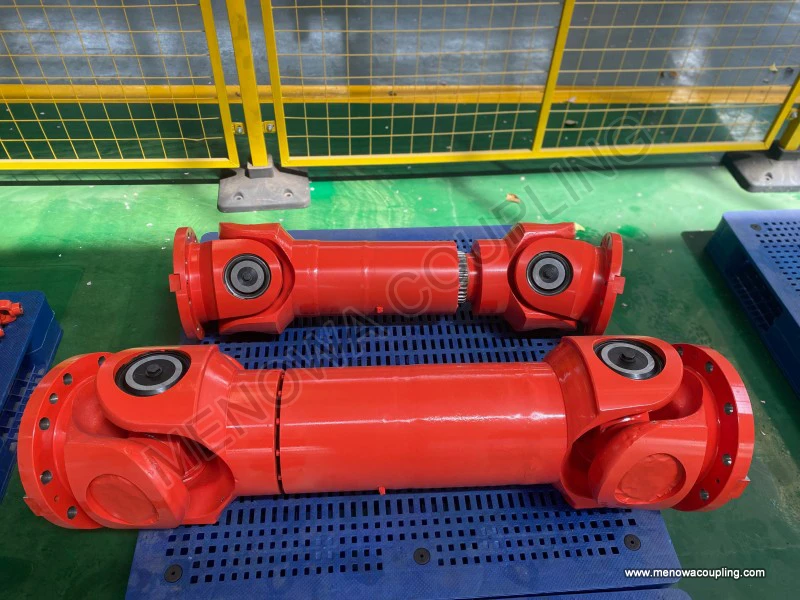
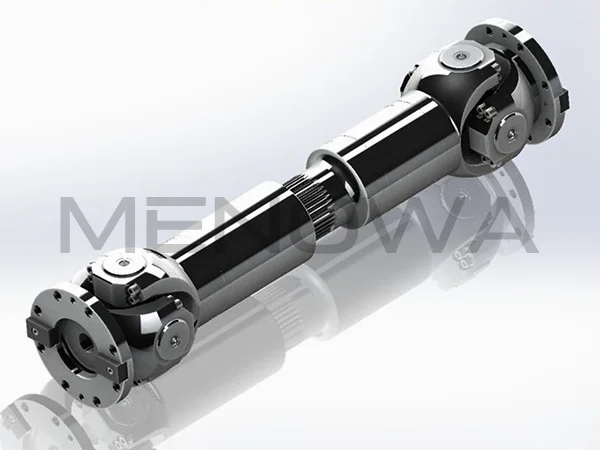
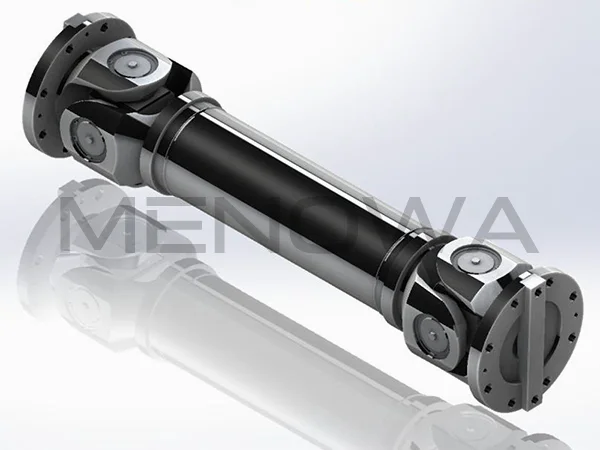
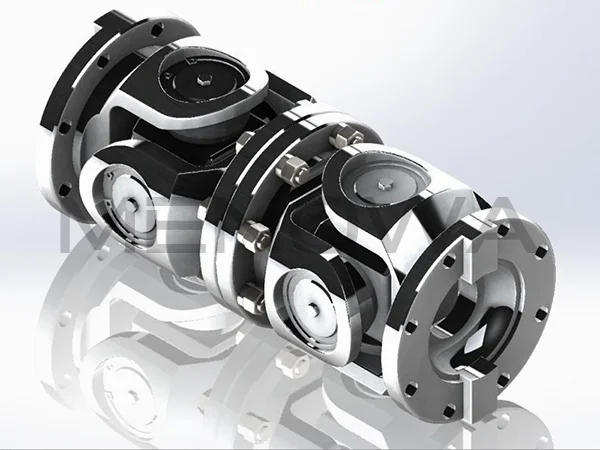
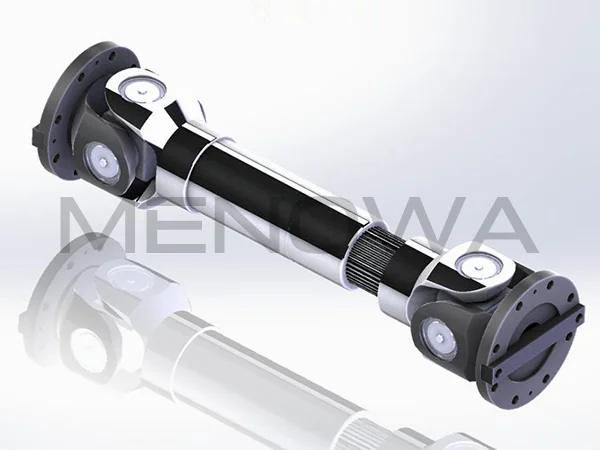
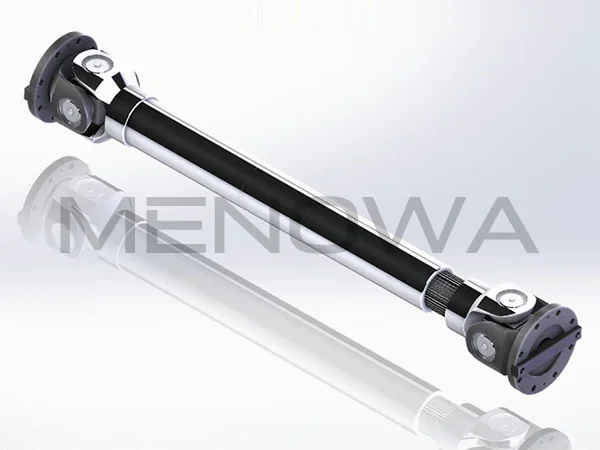
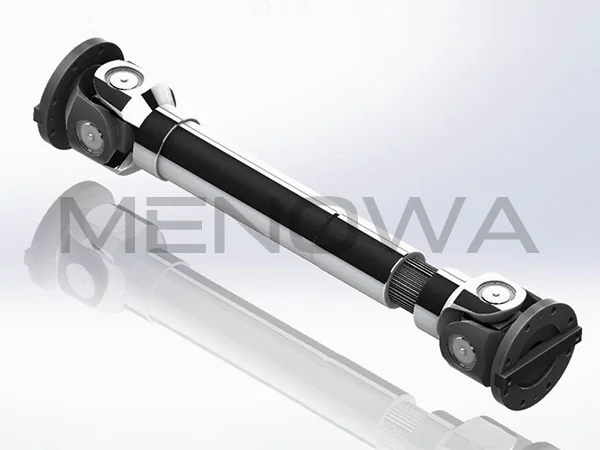
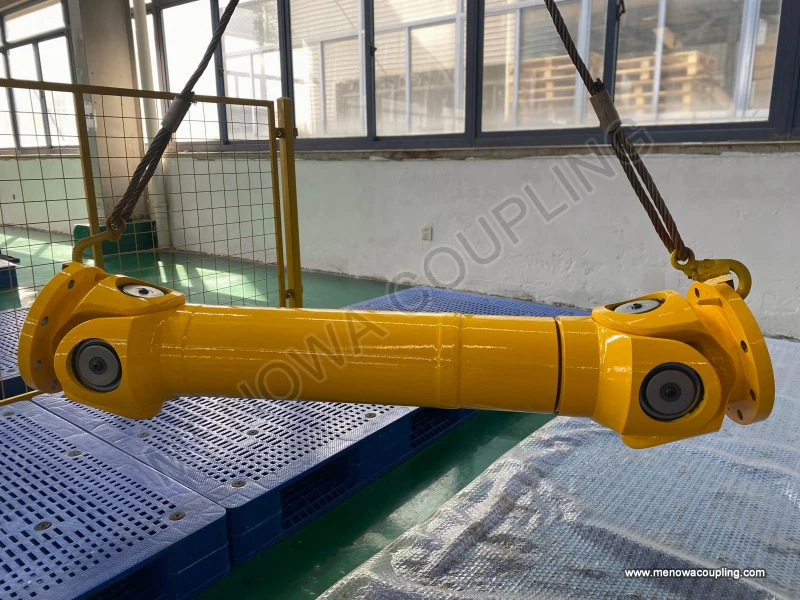
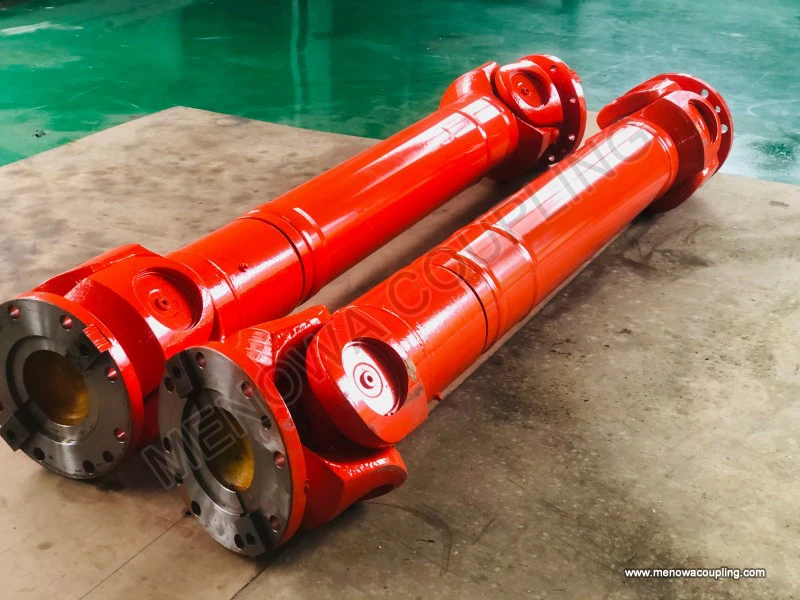
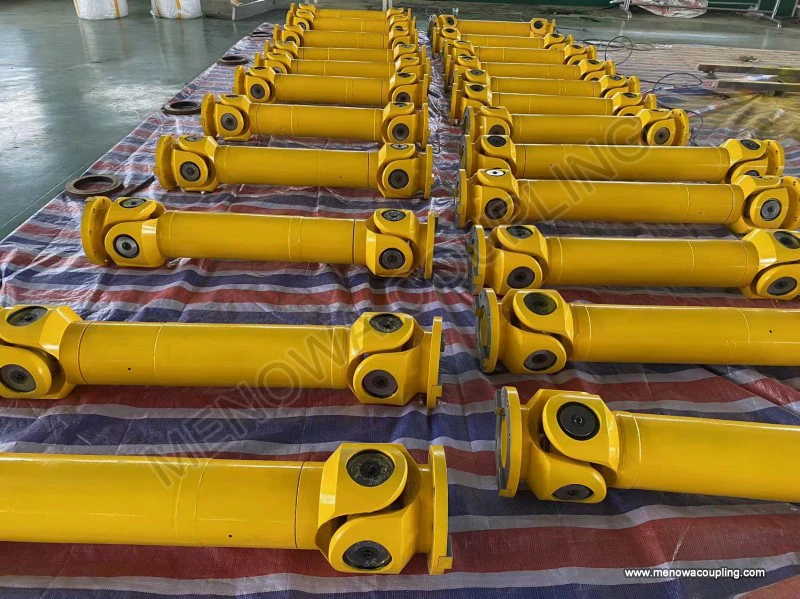
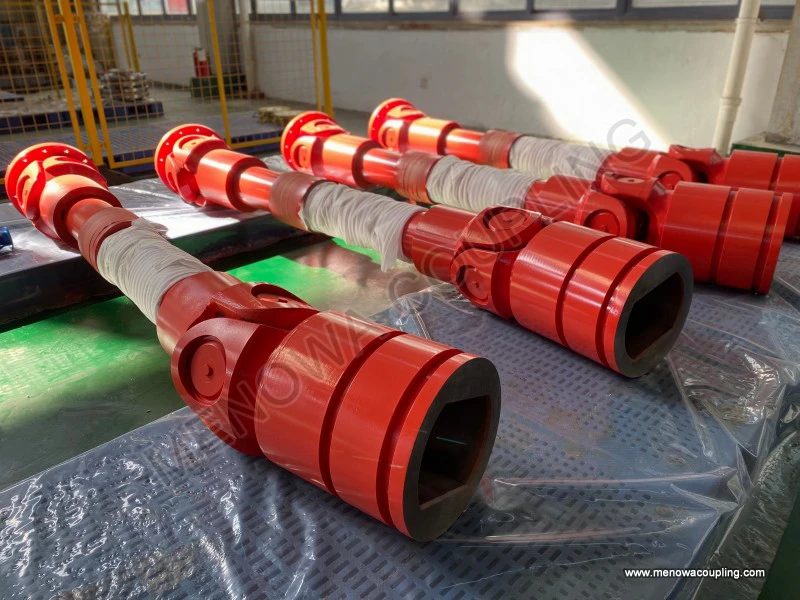
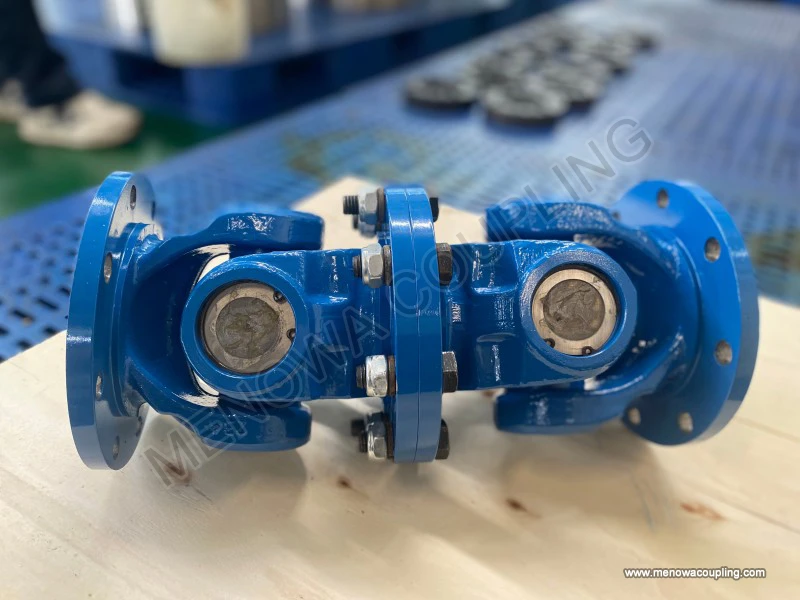
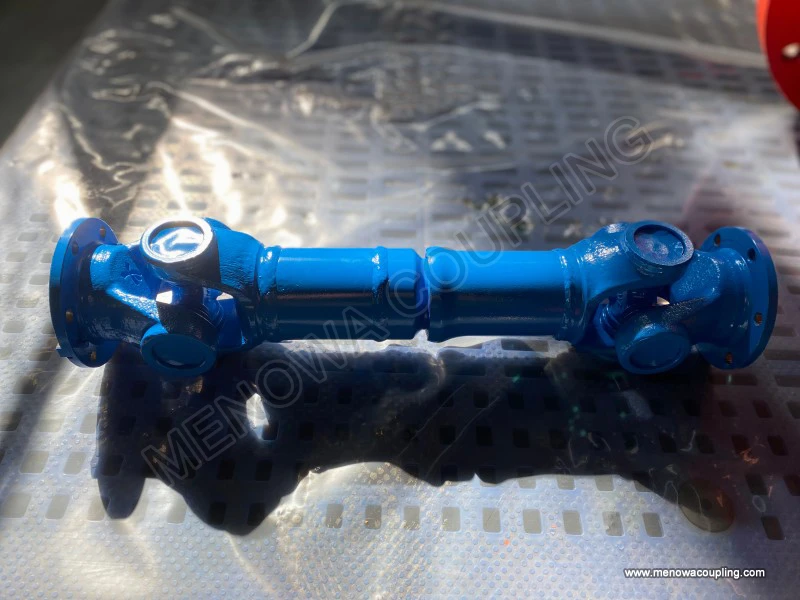
The complete assembly of a standard universal coupling mainly consists of two symmetrical yoke components, a central cross shaft, precision bearing assemblies, auxiliary fastening parts, and sealing and protective structures. All components are manufactured with high-precision machining and strict material processing to withstand alternating torque, friction, and mechanical impact generated during high-speed rotation and variable-angle operation. The coordination relationship between components follows pure mechanical transmission principles, with no dependent on auxiliary electronic structures, ensuring strong adaptability and stability in harsh industrial working environments such as high temperature, low temperature, dust, and vibration. Each core component bears irreplaceable mechanical responsibilities, and their structural matching and dimensional accuracy directly determine the maximum bearing capacity, angle compensation range, and operational smoothness of the entire universal coupling.
The structural design of yokes fully considers the flexibility requirements of angle compensation. The fork body’s open bifurcation structure reserves sufficient movement space for the deflection and rotation of the central cross shaft, allowing the two connected shafts to form a certain angular deviation within the allowable range without hindering power transmission. In the working process, the driving-end yoke rotates synchronously with the input shaft, drives the cross shaft to perform circular motion, and then transmits power to the driven-end yoke to realize the synchronous rotation of the output shaft. Due to the symmetrical structural design of the two yokes, the stress distribution during power transmission is relatively uniform, which effectively avoids local stress concentration and extends the overall service life of the coupling. Meanwhile, the inner wall of the yoke’s shaft sleeve is finely polished to ensure close contact with the shaft body, reducing relative sliding and friction loss during transmission and improving power transmission efficiency.
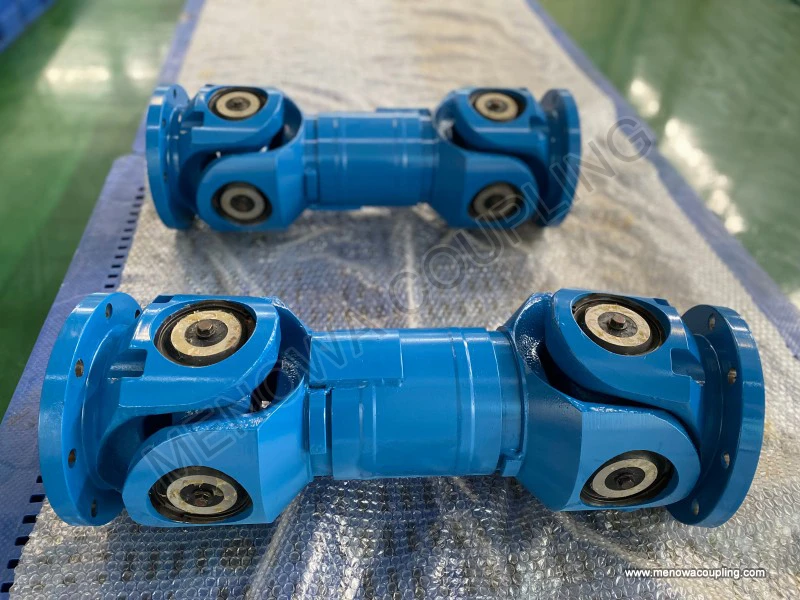
As the core transmission and connecting component of the entire universal coupling, the cross shaft, also named the spider, undertakes the key task of linking the two yokes and realizing flexible angle transmission. It adopts an integrated cross symmetrical structure with four mutually perpendicular shaft journals distributed in a cross shape, forming four independent connecting ends in the horizontal and vertical directions. The four shaft journals are respectively assembled with the bearing holes of the two yokes, with each pair of opposite shaft journals matched with one yoke, realizing the flexible hinge connection between the two yokes that are perpendicular to each other in the initial state. This unique cross structure breaks the limitation of linear transmission of rigid structures, enabling the coupling to adapt to multi-directional angular deflection and small-range displacement changes of the connected shafts.
The cross shaft bears the most complex mechanical load in the entire coupling system, including torsional shear force, radial pressure, and alternating impact force generated by angle changes. Therefore, its material and processing precision are subject to extremely strict standards. The surface of each shaft journal is processed with high-precision finishing and wear-resistant treatment to ensure smooth coordination with bearings, reduce friction resistance during relative rotation, and avoid abrasive wear caused by long-term operation. The middle main body of the cross shaft is thickened structurally to enhance overall rigidity, prevent bending deformation under high torque, and ensure the stability of the relative position of the four shaft journals. In the dynamic transmission process, the cross shaft converts the unidirectional rotational motion of the driving yoke into multi-angle flexible rotational motion, realizing the power transmission of non-coaxial shafts, which is the fundamental guarantee for the flexible working performance of universal couplings.
Bearing assemblies are key auxiliary components that ensure the flexible rotation of the coupling and reduce mechanical friction, serving as the lubricating and rotating medium between the cross shaft and the yokes. The mainstream supporting structure of universal couplings adopts needle roller bearings, which are composed of dense needle rollers, bearing outer rings, and integrated bearing frames. Different from ordinary ball bearings, needle roller bearings have a compact structural size and large contact area, which can bear larger radial loads under limited installation space and are very suitable for the narrow matching gap between cross shaft journals and yoke holes. Each shaft journal of the cross shaft is independently equipped with a set of bearing assemblies, forming four groups of rotating pairs distributed symmetrically, ensuring that each rotating hinge can operate flexibly and independently.
The core function of bearing assemblies is to isolate the direct contact between the cross shaft journal and the yoke hole, convert sliding friction into rolling friction, and greatly reduce friction resistance and mechanical wear during the rotation of the coupling. During high-speed operation and frequent angle deflection of the coupling, the bearings can absorb tiny vibration and impact force, improving the smoothness and stability of power transmission. The bearing outer ring is tightly embedded in the assembly hole of the yoke, and the inner needle rollers are closely matched with the surface of the cross shaft journal, realizing precise limit and free rotation. Good bearing matching accuracy can effectively avoid jamming and abnormal noise during coupling operation, and reduce power loss caused by friction, maintaining high transmission efficiency for a long time. In addition, the structural stability of bearings also determines the upper limit of the coupling’s operating speed and load-bearing capacity, making it an indispensable precision component for high-performance transmission.
Fastening and positioning accessories include various pin parts, snap rings, and locking rings, which undertake the important tasks of limiting component positions, preventing structural loosening, and ensuring assembly firmness. Although these auxiliary components are small in volume, they play a decisive role in maintaining the overall structural stability of the coupling. After the assembly of cross shafts, bearings and yokes is completed, the positioning pins and snap rings are installed at the end of each bearing and the matching gap of the yokes to fix the axial position of the bearings and cross shafts, preventing axial displacement or structural separation of components caused by centrifugal force and vibration during high-speed rotation. The locking structure can effectively resist the alternating mechanical force generated during long-term operation, avoid structural loosening caused by mechanical fatigue, and ensure the long-term stable operation of the coupling.
The dimensional accuracy and installation tightness of fastening accessories are strictly matched with the main components. Excessive assembly clearance will cause structural vibration and component wear, while excessive tightening will lead to bearing rotation jamming and increased friction loss. Reasonable fastening positioning can balance the flexibility and stability of the coupling’s rotating structure, ensuring that each component can move freely within the designed range while maintaining the overall structural integrity. These auxiliary parts also simplify the later maintenance and disassembly work of the coupling, facilitating regular lubrication, component inspection and replacement, and improving the service cycle and maintainability of the entire mechanical structure.
Sealing and lubricating protection components are important functional structures to ensure the long-term stable operation of universal couplings, mainly including sealing gaskets, dust covers, and grease storage structures. In the working process of the coupling, the rotating hinge formed by the cross shaft and bearings needs long-term lubrication to reduce wear, while the open matching gap is easily invaded by external dust, debris, moisture and other impurities, which will cause abrasive wear, corrosion and bearing jamming, and seriously damage the internal precision structure. The sealing components can form a closed protective space for the internal rotating pair, effectively isolating external pollutants and preventing the leakage of internal lubricating grease.
Lubricating structures are usually designed with reserved grease injection ports and internal grease storage grooves, which can store a certain amount of lubricating grease for long-term lubrication of bearings and cross shaft journals. Good lubrication conditions can minimize the friction coefficient between matching components, reduce heat generation during high-speed operation, avoid component aging and fatigue damage caused by high temperature, and significantly improve the wear resistance and service life of the coupling. The dust cover and sealing gaskets made of elastic materials can adapt to the tiny position changes of components during angle deflection and rotation, always maintaining the tightness of the sealing structure without hindering the flexible movement of the coupling. In harsh working environments, these protective components are the key to maintaining the stable performance of universal couplings and avoiding frequent failure and damage.
The cooperative working mechanism of all components constitutes the complete transmission logic of the universal coupling. In the actual working process, the driving shaft drives the driving yoke to rotate, and the driving yoke transmits torque to the cross shaft through the bearing assembly. Relying on the flexible hinge structure formed by the cross shaft and the two yokes, the cross shaft drives the driven yoke to rotate synchronously, realizing the power transmission between non-coaxial shafts. When the connected two shafts have angular deviation or displacement change, the four sets of bearing assemblies rotate flexibly with the angle change, and the cross shaft deflects adaptively in the fork body of the yokes, always maintaining the effective connection of the transmission structure and realizing continuous and stable power output.
Each component has clear functional division and close structural coordination. The yokes bear and transmit overall torque, the cross shaft realizes flexible angle conversion, the bearings reduce friction and ensure smooth rotation, the fastening parts maintain structural stability, and the sealing and lubricating parts protect internal precision structures. The mutual cooperation of these components makes the universal coupling possess excellent characteristics of angular compensation, vibration damping, high-efficiency transmission and strong adaptability. Compared with other rigid and flexible couplings, the modular component structure of universal couplings makes their performance more stable and their application range wider, covering various mechanical transmission scenarios from low-speed heavy-load to high-speed light-load operation.
The structural characteristics and material performance of each component also determine the application limitations and performance differences of universal couplings. The strength and toughness of the yokes determine the maximum torque that the coupling can bear, the machining accuracy and surface hardness of the cross shaft determine the angle compensation accuracy and wear resistance, the bearing performance determines the operating speed limit and transmission smoothness, and the sealing and lubricating conditions determine the environmental adaptability and service life. Only when all components maintain good working condition and precise coordination can the universal coupling give full play to its flexible transmission advantages, avoid mechanical failure caused by single component damage, and ensure the safe and efficient operation of the entire mechanical equipment.
In summary, the universal coupling is a highly integrated mechanical component system composed of multiple functional units. Each constituent part is indispensable, and their structural design, processing accuracy and assembly matching directly affect the overall working performance of the equipment. With the continuous development of mechanical manufacturing technology, the structural optimization and material upgrading of each component of universal couplings are constantly advancing, further improving the transmission efficiency, load-bearing capacity and environmental adaptability of the coupling. Understanding the composition and functional principles of each component is not only the basis for mastering the working mechanism of universal couplings, but also an important prerequisite for optimizing mechanical design, improving equipment operation efficiency, and reducing mechanical maintenance costs in industrial production and mechanical engineering applications.
Post Date: May 26, 2026
https://www.menowacoupling.com/china-coupling/components-of-universal-coupling.html
Products
Tags
Supply
Related Articles
Universal Coupling Production
Universal couplings stand as indispensable mechanical components in modern industrial transmission systems, serving as flexible connection units that enable stable torque and rotational motion transfer between misaligned rotating shafts. Unlike rigid connecting structures that demand precise coaxial alignment of paired …Specification of Universal Coupling
Universal couplings represent a fundamental category of mechanical transmission components engineered to transmit rotational torque and motion between two shafts that operate with intentional or unavoidable misalignment. Widely adopted in mechanical transmission systems across industrial machinery, transportation equipm…Coaxiality of Universal Coupling
Coaxiality stands as one of the most fundamental and influential precision indicators governing the operational performance of universal couplings, serving as the core benchmark for evaluating the alignment accuracy between driving and driven shafts in mechanical transmission systems. A universal coupling, as a flexible…Size Chart of Universal Coupling
A universal coupling, also known as a universal joint, is a critical mechanical component designed to transmit torque between two shafts that are not aligned perfectly, allowing for angular misalignment while maintaining efficient power transfer. The size chart of a universal coupling serves as a fundamental reference t…Universal Coupling Supplier
In the complex and interconnected system of modern mechanical transmission equipment, universal couplings stand out as one of the most fundamental and indispensable functional components, serving as a critical bridge for power and motion transmission between rotating shafts in diverse mechanical structures. Unlike rigid…Structure of Universal Coupling
A universal coupling, widely recognized as a core mechanical transmission component in modern machinery systems, serves as a flexible connection device designed to transmit rotational torque and motion between two shafts that present angular, parallel, or axial misalignment. Its unique structural configuration enables s…
 WeChat
 WhatsApp