Universal Coupling Supply
In the intricate ecosystem of mechanical power transmission, universal couplings stand out as indispensable foundational components that bridge the functional gaps of traditional rigid connection structures. Serving as a core link between rotating shafts in mechanical systems, these mechanical devices are engineered to transmit continuous rotational motion and torque between two shafts that fail to maintain perfect collinearity, effectively addressing the common operational challenges caused by shaft misalignment in various mechanical equipment. Unlike rigid connecting structures that demand ultra-precise shaft alignment and suffer from severe wear, vibration, or even structural damage under minor angular, axial, or radial deviations, universal couplings integrate flexible compensation performance with stable torque transmission capability, making them widely adaptable to complex and dynamic mechanical operating environments across diverse industrial and commercial scenarios.
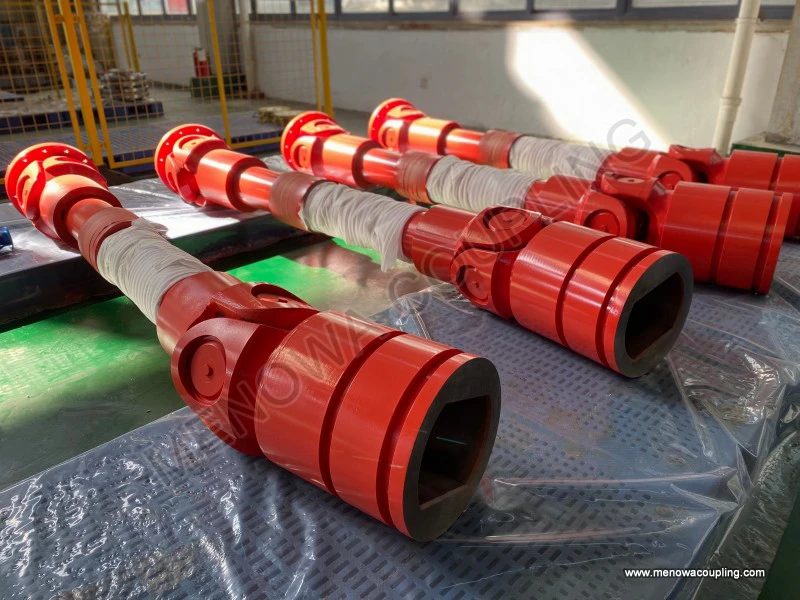
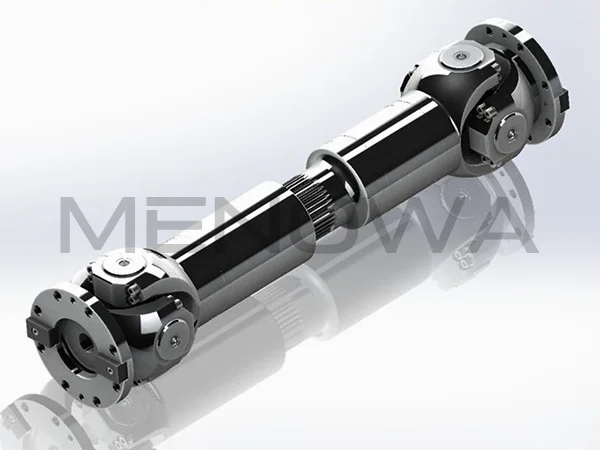
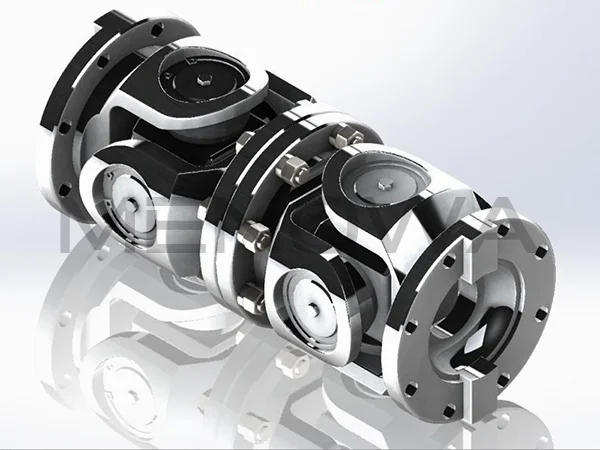
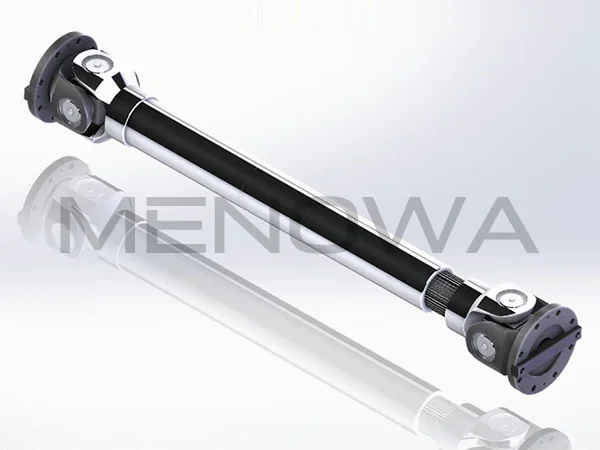
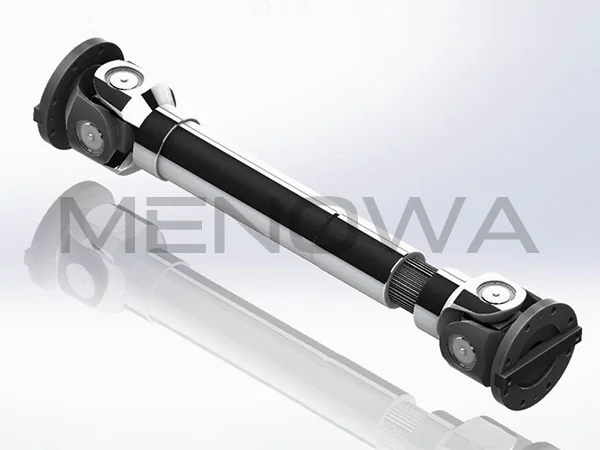
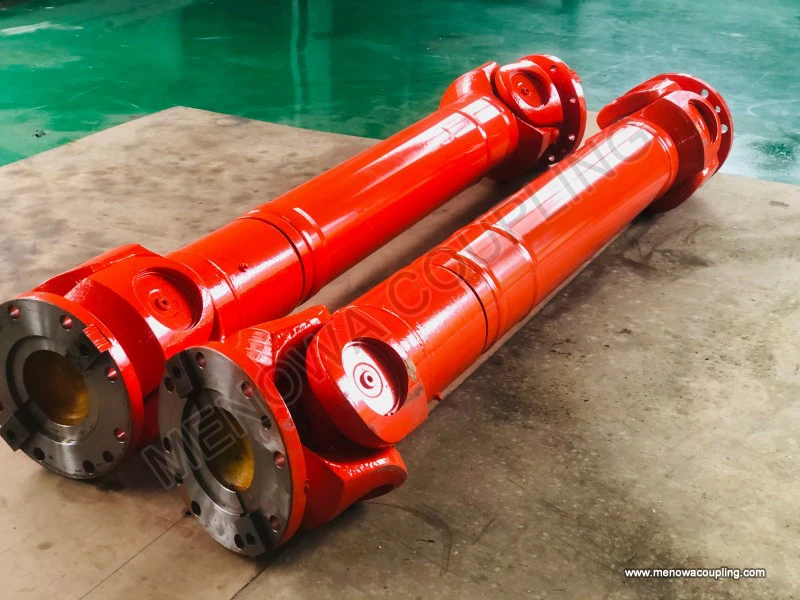
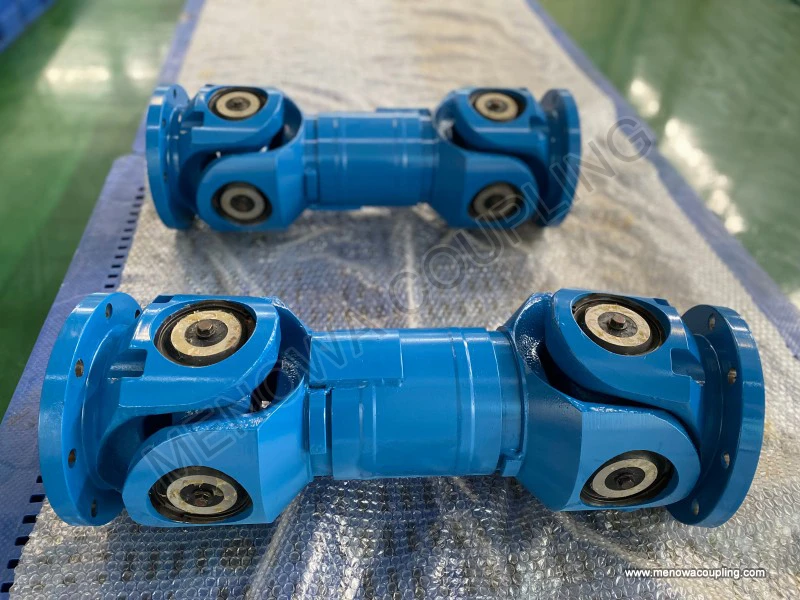
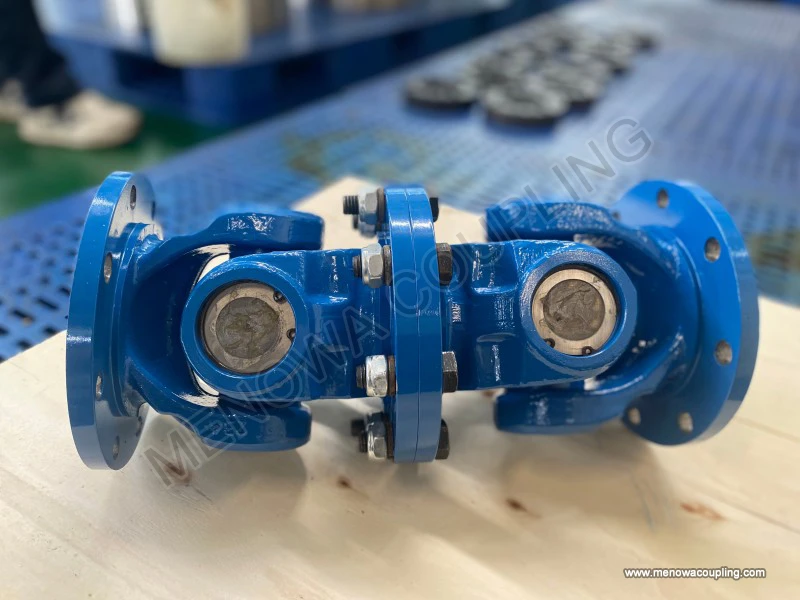
The core operational logic of universal couplings stems from the spatial linkage mechanical principle, which enables flexible power transmission under angular offset conditions. The most prevalent structural configuration consists of two symmetrical yoke components and an intermediate cross-shaped spider structure equipped with precision rolling elements. One yoke is fixed to the driving shaft that outputs power, while the other connects to the driven shaft that receives power, and the central spider acts as a movable transitional connector to link the two yokes. During equipment operation, the rotational motion of the driving shaft drives the connected yoke to rotate synchronously, and the spider structure converts the single-axis rotational motion into multi-directional swing and rotation composite motion. This unique motion conversion mechanism allows the two connected shafts to maintain stable power transmission even when they form a certain included angle, realizing the core function of angular misalignment compensation that rigid couplings cannot achieve.
The structural design of universal couplings delivers multiple practical performance advantages that underpin their long-term popularity in mechanical design and equipment manufacturing. First and foremost is the outstanding angular compensation capacity. Such coupling structures can adapt to shaft included angles ranging from small deviations to relatively large offsets within a reasonable range, fully covering the misalignment phenomena generated in actual equipment operation, including installation alignment errors, thermal expansion and contraction of metal components during long-term operation, slight structural deformation caused by equipment load changes, and dynamic offset fluctuations in high-speed operation. This excellent compensation performance greatly reduces the assembly precision requirements of mechanical equipment, lowers the difficulty of equipment installation and debugging, and avoids the mechanical stress concentration, component fatigue wear, and power transmission efficiency attenuation caused by rigid connection misalignment.
In addition to flexible compensation capability, universal couplings feature a compact and reasonable structural layout and high power transmission efficiency. The integrated design of yokes and spider minimizes the overall occupied space of the coupling structure, which is particularly suitable for mechanical equipment with limited internal installation space and compact structural layout. Meanwhile, the rolling friction matching mode between the spider’s rotating shaft and the yoke’s inner groove effectively reduces friction resistance during power transmission. Compared with other flexible connection structures that rely on elastic deformation for compensation, this rolling friction structure produces smaller energy loss during operation, ensuring that most of the torque and rotational power is stably transmitted to the executing end. This high-efficiency transmission characteristic not only improves the overall operating efficiency of mechanical systems but also reduces unnecessary energy consumption during long-term continuous operation, bringing stable and economical operational performance to mechanical equipment.
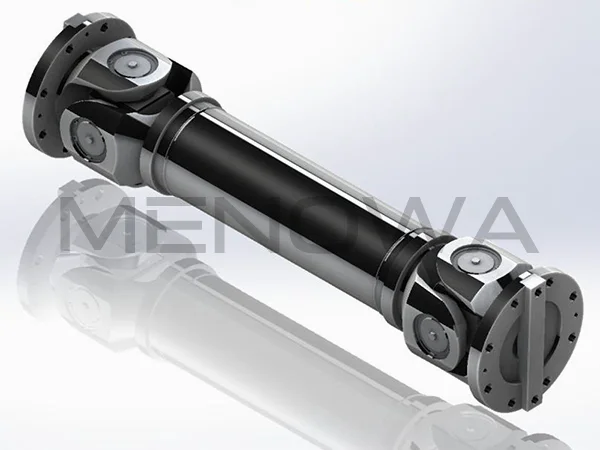
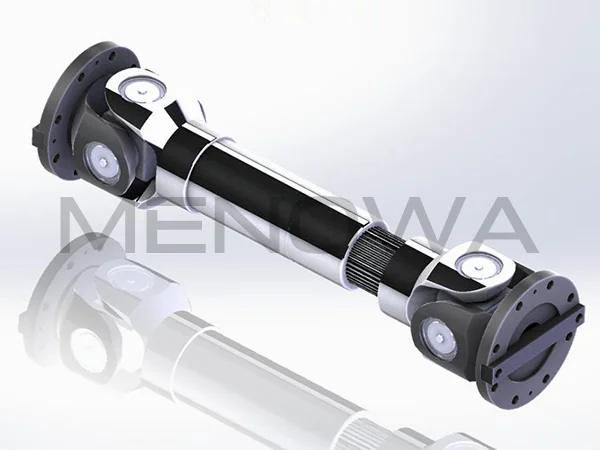
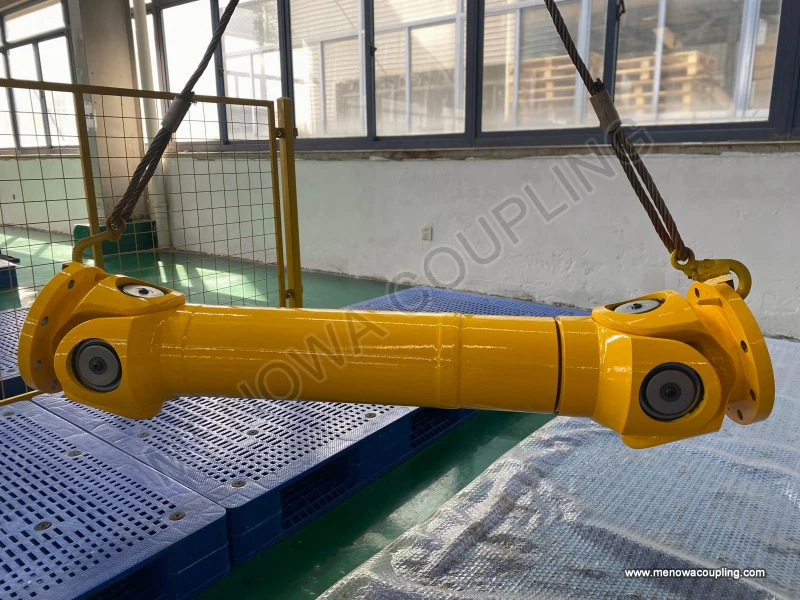
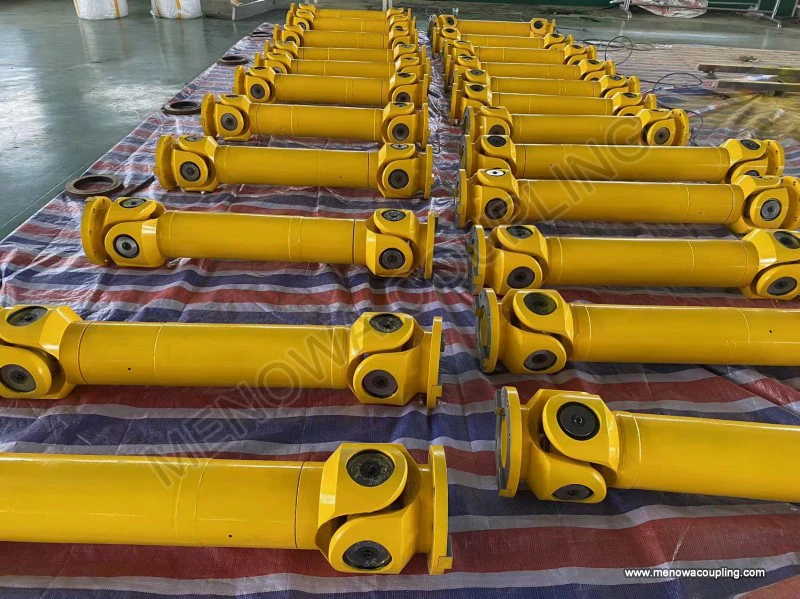
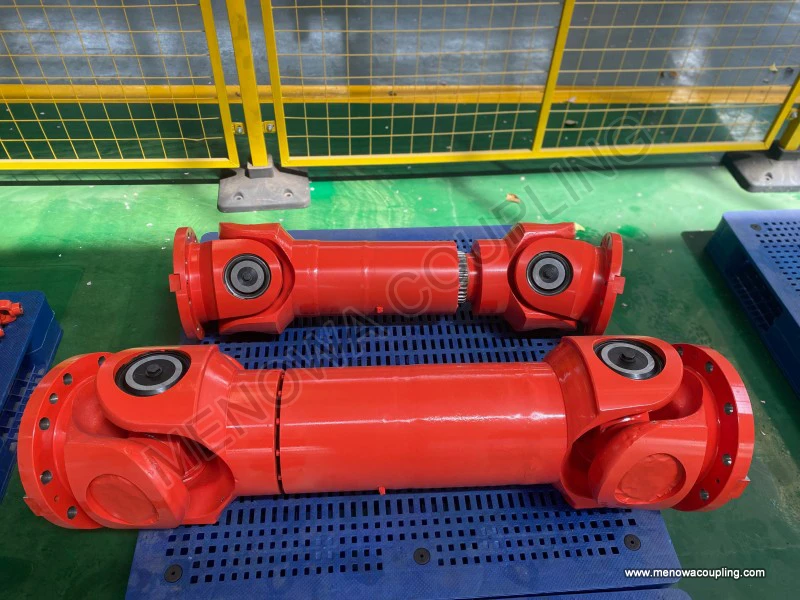
In practical industrial applications, universal couplings are mainly divided into single-section and double-section structural forms, each with distinct applicable working conditions and functional characteristics. The single-section structure is composed of a single set of spider and double yoke combination, with a simple structure and low operational resistance, suitable for working scenarios with relatively small and stable shaft offset angles. It is commonly applied to conventional mechanical transmission systems that require basic misalignment compensation and stable low-to-medium speed operation. The double-section structure adds an intermediate connecting shaft between two sets of single coupling structures, which further expands the range of angular compensation and axial displacement adaptation. This optimized structure can cope with more complex three-dimensional misalignment states between shafts, including simultaneous angular deviation and axial position offset, and is more suitable for high-load, high-speed, and dynamically changing working conditions.
A key performance optimization of the double-section universal coupling lies in its ability to improve transmission stability. A single universal coupling will produce periodic fluctuation of output angular velocity when transmitting power under angular offset conditions, which may cause slight vibration and torque fluctuation in high-precision mechanical systems. The double-section structural design effectively offsets this velocity fluctuation through the phase difference of the two groups of coupling movements, realizing approximate constant-velocity power transmission. This optimized performance makes the double-section structure widely used in high-precision transmission scenarios that require smooth and stable rotational output, avoiding equipment vibration, operational noise, and component fatigue damage caused by velocity pulsation.
The application scenarios of universal couplings cover almost all fields involving mechanical rotating power transmission, with prominent practical value in industrial manufacturing, transportation equipment, engineering machinery, and automated production lines. In traditional industrial machinery such as machine tools, compressors, and fans, universal couplings connect power motors and working execution components, compensating for shaft misalignment caused by equipment assembly and long-term operational deformation, ensuring the stable operation of mechanical transmission systems and extending the service life of core components. In engineering machinery with complex operating conditions, such as excavators, loaders, and cranes, equipment often generates severe vibration and structural displacement during walking and working. The flexible compensation performance of universal couplings can effectively buffer structural stress, avoid rigid impact damage of transmission components, and maintain continuous and stable power output under complex working conditions.
In the field of transportation equipment, universal couplings are core components of mobile power transmission systems. In various wheeled transmission structures, they adapt to the angle changes of the transmission shaft caused by vehicle body jitter, suspension stretching, and road condition fluctuations during driving, ensuring that power can be continuously and stably transmitted from the power output end to the walking execution end. This adaptive performance enables mobile mechanical equipment to maintain efficient power transmission under uneven road surfaces and complex motion states, greatly improving the operational stability and environmental adaptability of the equipment. In modern automated production equipment such as conveyor lines, automated processing machines, and robotic transmission mechanisms, universal couplings meet the precision transmission requirements of automated equipment through stable torque transmission and low-vibration operation characteristics, ensuring the accurate execution of automated production actions and improving the consistency and reliability of production operations.
The service life and stable performance of universal couplings depend heavily on standardized structural design, precise manufacturing processes, and scientific daily maintenance. In terms of manufacturing, the core load-bearing components such as yokes and spiders are usually made of high-strength alloy materials with excellent wear resistance, fatigue resistance, and impact resistance. After precision forging, finishing, and surface strengthening treatment, these components can withstand long-term high-load rotation and frequent alternating stress, avoiding structural deformation and premature wear. The matching rolling elements are processed with high precision to ensure minimal clearance fit between components, reduce operational vibration and noise, and maintain long-term transmission accuracy. Reasonable structural optimization also includes effective lubrication protection design, which can store lubricating grease inside the moving friction pairs, forming a stable lubricating layer during operation to reduce friction and wear and isolate dust, moisture, and other external impurities.
Daily maintenance and inspection are crucial to maintaining the long-term stable operation of universal couplings. In the daily operation of equipment, regular inspection of the coupling’s operating state can effectively avoid potential failure risks. The key inspection contents include checking for abnormal vibration and noise during operation, confirming no obvious looseness or deflection at the connection parts, and ensuring the integrity of the lubrication state. Timely supplementary lubrication is required after long-term operation to prevent dry friction wear of internal components. For equipment operating in high-temperature, dusty, or humid harsh environments, the inspection cycle needs to be appropriately shortened, and surface cleaning and anti-corrosion protection should be done well to avoid component corrosion, aging, and performance degradation. Scientific maintenance can not only maintain the high transmission efficiency of universal couplings but also effectively extend their service cycle, reduce equipment failure rates and later maintenance costs, and ensure the continuous and stable operation of the entire mechanical system.
In the context of continuous upgrading of modern mechanical manufacturing technology, the performance optimization and structural innovation of universal couplings are also advancing synchronously with industrial demand. Modern mechanical equipment is developing towards high speed, high load, high precision, and intelligent operation, which puts forward higher requirements on the compensation capability, transmission stability, wear resistance, and environmental adaptability of transmission components. The iterative optimization of universal coupling structures focuses on improving the dynamic balance performance under high-speed operation, enhancing the fatigue resistance under long-term alternating load, and expanding the adaptation range of extreme working environments such as high temperature, low temperature, and strong corrosion. At the same time, lightweight structural design has become an important development direction. By optimizing the material ratio and structural layout, the overall weight of the coupling is reduced while ensuring load-bearing performance, which helps reduce the overall weight of mechanical equipment, lower operational energy consumption, and improve equipment operating flexibility.
As a basic mechanical transmission component with mature technology and wide applicability, universal couplings play an irreplaceable role in ensuring the stable operation of mechanical systems. Their unique flexible compensation mechanism makes up for the functional defects of rigid transmission structures, solves various misalignment problems in mechanical power transmission, and provides a reliable connection solution for complex and changeable mechanical operating conditions. From small precision automated equipment to large engineering machinery and transportation equipment, universal couplings always maintain stable and efficient working performance, supporting the normal operation of various mechanical systems. With the continuous progress of industrial technology and the continuous upgrading of equipment manufacturing standards, universal couplings will continue to realize performance optimization and structural innovation, adapt to more diversified and high-standard industrial application scenarios, and provide more solid basic support for the stable development of the mechanical transmission field.
Post Date: Jun 3, 2026
https://www.menowacoupling.com/china-coupling/universal-coupling-supply.html
Products
Tags
Supply
Related Articles
Size Chart of Universal Coupling
A universal coupling, also known as a universal joint, is a critical mechanical component designed to transmit torque between two shafts that are not aligned perfectly, allowing for angular misalignment while maintaining efficient power transfer. The size chart of a universal coupling serves as a fundamental reference t…Universal Coupling Supplier
In the complex and interconnected system of modern mechanical transmission equipment, universal couplings stand out as one of the most fundamental and indispensable functional components, serving as a critical bridge for power and motion transmission between rotating shafts in diverse mechanical structures. Unlike rigid…Structure of Universal Coupling
A universal coupling, widely recognized as a core mechanical transmission component in modern machinery systems, serves as a flexible connection device designed to transmit rotational torque and motion between two shafts that present angular, parallel, or axial misalignment. Its unique structural configuration enables s…Components of Universal Coupling
A universal coupling, widely known as a universal joint or Cardan joint, is a fundamental mechanical transmission component designed to transmit torque and rotational motion between two shafts that exhibit angular misalignment, parallel offset, or axial displacement. Unlike rigid couplings that require precise shaft ali…Uses of Universal Coupling
In the intricate ecosystem of mechanical transmission systems, universal couplings stand out as one of the most versatile and indispensable mechanical components, serving as a critical bridge for power and motion transmission across countless industrial and civilian mechanical devices. Also widely known as universal joi…Diagram of Universal Coupling
A universal coupling, widely recognized as a core mechanical component for flexible power transmission, serves as a pivotal connecting structure in mechanical transmission systems to transfer rotational torque and motion between two shafts with angular misalignment. The structural diagram of a universal coupling intuiti…
 WeChat
 WhatsApp