Maintenance of Universal Coupling
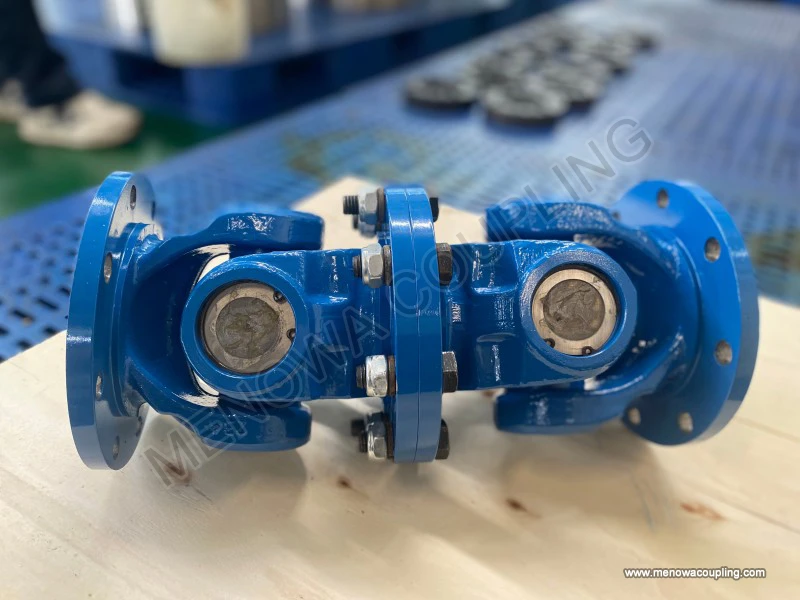
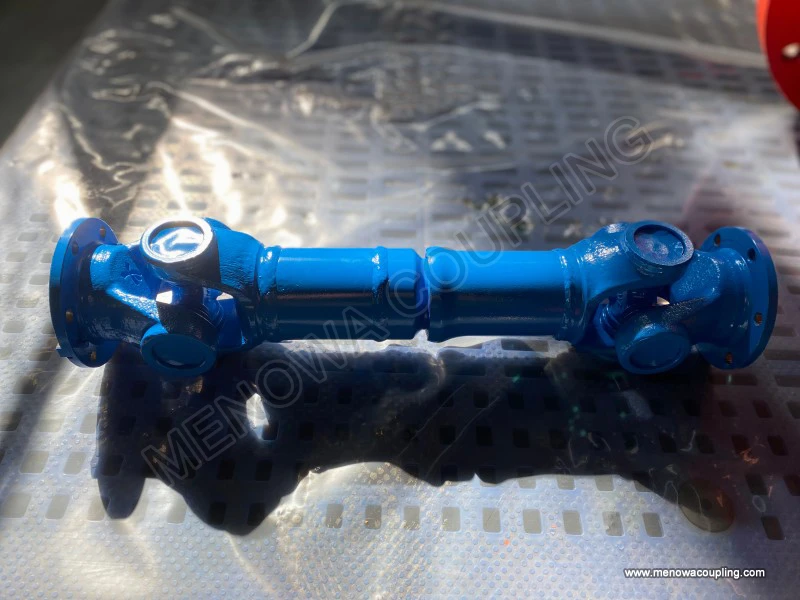
Universal couplings serve as indispensable connecting components in mechanical transmission systems, designed to transmit rotational torque between two shafts that operate with angular misalignment, parallel offset, or variable positional relationships. Widely applied in industrial transmission equipment, mechanical engineering machinery, and power transmission devices, these flexible connectors adapt to complex operating conditions and dynamic positional changes during equipment operation. Despite their robust structural adaptability and stable transmission performance, universal couplings are prone to gradual wear, fatigue deformation, and functional degradation under long-term continuous operation, alternating loads, and harsh environmental interference. Scientific, standardized, and regular maintenance is the core prerequisite to maintain their transmission efficiency, extend service life, and avoid unexpected equipment downtime. Effective maintenance work not only reduces component failure rates and operational risks but also optimizes the overall operating stability of mechanical systems and lowers long-term equipment operation costs.
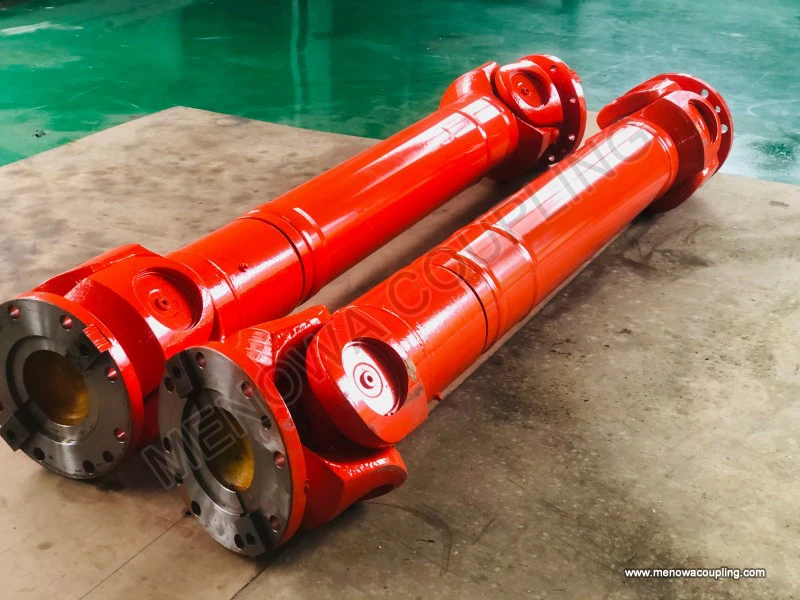
The core purpose of universal coupling maintenance is to control friction loss, eliminate hidden structural hazards, correct operating deviations, and ensure consistent and accurate torque transmission throughout the equipment’s service cycle. Unlike fixed rigid couplings, universal couplings rely on movable matching structures such as cross shafts, needle bearings, spline pairs, and yoke frames to achieve flexible transmission. These precision movable parts bear repeated friction, extrusion, and impact loads during operation, making them the key wear-prone areas of the entire component. Most premature failures of universal couplings stem from neglected daily maintenance, including insufficient or deteriorated lubrication, long-term shaft misalignment, seal damage leading to contamination intrusion, and unregulated overload operation. Therefore, systematic maintenance covering daily inspection, regular lubrication, periodic calibration, timely component replacement, and standardized operational management is essential to maximize the working performance of universal couplings.
Daily routine inspection is the most basic and critical link in universal coupling maintenance, serving as the first line of defense against minor faults evolving into major failures. Daily inspections focus on real-time operating state monitoring and appearance defect checking, which can be completed during equipment startup, operation, and shutdown. During equipment startup and low-speed operation, operators should pay close attention to the operating sound of the universal coupling. Normal operation presents continuous and uniform low-frequency rotation sound, while abnormal knocking, friction squeaking, or intermittent impact noise indicates potential problems such as insufficient lubrication, loose matching gaps, or worn internal bearings. In addition to sound monitoring, real-time temperature detection of the coupling’s working area is necessary. Slight temperature rise generated by friction during normal operation is normal, but persistent overheating or local high temperature often results from excessive friction caused by lubricant failure, severe shaft misalignment, or long-term overload operation. Long-term high-temperature operation will accelerate the aging of internal metal fatigue and sealing components, sharply shortening the service life of the coupling.
Appearance and structural inspection in daily maintenance covers multiple key components of the universal coupling. Operators need to check the integrity of external protective structures such as sealing sleeves and dust covers first. These protective structures isolate internal movable parts from external dust, moisture, corrosive media, and particulate impurities. Once cracks, fractures, aging deformation, or loose installation occur, external contaminants will penetrate into the internal matching gaps, causing abrasive wear of cross shafts and bearings, and even leading to jamming of movable structures in severe cases. It is also necessary to observe the surface state of coupling yokes, flanges, and connecting parts to check for visible cracks, corrosion spots, deformation, or loose connecting fasteners. Tiny cracks on metal components will expand rapidly under alternating torque and impact loads, eventually causing structural fracture and equipment shutdown. Loose bolts and connecting parts will lead to unstable transmission, increased vibration, and aggravated wear of matching gaps during operation.
Regular in-depth inspection needs to be carried out based on the cumulative operating time of the equipment, focusing on detecting internal wear and gap changes that cannot be observed from the outside. The cross shaft and needle bearing assembly is the core transmission and friction component of the universal coupling and the key inspection object of regular maintenance. Long-term friction will cause wear on the journal surface of the cross shaft and the inner wall of the needle bearing, increasing the matching gap. Excessively large gaps will lead to axial and radial runout of the coupling during rotation, resulting in increased equipment vibration, unstable torque transmission, and accelerated wear of other matching components. During inspection, it is necessary to manually detect the looseness of the coupling joint and check for obvious shaking or abnormal displacement. If irregular rotation jitter or excessive clearance is found, further disassembly inspection is required to confirm the wear degree of cross shafts and bearings. In addition, the telescopic spline pair of the coupling needs regular inspection to ensure flexible sliding without jamming, corrosion, or excessive wear, as the spline structure undertakes the telescopic compensation function during shaft position deviation, and its operating state directly affects the coupling’s adaptive performance.
Lubrication management is the cornerstone of universal coupling maintenance and the most effective means to reduce component friction and wear. The internal movable structures of universal couplings depend entirely on high-quality lubricants to form protective oil films, isolate direct metal-to-metal contact, reduce friction resistance, and buffer impact loads during torque transmission. With the extension of operating time, lubricants will gradually degrade, oxidize, and fail under the combined effects of operating temperature, mechanical shear force, and external contamination. The deteriorated lubricant will lose its viscosity and lubricating performance, unable to form effective protective films, leading to dry friction of internal components and rapid wear failure. Therefore, standardized regular lubrication and lubricant replacement are essential to maintain the stable operation of the coupling.
In the lubrication maintenance process, the selection of lubricant type and standardized coating method are crucial. Different operating environments and working conditions require matching lubricants to adapt to temperature changes and load characteristics. For conventional normal-temperature and medium-speed operating environments, universal lubricating grease with stable viscosity and good oxidation resistance can meet daily operation needs. For high-temperature, high-speed, or heavy-load working conditions, high-temperature resistant and high-shear-strength lubricants are required to avoid lubricant thinning and failure under high temperature and strong shear force. Before adding new lubricant, it is necessary to thoroughly clean the residual old lubricant and internal contaminants inside the coupling. The old lubricant mixed with metal wear debris, dust, and moisture will form abrasive impurities, which will accelerate component wear if remaining in the matching gap. After cleaning and drying, inject new lubricant evenly into the bearing gaps, cross shaft matching surfaces, and spline pair gaps to ensure full coverage of all friction surfaces. It is necessary to avoid excessive or insufficient lubrication; insufficient lubrication leads to incomplete oil film coverage and local dry friction, while excessive lubrication will cause internal oil accumulation, increased operating resistance, and high-temperature aging of the lubricant.
The lubrication cycle needs to be formulated according to the actual operating intensity and environmental conditions of the equipment. For conventional industrial equipment operating stably under normal temperature and clean environment, regular lubrication maintenance every one to two months or after a certain cumulative operating hours can maintain good lubrication state. For couplings working in harsh environments such as high temperature, high humidity, dust pollution, and corrosive gas, the lubrication cycle should be appropriately shortened, and the frequency of lubricant quality inspection should be increased, as harsh environments will greatly accelerate lubricant deterioration and contamination. After equipment operation in muddy, wet, or dusty working conditions, timely cleaning and supplementary lubrication must be carried out to eliminate the impact of external pollutants on internal components.
Shaft alignment calibration is an indispensable maintenance procedure to eliminate abnormal wear of universal couplings. Although universal couplings have certain angular deviation compensation capability, long-term excessive misalignment beyond the allowable range will bring continuous eccentric load and additional torque to the coupling, resulting in intensified friction, accelerated fatigue wear of components, and increased equipment vibration and noise. In the daily operation of mechanical equipment, factors such as foundation settlement, equipment vibration, component wear, and bolt loosening will cause gradual deviation of the coaxiality of the driving shaft and driven shaft. Regular alignment calibration can correct shaft position deviation, ensure the coupling operates within the allowable misalignment range, and reduce unnecessary additional load.
Alignment maintenance should be carried out regularly and after equipment disassembly, assembly, and overhaul. During calibration, the offset angle and parallel deviation between the two connected shafts need to be accurately adjusted to keep them within the optimal working range. After calibration, all connecting bolts and fixing parts need to be evenly tightened to avoid position deviation caused by loose fasteners during subsequent operation. Good shaft alignment can not only reduce the wear rate of universal coupling components but also reduce the vibration and noise of the entire transmission system, improve torque transmission efficiency, and extend the service life of supporting equipment.
Timely fault judgment and targeted maintenance disposal are important measures to avoid coupling failure and equipment shutdown. In the daily operation of universal couplings, most faults have obvious early warning signs, and accurate identification and timely disposal of these signs can effectively avoid minor faults expanding into serious failures. Abnormal vibration is the most common early fault feature. When the coupling produces continuous and obvious vibration during operation, it is usually caused by shaft misalignment, excessive internal component wear gap, loose connecting parts, or unbalanced operation. At this time, the equipment should be stopped in time for inspection and calibration to eliminate vibration sources and avoid long-term vibration leading to fatigue damage of coupling components and bolt loosening and falling off.
Persistent overheating of the coupling is another key early warning signal. In addition to lubricant failure and shaft misalignment, overheating may also be caused by long-term overload operation and frequent sudden start-stop of equipment. Sudden start and stop will generate instantaneous impact torque far exceeding the rated load, causing instantaneous excessive friction and pressure on coupling components, resulting in local high temperature and structural fatigue. Therefore, in daily equipment operation, standardized start-stop operation should be adhered to, and long-term overload operation should be strictly prohibited to ensure the coupling operates within the designed load range. If knocking noise and jamming phenomenon occur during coupling operation, it indicates severe internal wear, bearing damage, or foreign matter jamming, and the equipment must be stopped immediately for disassembly inspection and component replacement to avoid structural fracture and equipment failure caused by continued operation.
Component replacement and overhaul maintenance need to be carried out regularly according to component wear state and service cycle. Movable parts such as cross shafts and needle bearings are vulnerable to wear and belong to consumable components of universal couplings. When inspection finds that component wear exceeds the allowable range, the matching gap is too large, or there is fatigue damage such as cracks and deformation, they must be replaced in a timely manner instead of continuing to use them to avoid potential safety hazards. During component replacement, it is necessary to ensure the matching precision of new parts and the consistency of installation specifications, strictly standardize the disassembly and assembly process, avoid installation deviation and assembly damage, and recheck the shaft alignment and lubrication state after assembly to ensure the coupling returns to the optimal operating state.
Sealing system maintenance is easily overlooked but crucial to the long-term stable operation of universal couplings. The sealing components including dust covers and sealing rings undertake the functions of isolating external pollutants and locking internal lubricants. After long-term operation, sealing components will age, deform, and lose elasticity due to temperature changes, environmental corrosion, and mechanical extrusion, resulting in poor sealing performance. Damaged seals will lead to lubricant leakage, causing insufficient internal lubrication, and external dust, moisture, and corrosive substances will invade the interior, accelerating component wear and corrosion. Therefore, the aging degree and sealing performance of sealing components should be checked regularly in daily maintenance, and all aged, cracked, and failed sealing parts should be replaced in a timely manner to maintain the integrity of the sealing system.
For universal couplings operating in special working environments, targeted enhanced maintenance measures need to be formulated. In high-temperature working environments, the high temperature generated by equipment operation will accelerate lubricant oxidation and aging and reduce the mechanical strength of metal components. It is necessary to select high-temperature resistant lubricants, shorten the lubricant replacement cycle, and increase the frequency of temperature monitoring and component inspection. In humid and corrosive environments, metal components are prone to rust and corrosion, which will affect the matching precision and structural strength of the coupling. Regular anti-corrosion treatment and surface cleaning are required to remove surface moisture and corrosive attachments, and replace corroded failed components in a timely manner. In high-dust and particulate working environments, the sealing system needs to be inspected and maintained more frequently to prevent particulate impurities from entering the internal friction gap and causing abrasive wear.
Standardized maintenance record management is an important part of long-term stable operation of universal couplings. Establishing complete maintenance files can record key information such as daily inspection results, lubrication time, lubricant type, component replacement records, and shaft alignment data. Through sorted and summarized maintenance data, the operation state and wear rule of the coupling can be accurately analyzed, which is convenient for formulating more scientific and targeted maintenance plans, avoiding blind maintenance and missed maintenance. At the same time, complete maintenance records can provide effective reference for subsequent equipment overhaul and fault diagnosis, improve the efficiency of fault disposal and equipment maintenance, and realize the full-cycle management of universal coupling operation and maintenance.
In conclusion, the maintenance of universal couplings is a systematic and long-term work that runs through the entire service cycle of equipment operation. Its core logic is to rely on standardized daily inspection, scientific lubrication management, accurate shaft alignment, timely fault disposal, and targeted special working condition maintenance to reduce component wear, eliminate hidden operational hazards, and maintain stable transmission performance. Good maintenance habits can effectively extend the service life of universal couplings, reduce equipment failure rates and maintenance costs, and ensure the efficient and stable operation of the entire mechanical transmission system. In actual industrial production, only by attaching importance to daily maintenance details, standardizing maintenance operation procedures, and formulating personalized maintenance plans according to actual working conditions can we maximize the working efficiency and service value of universal couplings and provide reliable basic guarantee for the stable operation of mechanical equipment.
Post Date: May 26, 2026
https://www.menowacoupling.com/china-coupling/maintenance-of-universal-coupling.html
Products
Tags
Supply
Related Articles
Universal Coupling For Ball Mill
In the complex and demanding operating environment of mineral processing, building materials production, chemical raw material grinding and other heavy industrial fields, ball mills stand as core processing equipment responsible for crushing and grinding various bulk raw materials into fine particles and powders that me…Universal Coupling Fabrication
Universal coupling fabrication stands as a foundational discipline within mechanical manufacturing, focusing on the precise production of flexible shaft connection components that enable reliable torque transmission between misaligned rotating shafts. As a core mechanical component widely adopted in power transmission s…Characteristics of Universal Coupling
A universal coupling, also commonly referred to as a universal joint or U-joint, is a critical mechanical component designed to connect two rigid shafts whose axes are inclined to each other, enabling the transmission of rotary motion and torque even when the shafts are not perfectly aligned. This versatile component ha…Types of Universal Coupling
In the complex and interconnected mechanical transmission systems that power modern industrial production, automotive operation, engineering machinery movement, and various precision mechanical equipment, universal couplings stand as indispensable basic mechanical components that undertake the core task of transmitting …Universal Coupling Factory
In the intricate ecosystem of modern mechanical transmission systems, universal couplings stand out as indispensable foundational components, serving as the critical bridge that connects rotating shafts and ensures stable power transmission across complex operating conditions. As core mechanical parts designed to resolv…Material of Universal Coupling
Universal couplings serve as indispensable mechanical transmission components in modern industrial and mechanical systems, dedicated to transmitting torque and rotational power between two misaligned rotating shafts. Their core operational value lies in adapting to angular deviation, axial displacement and radial offset…
 WeChat
 WhatsApp