Universal Coupling Supplier
In the complex and interconnected system of modern mechanical transmission equipment, universal couplings stand out as one of the most fundamental and indispensable functional components, serving as a critical bridge for power and motion transmission between rotating shafts in diverse mechanical structures. Unlike rigid connection parts that require precise coaxial alignment of paired shafts, this type of mechanical component is uniquely designed to adapt to non-collinear shaft layouts, enabling stable and continuous transmission of rotational torque and motion even when there are angular deviations, minor axial displacements or radial offsets between the driving shaft and the driven shaft. This core adaptive capability makes it widely applicable in countless mechanical scenarios where shaft alignment cannot be permanently maintained, covering light-duty daily machinery, medium-sized industrial equipment and heavy engineering machinery, and it has become a key guarantee for the stable operation of various power transmission systems.
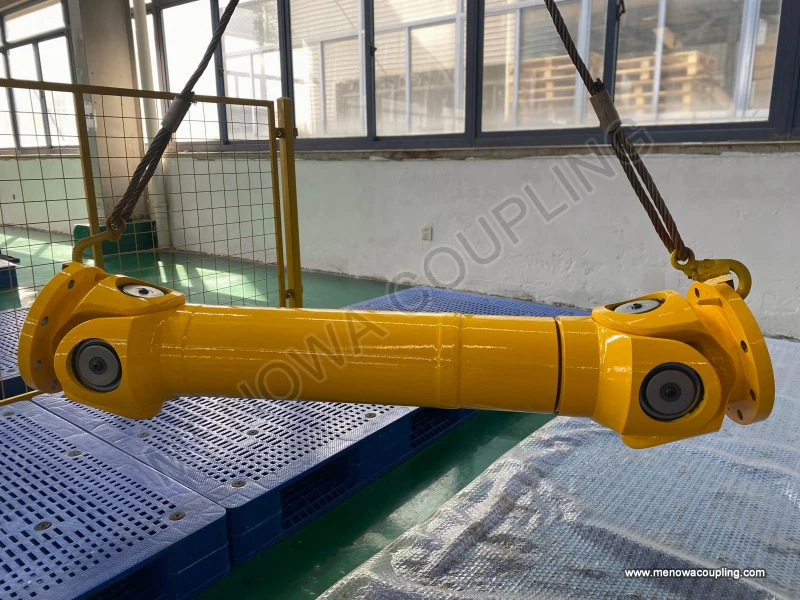
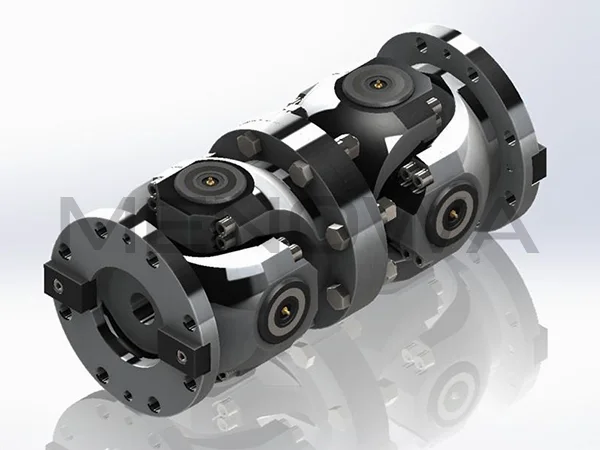
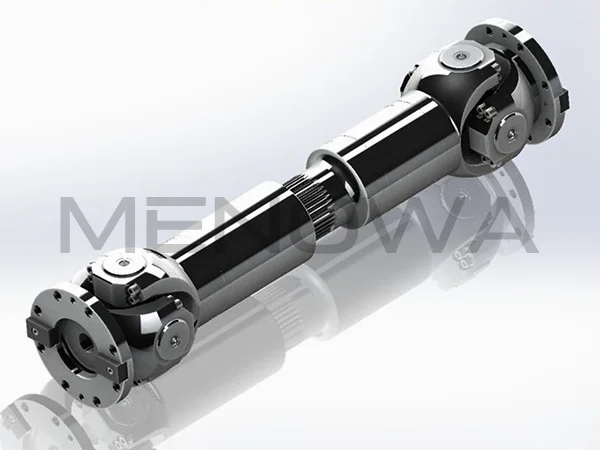
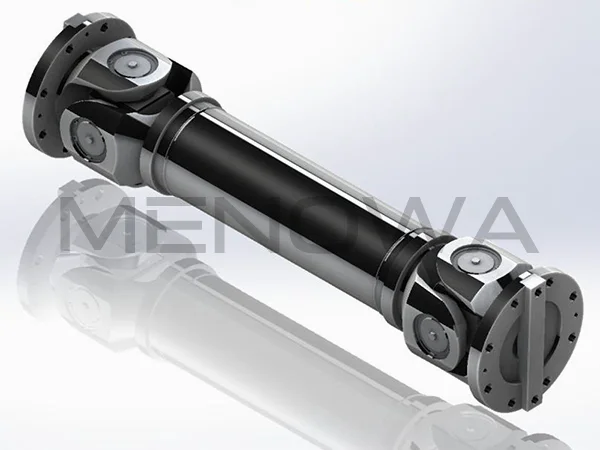
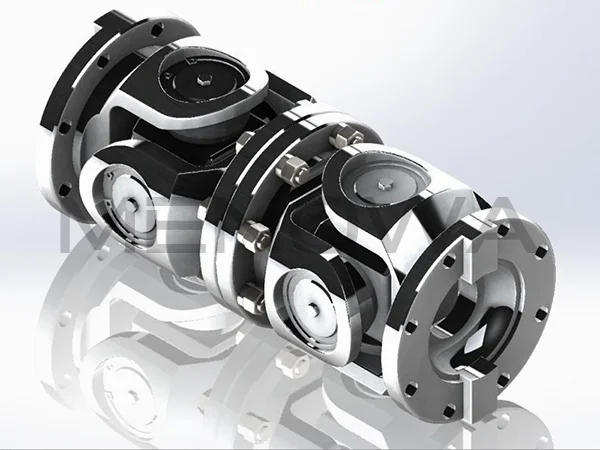
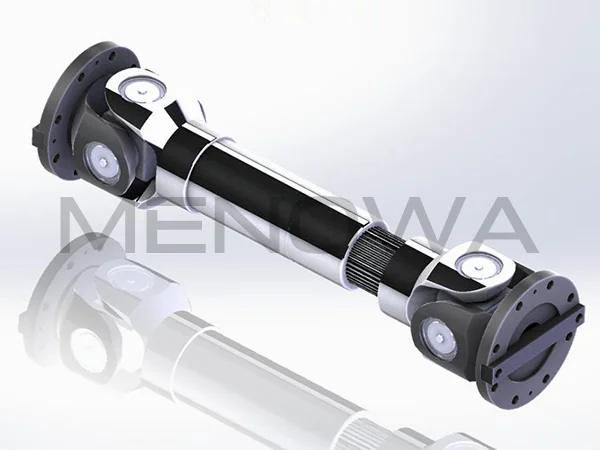
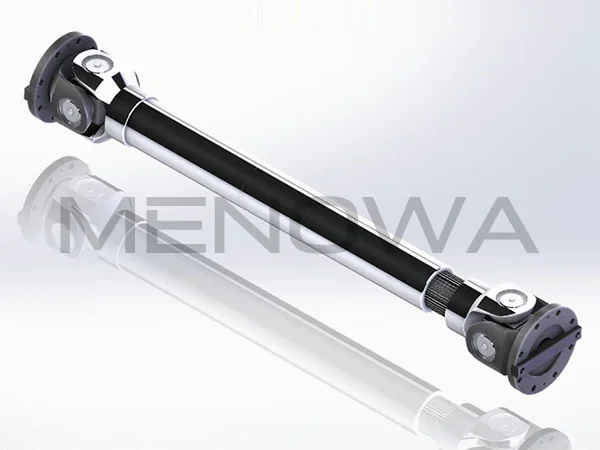
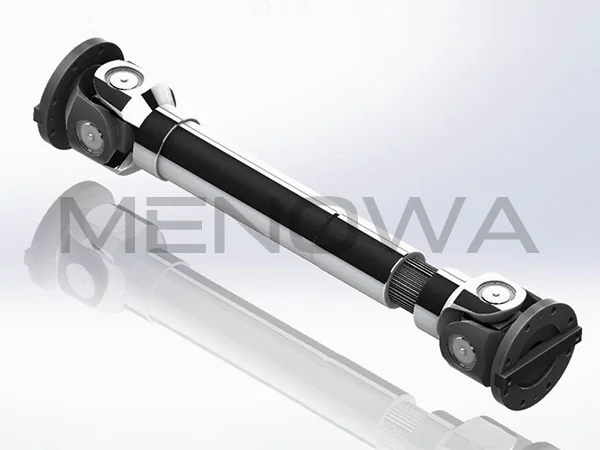
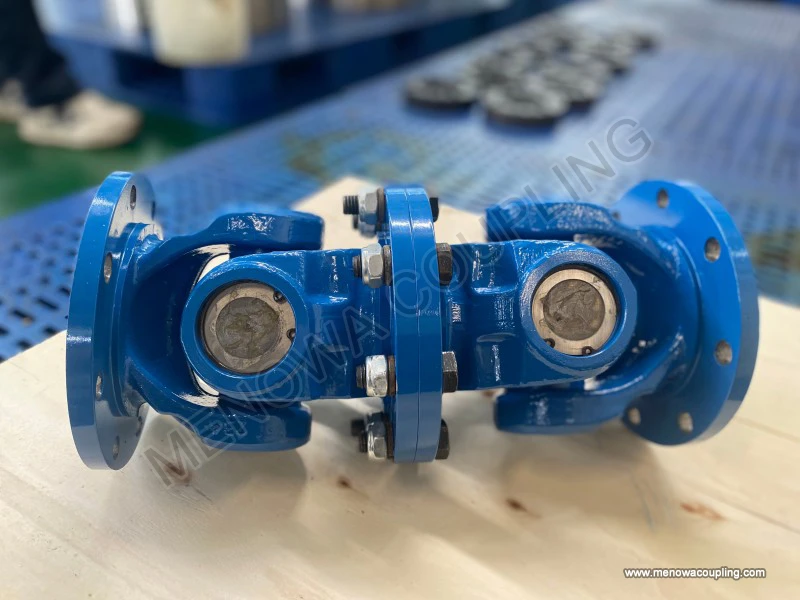
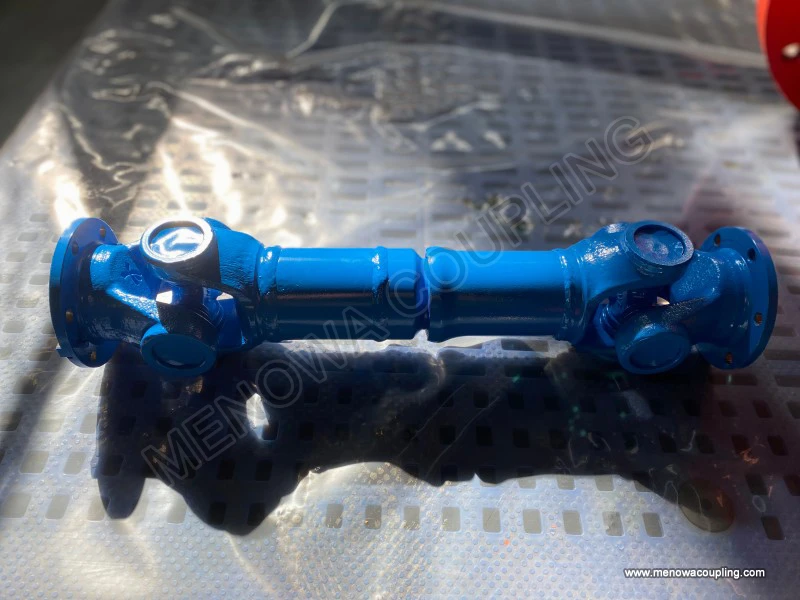
The core working logic of universal couplings originates from the spatial linkage mechanical principle, and the most conventional structural form relies on the cooperation of yoke components, cross-shaped spindle and rolling bearing parts to realize flexible power transmission. In the basic assembly state, two end yokes are respectively fixed on the driving shaft and driven shaft, and the cross spindle is embedded in the groove structures of the two yokes, with rolling bearings installed at the contact positions to reduce friction resistance during operation. When the driving shaft starts to rotate, the rotational motion is first transmitted to the cross spindle through the input end yoke, and the cross spindle converts the single-axis rotational motion into flexible spatial swing motion, which is then synchronously transmitted to the output end yoke and drives the driven shaft to rotate. This unique motion conversion mode fundamentally breaks the limitation of coaxial rotation, allowing the two connected shafts to operate normally within a certain angular deviation range, and effectively solves the transmission failure problem caused by rigid connection in misaligned shaft systems.
One of the most prominent performance characteristics of universal couplings is their excellent angular compensation capacity, which distinguishes them from other common transmission connection components. In actual mechanical operation scenarios, shaft misalignment is almost unavoidable. Installation errors in equipment assembly, thermal expansion and contraction of metal parts during long-term high-load operation, slight structural deformation of mechanical frames under dynamic stress, and vibration displacement during equipment movement will all cause continuous or intermittent angle changes between paired shafts. Rigid coupling structures cannot adapt to these subtle deviations, which will lead to increased transmission resistance, concentrated mechanical stress, accelerated wear of shaft body parts, and even abnormal vibration and noise of the whole equipment in severe cases, greatly shortening the service life of mechanical systems. In contrast, universal couplings can flexibly adapt to these dynamic changes, absorbing and compensating for angular deviations generated during operation through the flexible movement of their internal cross spindle and yoke structure, maintaining the continuity and stability of power transmission, and ensuring that the torque output of the equipment remains uniform and reliable.
In terms of structural design, universal couplings adopt a compact and reasonable integrated layout, which brings significant advantages in space utilization and mechanical layout. The overall structure does not require oversized installation space, and the assembly form is flexible and adaptable, which can be well matched with mechanical equipment with compact internal structure and limited installation space. While ensuring a small overall volume, the structural design fully considers the mechanical strength requirements of power transmission. The main load-bearing parts are made of high-strength metal materials, which can withstand large torque impact and cyclic load, achieving a perfect balance between compact structure and stable load-bearing performance. In addition, the internal friction matching structure optimized by bearings greatly reduces the friction loss during power transmission, making the whole transmission process efficient and energy-saving. This high transmission efficiency can be maintained stably even in long-term continuous operation, which helps to reduce the overall energy consumption of mechanical equipment and improve the operating economy of the system.
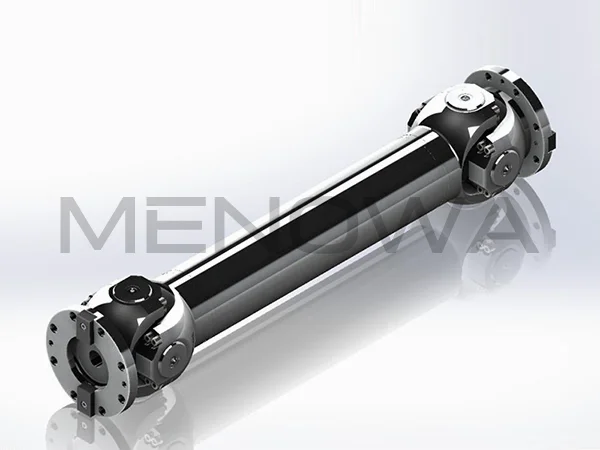
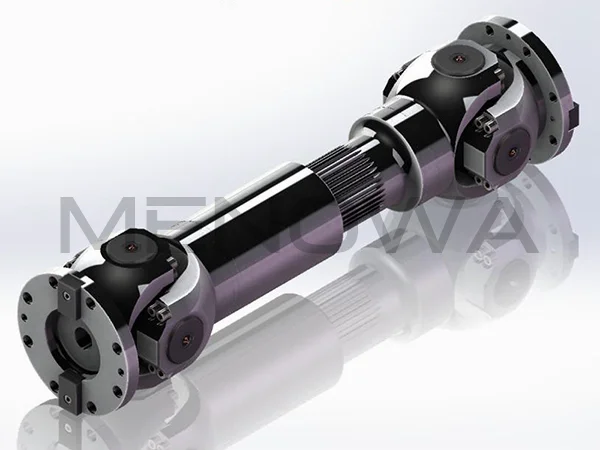
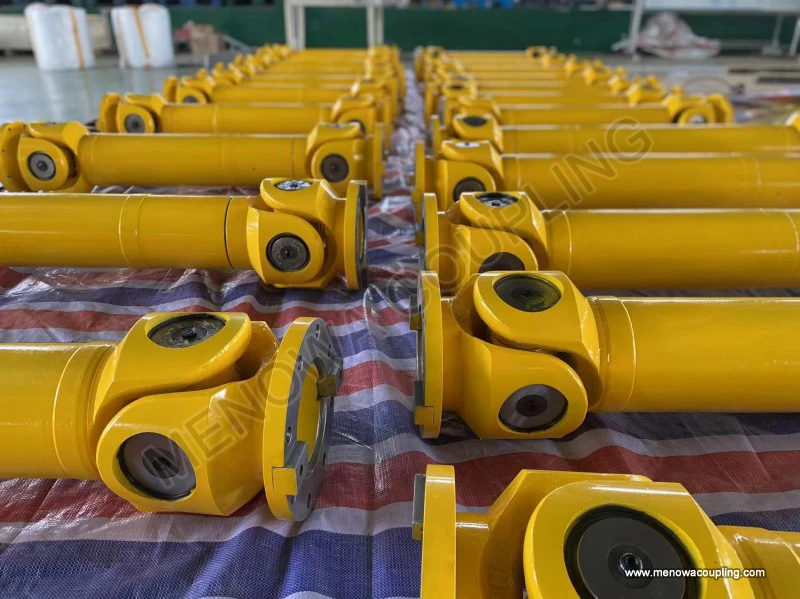
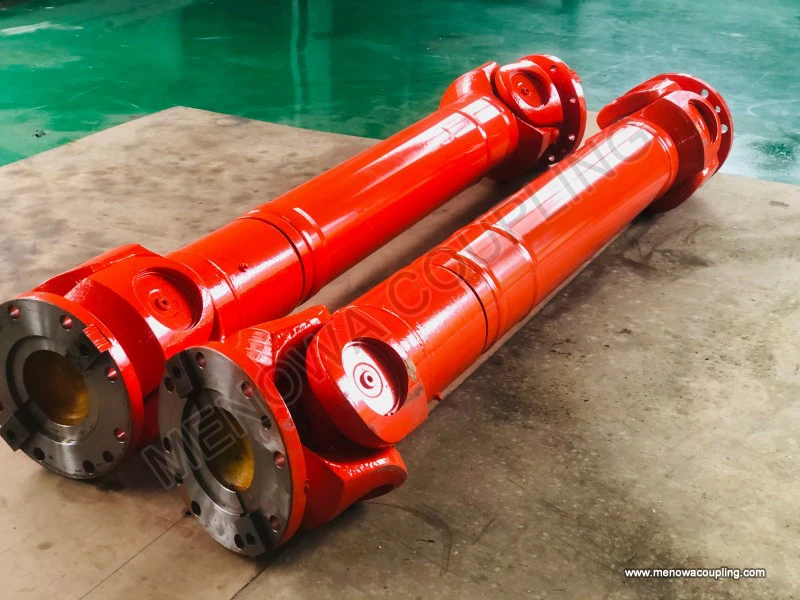
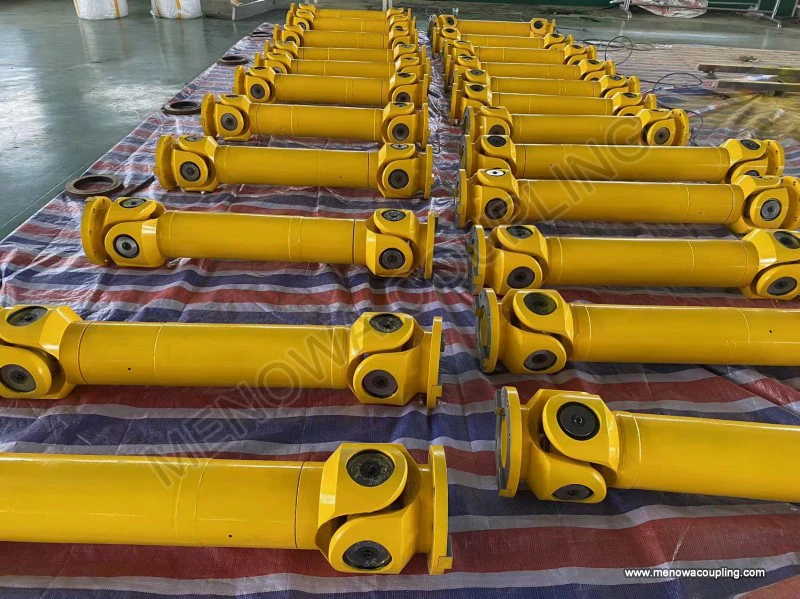
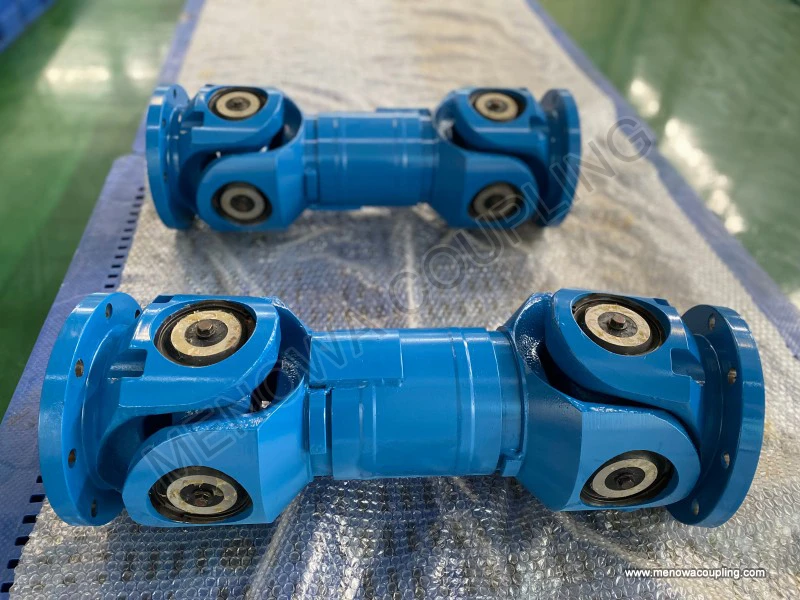
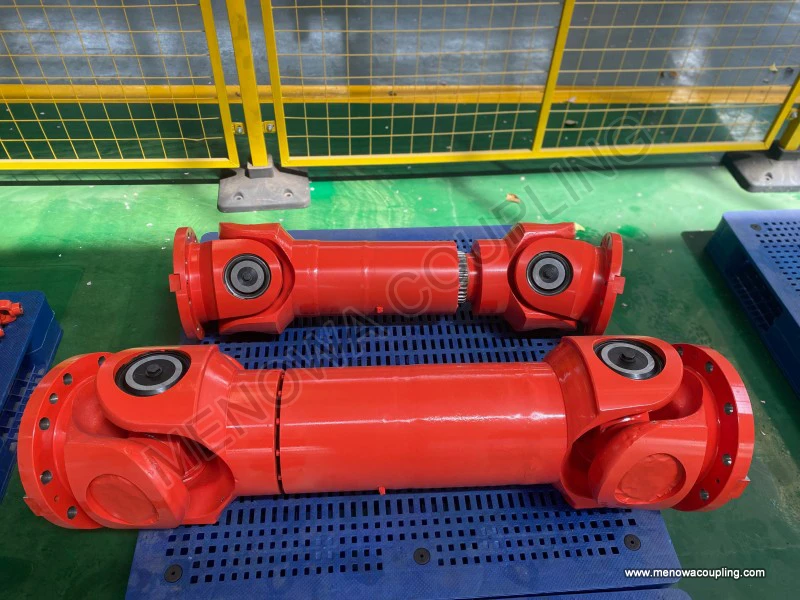
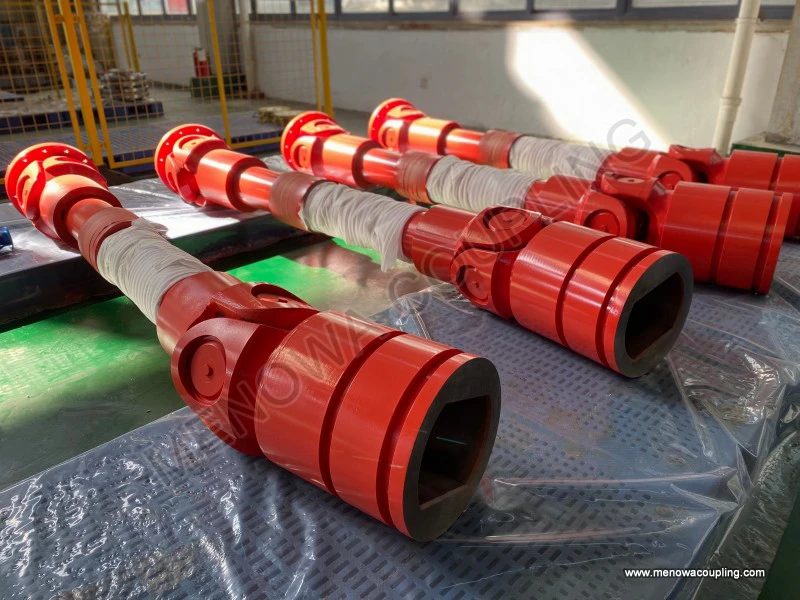
According to different structural combinations and functional characteristics, universal couplings can be divided into two mainstream forms in practical application: single-section structure and double-section structure, which are suitable for different working condition requirements respectively. The single-section universal coupling is composed of two yokes and a single cross spindle assembly, with a simpler structure and more convenient installation and maintenance. It is mainly used in scenarios with small and stable shaft angle deviation, and can complete stable torque transmission in a limited angular compensation range. The double-section universal coupling is formed by connecting two single-section structures through an intermediate transition shaft. This optimized structural design further expands the angular compensation range and can adapt to larger shaft misalignment and more complex dynamic angle changes. More importantly, the double-section structure can effectively balance the instantaneous velocity fluctuation existing in the single-section transmission process, realizing approximate constant velocity transmission, avoiding the periodic vibration and torque fluctuation caused by non-uniform velocity operation, and making the equipment operation smoother and more stable.
The application scenarios of universal couplings cover almost all industrial fields involving mechanical power transmission, showing extremely strong scene adaptability. In the field of transportation machinery, they are applied to the power transmission structure of mobile equipment, adapting to the continuous angle change of the transmission shaft caused by road vibration and chassis displacement during equipment operation, ensuring uninterrupted power output during driving. In industrial manufacturing equipment, they serve the transmission systems of various processing machinery, conveying machinery and automation equipment. The vibration and structural displacement generated by the high-speed operation of production equipment will cause real-time changes in shaft alignment, and the adaptive compensation capability of universal couplings can effectively eliminate the adverse effects of these changes and ensure the continuous and stable operation of production lines.
In the field of heavy engineering machinery, the working environment of equipment is harsh and the load impact is strong, and the shaft misalignment caused by heavy load operation and mechanical vibration is more obvious. Universal couplings rely on their high load-bearing strength and excellent flexible compensation performance to bear large torque impact and complex displacement changes, providing reliable power transmission guarantee for heavy-duty equipment. In addition, in light-duty mechanical equipment such as precision instrumentation and small transmission devices, the compact structure and low vibration characteristics of universal couplings can also meet the requirements of precise and stable power transmission, avoiding the transmission error and equipment jitter caused by rigid connection deviation.
In addition to the core transmission and compensation functions, universal couplings also have outstanding advantages in operational stability and environmental adaptability. The optimized internal kinematic structure can effectively buffer the instantaneous impact load generated during equipment start-up, stop and load switching, reduce the rigid impact on the shaft body and power components, and protect the core transmission parts of the equipment from damage. For conventional working environments with temperature changes, dust and slight humidity, the closed and stable structural form can maintain stable working performance without failure caused by conventional environmental interference. The wearing parts inside the coupling are standardized in design, with good interchangeability, which greatly reduces the difficulty and cost of daily maintenance and later replacement.
In the whole life cycle of mechanical equipment, the application value of universal couplings is reflected in multiple dimensions of equipment operation. In the initial stage of equipment assembly, the allowable shaft misalignment range reduces the assembly precision requirement, improves the assembly efficiency, and avoids the assembly cost increase caused by excessive precision pursuit. In the daily operation stage, stable power transmission and effective vibration reduction can reduce the failure rate of equipment, avoid production interruption caused by transmission system failure, and improve the continuous operation efficiency of mechanical systems. In the long-term use stage, it can effectively reduce the abnormal wear of shafts, bearings and other core parts, prolong the overall service life of equipment, and reduce the comprehensive operating cost of equipment.
With the continuous upgrading of modern mechanical equipment towards high speed, high load and high precision, the performance requirements for universal couplings are also constantly improving. Modern optimized universal coupling products have made progressive breakthroughs in structural optimization, material application and process refinement. The improved spindle and bearing matching structure further reduces transmission friction and wear, enhances high-speed operation stability. The application of high-strength and wear-resistant materials improves the overall fatigue resistance and load-bearing capacity of the coupling, enabling it to adapt to more severe working conditions such as high load, frequent impact and long-term continuous operation. At the same time, the optimized structural design further reduces operation vibration and noise, making it more in line with the environmental protection and low-noise operation requirements of modern industrial equipment.
In the entire mechanical transmission industry, universal couplings occupy an irreplaceable core position due to their unique flexible transmission advantages. Unlike other transmission components that have single functions and strict use limitations, they integrate multiple advantages such as angular compensation, vibration buffering, compact structure and high transmission efficiency, and can adapt to diversified and complex working condition requirements. Whether it is continuous stable transmission under conventional working conditions or adaptive operation under dynamic variable working conditions, universal couplings can maintain excellent working state, providing a solid basic guarantee for the normal operation of various mechanical and electrical equipment.
Looking at the development trend of mechanical transmission technology, the flexible transmission mode represented by universal couplings will continue to be optimized and popularized. With the continuous progress of industrial manufacturing technology, the structural design of universal couplings will be more precise, the material performance will be more superior, and the adaptive range of working conditions will be further expanded. It will continue to adapt to the iterative upgrading of modern mechanical equipment, meet the higher standard transmission requirements of high efficiency, stability, low loss and long life, and play a more important role in promoting the stable operation and technological progress of the entire mechanical transmission field. As a basic core transmission component, universal couplings will always maintain strong application vitality and become an indispensable key part of modern mechanical systems.
Post Date: Jun 3, 2026
https://www.menowacoupling.com/china-coupling/universal-coupling-supplier.html
Products
Tags
Supply
Related Articles
Universal Coupling Supply
In the intricate ecosystem of mechanical power transmission, universal couplings stand out as indispensable foundational components that bridge the functional gaps of traditional rigid connection structures. Serving as a core link between rotating shafts in mechanical systems, these mechanical devices are engineered to …Uses of Universal Coupling
In the intricate ecosystem of mechanical transmission systems, universal couplings stand out as one of the most versatile and indispensable mechanical components, serving as a critical bridge for power and motion transmission across countless industrial and civilian mechanical devices. Also widely known as universal joi…Diagram of Universal Coupling
A universal coupling, widely recognized as a core mechanical component for flexible power transmission, serves as a pivotal connecting structure in mechanical transmission systems to transfer rotational torque and motion between two shafts with angular misalignment. The structural diagram of a universal coupling intuiti…Universal Coupling Vendor In China
Universal couplings stand as indispensable mechanical transmission components in modern industrial systems, serving as core connecting parts that transmit torque and rotational power between misaligned drive shafts. In China’s complete industrial manufacturing ecosystem, universal coupling production and supply have fo…What is Universal Coupling
A universal coupling, commonly referred to as a universal joint or U-joint, is a fundamental mechanical transmission component designed to connect two rotating shafts while enabling reliable transfer of torque and rotational motion under misaligned operating conditions. Unlike rigid coupling mechanisms that demand preci…Dimensions of Universal Coupling
Universal couplings, commonly known as universal joints or Cardan joints, serve as fundamental mechanical components for power transmission between misaligned rotating shafts in diverse mechanical systems. Their dimensional parameters are the core factors that determine structural compatibility, operational stability, l…
 WeChat
 WhatsApp