Universal Coupling Production
Universal couplings stand as indispensable mechanical components in modern industrial transmission systems, serving as flexible connection units that enable stable torque and rotational motion transfer between misaligned rotating shafts. Unlike rigid connecting structures that demand precise coaxial alignment of paired shafts, these ingenious mechanical parts can accommodate angular deviations between driving and driven shafts, effectively resolving transmission obstacles caused by installation deviations, mechanical deformation, thermal expansion, and dynamic operational displacement. Their unique combination of structural flexibility, transmission stability, and environmental adaptability makes them widely applicable in general machinery, heavy industry, mobile mechanical equipment, and power transmission systems, laying a solid foundation for the continuous and efficient operation of various mechanical devices. The entire production process of universal couplings focuses on precision control, structural optimization, and performance consistency, with every procedural link closely linked to the final service life and operational reliability of the product.
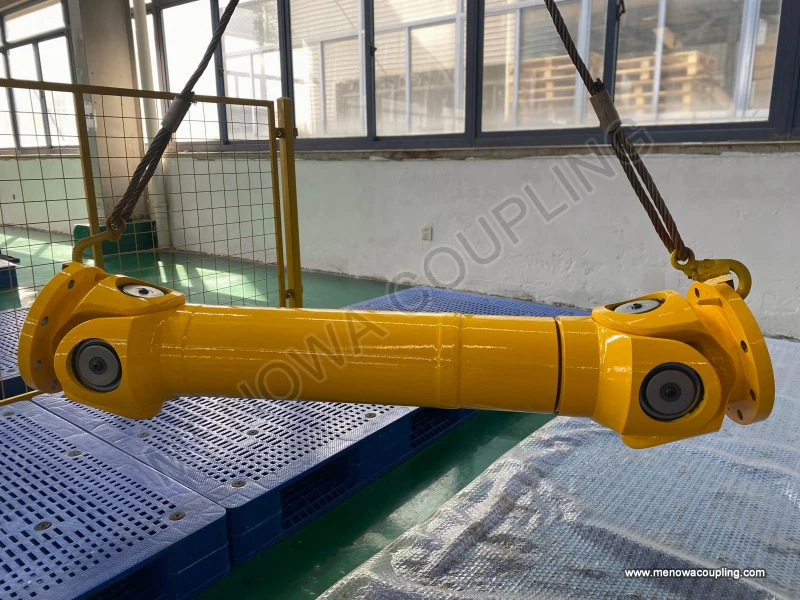
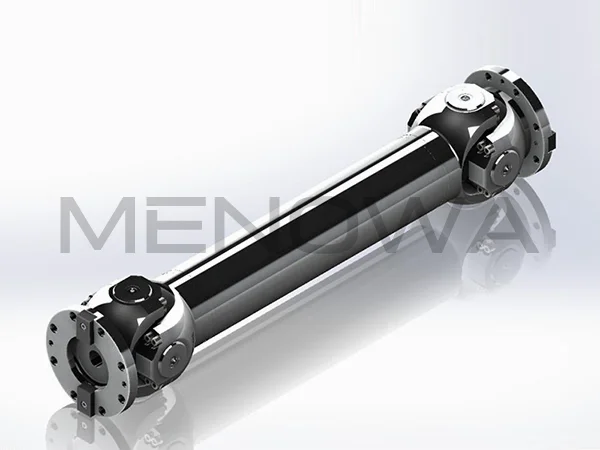
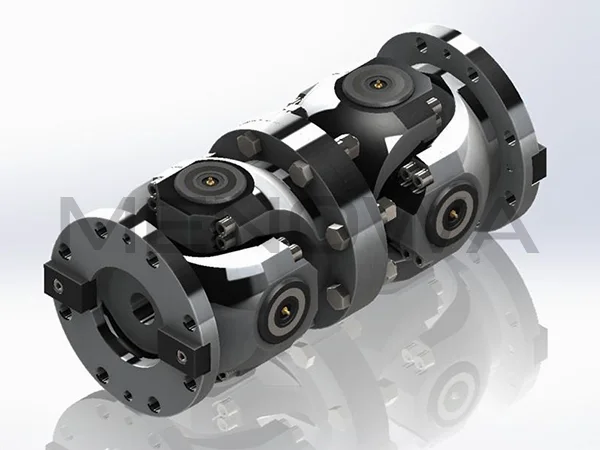
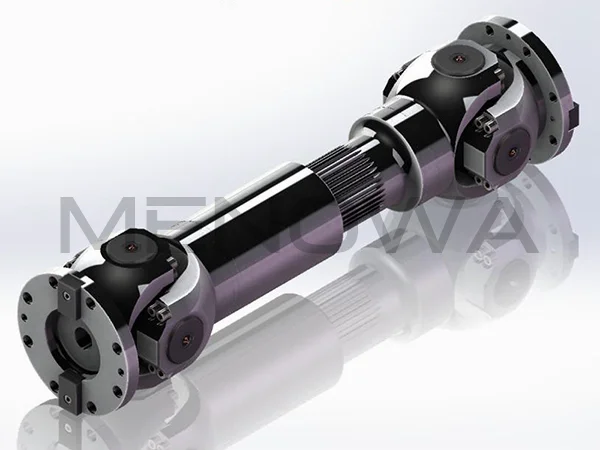
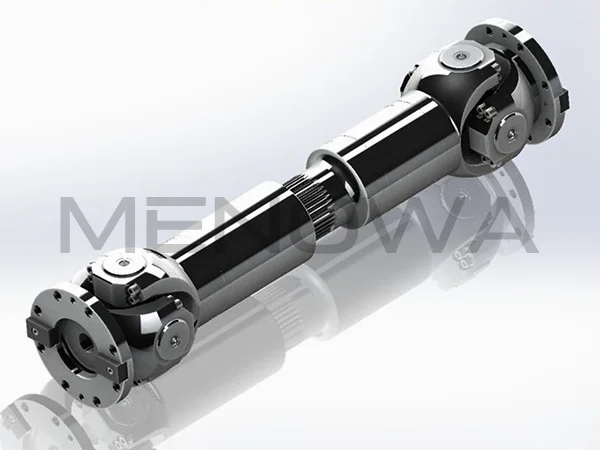
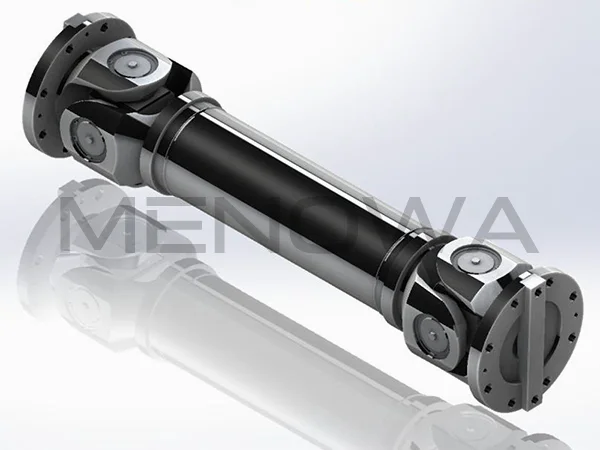
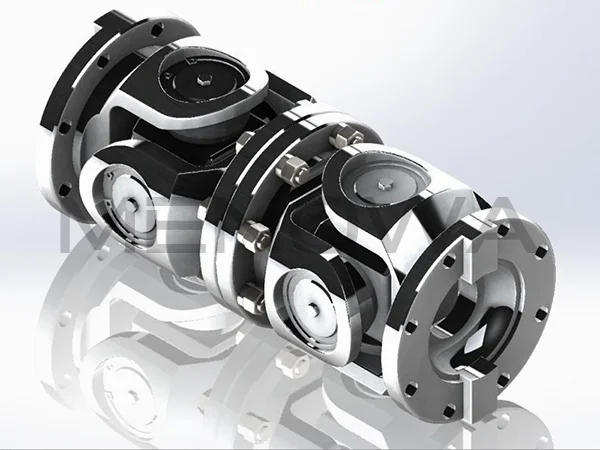
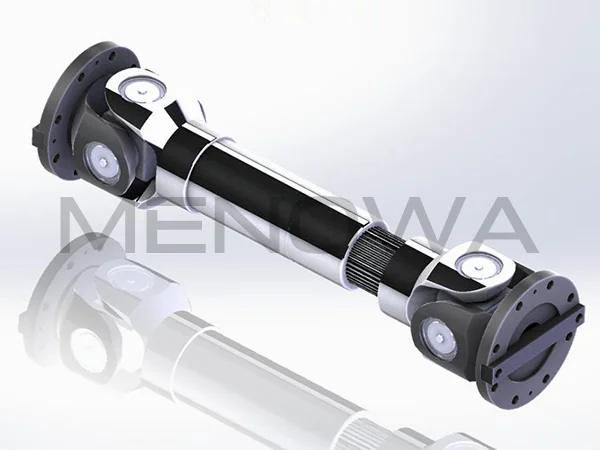
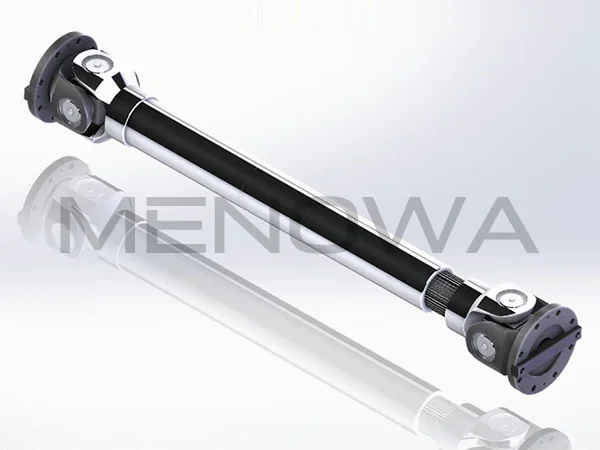
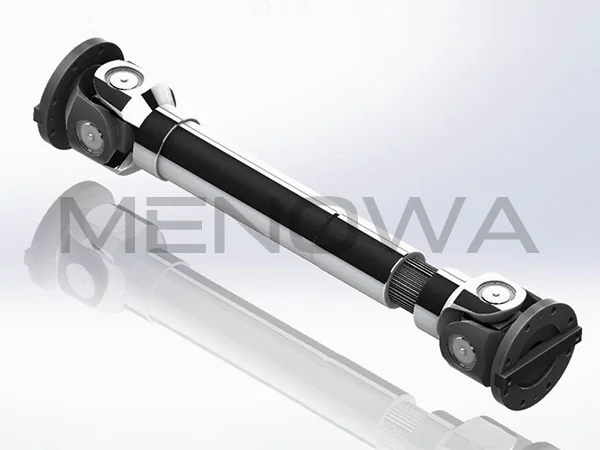
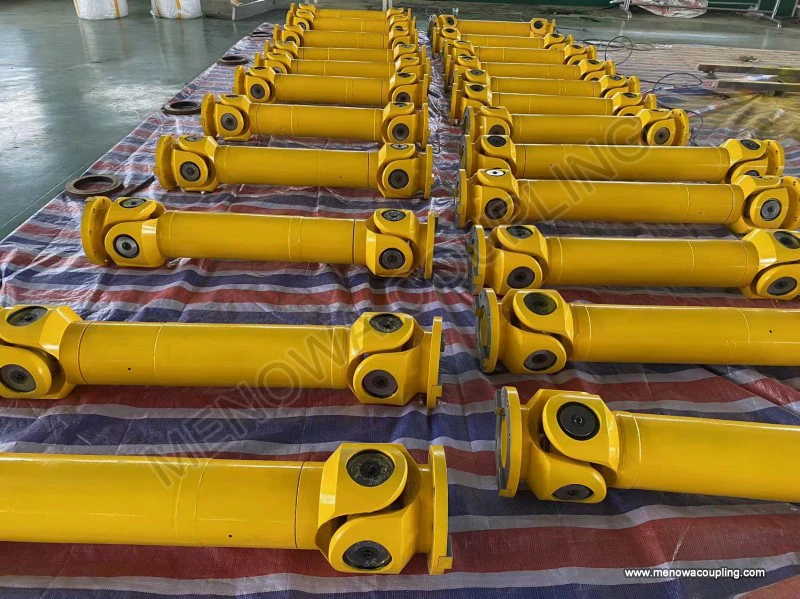
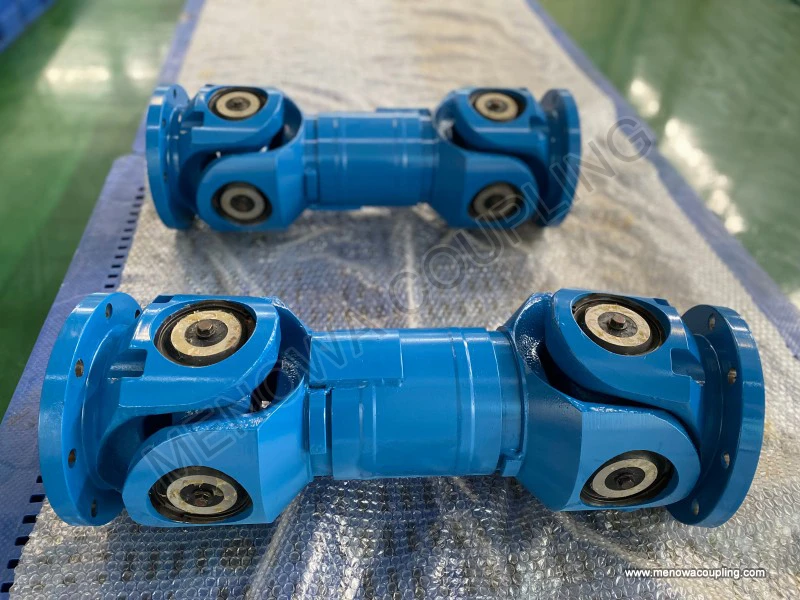
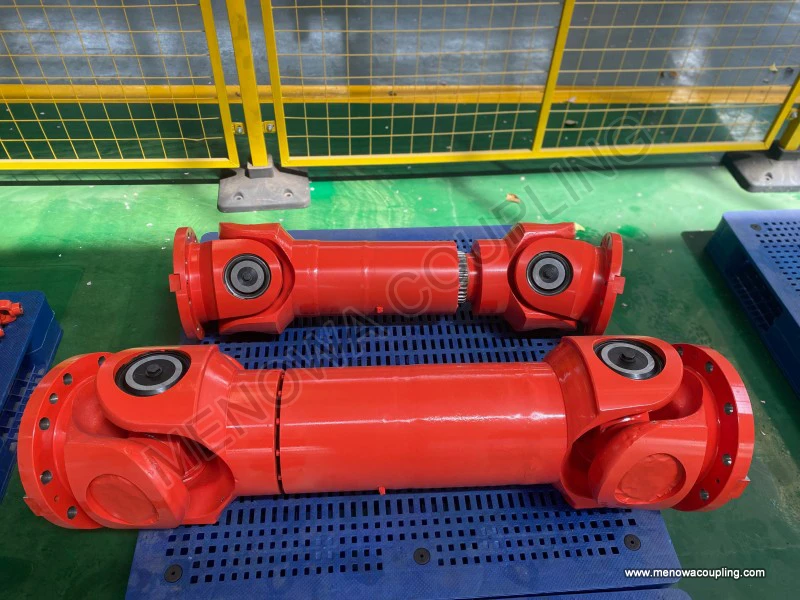
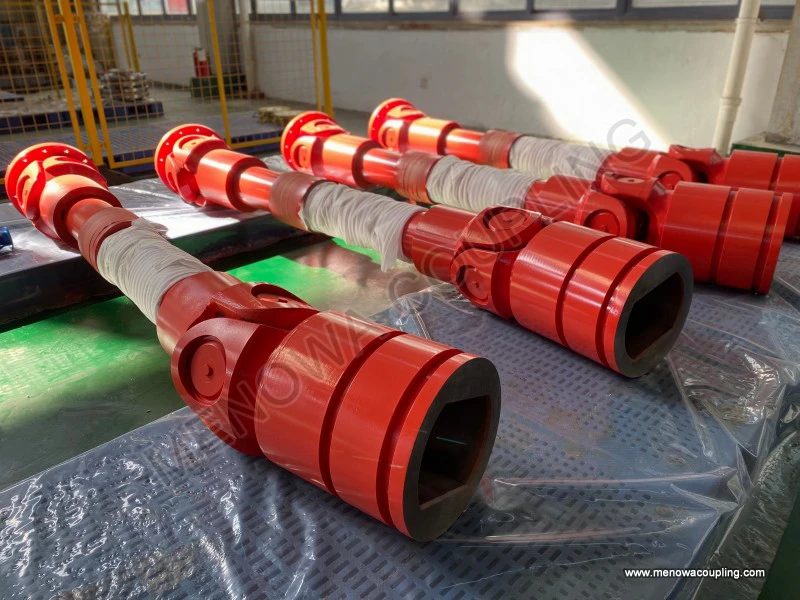
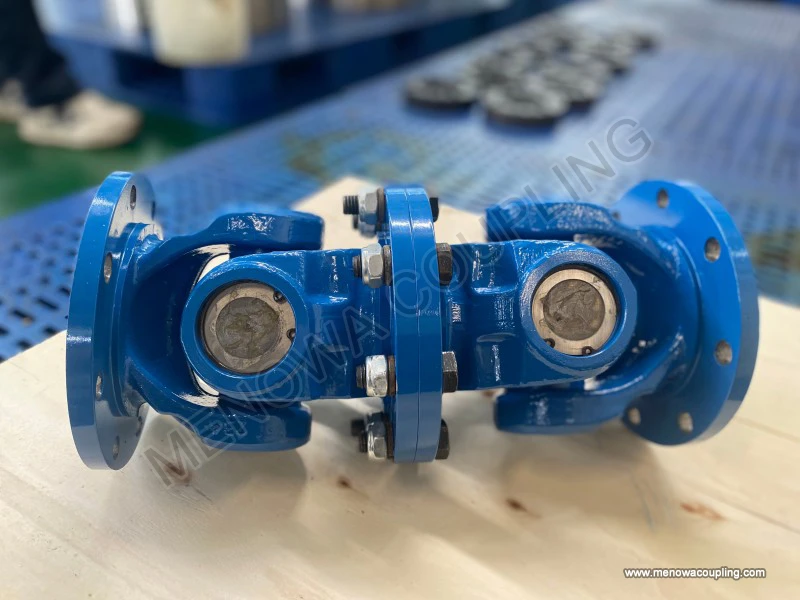
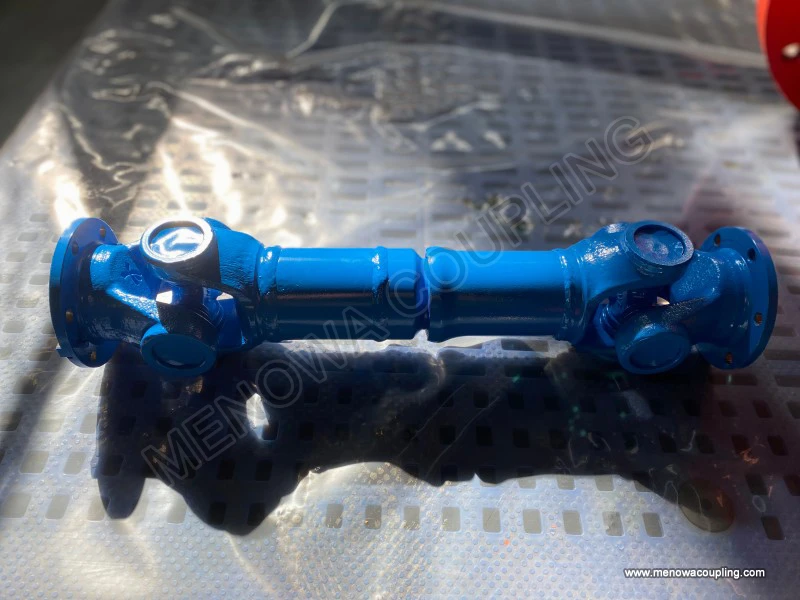
The core structural composition of conventional universal couplings forms the basis of production design and processing implementation. The basic structure mainly includes two symmetric yoke components and an intermediate cross-shaped spider connector, with precision bearing parts installed at the matching positions between the spider and yokes. This articulated structure allows free rotational displacement within a certain angular range while ensuring rigid torque transmission, achieving a perfect balance between flexibility and structural stability. The working logic behind the structure is straightforward yet highly practical: when the driving shaft rotates, it drives the connected yoke to perform circular rotational motion, and the cross spider transfers the rotational force to the other yoke and the driven shaft. Even when the two shafts form a fixed angle or produce dynamic angle changes during operation, the bearing matching structure can offset motion deviation, maintaining uninterrupted power transmission without obvious power loss or mechanical jamming. This fundamental working principle determines the core production requirements of universal couplings—high dimensional accuracy of matching parts, stable structural toughness, and uniform surface processing quality.
The production of universal couplings starts with raw material selection and pretreatment, a critical preliminary step that defines the basic mechanical properties of finished products. Industrial transmission components bear cyclic torque, alternating load, and continuous friction during long-term operation, so raw materials must possess excellent tensile strength, impact toughness, and fatigue resistance. In formal production, high-quality alloy structural steel is predominantly selected as the core raw material, with stable material texture and balanced mechanical properties to adapt to complex and variable working conditions. Before formal processing, all raw materials undergo strict pretreatment procedures, including surface derusting, oxide layer removal, and material hardness screening. Unqualified raw materials with texture defects, uneven hardness, or surface cracks are eliminated in advance to avoid hidden dangers for subsequent processing and product use. Meanwhile, raw material cutting is carried out according to standardized dimensional parameters, with precise cutting size control to reserve reasonable processing allowance for subsequent finishing, ensuring the consistency of blank specifications for batch production.
Precision mechanical processing is the core link of universal coupling production, covering turning, milling, drilling, and grinding processes, aiming to realize the precise dimensional matching and structural forming of all components. The processing of yoke components focuses on the symmetry of overall structure and the precision of bearing matching holes. The two sets of yoke structures of a single coupling need to maintain high dimensional consistency, and the verticality and flatness of the connecting end faces must be strictly controlled to ensure stable connection with the shaft body and uniform force during operation. The cross spider, as the key force-transmitting intermediate component, has the highest processing precision requirements. Its four trunnion structures need to achieve high roundness and surface smoothness after finishing, and the verticality between every two adjacent trunnions must be accurately guaranteed. Any tiny dimensional deviation will lead to unbalanced local stress during operation, causing increased friction, abnormal vibration, and even accelerated component wear. In batch production, automated precision processing equipment is adopted for unified processing parameter setting, which not only improves production efficiency but also effectively reduces manual processing errors and ensures the interchangeability of batch components.
Heat treatment processing is an essential procedure to optimize the mechanical performance of universal coupling components and enhance product durability. After preliminary mechanical forming, the internal metal structure of components still has processing stress and uneven hardness distribution, which cannot meet the requirements of long-term high-load operation. Standardized heat treatment processes are therefore applied to eliminate internal residual stress, refine metal grain structure, and significantly improve the hardness, toughness, and fatigue resistance of components. Different heat treatment parameters are formulated for key components and auxiliary parts according to their stress characteristics. Key moving parts such as cross spiders and bearing matching positions are treated with enhanced heat treatment to ensure strong wear resistance and impact resistance; yoke components, which bear overall tensile and torsional force, are treated with balanced toughening to avoid brittle fracture under extreme load. The whole heat treatment process is carried out in a closed and precisely controlled environment to ensure stable and consistent treatment effect for each batch of products, preventing performance differences caused by uneven heating or cooling.
Surface finishing and fine trimming follow heat treatment, further optimizing the surface quality and assembly performance of components. After heat treatment, components may produce tiny surface oxide skins and local burrs, which need to be removed through precision grinding and polishing processes. Smooth and flat component surfaces can reduce assembly friction and avoid abnormal abrasion caused by uneven contact during operation. At the same time, fine dimensional calibration is conducted for all matching parts to recheck key dimensional indicators such as aperture, shaft diameter, and structural symmetry, trimming tiny deviations generated in processing and heat treatment links. For the surface of components working in open environments, anti-corrosion and wear-resistant treatment is carried out through surface coating and passivation processes to isolate air, moisture, and corrosive substances, effectively extending the service life of universal couplings in harsh working environments such as outdoor, humid, and dusty conditions.
Assembly and debugging are the key links to integrate individual components into complete universal coupling products, and standardized assembly processes directly determine the overall transmission performance of finished products. Before assembly, all processed components undergo preliminary sorting and inspection to confirm that there are no defects such as surface damage, dimensional deviation, and unqualified hardness. The assembly process follows the principle of sequential matching and symmetrical installation. The precision bearings are first installed in the matching holes of the yokes, ensuring flexible rotation of bearings without jamming or looseness. Then the cross spider is clamped between the two sets of yokes to complete the butt joint of the overall structure. During assembly, the matching tightness of all connecting parts is strictly controlled—excessively tight matching will increase rotational resistance and cause early wear, while excessively loose matching will lead to structural vibration and unstable torque transmission. After preliminary assembly, manual fine debugging is carried out to simulate the rotational state of the coupling, check the flexibility of angle conversion and the stability of overall rotation, and eliminate assembly defects such as stuck rotation and eccentric vibration in a timely manner.
Performance inspection and quality screening run through the entire production process, serving as the final barrier to ensure product quality compliance. After the completion of assembly and debugging, all finished universal couplings need to undergo comprehensive performance tests, including rotational flexibility test, torque transmission stability test, angular displacement adaptation test, and structural fatigue resistance test. The angular adaptation performance is a key inspection indicator, verifying whether the product can maintain stable power transmission within the standard angular deviation range without power attenuation or structural deformation. The torque transmission test detects the uniformity of force bearing during rotation to ensure no abnormal vibration or noise under conventional load. Batch sampling fatigue tests are also conducted to simulate long-term continuous operation conditions, assess the structural durability and performance attenuation cycle of products, and eliminate potential defective products with insufficient fatigue resistance. All inspected products are classified and screened according to unified performance indicators, and only products that meet all process standards can enter the finished product storage link.
The optimization of universal coupling production technology has always been oriented to diverse industrial application needs. With the continuous upgrading of modern mechanical equipment towards high speed, high load, and high precision, the production process of universal couplings is also constantly optimized and iterated. In traditional production, the processing of complex structural parts relies more on manual auxiliary operation, with relatively low precision consistency. With the popularization of intelligent processing equipment, modern production realizes full-process digital control from blank cutting, precision processing to heat treatment and assembly, greatly improving the dimensional accuracy consistency and batch stability of products. Meanwhile, targeted process adjustments are made for different application scenarios: couplings used for light-load and high-speed equipment focus on optimizing rotational flexibility and reducing friction resistance; products applied to heavy-load engineering machinery strengthen structural toughness and load-bearing performance through material ratio adjustment and heat treatment parameter optimization, adapting to harsh working conditions such as impact load and variable load operation.
In practical industrial applications, the excellent comprehensive performance of universally coupled products fully reflects the value of refined production. In mechanical transmission systems with unavoidable shaft misalignment such as mobile engineering machinery, agricultural equipment, and industrial transmission pipelines, universal couplings can effectively compensate for installation errors and dynamic displacement during equipment operation, ensuring continuous and stable power output. Compared with rigid transmission structures, they can buffer partial vibration and impact generated during mechanical operation, reducing the vibration load of the whole equipment system and protecting motors, reducers, and other core power components from impact damage. Compared with other flexible coupling products, universal couplings have larger angular compensation range, more compact structural layout, and stronger environmental adaptability, which can maintain stable working performance in high-temperature, low-temperature, dusty and humid working environments, with wider application coverage and higher operational reliability.
The sustainable development of universal coupling production lies in the balance between process refinement, performance optimization and cost control. In modern industrial production, while continuously improving processing precision and product performance, the production system also focuses on process simplification and resource utilization optimization. By optimizing the cutting process of raw materials, the utilization rate of raw materials is improved and material waste is reduced. Through the standardized setting of heat treatment and processing parameters, the repetition rate of defective products is reduced, and production efficiency is effectively improved. At the same time, combined with the feedback of terminal application scenarios, the production process is continuously adjusted and optimized, targeted at the common wear problems, structural fatigue defects and performance attenuation problems in the use process, to improve the structural design and processing technology of products, so that the comprehensive performance of universal couplings can better adapt to the iterative upgrading of modern mechanical equipment.
As a basic core component of mechanical transmission systems, universal couplings undertake the important task of connecting power output and execution components. Every link in the production process, from raw material selection, precision processing, heat treatment reinforcement to assembly debugging and performance testing, determines the final quality and service performance of the product. The standardized and refined production system not only ensures the dimensional accuracy and structural stability of individual products but also realizes the batch consistency and high reliability of industrial production. With the continuous progress of industrial manufacturing technology and the increasingly diverse working conditions of mechanical equipment, the production technology of universal couplings will continue to evolve towards higher precision, stronger durability and wider adaptability, providing more reliable basic support for the stable operation of various industrial mechanical systems and promoting the continuous optimization and upgrading of modern mechanical transmission technology.
Post Date: Jun 3, 2026
https://www.menowacoupling.com/china-coupling/universal-coupling-production.html
Products
Tags
Supply
Related Articles
Universal Coupling Manufacture
In the complex landscape of mechanical power transmission, universal couplings stand out as indispensable components that bridge the gap between misaligned shafts, enabling the seamless transfer of torque and rotational motion across a wide range of industrial and mechanical applications. Unlike rigid couplings that dem…Specification of Universal Coupling
Universal couplings represent a fundamental category of mechanical transmission components engineered to transmit rotational torque and motion between two shafts that operate with intentional or unavoidable misalignment. Widely adopted in mechanical transmission systems across industrial machinery, transportation equipm…Coaxiality of Universal Coupling
Coaxiality stands as one of the most fundamental and influential precision indicators governing the operational performance of universal couplings, serving as the core benchmark for evaluating the alignment accuracy between driving and driven shafts in mechanical transmission systems. A universal coupling, as a flexible…Size Chart of Universal Coupling
A universal coupling, also known as a universal joint, is a critical mechanical component designed to transmit torque between two shafts that are not aligned perfectly, allowing for angular misalignment while maintaining efficient power transfer. The size chart of a universal coupling serves as a fundamental reference t…Universal Coupling Supplier
In the complex and interconnected system of modern mechanical transmission equipment, universal couplings stand out as one of the most fundamental and indispensable functional components, serving as a critical bridge for power and motion transmission between rotating shafts in diverse mechanical structures. Unlike rigid…Structure of Universal Coupling
A universal coupling, widely recognized as a core mechanical transmission component in modern machinery systems, serves as a flexible connection device designed to transmit rotational torque and motion between two shafts that present angular, parallel, or axial misalignment. Its unique structural configuration enables s…
 WeChat
 WhatsApp