Universal Coupling Factory
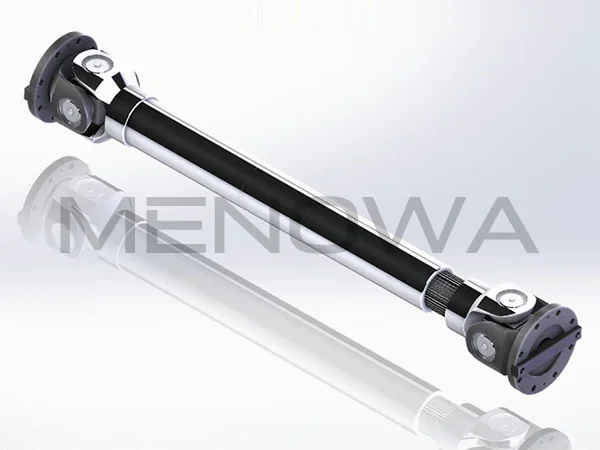
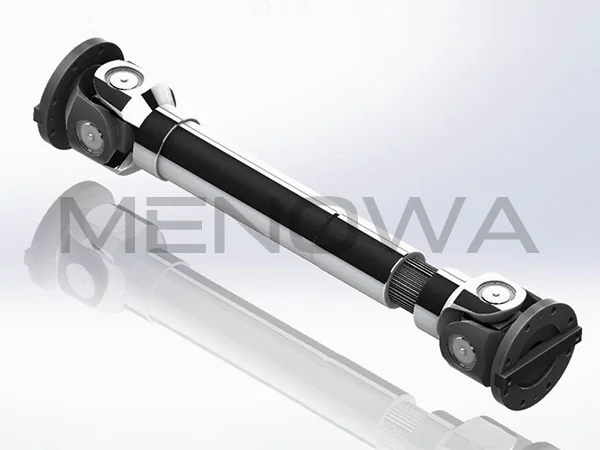
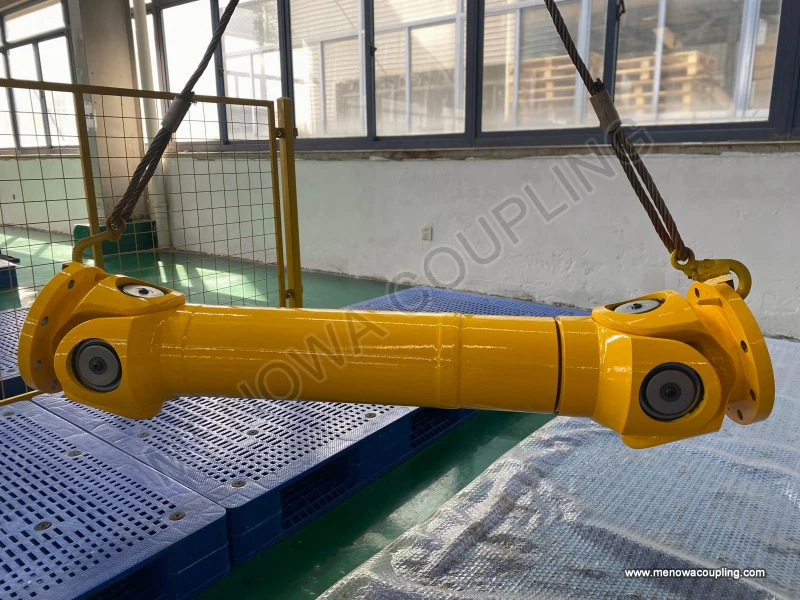
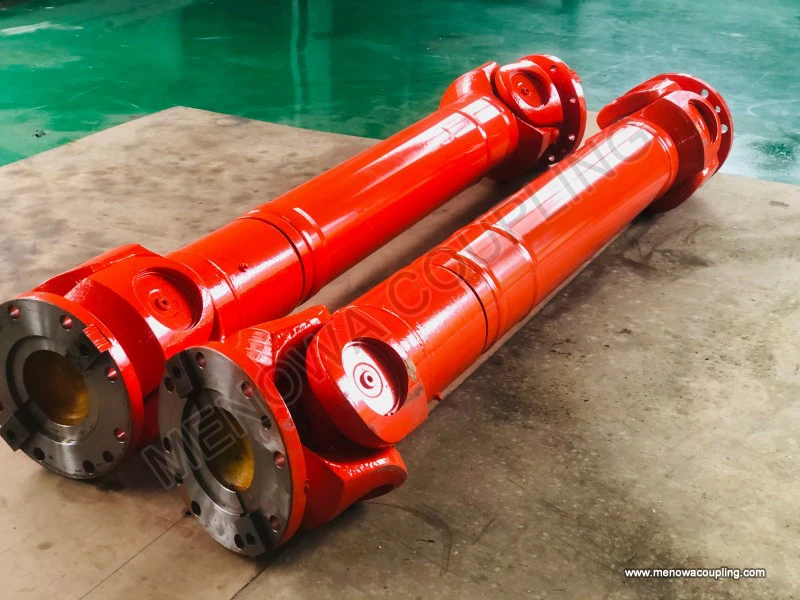
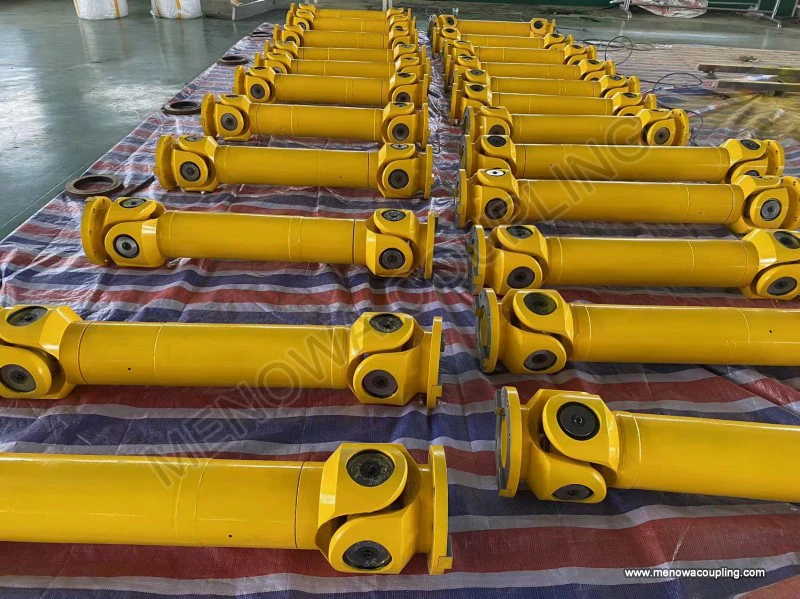
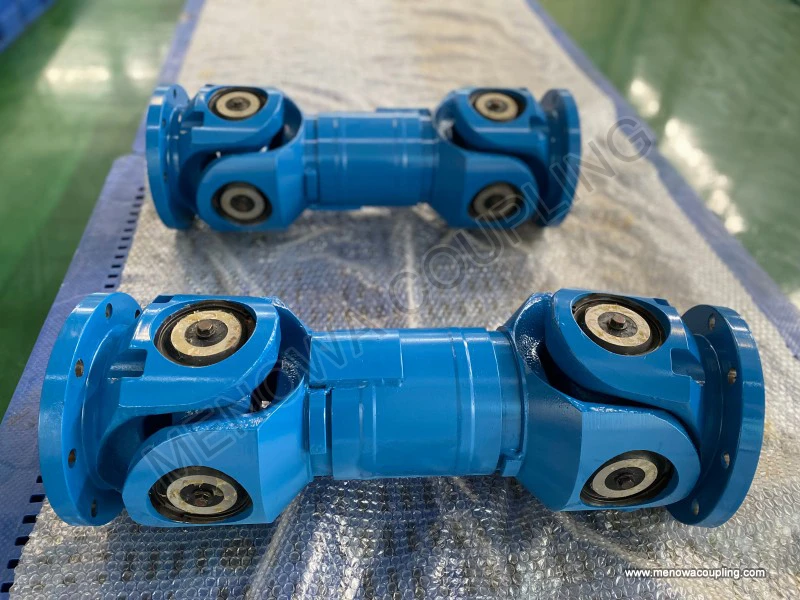
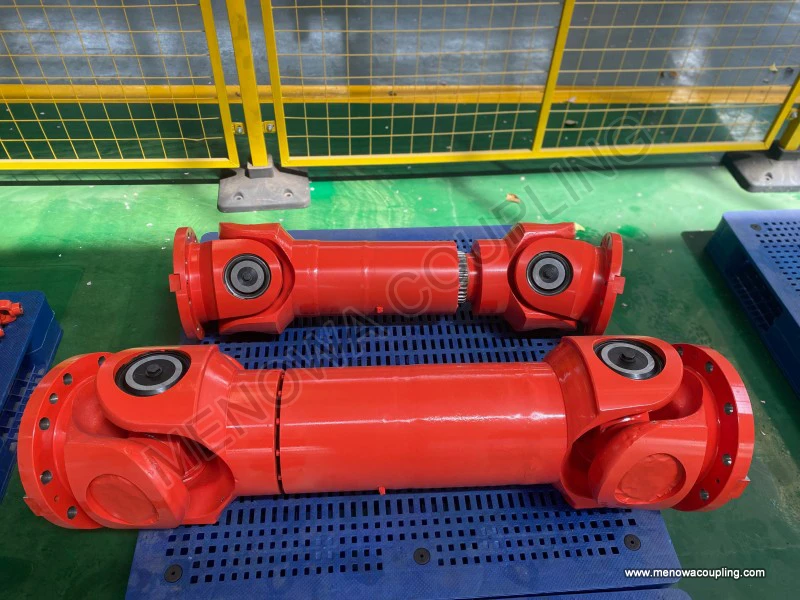
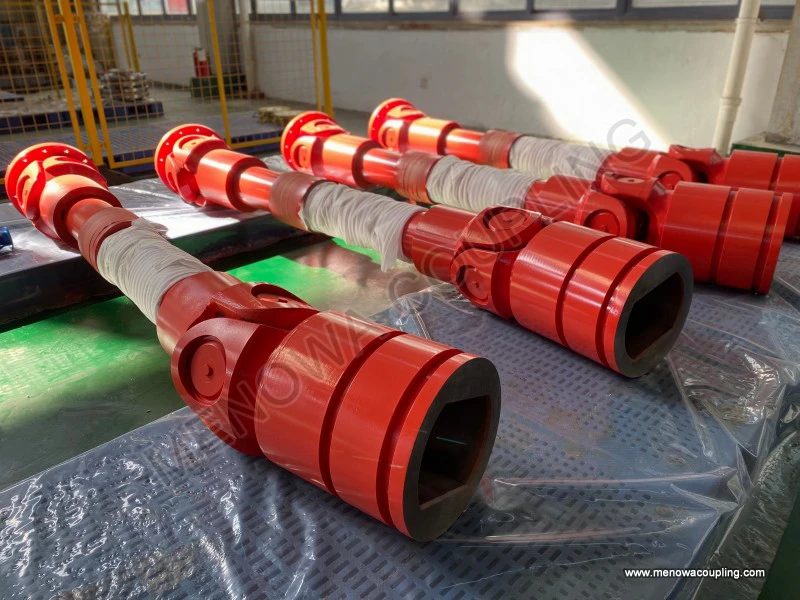
In the intricate ecosystem of modern mechanical transmission systems, universal couplings stand out as indispensable foundational components, serving as the critical bridge that connects rotating shafts and ensures stable power transmission across complex operating conditions. As core mechanical parts designed to resolve shaft misalignment challenges, these components have evolved alongside industrial machinery development, adapting to diverse operational scenarios from light-duty precision equipment to heavy-duty industrial machinery. The core value of universal couplings lies in their unique structural flexibility, which enables continuous and reliable transmission of rotational motion and torque between two shafts that are not collinear, presenting angular, axial, or radial deviations. This distinctive capability fills the technical gap of rigid transmission parts that cannot adapt to variable shaft alignment, making them widely applied in nearly all fields involving mechanical power transmission.
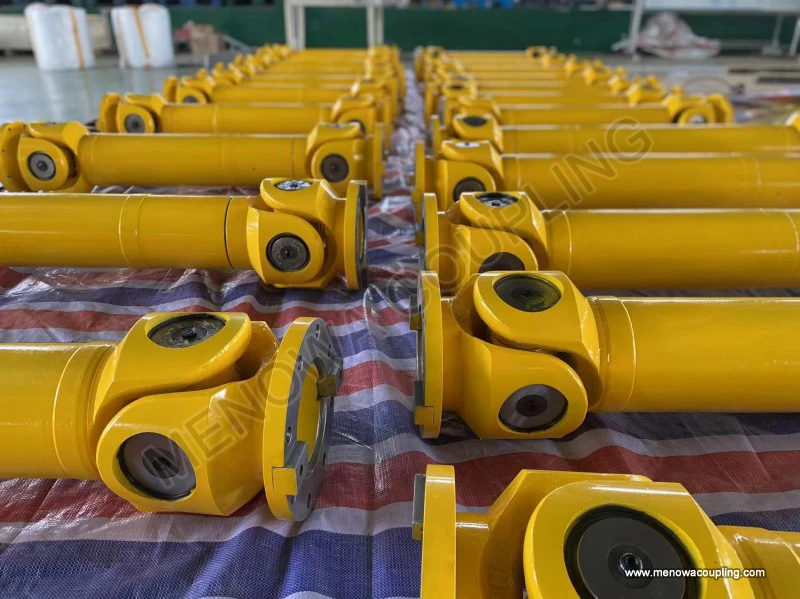
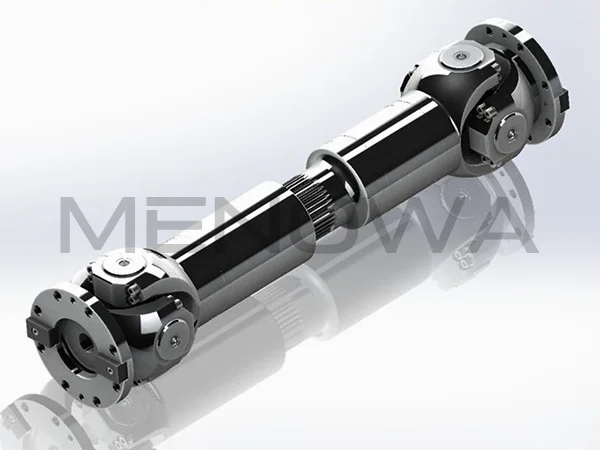
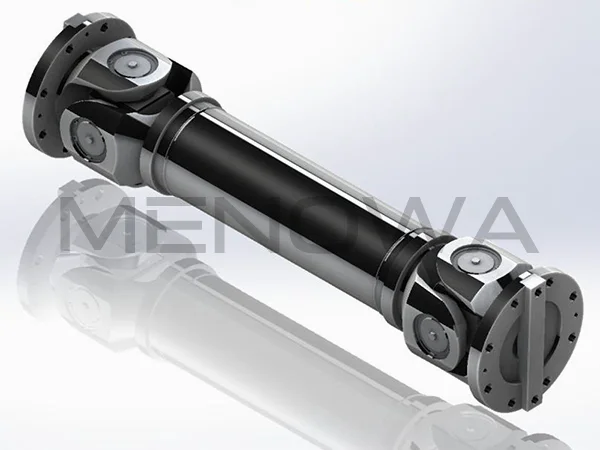
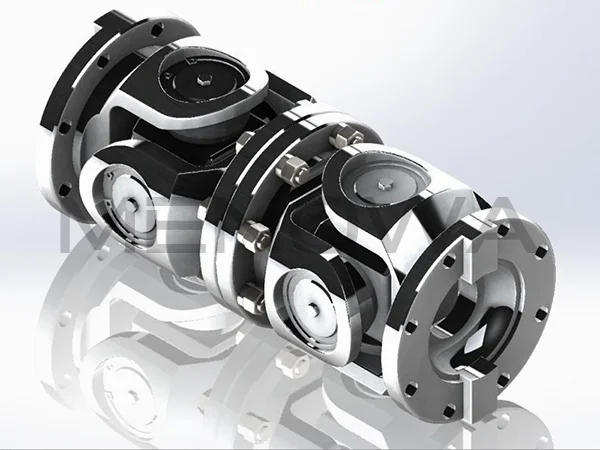
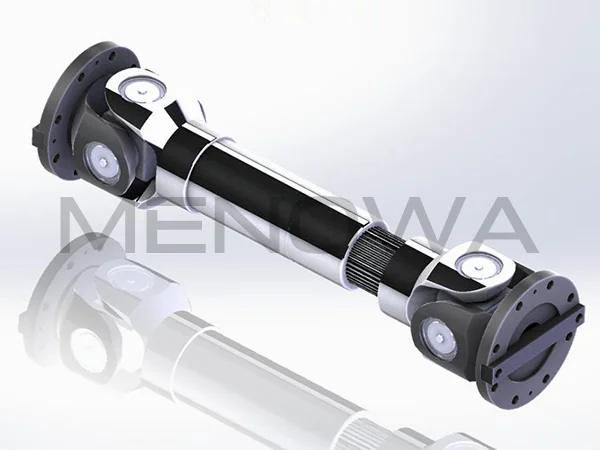
The operational logic of universal couplings is rooted in spatial linkage mechanism theory, with the most prevalent structural form relying on a cross-shaped spider component paired with double-ended yokes and precision bearing assemblies. The entire transmission system operates through the coordinated movement of internal components: when the driving shaft initiates rotation, it drives the connected yoke to perform circular motion, and the cross spider converts this single-axis rotational motion into flexible spatial swinging motion. Through the precise fit of needle bearings and trunnion structures, the motion is then stably transmitted to the driven yoke and the subsequent driven shaft, completing the entire power transmission process. What distinguishes this transmission mode from rigid connection structures is its inherent adaptive compensation capability. During equipment operation, shaft misalignment is often inevitable, caused by multiple factors including installation deviations, thermal expansion and contraction of metal components after long-term operation, mechanical deformation under load pressure, and dynamic position shifts during equipment movement. Universal couplings effectively absorb and offset these deviations through their flexible structural design, avoiding the rigid stress accumulation, transmission jitter, and component wear failures that plague rigid connection methods.
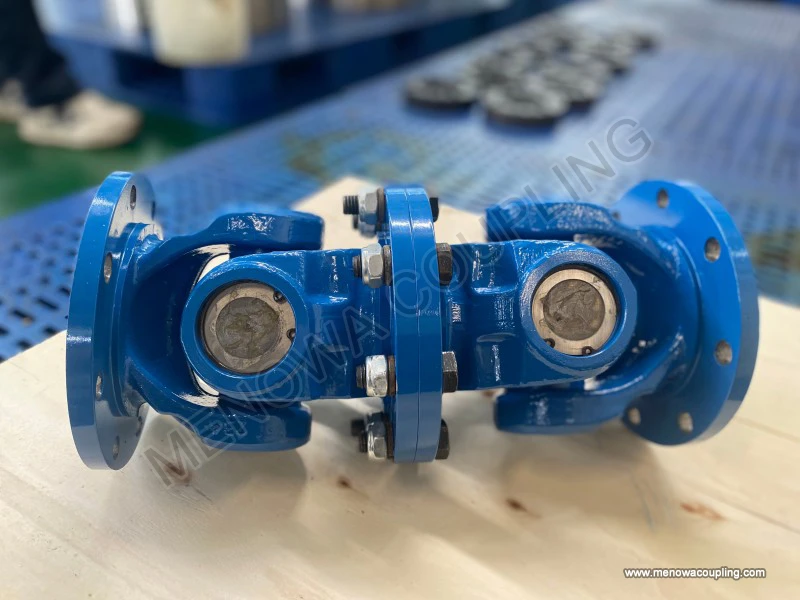
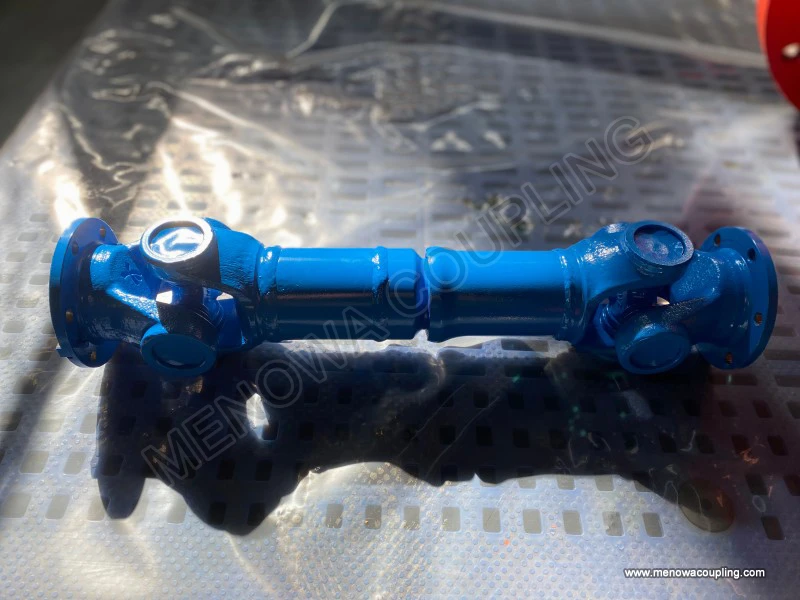
Different structural configurations of universal couplings endow them with distinct adaptive performances, enabling targeted adaptation to varied industrial working conditions. Single-joint universal couplings feature a compact and lightweight structure, capable of achieving multi-directional angular compensation within a certain range. This structure is simple to assemble and highly adaptable, making it suitable for conventional light and medium-load transmission scenarios where shaft deflection angles are relatively stable. Double-joint universal couplings, composed of two single-joint structures connected by an intermediate shaft, further expand the range of angular compensation and optimize transmission stability. This design effectively compensates for larger shaft alignment deviations and suppresses the periodic velocity fluctuation phenomenon that may occur in single-joint structures during large-angle transmission, ensuring more uniform and stable power output. In addition, optimized structural models with constant velocity transmission characteristics have been developed, which can maintain a stable velocity ratio in high-angle deflection working environments, eliminating the unbalanced vibration caused by inconsistent input and output speeds and meeting the high-precision operation requirements of sophisticated mechanical equipment.
The superior comprehensive performance of universal couplings stems from rigorous structural design optimization and refined manufacturing processes. In structural design, every component dimension and assembly tolerance is precisely calculated and verified to balance structural rigidity and flexible compensation performance. Sufficient structural rigidity ensures that the coupling can bear high torque loads without deformation or failure during high-power transmission, while reasonable structural clearance and movable fit relationships guarantee flexible adaptive movement during misalignment compensation. The bearing system, as the core friction and transmission component, adopts optimized rolling structures to reduce friction resistance during operation, lower mechanical loss, and improve overall transmission efficiency. This efficient transmission characteristic not only reduces equipment operation energy consumption but also minimizes heat generation caused by friction, effectively extending the continuous operation cycle of the equipment.
Material selection is a core link that determines the service performance and service life of universal couplings, directly affecting their load resistance, fatigue resistance, and environmental adaptability. High-strength alloy materials are widely used in mainstream product manufacturing, which undergo standardized forging, quenching, and tempering treatments to achieve excellent mechanical properties. The processed materials possess high tensile strength and yield strength, enabling them to withstand frequent impact loads and alternating torque during long-term cyclic operation without structural fatigue damage. Meanwhile, surface strengthening treatments are applied to key components such as the cross spider and bearing mating surfaces, effectively improving surface hardness and wear resistance. This processing method greatly reduces component abrasion loss during high-speed friction operation and enhances the durability of the coupling in long-term continuous working conditions. For special working environments such as high humidity, dust pollution, and weak corrosive atmospheres, targeted material optimization and surface protection treatments are adopted to improve the product’s environmental adaptability and ensure stable operation in harsh industrial scenarios.
The manufacturing process of universal couplings follows strict precision control standards throughout the entire production chain, from raw material inspection and rough machining to finish machining, heat treatment, and assembly debugging. In the rough machining stage, excess material is removed through standardized processing procedures to form the basic structural outline of components, laying a foundation for subsequent precision processing. The finish machining stage adopts high-precision processing equipment to control component dimensional accuracy and assembly tolerance within a tiny range, ensuring the precise fit and flexible movement of all matching parts. Heat treatment processes are precisely regulated according to material characteristics and product performance requirements to eliminate internal stress generated during machining, stabilize component structural properties, and avoid structural deformation or performance attenuation during subsequent equipment operation. After the completion of component processing, standardized assembly processes are implemented, with each assembly link inspected and verified to ensure no abnormal clearance or excessive fastening force, guaranteeing the coordination accuracy and operational flexibility of the overall structure.
Performance testing is an essential final step to ensure product reliability, covering multiple dimensions such as torque transmission performance, misalignment compensation capability, high-speed operation stability, and fatigue resistance. Static and dynamic torque tests are conducted to verify the product’s load-bearing limit and transmission accuracy under rated working conditions, ensuring that power transmission is stable and free of jitter or power loss within the allowable load range. Angular compensation tests simulate different shaft deflection angles to detect the smoothness of structural movement and the stability of power transmission under various misalignment states. Long-term cyclic fatigue tests are carried out to simulate continuous operation in actual industrial scenarios, verifying the structural stability and performance durability of the product after thousands of cyclic operations. All testing data serves as an important basis for product performance optimization and quality control, ensuring that every finished product can adapt to complex and changeable industrial working conditions.
Universal couplings have extremely extensive application scenarios, penetrating almost all industrial fields that require mechanical power transmission. In traditional mechanical manufacturing, they serve as key connecting components for various processing equipment, lathes, and automation production lines, ensuring stable power transmission between power components and execution components and supporting the continuous operation of automated production. In transportation machinery, they adapt to the dynamic position changes of transmission shafts during equipment operation, solving the transmission stability problem caused by vibration and position deviation during equipment movement. In heavy industrial equipment such as engineering machinery and mining machinery, their high load-bearing performance and strong misalignment compensation capability fully adapt to high-load, high-vibration, and complex working conditions, providing reliable power guarantee for heavy-duty mechanical operation. In precision instrumentation and light industrial equipment, high-precision optimized products ensure low-vibration and high-stability transmission, meeting the precise operation requirements of sophisticated equipment.
In actual industrial operation, universal couplings also demonstrate outstanding fault tolerance and maintenance convenience. Compared with integrated transmission components, their modular structural design enables partial component replacement and maintenance, eliminating the need for overall disassembly and replacement when individual parts are worn or damaged. This structural characteristic greatly reduces equipment maintenance time and operating cost, improving the overall operational efficiency of industrial equipment. Meanwhile, the reasonable structural design effectively reduces the generation of operating noise and vibration, optimizing the on-site operating environment of mechanical equipment and reducing the impact of mechanical vibration on equipment accuracy and surrounding environments.
With the continuous upgrading of modern industrial manufacturing towards high efficiency, precision, and intelligence, the technical iteration of universal couplings is also advancing continuously. The industry is constantly exploring optimized structural designs to further expand the range of misalignment compensation, improve transmission efficiency, and reduce operational energy consumption. At the same time, combined with new material technologies and precision processing technologies, product durability and environmental adaptability are continuously improved to adapt to more extreme working conditions such as high speed, high load, and special atmospheric environments. In addition, in response to the development demand of intelligent mechanical equipment, universal coupling products are evolving towards miniaturization, lightweight, and high precision, maintaining stable transmission performance while adapting to the compact structural design of modern intelligent equipment.
As a basic mechanical component with a long development history and strong practicality, universal couplings have always been committed to solving core problems in mechanical power transmission. Their unique flexible transmission principle, mature manufacturing technology, and reliable operational performance make them an indispensable key part of modern industrial systems. In the future, with the continuous progress of industrial technology and the continuous upgrading of mechanical equipment performance requirements, universal coupling manufacturing and design will continue to innovate, continuously break through performance bottlenecks, provide more efficient, stable, and durable transmission solutions for various industrial scenarios, and escort the stable and efficient operation of modern mechanical equipment.
Post Date: Jun 3, 2026
https://www.menowacoupling.com/china-coupling/universal-coupling-factory.html
Products
Tags
Supply
Related Articles
Universal Coupling For Sale
A universal coupling, also commonly referred to as a universal joint or U-joint, is a critical mechanical component designed to connect two rigid shafts whose axes are inclined to each other, enabling the transmission of rotary motion and torque even when there is a misalignment between the two shafts. This versatile co…Universal Coupling Price
Universal coupling manufacture stands as a sophisticated and precise mechanical production discipline focused on crafting flexible transmission components that serve as critical connecting parts in mechanical power systems. These specialized mechanical structures are designed to transmit rotational torque and motion bet…Parts of Universal Coupling
A universal coupling, widely recognized as a flexible mechanical transmission component, serves as a critical connection between two rotating shafts in diverse mechanical systems. Its core value lies in its ability to transmit continuous torque and rotational motion while accommodating angular misalignment, axial displa…Classification of Universal Coupling
Universal couplings are indispensable mechanical transmission components widely applied in modern mechanical systems, serving the core function of transmitting rotational torque and motion between two shafts with angular misalignment, parallel offset, or axial displacement. Unlike rigid couplings that require precise sh…Universal Coupling Manufacture
In the complex landscape of mechanical power transmission, universal couplings stand out as indispensable components that bridge the gap between misaligned shafts, enabling the seamless transfer of torque and rotational motion across a wide range of industrial and mechanical applications. Unlike rigid couplings that dem…Universal Coupling Production
Universal couplings stand as indispensable mechanical components in modern industrial transmission systems, serving as flexible connection units that enable stable torque and rotational motion transfer between misaligned rotating shafts. Unlike rigid connecting structures that demand precise coaxial alignment of paired …
 WeChat
 WhatsApp