Universal Coupling Price
Universal coupling manufacture stands as a sophisticated and precise mechanical production discipline focused on crafting flexible transmission components that serve as critical connecting parts in mechanical power systems. These specialized mechanical structures are designed to transmit rotational torque and motion between two misaligned shafts, effectively accommodating angular, parallel, and axial deviations that inevitably emerge during equipment operation, assembly, and long-term service. The core value of universal coupling manufacturing lies in balancing structural rigidity, motion flexibility, and operational durability, enabling mechanical systems to maintain stable power transmission even under complex working conditions and variable shaft alignment states. As a fundamental component widely applied in industrial machinery, transportation equipment, and automated production systems, the manufacturing quality of universal couplings directly determines the operational stability, service life, and transmission efficiency of entire mechanical equipment, making refined manufacturing processes and strict process control the core pursuits of the production field.
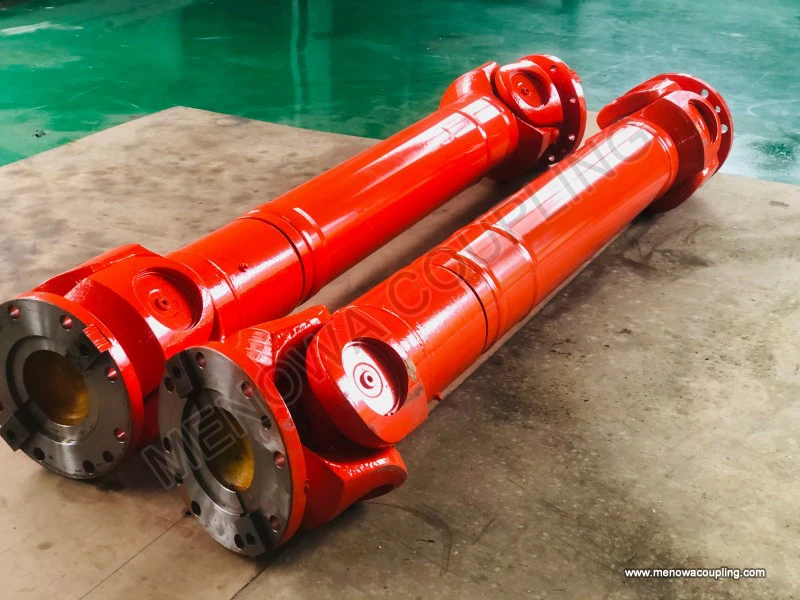
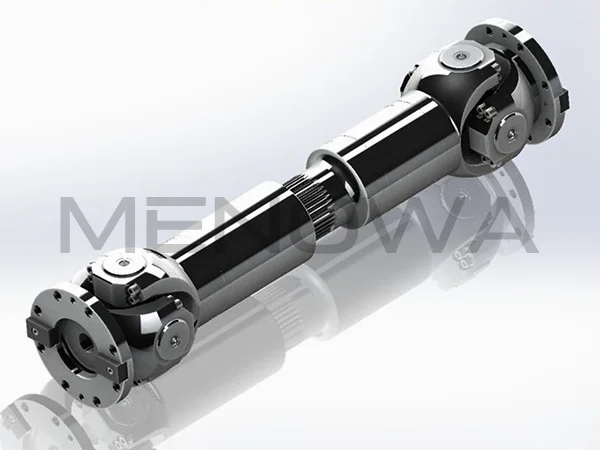
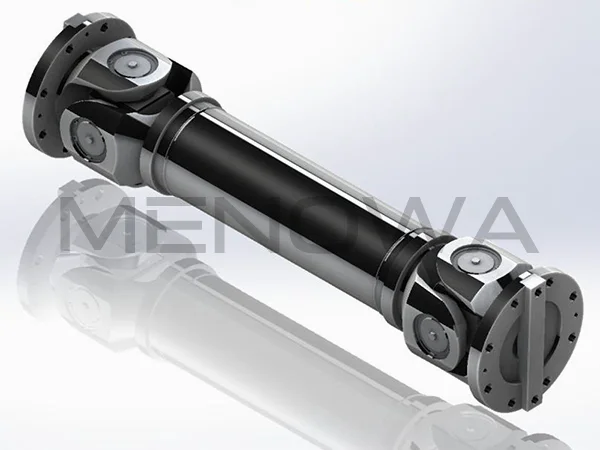
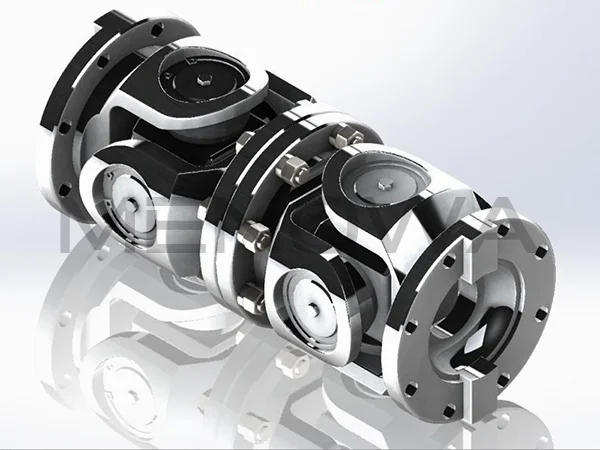
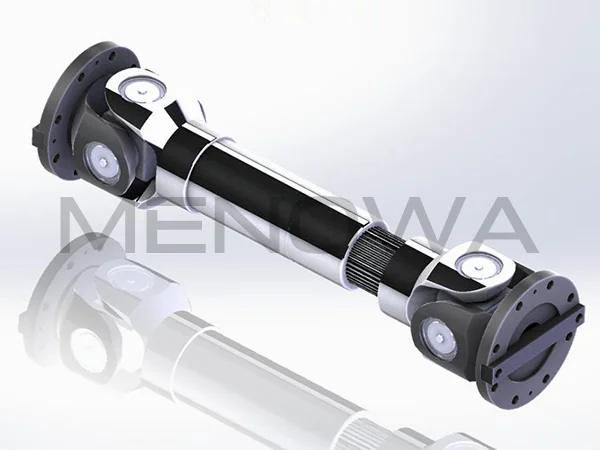
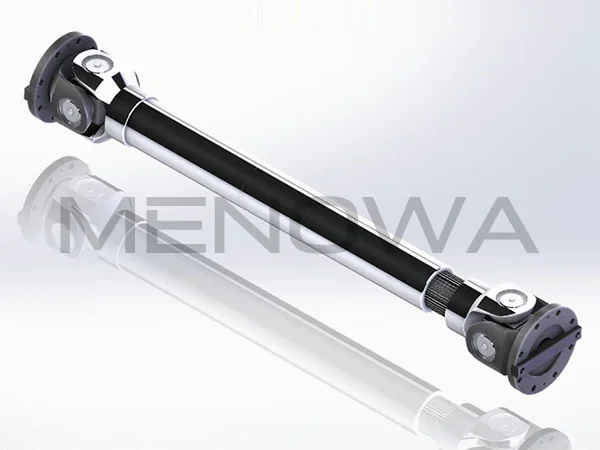
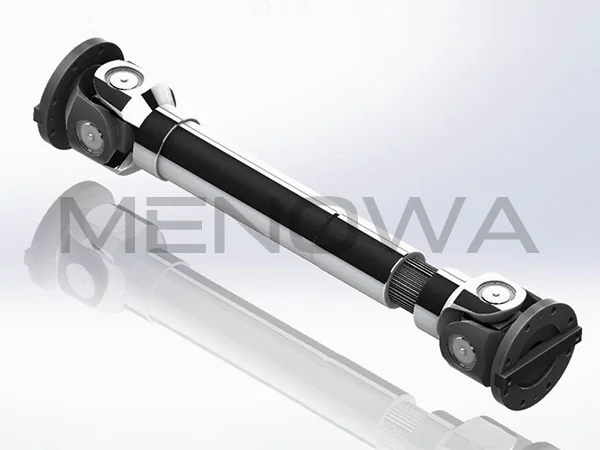
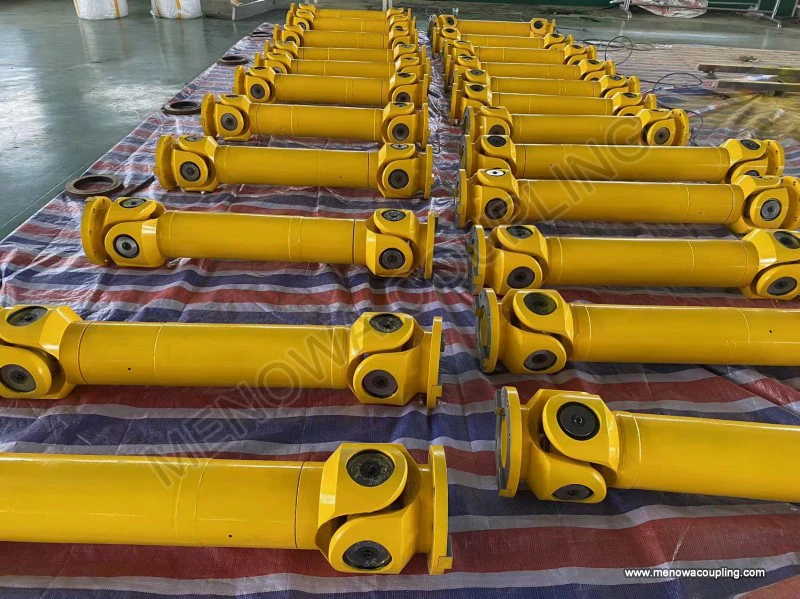
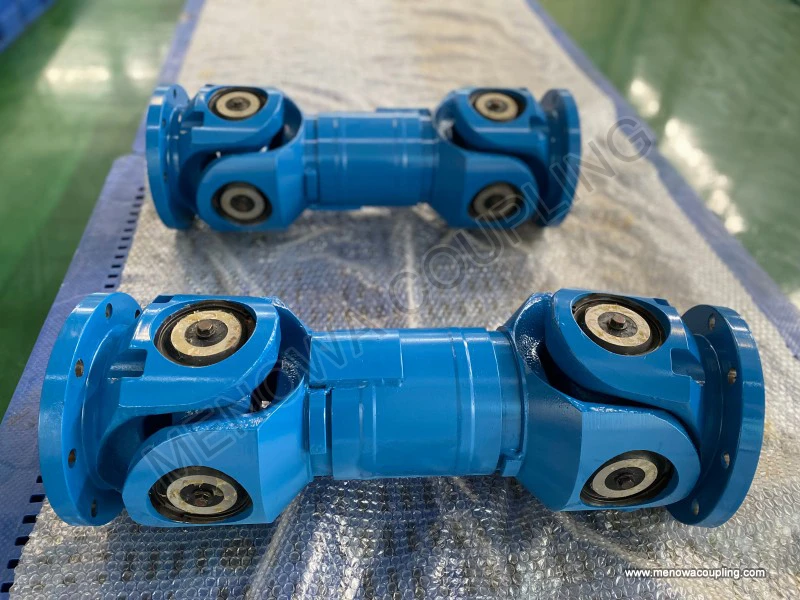
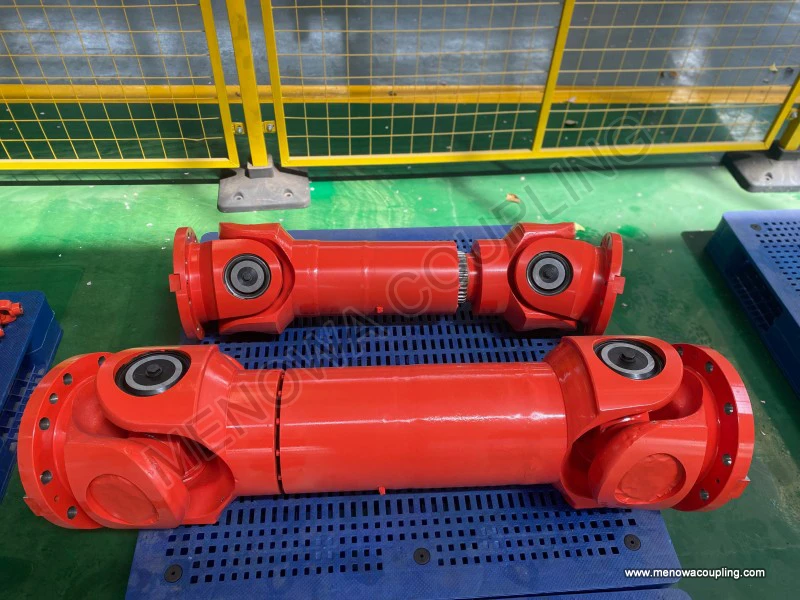
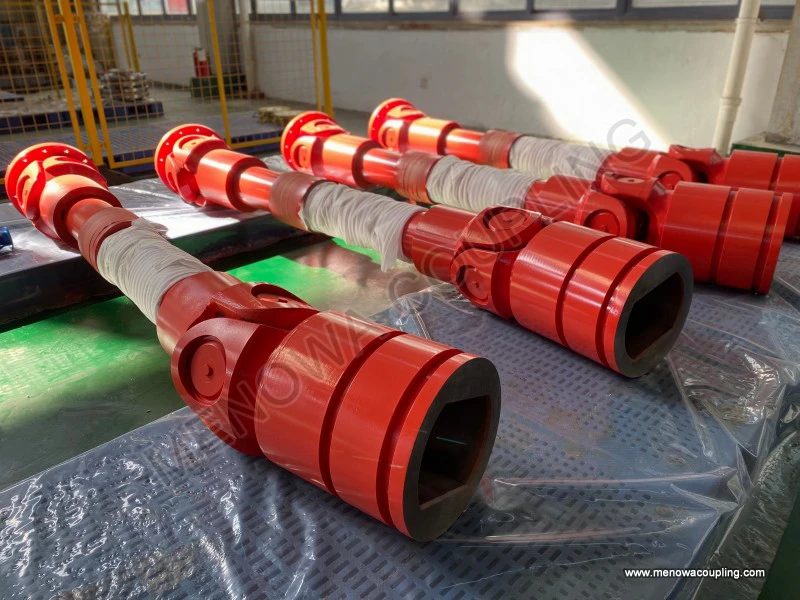
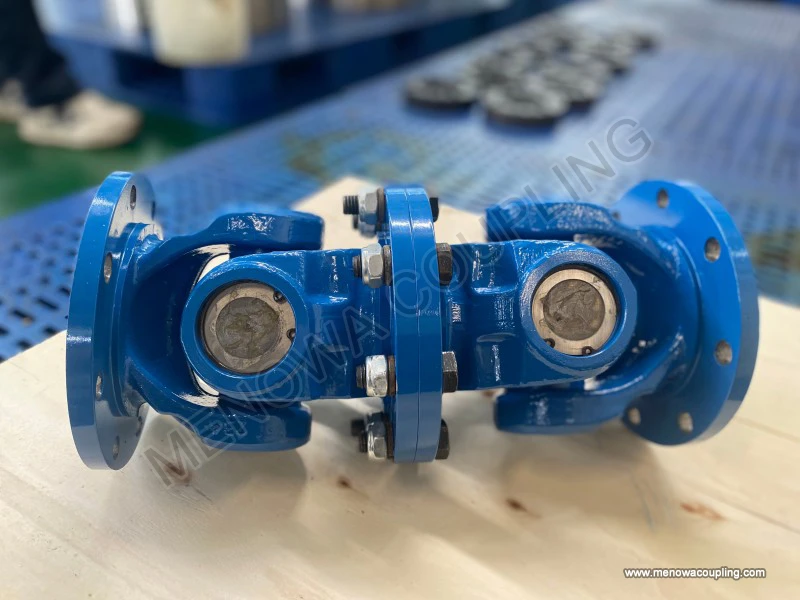
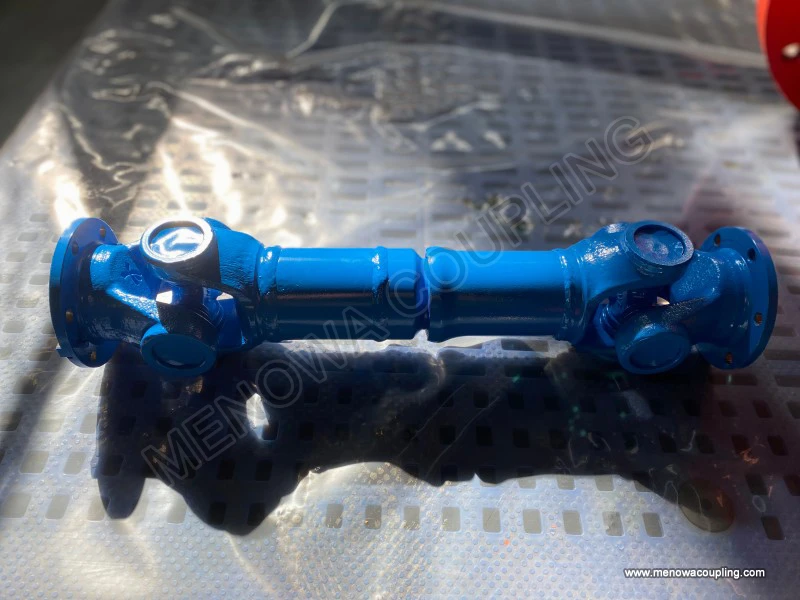
The structural design foundation of universal couplings lays the prerequisite for standardized and high-quality manufacturing. The mainstream universal coupling structure adopts a classic spatial linkage mechanism, mainly composed of two symmetrical yoke assemblies, a central cross-shaped spider, and sets of precision bearing components. The two yoke structures are respectively fixed on the driving shaft and driven shaft of mechanical equipment, while the cross spider acts as the core connecting medium, penetrating and linking the two yokes to form a flexible rotating joint. The bearing components installed at the matching positions of the cross spider and yokes are mostly needle roller structures, which can minimize friction resistance during relative rotation and swing movement. This ingenious structural design allows the coupling to produce continuous adaptive angle adjustment during shaft rotation, realizing uninterrupted torque transmission when the two connected shafts form a certain included angle. Different from rigid couplings that require strict shaft alignment, the structural characteristics of universal couplings determine that their manufacturing process must focus on both integral structural strength and local motion coordination accuracy, avoiding transmission jitter, power loss, or component abrasion caused by dimensional deviation or assembly clearance mismatch.
Material selection is the primary key link in universal coupling manufacturing, which fundamentally affects the mechanical performance and service reliability of finished products. Working scenarios of universal couplings are diverse, involving high-speed rotation, heavy-load torque transmission, frequent alternating load impact, and harsh environments such as dust, humidity, and low temperature. Therefore, the selected materials need to have high tensile strength, excellent toughness, good wear resistance, and stable mechanical properties under variable loads. High-quality alloy steel is the most commonly used base material for core components including yokes and cross spiders. After optimized smelting and forging treatment, this material has uniform internal texture, low impurity content, and strong resistance to plastic deformation and fatigue damage. For bearing parts and precision matching surfaces, materials with higher surface hardness and friction resistance are selected to reduce long-term operating wear. In addition, for couplings used in special working environments such as corrosive media or high-temperature equipment, customized material formulas and surface protection schemes will be adopted to enhance environmental adaptability. Strict material inspection is implemented before formal processing, including texture analysis, hardness detection, and fatigue performance testing, to eliminate unqualified raw materials and ensure that all blanks meet the basic manufacturing standards.
Precision machining constitutes the main body of universal coupling manufacturing, covering blank forming, rough machining, finish machining, and precision finishing of all components. The whole machining process follows progressive precision upgrading logic to ensure the dimensional accuracy and geometric tolerance of each part. The initial stage takes blank forging and shaping as the core. Through closed die forging technology, the internal material density of coupling components is improved, eliminating internal pores and loose textures that may exist in raw materials, and enhancing the overall structural strength and impact resistance of parts. Forging forming can make the metal fiber structure distributed along the component stress path, effectively improving the fatigue resistance of universal couplings under long-term alternating load operation. After blank forming, rough machining is carried out to remove redundant margins on the surface of components, shape the basic outline of yokes, cross spiders, and mounting holes, and reserve uniform finishing allowances for subsequent precision processing while improving processing efficiency.
Finish machining is the core stage to determine the matching accuracy of universal coupling components, requiring high-precision processing equipment and standardized process parameters. The key processing objects include the arc matching surfaces of yokes, the four trunnion ends of the cross spider, bearing mounting holes, and shaft connection holes. All processing dimensions need to maintain micron-level tolerance control to ensure the flexibility of relative movement between components and the tightness of assembly matching. In the processing of cross spiders, the perpendicularity and symmetry of the four trunnions are strictly controlled, and any slight angular deviation will lead to unbalanced stress during coupling operation, causing vibration, noise, and accelerated wear. For the inner wall of bearing mounting holes and the outer circle of trunnions, ultra-precision turning and grinding processes are adopted to ensure smooth surface texture and consistent dimensional accuracy, which can reduce assembly clearance and avoid abnormal friction during high-speed rotation. In addition, the surface flatness and verticality of the coupling mounting end face are precisely processed to ensure the stability of connection and installation with mechanical shafts, avoiding installation eccentricity caused by flatness deviation.
Heat treatment process is an indispensable key procedure in universal coupling manufacturing, which fundamentally optimizes the mechanical properties of machined components. Although the dimensional accuracy of parts is guaranteed by precision machining, the surface hardness, overall toughness, and fatigue resistance of materials need to be further improved through scientific heat treatment to adapt to complex working loads. The mainstream heat treatment scheme includes quenching and tempering treatment for integral components and local surface strengthening treatment for key friction and matching parts. Integral quenching and tempering can make the internal structure of the material uniform and stable, eliminate processing stress generated during forging and machining, prevent component deformation and cracking in subsequent use, and ensure the overall toughness and impact resistance of the coupling. Local surface carburizing and quenching is carried out on the matching surfaces of trunnions, bearing holes, and yoke friction areas to form a high-hardness wear-resistant layer on the component surface, while maintaining the toughness of the core material. This composite performance of hard surface and tough core enables the coupling to resist surface wear during long-term rotating friction and avoid overall fracture damage under sudden impact loads. After heat treatment, all components will be subjected to stress relief treatment to eliminate residual internal stress, ensuring the dimensional stability of finished products during long-term service.
Surface finishing treatment further optimizes the service performance and appearance quality of universal couplings on the basis of heat treatment and precision machining. The main purposes of surface treatment include improving corrosion resistance, reducing surface friction coefficient, and enhancing surface finish. For industrial conventional universal couplings, surface polishing and anti-rust coating processes are mostly adopted. Polishing treatment removes tiny burrs, tool marks, and oxide layers on the component surface, making the matching surface smoother and reducing friction and wear during relative movement. The uniform protective coating attached to the metal surface can effectively isolate air, moisture, and industrial dust, avoiding oxidative corrosion and rust of metal materials during equipment operation and storage, and extending the service life of components. For couplings used in special harsh environments, more professional surface treatment processes will be used to improve their resistance to high temperature, corrosion, and abrasion. All surface treatment processes strictly control the coating thickness and uniformity to avoid affecting the original dimensional accuracy and matching clearance of precision components, ensuring that the surface optimization effect does not damage the mechanical matching performance of parts.
Precision assembly and debugging are important links to transform qualified single components into functional complete universal couplings. The assembly process follows the principle of sequential assembly and layered inspection, starting from the cleaning of all parts. Before assembly, all components are strictly cleaned to remove oil stains, metal debris, and dust generated during machining and surface treatment, preventing tiny impurities from entering the matching gap and causing abnormal wear or jamming during operation. The assembly sequence starts with the matching of bearings and cross spider trunnions. Precision needle roller bearings are installed in place with standardized assembly tools to ensure flexible rotation of bearings without jamming or looseness. Subsequently, the cross spider with installed bearings is matched with the two yoke assemblies respectively, and the assembly clearance of each moving pair is strictly controlled to maintain consistent flexibility of swing and rotation in all directions. After the overall assembly of the coupling, preliminary manual debugging is carried out to check whether there is stagnation, abnormal resistance or shaking during rotation, and fine-tune the assembly state to ensure uniform and smooth overall movement.
Strict quality inspection and performance testing run through the entire manufacturing process of universal couplings, and also serve as the final barrier for finished product delivery. The inspection work covers dimensional accuracy detection, structural appearance inspection, mechanical performance testing, and dynamic operation testing. Dimensional inspection uses high-precision measuring instruments to verify the key dimensions, geometric tolerances, and assembly clearance of finished products one by one, ensuring that all parameters meet design standards. Appearance inspection focuses on checking whether the component surface has cracks, deformation, coating peeling, and processing defects. Mechanical performance testing includes hardness testing, torsion resistance testing, and fatigue performance sampling testing to verify whether the product can withstand standard torque load and long-term alternating load operation. Dynamic simulation testing is carried out on professional test benches to simulate the high-speed rotation and angular deviation working state of universal couplings in actual mechanical operation, detect the stability of power transmission, operating vibration, and noise level, and screen out products with unqualified dynamic performance. All unqualified products will be reworked or scrapped in a standardized manner to ensure that all delivered universal couplings have stable and reliable performance.
The refinement of universal coupling manufacturing technology is always driven by the upgrading of industrial mechanical equipment. With the continuous development of high-speed, heavy-load, and high-precision mechanical systems, the performance requirements for universal couplings are constantly improving, prompting continuous optimization and innovation in manufacturing processes. Modern manufacturing integrates digital design, intelligent machining, and precise process control, realizing accurate control of every link from material selection, processing, heat treatment to assembly. Through optimized process parameter matching, the manufactured universal couplings have higher transmission efficiency, lower operating noise, stronger load resistance, and longer service life, and can adapt to more complex and diverse mechanical working scenarios. In practical industrial applications, high-quality universal couplings can effectively reduce mechanical transmission failure rates, reduce equipment maintenance costs, and improve the overall operational efficiency of mechanical systems, which fully reflects the important value of sophisticated manufacturing technology in component production.
In conclusion, universal coupling manufacture is a systematic and refined mechanical engineering process that integrates material science, precision machining, heat treatment technology, and mechanical assembly debugging. Every production link is closely linked and mutually restricted, and the final product performance is the comprehensive result of standardized control of all processes. From raw material screening to finished product testing, rigorous process standards and precise operation control ensure that universal couplings can stably undertake flexible power transmission tasks in various mechanical systems. As an indispensable basic component in the mechanical industry, the continuous progress of universal coupling manufacturing technology will always support the stable operation and innovative upgrading of various industrial mechanical equipment, providing reliable basic component guarantees for the development of modern manufacturing industry.
Post Date: Jun 3, 2026
https://www.menowacoupling.com/china-coupling/universal-coupling-price.html
Products
Tags
Supply
Related Articles
Universal Coupling Supply
In the intricate ecosystem of mechanical power transmission, universal couplings stand out as indispensable foundational components that bridge the functional gaps of traditional rigid connection structures. Serving as a core link between rotating shafts in mechanical systems, these mechanical devices are engineered to …Uses of Universal Coupling
In the intricate ecosystem of mechanical transmission systems, universal couplings stand out as one of the most versatile and indispensable mechanical components, serving as a critical bridge for power and motion transmission across countless industrial and civilian mechanical devices. Also widely known as universal joi…Diagram of Universal Coupling
A universal coupling, widely recognized as a core mechanical component for flexible power transmission, serves as a pivotal connecting structure in mechanical transmission systems to transfer rotational torque and motion between two shafts with angular misalignment. The structural diagram of a universal coupling intuiti…Universal Coupling Vendor In China
Universal couplings stand as indispensable mechanical transmission components in modern industrial systems, serving as core connecting parts that transmit torque and rotational power between misaligned drive shafts. In China’s complete industrial manufacturing ecosystem, universal coupling production and supply have fo…What is Universal Coupling
A universal coupling, commonly referred to as a universal joint or U-joint, is a fundamental mechanical transmission component designed to connect two rotating shafts while enabling reliable transfer of torque and rotational motion under misaligned operating conditions. Unlike rigid coupling mechanisms that demand preci…Dimensions of Universal Coupling
Universal couplings, commonly known as universal joints or Cardan joints, serve as fundamental mechanical components for power transmission between misaligned rotating shafts in diverse mechanical systems. Their dimensional parameters are the core factors that determine structural compatibility, operational stability, l…
 WeChat
 WhatsApp