Expanding Shaft Coupling
In the complex and interconnected operating system of modern industrial mechanical transmission, the connection and power coordination between rotating shafts directly determine the overall operating stability, transmission efficiency, and service life of the entire mechanical equipment. Among various mechanical transmission connecting components developed for shaft connection needs, the expanding shaft coupling has gradually become an indispensable core component in medium and heavy-duty mechanical transmission, precision motion control, and frequent start-stop industrial production scenarios by virtue of its unique keyless connection structure, reliable friction transmission mode, and convenient assembly and disassembly characteristics. Unlike traditional shaft connection structures that rely on keyways, splines, or direct flange welding for torque transmission, the expanding shaft coupling abandons the rigid limiting connection mode that easily causes local stress concentration and component wear, and realizes stable locking and power transmission between the driving shaft and the driven shaft through the radial elastic expansion and interference fit of internal structural parts. This structural design innovation not only optimizes the stress distribution state of the shaft connection part during equipment operation but also effectively solves many common pain points in traditional coupling application processes, including shaft keyway deformation, connection part loosening during long-term operation, difficult alignment of double shafts, and inconvenient disassembly and replacement of components. With the continuous upgrading of industrial production automation and the continuous improvement of equipment operation precision requirements, the application scope of expanding shaft coupling has expanded from traditional heavy machinery and metallurgical equipment to many emerging fields such as new energy power equipment, precision processing machinery, packaging and printing production lines, and automated logistics conveying equipment, becoming a key basic component to ensure the synchronous and efficient operation of mechanical transmission systems.
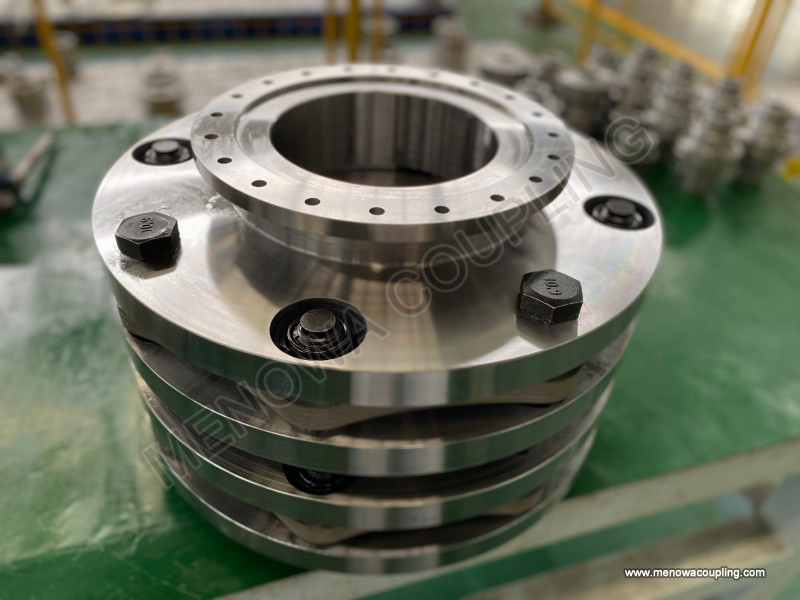
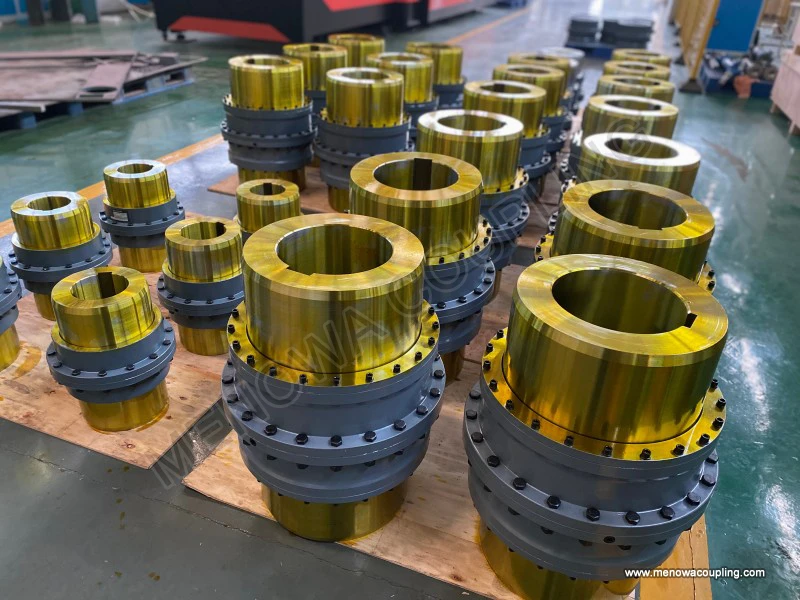
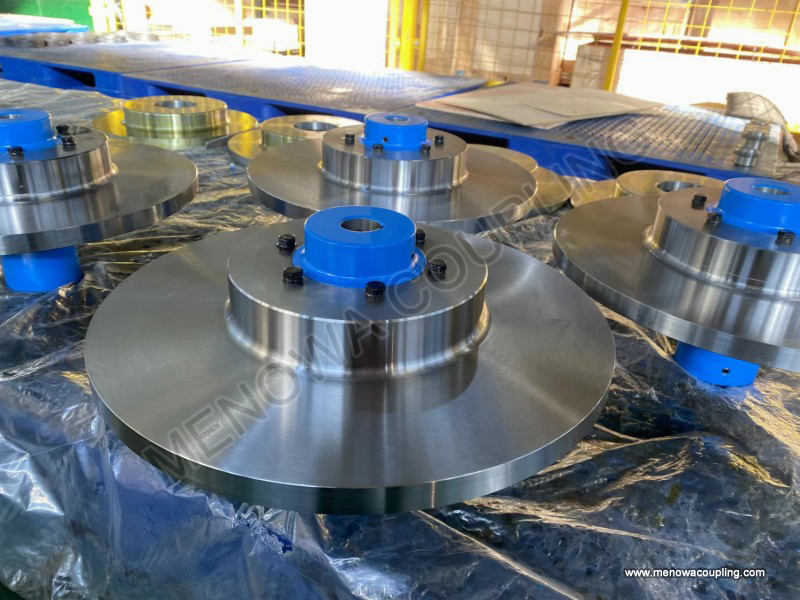
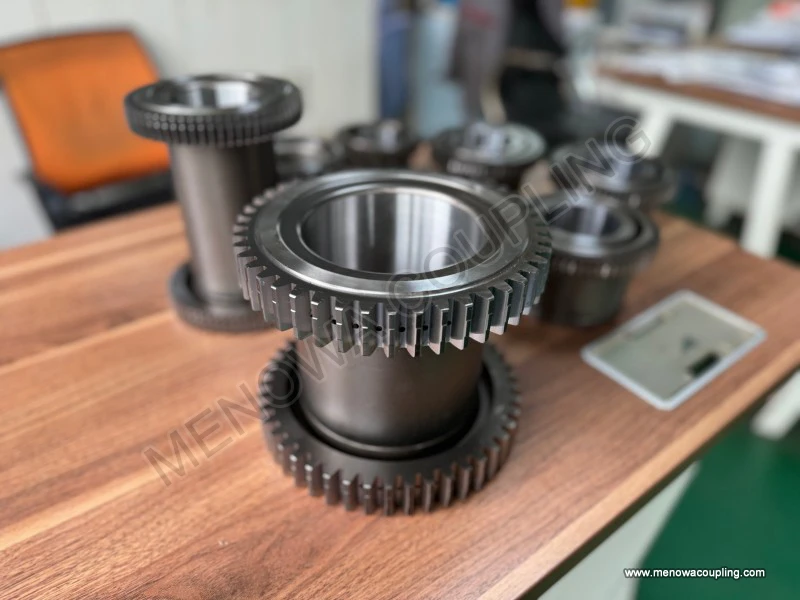
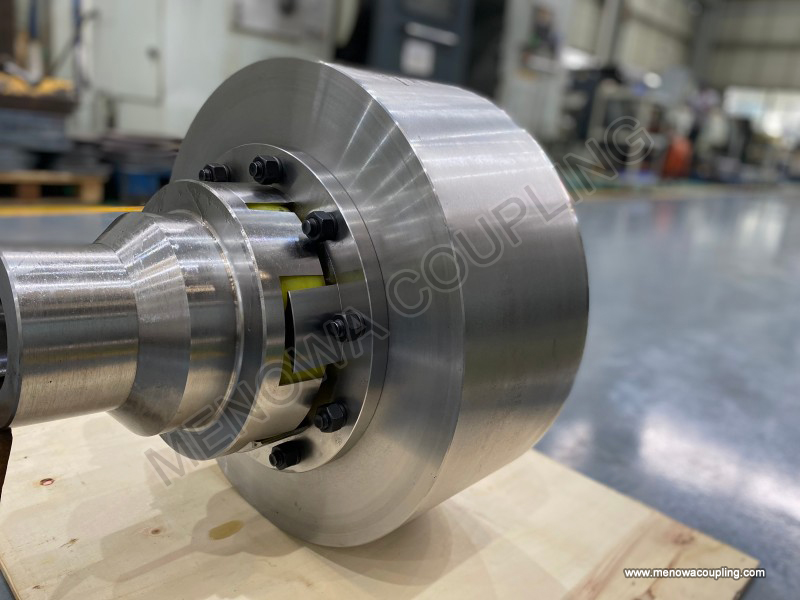
To fully understand the application value and working characteristics of expanding shaft coupling, it is first necessary to clarify its basic structural composition and the core mechanical logic behind its normal operation. The overall structure of a standard expanding shaft coupling is designed in a compact and integrated manner, without redundant protruding parts or complex transmission accessories, and the main components are composed of elastic expansion sleeves, conical matching rings, high-strength clamping fasteners, limit locking parts, and auxiliary buffer and protection structures. Each component has a clear division of labor and closely cooperates with each other, and the dimensional matching accuracy between all parts is strictly controlled to ensure that uniform radial expansion force and stable contact pressure can be formed after assembly. The elastic expansion sleeve is the core force-bearing and deformation component of the entire coupling, usually made of high-quality alloy metal materials with good elastic deformation performance and fatigue resistance. The material needs to maintain stable elastic recovery ability after multiple expansion and contraction cycles, and will not produce permanent plastic deformation under long-term alternating load operation, so as to ensure the long-term stability of the connection state. The interior of the expansion sleeve is designed with a hollow flexible structure, and the outer wall and inner wall are smooth and flat precision machined surfaces, which can be closely attached to the outer surface of the connected shaft and the inner hole of the hub component respectively after radial expansion. The conical matching ring is the key force transmission component that converts axial tightening force into radial expansion force. Its inner wall and outer wall are designed with symmetrical conical surfaces with a specific taper angle. When the external fasteners are tightened to generate axial thrust, the conical matching ring will slide along the conical surface of the expansion sleeve, and the axial displacement will be efficiently converted into uniform radial extrusion force, acting on the expansion sleeve to make it expand radially outward and inward synchronously. High-strength clamping fasteners are the power source for the entire coupling to achieve locking and expansion. The uniform tightening torque applied during installation enables all fasteners to bear balanced load, avoiding unbalanced stress on local parts caused by inconsistent tightening force, which is crucial to maintaining the coaxiality of the driving and driven shafts and the stability of torque transmission. The limit locking parts are mainly used to prevent the fasteners from loosening due to mechanical vibration, rotational impact and alternating load during long-term equipment operation, ensuring that the interference fit state between the expansion sleeve, the shaft and the hub remains unchanged permanently, and avoiding transmission failure caused by connection loosening. The auxiliary buffer and protection structures can reduce the impact of instantaneous start-stop torque and mechanical vibration on the connection part, and isolate external dust, moisture and corrosive media, protecting the internal precision matching parts from wear and corrosion and extending the overall service life of the coupling.
The working principle of expanding shaft coupling follows the basic laws of mechanical friction transmission and elastic mechanics, and the whole process realizes torque transmission and shaft connection without any key parts or rigid limiting structures. In the initial installation state, the inner diameter of the expansion sleeve is slightly larger than the outer diameter of the connected shaft, and the outer diameter of the expansion sleeve is slightly smaller than the inner hole of the hub, so the coupling can be easily sleeved on the driving shaft and the driven shaft without forced pressing or complicated alignment operations, and the preliminary position adjustment can be completed quickly. After the coupling is adjusted to the optimal installation position and the coaxiality of the two connected shafts is calibrated, the staff gradually tightens the clamping fasteners according to the standard operating specifications. With the continuous tightening of the fasteners, stable axial pulling force or pushing force is generated between the conical matching rings, and the conical surfaces contact and slide to produce continuous radial extrusion effect on the elastic expansion sleeve. Under the action of uniform radial pressure, the elastic expansion sleeve undergoes controllable elastic deformation, the inner wall shrinks inward to closely fit the outer surface of the shaft, and the outer wall expands outward to closely fit the inner wall of the hub, forming a double-sided tight interference fit structure between the shaft, the expansion sleeve and the hub. The close contact between all matching surfaces generates huge and uniform static friction force. This friction force becomes the only medium for torque transmission between the driving shaft and the driven shaft. When the equipment starts to operate, the rotational power output by the driving shaft is transmitted to the expansion sleeve through the friction force of the inner contact surface, and then transmitted to the hub and the driven shaft through the friction force of the outer contact surface, realizing the synchronous rotation and stable power transmission of the two shafts. In the whole transmission process, there is no relative sliding between all contact surfaces under normal rated load conditions, and the elastic deformation of the expansion sleeve can appropriately buffer the instantaneous torque impact and small vibration generated during equipment start-up, shutdown and load change. When the equipment needs to be maintained, overhauled or parts replaced, it is only necessary to loosen the clamping fasteners, the axial thrust disappears, the expansion sleeve automatically rebounds and resets under the action of its own elastic force, the interference fit state is released, and the coupling can be easily disassembled and removed from the shaft without damaging the shaft surface and other matching components. This working mode based on friction transmission and elastic expansion fundamentally changes the mechanical stress state of traditional shaft connection, avoids shear wear and deformation damage of keyways and splines, and greatly improves the reliability and durability of the transmission connection part.
According to different structural design forms, load-bearing capacity levels, expansion driving modes and applicable working condition scenarios, expanding shaft couplings can be divided into multiple mainstream types, each with targeted structural characteristics and application positioning to meet the differentiated connection needs of various mechanical equipment. The most widely used type in the market is the mechanical manual expanding shaft coupling, which relies entirely on manual tightening of high-strength bolts to provide axial tightening force and realize radial expansion and locking of the expansion sleeve. This type of coupling has a simple overall structure, no need for additional external power supply or auxiliary driving equipment, low installation and use cost, and strong adaptability to conventional working environments. It is mostly used in general industrial machinery with medium and low load, frequent start-stop but no high-precision dynamic operation requirements, such as ordinary conveying machinery, light processing equipment, and general power transmission supporting facilities. The structural design of this type of coupling focuses on practicality and stability, the number of internal components is small, the maintenance difficulty is low, and operators can complete installation, disassembly and daily inspection through simple tools and basic operating skills, which is very suitable for industrial production scenarios with frequent equipment debugging and component replacement. Another common type is the hydraulic expanding shaft coupling, which replaces the traditional mechanical bolt tightening structure with a hydraulic driving expansion mechanism. Through external hydraulic auxiliary equipment, uniform hydraulic pressure is applied to the internal expansion cavity of the coupling, and the hydraulic pressure is used to push the internal elastic parts to achieve radial expansion and interference fit locking. The hydraulic driving mode can make the expansion force of the expansion sleeve more uniform, the contact pressure between the matching surfaces more balanced, and the coaxiality accuracy of the two connected shafts higher after installation. This type of coupling is often used in high-speed operation, high-precision transmission and heavy-duty load mechanical equipment, such as large metallurgical rolling machinery, precision CNC processing equipment, and high-power power transmission equipment. The hydraulic expansion mode can realize stepless adjustment of expansion force according to actual load requirements, ensuring that the coupling can maintain a stable connection state under different load working conditions, and the disassembly and assembly process is more labor-saving and efficient, which can shorten the equipment downtime caused by maintenance and debugging. In addition, there is a pneumatic expanding shaft coupling designed for special lightweight and quick-switching working conditions, which uses compressed air as the power source to drive the internal expansion mechanism to complete rapid expansion and contraction actions. This type of coupling has a fast response speed of expansion and reset, and can realize frequent rapid locking and releasing operations, which is very suitable for winding and unwinding equipment, printing and dyeing processing machinery, and automated material handling equipment that need frequent replacement of roller materials and rapid switching of working states. Although the load-bearing capacity of pneumatic expanding shaft coupling is relatively lower than that of mechanical and hydraulic types, it has outstanding advantages in operation efficiency and quick switching performance, and can meet the special connection needs of special automated production lines.
In the actual industrial production and mechanical equipment operation process, expanding shaft coupling shows incomparable comprehensive advantages compared with traditional keyed couplings, flange rigid couplings and gear couplings, which is the core reason why it is widely promoted and applied in various industries. First of all, the expanding shaft coupling adopts a keyless connection design, which does not need to open keyways or splines on the surface of the connected shaft, which effectively protects the structural integrity of the shaft. For any mechanical shaft parts, opening keyways will cause local cross-section reduction and stress concentration, and long-term rotational operation and alternating load impact will easily lead to fatigue cracks and even fracture at the keyway of the shaft, shortening the service life of the shaft. The keyless structure of the expanding shaft coupling completely avoids this problem, the shaft surface remains intact, the stress distribution of the shaft in the working state is uniform, the structural strength and fatigue resistance of the shaft are fully guaranteed, and the maintenance and replacement cycle of the shaft parts is greatly prolonged. Secondly, the expanding shaft coupling has excellent shaft alignment performance and error compensation ability. In the installation process of traditional rigid couplings, it is often necessary to spend a lot of time and energy on precise alignment of the two shafts, and slight parallel deviation, angular deviation and axial displacement between the shafts will cause additional bending stress and vibration during operation, accelerating the wear of bearings and transmission parts. The elastic expansion structure of the expanding shaft coupling can appropriately compensate for small installation deviations and axial displacement generated during equipment operation, maintain the coaxiality of the two shafts within a reasonable range, reduce additional mechanical vibration and impact, and ensure the smooth operation of the transmission system. Thirdly, the expanding shaft coupling has strong anti-loosening performance and stable transmission capacity. The double-sided interference fit formed by elastic expansion and friction transmission mode makes the connection between the coupling and the shaft very firm. Even under the working conditions of long-term vibration, frequent start-stop and alternating load, the connection part will not loosen or slip, and the torque transmission is accurate and without loss. There is no mechanical gap in the transmission process, which avoids the impact and noise generated by the gap switching of traditional couplings, and improves the overall operation stability of the equipment. In addition, the installation and disassembly process of expanding shaft coupling is simple and efficient, without complex processing equipment and professional operating skills. The installation and positioning can be completed quickly, and the disassembly will not cause any damage to the shaft and hub parts. It is very convenient for equipment daily maintenance, parts replacement and production line debugging, effectively reducing the time cost and labor cost of equipment maintenance. Finally, the expanding shaft coupling has good environmental adaptability and corrosion resistance. The main structural parts are made of high-strength alloy materials with special surface treatment processes, which can maintain stable working performance in high temperature, low temperature, dust, humidity and slightly corrosive working environments, and is not easy to rust, deform and fail, with long-term reliable working performance.
The application scope of expanding shaft coupling covers almost all industrial fields involving mechanical shaft power transmission, and it shows excellent adaptive performance and stable working effect in different working condition environments and equipment types. In the heavy industry field such as metallurgy, mining and building materials production, mechanical equipment usually has the characteristics of heavy load operation, harsh working environment and continuous long-term operation. The expanding shaft coupling used in this field needs to bear large torque and strong alternating load, and its reliable connection performance and anti-loosening characteristics can ensure that the mining conveying equipment, metallurgical rolling equipment and building materials grinding equipment will not have transmission failure during continuous operation, avoiding production interruption and equipment damage caused by shaft connection loosening and slipping. At the same time, the keyless connection structure protects the heavy-duty shaft parts from fatigue damage, reduces the failure rate of key core components of heavy equipment, and ensures the stable and continuous operation of heavy industrial production lines. In the field of precision mechanical processing and intelligent equipment manufacturing, such as CNC machine tools, automated processing centers and precision robotic arm transmission mechanisms, the precision transmission and low vibration operation requirements of equipment are extremely high. The expanding shaft coupling used in this field adopts hydraulic or high-precision mechanical expansion structure, with high shaft alignment accuracy, small transmission vibration and no transmission gap, which can ensure the accuracy and stability of power transmission in precision processing equipment, avoid processing errors caused by transmission vibration and torque loss, and improve the processing precision and product qualification rate of precision mechanical parts. In the field of packaging, printing, textile and paper-making light industrial production equipment, the equipment has the characteristics of fast operation speed, frequent start-stop and frequent replacement of processing materials. The expanding shaft coupling used in this field mostly adopts mechanical or pneumatic quick-expansion structure, which is convenient for quick disassembly and assembly and position adjustment, meets the needs of frequent debugging and material replacement of light industrial production lines, and maintains the synchronous and stable operation of high-speed rotating equipment, ensuring the continuity and efficiency of light industrial production. In the field of new energy equipment and power transmission equipment, such as wind power supporting transmission equipment, new energy power generation auxiliary machinery and energy storage conveying equipment, the equipment has the characteristics of long service life, outdoor long-term operation and complex working environment. The expanding shaft coupling has good weather resistance, fatigue resistance and stable connection performance, can adapt to outdoor high and low temperature changes and natural environmental erosion, ensures the long-term reliable operation of new energy power transmission equipment, and provides stable basic guarantee for the operation of new energy industry equipment. In the field of automated logistics and intelligent conveying equipment, various conveying rollers and power transmission shafts need frequent start-stop and forward and reverse rotation work. The expanding shaft coupling can buffer the instantaneous torque impact of forward and reverse rotation, avoid connection loosening and component wear caused by frequent commutation, and ensure the stable and efficient operation of automated logistics conveying lines.
The installation, commissioning and daily maintenance work of expanding shaft coupling are directly related to its working performance, transmission stability and overall service life, and standardized operation and scientific maintenance can effectively avoid early failure and connection problems of the coupling. In the installation preparation stage, operators need to check all structural parts of the coupling to ensure that there is no damage, deformation, rust and dirt on the surface of expansion sleeves, conical rings, fasteners and limit parts, and the precision matching surfaces are kept clean and smooth without impurities and scratches. At the same time, the surface of the connected driving shaft and driven shaft should be cleaned and polished to remove surface rust, oil stains and burrs, ensuring that the matching surface is flat and clean, which is conducive to forming a uniform and close interference fit after installation. Before formal installation, the coaxiality of the two connected shafts should be preliminarily calibrated with professional measuring tools to reduce the installation deviation within the allowable range of the coupling, laying a foundation for the stable operation of subsequent equipment. In the formal installation and commissioning stage, the coupling is firstly sleeved on the two shafts respectively, and the preliminary position adjustment is carried out according to the equipment transmission requirements to ensure that the coupling is installed in the middle of the matching position of the shaft and the hub. Then, the clamping fasteners are tightened evenly and symmetrically in accordance with the specified tightening sequence and operating specifications. It is forbidden to tighten a single fastener excessively at one time, so as to avoid unbalanced stress on the internal parts of the coupling, resulting in uneven expansion of the expansion sleeve and deviation of shaft coaxiality. After the fasteners are initially tightened, professional measuring tools are used to recheck the coaxiality and radial runout of the two shafts, and fine adjustment is carried out according to the measured data until all precision indicators meet the equipment operation requirements. After the adjustment is completed, the fasteners are tightened to the standard tightening torque, and the limit locking parts are installed to prevent loosening, completing the entire installation and commissioning work. In the daily operation and maintenance stage, regular visual inspection and performance inspection of the expanding shaft coupling should be carried out according to the equipment operation intensity and working environment. The inspection content mainly includes whether the fasteners are loose, whether the external protective structure is damaged, whether there is abnormal vibration and noise during equipment operation, and whether there is relative sliding between the coupling and the shaft. For equipment operating in harsh environments, the surface of the coupling should be cleaned regularly to remove dust, corrosive media and sundries, and anti-rust and protective maintenance should be done to avoid surface corrosion and structural damage of parts. If the equipment is shut down for a long time, the connection state of the coupling should be checked before restarting, and the fasteners should be re-tightened properly to ensure that the interference fit state is stable. When the coupling is found to have abnormal vibration, noise or transmission slipping during operation, the equipment should be shut down for inspection in time, and the fault should be eliminated and adjusted in time to avoid small faults evolving into large equipment failures and affecting normal production and operation.
In the actual selection process of expanding shaft coupling, enterprises and equipment operators need to comprehensively consider multiple key factors such as equipment transmission power, rated operating torque, operating speed, working environment characteristics, installation and disassembly frequency, and shaft matching size, so as to select the coupling type and specification model suitable for actual working conditions, and ensure that the selected coupling can meet the long-term stable operation needs of the equipment. First of all, the most core selection basis is the rated transmission torque and peak torque of the equipment. The torque borne by the coupling in actual operation includes not only the rated working torque during normal operation, but also the instantaneous peak torque generated during equipment start-up, shutdown, load mutation and frequent commutation. It is necessary to select a coupling with a reasonable torque bearing level to avoid insufficient torque capacity leading to slipping and failure, or excessive model selection causing waste of cost and space. Secondly, the operating speed of the equipment is also an important selection factor. Different types of expanding shaft couplings have different allowable maximum operating speeds. High-speed operating equipment needs to select a coupling with high dynamic balance performance and small vibration deformation, to avoid structural resonance and excessive centrifugal force caused by high-speed operation, affecting equipment operation stability. Thirdly, the working environment has a direct impact on the material selection and structural type of the coupling. Equipment working in high temperature, low temperature, humid, dusty and corrosive environments needs to select couplings made of high-temperature resistant, low-temperature resistant and corrosion-resistant materials, with good environmental adaptation performance. In addition, the frequency of installation, disassembly and debugging of the equipment also determines the selection of the coupling driving mode. Equipment with frequent replacement of parts and debugging work is suitable for selecting pneumatic or hydraulic quick-expansion expanding shaft coupling, which improves operation efficiency; equipment with long-term fixed operation and no frequent disassembly can select economical mechanical manual expanding shaft coupling. At the same time, the actual matching size of the driving shaft and driven shaft, the installation space of the equipment and the alignment accuracy requirements also need to be fully considered, to ensure that the selected coupling has a reasonable structural size, convenient installation space and meets the precision requirements of equipment transmission.
With the continuous progress of industrial manufacturing technology and the continuous upgrading of intelligent and high-precision mechanical equipment, the expanding shaft coupling industry is also constantly carrying out technological innovation and structural optimization, and the future development trend is moving towards high precision, high fatigue resistance, intelligent adjustment and lightweight integration. In terms of material innovation, new high-performance alloy materials and composite elastic materials are gradually applied to the production and manufacturing of expanding shaft couplings, which further improve the elastic deformation recovery ability, fatigue resistance and corrosion resistance of the expansion sleeve, and extend the overall service life of the coupling under complex working conditions. In terms of structural design optimization, the internal structure of the coupling is more compact and integrated, the number of parts is reduced, the structural stress distribution is more reasonable, the installation and alignment accuracy is further improved, and the transmission vibration and noise are reduced. In terms of intelligent upgrading, some new expanding shaft couplings are combined with sensing monitoring technology, which can real-time monitor the connection tightness, operating temperature and vibration state of the coupling during operation, realize real-time early warning of potential faults, and improve the intelligent operation and maintenance level of equipment transmission components. In terms of application adaptation, the personalized and customized design of expanding shaft couplings is gradually increased, and targeted structural optimization and performance adjustment are carried out according to the special working condition needs of different industries and different equipment, to meet the differentiated connection needs of various emerging mechanical equipment. As a key basic component in mechanical transmission systems, expanding shaft coupling will always rely on its unique keyless friction transmission advantages and reliable connection performance, continue to play an important role in various industrial production fields, and provide solid basic support for the stable operation and efficient production of modern mechanical equipment.
Post Date: Apr 26, 2026
https://www.menowacoupling.com/coupling-supplier/expanding-shaft-coupling.html
Tags
Related Articles
Advantages Of Flexible Coupling
In the complex and interconnected world of mechanical power transmission, the seamless transfer of torque and rotational motion between rotating shafts stands as a foundational requirement for the steady operation of all types of industrial and commercial machinery. Every mechanical system that relies on motors, engines…
 WeChat
 WhatsApp