Ball Mill Shaft Coupling
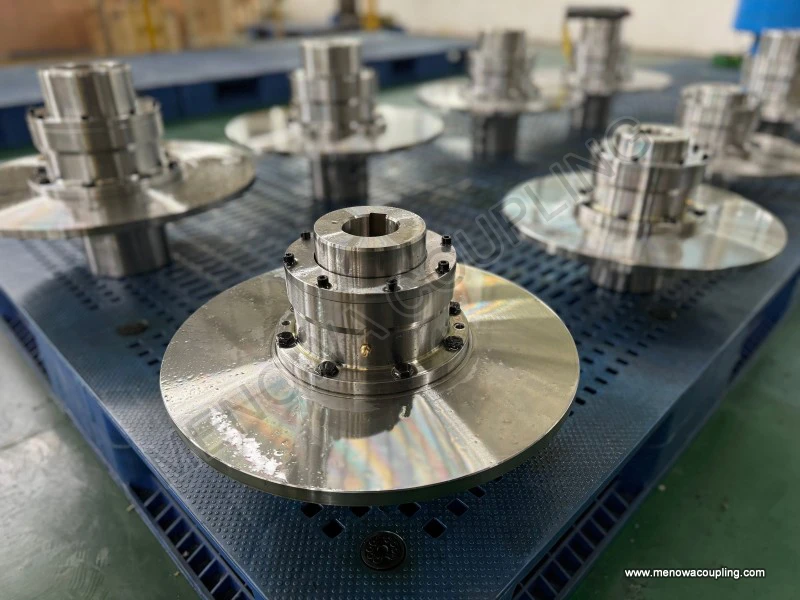
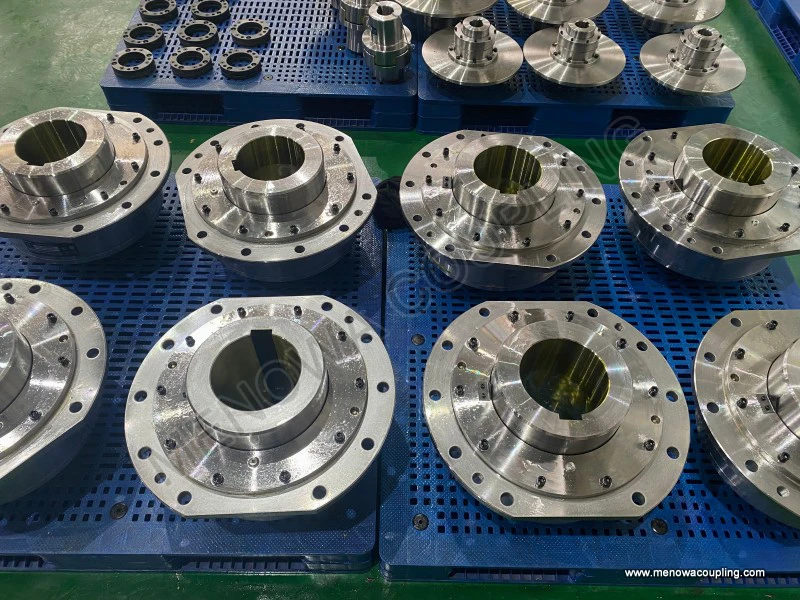
Ball mill shaft coupling stands as an indispensable foundational mechanical component within the complete transmission system of all industrial ball milling equipment, undertaking the core mechanical task of connecting discrete rotating shafts across different driving and driven mechanical units to achieve stable and continuous torque transmission in heavy-duty grinding production environments. In the overall structural layout of a standard ball mill production line, the coupling is arranged at the key connection positions between the power output end of the driving motor, the input and output ends of the reduction gearbox, and the pinion driving shaft linked to the ball mill main cylinder, forming a complete power transmission chain that converts electrical energy into mechanical rotational energy and ultimately drives the rotary operation of the ball mill grinding cylinder loaded with grinding media and raw materials. Unlike shaft couplings used in general light-duty mechanical equipment, ball mill shaft couplings are designed and manufactured exclusively to adapt to the harsh working conditions unique to grinding operations, including long-duration continuous operation, frequent cyclic load impact, complex shaft misalignment generated by mechanical operation and environmental changes, and persistent mechanical vibration and torsional fluctuation throughout the production cycle. The functional value of these couplings extends far beyond the basic mechanical function of simply connecting two rotating shafts; they serve as a critical buffer and protection barrier for the entire ball mill transmission system, effectively isolating and mitigating external mechanical shocks and internal vibration interference, coordinating the synchronous operation of all transmission components, avoiding abnormal stress concentration and local component wear caused by installation deviations, thermal expansion and contraction of metal parts, and minor mechanical displacement during long-term operation, and maintaining the long-term stable and reliable operation of the entire grinding production process in various industrial scenarios such as mineral processing, cement production, building materials processing, and chemical raw material grinding.
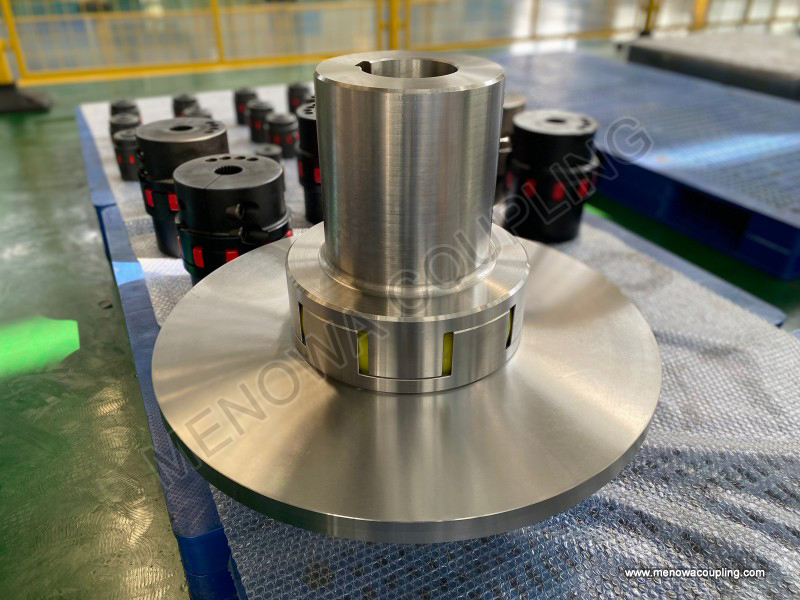
To fully understand the practical significance and working mechanism of ball mill shaft couplings, it is essential to first clarify the overall operating characteristics and transmission load characteristics of ball mill equipment, as the special working attributes of ball mills fundamentally determine the structural design parameters, material selection standards, and core performance requirements of supporting shaft couplings. Ball mills belong to typical heavy-duty rotating mechanical equipment that operates under continuous cyclic working conditions for a long time. The internal grinding cylinder is filled with a large number of steel balls, steel forgings, or other grinding media, as well as various raw materials that need to be ground into fine particles or ultra-fine powder materials. During the rotation of the grinding cylinder, the grinding media and raw materials inside continuously rise and fall under the action of centrifugal force and gravity, generating continuous alternating impact force, friction force, and torsional load on the transmission shaft system connected to the cylinder. At the moment of equipment startup and shutdown, the ball mill transmission system will bear instantaneous peak torque far exceeding the rated operating torque; in the normal continuous grinding process, the uneven distribution of internal raw materials and grinding media will lead to periodic fluctuation of transmission load, forming irregular torsional vibration and mechanical impact on the driving shaft and driven shaft connected at all levels. In addition, the long-term high-load operation of the ball mill will cause a certain temperature rise of the transmission shaft and related mechanical components, resulting in thermal expansion and slight deformation of the shaft body and connecting parts. Meanwhile, affected by foundation settlement of the production workshop, long-term mechanical vibration fatigue, and accumulated installation errors in daily maintenance and commissioning, the driving shaft and driven shaft connected by the coupling will inevitably produce different degrees of parallel misalignment, angular misalignment, and axial displacement in the actual working state. If there is no professional ball mill shaft coupling with flexible compensation and vibration damping performance to connect the shafts, all these complex loads and displacement deviations will directly act on the motor bearing, reduction gearbox gear set, pinion shaft, and other precision core components, leading to accelerated wear of parts, increased operating noise, frequent equipment failure, shortened overall service life of the ball mill, and even unexpected production shutdown and maintenance accidents, bringing unnecessary operational losses to industrial production enterprises.
The basic working principle of ball mill shaft couplings follows the core mechanical logic of power transmission and dynamic compensation for rotating machinery, realizing synchronous rotation and torque transmission between the driving shaft and driven shaft through its own structural connection form and flexible stress dissipation characteristics, while relying on the special structural design and elastic components inside the coupling to absorb vibration, buffer impact, and compensate for various shaft misalignments generated during equipment operation. In the actual working process, the driving power generated by the ball mill driving motor is first transmitted to the active hub part of the shaft coupling through the motor output shaft, and then the torque is evenly transmitted to the driven hub connected to the subsequent reduction gearbox or pinion shaft through the connecting structure or elastic intermediate part inside the coupling. In this process, the rigid connection structure of the coupling ensures the synchronous rotation speed of the driving shaft and driven shaft, avoiding rotational speed difference and power loss in the transmission process, while the flexible functional part of the coupling can effectively absorb the instantaneous shock load generated during equipment startup, shutdown and load fluctuation, convert the concentrated instantaneous stress into gradual and uniform mechanical stress, and avoid instantaneous impact damage to precision transmission components. For the parallel deviation, angular deviation and axial displacement between the two shafts caused by installation, thermal deformation and mechanical fatigue, the flexible structure or elastic elements inside the coupling can produce mild and controllable elastic deformation and adaptive displacement adjustment within the allowable mechanical range, without generating additional bending stress and shear stress on the shaft body and connected parts. This working mode of combining rigid torque transmission with flexible dynamic compensation makes the ball mill shaft coupling not only a simple connecting part in the mechanical structure, but also an important dynamic adjustment and protection component in the ball mill transmission system, balancing the rigid power transmission demand and flexible mechanical protection demand of heavy-duty grinding equipment.
According to different structural forms, transmission modes, and flexible compensation mechanisms, ball mill shaft couplings used in industrial production can be divided into two main categories, rigid couplings and flexible couplings, and each category includes multiple structural subtypes adapted to different ball mill models and working condition intensities, with obvious differences in application scenarios, load-bearing capacity, and compensation performance. Rigid ball mill shaft couplings adopt an all-metal rigid integrated connection structure, with no elastic deformation parts and movable compensation components inside, mainly relying on flange fastening, sleeve nesting, or shell clamping structures to realize rigid fixed connection between the driving shaft and driven shaft. This type of coupling has a relatively simple overall structure, convenient manufacturing and processing, low daily maintenance difficulty, and high torsional rigidity, which can ensure zero rotational speed difference and high-precision synchronous operation between the two shafts during the transmission process, with stable torque transmission efficiency and no power loss caused by elastic deformation. However, the obvious limitation of rigid couplings is that they do not have any vibration damping and misalignment compensation functions. Once there is slight installation deviation, thermal deformation displacement or mechanical vibration in the operation process, all additional stress and impact load will be directly transmitted to the connected shaft system and precision components. Therefore, rigid couplings are only suitable for small and medium-sized ball mill equipment with low power, stable load, high installation alignment accuracy, small operation vibration, and short continuous operation time, and are rarely used in large-scale heavy-duty ball mill production lines in mining and cement industries that require long-term uninterrupted operation and bear complex impact loads.
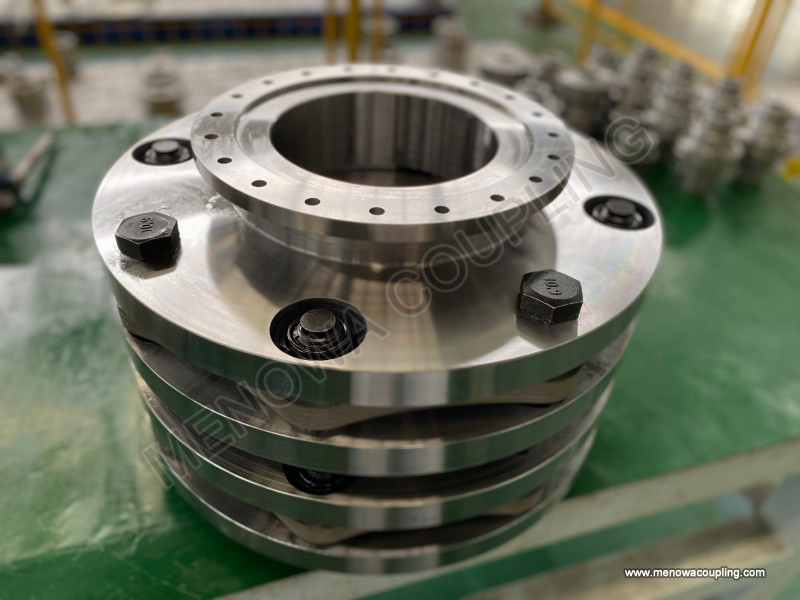
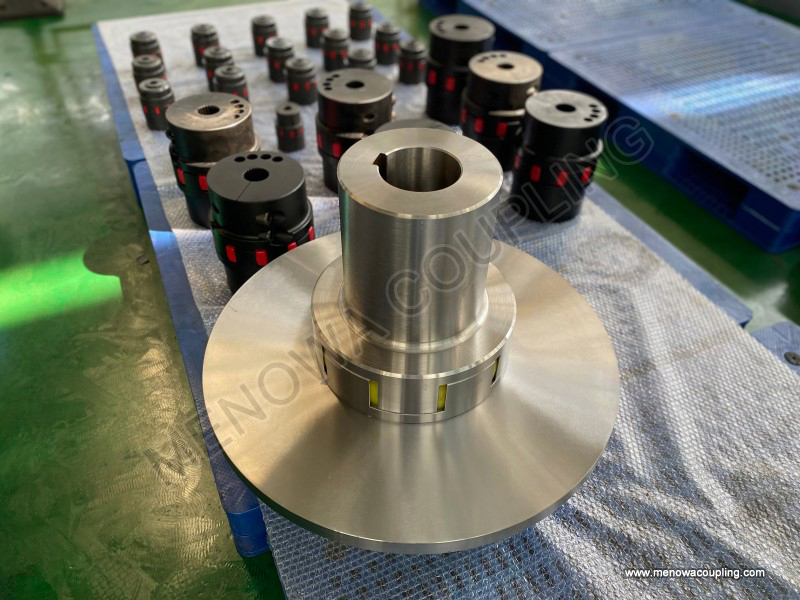
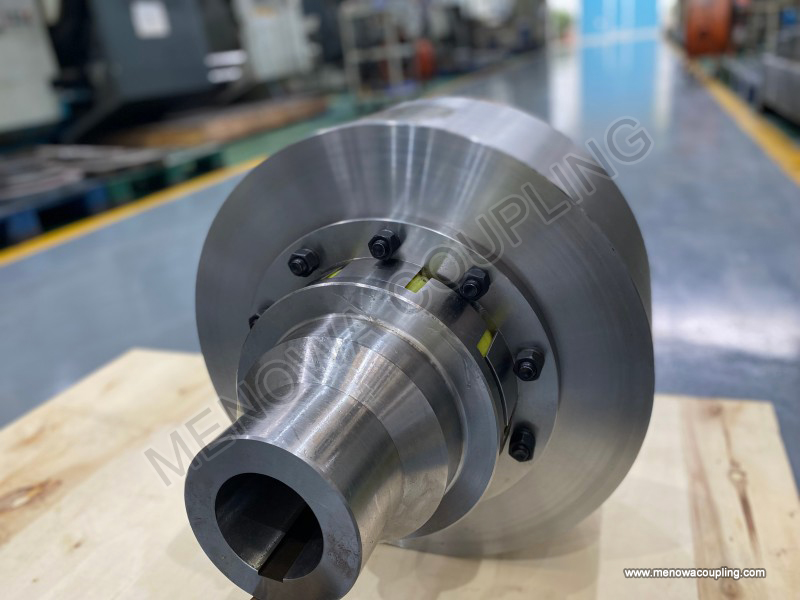
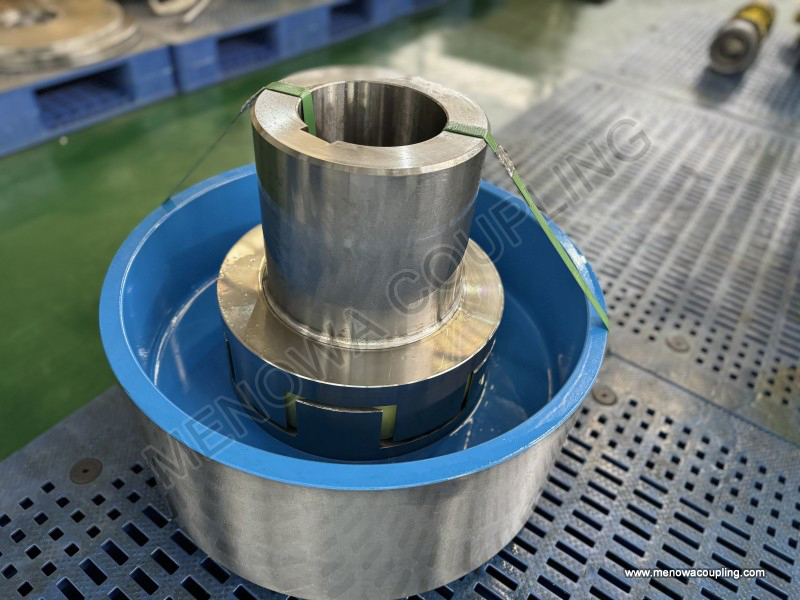
Flexible ball mill shaft couplings are the most widely used type in modern industrial ball mill supporting applications, equipped with elastic intermediate elements or movable adaptive connecting structures inside, with excellent vibration damping, impact buffering and multi-dimensional misalignment compensation functions, which can fully adapt to the harsh working conditions of heavy load, frequent impact and large vibration of large and medium-sized ball mills. This type of coupling can be further subdivided into elastomeric flexible couplings and metal flexible couplings according to the different materials of the flexible compensation components. Elastomeric flexible couplings use high-performance elastomeric materials as the intermediate force-bearing and deformation buffer parts, relying on the elastic deformation characteristics of rubber or polymer composite materials to absorb vibration energy, buffer instantaneous impact, and compensate for shaft misalignment. The overall structure of this kind of coupling is relatively simple, with good vibration damping effect, low operating noise, and strong ability to adapt to complex variable load working conditions. It can effectively reduce the vibration resonance phenomenon of the ball mill transmission system during operation, and protect gears, bearings and other vulnerable parts from vibration fatigue damage. Metal flexible couplings use metal elastic elements or multi-piece metal movable connecting structures to realize flexible compensation and torque transmission, with higher mechanical strength, temperature resistance, wear resistance and fatigue resistance than elastomeric flexible couplings, and can maintain stable working performance under high-temperature operation, heavy long-term load and harsh dust and moisture working environments. Metal flexible couplings have strong bearing capacity and long service life, and are more suitable for large-scale high-power ball mill equipment with harsh working conditions, high load impact frequency and long continuous operation cycle.
In the actual selection and matching process of ball mill shaft couplings, enterprises need to comprehensively consider multiple core factors such as the rated power of the ball mill, operating speed, load impact frequency, working environment conditions, installation and maintenance space, and the matching relation between the front and rear transmission components, rather than selecting coupling products according to a single parameter or subjective experience. The first core factor to be considered is the torque demand of the ball mill transmission system, including the rated continuous operating torque required for normal grinding production and the instantaneous peak torque generated at startup, shutdown and load mutation. The selected shaft coupling must have a sufficient torque bearing margin to ensure that it will not produce plastic deformation, structural damage or torque slippage under the action of long-term rated load and instantaneous peak load, and maintain the stability and continuity of power transmission. The second key factor is the misalignment compensation demand of the shaft system. According to the actual installation accuracy of the ball mill on-site, the thermal deformation degree of the shaft during operation, and the possible foundation settlement and mechanical displacement in the later stage, select a coupling with corresponding parallel, angular and axial displacement compensation range to ensure that the coupling can adapt to the shaft position changes in the whole life cycle of equipment operation without generating additional mechanical stress.
The working environment of the ball mill production site is also a crucial factor affecting the selection of shaft couplings. Most ball mill production workshops are accompanied by a large amount of dust, raw material particle splashing, and some production scenarios also have moisture, high temperature or slight corrosive medium erosion. In this case, the selected ball mill shaft coupling needs to have good dust resistance, wear resistance, temperature resistance and corrosion resistance. For elastomeric flexible couplings, it is necessary to select elastomer materials with anti-aging, wear-resistant and high-temperature resistant properties to avoid premature aging, deformation and failure of elastic elements due to long-term exposure to dust and high-temperature environment. For metal flexible couplings and rigid couplings, the surface needs to be treated with anti-rust and anti-corrosion processes to prevent metal corrosion, rust and structural strength reduction caused by long-term contact with moisture and corrosive substances, ensuring the long-term stable operation of the coupling structure. In addition, the installation and maintenance convenience of the coupling also needs to be fully considered. The internal space of the ball mill transmission installation area is limited, and the disassembly and assembly operation of equipment parts is relatively difficult. Therefore, the selected shaft coupling should have a simple and compact structural design, convenient disassembly and assembly steps, and easy replacement of vulnerable parts, which can reduce the time and labor cost of daily maintenance and later failure replacement, and avoid long-term production shutdown caused by coupling maintenance.
The installation and commissioning quality of ball mill shaft coupling directly determines its later operating effect, service life and the overall operating stability of the ball mill transmission system, and standardized and accurate installation and commissioning work is the primary prerequisite to ensure that the coupling gives full play to torque transmission, vibration damping and misalignment compensation functions. Before the formal installation of the coupling, relevant operators need to conduct comprehensive inspection and cleaning of all parts of the coupling and the matching driving shaft and driven shaft. Check whether the coupling hub, elastic elements, connecting fasteners and other parts have casting defects, processing damage, deformation and rust, check whether the shaft diameter and keyway size of the driving and driven shafts match the coupling installation size, and remove all dust, iron filings, oil stains and rust on the shaft surface and coupling inner hole to ensure that the matching connection surface is clean and flat without impurities, so as to avoid installation deviation and poor fit caused by sundries. In the formal installation process, the coaxiality calibration of the driving shaft and driven shaft is the core key link. Even if the selected coupling has good misalignment compensation performance, excessive initial installation misalignment will lead to long-term overload operation of the coupling flexible parts, accelerated fatigue wear, and early failure damage. Operators need to use professional detection tools to repeatedly measure and adjust the parallelism, angularity and axial spacing of the two shafts, control the installation misalignment within the reasonable allowable range specified by the coupling design, and ensure that the two shafts are in the best coaxial working state in the initial stage of installation.
After the shaft calibration is completed, the coupling hub is installed on the corresponding driving shaft and driven shaft respectively, and the fastening bolts and connecting parts are installed and tightened in accordance with the standard fastening sequence and torque requirements. It is necessary to avoid the problem of uneven bolt fastening force, which leads to local stress concentration and structural deformation of the coupling. After the installation is completed, a preliminary manual rotation test of the ball mill transmission system is required to check whether the coupling rotation is flexible and smooth, whether there is jamming, abnormal friction and eccentric rotation, and confirm that there is no abnormal mechanical resistance in the transmission process. Then, no-load test operation is carried out for a certain period of time to observe the operating state of the coupling, check whether there is abnormal vibration, excessive noise and local temperature rise during no-load operation, and timely adjust and correct any abnormal problems found. Only after the no-load test operation is stable and qualified can the ball mill be put into formal load grinding production operation. Good installation and commissioning work can not only ensure the efficient operation of the ball mill shaft coupling, but also effectively reduce the later operating failure rate, extend the overall service life of the coupling, and reduce the maintenance cost of the enterprise.
Daily maintenance and regular maintenance management are important guarantees to maintain the long-term stable performance of ball mill shaft couplings, delay the aging and wear of parts, and avoid sudden failure and shutdown accidents. In the daily production and operation process, front-line equipment operators need to conduct regular visual inspection and simple state monitoring of the shaft coupling during the daily patrol inspection work. The main inspection contents include whether the coupling has abnormal vibration and abnormal noise during operation, whether the connecting fasteners have loosening, falling off and rust, whether the elastomeric flexible elements have aging deformation, cracking, wear and peeling, and whether the metal structural parts have obvious wear, deformation and corrosion. For any minor abnormal problems found in the daily inspection, timely handling and adjustment shall be carried out immediately to avoid the expansion of minor faults into major equipment failures affecting normal production. For example, if the coupling fastening bolts are found to be loose, they shall be tightened in time according to the standard torque; if the elastic elements are found to have slight aging and cracking, they shall be marked in advance and replaced in the subsequent regular maintenance shutdown window.
In addition to daily patrol inspection, enterprises need to formulate a regular professional maintenance plan for ball mill shaft couplings according to the actual operating intensity and working environment conditions of the ball mill, and conduct comprehensive disassembly inspection, maintenance and maintenance work on a regular basis. During regular maintenance, the coupling needs to be disassembled completely, all parts are thoroughly cleaned to remove accumulated dust, oil dirt and raw material particles, the wear degree, deformation state and aging degree of each part are comprehensively detected, and the vulnerable parts that have reached the wear limit and aging failure standard are replaced in a timely manner. For metal structural parts of the coupling, anti-rust lubrication treatment should be carried out regularly to reduce friction wear between connecting movable parts and prevent metal corrosion and rust. For the coaxiality of the driving shaft and driven shaft, re-calibration and adjustment should be carried out during each regular maintenance to correct the shaft displacement deviation caused by long-term operation vibration and foundation settlement, ensuring that the coupling is always in a good matching working state. Scientific and standardized daily maintenance and regular maintenance can effectively reduce the failure probability of ball mill shaft couplings, extend the service cycle of the coupling, ensure the long-term continuous and stable operation of the ball mill transmission system, and create stable production benefits for industrial grinding production enterprises.
In the long-term industrial grinding production practice, the reasonable matching, scientific installation and standardized maintenance of ball mill shaft couplings play an irreplaceable important role in improving the overall operating efficiency of ball mill equipment, reducing equipment operating energy consumption, and extending the service life of the entire transmission system components. Many production enterprises often focus on the production capacity and grinding efficiency of the ball mill itself, ignoring the important protective and transmission coordination role of the supporting shaft coupling, resulting in frequent failure of the coupling in the later stage of equipment operation, which in turn leads to damage of gears, bearings and other precision parts of the transmission system, increased equipment maintenance costs, and frequent production shutdown and maintenance, affecting the normal production schedule of the enterprise. With the continuous upgrading of modern industrial production requirements for equipment energy saving, consumption reduction and stable operation, the structural design and material manufacturing technology of ball mill shaft couplings are also constantly optimized and upgraded, developing towards higher load-bearing capacity, better vibration damping and compensation performance, stronger environmental adaptability and longer service life.
In the future industrial grinding production field, ball mill shaft couplings will continue to be optimized and improved in combination with the actual working condition characteristics of different grinding scenarios, and more adaptive and durable coupling products will be developed for special working conditions such as high temperature, high dust, heavy impact and long-term continuous operation. At the same time, with the popularization of equipment intelligent operation and maintenance management technology, the state monitoring and fault early warning management of ball mill shaft couplings will be further improved, realizing real-time monitoring of coupling operating vibration, temperature and wear state, early prediction of potential failure risks, and realizing predictive maintenance of couplings, further reducing equipment failure shutdown time and improving the overall intelligent operation level of ball mill production lines. In any case, as a key core connecting and protective component in the ball mill transmission system, ball mill shaft coupling will always be an important part that cannot be ignored in the equipment management and maintenance work of grinding production enterprises. Only by attaching importance to the selection matching, installation commissioning, daily maintenance and regular maintenance of shaft couplings, can we ensure the long-term stable, efficient and safe operation of ball mill equipment, lay a solid foundation for the stable development of industrial grinding production activities, and help enterprises achieve better production and operation benefits in the fierce industrial market competition.
Post Date: Apr 25, 2026
https://www.menowacoupling.com/coupling-supplier/ball-mill-shaft-coupling.html
Tags
Related Articles
Advantages Of Flexible Coupling
In the complex and interconnected world of mechanical power transmission, the seamless transfer of torque and rotational motion between rotating shafts stands as a foundational requirement for the steady operation of all types of industrial and commercial machinery. Every mechanical system that relies on motors, engines…
 WeChat
 WhatsApp