Air Compressor Coupling
In the entire mechanical transmission system of air compression equipment, the air compressor coupling occupies an indispensable and foundational position as the key mechanical component responsible for connecting the power input end and the compression operation end of the equipment. Every set of air compression equipment, whether applied in industrial production workshops, mechanical processing supporting facilities, construction engineering supporting pneumatic systems, or daily light industrial processing scenarios, relies on the stable and reliable operation of the coupling to realize the continuous transmission of rotational torque and mechanical power between the driving shaft and the driven shaft. The basic design logic of this component is centered on balancing efficient power transmission, mechanical vibration buffering, shaft position deviation compensation, and equipment overload protection, forming a core connection link that determines the overall operating stability, running noise level, mechanical wear degree, and long service cycle of the air compressor unit. Unlike other easily noticeable functional parts of air compressors such as compression hosts, air storage tanks, and control modules, couplings often operate in a hidden installation state inside the equipment unit, and their importance is easily overlooked in daily equipment use and routine management work. However, in the actual long-term running process of air compressors, most of the common mechanical faults such as abnormal vibration of the unit, excessive running noise, accelerated wear of the motor bearing and compression host bearing, unstable compression power output, and even sudden shutdown of the equipment due to transmission jamming are closely related to improper coupling selection, non-standard installation operation, insufficient daily maintenance, and performance attenuation caused by long-term fatigue operation. Understanding the internal working mechanism of air compressor couplings, mastering the differences in structural characteristics and applicable scenarios of different types of couplings, standardizing the whole process of installation, commissioning, daily inspection and regular maintenance, and scientifically matching couplings according to the actual operating load and working environment of air compressors are essential prerequisites to ensure the efficient and stable operation of air compression equipment, reduce unnecessary mechanical maintenance costs, extend the overall service life of the unit, and maintain the continuity of on-site production and processing work.
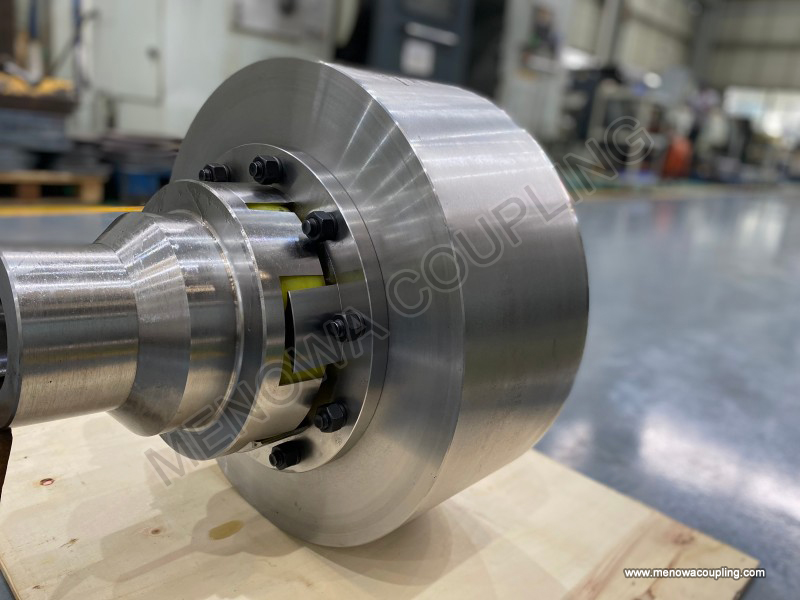
The core essential function of any air compressor coupling is to achieve efficient and stable transmission of rotational mechanical power between two independent rotating shafts, namely the motor driving shaft that provides power source and the compression host driven shaft that performs air compression work. In the working process of air compressor equipment, the motor converts electrical energy into rotational mechanical energy, and this energy must be accurately and continuously transmitted to the compression host through the coupling to drive the internal rotor, piston or other compression structural parts to perform cyclic reciprocating or rotating motion, so as to complete the whole process of air intake, compression, pressure stabilization and output of compressed air. In this basic power transmission process, the coupling needs to maintain a rigid and stable connection state under normal rated load operating conditions, ensuring that there is no obvious power loss or rotational speed deviation in the power transmission link, and the air compressor can maintain a stable compressed air output pressure and flow rate within the designed working range. At the same time, the coupling is not a simple rigid connecting part. Its structural design also undertakes multiple auxiliary protection and buffering functions derived from the actual complex operating conditions of air compressors. During the start-up and shutdown stages of the air compressor unit, the instantaneous torque generated by the motor will change abruptly, and the compression host will also produce certain mechanical resistance and inertial resistance due to the static state or deceleration state. The coupling can effectively buffer the instantaneous impact torque generated during the start-stop switching process, avoid the direct action of sudden impact force on the motor shaft and the compression host shaft, and prevent the shaft body from bending deformation, thread damage or internal fatigue cracks caused by long-term impact load. This buffering effect is particularly critical for medium and large industrial air compressor units that start and stop frequently. Frequent start-stop impact without effective buffering will lead to continuous fatigue damage of the transmission shaft system in a short time, greatly increasing the probability of shaft breakage and bearing burnout failure.
Compensation for shaft misalignment is another vital core function that air compressor couplings must bear in actual operation. In the production, processing and assembly process of air compressor motor and compression host, it is impossible to achieve absolute coaxial alignment between the motor driving shaft and the compression host driven shaft due to the limitations of mechanical processing accuracy, assembly process level and equipment installation foundation conditions. Even if the most precise alignment and calibration work is carried out during the initial equipment installation, after a period of equipment operation, affected by mechanical vibration, foundation settlement, temperature thermal expansion and cold contraction of parts, and slight deformation of the unit frame, different degrees of offset deviation will inevitably occur between the two connected shafts. This misalignment can be divided into three main forms in mechanical structure: radial offset where the two shafts are parallel but not on the same central axis, angular offset where the two shafts have a certain included angle in the axial direction, and axial displacement where the two shafts have a certain gap deviation in the horizontal axial direction. If the two shafts are connected by a completely rigid connecting structure without any compensation ability, the misalignment deviation will generate continuous additional radial force and axial force during the rotating operation of the unit. These additional forces will directly act on the bearings of the motor and the compression host, resulting in aggravated bearing friction and wear, increased operating temperature of the bearing position, and accelerated aging and failure of lubricating grease. At the same time, the periodic shear force generated by misalignment will also cause severe vibration of the transmission shaft system, increase the overall running noise of the air compressor, lead to unstable operation of the compression host, and even cause abnormal wear of the internal compression components, affecting the compression efficiency and air supply quality. The air compressor coupling is designed with special flexible structures, elastic components or adjustable connecting structures, which can effectively absorb and adapt to the above three types of shaft misalignment within a reasonable allowable range, offset the additional mechanical stress caused by misalignment, ensure that the shaft system rotates smoothly without additional resistance, and protect the motor, compression host and core bearing parts from abnormal wear and damage caused by installation and operation deviation.
Vibration damping and noise reduction are also important functional values of air compressor couplings that cannot be ignored in the daily operation of the unit. All air compressor units will produce mechanical vibration during operation. The vibration sources mainly come from two aspects: one is the high-speed rotating vibration generated by the motor rotor during operation, and the other is the mechanical vibration and impact generated by the cyclic compression movement of the internal structural parts of the compression host when compressing air. These vibrations will be transmitted along the connecting shaft body between the motor and the compression host. Without the vibration isolation and damping effect of the coupling, the vibration generated by one end will be directly transmitted to the other end, forming vibration resonance inside the entire unit. Vibration resonance will not only further amplify the vibration amplitude of the air compressor unit, affect the stability of the equipment installation foundation, and even cause the loosening of the fixed bolts of the unit and the cracking of the installation base in severe cases, but also lead to the loosening of various internal connecting parts of the equipment, increasing the failure rate of auxiliary parts such as pipelines and control components. Most air compressor couplings are equipped with elastic damping materials or flexible connecting structures inside. These structural parts can effectively absorb the vibration energy generated during the operation of the motor and the compression host, block the mutual transmission of vibration between the two shafts, reduce the overall vibration amplitude of the unit, and make the operation of the air compressor more stable and smooth. At the same time, mechanical vibration is the main source of operating noise of air compressor equipment. The effective damping effect of the coupling can greatly reduce the mechanical friction noise and resonance noise generated by vibration in the transmission process, reduce the overall operating noise level of the unit, improve the on-site working environment of the production and operation area, and meet the basic environmental operation requirements of mechanical equipment in various working scenarios. Especially for air compressors used in indoor production workshops, office supporting facilities and residential surrounding supporting engineering scenarios, the noise reduction and vibration damping performance of couplings directly affect the comfort of the working environment and the compliance of on-site equipment operation.
Overload protection is a practical safety protection function derived from the structural design of some types of air compressor couplings, which plays a key role in avoiding major mechanical failure and equipment damage of air compressor units under abnormal working conditions. In the actual production and operation process, the air compressor may face various unexpected overload situations, such as blocked air intake and exhaust pipelines leading to excessive compression resistance of the compression host, foreign matter entering the compression cavity causing stuck operation of internal compression parts, abnormal voltage fluctuation leading to abnormal output power of the motor, and long-term overpressure operation of the unit exceeding the designed load range. When the air compressor is overloaded, the rotational resistance of the compression host increases sharply, and the motor output torque cannot drive the compression host to operate normally. If the transmission connection between the motor and the compression host is always in a rigid locked state, the excessive torque generated by the motor will directly act on the compression host shaft, motor shaft and internal transmission parts, which is very easy to cause serious damage such as shaft body fracture, gear tooth breakage, motor burnout and compression host internal parts damage. The coupling with overload protection function will automatically disconnect the power transmission connection between the two shafts or slip and buffer when the transmission torque exceeds the preset safe torque range. This temporary disconnection or slipping state can cut off the transmission of excessive overload torque in time, isolate the motor and compression host from the overload load, avoid the direct impact of overload torque on the core mechanical parts of the equipment, and only need to check and eliminate the overload fault of the equipment and reset the coupling to restore the normal operation of the unit. This passive safety protection mechanism can effectively reduce the maintenance cost and maintenance difficulty caused by equipment overload failure, avoid major mechanical damage accidents of air compressor units, and ensure the safety and stability of mechanical equipment operation.
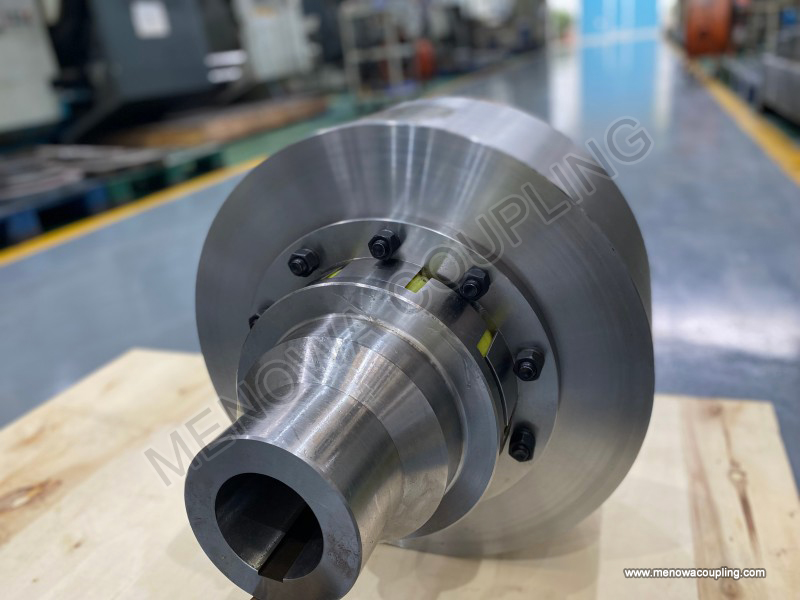
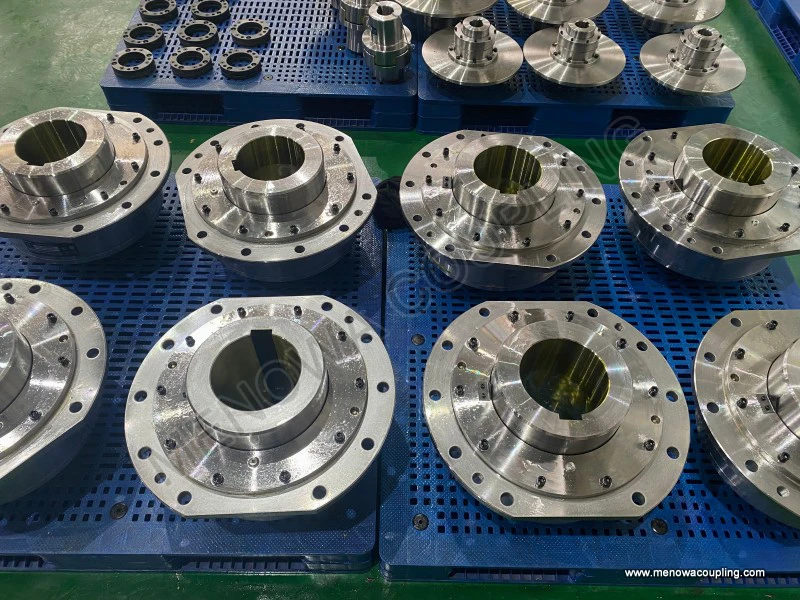
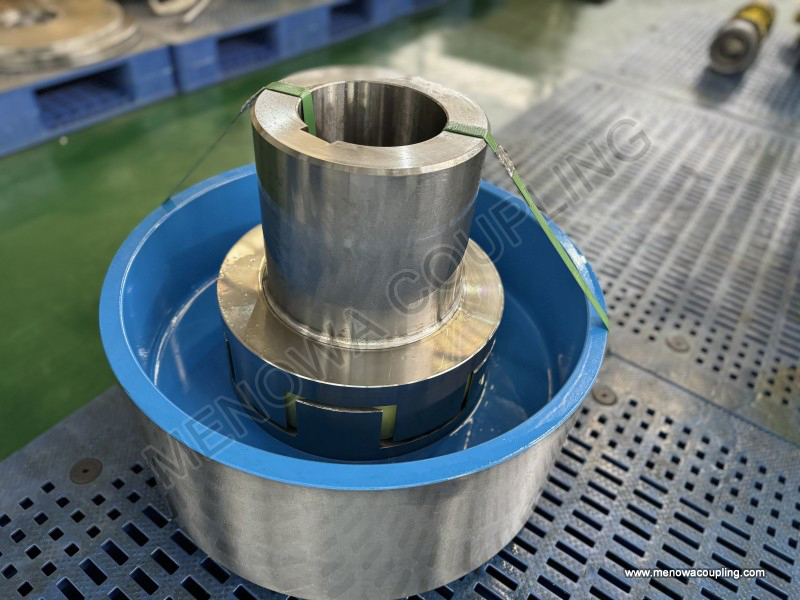
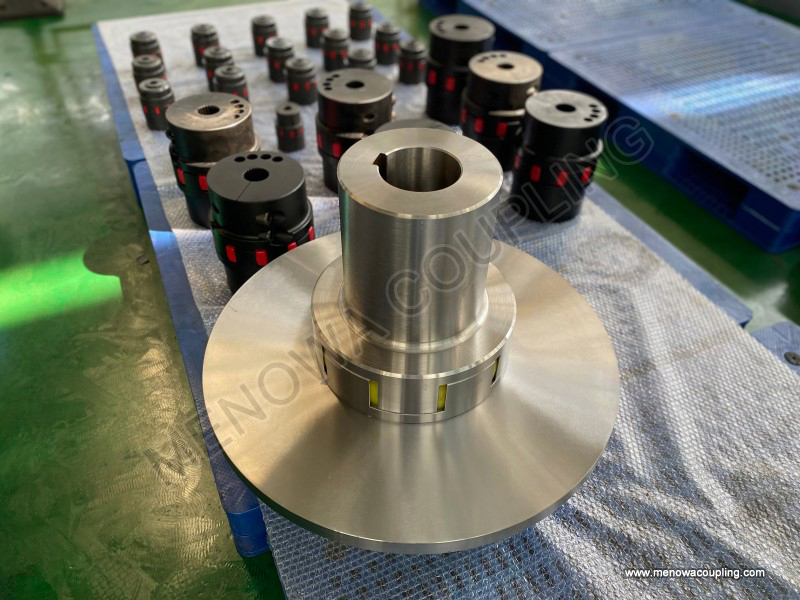
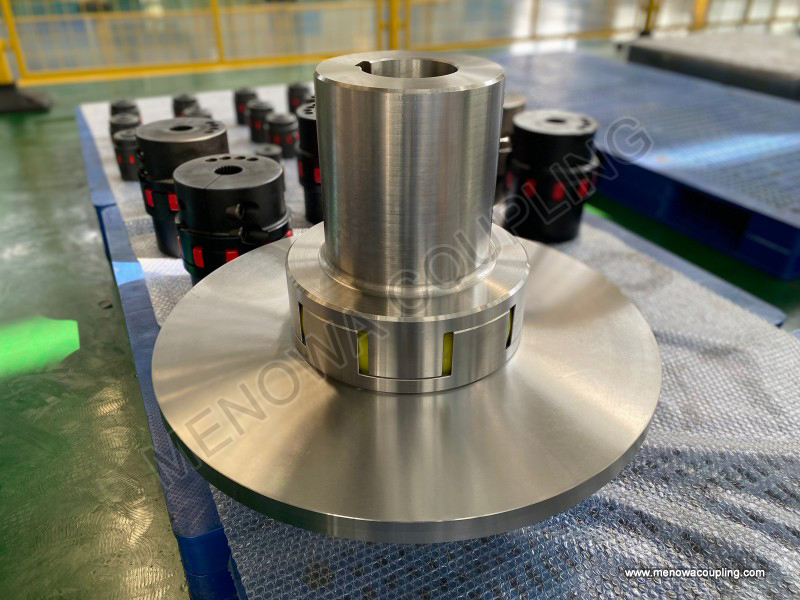
There are various types of couplings suitable for air compressor equipment, and different types of couplings have obvious differences in structural design, material selection, performance characteristics and applicable working conditions. The reasonable selection of coupling type according to the power size, operating load characteristics, working environment conditions and operation cycle of the air compressor is the primary premise to give full play to the performance of the coupling and ensure the long-term stable operation of the unit. Flexible elastic couplings are the most widely used type in small and medium-sized conventional air compressor equipment. This type of coupling mainly relies on elastic components such as rubber blocks, polyurethane elastic rings and plastic elastic sleeves inside the structure to realize power transmission, misalignment compensation and vibration damping functions. The structural design of flexible elastic couplings is relatively simple, the overall manufacturing cost is moderate, the installation and disassembly process is convenient and fast, and the later daily maintenance work is less complicated. The elastic materials used have good vibration damping performance and certain misalignment compensation ability, which can well adapt to the conventional continuous operation working conditions of small and medium-sized air compressors in general industrial production, mechanical processing and light industry scenarios. The characteristics of low operation noise and stable buffering performance make this type of coupling suitable for air compressor units that do not bear extreme heavy load and have moderate start-stop frequency. The only limitation is that the elastic components inside the coupling will gradually produce aging, fatigue deformation and performance attenuation after long-term high-load operation and repeated vibration impact. It is necessary to regularly check the aging degree of the elastic parts and replace them regularly according to the actual operation condition to avoid the failure of the coupling caused by the failure of the elastic components.
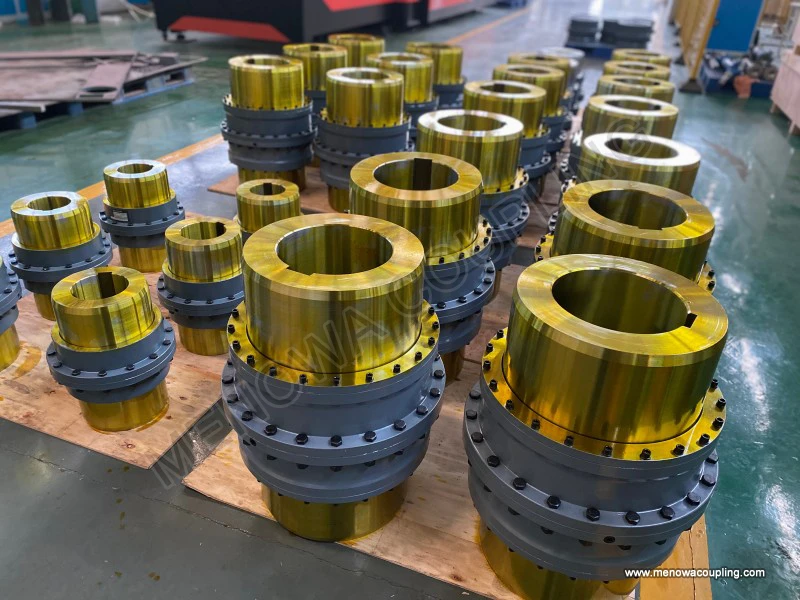
Gear couplings are mostly used in large-scale industrial high-power air compressor units with heavy load, high torque and long-term continuous uninterrupted operation. This type of coupling adopts a metal rigid flexible composite structure, which is composed of internal and external gear rings and connecting flange structures. The power transmission is realized through the meshing between gears, and the special tooth shape design can realize a certain range of shaft misalignment compensation while ensuring high-strength rigid power transmission. Gear couplings have extremely high torque bearing capacity and transmission efficiency, small power loss in the transmission process, strong structural rigidity and wear resistance, and can adapt to the harsh working conditions of long-term continuous operation, high load operation and frequent variable load operation of large air compressors. The structural stability of gear couplings is excellent, and the service life of the main metal structure is long, and there is no need for frequent replacement of internal parts in the later stage. However, the installation and alignment accuracy requirements of gear couplings are high, the installation and commissioning process is complicated, and regular lubrication and maintenance of the gear meshing parts are required during daily operation. Good lubrication conditions must be maintained to reduce gear meshing friction and wear and avoid gear tooth surface abrasion and transmission jamming. In addition, the vibration damping performance of gear couplings is relatively weak compared with flexible elastic couplings, and additional vibration damping measures need to be configured for the unit in the actual use process to cooperate with the operation.
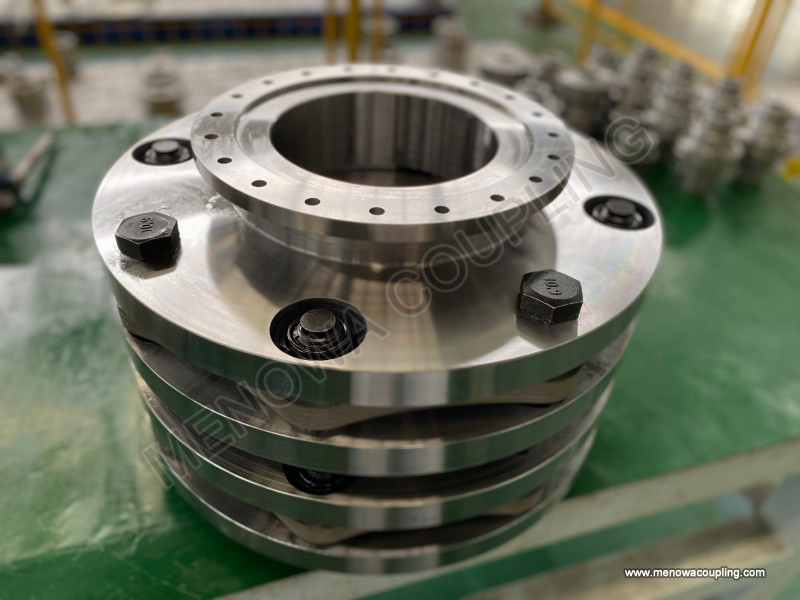
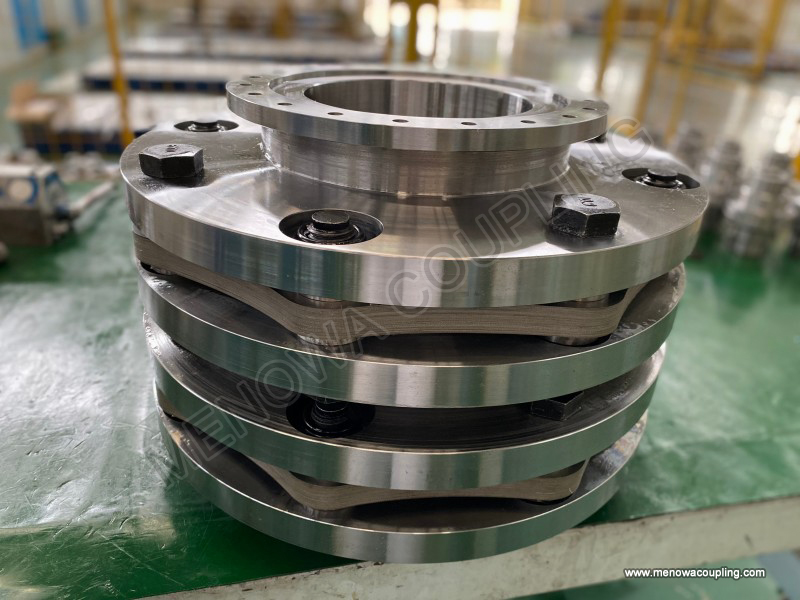
Diaphragm couplings are widely used in medium and high-end air compressor equipment that requires high transmission accuracy, low vibration and long-term maintenance-free operation. This type of coupling uses metal thin-wall diaphragm as the flexible connecting component, and realizes power transmission and misalignment compensation through the elastic deformation of the metal diaphragm. The structural design of diaphragm couplings has no elastic polymer materials, so there is no aging and failure problem of elastic parts, and the service life is long. The transmission accuracy of diaphragm couplings is high, the power loss in the transmission process is extremely low, the vibration and noise generated during operation are small, and the compensation ability for various shaft misalignment is precise and stable. It can adapt to the high-precision and high-stability operation requirements of air compressor units in precision manufacturing, electronic industry, medical equipment supporting and other high-precision production scenarios. The overall structural strength of diaphragm couplings is high, the fatigue resistance and high temperature resistance are excellent, and it can maintain stable performance in high-temperature, dusty and slightly corrosive working environments. The disadvantage is that the manufacturing and processing requirements of diaphragm couplings are high, the overall cost input is higher than that of ordinary flexible elastic couplings, and the installation and alignment work requires professional operation and precision detection to ensure the installation quality and avoid diaphragm damage caused by installation deviation.
The installation and commissioning quality of air compressor coupling directly determines the initial operating state and later service life of the coupling and the entire transmission shaft system. No matter what type of coupling is selected, if the installation and alignment work is not standardized and the commissioning is not in place, even the high-quality coupling will have performance attenuation and early failure in a short time, and even cause abnormal vibration and failure of the air compressor unit. Before the formal installation of the coupling, the first step is to carry out comprehensive cleaning and inspection work on the motor shaft, compression host shaft and all parts of the coupling. It is necessary to remove oil stains, rust, burrs and sundries on the surface of the shaft body and the connecting parts of the coupling, check whether the shaft body has bending deformation, whether the keyway and connecting key are worn or deformed, and whether the coupling parts have cracks, deformation and structural damage. Any unqualified parts must be repaired or replaced in time before installation to avoid hidden dangers of installation quality. In the formal assembly process, the coupling parts should be sleeved on the motor shaft and the compression host shaft respectively according to the assembly sequence, and the connecting key should be installed in place to ensure the tight fit between the coupling and the shaft body without looseness and radial shaking. After the preliminary assembly of the coupling is completed, the most critical shaft alignment work needs to be carried out. Professional alignment tools and measuring methods should be used to detect the radial offset, angular offset and axial displacement between the two shafts, and adjust the installation position of the motor and the compression host according to the detection results, so that the misalignment deviation is controlled within the allowable range specified by the coupling design. Excessive misalignment deviation is the main cause of early wear and failure of couplings and bearings, and alignment work must be meticulous and accurate without perfunctory operation.
After the completion of coupling installation and alignment, the fastening work of all connecting bolts and fixing parts should be done well. The bolts need to be tightened symmetrically and evenly in sequence to avoid uneven fastening force leading to local deformation of the coupling and secondary shaft misalignment. After the installation and fastening are completed, it is not allowed to start the air compressor unit for full-load operation immediately. It is necessary to carry out no-load trial operation first. During the no-load trial operation, observe the rotating state of the coupling, check whether there is abnormal vibration, abnormal noise, friction and jamming phenomenon in the coupling operation, monitor the temperature change of the coupling connection position, and confirm that the coupling rotates smoothly and all indexes are normal. After the no-load trial operation runs stably for a period of time, gradually switch to low-load and medium-load operation, and finally carry out rated full-load operation. In the process of gradual load increase, continuously observe the operation state of the coupling and the entire air compressor unit, find abnormal problems in time and stop the machine for adjustment and processing, so as to ensure that the coupling can adapt to the load operation state of the unit and avoid mechanical failure caused by sudden full-load impact.
Daily inspection and regular maintenance are essential to maintain the long-term stable performance of air compressor couplings and extend the service life of components. In the daily operation and management of air compressor equipment, the on-site equipment operation and maintenance personnel need to include the coupling in the daily routine inspection scope of the equipment. During the daily equipment patrol inspection, it is necessary to visually check the appearance state of the coupling, observe whether there is obvious deformation, cracking, looseness and displacement of the coupling and connecting parts, check whether the elastic components of the flexible coupling have aging, deformation, cracking and falling off, and check whether there is oil leakage and dust accumulation on the surface of the gear coupling and diaphragm coupling. At the same time, during the operation of the unit, listen to whether the coupling has abnormal friction noise and impact noise, and feel whether the coupling connection position has obvious abnormal vibration. Once any abnormal phenomenon is found in the daily inspection, it is necessary to mark the problem in time, arrange equipment shutdown inspection and maintenance as soon as possible, and avoid small hidden dangers evolving into major mechanical failures leading to equipment shutdown and production interruption.
In addition to daily routine inspection, regular comprehensive maintenance and overhaul of air compressor couplings should be carried out regularly according to the operating time and load intensity of the air compressor unit. For flexible elastic couplings used in conventional small and medium-sized air compressors, regular disassembly and inspection should be carried out every certain operating cycle to check the fatigue aging degree of internal elastic parts, replace the elastic components that have been deformed, aged and failed in time, re-calibrate the shaft alignment state, and re-fasten all connecting bolts to ensure the stable connection state of the coupling. For gear couplings used in large high-power air compressors, regular lubricating oil replacement and gear meshing wear inspection work are required. The old lubricating oil inside the coupling should be cleaned regularly, new professional lubricating grease should be injected, the wear degree of gear tooth surface should be checked, and the gear coupling should be repaired and maintained in time according to the wear condition to ensure good lubrication and meshing state. For diaphragm couplings, regular appearance inspection and deformation detection of the metal diaphragm are required to check whether the diaphragm has fatigue cracks and permanent deformation, and ensure that the diaphragm has good elastic deformation performance and transmission accuracy.
In addition to installation, inspection and maintenance, the correct use and operation management of air compressor equipment also has an important impact on the service life and operating state of the coupling. In the daily use process, it is necessary to avoid frequent start-stop operation of the air compressor unit as much as possible. Frequent start-stop will make the coupling bear repeated instantaneous impact torque, accelerate the fatigue aging of coupling parts and shorten the service life. At the same time, avoid long-term overload and overpressure operation of the air compressor. Long-term overload operation will make the coupling work under excessive torque load for a long time, resulting in accelerated deformation and wear of coupling structural parts and reduced protection performance. In addition, the working environment of the air compressor should be kept clean and dry as much as possible to avoid the coupling being in dusty, humid, corrosive gas and high-temperature harsh environment for a long time. Dust and dirt accumulation will increase the friction and wear of the coupling rotating parts, humid and corrosive environment will cause rust and corrosion of the coupling metal parts, and high temperature environment will accelerate the aging deformation of the elastic parts of the flexible coupling, all of which will affect the normal operation and service life of the coupling.
In the whole life cycle of air compressor equipment operation and management, the coupling, as a small but core key connecting component, undertakes the important responsibilities of power transmission, vibration buffering, deviation compensation and safety protection. Its operating state is closely linked to the overall operating efficiency, operation stability, failure rate and maintenance cost of the air compressor unit. Many production and operation enterprises often focus on the maintenance and maintenance of large core parts such as air compressor compression hosts and motors, but ignore the daily management and maintenance of couplings, resulting in frequent minor faults of the transmission system of air compressor equipment, shortened service life of bearings and shafts, increased maintenance costs, and even affecting the normal progress of production work. Only by deeply understanding the structural characteristics and functional principles of air compressor couplings, scientifically selecting the appropriate coupling type according to the actual working conditions of the equipment, standardizing the installation and commissioning operation process, doing a good job in daily inspection and regular maintenance work, and standardizing the daily use and operation management of the equipment, can the coupling always maintain a good working state, give full play to all core functions, ensure the long-term efficient, stable and safe operation of the air compressor unit, create stable and reliable pneumatic power support for various production and processing work, and realize the long-term stable operation and efficient energy-saving operation of mechanical compression equipment.
Post Date: Apr 25, 2026
https://www.menowacoupling.com/coupling-supplier/air-compressor-coupling.html
Tags
Related Articles
Advantages Of Flexible Coupling
In the complex and interconnected world of mechanical power transmission, the seamless transfer of torque and rotational motion between rotating shafts stands as a foundational requirement for the steady operation of all types of industrial and commercial machinery. Every mechanical system that relies on motors, engines…
 WeChat
 WhatsApp