Engine Coupling
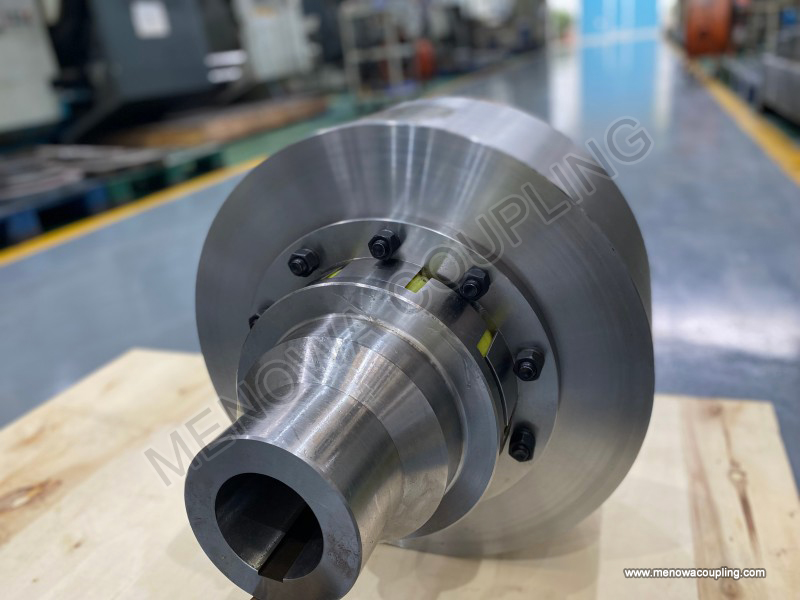
Within the intricate and interconnected framework of modern mechanical power transmission systems, engine coupling stands as an indispensable foundational mechanical component that serves as the critical connecting link between engine power output ends and driven mechanical equipment assemblies. Every mechanical system that relies on internal combustion power generation and power conversion operation depends heavily on the stable and coordinated operation of engine coupling to complete the continuous transmission of rotational torque, kinetic energy conversion, and operational coordination between driving and driven components. Unlike basic mechanical connecting parts that only achieve simple structural docking and fixed connection, engine coupling undertakes multiple comprehensive mechanical responsibilities throughout the entire service cycle of power machinery, covering basic power transmission, operational deviation compensation, vibration and shock isolation, mechanical load buffering, and system operation protection, all of which jointly determine the overall operational stability, mechanical service life, and comprehensive operating efficiency of the entire engine supporting transmission system. In practical industrial production, mobile power equipment operation, and commercial mechanical application scenarios, the operating state of engine coupling is often closely related to the normal start-up, stable operation under variable load conditions, and safe shutdown of the entire mechanical unit, and even subtle structural matching deviations or long-term operating fatigue wear of the coupling will gradually evolve into abnormal vibration of the transmission system, accelerated wear of matching shafts and bearings, unstable torque transmission, and in severe cases, sudden shutdown of mechanical equipment and mechanical component damage that requires long-term maintenance and repair. Understanding the inherent working mechanism, structural adaptation characteristics, operational matching logic, and daily maintenance and protection rules of engine coupling is not only a core prerequisite for mechanical design and system assembly work but also a key guarantee for long-term reliable operation of various engine-driven mechanical equipment in complex and changeable working environments.
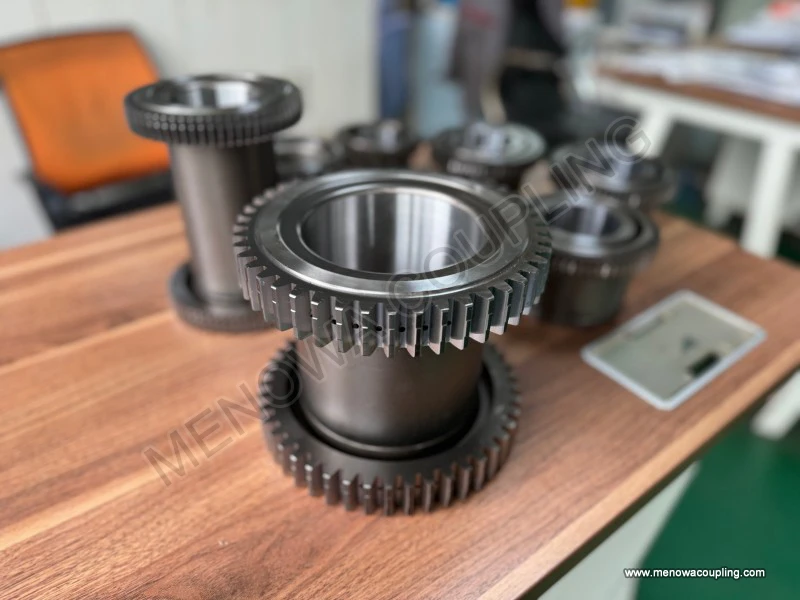
The fundamental working logic of engine coupling originates from the basic mechanical demand of connecting two independent rotating shafts belonging to the engine power output end and the driven equipment input end, forming a complete and continuous power transmission channel without changing the original power output characteristics and rotational operation rules of the engine itself. The engine, as the core power source of the entire mechanical system, generates rotational mechanical energy through the internal combustion of fuel and the cyclic operation of internal crankshaft and connecting rod mechanisms, and this rotational energy needs to be accurately and stably transmitted to various subsequent driven equipment, including power generation sets, hydraulic pump sets, mechanical transmission devices, walking driving mechanisms, and industrial compression equipment, to support the normal functional operation of terminal mechanical facilities. In this whole power transmission process, the two rotating shafts connected by the engine coupling can never maintain an absolutely ideal coaxial alignment state in actual assembly and long-term operation. Due to inevitable factors such as mechanical assembly tolerance errors in the production and installation stage, thermal expansion and contraction deformation of metal components caused by long-term high-temperature operation of the engine, slight structural settlement of mechanical equipment during long-term fixed use, and mechanical displacement caused by alternating load impact during equipment operation, different degrees of radial deviation, angular deviation, and axial displacement will always occur between the driving shaft and the driven shaft. These subtle deviations that are difficult to completely eliminate are the core root of why engine coupling must have flexible adaptation and deviation compensation capabilities, and also the essential difference between professional engine coupling and ordinary rigid connecting mechanical parts. Ordinary rigid connecting structures can only achieve simple fixed connection of shafts in an ideal installation state, and cannot adapt to any slight deviation and operational displacement in the working process; once deviation occurs, rigid structures will directly transmit all additional mechanical stress, friction torque, and impact load to the connected shafts and supporting bearings, resulting in severe mechanical wear and structural fatigue damage in a short time. Engine coupling, by virtue of its reasonable structural design and targeted material selection, can effectively absorb and offset various misalignment deviations generated during equipment operation on the premise of ensuring efficient transmission of main rotational torque, avoid additional mechanical stress caused by shaft misalignment acting on key mechanical components, and maintain the stability and continuity of the overall power transmission process.
Beyond the basic core function of power transmission and deviation compensation, engine coupling also plays a vital role in vibration damping and shock isolation for the entire engine power transmission system, which is particularly prominent in complex working conditions with frequent load changes and unstable engine operation. During the start-up and shutdown stages of the engine, as well as the working process of sudden load increase or decrease, the internal combustion operation of the engine and the load change of the driven equipment will generate obvious alternating vibration and instantaneous impact load. This kind of vibration and impact cannot be avoided in the actual operation of mechanical equipment, and if directly transmitted between the engine and the driven equipment without buffering and isolation measures, it will cause resonance of the entire mechanical unit, accelerate the fatigue aging of various mechanical connecting parts, fasteners, and bearing components, and greatly shorten the overall service life of the equipment. Engine coupling relies on its internal elastic structure, flexible connecting components, and special structural buffering design to effectively weaken the vibration amplitude generated by engine operation and load changes, block the mutual transmission of vibration between the driving end and the driven end, and convert instantaneous sharp impact load into gentle and stable mechanical load through the deformation and reset of internal structural parts. This vibration damping and buffering effect not only protects the engine crankshaft, transmission shaft, bearing assembly and other precision core components from impact damage but also enables the driven equipment to obtain stable and uniform power input, avoiding abnormal operation failure and working efficiency fluctuation caused by unstable power input. In addition, this vibration isolation function can also effectively reduce the overall operating noise of the mechanical unit, improve the on-site working environment of mechanical equipment operation, and reduce the adverse impact of long-term high vibration operation on the surrounding auxiliary mechanical facilities and electrical control components.
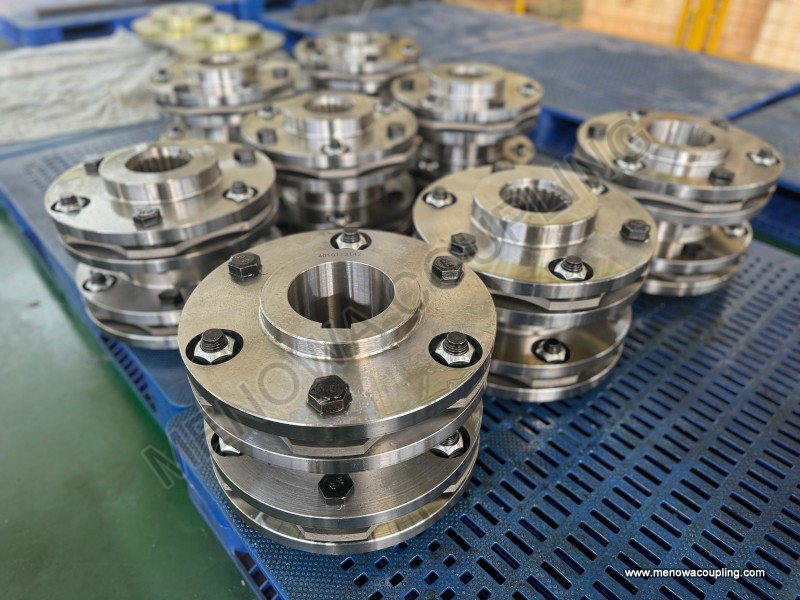
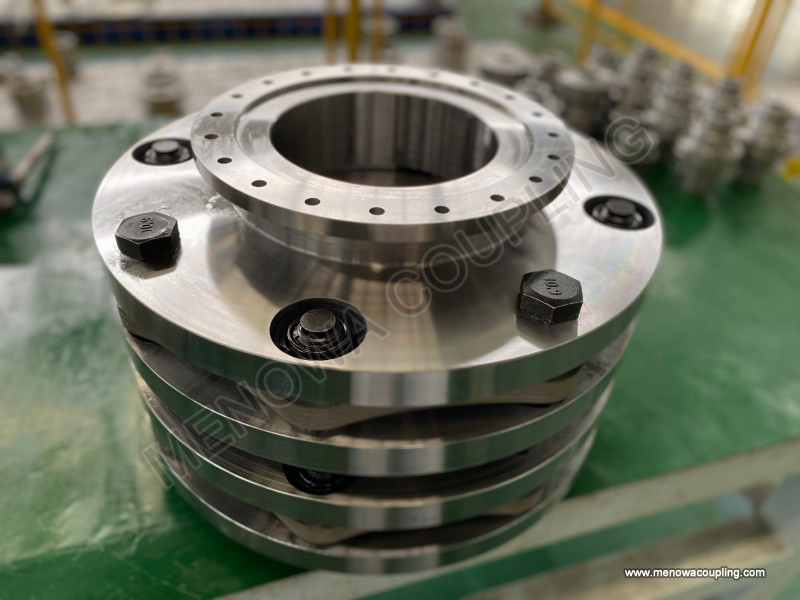
Different application scenarios and engine power matching requirements determine the diverse structural classification and design differentiation of engine coupling, and each structural form of coupling is designed and optimized for specific power transmission demands, working environment characteristics, and load operation modes. In the actual mechanical application field, engine couplings can be roughly divided into two main categories according to structural characteristics and working performance differences, rigid couplings and flexible couplings, and each category includes multiple subdivided structural forms adapted to different working conditions. Rigid engine couplings are mainly suitable for mechanical equipment operation scenarios with small power transmission demand, low operation speed, fixed working position, small load fluctuation, and high assembly alignment accuracy. The structural design of this type of coupling is relatively simple, mainly adopting integrated rigid connection mode, with strong structural rigidity and high torque transmission efficiency, and can realize almost lossless transmission of rotational torque under ideal working conditions. However, rigid couplings have obvious limitations in practical application; they have no deviation compensation and vibration buffering capabilities, and are extremely sensitive to shaft misalignment and operational impact load. Once assembly deviation exists or slight displacement occurs during operation, additional mechanical stress will be generated, leading to rapid wear of connecting shafts and frequent failure of mechanical components. Therefore, rigid engine couplings are mostly used in low-power, low-speed, and stable-load auxiliary mechanical equipment systems, and are rarely used in high-power engine main power transmission systems with complex working conditions and variable loads.
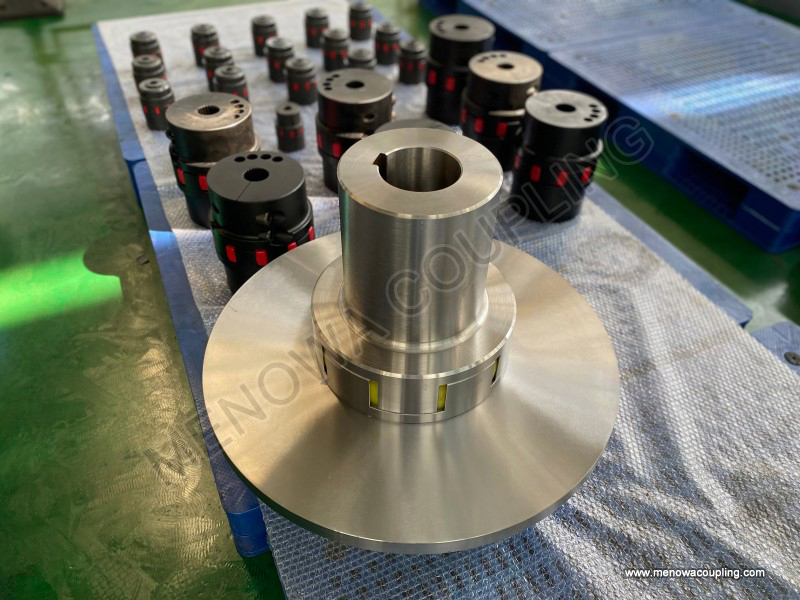
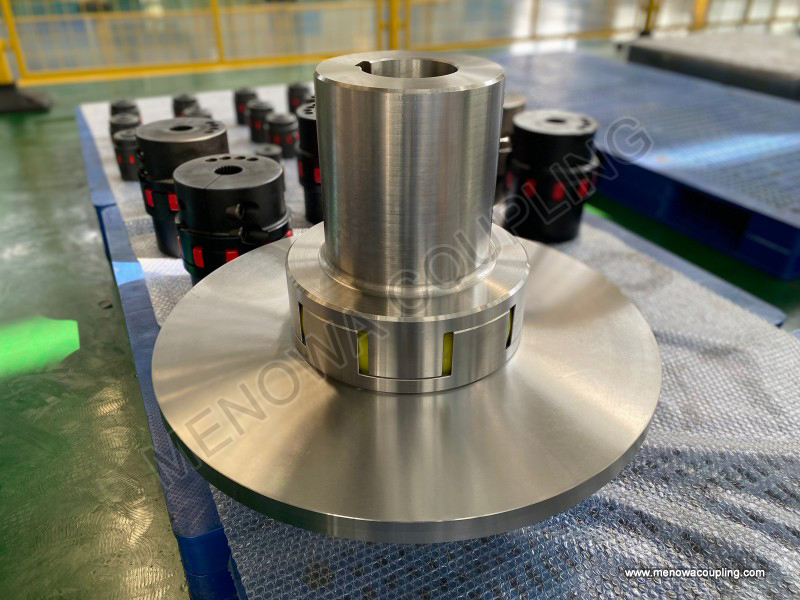
Flexible engine couplings are the most widely used type in modern engine supporting power transmission systems, and their core design feature is the addition of flexible elastic components or deformable connecting structures inside the coupling, which endows the coupling with excellent misalignment compensation, vibration damping, and impact buffering performance. This type of coupling can adapt to radial, angular, and axial deviations generated by shaft connection in actual operation, effectively absorb vibration and impact load during engine start-stop and load switching, and protect the entire transmission system from mechanical damage caused by abnormal load and misalignment. According to different flexible structural forms and material characteristics, flexible engine couplings can be subdivided into elastic element flexible couplings, mechanical displacement flexible couplings, and damping buffer flexible couplings, each of which has its own unique performance advantages and applicable working condition ranges. Elastic element flexible couplings use rubber, polyurethane, and other elastic polymer materials or metal elastic parts as the core force-bearing and buffering components. Relying on the elastic deformation of these materials to achieve deviation compensation and vibration damping, they have good vibration isolation effects and low noise during operation, and are suitable for engine power transmission scenarios with medium and low torque, frequent start-stop, and obvious vibration interference. Mechanical displacement flexible couplings rely on the mutual cooperation and relative displacement of internal mechanical structures such as gears and chains to compensate for shaft misalignment, with high structural strength and strong torque bearing capacity, suitable for high-power, high-torque engine transmission systems with heavy load operation and low vibration requirements. Damping buffer flexible couplings add special damping structures on the basis of flexible connection, which can effectively consume vibration energy and suppress resonance generation, and are mostly used in precision mechanical equipment and power generation units that require high operation stability and low vibration interference.
The material selection of engine coupling is a key factor that directly affects its mechanical performance, service life, and operational adaptation, and the material formulation of each part of the coupling needs to be comprehensively determined according to the engine power level, operating temperature range, load impact frequency, working environment humidity and corrosion degree, and long-term continuous operation time. The main force-bearing and connecting base parts of engine couplings are mostly made of high-strength alloy steel materials with good mechanical strength, wear resistance, and fatigue resistance. After forging, heat treatment, and precision machining processes, these steel materials have strong tensile strength, compressive resistance, and impact resistance, and can withstand long-term high-load torque transmission and frequent mechanical impact without structural deformation or fracture failure. For the flexible elastic components and damping buffer parts inside flexible engine couplings, different elastic materials are selected according to actual working condition needs. Elastic polymer materials have good elastic deformation performance and vibration damping effect, low hardness, good buffering performance, and can effectively reduce vibration and noise, but their temperature resistance and aging resistance are limited, so they are suitable for normal temperature working environments with less temperature change. Metal elastic materials have high temperature resistance, aging resistance, and structural stability, can maintain stable elastic performance in high-temperature and harsh working environments for a long time, and are suitable for engine coupling parts working in high-temperature operation areas and heavy-load impact working conditions. In addition, for engine couplings used in humid, dusty, or corrosive working environments, the surface of metal structural parts will be treated with anti-rust, anti-corrosion, and wear-resistant protection to avoid material corrosion, rust, and surface wear caused by long-term exposure to harsh environments, ensuring that the coupling can maintain stable working performance in the whole service cycle.
The matching selection process of engine coupling is a systematic and professional mechanical design work, which cannot be selected simply according to mechanical installation size and basic connection specifications. It is necessary to comprehensively consider multiple core factors such as engine power parameters, rated rotational speed, torque output characteristics, driven equipment load nature, assembly space size, working environment conditions, and expected service life, and carry out scientific calculation and reasonable matching confirmation. First of all, the matching selection needs to take the engine's rated torque and peak torque as the basic reference basis. The torque bearing capacity of the selected engine coupling must be higher than the maximum instantaneous torque generated during engine operation, avoiding coupling structural damage and transmission failure caused by overload torque impact. Secondly, the operating rotational speed range of the coupling needs to match the engine's rated operating speed and variable speed adjustment range. Different couplings have different applicable rotational speed limits, and excessive rotational speed will cause the coupling to generate additional centrifugal force and vibration, affecting operational stability and structural safety. At the same time, it is necessary to fully consider the load nature of the driven equipment; for steady-load equipment with uniform and stable operation, conventional flexible couplings can be selected, while for impact-load equipment with frequent load changes and sudden start-stop, couplings with strong buffering performance and overload protection characteristics need to be preferentially selected.
In addition, the on-site assembly space and installation conditions of mechanical equipment are also important constraints for the selection of engine coupling. Some mechanical equipment has compact internal assembly space and limited installation and maintenance space, so it is necessary to select couplings with compact structural size, simple installation and convenient later disassembly and maintenance. For mechanical equipment with open installation space and convenient later maintenance, couplings with excellent comprehensive performance and strong adaptability can be selected according to performance needs. The working environment adaptation of the coupling also cannot be ignored; for high-temperature working environments close to the engine exhaust and heat dissipation parts, high-temperature resistant couplings with special material treatment need to be selected; for humid, dusty, and outdoor open-air working environments, couplings with good anti-corrosion and dustproof performance are required; for low-temperature cold working environments, materials with good low-temperature toughness and no brittle deformation at low temperature need to be selected to ensure that the coupling will not have performance degradation and structural failure due to temperature changes. Only by comprehensively balancing all the above factors and completing scientific and standardized matching selection can the engine coupling give full play to its various functional advantages, ensure the stable coordination operation of the engine and driven equipment, and avoid various mechanical operation failures caused by improper coupling selection.
The installation and commissioning quality of engine coupling directly determines its subsequent operating state and service life, and standardized assembly operation and precise alignment commissioning are the basic prerequisites for the coupling to exert deviation compensation and vibration damping performance. In the actual installation and assembly process, the first step is to check the structural integrity and surface quality of all parts of the engine coupling, confirm that there are no structural cracks, surface wear, thread damage, and elastic component aging and deformation, and clean the connecting shaft ends, coupling mounting holes, and connecting fasteners to remove impurities such as oil stains, dust, and metal debris, ensuring that the assembly matching surface is clean and flat without foreign matter interference. In the formal assembly and connection stage, the coupling components need to be installed on the engine driving shaft and the driven equipment input shaft respectively according to the mechanical assembly process requirements, and the fastening bolts and connecting parts are initially fixed. After the preliminary installation is completed, the most critical alignment commissioning work needs to be carried out carefully. The coaxiality of the two connected shafts is accurately adjusted by professional measuring tools and debugging tools to minimize the radial deviation, angular deviation, and axial displacement between the shafts within the allowable compensation range of the coupling. Even for flexible couplings with good deviation compensation ability, excessive initial installation misalignment cannot be relied on the coupling's own compensation function to offset, because excessive misalignment will make the coupling bear long-term excessive deformation stress in the initial stage of operation, accelerate the fatigue aging of internal flexible components, and greatly reduce the service life of the coupling.
After the alignment and debugging are qualified, the fastening bolts of the coupling need to be locked and fixed in accordance with the symmetrical and uniform fastening sequence to ensure that the fastening force of each connecting bolt is uniform and consistent, avoiding structural deflection and local stress concentration of the coupling caused by uneven fastening force. After the installation and fastening are completed, it is necessary to carry out no-load trial operation and low-load test operation of the mechanical unit. Observe the operating state of the engine coupling during the trial operation, check whether there is abnormal vibration, abnormal noise, local heating, and rotational jitter, and confirm whether the power transmission is stable and the operation coordination between the engine and the driven equipment is normal. If abnormal operating conditions are found during the trial operation, the equipment shall be shut down in time for re-debugging and adjustment, and the formal full-load operation can only be carried out after all abnormal problems are eliminated and the trial operation is stable and qualified. Standardized installation and commissioning work can effectively avoid various hidden dangers left by assembly errors, lay a solid foundation for the long-term stable operation of the engine coupling, and reduce the frequency of subsequent maintenance and failure repair.
Daily maintenance and regular inspection and maintenance are important links to ensure the long-term stable operation and extend the service life of engine coupling. Like all mechanical wearing parts, engine coupling will have different degrees of structural wear, elastic component fatigue, fastener loosening, and surface aging after long-term continuous operation and alternating load impact. Regular and standardized maintenance work can timely discover and eliminate potential hidden troubles of the coupling, avoid small wear and minor problems evolving into serious mechanical failures, and ensure that the coupling always maintains good working performance during the service cycle. In the daily equipment operation and management process, operators need to regularly observe the operating state of the engine coupling during the normal operation of the equipment, pay attention to whether there is abnormal vibration, abnormal friction noise, local overheating of the coupling shell, and jitter during power transmission. Once abnormal phenomena are found, the equipment should be shut down in time for inspection and troubleshooting, and no overload operation with hidden troubles is allowed. At the same time, it is necessary to keep the surface of the coupling clean and tidy, regularly remove dust, oil dirt, and sundries accumulated on the surface, avoid sundries adhesion affecting the normal rotation and flexible deformation of the coupling, and prevent corrosive substances from contacting the coupling surface for a long time to cause material corrosion and structural damage.
Regular professional inspection and maintenance work needs to be carried out in accordance with the operating time and working condition intensity of the mechanical equipment. For engine couplings operating under conventional working conditions, regular disassembly and inspection should be carried out every fixed operating cycle to check the wear degree of internal flexible components, the fastening state of connecting bolts, the deformation degree of structural parts, and the aging state of damping materials. For elastic flexible components with obvious wear, aging, and deformation, replacement and maintenance should be carried out in a timely manner to avoid vibration damping and deviation compensation performance degradation caused by component aging and wear. For the connecting fasteners of the coupling, regular tightening and anti-loosening inspection should be carried out to prevent bolt loosening caused by long-term vibration operation, which leads to coupling connection looseness and power transmission instability. For the rotating matching parts of the coupling, appropriate lubrication maintenance should be carried out according to the structural design requirements to reduce friction and wear between rotating parts and ensure flexible and stable relative displacement operation during deviation compensation. For engine couplings operating under harsh working conditions such as high load, high temperature, and heavy dust, the frequency of inspection and maintenance needs to be appropriately increased, and the replacement cycle of vulnerable parts should be shortened to adapt to the harsh operating environment and ensure the safety and stability of equipment operation.
In the long-term operation practice of various engine-driven mechanical systems, the important value of engine coupling for the safe and efficient operation of mechanical equipment has been fully verified, and many practical operation cases have shown that most of the abnormal shutdown, transmission system failure, and premature wear of core components of mechanical equipment are indirectly caused by improper coupling selection, non-standard installation and commissioning, and inadequate daily maintenance. Many mechanical operation management departments often focus on the maintenance and repair of the engine body and terminal driven equipment, but ignore the daily management and maintenance of engine coupling, resulting in the coupling, as the key connecting component, operating with hidden troubles for a long time, and finally triggering larger mechanical failures and increasing equipment maintenance costs and downtime losses. On the contrary, mechanical equipment units that attach importance to the matching selection, standardized installation, and regular maintenance of engine coupling can not only maintain the stable and efficient operation of the power transmission system for a long time but also effectively reduce the overall failure rate of the equipment, extend the overall service life of the engine and supporting mechanical equipment, and reduce the comprehensive operation and maintenance cost of the mechanical system.
With the continuous progress of mechanical design technology and material processing technology, the structural design, material performance, and manufacturing process of engine coupling are also constantly optimized and upgraded, adapting to the increasingly diverse and complex working condition requirements of modern mechanical equipment. Modern engine coupling design is developing towards compact structure, high torque transmission efficiency, strong deviation compensation ability, excellent vibration damping performance, long service life, and convenient installation and maintenance. The continuous application of new high-strength and wear-resistant materials, new elastic damping materials, and precision manufacturing processes has further improved the comprehensive mechanical performance and environmental adaptability of engine coupling, enabling it to maintain stable and reliable working state in more extreme working environments such as high power, high speed, heavy load, high temperature, and low temperature. At the same time, with the continuous improvement of mechanical system energy-saving and efficiency improvement requirements, the optimized design of engine coupling also pays more attention to reducing power transmission loss, reducing vibration and noise energy consumption, and improving the overall energy utilization efficiency of the engine power system, making important contributions to the energy-saving operation and efficient production of mechanical equipment.
In conclusion, engine coupling is not a simple auxiliary mechanical connecting part, but a core key component related to the overall operational stability, safety, efficiency, and service life of the engine power transmission system. Its basic functions cover power transmission, misalignment compensation, vibration damping and shock isolation, and system operation protection, and its performance is affected by structural design, material selection, matching selection, installation and commissioning, daily maintenance, and many other links. In the design, assembly, operation, and maintenance management of modern engine-driven mechanical equipment, it is necessary to fully recognize the core importance of engine coupling, strictly abide by scientific matching selection principles, standardized installation and commissioning specifications, and regular maintenance and management systems. Only by paying full attention to every link related to the use and maintenance of engine coupling can we ensure that the engine power transmission system operates stably and efficiently for a long time, reduce mechanical failure losses and operation and maintenance costs, and give full play to the maximum operational value of various engine mechanical equipment in industrial production, mobile operation, and various application scenarios. As the core bridge connecting engine power and equipment operation, engine coupling will always occupy an irreplaceable important position in the entire field of mechanical power transmission, and its continuous optimization and reliable operation will always be an important guarantee for the stable development of modern mechanical engineering industry.
Post Date: Apr 26, 2026
https://www.menowacoupling.com/coupling-supplier/engine-coupling.html
Tags
Related Articles
Advantages Of Flexible Coupling
In the complex and interconnected world of mechanical power transmission, the seamless transfer of torque and rotational motion between rotating shafts stands as a foundational requirement for the steady operation of all types of industrial and commercial machinery. Every mechanical system that relies on motors, engines…
 WeChat
 WhatsApp