Advantages Of Flexible Coupling
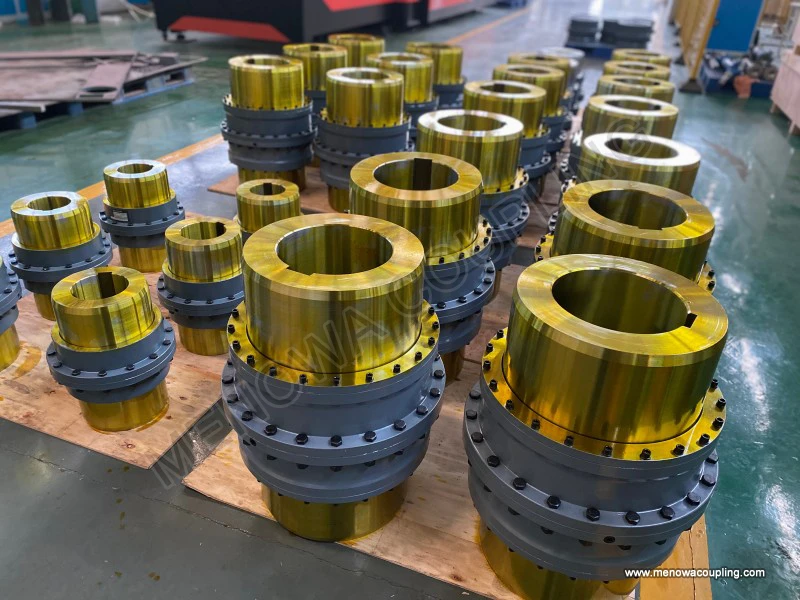
In the complex and interconnected world of mechanical power transmission, the seamless transfer of torque and rotational motion between rotating shafts stands as a foundational requirement for the steady operation of all types of industrial and commercial machinery. Every mechanical system that relies on motors, engines, pumps, fans, and rotating processing equipment depends on reliable connecting components to link driving and driven parts, ensuring that power moves efficiently from one end of the system to the other without unnecessary losses or mechanical damage. Among the various connecting components available for shaft connection, flexible couplings have emerged as an indispensable and widely adopted solution, distinguished by their unique structural design and functional characteristics that set them apart from traditional rigid coupling alternatives. Unlike rigid couplings, which are engineered to hold two shafts in fixed, immovable alignment with no room for positional deviation or operational flexibility, flexible couplings integrate elastic and adaptive structural elements that allow for controlled movement and deformation during equipment operation. This fundamental design difference unlocks a wide array of practical operational benefits that address the common challenges faced in mechanical installation, daily equipment operation, long-term component durability, and overall system operational stability, making flexible couplings a preferred choice for nearly all modern mechanical transmission setups across diverse industrial and civilian application fields.
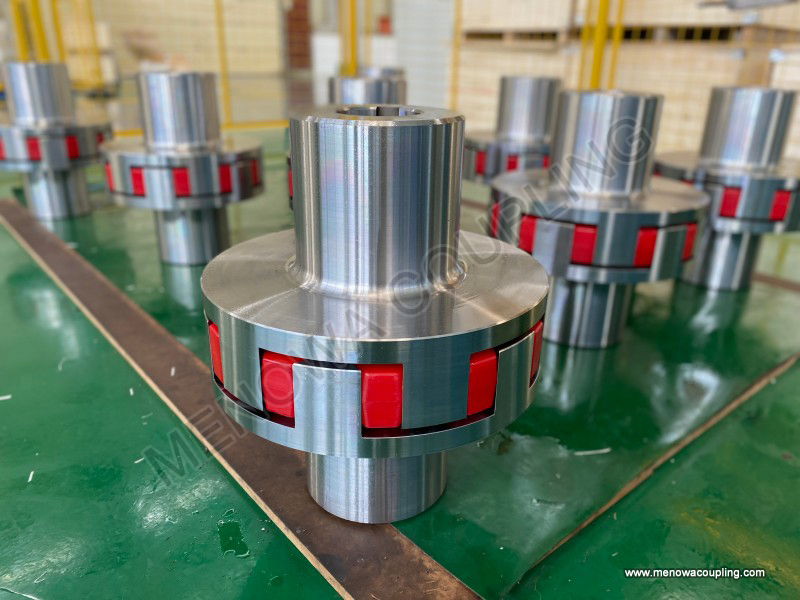
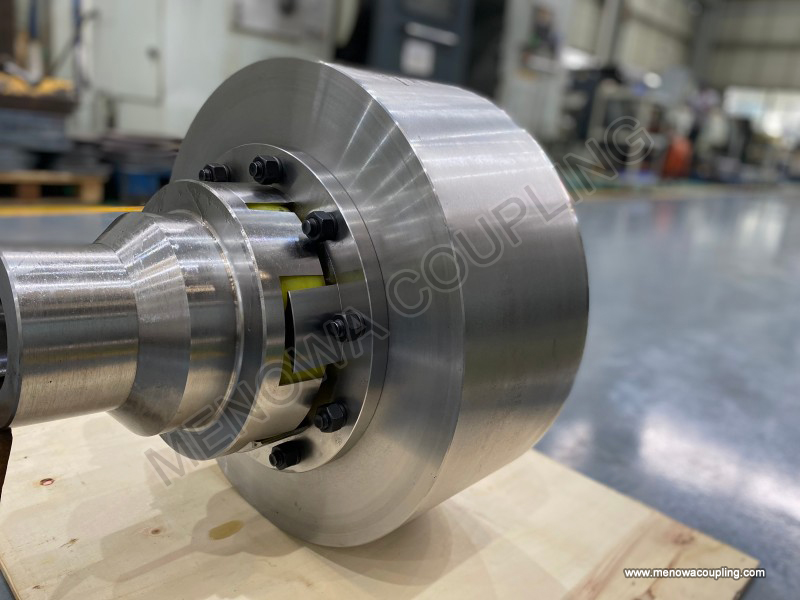
One of the most fundamental and impactful advantages of flexible couplings lies in their inherent ability to accommodate various forms of shaft misalignment, a common and often unavoidable issue in real-world mechanical installation and long-term equipment use. In ideal theoretical mechanical design, two connected rotating shafts should maintain perfect parallelism, precise angular alignment, and consistent axial positioning at all times, but this ideal state is nearly impossible to sustain in actual production and operation environments. During the initial equipment installation process, manual assembly deviations, minor foundation leveling inconsistencies, and subtle structural positioning errors can all lead to slight parallel misalignment, angular misalignment, or axial displacement between the driving shaft and the driven shaft. Even in cases where installation alignment is carefully calibrated to high standards at the beginning, long-term equipment operation will gradually alter shaft positioning due to factors such as structural vibration, equipment base settlement, thermal expansion and contraction of metal components under continuous operating temperature changes, and gradual wear of fixed mounting parts. Rigid couplings cannot tolerate any such misalignment, and even small positional deviations will generate intense additional mechanical stress on the shafts, bearings, and other adjacent transmission components. This persistent stress continuously acts on key mechanical parts during operation, accelerating surface wear, causing structural fatigue, and leading to frequent component failure and unplanned equipment shutdowns. Flexible couplings, by contrast, are structurally designed to flex and adjust in response to these misalignment conditions, absorbing positional deviations through the deformation of their internal flexible elements rather than transferring the resulting stress to the connected shafts and core equipment components. This adaptive compensation capability effectively eliminates the harmful additional loads caused by shaft misalignment, ensuring that power transmission remains smooth and stable even when perfect shaft alignment cannot be maintained, and greatly reducing the mechanical burden on the entire transmission system.
Beyond misalignment compensation, flexible couplings deliver exceptional vibration damping and shock absorption performance, which plays a crucial role in maintaining stable equipment operation and extending the service life of mechanical systems. All rotating mechanical equipment generates inherent vibration during operation, stemming from the rotational inertia of moving parts, periodic torque fluctuations during startup and shutdown, and uneven load changes during continuous working processes. In addition, many industrial operating scenarios involve sudden load impacts, such as the sudden start of heavy-duty processing machinery, instantaneous load changes in production line operation, and occasional external impact forces acting on mechanical equipment. Without effective buffer and damping measures, these vibrations and impact forces will be directly transmitted between the driving end and the driven end of the transmission system through rigid connecting parts, causing resonance inside the equipment, amplifying mechanical noise, and exacerbating the wear of bearings, seals, gears, and other precision transmission components. Flexible couplings rely on the elastic properties of their internal flexible materials and structural design to absorb and dissipate vibration energy and impact force through subtle cyclic deformation during operation. The flexible elements inside the coupling effectively weaken the transmission of high-frequency vibration and sudden impact loads between shafts, isolating vibration on one side of the equipment from spreading to the other side of the transmission system. This vibration isolation and shock buffering effect not only reduces the overall vibration amplitude of the entire mechanical equipment and lowers operational noise levels to create a more stable working environment but also prevents precision internal components from being damaged by long-term vibration fatigue and sudden impact loads, maintaining the operational accuracy of the equipment for a longer period of time.
The protective effect that flexible couplings provide for core driving and driven equipment is another key advantage that brings long-term operational value to mechanical system operation and maintenance. Motors, engines, turbines, pumps, and other core power and working equipment involve high manufacturing precision and high replacement and maintenance costs, and their internal precision components are extremely sensitive to abnormal mechanical stress and impact loads. Rigid couplings directly fix the two shafts together, so any abnormal torque fluctuation, mechanical impact, or positional stress generated at one end of the transmission system will be completely transmitted to the other end, posing a risk of damage to the core power components and precision working parts. Flexible couplings act as a natural protective buffer barrier between the driving device and the driven device in the transmission process. When the equipment starts up, runs with variable loads, or encounters occasional abnormal operating conditions, the flexible structure of the coupling first absorbs and relieves sudden torque impacts and peak loads, preventing these harsh mechanical forces from directly acting on the motor rotor, engine crankshaft, pump impeller shaft, and other core precision parts. In the event of unexpected mechanical jams or temporary overloads in the driven equipment, the flexible coupling can also buffer sudden torque changes and avoid instantaneous strong reverse impact from damaging the driving power equipment. This effective isolation of abnormal loads and impact forces greatly reduces the failure probability of core mechanical equipment, lowers the frequency of precision component damage and replacement, and ensures the continuous and safe operation of the entire mechanical system without frequent unexpected interruptions caused by equipment damage.
Flexible couplings also offer remarkable advantages in simplifying equipment installation and reducing the difficulty and cost of daily maintenance and later equipment replacement. For mechanical systems using rigid couplings, the installation process requires extremely high alignment accuracy between the two connected shafts, demanding precise measurement, repeated fine-tuning, and strict calibration work by professional installation personnel. Any slight alignment error will lead to subsequent equipment operation failure and component wear, resulting in long installation time and high requirements for installation technology and personnel experience. Flexible couplings, due to their good misalignment tolerance, do not require ultra-precise shaft alignment during installation. General installation accuracy that meets basic assembly standards is sufficient to ensure normal and stable operation of the equipment, greatly simplifying the installation process, shortening the on-site installation cycle, and reducing the technical requirements for installation workers. In terms of daily maintenance, most flexible coupling structures are simple in composition, with fewer internal vulnerable parts, and many common flexible coupling types can operate normally for a long time without regular lubrication or complex routine maintenance procedures. Unlike some transmission components that require regular oil replacement, grease supplementation, and regular disassembly and inspection, flexible couplings only need simple regular visual checks to confirm the integrity of internal flexible elements and normal connection status. When the coupling parts reach the end of their service life and need to be replaced, the disassembly and assembly process is straightforward and efficient, requiring no complex professional tools or lengthy disassembly steps, which effectively reduces equipment maintenance time, shortens production downtime caused by maintenance work, and lowers the overall labor and time costs of equipment operation and management.
Thermal deformation adaptation is another practical yet often overlooked advantage of flexible couplings, which ensures stable long-term operation of mechanical equipment under variable temperature working conditions. Most mechanical equipment will generate continuous heat during long-term operation, and the ambient temperature of the working site may also change significantly with seasonal changes or production process adjustments. Metal shaft parts and equipment structural bases will produce corresponding thermal expansion and contraction changes under the influence of temperature fluctuations, leading to subtle changes in shaft position and spacing between connected equipment components. Rigid couplings cannot adapt to such thermal deformation changes, and thermal expansion will generate large thermal stress inside the transmission system, causing shaft bending, component extrusion wear, and even structural deformation of fixed parts in severe cases. Flexible couplings can freely adjust their own structural deformation according to the thermal expansion and contraction of equipment components, naturally adapting to the axial and positional changes of shafts caused by temperature differences. This adaptive ability effectively releases thermal stress generated by temperature changes, avoiding additional mechanical damage to the transmission system caused by thermal deformation, and ensuring that the equipment can maintain stable power transmission performance whether operating under high-temperature continuous working conditions or low-temperature ambient environments.
The strong applicability and compatibility of flexible couplings enable them to adapt to a wide range of complex working conditions and diverse industrial application scenarios, further highlighting their comprehensive practical advantages in mechanical transmission systems. Different mechanical equipment operates under varying working conditions, including high-speed rotating operation, low-speed heavy-load operation, frequent startup and shutdown cycles, and harsh working environments with dust, moisture, and slight corrosion. Flexible couplings can be manufactured with different structural forms and flexible materials according to different working condition requirements, with different flexibility, torque bearing capacity, and environmental adaptability to match various mechanical transmission needs. Whether it is light-duty civilian mechanical equipment, medium-duty industrial production line transmission equipment, or heavy-duty engineering and power generation mechanical systems, flexible couplings can be matched to meet the corresponding power transmission and mechanical protection needs. In addition, flexible couplings have good compatibility with various common mechanical driving and matching components, and can be perfectly connected with shafts of different specifications and sizes without complex structural modification of the original equipment. This wide application adaptability makes flexible couplings a universal and reliable connecting component, which can maintain stable working performance in different industries and different working scenarios, and bring consistent operational stability and long-term durability to various mechanical systems.
In the long-term operational perspective of mechanical equipment life cycle management, the comprehensive advantages of flexible couplings are also reflected in effectively extending the overall service life of the entire mechanical transmission system and reducing long-term comprehensive operational costs. The various protective functions of flexible couplings, including misalignment compensation, vibration damping, shock absorption, thermal stress adaptation, and load isolation, work together to reduce the wear and fatigue loss of all core and vulnerable components in the transmission system. Bearings, seals, shafts, gears, and other key parts that are prone to wear and failure operate under lower mechanical stress and more stable working conditions, slowing down the aging and wear rate of components and extending the service cycle of each part of the equipment. Longer component service life means fewer component replacement times, lower spare part procurement costs, and less frequent equipment shutdown maintenance. At the same time, the stable operation of the transmission system also reduces the probability of equipment failure and production interruption, ensuring continuous and efficient production work and avoiding economic losses caused by unplanned production shutdowns. Although flexible couplings are auxiliary connecting components in mechanical systems, their comprehensive functional advantages bring far-reaching economic and operational benefits to the entire mechanical equipment operation and long-term management.
Overall, flexible couplings stand out as a reliable, practical, and high-value core component in modern mechanical power transmission systems, with a series of irreplaceable functional advantages compared to rigid coupling structures. From basic shaft misalignment compensation and vibration and shock buffering, to core equipment protection, simplified installation and maintenance, thermal deformation adaptation, and wide working condition applicability, every advantage of flexible couplings targets the actual pain points and common problems in mechanical equipment installation and long-term operation. They not only ensure the efficient and stable transmission of power and torque between rotating shafts but also build a solid protective barrier for the safe and long-term operation of the entire mechanical system. As mechanical equipment continues to develop toward higher operational stability, longer service life, and lower maintenance requirements, the application value and importance of flexible couplings in various industrial and civilian mechanical fields will continue to grow, becoming an essential guarantee for the stable and efficient operation of all types of rotating mechanical transmission systems.
Post Date: Apr 25, 2026
https://www.menowacoupling.com/china-coupling/advantages-of-flexible-coupling.html
 WeChat
 WhatsApp