Pump Coupling
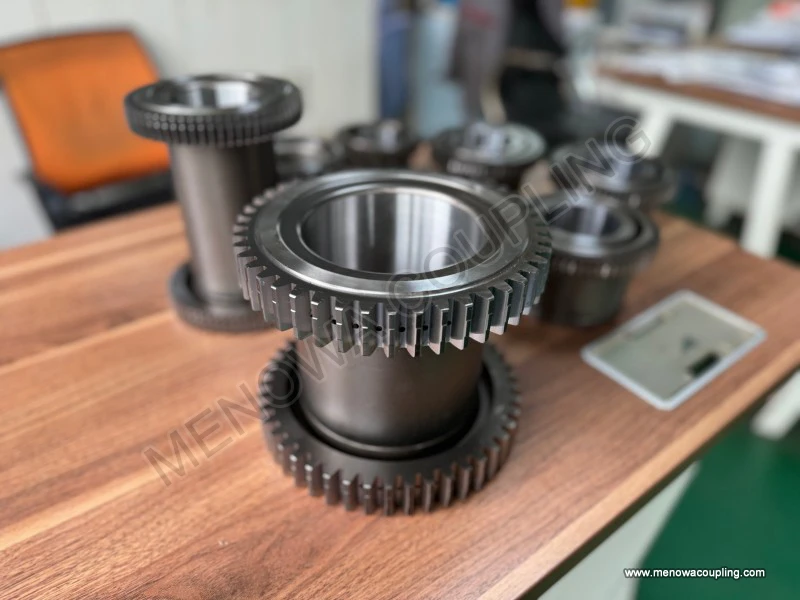
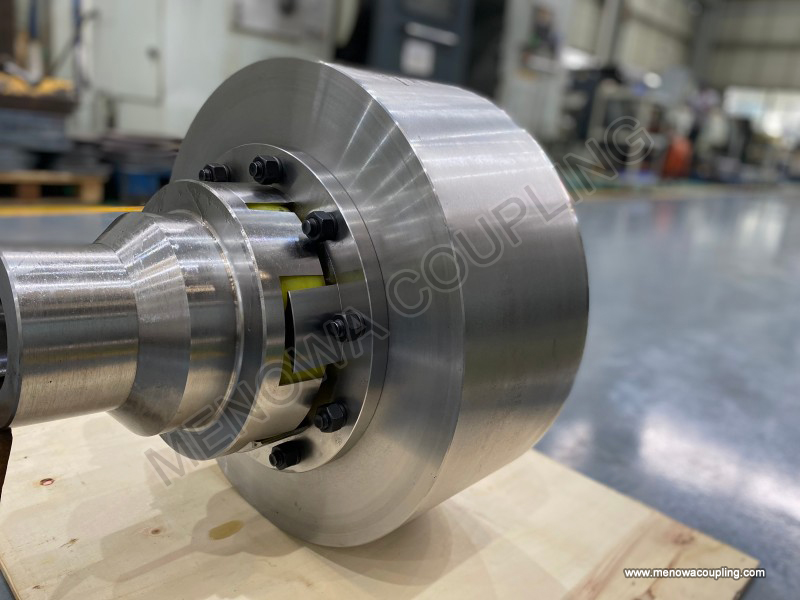
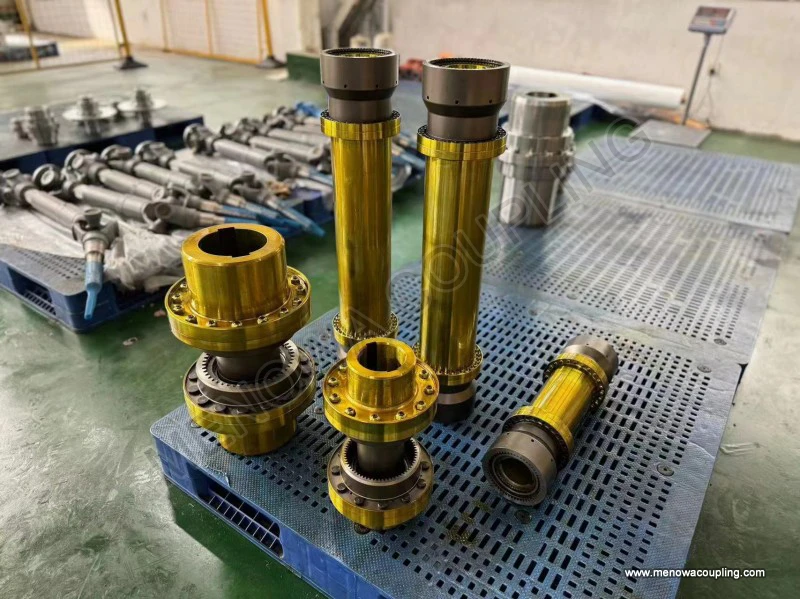
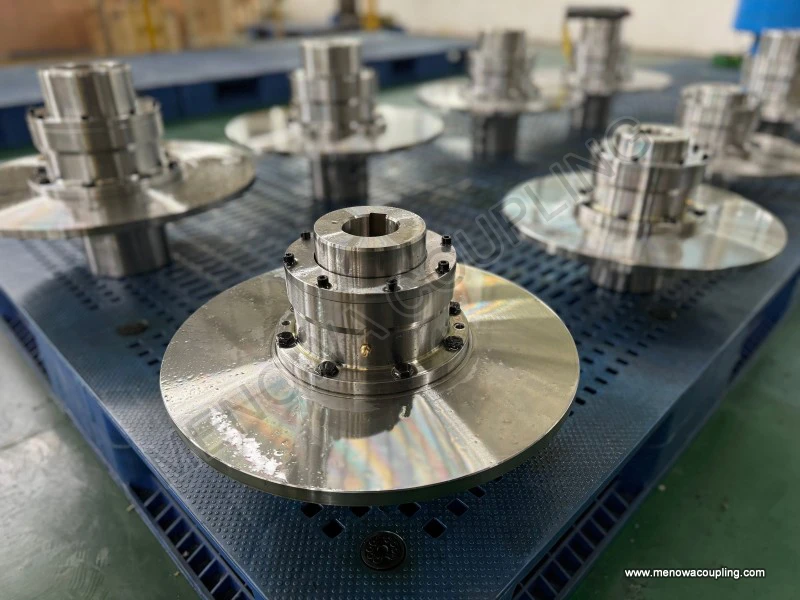
In the entire industrial fluid transmission system, every mechanical component that participates in power transmission and equipment connection undertakes an irreplaceable basic role, and the pump coupling stands out as one of the most fundamental and indispensable connecting components between pump equipment and driving power sources. As a key mechanical component specially designed to connect the rotating shaft of a pump and the rotating shaft of its matching driving device, usually an electric motor or a prime mover, the pump coupling bears the core task of stably and continuously transmitting rotational torque and operating power throughout the entire working cycle of fluid transportation. Unlike simple mechanical connecting parts that only play a fixed connection role, pump couplings integrate multiple practical mechanical performance characteristics, including power transmission coordination, operational vibration buffering, shaft position deviation compensation, and mechanical operation protection, and their overall working state directly determines the operating stability, continuous service life, and comprehensive operating efficiency of the entire pump system. In various production and living scenarios involving fluid transportation, whether it is conventional water supply and drainage circulation in urban infrastructure, medium and high-pressure fluid delivery in industrial production workshops, long-distance pipeline transportation of chemical raw materials, circulating water regulation in thermal energy and power systems, or fluid supply and discharge operations in agricultural irrigation and environmental protection treatment projects, pump couplings are always in the core connecting link of the equipment power chain. Even though this component often does not occupy a large volume or occupy a prominent position in the overall pump equipment structure, its reasonable type selection, standardized installation operation, regular daily maintenance, and scientific later-stage management are all key prerequisites to avoid frequent equipment failures, reduce unnecessary mechanical wear and tear, and extend the overall service cycle of pump and motor equipment. Understanding the internal working mechanism, different structural classification characteristics, applicable working condition boundaries, installation and commissioning essentials, and daily maintenance and maintenance rules of pump couplings is not only a necessary professional quality for mechanical equipment operation and maintenance personnel, but also an important basis for equipment system design and engineering construction personnel to formulate reasonable equipment matching plans and long-term system operation strategies.
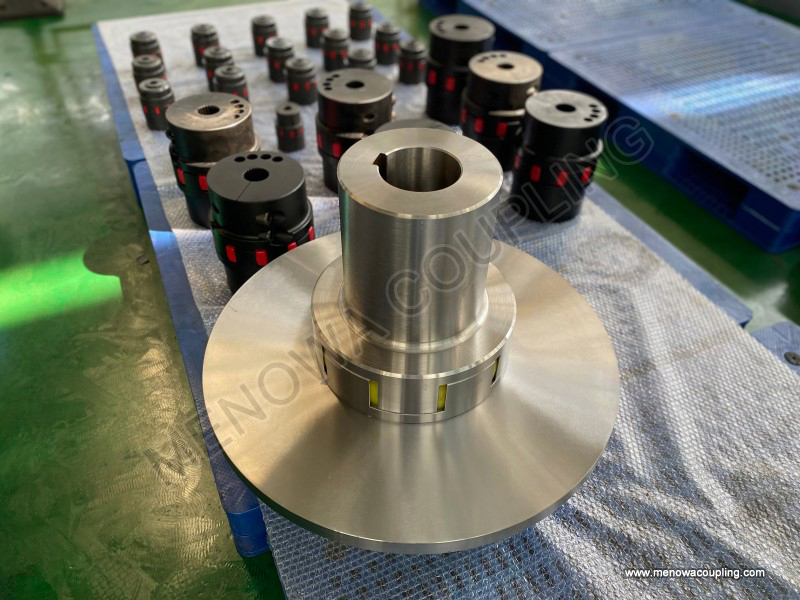
The most essential and primary working function of any pump coupling is to achieve efficient and stable torque and rotational speed transmission between the driving shaft and the driven shaft. In the actual operation of the pump system, the motor or other prime mover generates rotational mechanical power through internal electromagnetic conversion or mechanical energy conversion, and this power cannot be directly transmitted to the pump rotor and impeller structure without effective connection. The pump coupling closely connects the end of the motor output shaft and the end of the pump input shaft into a coordinated rotating whole, ensuring that the rotational speed and torque output by the driving equipment can be accurately transmitted to the internal working components of the pump, so that the pump impeller can rotate stably according to the preset operating parameters, and then complete the suction, pressurization and discharge of various fluid media. In the process of power transmission, the pump coupling needs to maintain stable structural stress without obvious deformation or displacement under continuous rotating operation and long-term load bearing, ensuring that there is no obvious power transmission loss in the whole power transmission link. If the coupling cannot complete basic torque transmission stably, it will directly lead to asynchronous rotation speed between the motor and the pump, unstable fluid transportation pressure and flow, and even cause the pump to fail to work normally, affecting the normal progress of the entire production and operation work. Beyond the basic power transmission function, the more valuable and practical core function of the pump coupling in actual industrial operation is to compensate for various minor misalignments between the motor shaft and the pump shaft that are inevitably produced in equipment installation and long-term operation. In the actual on-site installation process of pump equipment, it is almost impossible to achieve absolute perfect coaxial alignment between the two connected shafts due to the influence of on-site installation space limitation, foundation construction flatness error, equipment placement position deviation, and assembly operation accuracy differences. Even if the alignment accuracy meets the standard requirements at the initial stage of installation, with the long-term continuous operation of the equipment, the foundation will produce slight settlement, the equipment base will have subtle structural deformation under long-term vibration, and the rotating shaft will have minor position offset after long-term load rotation, all of which will lead to different degrees of axial deviation, angular deviation and radial deviation between the motor shaft and the pump shaft. Without the compensation effect of a professional pump coupling, these subtle deviations will directly act on the bearings, shaft seals and rotating shaft structures of the motor and pump, resulting in increased bearing friction and wear, accelerated aging and damage of shaft seals, frequent leakage of fluid media, and even serious problems such as shaft bending and mechanical equipment jamming in severe cases.
Vibration damping and shock load absorption are also vital functional attributes that pump couplings must possess in practical application scenarios, and these functions are particularly prominent in complex and variable industrial working conditions. During the start-stop switching process of the pump unit, the instantaneous torque output of the motor will change suddenly, forming a certain mechanical shock load, which will be directly transmitted to the internal structure of the pump without buffer protection. In addition, during the continuous operation of the pump, the rotation of the impeller, the flow impact of the fluid medium inside the pump body, and the mechanical vibration generated by the high-speed operation of the motor will form continuous alternating vibration signals. These vibrations and instantaneous impact loads will cause rigid friction and structural fatigue between the internal parts of the equipment, accelerating the aging and damage of precision mechanical components. Reasonably designed pump couplings can effectively absorb and buffer these instantaneous shock loads and continuous operating vibrations through their own special structural design and material characteristics, isolate the vibration generated by the motor side from the pump side, and avoid the mutual transmission and superposition of vibration between the two devices. This effective vibration isolation and buffering effect can greatly reduce the fatigue loss of key components such as motor bearings, pump bearings and shaft seals, reduce the probability of abnormal noise and abnormal vibration of the equipment, and make the overall operation of the pump unit more stable and quiet. At the same time, excellent vibration damping performance can also effectively reduce the loosening of equipment connecting bolts and the cracking of equipment base caused by long-term vibration, further improving the overall operational safety and structural stability of the pump system. Another easily overlooked but important auxiliary function of pump couplings is to provide certain overload protection for the entire pump transmission system. When the pump encounters abnormal working conditions such as blocked fluid pipeline, excessive medium viscosity, sudden increase of transportation resistance, or mechanical jamming of internal rotating parts, the operating load of the pump will rise sharply in a short time, and the instantaneous torque required for operation will far exceed the normal rated operating range. In this case, the pump coupling can rely on its own structural design characteristics to bear and buffer the excessive instantaneous torque, avoid the direct transmission of excessive load to the motor coil and the internal precision transmission structure of the pump, prevent the motor from burning out due to overload, and avoid permanent deformation or fracture of the pump rotating shaft and internal transmission parts. To a certain extent, the coupling acts as a buffer protection component in the entire power transmission system, reducing the maintenance cost and equipment loss caused by sudden abnormal working conditions.
According to structural design characteristics, material application types, functional performance differences and applicable working condition ranges, pump couplings can be divided into two core mainstream categories in general industrial application scenarios, namely rigid pump couplings and flexible pump couplings, and each category has its own unique structural characteristics, performance advantages and targeted application scenarios, with obvious differences in installation requirements, later maintenance difficulty and service life cycle. Rigid pump couplings are designed with an integral solid connection structure, without any elastic deformation parts or flexible buffer components inside, and the whole coupling is made of high-strength rigid metal materials processed into a fixed connecting structure. The core design concept of rigid couplings is to realize rigid and fixed connection between the two connected shafts, ensuring absolute synchronization of rotational speed and almost no displacement deviation in the power transmission process, with extremely high power transmission efficiency and almost no additional power loss caused by structural deformation during operation. Due to the solid and rigid structural characteristics, rigid pump couplings can bear relatively large steady torque load, and are suitable for pump equipment working scenarios where the equipment foundation is stable, the installation alignment accuracy is extremely high, the operating load is stable for a long time, and there is no frequent start-stop operation and obvious vibration impact. In practical application, rigid couplings are mostly used in vertical pump equipment, small and medium-sized pump units with fixed installation foundations and long-term stable operating conditions, and pump transmission occasions that require high-precision synchronous rotation. However, rigid pump couplings also have obvious inherent limitations in application. Since there is no flexible buffer and misalignment compensation structure inside, rigid couplings cannot compensate for any minor shaft misalignment generated during installation and operation. Once there is slight coaxial deviation between the motor shaft and the pump shaft, the deviation will be directly converted into additional mechanical stress and friction load, which will act on the bearings and rotating shafts of the two devices, accelerating component wear and shortening the service life of the equipment. In addition, rigid couplings cannot absorb operating vibration and instantaneous start-stop shock, and all vibration and impact loads will be directly transmitted between the motor and the pump, so the later maintenance frequency of the equipment is relatively high, and the requirements for initial installation and alignment operation are extremely strict, requiring professional installation tools and precise alignment processes to meet the use standards.
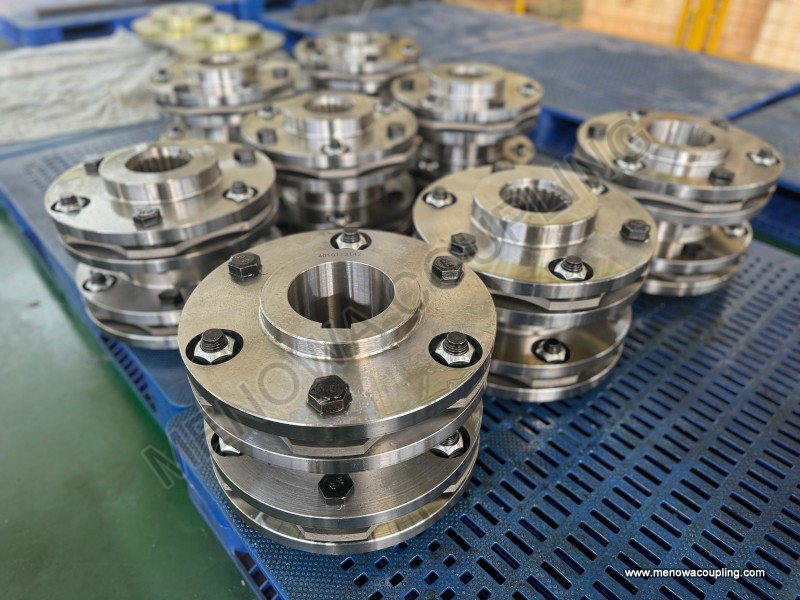
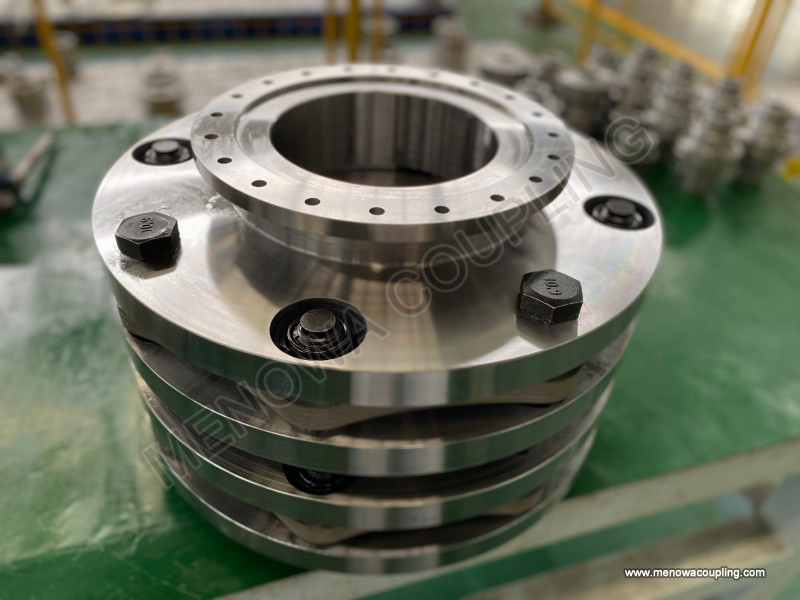
Flexible pump couplings are the most widely used and versatile type in all pump system matching applications, with a far wider application range than rigid couplings in various industrial and civil fluid transportation scenarios. Different from the all-rigid structural design of rigid couplings, flexible pump couplings are equipped with special elastic flexible components inside the rigid metal connecting structure, and these flexible parts are made of high-elasticity synthetic polymer materials, rubber materials or special elastic metal materials according to different design requirements. The core design advantage of flexible couplings is that they can rely on the elastic deformation of internal flexible components to effectively compensate for axial, radial and angular minor misalignments between the motor shaft and the pump shaft generated during installation and long-term operation, and at the same time use the elastic buffer performance of flexible materials to absorb operating vibration and instantaneous start-stop shock loads. This series of core performances make flexible couplings have strong adaptability to on-site installation conditions and complex operating working conditions, and do not require extremely high-precision coaxial alignment in the initial installation process, which greatly reduces the difficulty and operation cost of on-site installation and commissioning. In the long-term continuous operation process, even if there is slight foundation settlement, equipment structural deformation and minor shaft position offset, the flexible coupling can rely on its own deformation adjustment to avoid additional mechanical stress and friction damage to the pump and motor bearings and shaft seals, effectively reducing the wear rate of key equipment components. At the same time, the excellent vibration damping and shock absorption performance of flexible couplings can make the operation of the pump unit more stable, reduce abnormal equipment noise, and extend the overall maintenance cycle and service life of the equipment. Flexible pump couplings can be further subdivided into multiple sub-types according to different flexible material types and internal structural forms, each with fine differences in performance focus and applicable working conditions. Elastomeric flexible couplings use rubber or synthetic elastic polymer materials as the core buffer and deformation components, with good vibration damping effect, low operating noise, no need for additional lubrication maintenance in the later stage, and simple structure and low daily maintenance difficulty, suitable for conventional medium and small-power pump equipment, civil water supply and drainage pumps, and general industrial circulating water pump units. Metal elastic flexible couplings use special spring steel or high-strength elastic metal structural parts as flexible deformation components, with higher structural strength and torque bearing capacity than polymer elastic materials, good high temperature resistance and aging resistance, suitable for medium and large-power industrial pump equipment, high-temperature fluid transportation pump units, and pump working conditions with long-term high-load continuous operation and occasional slight impact load.
In addition to the two core mainstream types of rigid and flexible couplings, fluid pump couplings are also applied in some special pump working conditions with variable load and smooth start-stop requirements, although the application scope is not as extensive as flexible couplings, they play an irreplaceable role in specific industrial scenarios. Fluid pump couplings rely on internal hydraulic fluid as the medium for power torque transmission, without direct rigid contact or elastic component friction between the driving part and the driven part of the coupling. The rotational power of the motor is transmitted to the pump shaft through the circulating flow and hydraulic pressure conversion of the internal hydraulic fluid, realizing non-contact flexible power transmission. The most prominent characteristics of fluid couplings are extremely smooth start-stop process, excellent overload protection performance and stepless adjustable power transmission state. When the pump unit starts up, the fluid coupling can realize slow power output through the gradual rise of hydraulic fluid pressure, avoiding the instantaneous impact current of the motor and the instantaneous mechanical shock of the pump structure, realizing soft start of the equipment; when the pump is overloaded and blocked, the internal hydraulic fluid can automatically adjust the transmission torque, realizing automatic load limit protection, avoiding motor burnout and pump structural damage caused by overload. Fluid pump couplings are mostly used in large-scale industrial high-power pump units, pump equipment with frequent start-stop and variable load operation, and fluid transportation systems with high requirements for start-up stability and equipment overload protection. However, fluid couplings also have certain application limitations, such as relatively complex internal structure, large volume and weight, certain power transmission loss during operation, and the need for regular replacement and maintenance of internal hydraulic fluid, with higher later maintenance and management costs compared with conventional flexible couplings.
The scientific and reasonable selection of pump coupling type is the key premise to give full play to the performance advantages of the coupling, ensure the stable operation of the pump system and extend the service life of the equipment. The selection process cannot rely on simple experience judgment or arbitrary matching, but needs to comprehensively consider multiple key factors such as the rated operating power of the pump unit, rated rotational speed, operating load characteristics, on-site installation and alignment conditions, operating environmental conditions, fluid transportation medium characteristics, and later maintenance and management conditions. First of all, the operating power and rotational speed of the pump unit are the basic parameter basis for coupling selection. Different power and rotational speed correspond to different torque transmission requirements, and the selected coupling must have enough torque bearing capacity and rotational speed adaptation range to avoid structural deformation and damage of the coupling due to exceeding the bearing limit during operation. For small-power and low-speed conventional pump equipment, ordinary elastomeric flexible couplings can meet the daily use needs; for medium and high-power and high-speed industrial pump units, it is necessary to select metal elastic flexible couplings or special high-strength structural couplings with higher torque bearing capacity and structural stability. Secondly, the operating load characteristics of the pump system are crucial to coupling selection. For pump equipment with long-term stable operating load, few start-stop times and no obvious impact vibration, rigid couplings or ordinary flexible couplings can be selected according to the installation alignment conditions; for pump units with frequent start-stop operation, fluctuating operating load, obvious mechanical vibration and occasional impact load, it is necessary to give priority to flexible couplings with excellent vibration damping and shock absorption performance or fluid couplings with soft start and overload protection functions. The on-site installation and foundation conditions of the equipment also need to be fully considered in the selection process. If the on-site installation space is limited, the foundation flatness is poor, and the installation alignment operation is difficult to carry out with high precision, flexible couplings with strong misalignment compensation ability must be selected to reduce the adverse impact of installation deviation on equipment operation; if the equipment foundation is solid, the installation conditions are good, and the coaxial alignment accuracy can be guaranteed for a long time, rigid couplings with high power transmission efficiency can be selected to meet the high-precision synchronous operation requirements.
The operating environmental conditions of the pump equipment also have a direct impact on the service performance and service life of the coupling, and are important factors that cannot be ignored in the selection work. In conventional indoor normal temperature and dry operating environment, most types of rigid and flexible couplings can work stably for a long time without special material and structural customization; in high-temperature operating environments such as thermal power supporting pump units and high-temperature chemical fluid transportation pumps, it is necessary to select couplings made of high-temperature resistant metal materials or special high-temperature resistant elastic materials, avoiding the aging, deformation and failure of flexible components of ordinary couplings due to long-term high-temperature radiation; in humid, corrosive and easy rusting operating environments such as chemical industry, marine engineering and environmental protection sewage treatment, it is necessary to select couplings with anti-corrosion, rust-proof and moisture-proof surface treatment or made of anti-corrosion alloy materials, preventing structural corrosion and component damage of the coupling due to long-term contact with corrosive gas and fluid medium. In addition, the characteristics of the fluid transportation medium also need to be properly considered. For the pump equipment transporting high-viscosity, easy-crystallization and solid particle-containing media, the operating load fluctuation is large and the jamming risk is high, so the coupling with good overload protection performance and strong structural wear resistance should be selected; for the pump units transporting clean water and conventional low-viscosity fluid media with stable operating load, conventional standard couplings can meet the use requirements. The later maintenance and management conditions and the overall operation cost budget also need to be coordinated in the selection process. For equipment management scenarios with simple maintenance conditions and insufficient professional maintenance personnel, couplings with simple structure, few wearing parts and no complex maintenance requirements should be preferred to reduce the difficulty and frequency of later maintenance; for professional industrial production scenarios with perfect maintenance conditions and regular equipment inspection and maintenance plans, couplings with high comprehensive performance and targeted protection functions can be selected according to actual operation needs, even if the later maintenance process is relatively complicated.
Standardized installation and accurate alignment operation of pump couplings are the necessary work links to ensure that the coupling gives full play to its due performance and avoid early failure and damage of the coupling and related equipment components. No matter what type of pump coupling is selected, the installation quality directly determines the initial operating state and long-term service life of the entire pump transmission system. Before the formal installation of the coupling, sufficient pre-installation preparation work must be completed first, including checking the appearance integrity of the coupling components, confirming that there is no structural deformation, crack, wear and damage of the coupling parts, cleaning the surface impurities, rust and dirt of the motor shaft, pump shaft and coupling connecting parts, ensuring that the matching connection surface is smooth and clean without sundries affecting the assembly accuracy. At the same time, it is necessary to check the installation firmness of the motor and pump equipment base, confirm that the base fixing bolts are tightened in place, the foundation has no obvious looseness and hollowing phenomenon, and ensure that the equipment will not have obvious displacement and settlement after the coupling is installed and put into operation. In the formal assembly process of the coupling, the assembly operation must be carried out in strict accordance with the structural assembly sequence of the coupling, ensuring that the connecting parts are installed in place, the matching gap meets the standard requirements, and the connecting bolts are tightened evenly and symmetrically in accordance with the specified tightening sequence, avoiding the problem of structural stress deviation caused by one-sided excessive tightening of bolts. The most critical core link in the installation process is the coaxial alignment adjustment of the motor shaft and the pump shaft. For rigid couplings with high alignment requirements, professional precision alignment tools are required to carry out fine adjustment of axial, radial and angular positions, strictly controlling the alignment deviation within the allowable small range specified by the mechanical operation standards; for flexible couplings with certain misalignment compensation ability, although the alignment accuracy requirements are relatively low, it is also necessary to ensure that the basic coaxiality of the two shafts meets the conventional installation standards, avoiding excessive initial deviation beyond the compensation range of the flexible coupling, which will still cause additional wear and tear of the equipment.
After the installation and alignment of the pump coupling are completed, a necessary trial operation and inspection link is required before the official full-load operation of the pump unit. The trial operation shall be carried out in the form of no-load first and then light load. First, the motor is started for no-load rotation to check whether the coupling has abnormal noise, obvious vibration, eccentric rotation and structural friction during operation, and observe whether the rotation state of the motor and pump shaft is synchronous and stable. If abnormal operation problems are found during the no-load trial operation, the machine shall be shut down immediately for re-inspection and adjustment, and the hidden troubles shall be eliminated before proceeding with the next light-load trial operation. After the no-load operation is normal, the pump unit shall be operated under light load with low flow and low pressure, and the operating state of the coupling and the overall operating parameters of the pump shall be continuously monitored to confirm that the torque transmission is stable, the vibration amplitude is within the normal range, and there is no abnormal temperature rise of the coupling connecting parts. After the light-load trial operation runs stably for a certain period of time, the pump unit can be gradually adjusted to the rated full-load operating state for formal production and operation. In the daily operation process of the pump system, real-time monitoring and daily inspection of the operating state of the coupling should be done well. The main inspection contents include the operating vibration and noise of the coupling, whether the connecting bolts are loose or falling off, whether the flexible components of the flexible coupling have obvious deformation, aging, cracking and wear, whether the surface temperature of the coupling is abnormal, and whether there is oil leakage and structural damage of the fluid coupling. Through regular daily inspection, potential hidden troubles of the coupling can be found in the early stage, and targeted maintenance and adjustment can be carried out in time to avoid small faults evolving into large equipment failures affecting normal production and operation.
Scientific daily maintenance and regular periodic maintenance are important guarantees to prolong the service life of pump couplings, maintain stable transmission performance and reduce equipment operating and maintenance costs. Different types of pump couplings have different maintenance focuses and maintenance cycles due to different structural designs and material characteristics, and targeted maintenance management plans need to be formulated according to the actual coupling type and operating load conditions. For rigid pump couplings with simple structure and no flexible wearing parts, the daily maintenance work is relatively simple. It is only necessary to regularly check the tightness of the connecting bolts, keep the coupling surface clean and free of corrosion and dirt, regularly check the coaxial alignment state of the two shafts, and readjust and correct the deviation if slight misalignment is found during long-term operation. Since rigid couplings have no consumable flexible parts, the later maintenance cost is low, and the service life is long under the condition of good installation and stable operation. For elastomeric flexible couplings, the core focus of maintenance is to check the aging, wear and deformation of internal elastic flexible components. Affected by long-term alternating vibration, torque load and operating environment, elastic materials will gradually age, harden, crack and deform after long-term use, resulting in reduced vibration damping effect and weakened misalignment compensation ability. It is necessary to regularly inspect the state of flexible components according to the operating time and environmental conditions, and replace the aging and failed elastic parts in a timely manner to ensure the normal buffer and compensation performance of the coupling. At the same time, it is necessary to keep the connecting parts of the flexible coupling tight and clean, avoid the corrosion of elastic components by corrosive media, and prevent the flexible parts from being damaged by external hard sundries extrusion.
For metal elastic flexible couplings and fluid pump couplings with relatively complex structures, the periodic maintenance work needs to be more detailed and standardized. Metal elastic flexible couplings need to regularly check the fatigue deformation and wear of internal metal elastic structural parts, check whether there is structural fatigue crack and elastic attenuation, and replace the metal elastic parts that have reached the service life in time to avoid structural fracture failure during operation. Fluid pump couplings need to regularly check the quality and liquid level of internal hydraulic fluid, replace the deteriorated and contaminated hydraulic fluid according to the maintenance cycle, clean the internal hydraulic circulation pipeline and filter structure, check the sealing performance of the coupling to avoid hydraulic fluid leakage, and ensure that the internal hydraulic power transmission state is stable and normal. In addition to targeted maintenance according to coupling types, all pump couplings need to do a good job in anti-rust and anti-corrosion protection work in daily use, especially for couplings working in humid and corrosive environments. Regular anti-rust oil coating and surface anti-corrosion treatment can effectively slow down the corrosion and rust rate of metal structures and extend the overall service life of the coupling. In the process of equipment shutdown and standby for a long time, the coupling should be kept in a dry and clean storage state, the accumulated water and dirt on the surface should be cleaned up, and anti-rust protection measures should be taken to avoid structural damage caused by long-term static corrosion.
In the whole life cycle management of pump system equipment, the long-term collaborative matching state of pump coupling and pump and motor equipment has a profound impact on the overall operating efficiency, failure rate and comprehensive operation benefit of fluid transmission engineering. Many equipment operation failures in actual industrial production are not caused by the damage of the main structure of the pump and motor equipment, but by the long-term neglect of the management and maintenance of small components such as couplings, resulting in the gradual failure of coupling performance, which in turn induces the wear and damage of key components such as bearings and shaft seals, and finally leads to the shutdown and maintenance of the entire pump unit. Therefore, attaching importance to the type selection matching, standardized installation, daily inspection and periodic maintenance management of pump couplings is not only a basic mechanical equipment management work, but also an important measure to reduce equipment operating costs, improve production operation efficiency and ensure the stable and continuous operation of fluid transmission system. With the continuous progress of industrial mechanical design technology and the continuous upgrading of fluid transmission engineering requirements, the structural design and material application of pump couplings are also constantly optimized and improved, and new types of couplings with better comprehensive performance, stronger environmental adaptability and longer service life are continuously applied to various pump working conditions. No matter how the product structure and performance are upgraded, the core essence of pump couplings as the key connecting and protective component in the pump power transmission system will never change. Only by fully understanding the working principle and performance characteristics of pump couplings, scientifically selecting the appropriate coupling type, standardizing installation and commissioning operations, and doing a good job in long-term daily maintenance and management, can the pump coupling always maintain a good working state, give full play to the core functions of power transmission, misalignment compensation, vibration damping and overload protection, and provide solid and reliable basic guarantee for the stable, efficient and long-term operation of all kinds of pump fluid transmission systems.
Post Date: Apr 25, 2026
https://www.menowacoupling.com/coupling-supplier/pump-coupling.html
Tags
Related Articles
Advantages Of Flexible Coupling
In the complex and interconnected world of mechanical power transmission, the seamless transfer of torque and rotational motion between rotating shafts stands as a foundational requirement for the steady operation of all types of industrial and commercial machinery. Every mechanical system that relies on motors, engines…
 WeChat
 WhatsApp