Fire Pump Coupling
Fire protection systems form the foundational safety barrier for all types of buildings, industrial facilities, public infrastructure, and commercial complexes, serving as the critical line of defense against unexpected fire hazards and ensuring the safety of personnel, property, and structural integrity of constructed environments. Within the entire fire water supply system, fire pumps stand as the central power source responsible for extracting, pressurizing, and conveying water to fire sprinklers, hydrants, and other fire-fighting terminal equipment, enabling rapid and effective fire suppression at the initial stage of fire outbreaks. Behind the reliable operation of fire pumps that are required to start instantly and run stably under emergency conditions, a series of auxiliary mechanical components play an irreplaceable supporting role, and the fire pump coupling is one of the most essential yet often overlooked core mechanical parts in this system. As a key connecting mechanical structure between the driving power unit and the pump body of the fire pump, the fire pump coupling undertakes the basic and core task of transmitting rotational power, while also bearing multiple important functions such as buffering operational vibration, compensating for shaft position deviation, reducing mechanical wear, and maintaining long-term stable coordination between connected equipment units. The overall operational stability, startup response efficiency, continuous running reliability, and service life of the entire fire pump set are closely linked to the structural design, material selection, type matching, installation accuracy, and daily maintenance quality of the fire pump coupling. Even minor defects, improper matching, installation deviations, or neglected maintenance of the coupling may not cause obvious abnormal conditions in the daily static standby state of the fire protection system, but once a fire emergency occurs and the fire pump needs to be started urgently, these hidden mechanical problems will be rapidly amplified, leading to power transmission interruption, excessive equipment vibration, shaft stuck operation, bearing damage, pump body failure to reach rated working pressure and flow, and ultimately resulting in the failure of the fire water supply system to function normally, bringing serious safety risks to fire rescue work and on-site safety protection. Understanding the working mechanism, structural characteristics, type classification, application scenarios, installation specifications, alignment requirements, wear and failure causes, as well as daily maintenance and regular replacement management logic of fire pump couplings is not only a necessary professional foundation for fire protection system design engineering, mechanical installation and construction personnel, but also an important guarantee for property management personnel, fire safety managers, and equipment operation and maintenance personnel to ensure the long-term effective standby and reliable emergency operation of fire pump equipment.
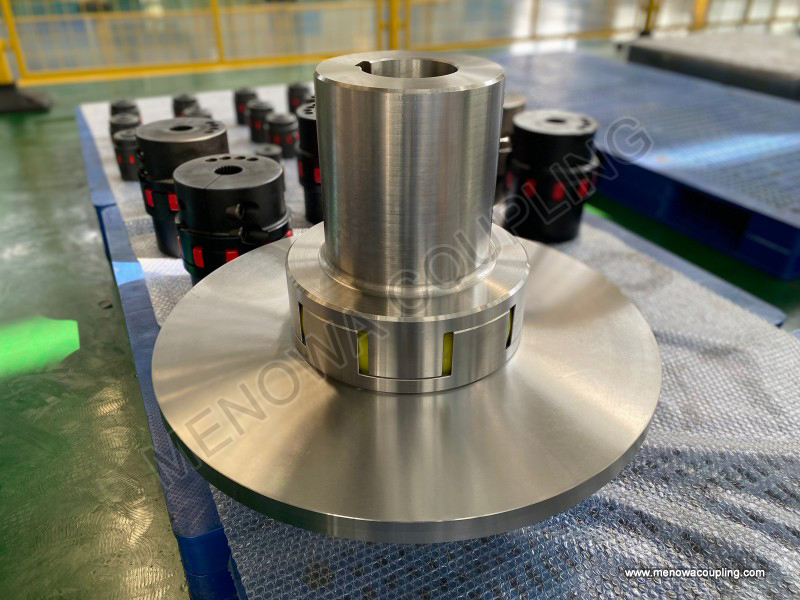
The basic working essence of a fire pump coupling is to connect two independent rotating shafts, namely the output shaft of the fire pump driver and the input shaft of the fire pump host, to form a complete power transmission mechanical chain, so that the rotational torque generated by the driving device can be efficiently and continuously transmitted to the pump body impeller structure, driving the impeller to rotate at a stable rated speed to complete the pressurization and transportation of fire water medium. In the actual assembly and operation process of fire pump sets, the driving forms of fire pumps are diversified according to different application scenarios and fire protection design requirements, including electric motor drive widely used in conventional building fire protection systems, diesel engine drive adopted for emergency backup fire pumps in important industrial parks, high-rise buildings, and key safety guarantee places, and other power driving forms adapted to special working environments. No matter what kind of driving mode is adopted, there is a necessary assembly gap and mechanical connection gap between the power output end of the driving equipment and the power input end of the pump body, and the two shafts cannot be directly connected and operated in a rigid integrated manner due to the limitations of mechanical processing accuracy, on-site installation conditions, structural thermal expansion and contraction during equipment operation, and long-term mechanical operation settlement deviation. The fire pump coupling perfectly solves this connection problem, realizing the firm connection of the two shafts on the premise of adapting to various objective mechanical deviations, ensuring the synchronous rotation of the driving shaft and the driven shaft, and avoiding power transmission loss caused by shaft disconnection or asynchronous operation. Beyond the most basic power transmission function, the fire pump coupling also undertakes the important mechanical protection function of isolating and buffering various adverse mechanical forces generated during the operation of the equipment. During the startup instantaneous stage of the fire pump, the driving device will generate instantaneous starting torque, and the pump body will produce certain rotational resistance due to the static state of the internal water medium and the inertia of the mechanical structure; during the continuous operation of the equipment, the rotation of the impeller will produce hydraulic impact force, and the operation of the motor or diesel engine will produce natural mechanical vibration; in the long-term operation process, the temperature change of the equipment will cause thermal expansion and contraction of the shaft and connecting components, and the foundation settlement of the equipment room will also cause tiny position changes of the two connected shafts. All these instantaneous impact forces, continuous vibration forces, thermal deformation stress, and settlement deviation stress will be effectively buffered, absorbed, and compensated by the fire pump coupling, preventing these adverse forces from directly acting on the pump shaft, driving shaft, bearing assembly, and mechanical seal components of the fire pump. Without the protection of the coupling, these repeated impact and vibration forces will directly act on the core precision components of the equipment, resulting in accelerated wear of bearings, rapid aging and damage of mechanical seals, shaft deformation and bending, thread loosening of connecting parts, and even mechanical failure of shaft fracture in severe cases, greatly shortening the overall service life of the fire pump set and reducing the reliability of emergency startup.
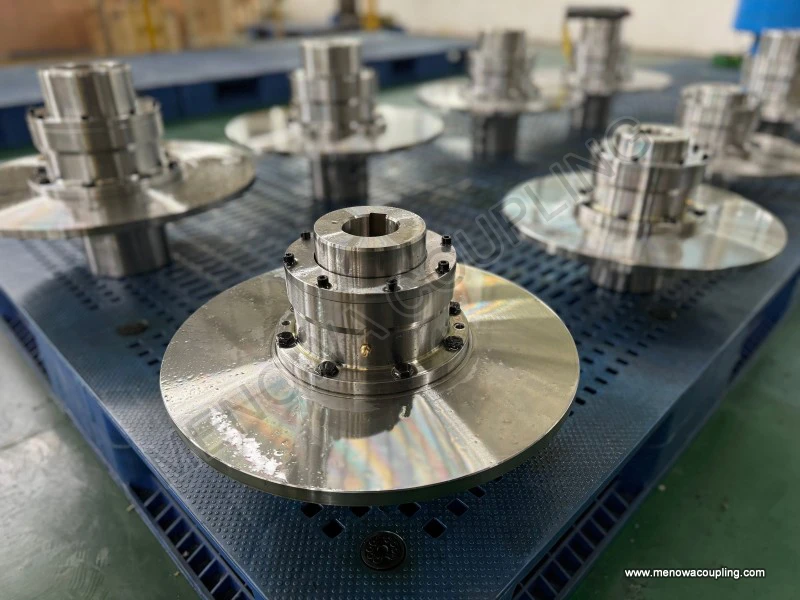
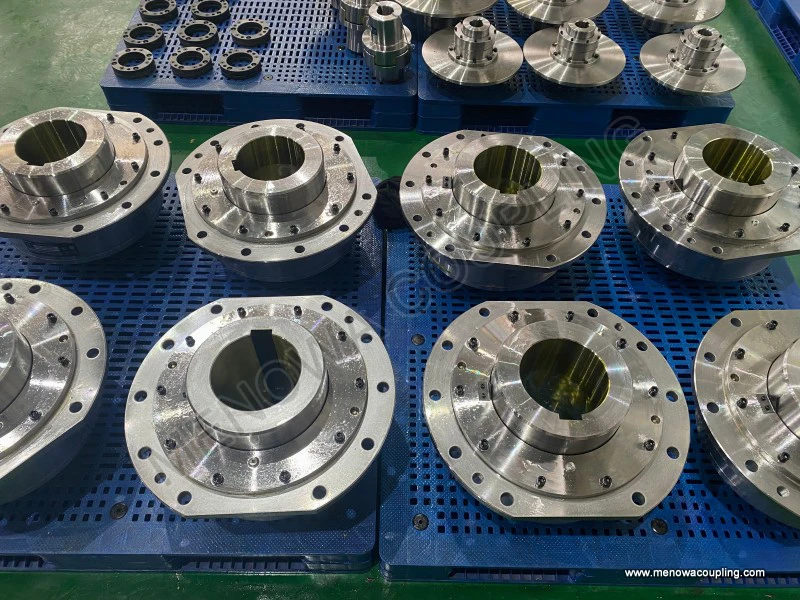
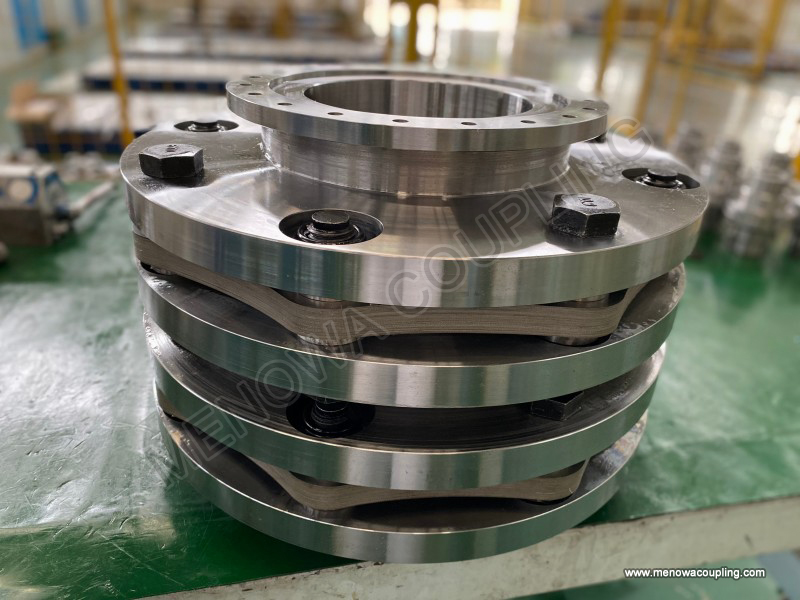
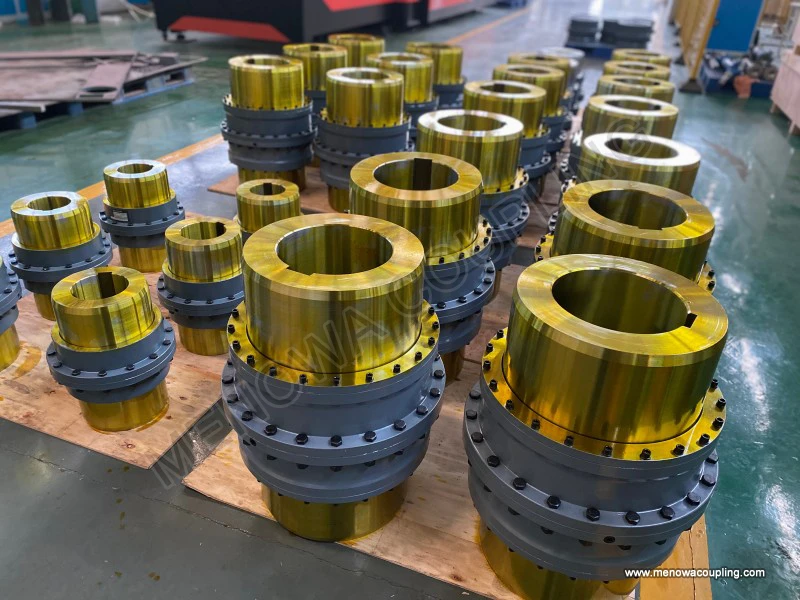
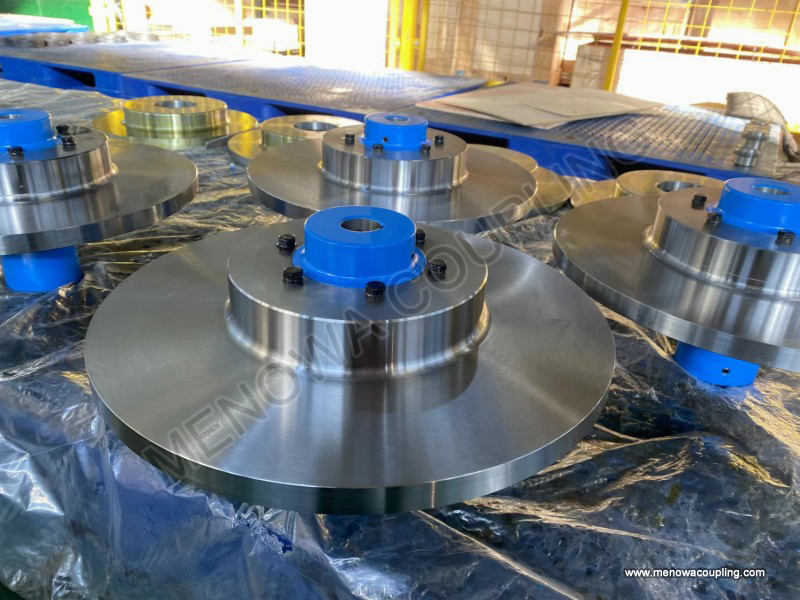
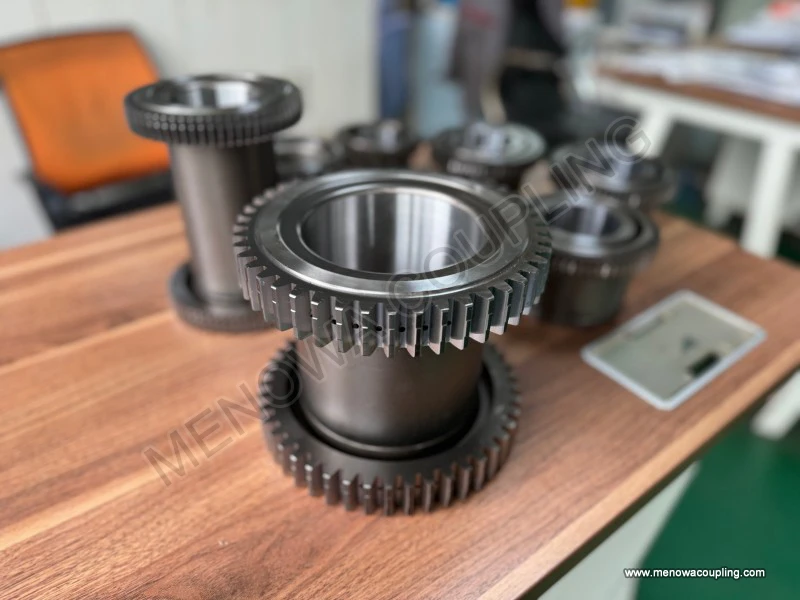
Fire pump couplings can be divided into two main categories according to structural design characteristics and mechanical performance attributes, rigid couplings and flexible couplings, and these two types of couplings have obvious differences in structural form, deviation compensation capacity, vibration buffering effect, applicable working conditions, and installation and use requirements, forming a differentiated matching system for different fire pump operation needs. Rigid fire pump couplings adopt an integrated rigid connection structural design, with high overall structural rigidity and almost no elastic deformation space during operation. This type of coupling mainly relies on rigid fastening parts to firmly lock the driving shaft and the driven shaft together, achieving completely synchronous and rigid rotation of the two shafts, with extremely high power transmission efficiency and almost no torque loss in the power transmission process. The structural characteristics of rigid couplings determine that they are more suitable for fire pump sets with extremely high installation foundation stability, extremely precise shaft alignment accuracy, small equipment operation vibration amplitude, and stable long-term operating conditions. In practical application, rigid couplings have strict requirements for the parallelism and angular coincidence of the two connected shafts, and they have no effective compensation capacity for parallel offset deviation and angular deviation between shafts. Once there is slight installation misalignment or later foundation settlement deviation during operation, rigid couplings will directly transmit all additional stress and vibration to the connected equipment components, causing severe mechanical wear and hidden equipment failure risks in a short time. Therefore, rigid fire pump couplings are only used in a small number of fixed fire pump equipment with fixed installation foundations, stable operating environments, and long-term non frequent startup and shutdown working states, and their application scope in modern building fire protection systems is gradually reduced with the continuous improvement of fire protection equipment reliability requirements.
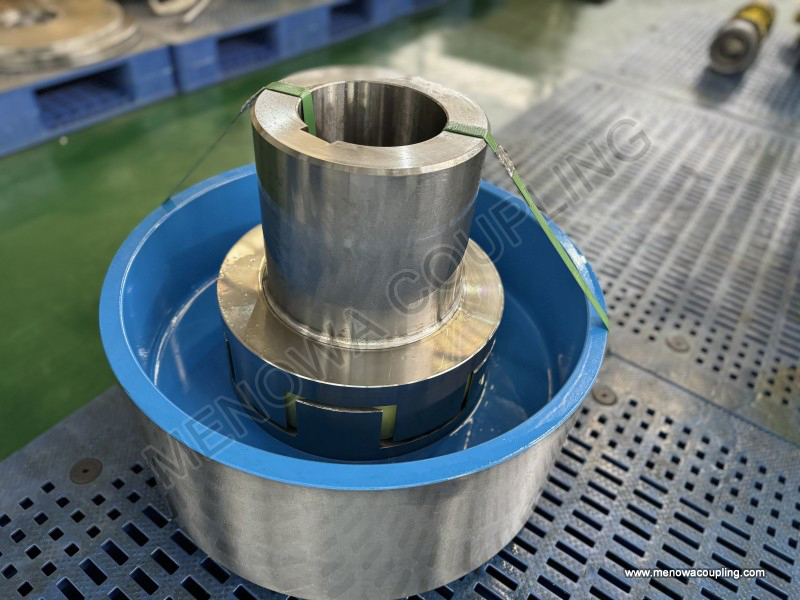
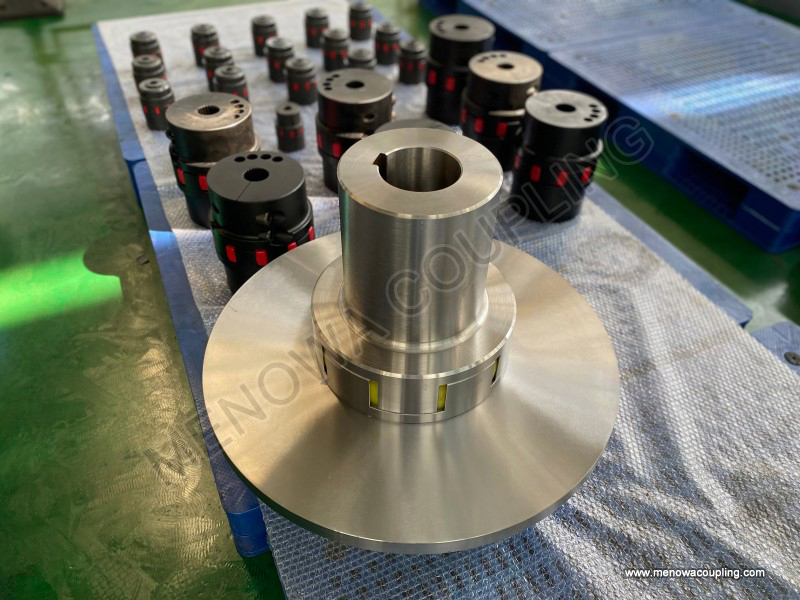
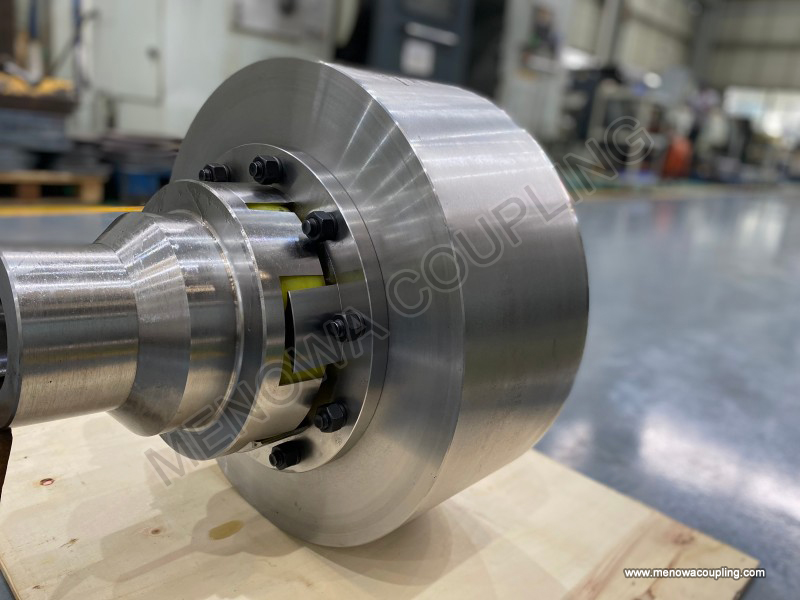
Flexible fire pump couplings are the most widely used type in current fire protection engineering and fire pump matching applications, with elastic buffer structures added in the internal structural design, which can rely on the elastic deformation of internal elastic components to achieve multiple functions such as shaft deviation compensation, vibration absorption, impact buffering, and stress reduction. Different from the rigid connection mode of rigid couplings, flexible couplings do not require absolute perfect alignment of the two connected shafts in the installation process, and can effectively adapt to reasonable parallel offset deviation, angular deviation, and axial displacement deviation generated during equipment installation and long-term operation. The internal elastic parts of flexible couplings can effectively absorb the instantaneous impact torque generated during the startup and shutdown of the fire pump, reduce the vibration amplitude of the equipment during continuous operation, isolate the vibration transmission between the driving device and the pump body, avoid the mutual influence of the vibration of the two equipment units, and protect the bearings, seals, and other precision vulnerable parts of the fire pump set from excessive vibration damage. In addition, flexible fire pump couplings can also well adapt to the thermal expansion and contraction changes of the shaft and connecting components caused by temperature changes during equipment operation, eliminating the mechanical stress generated by thermal deformation and avoiding structural damage caused by thermal stress accumulation. According to different internal elastic component materials and structural forms, flexible fire pump couplings can be subdivided into elastomeric flexible couplings, spring type flexible couplings, and other sub-types, each with its own targeted performance advantages. Elastomeric flexible couplings use rubber or polymer elastic materials as the buffer core components, with good vibration damping effect, low operation noise, stable compensation performance, and low later maintenance cost, which is suitable for most conventional electric fire pump sets in buildings and public places. Spring type flexible couplings use metal spring structures as the buffer and force transmission components, with strong torque bearing capacity, high temperature resistance, and aging resistance, which is more suitable for diesel engine driven fire pumps and fire pump equipment used in high-temperature industrial production environments, meeting the harsh operating conditions of high power output and strong vibration of diesel engines. The wide application of flexible fire pump couplings in modern fire protection systems fundamentally improves the overall operation stability and fault resistance of fire pump sets, reduces the failure rate of mechanical components caused by installation deviation and operation vibration, and ensures that the fire pump can still start and operate normally even if there are tiny mechanical deviations in long-term standby state.
The installation and alignment work of fire pump couplings is the key link to determine the subsequent operation effect and service life of the coupling and the entire fire pump set, and the installation accuracy directly affects the magnitude of mechanical wear, vibration intensity, and power transmission stability during equipment operation. No matter whether rigid couplings or flexible couplings are selected for matching, standardized installation and precise shaft alignment must be completed in strict accordance with mechanical assembly specifications, and flexible couplings cannot be allowed to compensate for excessive installation misalignment by virtue of their own deviation compensation performance. It is necessary to clearly recognize that the deviation compensation function of flexible fire pump couplings is designed for tiny normal deviations generated by inevitable installation errors, later foundation settlement, and thermal deformation, rather than for correcting large misalignment problems caused by irregular installation construction. Excessive shaft misalignment beyond the allowable tolerance range will bring long-term abnormal alternating load to the coupling and connected equipment components, even if it is a flexible coupling with good compensation performance, long-term operation under abnormal load will also lead to accelerated aging and damage of internal elastic parts, bolt loosening and falling off, coupling structural deformation, and subsequent equipment failure. The installation and alignment work of fire pump couplings mainly includes two core dimensions, parallel alignment correction and angular alignment correction. Parallel alignment refers to ensuring that the center lines of the driving shaft and the driven shaft of the fire pump are kept on the same horizontal straight line without parallel offset dislocation; angular alignment refers to ensuring that the two connected shafts are kept in a completely parallel angular state without angular inclination and deflection.
In the actual on-site installation and construction process, professional alignment tools need to be used to detect and calibrate the position of the two shafts in multiple directions and multiple measuring points, and the position of the fire pump body or the driving device is finely adjusted by adding adjusting gaskets and moving the equipment base, until the parallel deviation and angular deviation of the two shafts are controlled within the reasonable allowable tolerance range. After the shaft alignment work is completed, the coupling sleeves need to be respectively installed on the driving shaft and the driven shaft, and the fastening bolts and connecting parts are installed and tightened in a standardized cross symmetrical tightening sequence. The cross tightening method can ensure that the stress of the coupling connection parts is evenly distributed, avoiding the deviation of the coupling position caused by one-sided excessive tightening, and ensuring the firm and balanced connection of the overall structure. After the installation and fastening of the coupling are completed, a special protective cover needs to be installed on the outer side of the fire pump coupling. The protective cover is an essential matching facility for the safe operation of the coupling, which can not only prevent external dust, debris, moisture, and corrosive substances from entering the coupling interior and causing corrosion and wear of internal components, but also avoid safety accidents such as personal collision and scratch caused by contact with the rotating coupling during equipment operation and daily personnel inspection and maintenance. After all installation and protection work is completed, it is necessary to carry out no-load trial operation of the fire pump set, observe the operation vibration, noise, and rotation stability of the coupling, check whether there is abnormal shaking, friction sound, and local overheating phenomenon during operation, and confirm that all installation links meet the operation requirements before putting the fire pump set into daily standby state.
Long-term stable operation of fire pump couplings cannot be separated from scientific and standardized daily operation management and regular maintenance and inspection work. Fire pumps belong to standby safety equipment in most cases, maintaining a long-term static standby state for a long time, and only starting emergency operation in case of fire accidents or regular functional inspection and testing. This long-term standby operating characteristic makes the working state of fire pump couplings different from that of mechanical couplings in continuous operating industrial equipment. Long-term static placement will lead to natural aging of elastic components of flexible couplings, slow relaxation of fastening bolt pre-tightening force, surface rust and corrosion of metal structural parts, and slight adhesion and stagnation of rotating connecting parts. If regular maintenance and inspection are not carried out, these potential hidden problems will continue to accumulate in the standby state, and once the fire pump is started urgently, the coupling cannot work normally, affecting the normal play of the fire water supply function. The daily maintenance work of fire pump couplings is simple in operation but crucial in effect, and the core is to adhere to regular inspection, timely troubleshooting, and regular maintenance and replacement. In terms of daily routine inspection, fire safety management and equipment maintenance personnel need to conduct regular visual inspection and simple manual inspection of the fire pump coupling every quarter, check whether the outer protective cover is intact and installed firmly, whether the coupling surface has obvious rust, corrosion, deformation, and crack damage, whether the connecting bolts have loosening, missing, and rust dead phenomena, and whether the elastic components of flexible couplings have aging deformation, cracking, wear, and failure.
In the regular functional test operation of the fire pump, it is necessary to focus on observing the operating state of the coupling during startup and operation, check whether there is abnormal vibration, sharp friction noise, and obvious shaking during the rotation process, and touch the coupling shell after operation to check whether there is abnormal local overheating phenomenon. For couplings that need regular lubrication maintenance, it is necessary to replenish professional lubricating oil on schedule according to mechanical maintenance requirements to ensure the flexible rotation of connecting parts and reduce mechanical friction and wear. In the process of inspection and maintenance, once minor problems such as individual bolt loosening and slight surface rust are found, they need to be tightened and derusted in a timely manner to prevent small problems from evolving into large mechanical failures. For flexible couplings with aging and cracking of internal elastic parts, deformed structural parts, and severely corroded and failed fastening components, they need to be replaced in a timely manner as a whole, and re-alignment and calibration work must be carried out after replacement to ensure that the newly installed coupling meets the installation accuracy and operation matching requirements. It is worth noting that the replacement cycle of fire pump couplings needs to be determined according to the actual operating environment, standby time, and equipment operation frequency, and unified rigid replacement cycle management cannot be adopted. Couplings used in humid, corrosive, and high-dust environments have faster aging and corrosion speeds and need to be replaced more frequently; couplings used in dry and well-ventilated equipment rooms have relatively longer service life, but regular inspection and performance evaluation still need to be adhered to.
The failure and damage of fire pump couplings are not accidental sudden faults in most cases, but the inevitable result of long-term accumulation of various unfavorable factors and long-term neglect of maintenance management. Summarizing the common failure causes of fire pump couplings is conducive to targeted prevention and control in daily management, reducing the failure probability of couplings and ensuring the reliable operation of fire pump equipment. The first major cause of coupling failure is excessive installation misalignment and unqualified alignment work. In the initial installation and construction stage, if the shaft alignment work is not carried out in strict accordance with the specifications, the parallel deviation and angular deviation of the two shafts exceed the allowable range, the coupling will bear abnormal alternating shear force and extrusion force during each startup and operation of the fire pump. Long-term operation under abnormal force will lead to continuous wear of coupling connecting parts, fatigue damage of elastic components, bolt loosening and fracture, and finally complete failure of power transmission. The second common cause is long-term lack of maintenance and inspection, resulting in aging, corrosion, and wear of components. Fire pump couplings are in standby state for a long time, and the external humid air, dust, and corrosive gases will cause slow corrosion of metal parts; the natural aging of elastic materials of flexible couplings will occur over time, and the pre-tightening force of fastening bolts will gradually relax. Without regular inspection and maintenance, these hidden dangers will continue to accumulate until the coupling fails to work normally when the fire pump is started. The third cause is improper selection of coupling type and mismatched performance parameters. In the fire protection system design and equipment matching stage, if the coupling type is not selected according to the driving form, power parameters, operating environment, and working characteristics of the fire pump, for example, rigid couplings are blindly used for diesel engine driven fire pumps with large vibration, or small-sized flexible couplings with insufficient torque bearing capacity are matched for high-power fire pumps, the coupling will be overloaded and operated for a long time, resulting in rapid structural damage and performance failure.
In addition, irregular startup and shutdown operation of fire pumps and external impact damage will also accelerate the damage of couplings. Frequent instantaneous startup and emergency shutdown will generate large instantaneous impact torque, causing fatigue damage to the coupling structure; accidental collision and extrusion during equipment room construction and personnel operation will cause deformation and damage to the coupling and protective cover, affecting normal operation. All these failure causes can be effectively avoided through standardized installation and alignment, scientific type selection matching, regular maintenance and inspection, and standardized equipment operation management, which fully reflects the important correlation between daily management work and the long-term reliability of fire pump couplings.
In the whole fire protection safety system engineering construction and subsequent long-term operation and maintenance management work, people often focus more on the main performance parameters of fire pumps, the rationality of fire water pipeline layout, the sensitivity of fire alarm linkage system, and the effectiveness of fire-fighting terminal equipment, and easily ignore the important role of small mechanical components such as fire pump couplings. However, the safety and reliability of the fire protection system is a systematic project, and every small component and every installation and maintenance link is an indispensable part of the overall safety guarantee chain. Any weak link in the system may lead to the collapse of the entire fire protection safety system in emergency situations. The fire pump coupling, as the key mechanical connection and power transmission core component of the fire pump set, bears the important responsibility of connecting power and ensuring operation. Its normal operation is the basic premise for the fire pump to exert water supply and pressurization functions, and its reliable performance is an important guarantee for the fire protection system to respond effectively in fire emergencies.
With the continuous upgrading of modern building scale, industrial production safety standards, and fire protection system construction requirements, the operational stability and fault resistance requirements for fire pump equipment are constantly improving, and the performance design, type selection matching, installation accuracy, and maintenance management requirements for fire pump couplings are also becoming more standardized and refined. All practitioners engaged in fire protection engineering design, equipment installation and construction, property safety management, and equipment operation and maintenance need to attach full importance to the basic role of fire pump couplings, deeply understand their working principle and performance characteristics, strictly implement standardized installation and alignment procedures, adhere to regular daily inspection and maintenance work, timely eliminate various potential hidden dangers affecting the normal operation of couplings, and ensure that fire pump couplings can maintain good mechanical performance and working state for a long time. Only by doing a good job in the detail management of small core components such as fire pump couplings can we lay a solid foundation for the reliable standby and emergency effective operation of the entire fire pump set, ensure that the fire water supply system can respond quickly, operate stably, and exert efficient fire suppression effects in the event of fire accidents, effectively protect the life safety of personnel and the property safety of enterprises and buildings, and give full play to the due safety protection role of the fire protection system.
Post Date: Apr 26, 2026
https://www.menowacoupling.com/coupling-supplier/fire-pump-coupling.html
Tags
Related Articles
Advantages Of Flexible Coupling
In the complex and interconnected world of mechanical power transmission, the seamless transfer of torque and rotational motion between rotating shafts stands as a foundational requirement for the steady operation of all types of industrial and commercial machinery. Every mechanical system that relies on motors, engines…
 WeChat
 WhatsApp