Flexible Diaphragm Coupling Factory
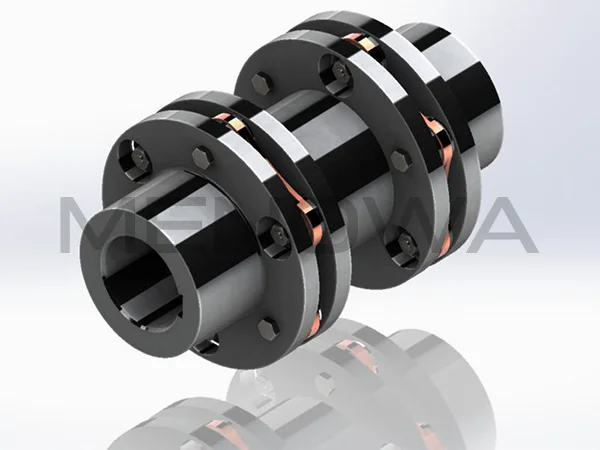
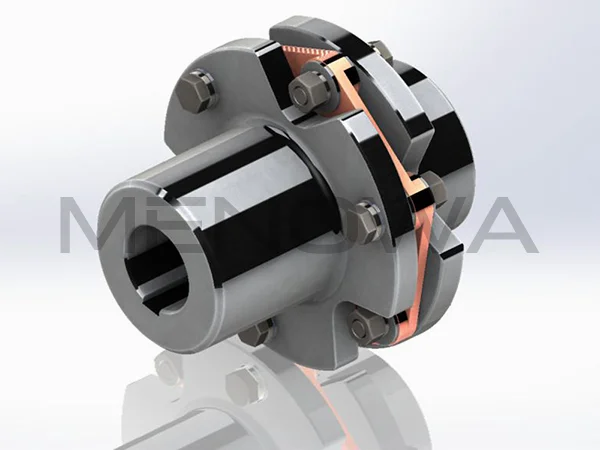
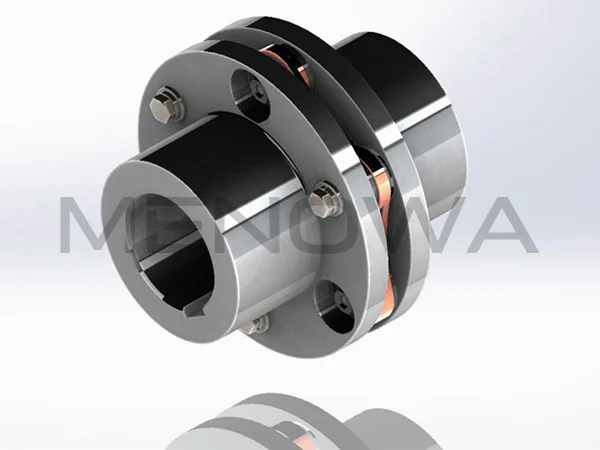
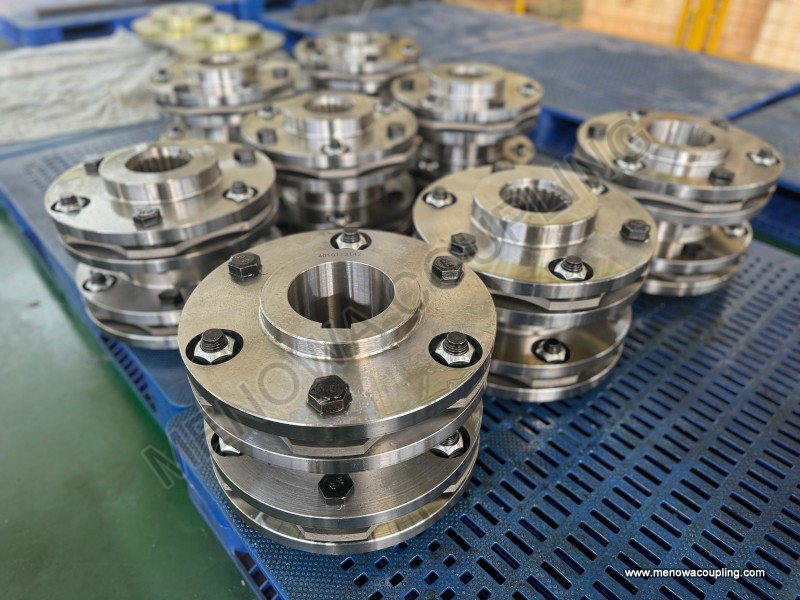
A flexible diaphragm coupling factory is a specialized manufacturing facility dedicated to producing high-performance flexible diaphragm couplings, which are essential mechanical components used to connect two rotating shafts in various industrial applications. These couplings play a critical role in transmitting torque efficiently while accommodating axial, radial, and angular misalignments between shafts, ensuring smooth operation and extending the service life of connected machinery. Unlike many other coupling types that rely on rubber or plastic elastomers or require continuous lubrication, flexible diaphragm couplings use metal elastic elements, making them suitable for a wide range of harsh working environments. The factory’s operations encompass every stage from raw material selection and design to manufacturing, testing, and packaging, all guided by a commitment to quality, precision, and reliability.
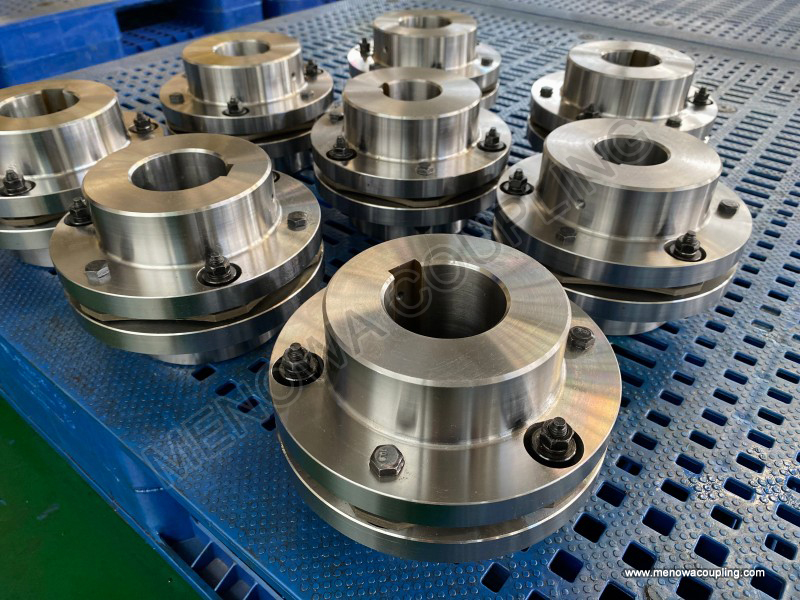
The foundation of any high-quality flexible diaphragm coupling lies in the careful selection of raw materials. The core component of these couplings is the diaphragm, typically made from high-strength stainless steel or alloy steel. These materials are chosen for their exceptional elasticity, corrosion resistance, high-temperature tolerance, and mechanical strength, which are essential for withstanding the rigorous demands of industrial operations. The factory sources raw materials from trusted suppliers, ensuring that each batch meets strict quality standards. Stainless steel, in particular, is favored for its ability to resist rust and corrosion, making it ideal for applications in chemical, food, and marine industries where exposure to corrosive media is common. Alloy steels, on the other hand, offer enhanced strength and durability, making them suitable for high-torque and high-speed applications such as gas turbines and aerospace equipment. Before entering the production process, all raw materials undergo thorough inspection to check for defects, impurities, or inconsistencies that could compromise the performance of the final product.
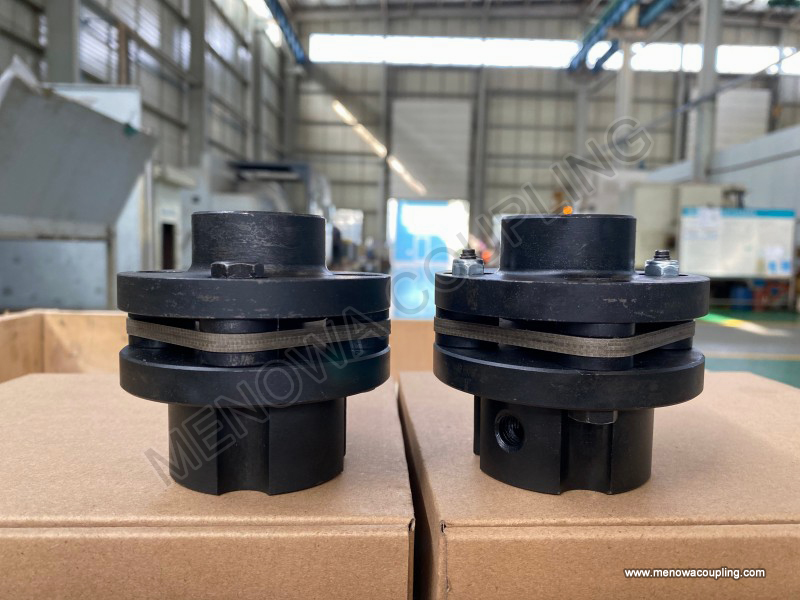
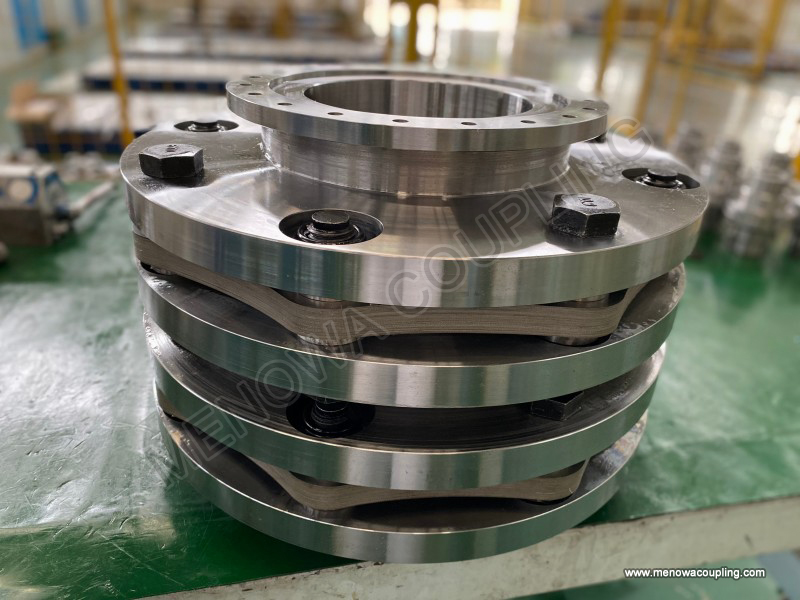
Design is another critical aspect of the flexible diaphragm coupling factory’s operations. The design team consists of experienced engineers who use advanced software and simulation tools to develop couplings that meet the specific needs of different industries and applications. The design process begins with understanding the customer’s requirements, including torque capacity, speed, misalignment compensation needs, operating temperature, and environmental conditions. Using finite element analysis (FEA), engineers can simulate the performance of the coupling under various operating conditions, optimizing the design to ensure maximum efficiency, reliability, and durability. The design of the diaphragm itself is particularly important—its shape, thickness, and number of layers are carefully calculated to provide the right balance of flexibility and strength. Single diaphragm designs are suitable for low-eccentricity scenarios, while double diaphragm designs offer enhanced compensation capabilities, able to handle multi-directional deviations with angular displacement compensation twice that of traditional gear couplings. The design team also considers factors such as weight, size, and ease of installation, ensuring that the final product is not only high-performing but also practical for real-world applications.
Once the design is finalized, the manufacturing process begins. The factory is equipped with state-of-the-art machinery and equipment to handle every stage of production with precision. The first step is cutting the raw materials into the required shapes and sizes using advanced cutting technologies such as laser cutting or plasma cutting. This ensures clean, accurate cuts that minimize waste and reduce the need for additional processing. Next, the diaphragm blanks are formed into their final shape using stamping or pressing machines. The forming process must be precise to ensure that the diaphragm has the correct flexibility and strength—any deviation in shape or thickness can affect the coupling’s ability to compensate for misalignments and transmit torque efficiently. After forming, the diaphragms undergo heat treatment to enhance their mechanical properties. Heat treatment processes such as annealing, quenching, and tempering are used to improve the steel’s strength, hardness, and elasticity, ensuring that the diaphragms can withstand repeated elastic deformation without fatigue or failure.
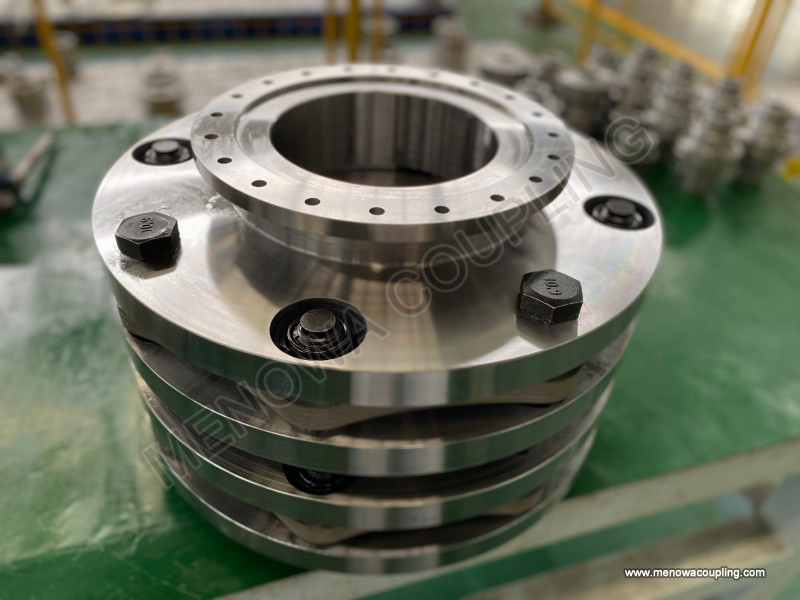
The next stage in the manufacturing process is machining. The flanges, hubs, and other components of the coupling are machined using computer numerical control (CNC) machines, which offer high precision and consistency. CNC turning, milling, and drilling machines are used to create the intricate features required for the coupling, such as bolt holes, keyways, and mating surfaces. These features must be machined to tight tolerances to ensure that the components fit together perfectly, eliminating rotational clearance and ensuring efficient torque transmission. The machining process is closely monitored to ensure that each component meets the design specifications—any errors in machining can lead to misalignment, reduced performance, or even premature failure of the coupling. After machining, the components are deburred to remove any sharp edges or burrs that could cause damage during installation or operation.
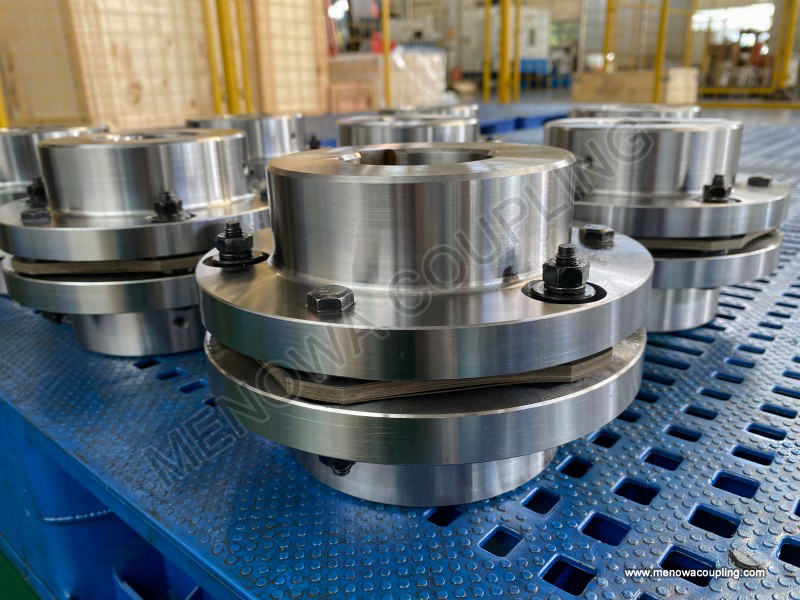
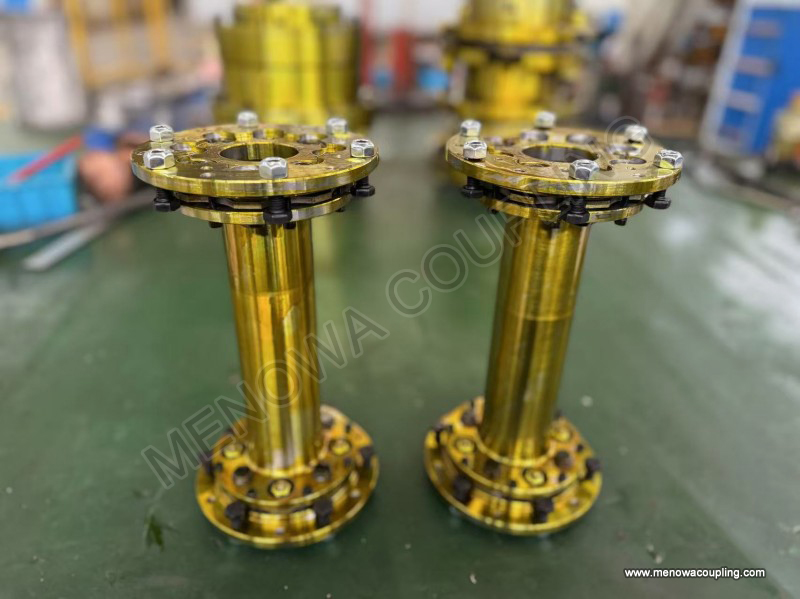
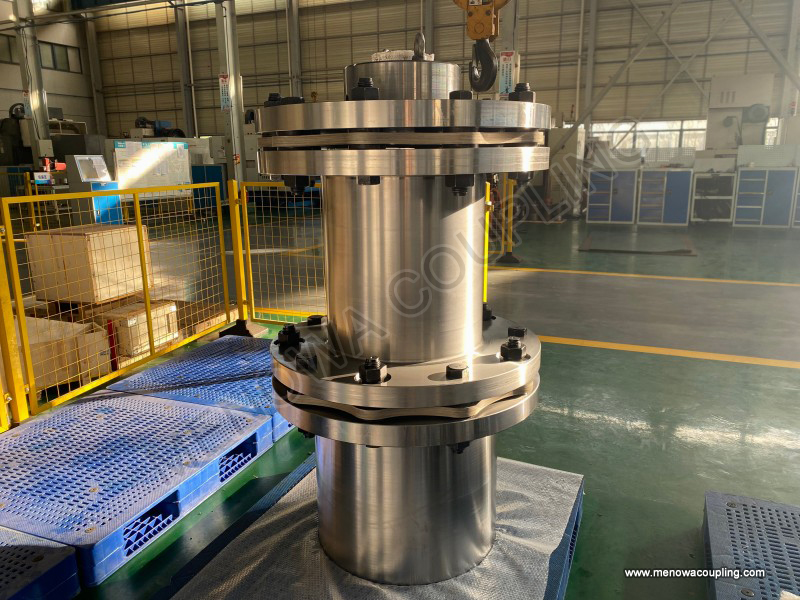
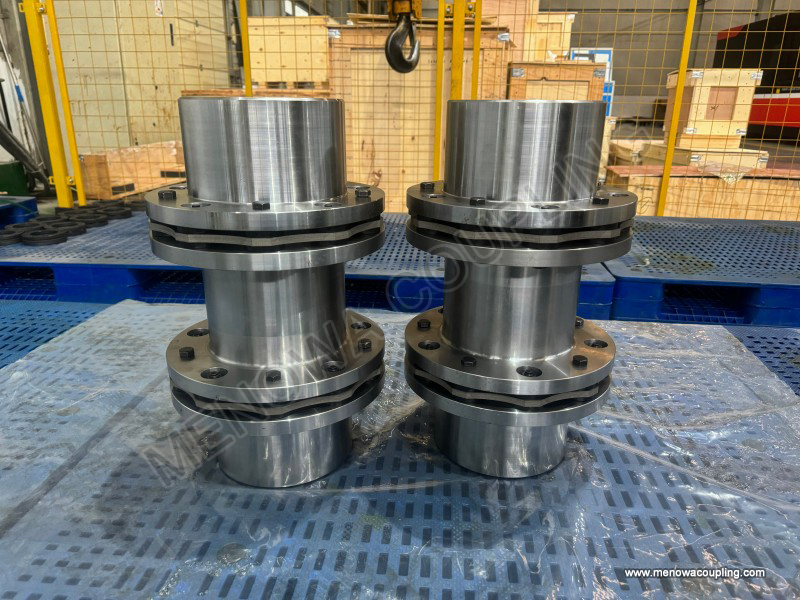
Assembly is a critical stage that requires careful attention to detail. The factory’s assembly team consists of skilled technicians who follow strict procedures to ensure that each coupling is assembled correctly. The process begins with attaching the diaphragms to the flanges using high-strength bolts. The bolts are tightened to specific torque values to ensure a secure connection without damaging the diaphragms. In some designs, spacer elements may be added between the flanges to adjust the overall length of the coupling or provide axial separation between shafts. Sealing elements may also be incorporated to prevent contamination ingress, although many flexible diaphragm couplings do not require lubrication, eliminating the need for complex sealing systems. During assembly, each component is inspected to ensure that it is free from defects and that all connections are secure. The assembled couplings are then checked for rotational clearance, misalignment, and overall performance to ensure that they meet the design requirements.
Testing is an integral part of the production process, ensuring that every flexible diaphragm coupling leaving the factory meets the highest quality standards. The factory has a dedicated testing facility equipped with advanced testing equipment to evaluate the performance of the couplings under various conditions. Static testing is conducted to check the coupling’s torque capacity, ensuring that it can withstand the maximum torque specified for its application. Dynamic testing is performed to simulate real-world operating conditions, including high speeds, misalignments, and temperature variations. This testing helps to identify any potential issues such as vibration, noise, or fatigue that could affect the coupling’s performance. Additionally, the couplings are tested for corrosion resistance, high-temperature tolerance, and durability to ensure that they can perform reliably in harsh environments. Any coupling that fails to meet the testing standards is rejected and sent back for rework or scrapped, ensuring that only high-quality products reach the customer.
Quality control is a continuous process throughout the factory’s operations, from raw material inspection to final product testing. The factory has implemented a comprehensive quality management system that covers every aspect of production. Quality control inspectors are stationed at each stage of the production process, conducting regular checks to ensure that all components and processes meet the required standards. They use advanced measuring tools such as calipers, micrometers, and coordinate measuring machines (CMM) to verify the dimensions and tolerances of the components. Any deviations from the design specifications are immediately addressed, and corrective actions are taken to prevent future issues. The factory also maintains detailed records of all production and testing activities, allowing for traceability of each product. This traceability is essential for identifying any potential issues and ensuring that the factory can continuously improve its processes and products.
The flexible diaphragm couplings produced by the factory are used in a wide range of industrial applications, each with its own unique requirements. In the energy industry, they are used to connect gas turbines and steam turbines, compensating for shaft displacements caused by thermal expansion. In the process industry, they are used in high-power chemical pumps, such as sulfuric acid transfer pumps, where corrosion resistance is critical. In high-end equipment, such as helicopter main rotor transmission systems, they meet the requirements of lightweight and high reliability. In intelligent manufacturing, they are used to connect CNC machine tool feed axes, ensuring micrometer-level transmission accuracy. Other applications include fans, compressors, hydraulic machinery, petroleum machinery, printing machinery, textile machinery, mining machinery, and metallurgical machinery. The factory’s ability to customize couplings to meet the specific needs of each application is a key advantage, allowing customers to get a product that is perfectly suited to their machinery and operating conditions.
One of the key advantages of flexible diaphragm couplings is their low maintenance requirements. Unlike gear couplings, which require regular lubrication and maintenance to prevent wear and tear, flexible diaphragm couplings do not need lubrication, eliminating the risk of oil pollution and reducing maintenance costs. They also have a long service life, thanks to the high-quality materials and precision manufacturing processes used in their production. The metal diaphragms are designed to withstand repeated elastic deformation without fatigue, ensuring that the coupling can operate reliably for many years. Additionally, flexible diaphragm couplings have a compact design, making them suitable for applications where space is limited. They also offer excellent shock absorption and noise reduction capabilities, reducing bearing load and extending the service life of connected machinery. The transmission efficiency of these couplings is as high as 99.86%, with no rotational clearance, ensuring accurate speed transmission and positioning accuracy for precision machinery.
The factory is also committed to environmental sustainability, implementing eco-friendly practices throughout its operations. It uses energy-efficient machinery and equipment to reduce energy consumption, and it recycles waste materials such as metal scraps to minimize environmental impact. The factory also ensures that all waste products are disposed of in an environmentally responsible manner, complying with local and international environmental regulations. By adopting these practices, the factory not only reduces its environmental footprint but also contributes to the sustainability goals of its customers and the industry as a whole.
In addition to manufacturing high-quality flexible diaphragm couplings, the factory also provides comprehensive customer support. Its team of experienced engineers is available to provide technical advice and assistance, helping customers select the right coupling for their application. The factory also offers after-sales service, including installation guidance, maintenance tips, and repair services, ensuring that customers get the most out of their products. The factory’s commitment to customer satisfaction is reflected in its focus on quality, reliability, and responsiveness, making it a trusted partner for businesses across various industries.
Continuous improvement is a core value of the flexible diaphragm coupling factory. The factory regularly invests in research and development to explore new materials, designs, and manufacturing technologies, ensuring that its products remain at the forefront of the industry. The research and development team works closely with customers to understand their evolving needs and develop innovative solutions that address emerging challenges. By staying up-to-date with the latest industry trends and technological advancements, the factory is able to offer products that are more efficient, reliable, and cost-effective than ever before.
In conclusion, a flexible diaphragm coupling factory is a specialized facility that plays a critical role in the industrial supply chain. Its operations encompass every stage from raw material selection and design to manufacturing, testing, and customer support, all guided by a commitment to quality, precision, and reliability. The factory’s ability to produce high-performance flexible diaphragm couplings that meet the specific needs of various industries makes it an essential partner for businesses around the world. With its focus on continuous improvement, environmental sustainability, and customer satisfaction, the factory is well-positioned to meet the evolving needs of the industry and remain a leader in the manufacturing of flexible diaphragm couplings.
Post Date: Apr 28, 2026
https://www.menowacoupling.com/china-coupling/flexible-diaphragm-coupling-factory.html
Products
Tags
Related Articles
Types of Flexible Diaphragm Coupling
Types of Flexible Diaphragm CouplingFlexible diaphragm couplings are essential mechanical transmission components designed to connect two rotating shafts while compensating for various forms of shaft misalignment, absorbing vibration, and ensuring precise and efficient torque transmission in mechanical systems. Unlike r…Components of Flexible Diaphragm Coupling
A flexible diaphragm coupling is a high-performance mechanical component widely used in various industrial applications to connect two shafts and transmit torque while compensating for relative displacements between them. Unlike rigid couplings that require precise alignment, flexible diaphragm couplings utilize the ela…Flexible Diaphragm Coupling Price
In the realm of industrial power transmission, flexible diaphragm couplings stand out as a critical component, valued for their ability to connect two rotating shafts while compensating for misalignments, absorbing minor vibrations, and ensuring efficient torque transfer. As businesses across various industries—from ma…Size Chart of Flexible Diaphragm Coupling
The size chart of flexible diaphragm coupling is an essential reference tool for engineers, procurement personnel, and maintenance technicians in various industrial fields, as it provides precise dimensional parameters and matching guidelines to ensure the coupling can perfectly adapt to different equipment and working …Types of Shim Pack Coupling
Shim pack couplings stand as a vital category of metal flexible transmission components widely applied in modern industrial mechanical shaft connection systems, serving the core purpose of stable torque transmission between driving and driven equipment while effectively absorbing and compensating for various minor misal…Uses of Flexible Diaphragm Coupling
In modern mechanical transmission systems, the stable connection and efficient torque transmission between rotating shafts are the core guarantees for the normal operation of all kinds of mechanical equipment. As a high-performance metal flexible transmission component, flexible diaphragm coupling has gradually become a…
 WeChat
 WhatsApp