Characteristics of Curved Tooth Coupling
In the global industrial transmission equipment market, curved tooth couplings have emerged as a core universal transmission component, widely adopted in heavy-duty machinery, energy equipment, marine engineering, and mining industries across all regional markets. Differing from traditional straight tooth gear couplings and flexible couplings, the unique curved tooth structural design endows this type of coupling with outstanding comprehensive mechanical properties, enabling it to adapt to complex and variable operating conditions in international industrial production. With the continuous upgrading of global industrial automation and heavy-duty equipment manufacturing standards, the market demand for curved tooth couplings is gradually developing toward high load resistance, high speed stability, long service life, and strong environmental adaptability, making it an indispensable key connecting component in modern mechanical transmission systems worldwide.
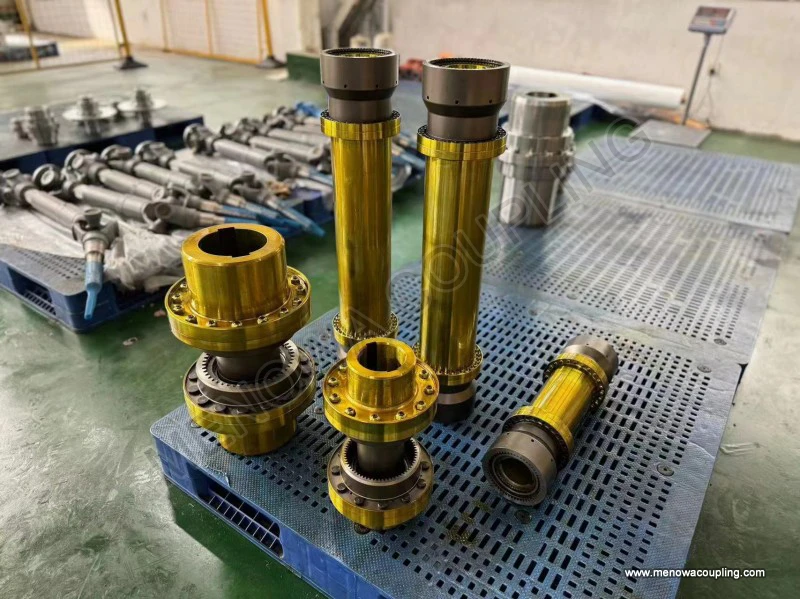
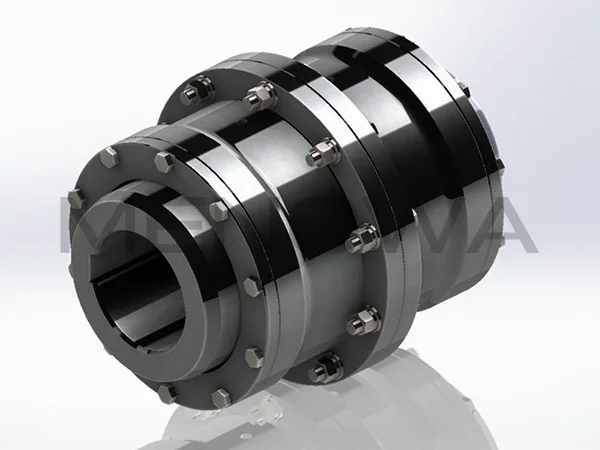
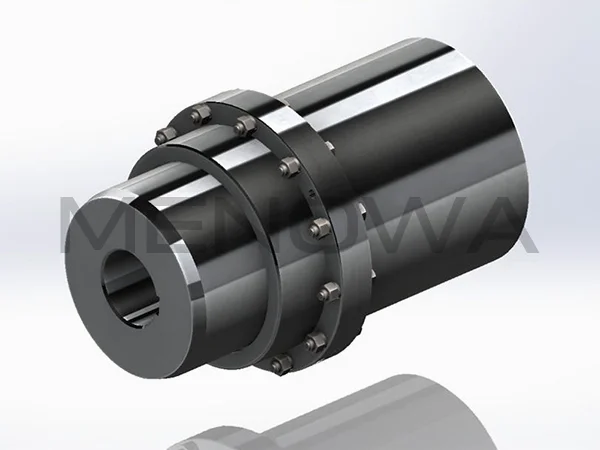
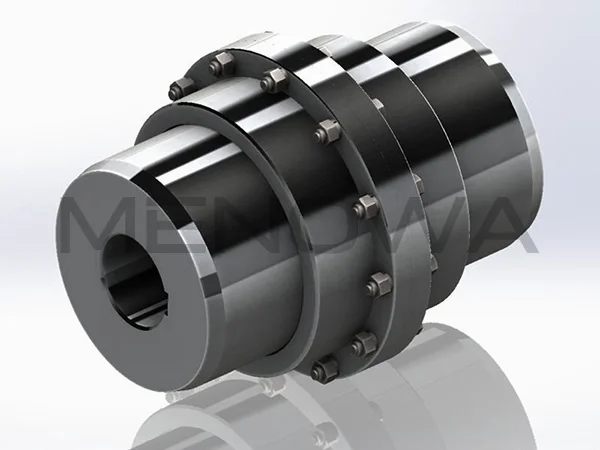
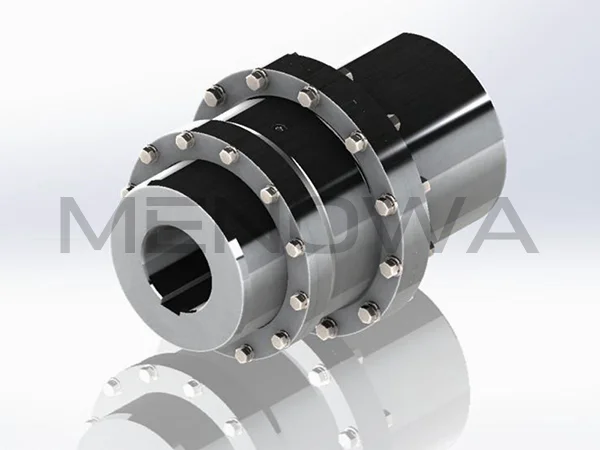
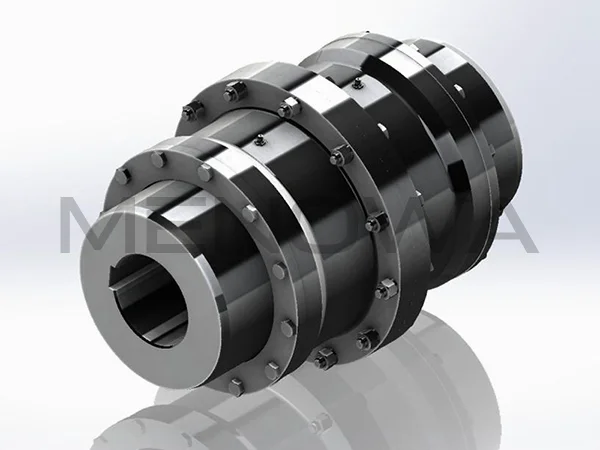
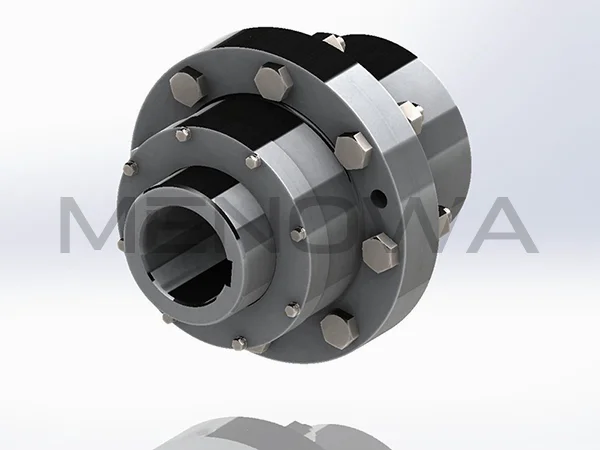
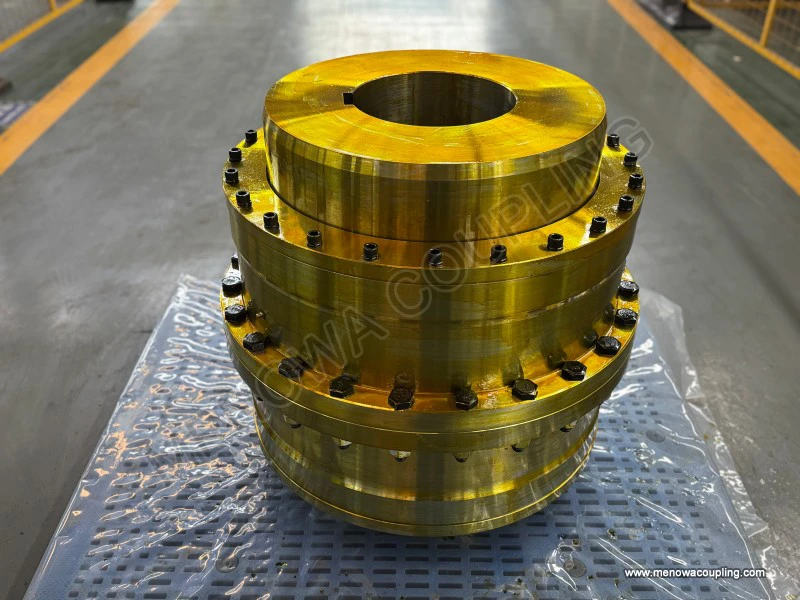
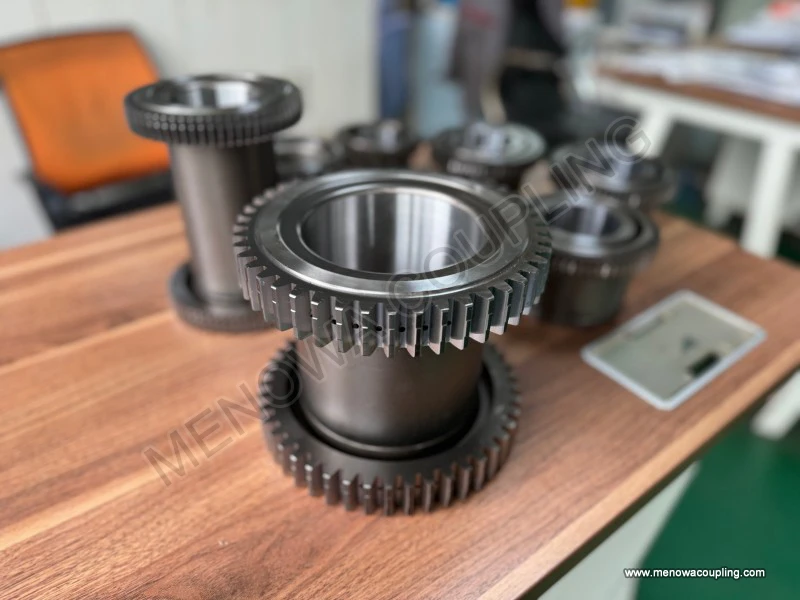
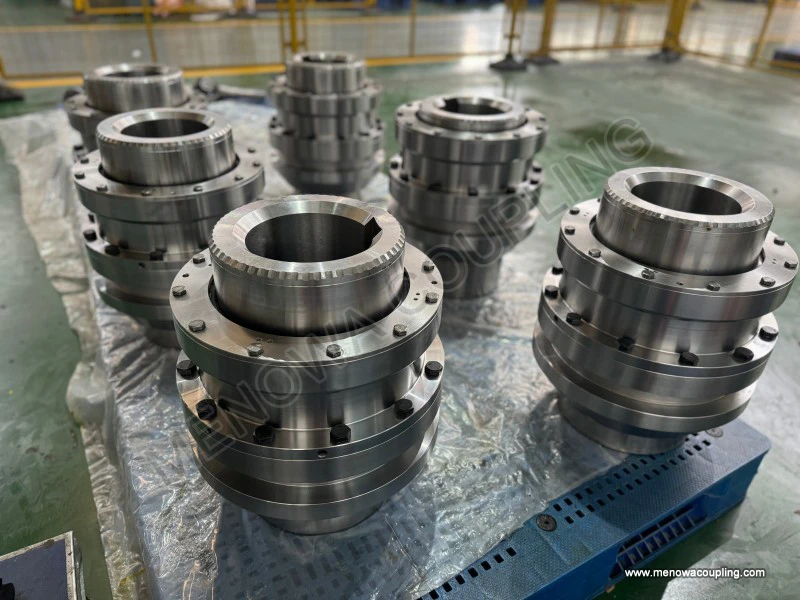
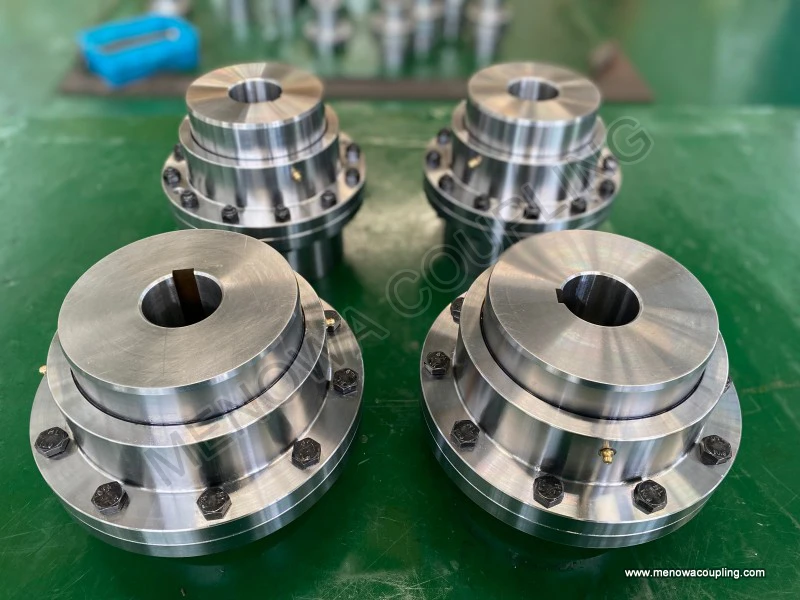
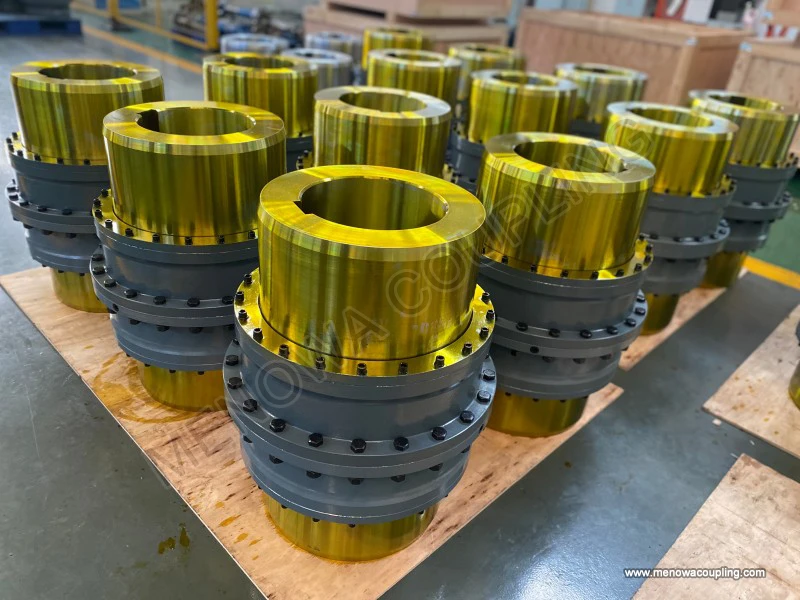
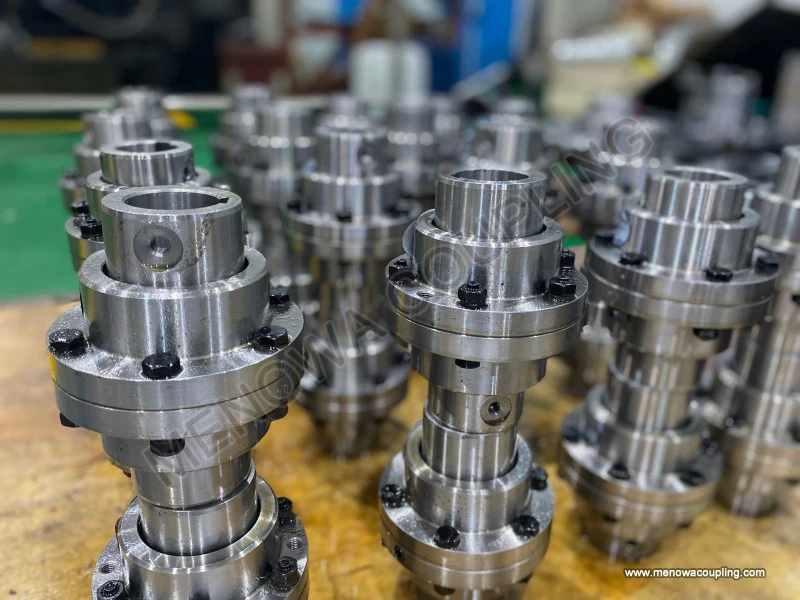
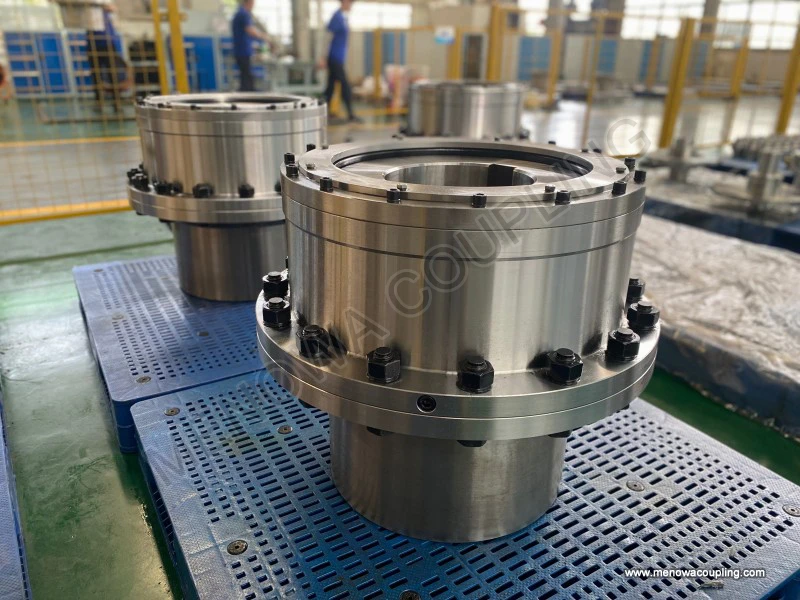
The core structural characteristics of curved tooth couplings form the foundation of their superior performance in the international market. The external teeth of the coupling adopt a spherical curved design, with the spherical center precisely located on the gear axis, and the tooth surface clearance is reasonably optimized compared with conventional gear couplings. This structural improvement completely eliminates the edge extrusion phenomenon that easily occurs in straight tooth couplings during operation, realizing uniform contact of the entire tooth surface in the meshing process. In the high-speed rotation and torque transmission process of mechanical equipment, the curved tooth contact mode can evenly distribute contact stress on the tooth surface, effectively avoiding local stress concentration and tooth surface wear and tear. Meanwhile, the special tooth shape design greatly improves the displacement compensation capability of the coupling. It can effectively accommodate angular, radial and axial misalignments between connected shafts, with the allowable angular displacement 50% higher than that of ordinary straight tooth couplings, which can well adapt to shaft position deviation caused by equipment installation errors, thermal expansion and contraction, and mechanical vibration in long-term operation. In terms of transmission efficiency, the optimized meshing structure reduces friction resistance during operation, achieving a transmission efficiency of up to 99.7%, which significantly reduces energy consumption in mechanical operation and meets the energy-saving and high-efficiency development requirements of the global industrial market.
In terms of operational performance characteristics, curved tooth couplings show excellent load resistance and impact resistance, which is a key advantage for their popularity in heavy-duty industrial scenarios worldwide. Global heavy industry production processes often involve variable loads, instantaneous shock loads and alternating loads, which pose severe tests to the fatigue resistance and structural stability of transmission components. The curved tooth coupling’s integrated tooth body structure and uniform stress distribution characteristics enable it to bear large instantaneous torque and cyclic alternating loads without plastic deformation or tooth surface damage. Its internal and external tooth meshing structure has high structural rigidity, ensuring stable torque output during long-term continuous operation, avoiding transmission jitter and power loss caused by load changes. In addition, this coupling has outstanding high-speed operation stability. The streamlined curved tooth structure reduces centrifugal force fluctuation and air resistance during high-speed rotation, avoiding resonance and abnormal vibration of the transmission system. It can maintain stable operating performance in long-cycle and high-intensity working environments, with far lower failure rates and maintenance frequency than ordinary flexible couplings, effectively reducing the overall operating cost of mechanical equipment and adapting to the high-reliability operation demands of industrial equipment in Europe, America, Southeast Asia and other global markets.
Durability and environmental adaptability are also important competitive characteristics of curved tooth couplings in the international market. Reasonable tooth gap design and smooth tooth surface contact greatly reduce abrasive wear and adhesive wear during meshing operation, slowing down the aging speed of core components. Under standard lubrication conditions, the service life of curved tooth couplings is significantly longer than that of traditional transmission couplings, showing excellent fatigue resistance in continuous cyclic operation. In terms of environmental adaptation, the all-metal structural design enables it to work stably in extreme working conditions such as high temperature, low temperature, dust, humidity and weak corrosive environments. It is not restricted by the aging failure problem of elastic materials in rubber and polyurethane flexible couplings, and can maintain stable transmission performance in harsh scenarios such as outdoor mining operations, marine humid and salt spray environments, and high-temperature production workshops of cement and chemical industries, covering most of the complex working environments involved in global industrial production.
In the international equipment selection and design process, standardized selection calculation is the key to ensure the matching operation of curved tooth couplings with mechanical equipment. The core selection is based on the actual operating torque of the system, combined with working conditions and safety factors to determine the coupling model, and the universal selection calculation formula widely used in the global industry is as follows: Tc = T × K1 × K2 × K3. In this formula, Tc represents the calculated torque of the coupling, which is the core basis for model selection; T is the rated operating torque of the mechanical equipment under normal working conditions; K1 is the load condition factor, which is taken as 1.0 to 1.5 for stable uniform load equipment such as fans and water pumps, 1.5 to 2.5 for variable load and general impact load equipment such as conveyors and mixers, and 2.5 to 4.0 for heavy impact load equipment such as crushers and mining machinery; K2 is the working time factor, with 1.0 for intermittent operation within 8 hours a day, 1.2 for continuous operation for 8 to 16 hours, and 1.5 for long-term uninterrupted operation for more than 16 hours; K3 is the environmental condition factor, with 1.0 for conventional indoor dry environments, 1.2 for dusty and humid environments, and 1.3 to 1.5 for high-temperature, low-temperature and weak corrosive environments. In actual selection, the rated torque of the selected curved tooth coupling must be greater than or equal to the calculated torque Tc, so as to ensure that the coupling can avoid overload failure during long-term operation.
On the basis of torque calculation, international industry selection specifications also put forward clear requirements for auxiliary selection parameters. The operating speed of the equipment must be lower than the maximum allowable speed of the coupling model. Excessively high speed will cause excessive centrifugal force on the coupling components, resulting in tooth surface friction intensification and structural vibration, affecting operational stability and service life. The shaft diameter of the driving and driven equipment must match the aperture range of the coupling, and excessive deviation of shaft diameter will lead to poor assembly accuracy and unbalanced stress during operation. Meanwhile, the installation space of the equipment should be fully considered. The overall dimension and axial length of the coupling need to adapt to the reserved installation space of the mechanical system to avoid assembly interference. In addition, the actual misalignment of the equipment shaft system should be evaluated. For mechanical systems with large installation errors or large thermal deformation in operation, a curved tooth coupling with higher displacement compensation capacity should be preferentially selected to eliminate additional bending stress and friction loss caused by shaft misalignment.
Curved tooth couplings cover a wide range of application scenarios in the global industrial market, covering conventional civilian industries and high-end heavy-duty equipment fields. In the mining industry widely distributed in global resource-producing regions, they are widely used in core equipment such as mining crushers, belt conveyors and mining transport vehicles. The mining site has harsh working conditions with heavy dust, variable loads and frequent impact vibrations, and the high load resistance and strong misalignment compensation performance of curved tooth couplings can effectively adapt to the severe operating environment and ensure the continuous and stable operation of mining equipment. In the cement and building materials industry, they are applied to rotating equipment such as concrete mixers and raw material conveyors, resisting the continuous alternating load generated by material mixing and transportation, and maintaining the stability of long-term continuous production.
In the field of energy and power equipment, curved tooth couplings have become important transmission components for power generation and power equipment. They are used for torque transmission between turbines and generators in thermal power and gas power generation systems, realizing efficient and stable transmission of high-power torque, and adapting to the high-speed and high-precision operation requirements of power generation equipment. In the marine engineering industry popular in global coastal countries, they are applied to ship propulsion systems, connecting ship engines and propeller shafts. The hull jitter and water flow impact during ship navigation will cause real-time misalignment of the shaft system, and the excellent displacement compensation performance of curved tooth couplings can effectively offset this deviation, while resisting the humid and salt spray corrosion environment of the ocean to ensure the reliability of marine power transmission. In addition, they are also widely used in industrial compressors, large-scale fans, metallurgical rolling equipment and other general industrial equipment, covering the transmission needs of most heavy-duty rotating machinery in the global manufacturing industry.
With the continuous development of global industrial manufacturing toward high precision, high efficiency and high reliability, the market demand for curved tooth couplings is also constantly optimized and upgraded. In recent years, emerging industries such as new energy equipment and large-scale engineering machinery have further expanded the application boundary of curved tooth couplings. Different from traditional couplings, the comprehensive performance advantages of curved tooth couplings in load resistance, stability, environmental adaptability and service life make them gradually replace part of straight tooth couplings and ordinary flexible couplings in the international market. In the future, with the progress of material technology and structural optimization design, curved tooth couplings will develop toward miniaturization, high torque density and stronger environmental adaptability, and will occupy a more important position in the global mechanical transmission component market, providing stable and efficient basic support for the operation of various industrial mechanical equipment worldwide.
Post Date: Jun 3, 2026
https://www.menowacoupling.com/china-coupling/characteristics-of-curved-tooth-coupling.html
Products
Tags
Supply
Related Articles
Material of Gear Type Coupling
Gear type couplings stand as one of the most reliable and widely adopted power transmission components in modern mechanical systems, renowned for their high torque transmission capacity, compact structural design, and excellent tolerance to shaft misalignment. The overall performance, service lifespan, and operational s…Diagram of Gear Type Coupling
A gear type coupling is a crucial mechanical component widely utilized in industrial transmission systems to connect two rotating shafts, enabling the efficient transfer of torque while accommodating minor misalignments that may occur during operation. Unlike rigid couplings that require precise alignment between shafts…Gear Type Coupling For Sale
A gear type coupling is a versatile and robust mechanical device designed to connect two rotating shafts, enabling the efficient transmission of torque while accommodating a certain degree of misalignment between the shafts. This type of coupling is widely recognized for its ability to handle heavy loads and harsh opera…Dimensions of Curved Tooth Coupling
Global industrial development across diversified manufacturing sectors continues to push steady market expansion for curved tooth couplings, whose unique curved crowned tooth geometry distinguishes them from conventional straight-tooth gear couplings and enables outstanding comprehensive mechanical performance to match …Gear Type Coupling Manufacture
Gear type couplings stand as one of the most reliable and widely used mechanical transmission components in modern industrial machinery, renowned for their exceptional load-bearing capacity, excellent misalignment compensation performance, and stable operation under high-speed and heavy-duty working conditions. The manu…Parts of Gear Type Coupling
Gear type coupling stands as one of the most reliable and high-performance flexible transmission components widely applied in heavy-duty industrial mechanical systems, serving the core purpose of connecting two rotating shafts to transmit torque and rotational motion while accommodating minor shaft misalignments and mit…
 WeChat
 WhatsApp