Material of Gear Type Coupling
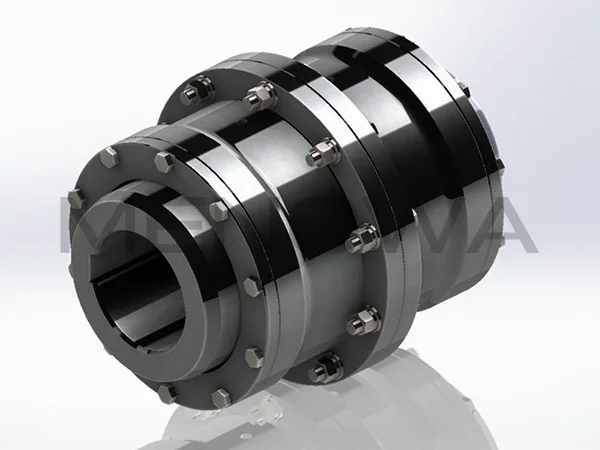
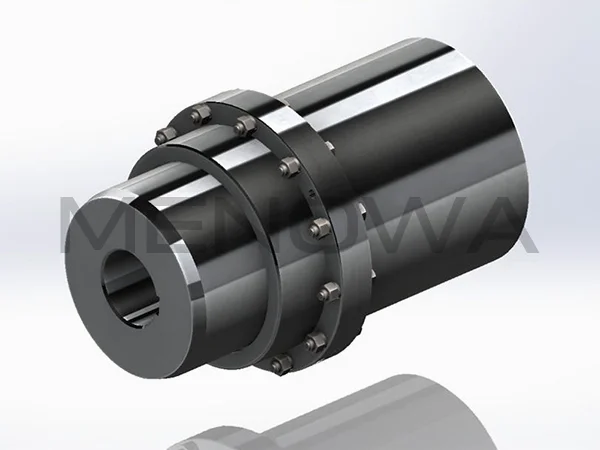
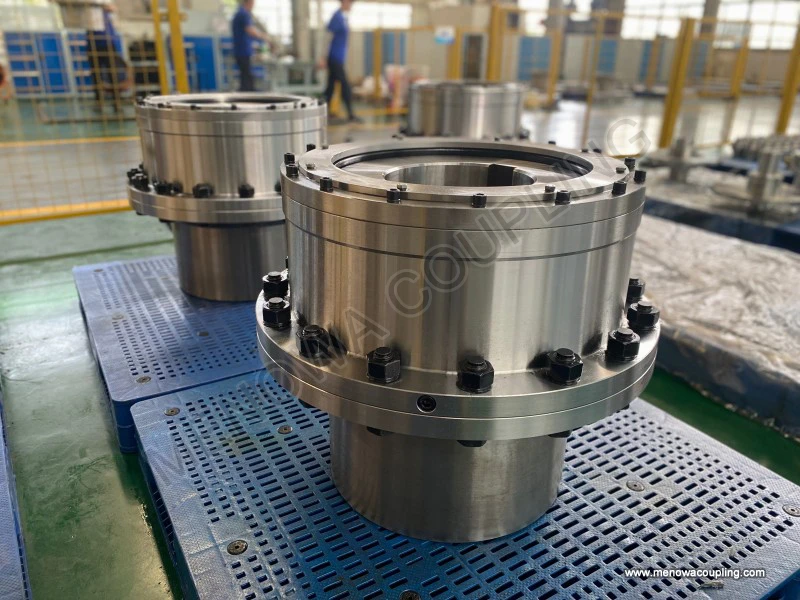
Gear type couplings stand as one of the most reliable and widely adopted power transmission components in modern mechanical systems, renowned for their high torque transmission capacity, compact structural design, and excellent tolerance to shaft misalignment. The overall performance, service lifespan, and operational stability of gear type couplings are fundamentally determined by their material selection, as different working environments, load conditions, and operational speeds impose distinct mechanical and chemical requirements on coupling materials. Unlike ordinary mechanical parts, gear type couplings bear alternating torque, impact loads, friction wear, and occasional environmental corrosion during long-term operation, making the rational selection of raw materials and standardized material processing core prerequisites for ensuring stable mechanical operation. Exploring the characteristics, applicable scenarios, and processing adaptation of various gear coupling materials helps optimize equipment matching, reduce operational failures, and extend the service cycle of transmission systems in industrial production.
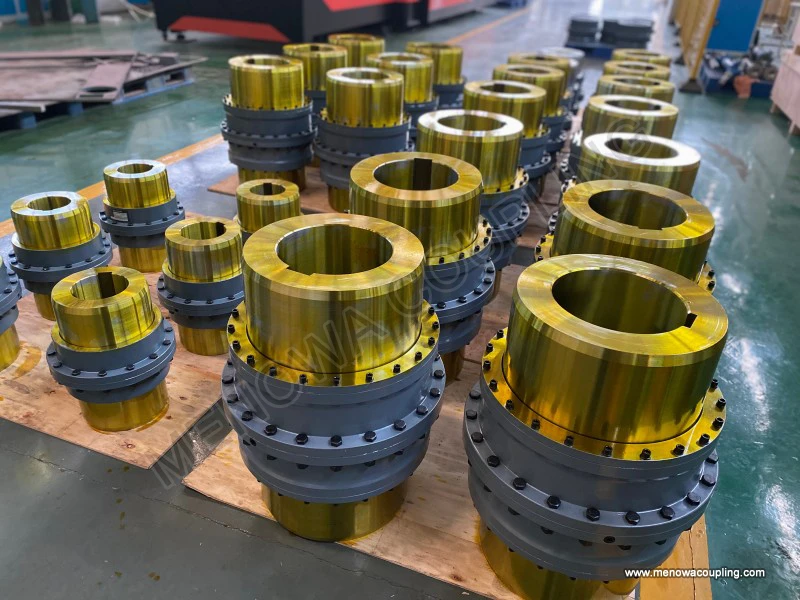
Carbon steel serves as the most conventional and cost-effective material for manufacturing general-purpose gear type couplings, occupying a dominant position in ordinary industrial transmission scenarios. This type of material features uniform internal texture, stable mechanical performance, and excellent machinability, allowing for precise processing of gear tooth profiles, hub structures, and connecting parts. Low and medium carbon steel materials exhibit moderate tensile strength and hardness, with outstanding plastic toughness and impact resistance, which enables them to buffer slight vibration and alternating loads during power transmission effectively. In general working conditions with normal temperature, low load, and minor misalignment, carbon steel gear couplings can maintain stable transmission efficiency and structural integrity for a long time. However, the inherent limitations of carbon steel restrict its application in harsh working environments. Its surface wear resistance is relatively weak, and long-term high-speed friction can easily cause tooth surface abrasion and tooth profile deformation, affecting the meshing accuracy of gear structures. Meanwhile, carbon steel lacks natural corrosion resistance, and it is prone to oxidation rust and surface deterioration in humid, open-air, or weakly corrosive environments, which will gradually reduce the structural strength and torque transmission capacity of the coupling. To compensate for these defects, carbon steel gear coupling parts usually undergo surface strengthening treatments such as overall quenching and tempering or local tooth surface quenching, which effectively improve surface hardness and wear resistance while retaining the core toughness of the material, balancing processing cost and basic service performance.
Alloy steel is the preferred material for high-load, high-speed, and heavy-duty gear type couplings, solving the performance bottlenecks of ordinary carbon steel in extreme working conditions. By adding trace alloy elements such as chromium, manganese, and molybdenum into the steel matrix, alloy steel achieves significantly improved comprehensive mechanical properties, including higher tensile strength, fatigue resistance, and hardenability. The most commonly used alloy steel materials for gear couplings feature fine and uniform grain structure, which can withstand long-term alternating high torque and frequent impact loads without structural fatigue fracture or plastic deformation. In heavy industrial scenarios such as metallurgical rolling equipment, large mining machinery, and heavy-duty conveying systems, gear couplings need to bear instantaneous overload impact and continuous high-strength operation, and alloy steel can fully adapt to these harsh load conditions. In terms of processing technology, alloy steel gear coupling parts are usually processed through carburizing quenching and integral tempering treatment; the carburizing process forms a high-hardness wear-resistant layer on the gear tooth surface, while the core part maintains good toughness, realizing the perfect combination of surface wear resistance and internal impact resistance. This dual-performance characteristic effectively avoids common failure problems of gear couplings, such as tooth surface pitting, tooth root fracture, and early fatigue damage. In addition, alloy steel has better thermal stability than carbon steel, maintaining stable structural hardness and mechanical strength in medium-temperature working environments, and will not experience obvious performance degradation due to continuous frictional heat generation during high-speed operation.
Stainless steel materials are mainly applied in gear type couplings for special anti-corrosion and clean working scenarios, catering to the unique environmental adaptation needs of chemical, marine, and food processing industries. Different from carbon steel and alloy steel, stainless steel contains high proportions of chromium and nickel elements, forming a dense and stable oxide protective film on the material surface, which can effectively resist the corrosion of water vapor, acid-base volatile substances, salt spray, and various chemical media. In coastal humid environments, offshore mechanical equipment, and chemical production workshops with corrosive gas diffusion, ordinary steel couplings are prone to rapid corrosion and structural failure, while stainless steel couplings can maintain complete structural stability and stable transmission performance for a long time. High-quality stainless steel materials also have excellent high-temperature oxidation resistance, adapting to high-temperature continuous operation scenarios such as heating equipment and thermal power transmission systems. Nevertheless, stainless steel has certain limitations in mechanical performance; its surface hardness and wear resistance are lower than high-strength alloy steel, and the material has poor rigidity, making it unsuitable for ultra-high torque and heavy impact load working conditions. Moreover, stainless steel has higher processing difficulty and lower cutting efficiency, resulting in higher manufacturing costs. Therefore, stainless steel gear couplings are mostly used in medium and light-load special environments where corrosion resistance and sanitation performance are prioritized, rather than conventional heavy-duty industrial scenarios.
Polymer materials represented by nylon and polyurethane are widely used in lightweight and low-noise gear type couplings, mainly serving low-load, low-speed, and precision transmission scenarios. These non-metallic materials have unique elastic buffering and vibration damping properties that metal materials do not possess. Nylon materials feature high wear resistance, low friction coefficient, and good self-lubricating performance, which can reduce the friction loss between meshing gear teeth without relying on complex lubrication systems, realizing maintenance-free operation in conventional light-load conditions. Polyurethane materials excel in elastic toughness and impact absorption, which can effectively weaken the vibration and noise generated during shaft misalignment operation, improving the smoothness of mechanical transmission. Polymer gear couplings are lightweight, which can reduce the overall rotational inertia of the transmission system and lower the energy consumption of equipment operation. In addition, such materials have good insulation performance and chemical stability, resisting weak acid and alkali corrosion, and are suitable for light industrial equipment, precision instruments, and small mechanical transmission systems. The shortcomings of polymer materials are also obvious: their temperature adaptation range is narrow, and high-temperature environments will cause material softening, deformation, and accelerated aging, while low-temperature environments will reduce material toughness and cause brittle fracture. Meanwhile, the torque bearing capacity of polymer materials is far lower than that of metal materials, so they cannot be used in heavy-load and high-strength impact working conditions.
In addition to the above mainstream materials, some special alloy materials are applied in customized gear type couplings for extreme working conditions, including high-strength nickel-based alloys and copper-based alloys. Nickel-based alloys have ultra-high temperature resistance, fatigue resistance, and strong medium corrosion resistance, capable of maintaining stable mechanical performance in ultra-high temperature, high-pressure, and strong corrosive environments, and are mostly used in high-end equipment such as power generation gas turbines and aerospace transmission systems. Copper-based alloys have excellent thermal conductivity, wear resistance, and ductility, which can reduce tooth surface friction heat accumulation and improve the continuous operation stability of high-speed couplings, often used in high-precision high-speed transmission equipment that requires low heat generation and high smoothness. These special alloy materials have superior comprehensive performance but high material cost and complex processing technology, so they are only limited to special extreme working scenarios and are not popularized in conventional industrial production.
The material matching of gear type couplings needs to be comprehensively determined by combining working load, operating speed, environmental conditions, and equipment operation requirements, and there is no universal optimal material. For conventional general machinery with normal temperature, ordinary load, and common atmospheric environment, carbon steel after heat treatment is the most practical choice, balancing performance and economic efficiency. For heavy-duty, high-torque, and high-fatigue industrial equipment such as mining, metallurgy, and engineering machinery, high-strength alloy steel must be selected to ensure the structural durability and operational safety of the coupling. For equipment in corrosive, humid, and clean working environments such as chemical industry, marine engineering, and food processing, stainless steel materials are required to avoid structural damage caused by environmental corrosion. For precision light-load equipment pursuing low noise, low energy consumption, and maintenance-free operation, polymer material couplings can meet the lightweight and high-smoothness transmission needs. Special extreme working conditions such as ultra-high temperature and strong corrosion need to be matched with special alloy materials to achieve reliable operation.
Material heat treatment and surface processing technology are key links to maximize the performance of gear type coupling materials. Even for the same type of raw material, different processing techniques will lead to huge differences in final service performance. Conventional carbon steel and alloy steel couplings need to undergo quenching and tempering treatment to eliminate internal processing stress, uniform material texture, and improve overall toughness and strength. The key meshing parts such as gear teeth need local high-frequency quenching or carburizing treatment to improve surface hardness and wear resistance, preventing tooth surface wear and meshing failure during long-term operation. For stainless steel couplings, surface polishing and passivation treatments are usually carried out to enhance surface smoothness and corrosion resistance, reducing material adhesion and medium erosion. Polymer material couplings mostly adopt integral injection molding process, which ensures uniform material distribution and stable structural elasticity, avoiding performance inconsistency caused by subsequent processing. Reasonable post-processing technology can make up for the inherent performance defects of raw materials, give full play to the material advantages, and greatly extend the service life of gear type couplings.
In actual industrial application, the service failure of many gear type couplings is not caused by raw material quality problems but by unreasonable material selection mismatched with working conditions. Using ordinary carbon steel in heavy-load impact environments will lead to rapid fatigue fracture of gear teeth; adopting polymer materials in high-temperature working conditions will cause structural deformation and transmission failure; applying common steel materials in corrosive environments will lead to early rust and damage of parts. Therefore, material selection for gear type couplings must adhere to the principle of adapting to working conditions, fully considering the load magnitude, load type, operating speed, ambient temperature, medium environment, and equipment operation cycle, so as to select the most suitable material and processing scheme. With the continuous upgrading of industrial mechanical equipment towards high speed, high load, and high precision, the material technology of gear type couplings is also constantly innovating. New composite materials and optimized alloy formulas are gradually applied to coupling manufacturing, realizing higher strength, better wear resistance, stronger corrosion resistance, and longer fatigue life, providing more reliable basic guarantees for the stable operation of modern mechanical transmission systems.
Post Date: May 25, 2026
https://www.menowacoupling.com/china-coupling/material-of-gear-type-coupling.html
Products
Tags
Supply
Related Articles
Size Chart of Curved Tooth Coupling
The global industrial transmission component market has maintained steady expansion alongside the continuous upgrading of industrial manufacturing, intelligent equipment iteration, and the vigorous development of heavy industry sectors worldwide. As a core high-efficiency power transmission component, curved tooth coupl…Coaxiality of Curved Tooth Coupling
In the global industrial transmission industry, curved tooth couplings have emerged as a core component of high-precision and high-torque shaft connection systems, widely adopted in heavy machinery, automated production lines, energy transmission equipment and cross-border industrial supporting fields. Coaxiality, as th…What is Gear Type Coupling
Gear type coupling is a fundamental flexible mechanical transmission component widely applied in modern industrial power transmission systems, serving as a critical connecting unit between two rotating shafts in mechanical equipment. Unlike rigid couplings that require precise shaft alignment and lack displacement compe…Gap Chart of Gear Type Coupling
Gear type couplings stand as one of the most widely used mechanical transmission components in industrial power systems, relied upon for their exceptional torque transmission capacity, high structural rigidity, and reliable adaptability to complex operating conditions. At the core of their stable operation lies the prec…Size Chart of Gear Type Coupling
A size chart of gear type coupling is an indispensable reference tool in industrial power transmission systems, serving as a bridge between the functional requirements of machinery and the technical specifications of the coupling itself. It systematically organizes key dimensional and performance parameters, allowing en…Barrel Gear Coupling Hubs
Barrel gear coupling hubs stand as indispensable foundational mechanical components within modern power transmission systems, serving as the key connecting medium that links driving shafts and driven shafts to achieve stable torque transfer, rotational motion synchronization, and effective compensation for various shaft…
 WeChat
 WhatsApp