Classification of Curved Tooth Coupling
Classification and Application Analysis of Curved Tooth Coupling in Global Industrial Markets
In the global industrial transmission system, curved tooth couplings have emerged as one of the most critical flexible transmission components, widely adopted in heavy-duty machinery, precision industrial equipment, and large-scale power transmission systems across international markets. Different from traditional straight tooth gear couplings, the unique drum-shaped curved tooth profile design of curved tooth couplings optimizes tooth surface contact conditions, effectively eliminating edge extrusion and stress concentration during operation. This structural advantage endows the product with higher load-bearing capacity, stronger misalignment compensation capability, and longer service life, making it gradually replace straight tooth couplings in high-load, high-speed, and high-vibration working scenarios and become the mainstream choice for medium and high-end transmission equipment in the global market. With the continuous upgrading of industrial manufacturing standards worldwide, the market demand for curved tooth couplings is developing towards specialization, serialization, and high precision, and a clear classification system and standardized selection criteria have become the core basis for global industrial users to apply such products efficiently.
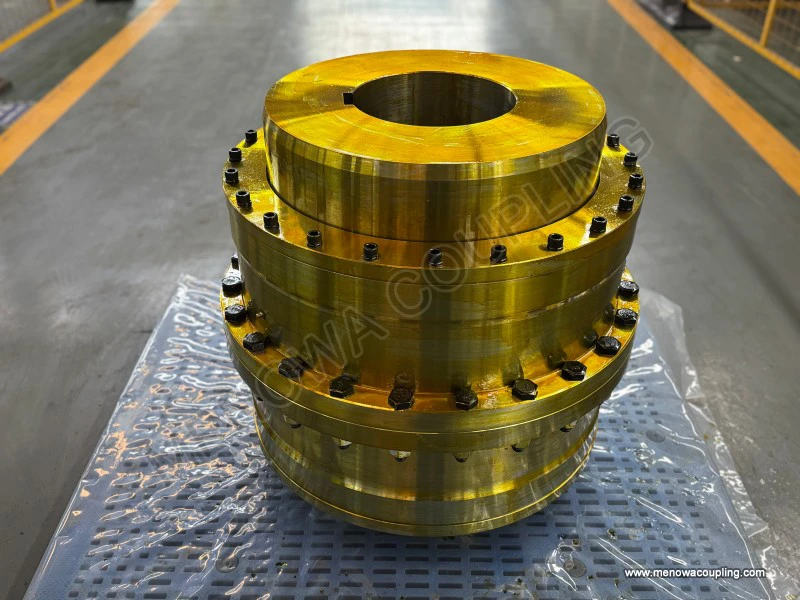
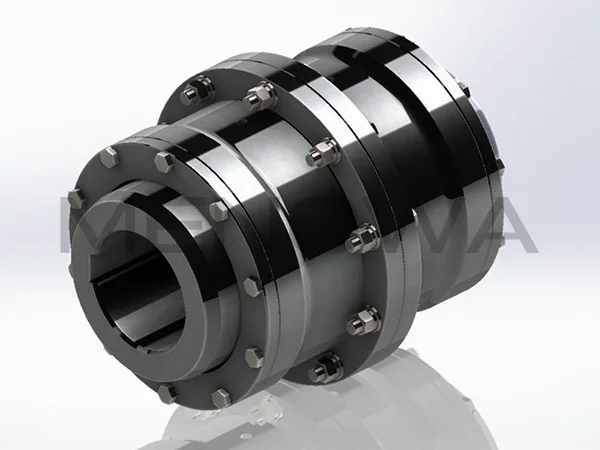
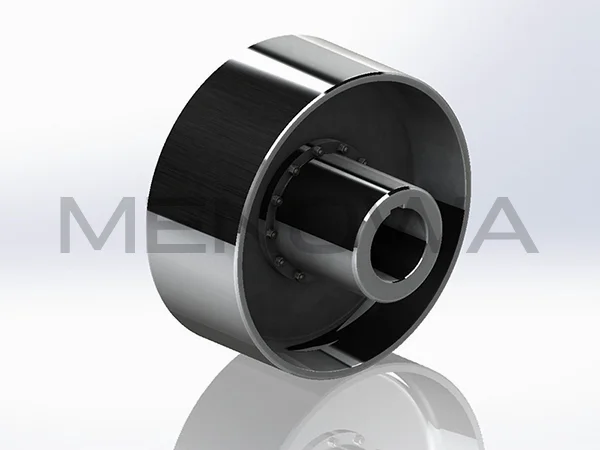
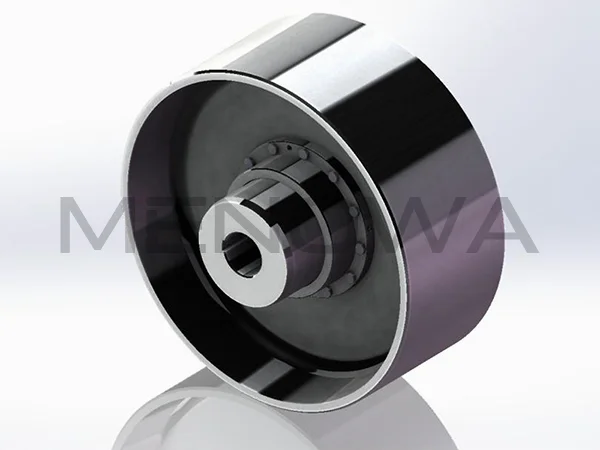
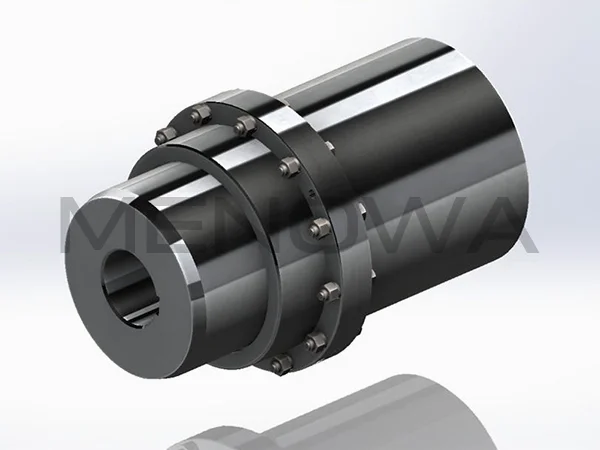
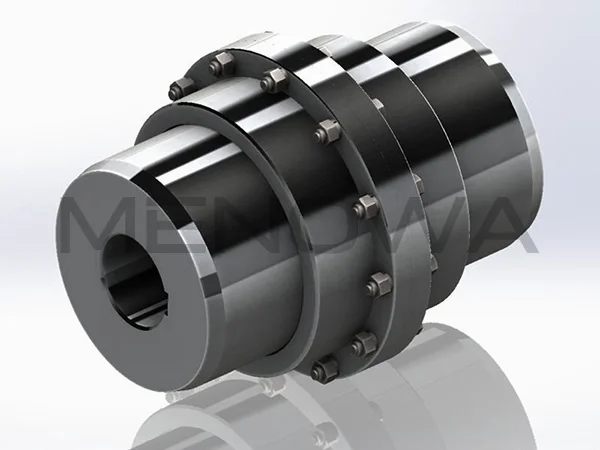
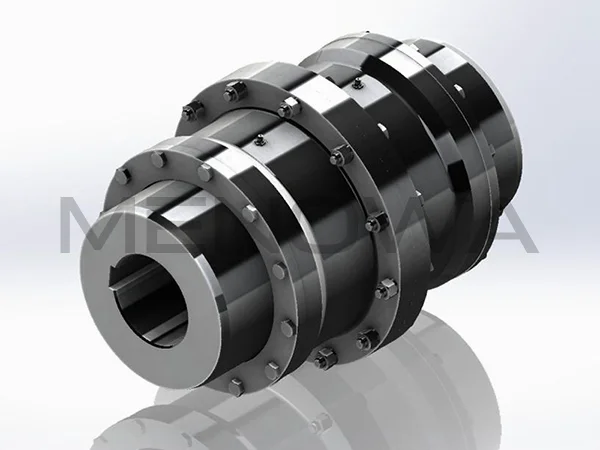
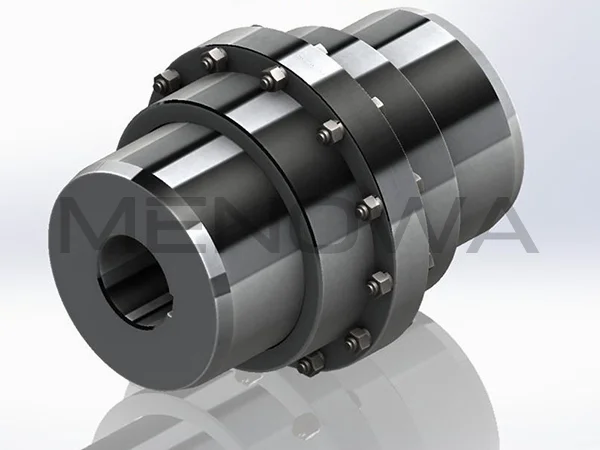
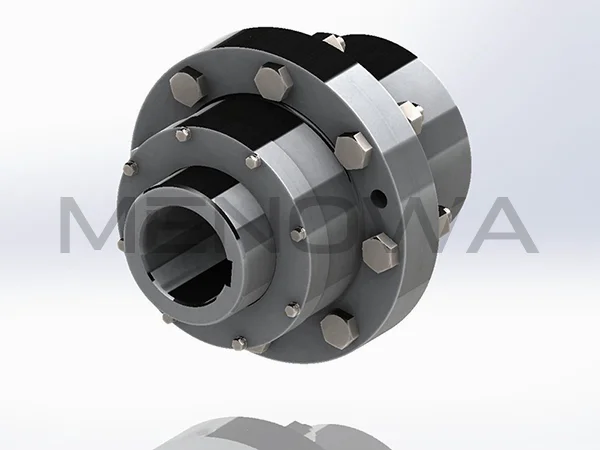
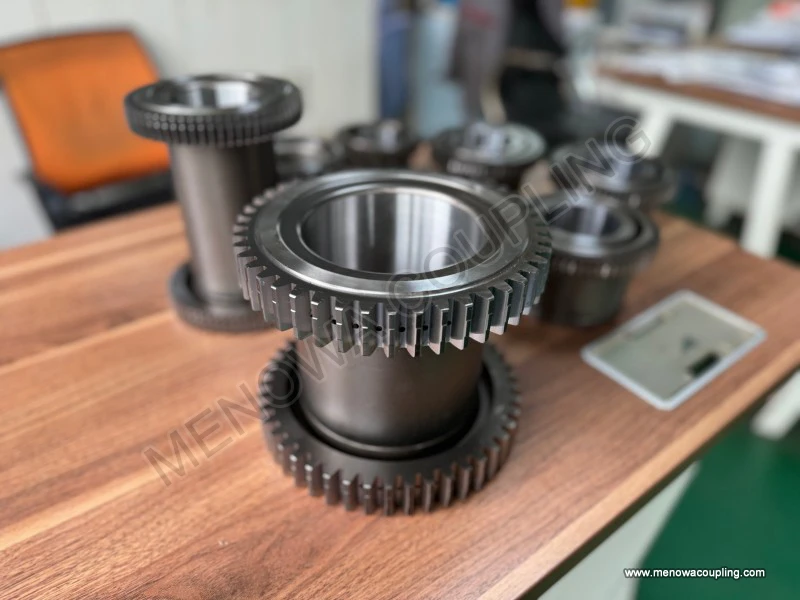
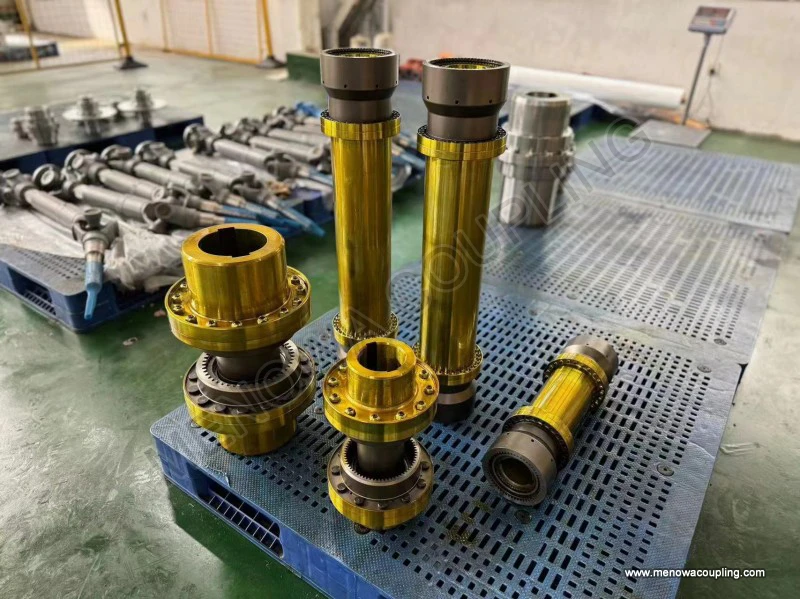
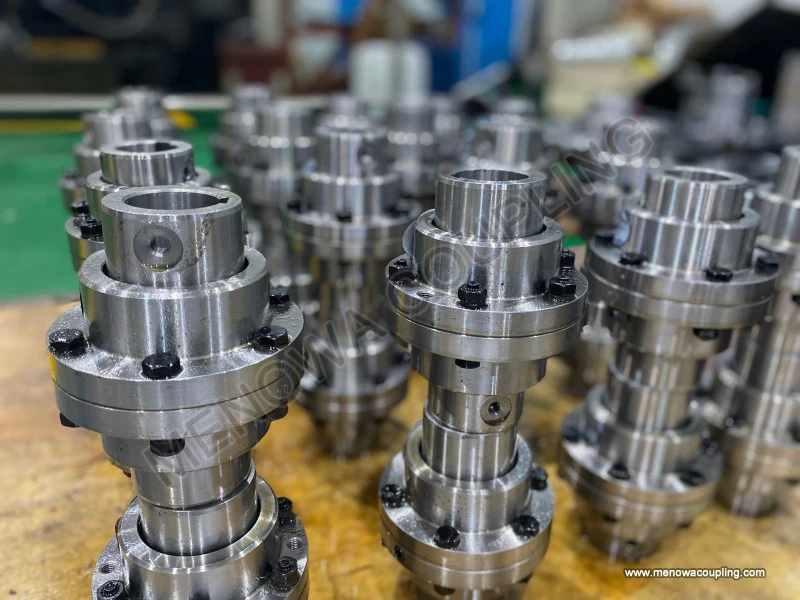
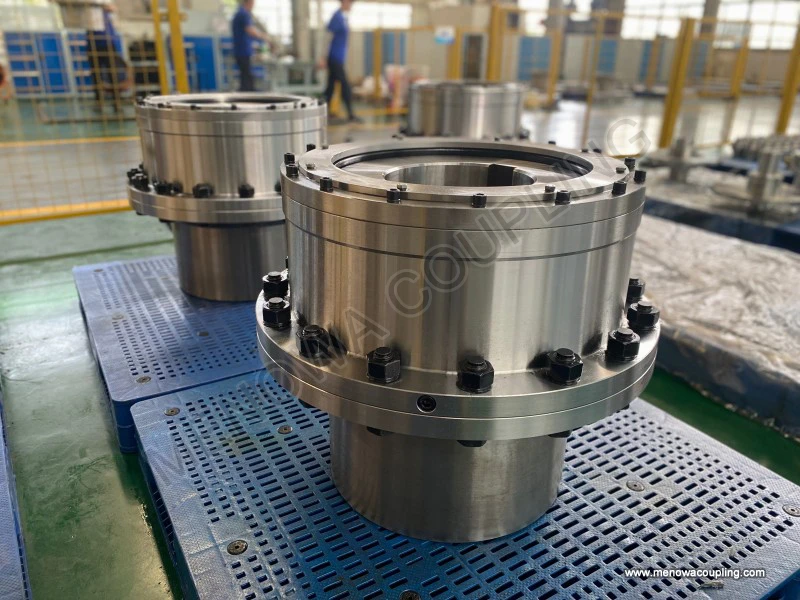
The classification system of curved tooth couplings in the international market is mainly divided according to structural form, load capacity, assembly mode, and functional characteristics, covering diversified product types to adapt to differentiated working conditions in various industries. According to structural design differences, curved tooth couplings can be classified into basic integral type, intermediate shaft type, flange connection type, and floating tooth type. The basic integral curved tooth coupling features a compact integrated structure with no intermediate connecting parts, realizing direct transmission between two shafts. This type of product has small axial size and high transmission rigidity, suitable for short-distance shaft connection scenarios with limited installation space and small misalignment range, and is widely used in general industrial mechanical transmission equipment in light and medium load fields in global civilian industrial markets. The intermediate shaft curved tooth coupling is equipped with an intermediate connecting pipe or intermediate shaft structure, which can realize long-distance power transmission between two shafts. It can effectively compensate for large axial displacement and installation position deviation generated by equipment operation and thermal expansion, and is mostly applied in long-span transmission systems of mining machinery, cement production equipment, and marine engineering equipment in the international heavy industry field.
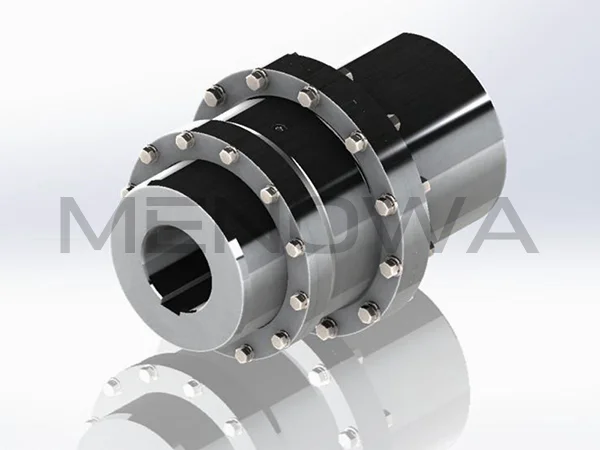
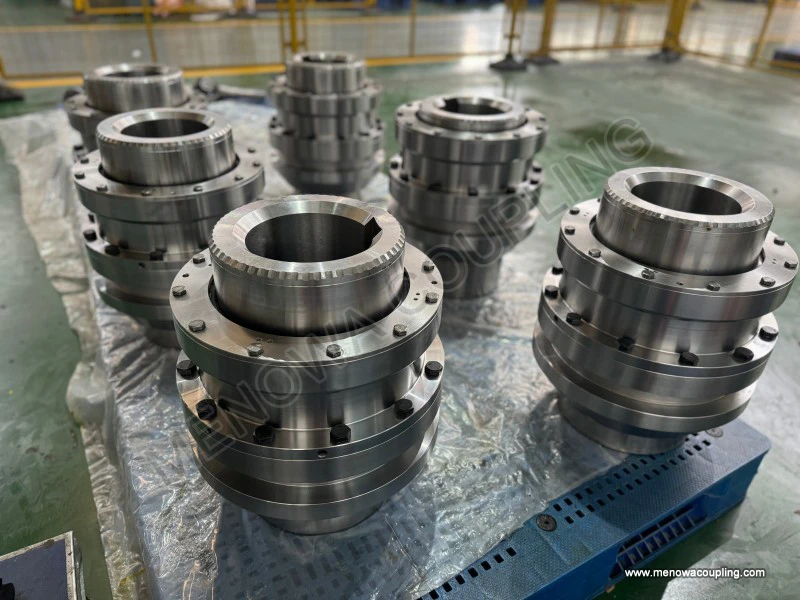
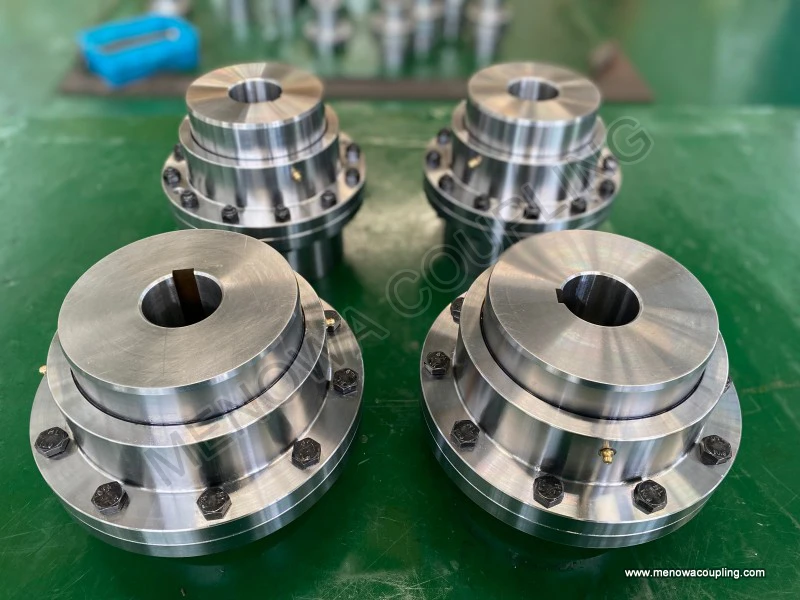
Flange-type curved tooth couplings adopt integrated flange connection structures at both ends, with high connection strength and strong anti-vibration ability. The standardized flange size design conforms to universal international mechanical installation standards, facilitating rapid assembly and disassembly, and is very suitable for large fixed industrial equipment that requires frequent maintenance and stable long-term operation. Floating tooth curved tooth couplings adopt a movable floating tooth sleeve structure, which can evenly distribute the load on each tooth surface during operation, greatly improving the overload resistance and impact resistance of the product. This type of coupling has excellent tolerance to instantaneous impact loads and alternating loads, and is widely used in heavy-load impact working conditions such as mining crushers, rolling mill equipment, and large fans in the global heavy manufacturing industry.
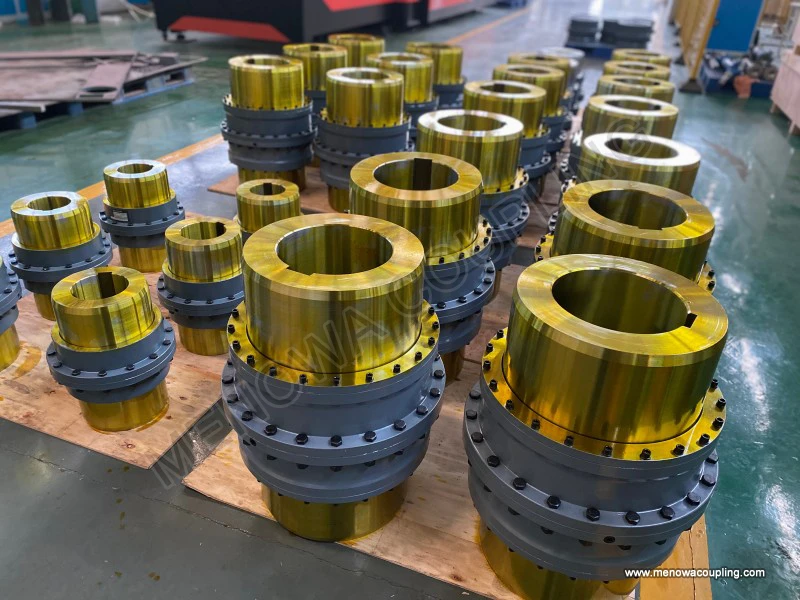
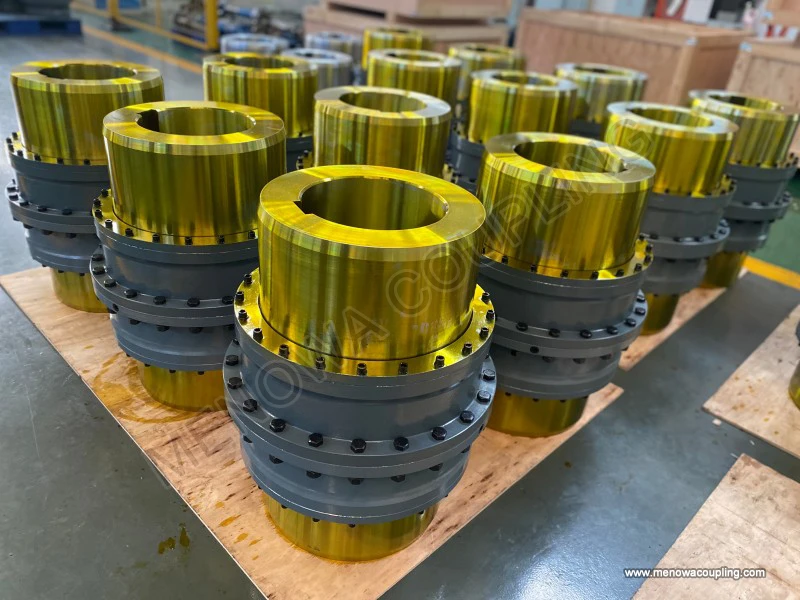
According to load capacity and application level, international market classifications divide curved tooth couplings into light-duty, medium-duty, and heavy-duty types. Light-duty curved tooth couplings are designed with small tooth modulus and compact structure, with low self-weight and small rotational inertia, suitable for low-torque, high-speed, and stable operation scenarios such as precision packaging machinery, textile equipment, and small fan transmission systems in light industry. Medium-duty products are the most versatile mainstream type in the global market, with balanced load-bearing performance and structural stability, covering most conventional industrial transmission scenarios including general chemical equipment, food processing machinery, and ordinary material handling equipment. Heavy-duty curved tooth couplings adopt enlarged tooth modulus and thickened tooth surface structure, with a load-bearing capacity 15% to 30% higher than that of ordinary straight tooth couplings of the same specification, capable of sustaining long-term high torque transmission and frequent impact loads, and are exclusive to heavy industrial equipment in mining, metallurgy, electric power, and marine fields.
In terms of assembly and use characteristics, the international market also categorizes curved tooth couplings into plug-in quick-assembly type and conventional fixed type. The plug-in quick-assembly structure realizes axial plug-in installation without complicated positioning and fixing steps, adapting to blind assembly and narrow-space installation scenarios, which greatly improves the installation and maintenance efficiency of equipment and is increasingly favored by intelligent manufacturing and automated production line users in the global market. The conventional fixed type relies on bolt fastening and positioning, with higher overall structural rigidity and operational stability, suitable for large-scale fixed industrial equipment that runs continuously for a long time.
Scientific model selection is the key to ensuring the stable operation and service life of curved tooth couplings, and the international industrial community has formed a set of standardized selection formulas and calculation criteria to avoid equipment failure caused by improper model selection. The core selection parameter is the calculated torque of the coupling, and the core calculation formula is Tc = T × K1 × K2 × K3. In this formula, Tc represents the calculated torque (unit: N·m), which is the fundamental basis for coupling specification selection; T is the rated working torque of the equipment transmission system (unit: N·m), calculated according to the equipment power and rated speed, with the conversion formula T = 9550P/n, where P is the equipment rated power (unit: kW) and n is the equipment rated working speed (unit: r/min); K1 is the working condition coefficient, which is determined according to the stability of the equipment operation, taking 1.0 to 1.5 for stable continuous operation equipment, 1.5 to 2.5 for equipment with frequent start-stop and slight impact loads, and 2.5 to 4.0 for heavy impact and alternating load equipment; K2 is the working environment coefficient, taking 1.0 for conventional indoor dry environments, 1.2 to 1.5 for high-temperature, humid, or dusty harsh environments, and 1.5 to 2.0 for corrosive medium working conditions; K3 is the safety coefficient, which is appropriately selected according to the importance of the equipment, taking 1.2 to 1.5 for ordinary auxiliary equipment and 1.5 to 2.0 for core key production equipment to avoid component failure affecting the overall production line operation.
After calculating the calculated torque Tc, the rated torque of the selected curved tooth coupling must be greater than or equal to the calculated torque, ensuring that the product can withstand the peak load and long-term operating load of the system. In addition to torque calculation, speed verification is also an essential step in selection. Each specification of curved tooth coupling has a maximum allowable working speed, and the actual operating speed of the equipment must be lower than the limit speed of the coupling. Excessive speed will cause excessive centrifugal force on the tooth sleeve and internal components, resulting in tooth surface wear, vibration and noise increase, and even structural damage in severe cases. Meanwhile, misalignment compensation capability verification should be matched. The excellent performance of curved tooth couplings lies in their strong misalignment tolerance, with the allowable angular misalignment reaching 1°30′, which is 50% higher than that of straight tooth couplings of the same type. In the selection process, it is necessary to comprehensively evaluate the radial, angular, and axial misalignment generated by equipment installation errors, operational vibration, and thermal expansion, and select a coupling model with matching compensation range to eliminate additional friction and stress caused by shaft misalignment.
In the global industrial layout, curved tooth couplings cover a full range of industrial application scenarios, showing strong environmental adaptability and working condition compatibility. In the mining and mineral processing industry, which is a typical heavy-load application scenario, curved tooth couplings are widely used in core equipment such as mining conveyors, crushing equipment, ball mills, and mining transport machinery. The mining industry has harsh working conditions with heavy dust, frequent load fluctuations, and severe vibration impact. The high load-bearing capacity and impact resistance of curved tooth couplings can effectively cope with instantaneous overload and vibration interference, ensuring continuous and stable operation of mining equipment and reducing downtime maintenance frequency. In the cement and building materials industry, equipment such as mixing mixers, rotary kilns, and material conveyors need to operate continuously for a long time under high-load and high-dust conditions. Curved tooth couplings can compensate for axial displacement caused by thermal expansion of equipment during long-term operation, avoiding transmission jitter and component wear caused by shaft position deviation, and improving the overall operational efficiency of the production line.
The power industry is another key application field of curved tooth couplings in the global market, including thermal power, hydropower, and wind power generation systems. In thermal power plants, curved tooth couplings are used for shaft connection of large fans, water pumps, and turbine auxiliary transmission equipment, adapting to high-speed and continuous operating conditions. In wind power and hydropower equipment, such couplings undertake the transmission task between power generation units and transmission shafts, with excellent fatigue resistance and stability to adapt to variable load operation characteristics of new energy power generation equipment. The marine engineering and shipbuilding industry also relies heavily on curved tooth couplings, which are applied to ship propulsion systems, deck machinery transmission equipment, and offshore engineering equipment. The marine working environment has complex factors such as hull jitter, water flow impact, and component thermal deformation. The good misalignment compensation performance of curved tooth couplings can offset shaft displacement caused by hull deformation and operational vibration, ensuring the reliability of ship power transmission systems.
In the field of precision manufacturing and light industry, medium and small-sized curved tooth couplings are widely used in automated production lines, packaging machinery, printing equipment, and textile machinery. These scenarios require smooth transmission, low vibration, and high positioning accuracy. The optimized tooth surface contact of curved tooth couplings realizes uniform power transmission, effectively reducing transmission vibration and backlash error, and meeting the precision operation requirements of intelligent manufacturing equipment. In addition, in the metallurgical industry, rolling mill equipment, steel conveying machinery, and high-temperature furnace transmission equipment all adopt curved tooth couplings to adapt to high-temperature, heavy-load, and continuous industrial production conditions, with stable performance that can withstand long-term alternating load tests.
In the process of global industrial application and promotion, the selection and use of curved tooth couplings also need to follow standardized application specifications to avoid performance attenuation and service life reduction caused by improper matching. First of all, it is necessary to reasonably match the coupling type according to the installation space and shaft distance. Short-distance and compact installation scenarios prioritize basic integral products, while long-distance transmission needs to choose intermediate shaft type products. Secondly, attention should be paid to the matching between product specifications and system load characteristics. For equipment with frequent start-stop and impact loads, the safety coefficient should be appropriately increased on the basis of basic torque calculation to reserve sufficient load margin. In addition, environmental adaptability matching cannot be ignored; for high-temperature, humid, corrosive, and dusty harsh working environments, it is necessary to select products with enhanced structural rigidity and wear resistance, and regularly maintain the lubrication state of the tooth surface to avoid dry friction and accelerated wear.
From the perspective of global market development trends, with the continuous progress of industrial intelligent manufacturing and heavy equipment upgrading, the market demand for high-precision, high-durability, and low-maintenance curved tooth couplings is constantly rising. The classification system of curved tooth couplings is becoming more refined, and the selection criteria are more standardized, which can fully meet the differentiated application needs of various industrial fields worldwide. As a key component of mechanical transmission systems, curved tooth couplings will continue to play an irreplaceable role in global heavy industry, new energy, precision manufacturing, and marine engineering fields, and their technical advantages and application value will be further highlighted with the upgrading of global industrial manufacturing level.
Post Date: Jun 3, 2026
https://www.menowacoupling.com/china-coupling/classification-of-curved-tooth-coupling.html
Products
Tags
Supply
Related Articles
Gear Type Coupling Production
Gear type couplings are essential mechanical components widely used in various industrial fields to connect two shafts and transmit torque while accommodating minor misalignments. The production of gear type couplings is a complex and precise process that requires strict control over every link, from material selection …Gap Chart of Curved Tooth Coupling
Global industrial transformation across manufacturing, energy exploitation, heavy engineering and marine equipment has steadily lifted market demand for curved tooth coupling in cross-continental industrial supply chains over recent years, with gap chart becoming an indispensable technical reference for product matching…Gear Type Coupling Price
Gear type couplings stand as one of the most versatile and widely adopted mechanical transmission components in modern industrial machinery, serving as a critical link between rotating shafts to ensure stable torque transfer while accommodating unavoidable shaft deviations during equipment operation. Unlike rigid coupli…Specification of Gear Type Coupling
Gear type coupling is a widely adopted rigid-flexible transmission component in mechanical power transmission systems, designed primarily to connect two rotating shafts for continuous torque transmission while absorbing and compensating for various shaft misalignments generated during equipment operation. Its core worki…Classification of Gear Type Coupling
Gear type couplings are essential mechanical transmission components widely applied in industrial mechanical systems, serving the core function of connecting two rotating shafts to transmit torque and rotational motion while compensating for various installation and operation deviations between shafts. Compared with oth…Maintenance of Curved Tooth Coupling
Curved tooth coupling, also widely known as crowned gear coupling, remains one of the most widely adopted positive-locking flexible transmission components across global heavy-duty industrial markets, thanks to its outstanding torque capacity, multi-directional misalignment compensation and stable torsional rigidity und…
 WeChat
 WhatsApp