Gear Type Coupling Factory
Gear type couplings stand as one of the most reliable and widely adopted power transmission components in modern industrial mechanical systems, serving as a critical bridge between rotating shafts in diverse heavy-duty and high-precision equipment. As a professional gear type coupling manufacturing facility, we focus on the research, development, precision production, and technical optimization of flexible gear couplings, dedicating to delivering high-performance, durable, and adaptable transmission solutions for global industrial machinery operation. Unlike rigid coupling structures that require ultra-precise shaft alignment and lack fault tolerance, gear type couplings feature unique meshing transmission mechanisms and flexible compensation capabilities, which enable them to adapt to complex operating conditions and resolve common mechanical operation problems such as shaft misalignment, vibration impact, and thermal expansion displacement, making them indispensable core parts in industrial transmission fields.
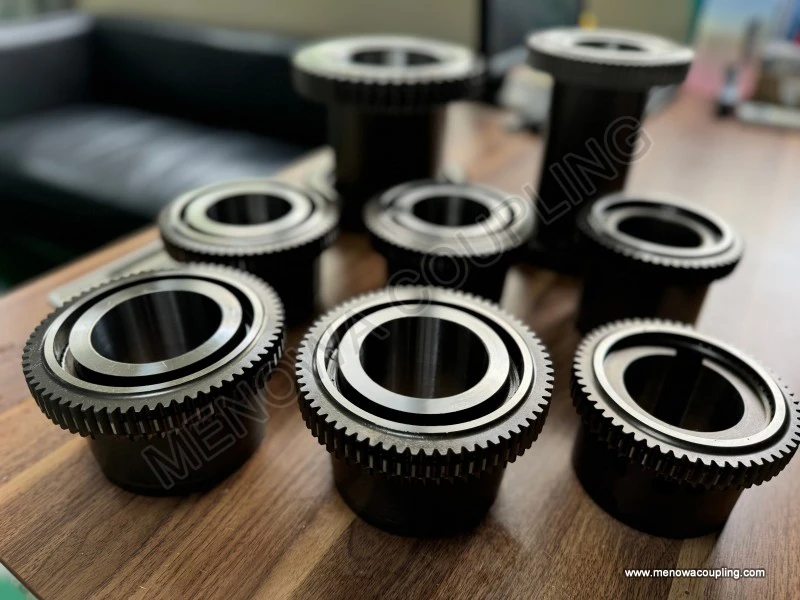
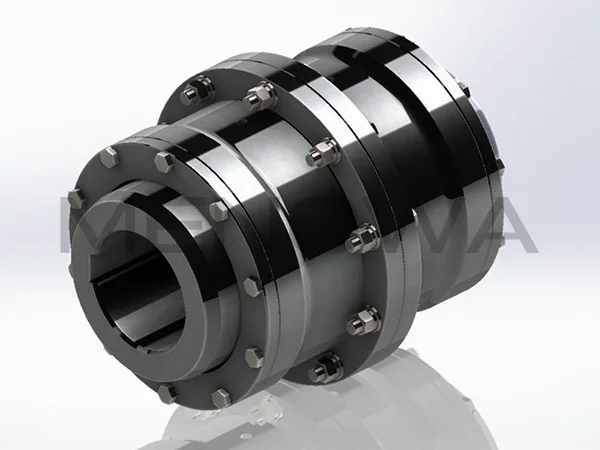
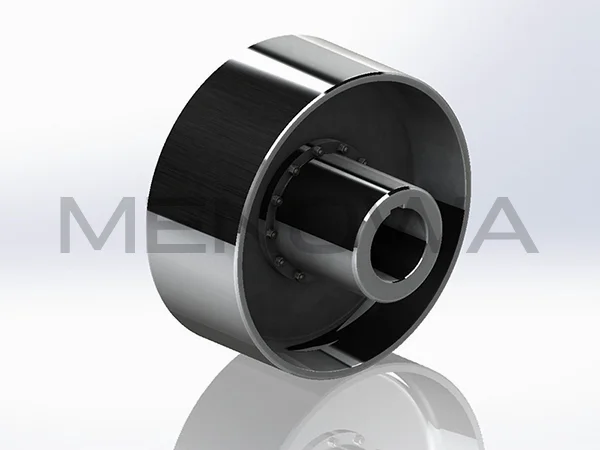
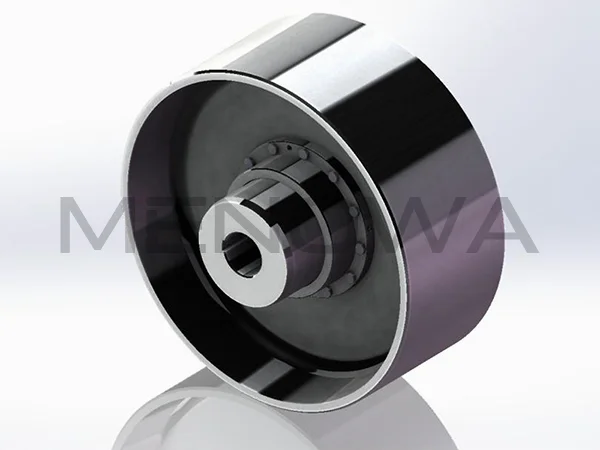
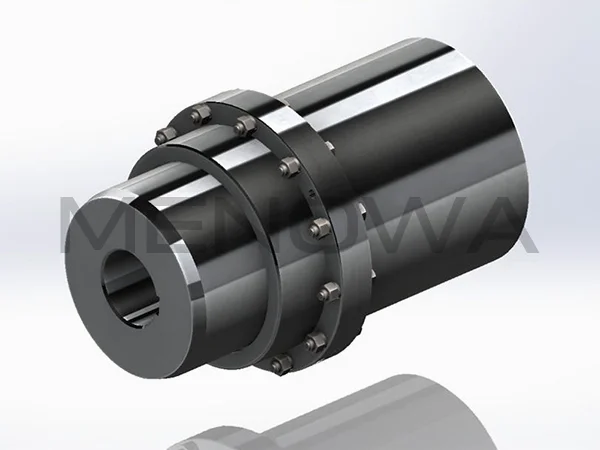
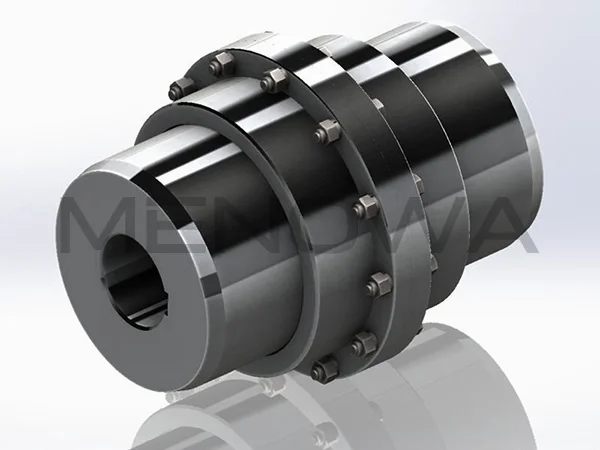
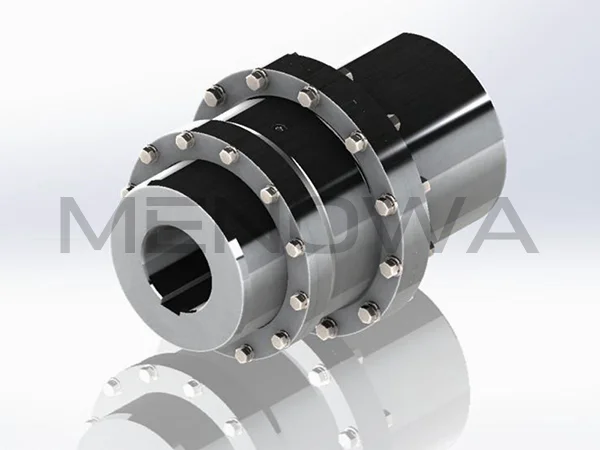
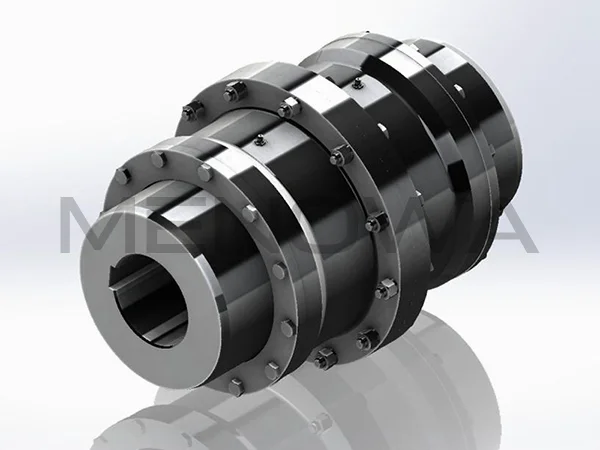
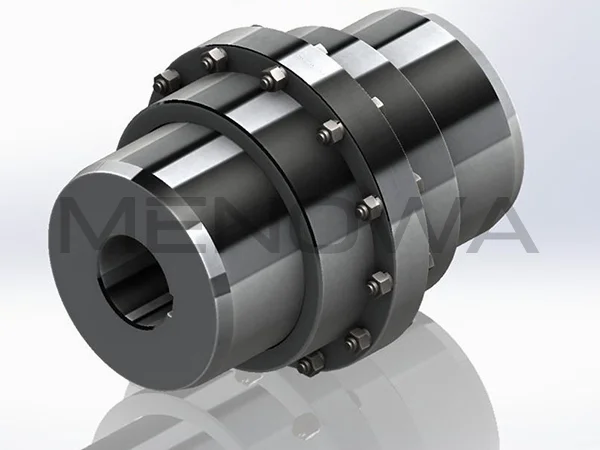
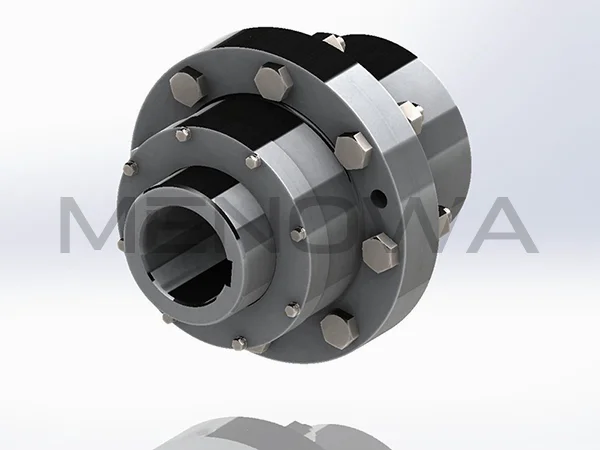
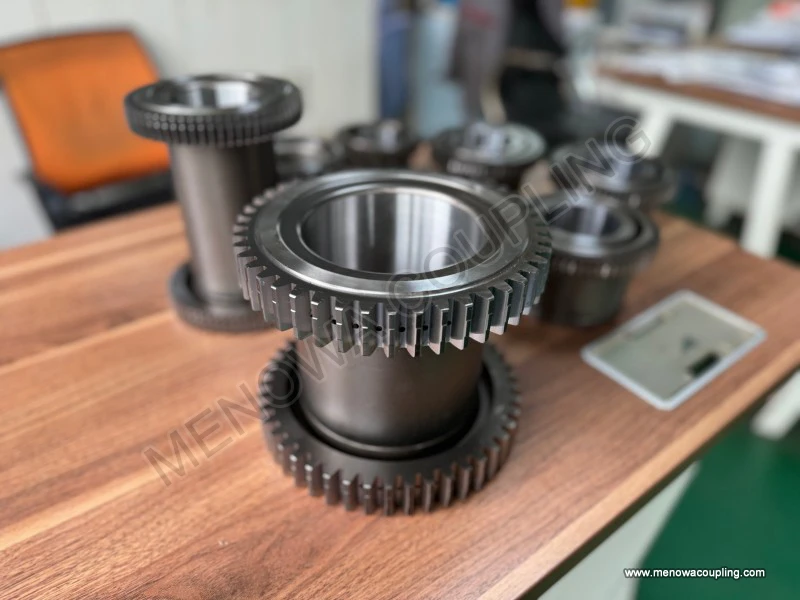
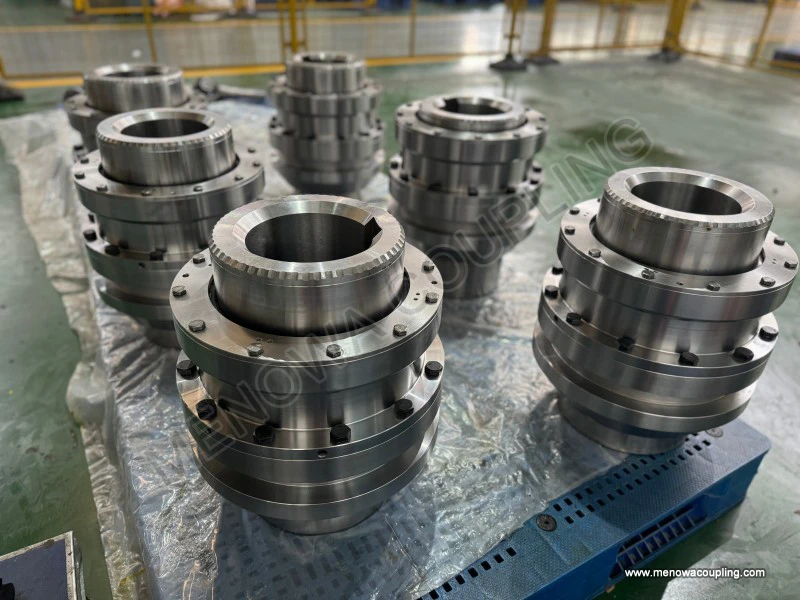
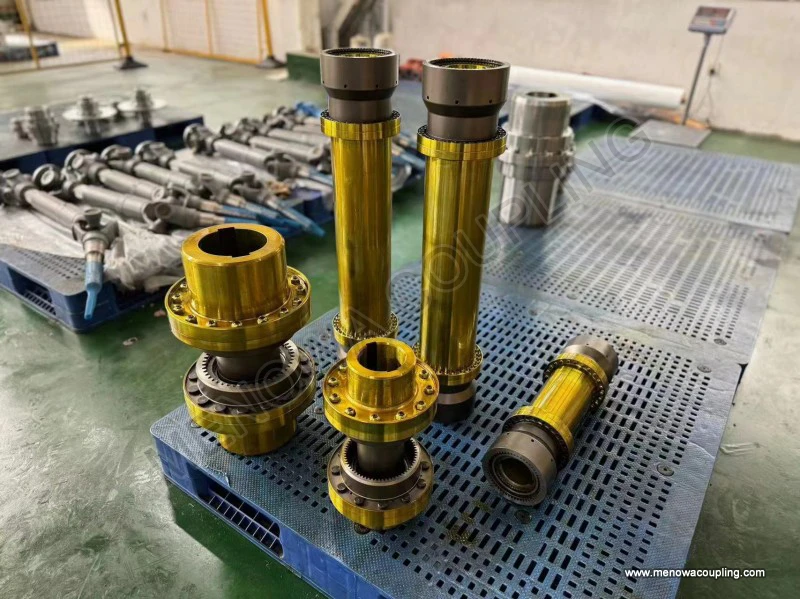
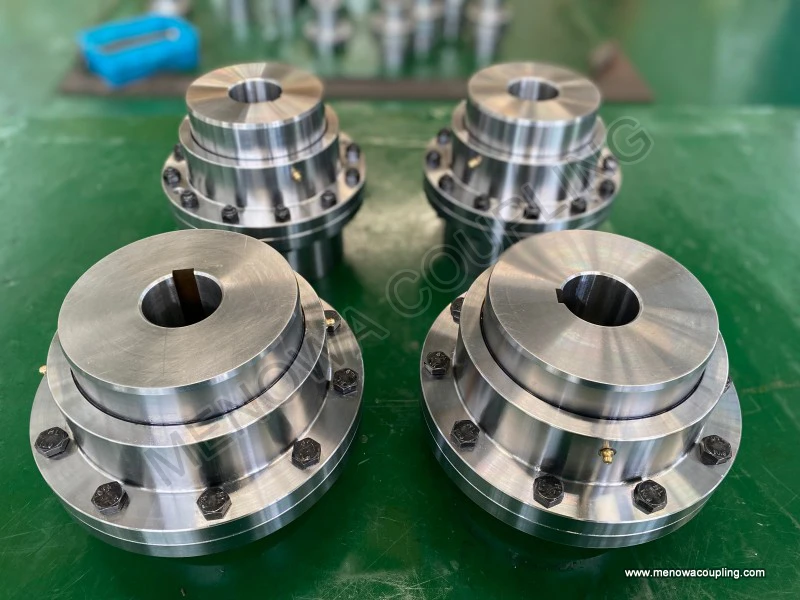
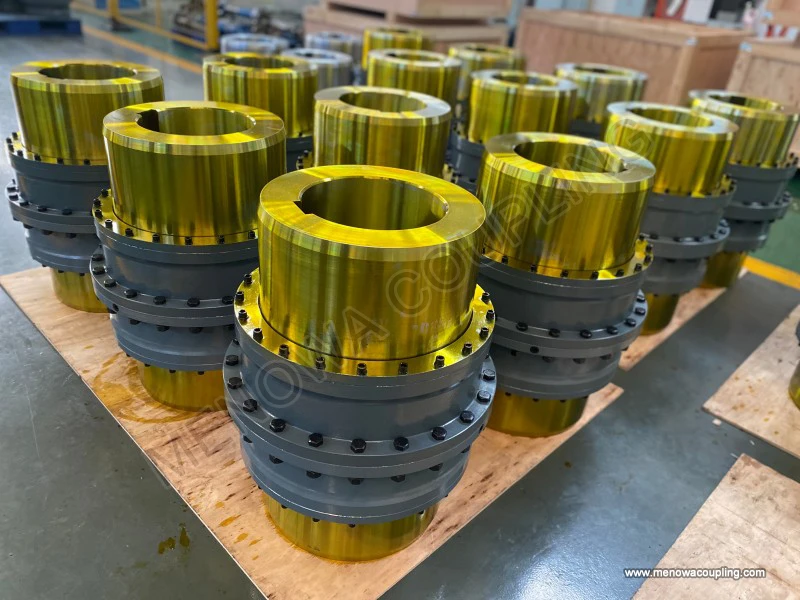
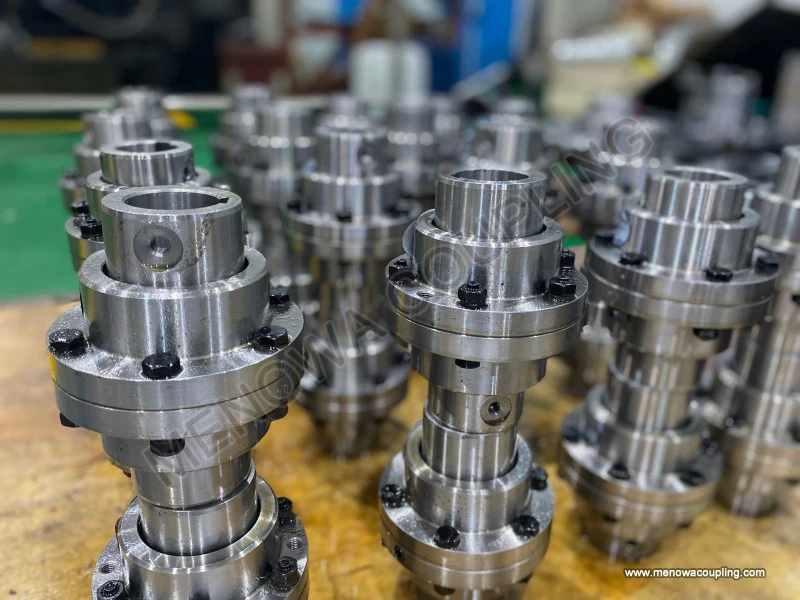
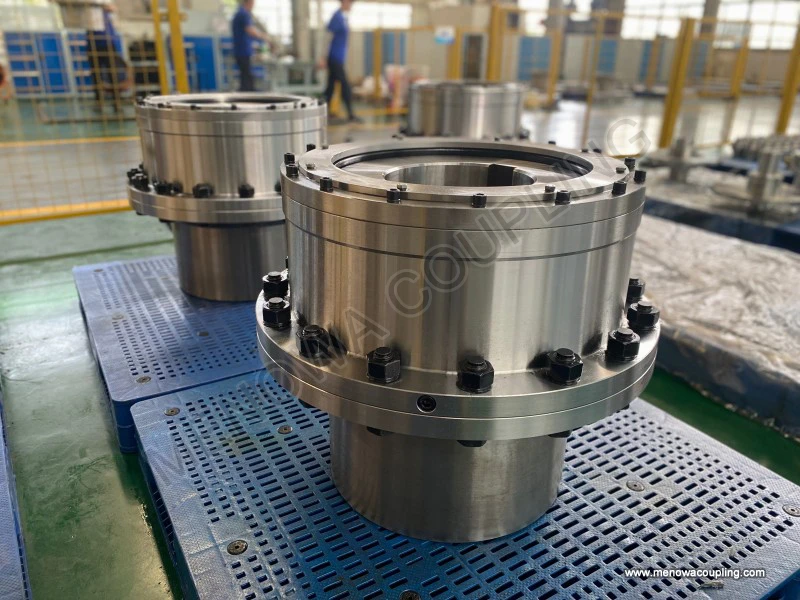
The basic structural composition of gear type couplings lays the foundation for their superior transmission performance, with a simple and scientific design that balances structural stability and flexible adaptability. Each standard gear type coupling consists of two outer gear hubs fixed on the driving and driven shafts and two inner gear sleeves that mesh with the outer gears. The outer gear teeth are processed with a special crowned tooth profile, with curved tooth surfaces that can effectively adjust the meshing contact position during operation. The inner gear sleeves adopt a wide tooth width design, which ensures sufficient meshing area even when the connected two shafts produce displacement deviation. This ingenious structural design allows the coupling to simultaneously compensate for three common types of shaft misalignment in mechanical operation: radial parallel misalignment, angular misalignment, and axial displacement. These deviations are inevitable in long-term equipment operation, caused by installation errors, equipment base settlement, thermal expansion and contraction of metal components, and continuous mechanical vibration. Gear type couplings eliminate the additional mechanical stress and component wear caused by such deviations through flexible meshing movement, maintaining stable power transmission between shafts at all times.
The working principle of gear type couplings centers on the precise meshing and relative sliding movement between inner and outer gear teeth. During equipment operation, the driving shaft drives the outer gear hub to rotate, and torque and rotational power are transmitted to the inner gear sleeve through tooth meshing, further driving the driven shaft to operate synchronously. When shaft misalignment occurs, the crowned tooth profile of the outer gear enables continuous micro-sliding along the inner gear tooth surface, avoiding edge contact and local stress concentration that easily occur in ordinary straight-tooth transmission structures. This uniform stress distribution across the tooth surface greatly reduces gear wear and friction loss, ensuring efficient and stable power transmission. Moreover, the overall rigid mechanical properties of the gear tooth structure enable the coupling to bear large torque loads, meeting the high-power transmission demands of heavy industrial equipment, which is the core advantage that distinguishes gear type couplings from other flexible couplings such as spring couplings and rubber couplings.
As a professional manufacturing factory, we adhere to rigorous production standards and refined processing procedures in every production link of gear type couplings, taking product performance and durability as the core production orientation. The production process starts with the selection of high-quality metal raw materials, where we strictly screen alloy steel materials with high strength, high toughness, and good wear resistance. Such materials can maintain stable mechanical properties under high-speed rotation, heavy load impact, and long-term continuous operation, effectively resisting metal fatigue, abrasion, and slight deformation. After raw material inspection and cutting, the rough machining of gear hubs and sleeves is carried out, including turning, milling, and preliminary shaping of tooth blanks to ensure the basic dimensional accuracy of each component. In the key tooth processing stage, we adopt precision gear processing equipment to complete tooth profile cutting and crowning treatment, controlling the tooth profile curvature, meshing gap, and dimensional tolerance within a tiny range to guarantee the matching accuracy of inner and outer gear pairs.
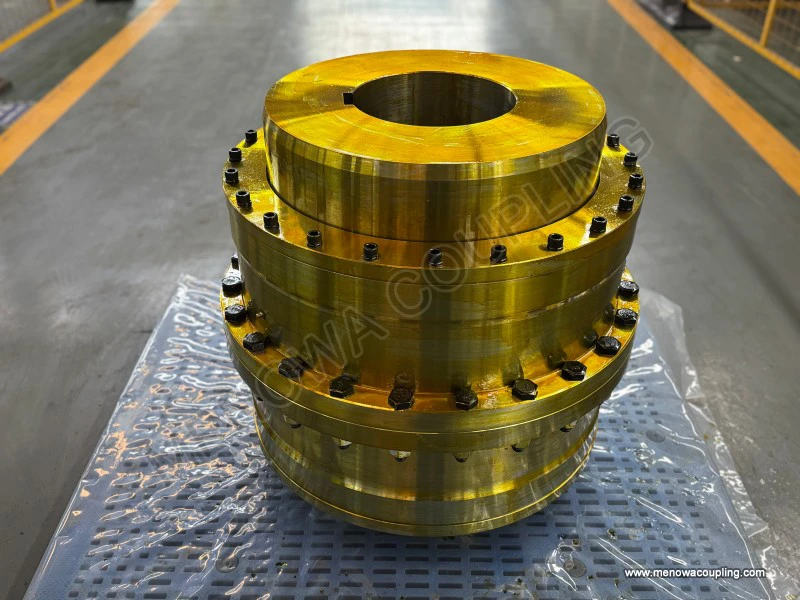
Heat treatment is a crucial process that determines the service life and load-bearing capacity of gear type couplings, and we implement standardized and precise heat treatment processes for all gear components. Through quenching and tempering treatment, the surface hardness of gear teeth is significantly improved, enhancing wear resistance and pressure resistance, while the core part of the component maintains good toughness to prevent brittle fracture under sudden load impact. After heat treatment, secondary finishing and precision grinding are performed to eliminate tiny deformation and burrs generated during heat treatment, further optimizing the smoothness of tooth surfaces and ensuring flexible and unobstructed relative sliding during meshing operation. In the final assembly stage, we conduct paired matching inspection of inner and outer gear components, reasonably control the meshing gap, and complete the assembly of sealing parts and lubrication structures. A good sealing structure can effectively isolate external dust, moisture, and corrosive substances, preventing internal gear tooth corrosion and lubricant deterioration, while the independent lubrication cavity ensures long-term lubrication of meshing parts and reduces operating friction.
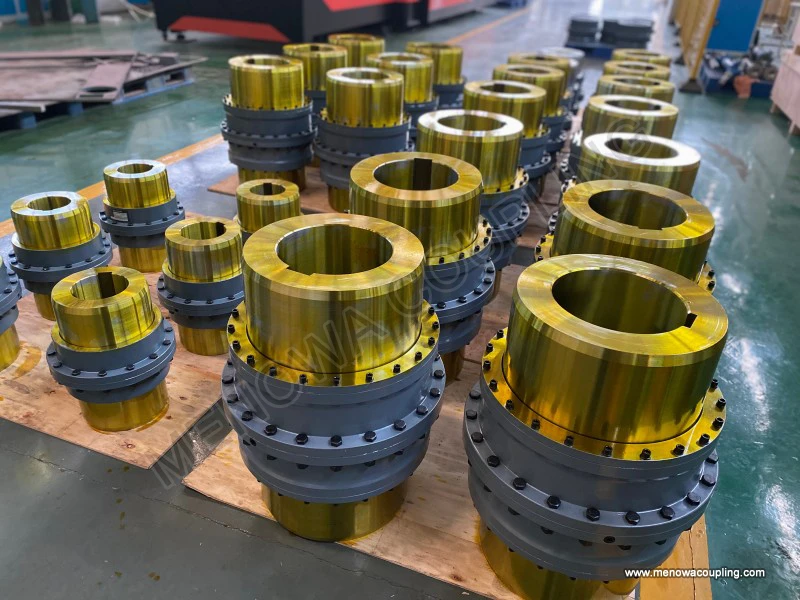
Strict quality inspection runs through the entire production system of the factory, forming a complete quality control system from raw material incoming inspection to finished product delivery. For semi-finished products in each processing link, we conduct dimensional accuracy detection, tooth profile error inspection, and surface quality inspection to screen out unqualified components in a timely manner. For finished gear type couplings, we carry out simulated operating condition tests, including high-speed rotation tests, heavy load torque tests, and misalignment adaptation tests, to verify the product’s stability, compensation performance, and fatigue resistance under various complex working conditions. All test data are recorded and analyzed to ensure that every delivered product can adapt to harsh industrial operating environments and maintain consistent and reliable performance in long-term continuous operation.
Gear type couplings have extremely wide application scenarios, covering almost all industrial fields that require high-efficiency and stable shaft power transmission. In the heavy machinery industry, they are applied to large cranes, excavators, and mining conveying equipment, bearing heavy torque loads and adapting to the vibration and impact generated by frequent start-stop and reciprocating operation of equipment. In the metallurgical and steel industry, production equipment needs to operate continuously for a long time under high-temperature environments, and the excellent thermal stability and deformation resistance of gear type couplings can effectively cope with shaft displacement caused by high-temperature thermal expansion, ensuring the continuous operation of rolling mills and smelting transmission equipment. In the power industry, gear couplings are used in fan, water pump, and generator transmission systems, maintaining high-precision and low-loss power transmission under long-term high-speed operation.
In addition, gear type couplings also play an important role in marine equipment, chemical machinery, paper-making equipment, and building material production lines. Marine equipment often faces variable load impacts and humid and corrosive working environments, and the high structural strength and good sealing performance of gear couplings can adapt to complex marine operating conditions. Chemical and paper-making equipment usually operates in environments with dust and corrosive media, and the wear-resistant and corrosion-resistant properties of optimized gear coupling structures can effectively extend the service life of transmission components and reduce equipment maintenance frequency. The strong environmental adaptability and performance scalability make gear type couplings a universal and preferred transmission component in the industrial field.
In actual industrial operation, the service life and operating effect of gear type couplings are closely related to installation accuracy and daily maintenance, and the factory has accumulated rich technical experience to guide users in standardized operation. During installation, accurate shaft alignment is required within the allowable compensation range of the coupling. Although gear couplings have excellent misalignment compensation capability, excessive long-term deviation will still cause accelerated gear wear and increased transmission vibration. In daily maintenance, regular inspection of lubricant status is essential. Appropriate lubrication can reduce meshing friction and wear, while deteriorated or insufficient lubricant will lead to dry friction of gear teeth, increased operating temperature, and even tooth surface ablation and damage. At the same time, the sealing state of the coupling should be checked regularly to avoid lubricant leakage and external impurity intrusion, ensuring the long-term stable operation of the coupling.
With the continuous upgrading of modern industrial equipment towards high speed, heavy load, and intelligent operation, the technical requirements for gear type couplings are also constantly improving. The factory keeps pace with industrial development trends, continuously carrying out technological innovation and process optimization. In terms of product optimization, we optimize the gear tooth profile and structural parameters through mechanical simulation analysis, further improving the torque transmission efficiency and misalignment compensation range of products, and reducing operating vibration and noise. In terms of production technology, we introduce more precise processing equipment and intelligent production modes, improve production accuracy and processing efficiency, and ensure the consistency and stability of product quality in batch production. In terms of material application, we explore and apply new high-performance alloy materials to enhance the product’s high-temperature resistance, corrosion resistance, and fatigue resistance, adapting to more extreme industrial operating environments.
In the field of industrial transmission, the stability of small components often determines the operating efficiency and safety of the entire equipment system. As a professional gear type coupling manufacturer, we always take product quality as the core, technological innovation as the driving force, and user demand as the orientation, focusing on solving various transmission pain points in industrial equipment operation. We insist on optimizing every production detail, improving product performance and durability, and providing reliable basic component support for the stable operation of global industrial machinery. In the future, we will continue to deepen technical research and development, optimize production processes, enrich product performance categories, and adapt to the increasingly diverse and high-standard industrial transmission needs, helping the upgrading and efficient operation of various industrial equipment.
Post Date: May 25, 2026
https://www.menowacoupling.com/china-coupling/gear-type-coupling-factory.html
Products
Tags
Supply
Related Articles
Diagram of Gear Type Coupling
A gear type coupling is a crucial mechanical component widely utilized in industrial transmission systems to connect two rotating shafts, enabling the efficient transfer of torque while accommodating minor misalignments that may occur during operation. Unlike rigid couplings that require precise alignment between shafts…Gear Type Coupling For Sale
A gear type coupling is a versatile and robust mechanical device designed to connect two rotating shafts, enabling the efficient transmission of torque while accommodating a certain degree of misalignment between the shafts. This type of coupling is widely recognized for its ability to handle heavy loads and harsh opera…Dimensions of Curved Tooth Coupling
Global industrial development across diversified manufacturing sectors continues to push steady market expansion for curved tooth couplings, whose unique curved crowned tooth geometry distinguishes them from conventional straight-tooth gear couplings and enables outstanding comprehensive mechanical performance to match …Gear Type Coupling Manufacture
Gear type couplings stand as one of the most reliable and widely used mechanical transmission components in modern industrial machinery, renowned for their exceptional load-bearing capacity, excellent misalignment compensation performance, and stable operation under high-speed and heavy-duty working conditions. The manu…Parts of Gear Type Coupling
Gear type coupling stands as one of the most reliable and high-performance flexible transmission components widely applied in heavy-duty industrial mechanical systems, serving the core purpose of connecting two rotating shafts to transmit torque and rotational motion while accommodating minor shaft misalignments and mit…Characteristics of Gear Type Coupling
Gear type couplings stand as one of the most versatile and robust mechanical transmission components widely applied in modern industrial power transmission systems, serving the core function of connecting two rotating shafts to transfer torque and rotational motion while adapting to various operational deviations and co…
 WeChat
 WhatsApp