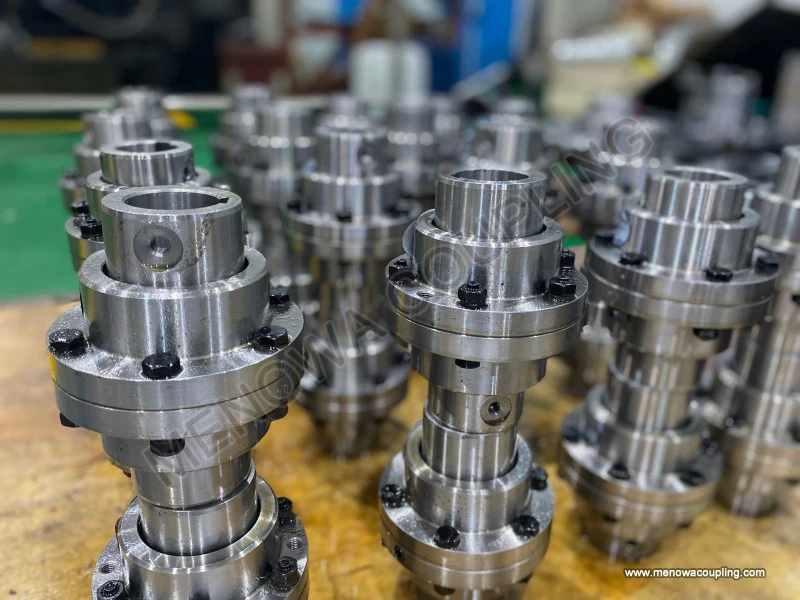
Barrel Gear Coupling Sleeves
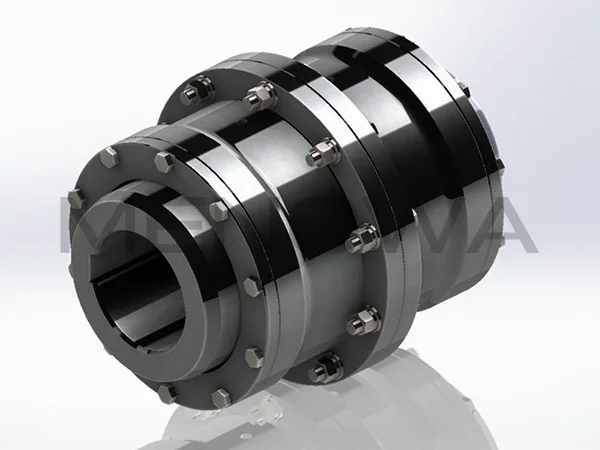
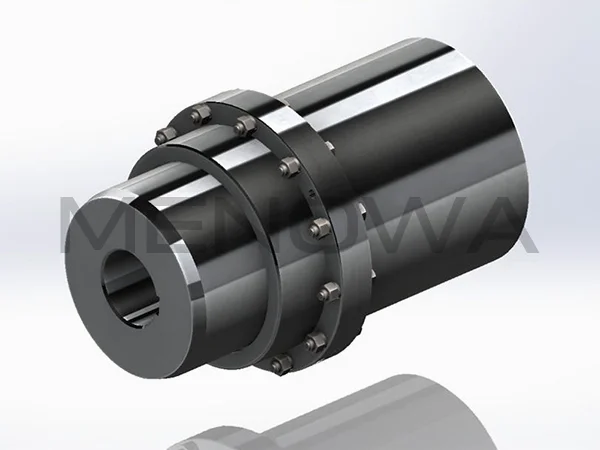
Barrel gear coupling sleeves stand as essential structural and functional components within modern mechanical power transmission systems, serving as the central connecting medium that bridges driving and driven shafts across a vast range of industrial machinery and rotating equipment. In every mechanical setup that relies on rotational force transfer to facilitate production processes, material handling, or operational motion, the stability and consistency of torque transmission directly determine the overall operational smoothness and service cycle of the entire mechanical system, and barrel gear coupling sleeves play an irreplaceable foundational role in maintaining this core operational stability. Unlike conventional rigid connection accessories that only focus on basic shaft linking functions, these specialized sleeves are engineered with targeted structural optimization and mechanical performance adaptation, designed not merely to connect two rotating shafts but to absorb and buffer various inevitable mechanical deviations, operational vibrations, and dynamic load fluctuations that naturally occur during long-term equipment operation. Every detail of their structural design, material selection, and processing manufacturing is oriented toward adapting to complex industrial working conditions, ensuring continuous and steady torque delivery while protecting adjacent mechanical parts from excessive wear, impact damage, and structural fatigue caused by misalignment and unbalanced force transmission. As industrial production equipment continues to develop toward larger operating load, longer continuous running time, and more complex operating environments, the importance of high-quality barrel gear coupling sleeves in reducing mechanical failure probability, lowering daily operational wear and tear, and maintaining stable production rhythm has become increasingly prominent in all sectors of mechanical manufacturing and industrial operation.
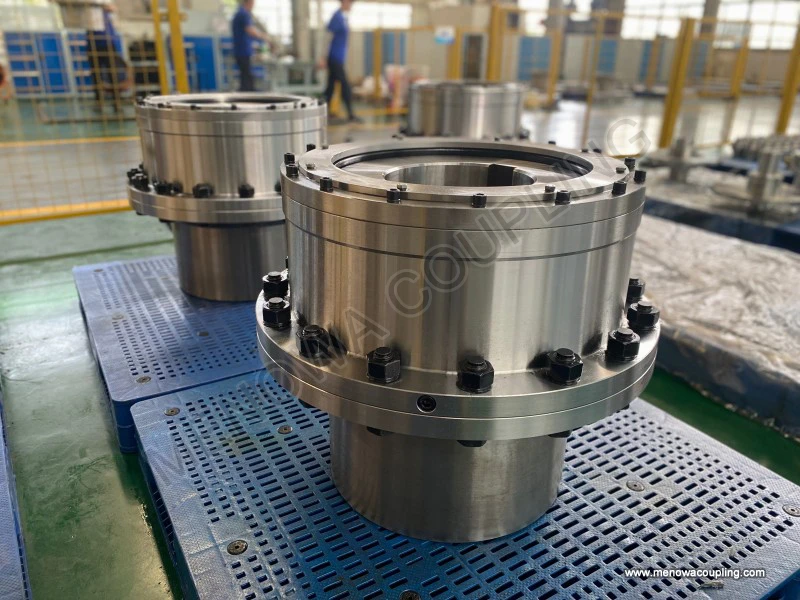
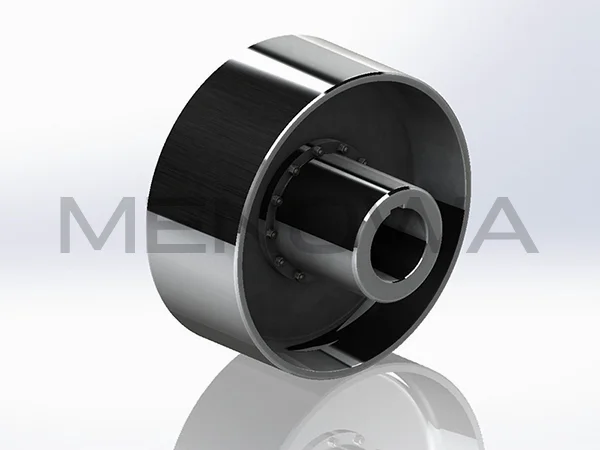
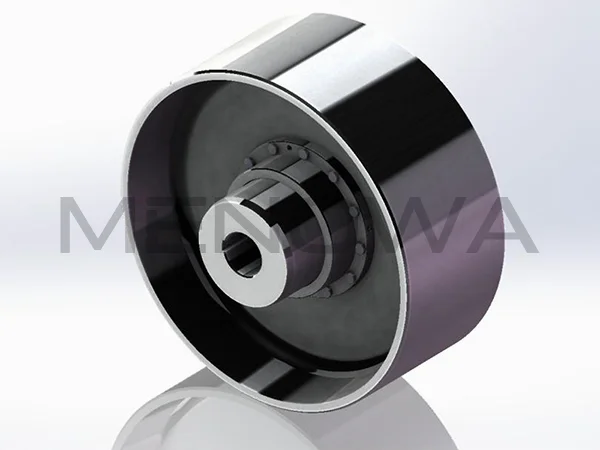
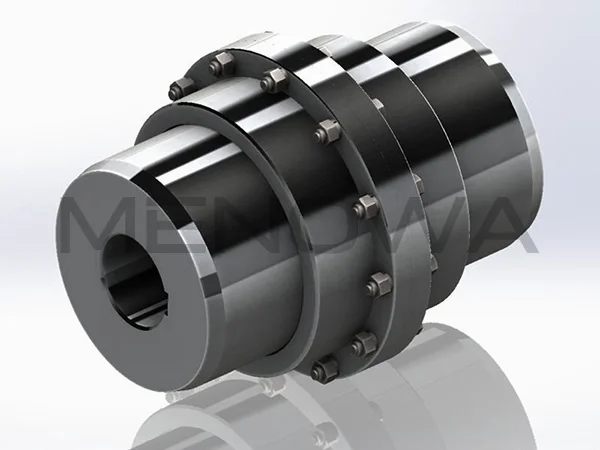
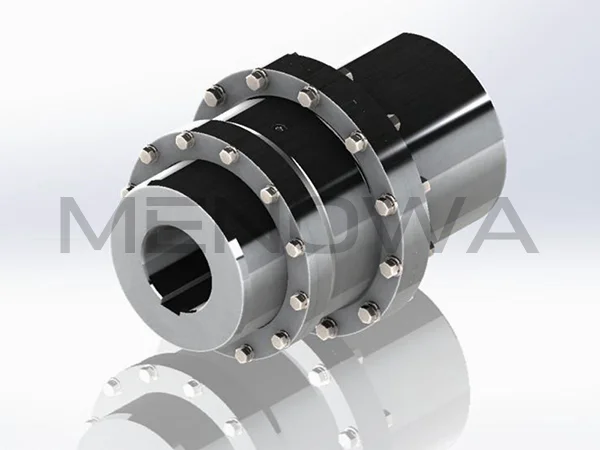
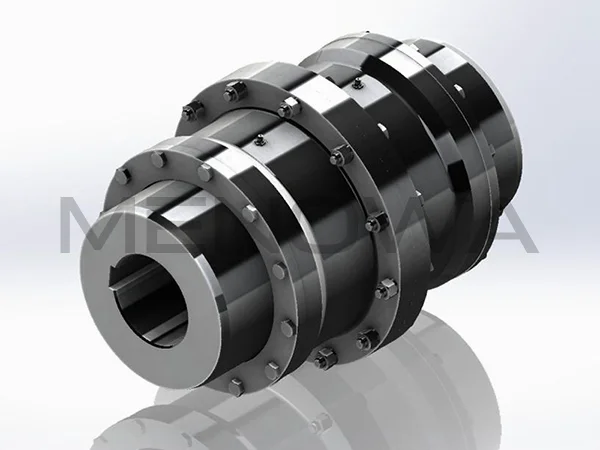
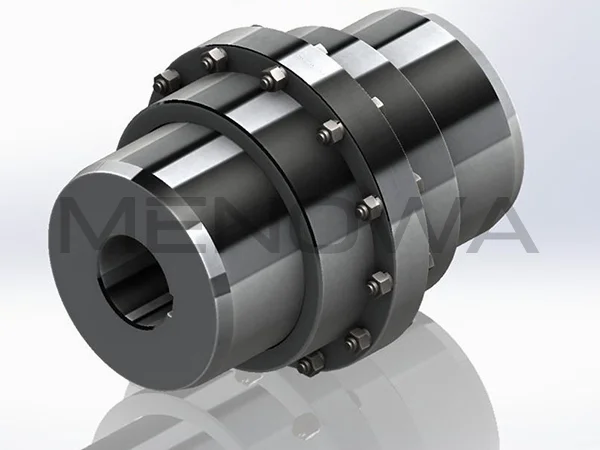
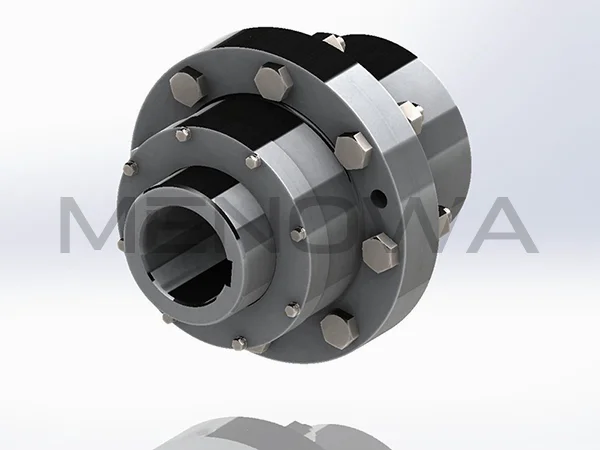
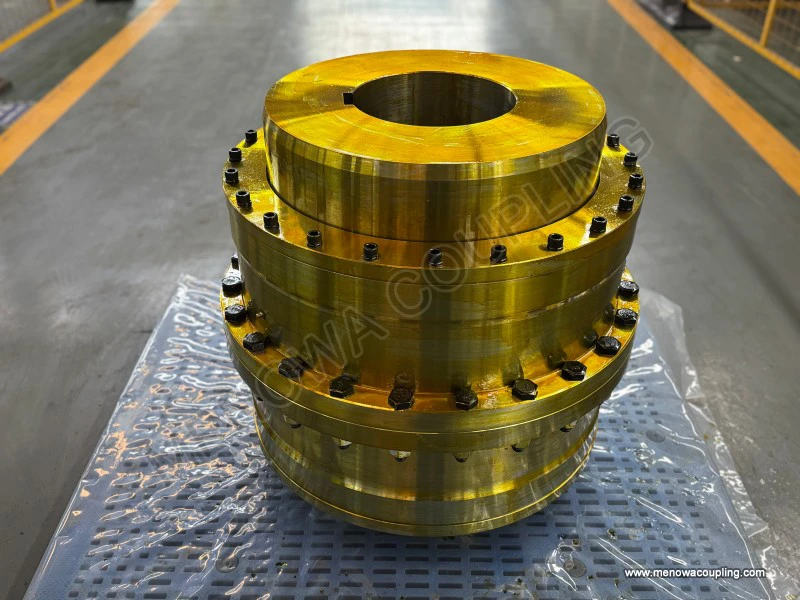
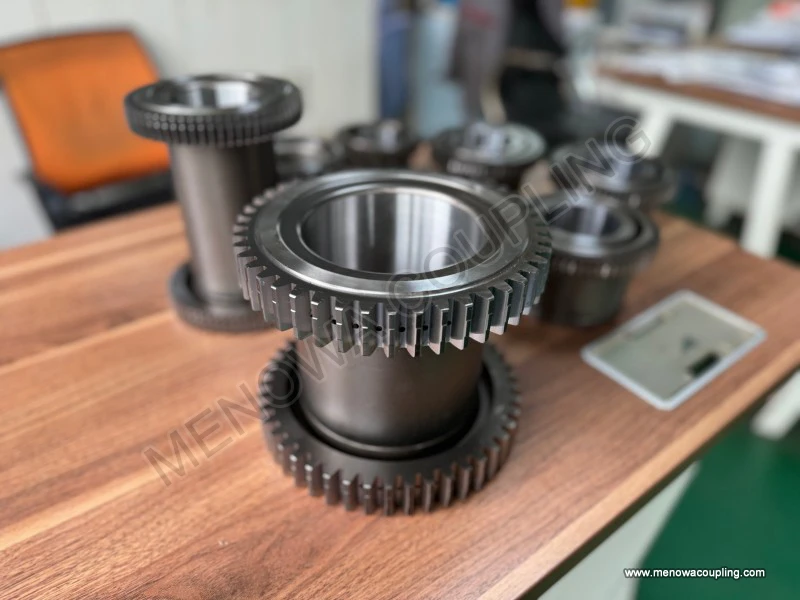
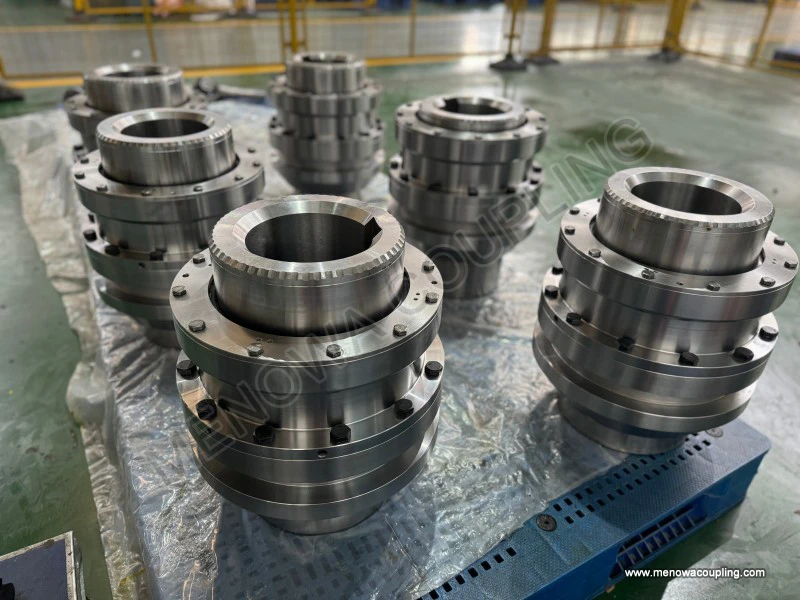
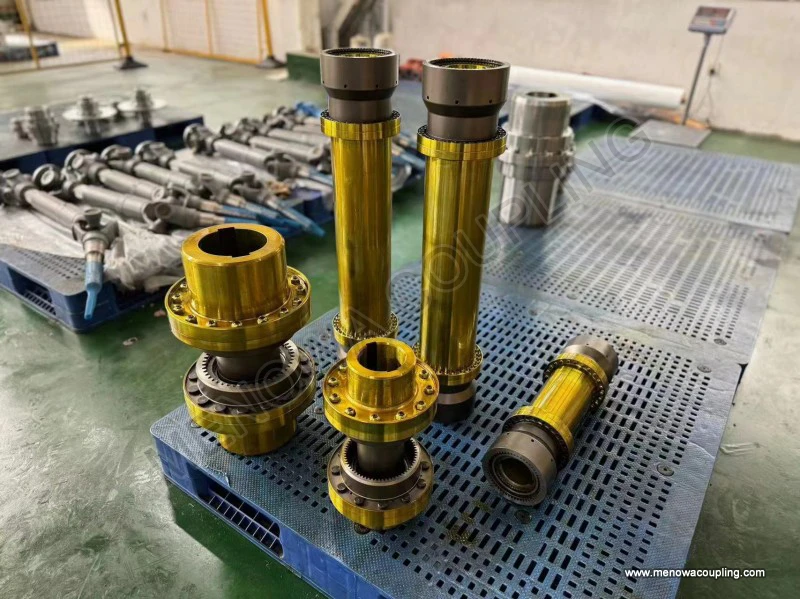
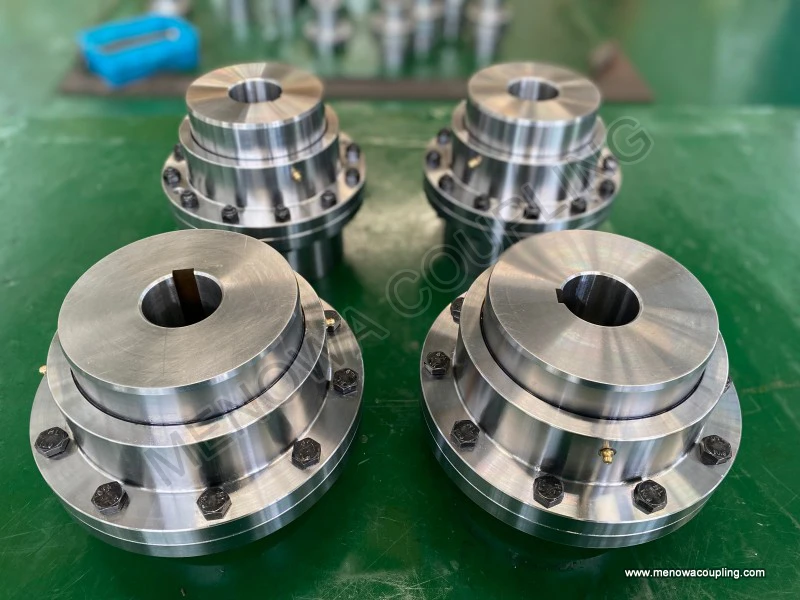
The basic structural design of barrel gear coupling sleeves is scientifically formulated around the dual core demands of efficient torque transmission and flexible misalignment compensation, forming a simple yet highly practical mechanical matching structure that coordinates perfectly with other supporting coupling components. Each standard barrel gear coupling sleeve is manufactured as a thick-walled cylindrical outer component with precisely machined internal gear teeth distributed evenly along the inner circular surface, and the overall wall thickness of the sleeve is reasonably configured to balance structural rigidity and impact resistance, avoiding structural deformation under heavy load conditions while reserving sufficient buffer space for gear meshing movement. The internal gear teeth inside the sleeve adopt a special curved profile matching the external barrel-shaped teeth of the supporting coupling hubs, differing significantly from the straight or ordinary curved tooth shapes used in traditional common gear coupling designs. This targeted tooth profile design enables the meshing contact between the sleeve’s internal teeth and the hub’s external teeth to form a larger and more uniform contact area during operation, effectively dispersing the concentrated mechanical stress generated during torque transmission and preventing local excessive pressure on individual gear teeth that could lead to accelerated surface wear or tooth body fatigue damage. The internal tooth clearance of barrel gear coupling sleeves is moderately optimized compared with conventional gear coupling structures, creating a reasonable meshing gap that allows for slight angular, radial, and axial displacement between the connected shafts without causing gear meshing jamming or rigid mechanical collision during high-speed rotation and variable load operation. This inherent structural characteristic endows the entire coupling assembly with excellent flexible compensation capability, all realized through the inherent structural design of the sleeve itself without the need for additional auxiliary buffer parts or complex adjustment structures.
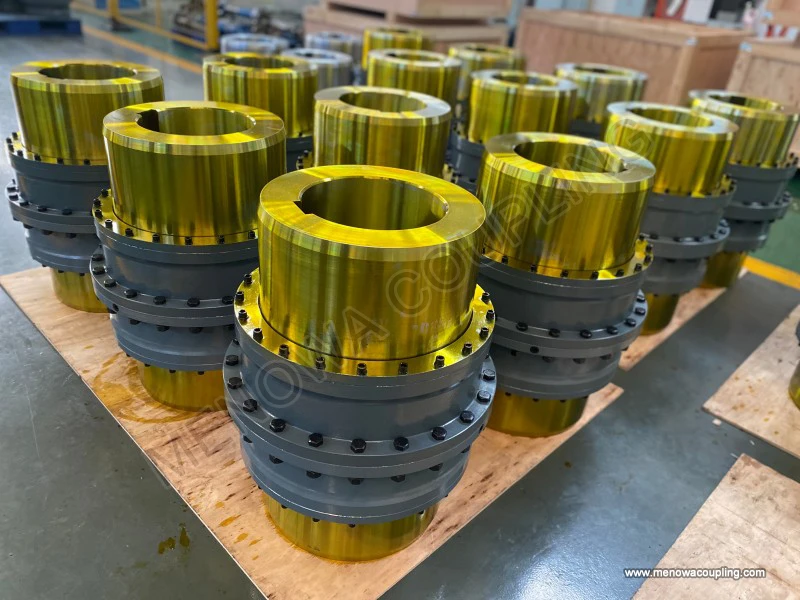
Material selection for barrel gear coupling sleeves is a critical factor that directly affects their mechanical performance, operational durability, and adaptability to different working environments, with all material formulations focused on meeting the comprehensive requirements of high load bearing capacity, wear resistance, fatigue resistance, and structural stability under long-term cyclic operation. Most barrel gear coupling sleeves are forged and processed from high-strength alloy steel materials with stable internal metallographic structure, as forged materials can effectively eliminate internal material pores and structural defects present in ordinary cast materials, enhancing the overall structural compactness and impact resistance of the sleeve body. After initial forging forming, the sleeves undergo multiple professional heat treatment processes, including quenching and tempering treatment, to adjust the internal hardness and toughness distribution of the material, ensuring the overall sleeve body maintains sufficient structural toughness to withstand sudden impact loads and reverse loads while the surface of the internal gear teeth reaches high hardness for strong wear resistance. This differentiated performance distribution of overall toughness and local hardness allows the barrel gear coupling sleeve to avoid overall brittle fracture under severe impact working conditions and prevent rapid abrasion and tooth surface peeling on the meshing gear teeth during long-term continuous friction and meshing operation. For special working environments involving high ambient temperature, humid corrosive atmosphere, or frequent dust and particle erosion, the surface of barrel gear coupling sleeves can be treated with additional surface protection processes, improving resistance to oxidation, corrosion, and environmental abrasion without changing the basic mechanical matching size and internal meshing precision of the sleeve. Strict material inspection and performance testing are carried out for each batch of raw materials and finished sleeves during production, ensuring every finished sleeve meets the consistent mechanical performance standards required for industrial assembly and use.
The working principle of barrel gear coupling sleeves in actual mechanical operation follows a stable and efficient mechanical torque transmission logic, with all power transfer processes completed through smooth gear meshing and flexible mechanical coordination without generating additional mechanical resistance or power transmission loss. When the driving shaft of the mechanical equipment starts to rotate and output rotational torque, the torque is first transmitted to the two coupling hubs fixed on the driving and driven shafts respectively, and the external barrel-shaped gear teeth on the hubs mesh tightly with the internal curved gear teeth inside the barrel gear coupling sleeve. Through the continuous meshing interaction between the internal teeth of the sleeve and the external teeth of the hubs, the rotational power and torque of the driving shaft are steadily transmitted to the driven shaft, driving the entire connected mechanical equipment to operate synchronously and complete the preset production and operation tasks. During this torque transmission process, the optimized tooth profile and reasonable meshing gap of the barrel gear coupling sleeve play a key buffering and compensating role. Due to inevitable installation errors, long-term equipment operation settlement, mechanical component wear, and thermal expansion and contraction of parts during equipment startup and shutdown, slight misalignment often occurs between the driving shaft and the driven shaft in actual operation. These subtle deviations do not cause rigid friction or meshing stuck between the gear teeth, as the structural design of the barrel gear coupling sleeve allows the meshing gear teeth to produce small adaptive displacement and angle adjustment within the reserved gap range. This adaptive adjustment function effectively converts rigid mechanical conflict into flexible meshing movement, reducing the vibration and impact generated by shaft misalignment during power transmission, and making the entire rotation and torque transmission process more stable and smooth.
Barrel gear coupling sleeves exhibit excellent working condition adaptability, suitable for installation and use in almost all industrial mechanical scenarios that require stable shaft connection and torque transmission, covering light-duty, medium-duty, and heavy-duty mechanical operation scenarios across multiple industry fields. In traditional industrial manufacturing fields such as metallurgical production, mining machinery, cement processing, and chemical industry production, mechanical equipment often needs to operate continuously for a long time under heavy load, high dust, and complex impact working conditions, and barrel gear coupling sleeves can maintain stable working performance under these harsh environments, effectively bearing long-term heavy torque transmission and frequent startup and shutdown impact loads. In logistics and transportation machinery such as port handling equipment, conveyor belt transmission systems, and large lifting machinery, the flexible compensation performance of barrel gear coupling sleeves can well adapt to the slight shaft displacement and vibration generated during frequent equipment start-stop and variable load operation, ensuring the safety and stability of material transportation and mechanical lifting operations. In modern light industry manufacturing, food processing machinery, and ventilation and water supply pump equipment, although the operating load is relatively moderate, the requirement for equipment operation stability and low noise is higher, and the precise meshing structure of barrel gear coupling sleeves can reduce vibration and friction noise during operation, maintaining a quiet and stable operating state of the equipment. Whether it is high-speed continuous rotation operation or low-speed heavy-duty intermittent operation, whether it is indoor stable working environment or outdoor open-air harsh working conditions, barrel gear coupling sleeves can adjust their working state through their own structural advantages to adapt to different operational needs, providing reliable basic guarantee for the normal operation of mechanical equipment.
Daily maintenance and scientific inspection of barrel gear coupling sleeves are key measures to extend their service life and maintain long-term stable transmission performance, and standardized maintenance operations can effectively avoid premature wear and unexpected failure of the sleeves caused by improper use or neglected maintenance. The core of daily maintenance work focuses on the lubrication management of the internal gear meshing part of the barrel gear coupling sleeve, as good lubrication conditions can form a uniform oil film on the meshing surface of internal and external gear teeth, reducing direct metal friction and wear between gear teeth, while playing a certain role in heat dissipation, vibration reduction, and buffer protection. During long-term equipment operation, the lubricating grease inside the coupling sleeve will gradually consume, age, and be polluted by dust and metal wear debris, so regular lubricant replacement and lubrication status inspection are required to ensure the meshing part always maintains a good lubrication state and avoid dry friction operation that leads to rapid gear tooth wear and surface damage. In addition to lubrication maintenance, it is also necessary to regularly check the tightness of the matching connection position of the barrel gear coupling sleeve and the sealing performance of the peripheral sealing parts. Loose connection or aging and damage of sealing components will lead to lubricant leakage and external dust and impurities entering the meshing interior, affecting the meshing effect and accelerating component wear. During the inspection process, staff only need to observe the surface wear degree of the internal gear teeth of the sleeve and check for abnormal deformation, tooth surface peeling, or crack damage, and carry out targeted replacement and maintenance in a timely manner once potential hidden dangers are found. Simple and standardized maintenance work can effectively reduce the operating failure rate of barrel gear coupling sleeves and keep their transmission performance stable for a long time.
In the entire field of industrial mechanical power transmission, barrel gear coupling sleeves have always occupied an important position relying on their reasonable structural design, reliable mechanical performance, strong working condition adaptability, and convenient later maintenance characteristics. As a key intermediate connecting component between rotating shafts, they do not directly participate in the production and processing work of mechanical equipment, but their operating state is related to the overall operational efficiency and service life of the entire mechanical system. Every optimized design detail in the structure of barrel gear coupling sleeves is derived from the actual demand summary of long-term industrial production practice, every material selection and processing technology is formulated for adapting to complex working conditions and improving durability, and every maintenance link is set for maintaining long-term stable transmission performance. In the continuous development and upgrading of modern industrial machinery, mechanical equipment is constantly evolving in the direction of higher operational efficiency and longer continuous operating cycle, and the matching requirements for supporting basic transmission components such as barrel gear coupling sleeves are also constantly improving. With continuous optimization of structural design and upgrading of processing technology, barrel gear coupling sleeves will continue to adapt to the changing industrial production needs, provide stable and reliable power transmission guarantee for various mechanical equipment, and lay a solid foundation for the stable and efficient operation of industrial production and mechanical rotation systems.
Post Date: Apr 25, 2026
https://www.menowacoupling.com/china-coupling/barrel-gear-coupling-sleeves.html
Products
Tags
Supply
Related Articles
Gear Type Coupling Manufacture
Gear type couplings stand as one of the most reliable and widely used mechanical transmission components in modern industrial machinery, renowned for their exceptional load-bearing capacity, excellent misalignment compensation performance, and stable operation under high-speed and heavy-duty working conditions. The manu…Parts of Gear Type Coupling
Gear type coupling stands as one of the most reliable and high-performance flexible transmission components widely applied in heavy-duty industrial mechanical systems, serving the core purpose of connecting two rotating shafts to transmit torque and rotational motion while accommodating minor shaft misalignments and mit…Characteristics of Gear Type Coupling
Gear type couplings stand as one of the most versatile and robust mechanical transmission components widely applied in modern industrial power transmission systems, serving the core function of connecting two rotating shafts to transfer torque and rotational motion while adapting to various operational deviations and co…Gear Type Coupling Vendor In China
In the global mechanical transmission industry, gear type couplings play an indispensable role as key components that connect rotating shafts, transmit torque, and compensate for axial, radial, and angular displacements between shafts. As one of the world’s major manufacturing hubs, China has nurtured a large number of…Gear Type Coupling Production
Gear type couplings are essential mechanical components widely used in various industrial fields to connect two shafts and transmit torque while accommodating minor misalignments. The production of gear type couplings is a complex and precise process that requires strict control over every link, from material selection …Gap Chart of Curved Tooth Coupling
Global industrial transformation across manufacturing, energy exploitation, heavy engineering and marine equipment has steadily lifted market demand for curved tooth coupling in cross-continental industrial supply chains over recent years, with gap chart becoming an indispensable technical reference for product matching…
 WeChat
 WhatsApp