Barrel Gear Coupling Hubs
Barrel gear coupling hubs stand as indispensable foundational mechanical components within modern power transmission systems, serving as the key connecting medium that links driving shafts and driven shafts to achieve stable torque transfer, rotational motion synchronization, and effective compensation for various shaft misalignments in diverse mechanical equipment operation processes. Unlike ordinary conventional coupling hubs with simple structural designs and single functional attributes, barrel gear coupling hubs feature specially optimized external tooth profiles and integrated mechanical structural layouts, which are scientifically engineered to coordinate perfectly with matching sleeves and intermediate transmission components, forming a complete and reliable gear coupling assembly that adapts to complex and harsh industrial operating conditions. In the entire mechanical transmission chain, the hub part undertakes the dual core missions of bearing mechanical load and realizing flexible transmission adjustment, and its structural rationality, manufacturing precision, material stability and assembly accuracy directly determine the overall operating efficiency, running stability and service cycle of the entire coupling device, and further affect the continuous and safe operation state of the whole mechanical equipment set. With the continuous upgrading and iterative development of industrial production machinery and the gradual improvement of industrial production requirements for equipment operation stability and load bearing capacity, the application scope of barrel gear coupling hubs has been continuously expanded, covering heavy-duty lifting equipment, metallurgical processing machinery, mining conveying equipment, chemical production transmission devices, and various large-scale industrial fan and pump sets, becoming a vital basic part that cannot be replaced in medium and heavy-duty power transmission scenarios.
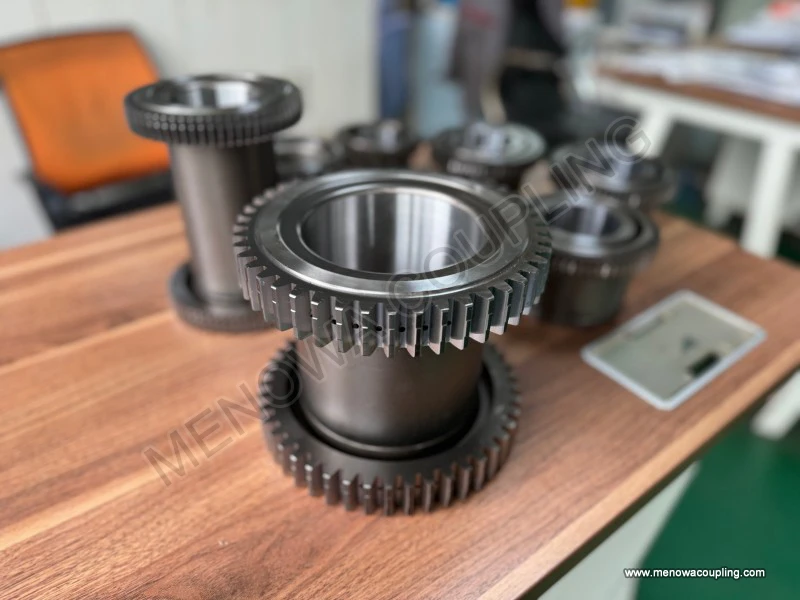
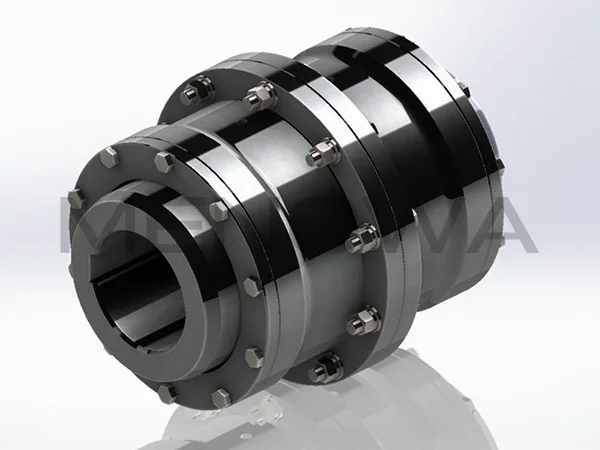
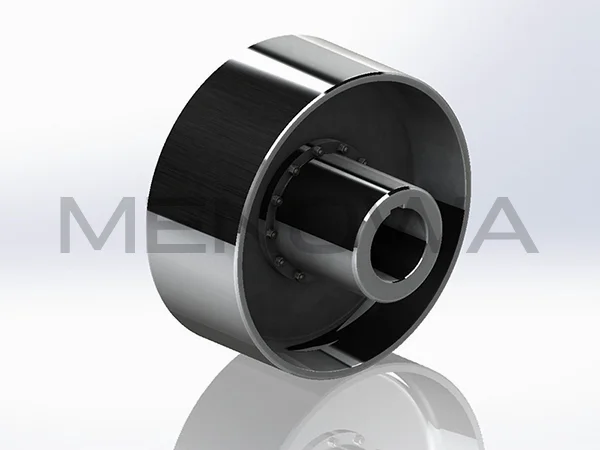
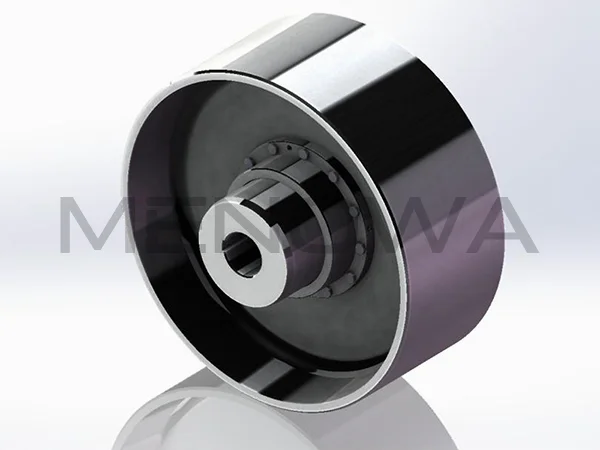
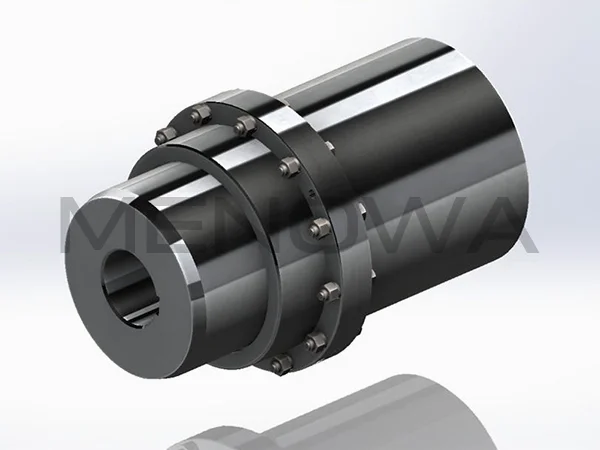
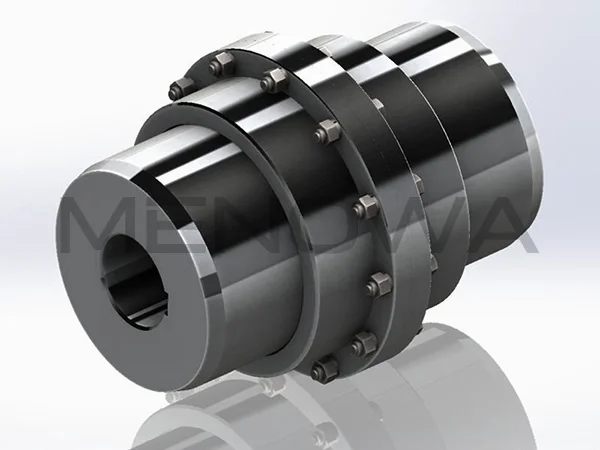
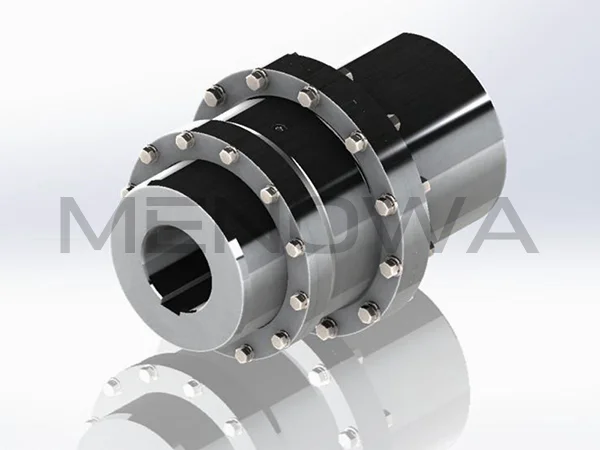
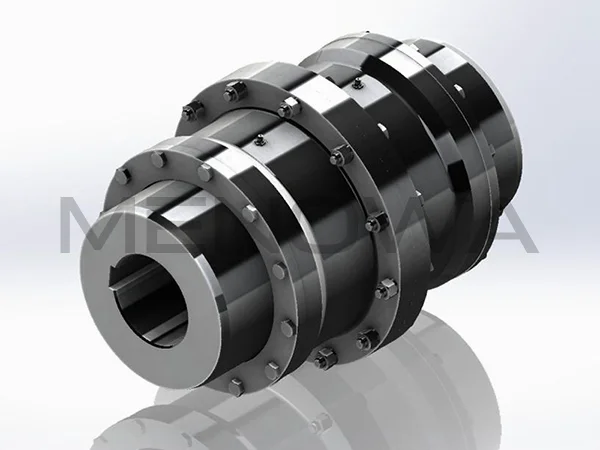
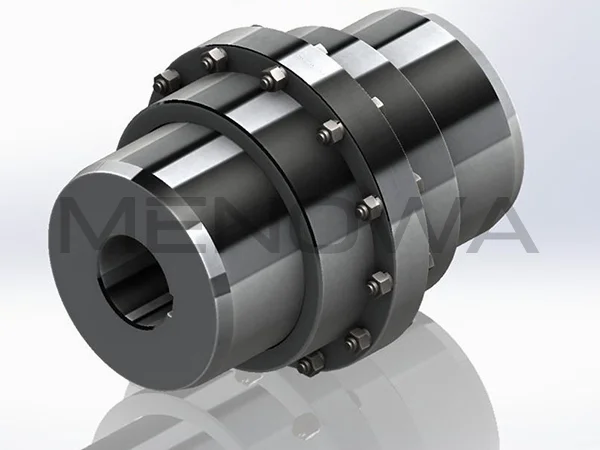
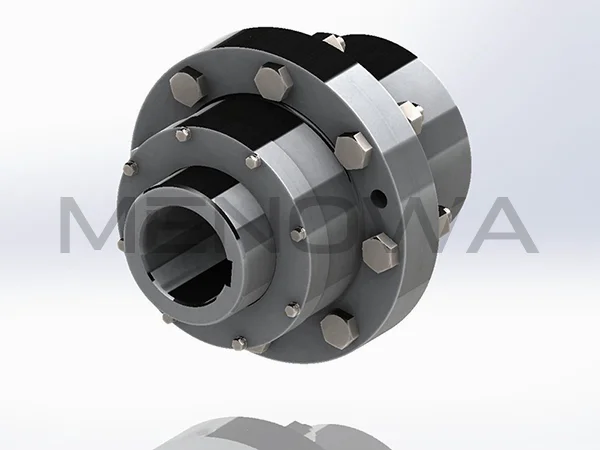
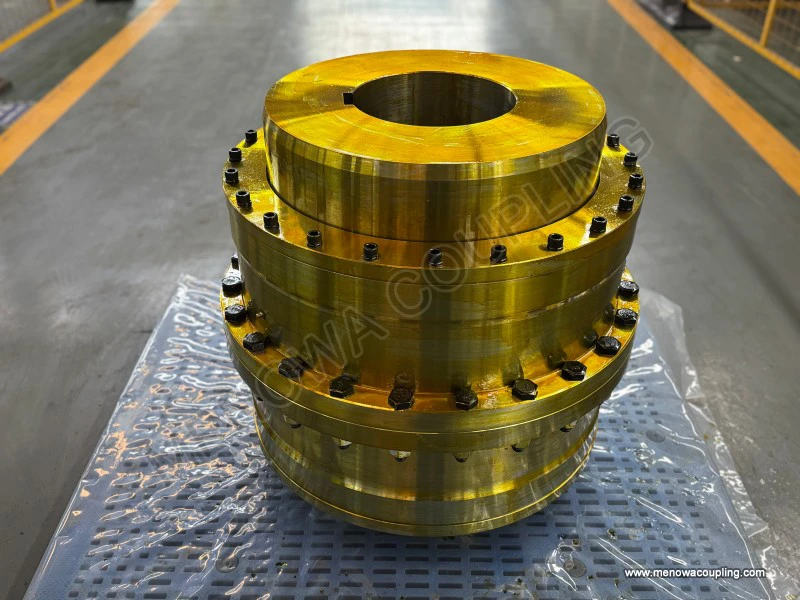
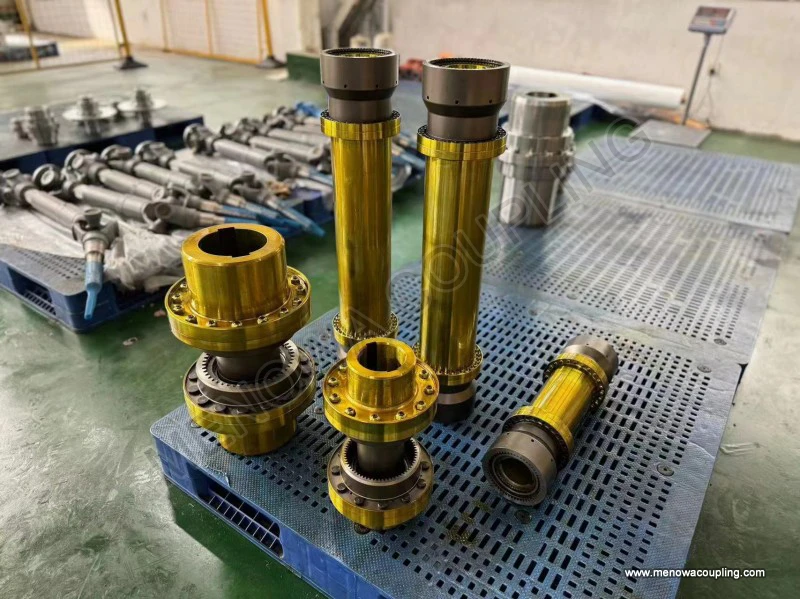
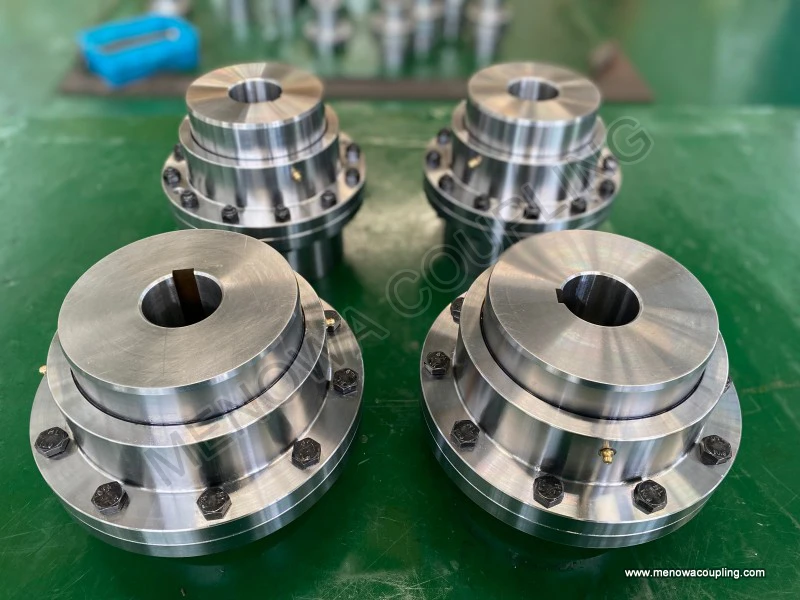
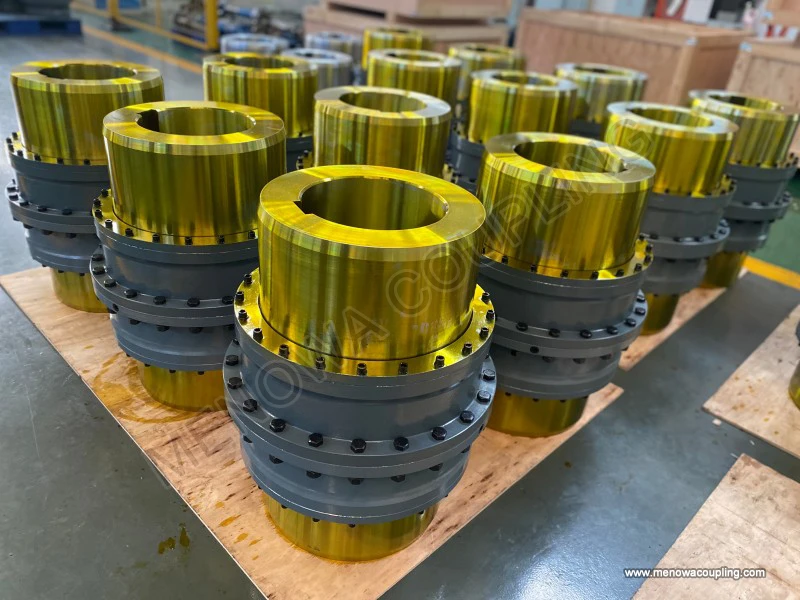
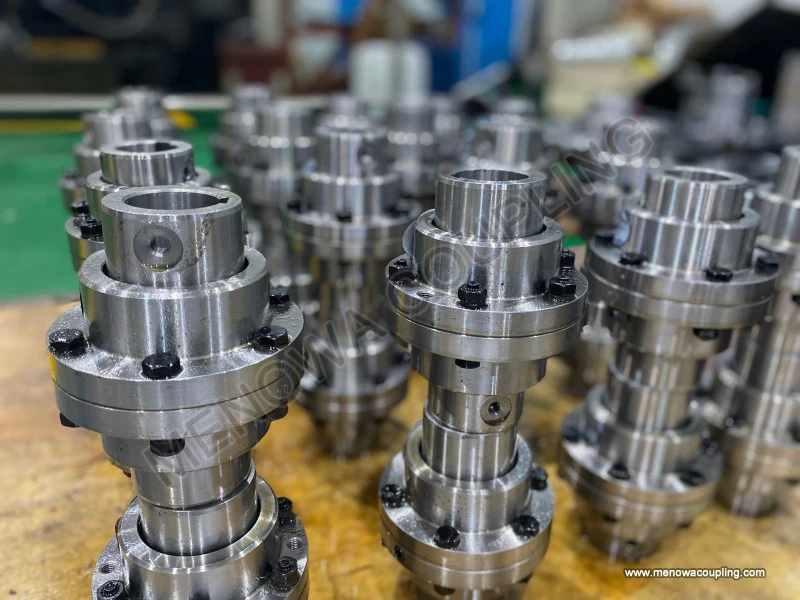
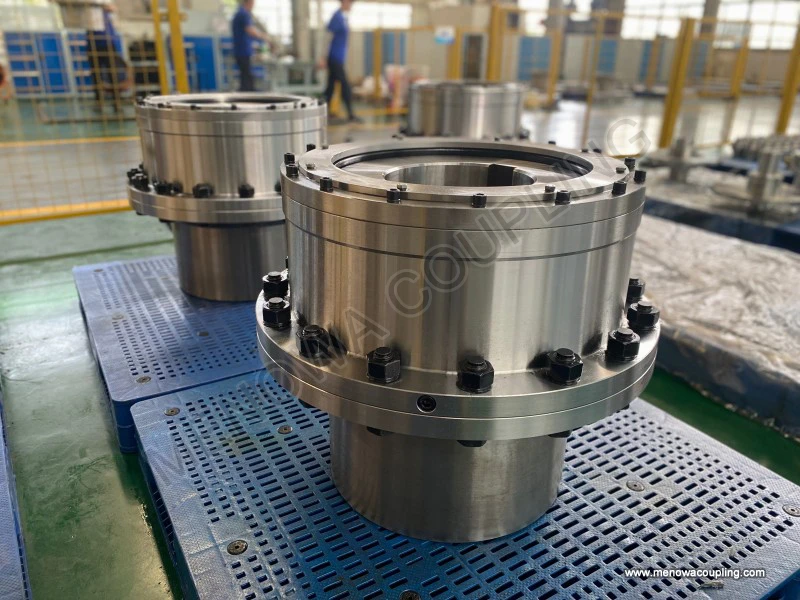
The basic structural design of barrel gear coupling hubs follows the dual design concepts of mechanical force balance and flexible displacement compensation, and each structural part is precisely planned and processed to meet the dual needs of rigid load bearing and flexible operation adaptation. The main body of the hub is a solid integrated metal component with a central shaft hole designed for tight and stable connection with the equipment shaft body, and the inner wall of the central shaft hole is processed with high-precision machining accuracy to ensure a close fit with the shaft surface, avoiding relative sliding or rotational deviation between the hub and the shaft during high-speed rotation and heavy load operation. The outer edge of the hub is processed with unique barrel-shaped external gear teeth, which is the most distinctive structural feature different from standard straight gear coupling hubs. The tooth profile of these external teeth is designed into a spherical curved surface structure, with the spherical center of each curved tooth surface accurately located on the central axis of the hub itself, such a structural design enables the gear teeth to have larger contact gaps and more reasonable stress bearing areas during meshing transmission compared with ordinary straight gear structures. Around the gear tooth area on both sides of the hub, simple limit and installation steps are reserved, which are mainly used for installing supporting sealing rings and retaining parts, effectively limiting the axial displacement of intermediate transmission rollers and sealing components, preventing the displacement and falling off of internal parts during long-term equipment operation, and maintaining the stability of the overall coupling internal structure. The overall thickness and radial dimension of the hub are scientifically designed according to conventional load bearing standards, ensuring that the hub has sufficient structural rigidity to bear instantaneous impact load and continuous cyclic load without excessive deformation, while avoiding excessive volume and weight that would increase the extra load of the equipment operation.
The working principle of barrel gear coupling hubs in the power transmission process is based on the meshing coordination between curved barrel-shaped external teeth and matching internal teeth of the coupling sleeve, relying on compressive force and contact friction between hardened transmission parts to realize efficient and stable torque transmission between shafts. When the driving equipment starts to operate and the driving shaft rotates synchronously, the barrel gear coupling hub fixed on the driving shaft rotates along with the shaft body, and the barrel-shaped external teeth on the outer edge of the hub continuously push the hardened steel rollers arranged between the hub and the sleeve. These steel rollers are placed in the semicircular tooth grooves formed by the matching structure of the hub external teeth and the sleeve internal teeth, and can roll slightly within a reasonable gap range during the torque transmission process. This rolling contact transmission mode replaces the rigid direct meshing friction of ordinary gear couplings, greatly reducing the direct wear between gear tooth surfaces and lowering the friction heat generated during long-term high-speed operation. In the whole transmission process, the hub always acts as the core power output starting point, stably transmitting the rotational torque and power of the driving shaft to the sleeve through the contact action between gear teeth and rollers, and then the sleeve transmits the power to the driven shaft to drive the driven equipment to operate synchronously. At the same time, due to the special curved design of the hub barrel-shaped gear teeth, the hub can automatically adapt to slight angular displacement, axial displacement and radial offset between the driving shaft and the driven shaft during operation, avoiding additional bending stress and shear stress caused by shaft misalignment on the shaft body and the coupling itself, and protecting the shaft body and bearing components of the equipment from damage caused by long-term eccentric load operation.
Material selection and manufacturing process technology are core factors that determine the mechanical performance and service life of barrel gear coupling hubs, and the selection of raw materials and processing procedures are strictly controlled according to the actual application working conditions of different industrial scenarios. Most barrel gear coupling hubs are made of high-quality alloy steel materials with good comprehensive mechanical properties, which have excellent strength, toughness and wear resistance after forging and heat treatment. The forging process adopted in the initial processing stage can refine the internal metal grain structure of the hub material, eliminate internal pores and loose defects of the raw material, and make the internal structure of the hub more compact and uniform, effectively improving the overall structural rigidity and fatigue resistance of the hub, and enabling the hub to withstand frequent start-stop impact load and long-term cyclic alternating load without fatigue cracks or structural deformation. After the forging forming of the hub blank, rough machining and finish machining are carried out in sequence, including the fine processing of the central shaft hole, the precise milling of the barrel-shaped gear tooth profile, and the finishing of the installation limit steps on both sides. After the completion of mechanical machining, the hub will undergo professional heat treatment processes such as quenching and tempering and surface hardening treatment, the overall quenching and tempering treatment improves the overall toughness and impact resistance of the hub, avoiding brittle fracture under sudden impact load, while the surface hardening treatment enhances the hardness and wear resistance of the barrel-shaped gear tooth surface in frequent contact and meshing, reducing the wear degree of the gear tooth surface during long-term rolling contact transmission and extending the effective service time of the hub. In the whole manufacturing process, all machining dimensions and tooth profile accuracy are controlled within reasonable tolerance ranges, ensuring that each hub has good interchangeability and assembly coordination, and can maintain stable meshing and transmission effects after matching with different supporting coupling accessories.
Barrel gear coupling hubs exhibit excellent comprehensive functional performance in actual industrial operation, with prominent advantages in load bearing capacity, displacement compensation ability, impact resistance and operation stability, adapting to various complex and harsh working environments that ordinary coupling hubs cannot cope with. In terms of load bearing performance, the special barrel-shaped gear tooth structure of the hub makes the contact area between gear teeth and intermediate transmission rollers much larger than that of traditional linear contact coupling structures, the contact pressure per unit area is effectively reduced, and the load is evenly distributed on each gear tooth and contact part, avoiding local excessive stress concentration and local rapid wear. This uniform stress distribution state enables the hub to bear larger torque load under the same volume and weight conditions, meeting the power transmission needs of large-scale heavy-duty mechanical equipment. In terms of displacement compensation performance, the spherical curved design of the hub gear teeth allows the coupling to have a larger allowable angular displacement range and axial movement space during operation, which can well adapt to the installation deviation inevitably existing in the initial installation of equipment shafts and the slight shaft position offset generated by equipment vibration and thermal expansion and contraction during long-term operation. This automatic compensation function avoids the additional mechanical stress caused by shaft misalignment, reduces the operation load of equipment bearings and shafts, and effectively reduces the failure rate of related mechanical parts.
In terms of impact resistance and fatigue resistance, the integrated forging structure of the hub and the reasonable material heat treatment process make the hub have strong ability to resist instantaneous impact load and reverse load, and can maintain stable structural performance even in working scenarios with frequent start-stop, forward and reverse rotation switching and fluctuating load changes. Different from elastic coupling hubs which rely on elastic parts for buffering and have limited bearing capacity, barrel gear coupling hubs rely on rigid metal structure matching and rolling contact transmission, which will not produce aging and failure of elastic components, and can maintain consistent transmission performance for a long time. In addition, the matching sealing structure installed on the hub can cooperate with the coupling sealing accessories to form a good internal sealing space, effectively isolating external dust, moisture, industrial impurities and corrosive media from entering the internal meshing and contact parts of the hub gear teeth, avoiding gear tooth corrosion, abrasive wear and lubricant deterioration. The good sealing protection effect ensures that the hub can operate normally in harsh working environments such as outdoor open-air operation, high dust in mining areas and corrosive atmosphere in chemical plants, and maintains long-term stable transmission performance without frequent maintenance and replacement.
The assembly, installation and daily maintenance management of barrel gear coupling hubs are crucial links to ensure their long-term stable operation and give full play to their functional performance, and standardized operation procedures can effectively reduce wear and failure and extend the service life of the hubs. In the assembly and installation stage, it is necessary to first clean the central shaft hole of the hub and the surface of the equipment driving shaft and driven shaft to ensure that there is no dust, iron filings, oil dirt and other impurities on the matching surface, so as to avoid poor fit caused by impurities affecting the assembly accuracy. After the hub is sleeved on the shaft body, the coaxiality of the hub and the shaft body needs to be calibrated to ensure that the hub will not run eccentrically during rotation, so as to prevent additional vibration and wear caused by eccentric operation. After the hub is installed and fixed, the matching sleeve, transmission rollers and sealing parts are installed in sequence according to the assembly sequence, ensuring that all parts are installed in place and the limit components play a good limiting role to avoid part displacement during operation. After the assembly of the entire coupling device is completed, an appropriate amount of special lubricant needs to be injected into the internal meshing contact part of the hub gear teeth, the lubricant can form a uniform oil film on the surface of the barrel-shaped gear teeth and the transmission rollers, reducing friction and wear during rolling contact transmission, and taking away the heat generated by friction in time to avoid overheating of the gear tooth surface and accelerated aging and wear.
In daily equipment operation and maintenance work, regular inspection and maintenance of barrel gear coupling hubs are required to timely discover and solve potential hidden dangers. The daily inspection work mainly includes checking whether the hub has abnormal vibration and abnormal noise during equipment operation, observing whether there is oil leakage at the sealing position of the coupling, and confirming whether the hub and the shaft body have relative displacement and loosening phenomenon. During regular maintenance, the old lubricant inside the coupling needs to be replaced regularly, and the worn and aged sealing rings and retaining parts need to be checked and replaced in a timely manner. The surface wear degree of the hub barrel-shaped gear teeth should be inspected regularly, and slight wear can be maintained by supplementing lubrication and adjusting the assembly gap, while excessive wear that affects transmission stability needs to be replaced in time to avoid equipment operation failure caused by hub failure. Scientific and standardized maintenance work can not only keep the barrel gear coupling hubs in good operating condition for a long time, but also reduce the overall maintenance cost of mechanical equipment and improve the continuous operation efficiency of industrial production lines.
Barrel gear coupling hubs have been widely used in multiple core industrial fields due to their reliable structural performance, strong working condition adaptability and long-term stable operation effect, becoming a key basic component supporting the normal operation of various medium and heavy-duty transmission equipment. In the field of lifting and hoisting machinery, such as various cranes and hoisting equipment, barrel gear coupling hubs are used in the power transmission part of the reducer and the hoisting drum, undertaking the torque transmission task during heavy-load hoisting and frequent start-stop operation, adapting to the impact load and shaft displacement generated during hoisting operation, ensuring the stable and safe lifting and lowering of heavy objects. In the metallurgical industry, metallurgical rolling equipment and high-temperature processing transmission machinery have harsh working conditions with high operating temperature, large load fluctuation and frequent equipment operation, the high temperature resistance and fatigue resistance of barrel gear coupling hubs can adapt to the high-temperature working environment and long-term continuous operation requirements, maintaining the stability of power transmission in the metallurgical production process. In the mining industry, mining conveying machinery and ore crushing equipment often work in high dust and heavy-load working conditions, the good sealing adaptation and impact resistance of barrel gear coupling hubs can resist the erosion of external dust and the impact of fluctuating load, ensuring the continuous operation of mining transportation and processing equipment.
In the chemical production industry, many chemical transmission equipment needs to operate stably for a long time in corrosive media and continuous working state, the structural stability and corrosion resistance of barrel gear coupling hubs after special processing can adapt to the complex chemical working environment, avoiding component failure caused by corrosion and wear. In addition, large-scale industrial fans, water pump sets and power generation equipment also widely adopt barrel gear coupling hubs for power transmission, these equipment need long-term continuous stable operation, and the low wear and long-life characteristics of the hub can reduce equipment shutdown maintenance time and improve the overall operation efficiency of the production system. With the continuous progress of industrial manufacturing technology and the continuous development of large-scale and heavy-duty mechanical equipment, the structural design and manufacturing process of barrel gear coupling hubs are also constantly optimized and upgraded, further improving their load bearing performance, displacement compensation ability and environmental adaptability, and providing more reliable basic guarantee for the stable operation of modern industrial power transmission systems. In the future industrial development process, barrel gear coupling hubs will continue to play an irreplaceable core role in the field of mechanical power transmission, and continuously adapt to the increasingly diverse and harsh industrial operation working condition needs with optimized performance and reliable quality.
Post Date: Apr 25, 2026
https://www.menowacoupling.com/china-coupling/barrel-gear-coupling-hubs.html
Products
Tags
Supply
Related Articles
Size Chart of Curved Tooth Coupling
The global industrial transmission component market has maintained steady expansion alongside the continuous upgrading of industrial manufacturing, intelligent equipment iteration, and the vigorous development of heavy industry sectors worldwide. As a core high-efficiency power transmission component, curved tooth coupl…Coaxiality of Curved Tooth Coupling
In the global industrial transmission industry, curved tooth couplings have emerged as a core component of high-precision and high-torque shaft connection systems, widely adopted in heavy machinery, automated production lines, energy transmission equipment and cross-border industrial supporting fields. Coaxiality, as th…What is Gear Type Coupling
Gear type coupling is a fundamental flexible mechanical transmission component widely applied in modern industrial power transmission systems, serving as a critical connecting unit between two rotating shafts in mechanical equipment. Unlike rigid couplings that require precise shaft alignment and lack displacement compe…Gap Chart of Gear Type Coupling
Gear type couplings stand as one of the most widely used mechanical transmission components in industrial power systems, relied upon for their exceptional torque transmission capacity, high structural rigidity, and reliable adaptability to complex operating conditions. At the core of their stable operation lies the prec…Size Chart of Gear Type Coupling
A size chart of gear type coupling is an indispensable reference tool in industrial power transmission systems, serving as a bridge between the functional requirements of machinery and the technical specifications of the coupling itself. It systematically organizes key dimensional and performance parameters, allowing en…Specification of Curved Tooth Coupling
In the global industrial transmission equipment market, curved tooth couplings have emerged as one of the most reliable and versatile mechanical transmission components, occupying a core position in heavy-duty power transmission systems across various industrial sectors worldwide. With the continuous advancement of glob…
 WeChat
 WhatsApp