Parts of Elastic Coupling
Elastic couplings are essential components in mechanical transmission systems, designed to connect two rotating shafts while accommodating misalignments, absorbing vibrations, and protecting connected equipment from damage. Unlike rigid couplings that require precise alignment and offer no flexibility, elastic couplings leverage specialized components to balance torque transmission with adaptability, making them indispensable in a wide range of industrial applications, from small precision machinery to heavy-duty industrial equipment. To fully understand how elastic couplings function, it is crucial to examine each of their core parts, their roles, materials, and how they work together to ensure smooth and reliable operation. Every component of an elastic coupling is engineered to perform a specific function, and the synergy between these parts determines the coupling’s overall performance, durability, and suitability for different operating conditions.
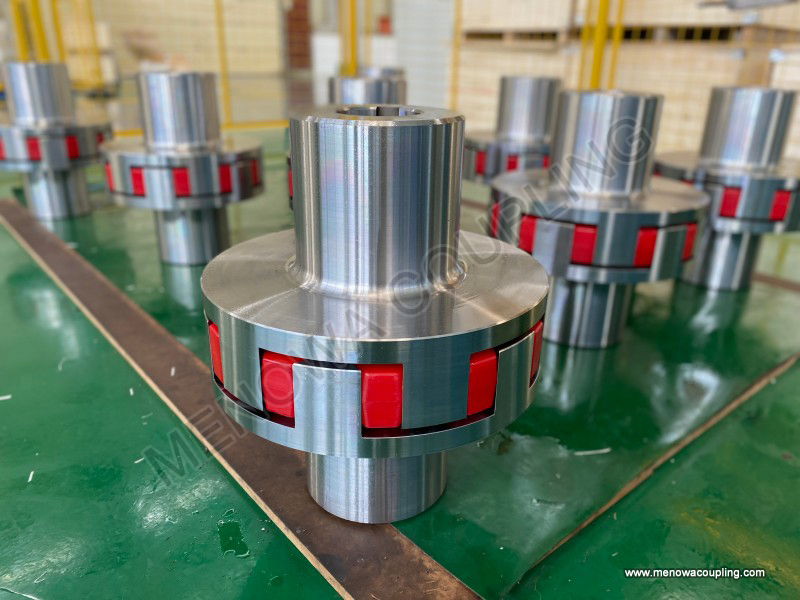
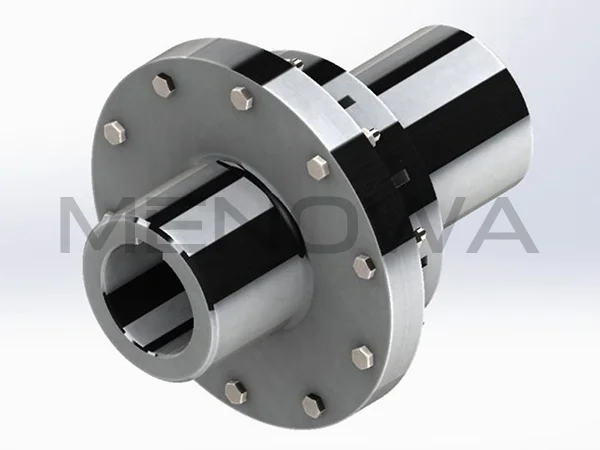
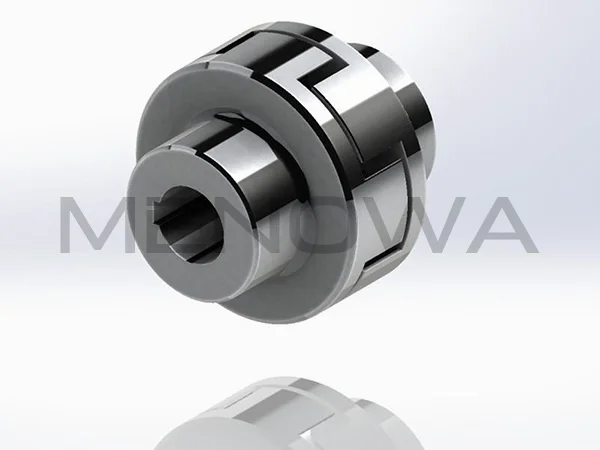
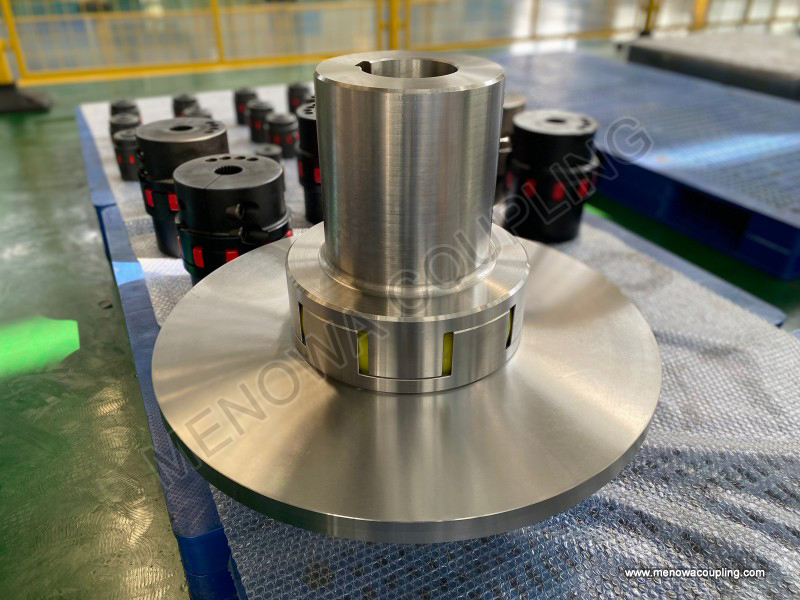
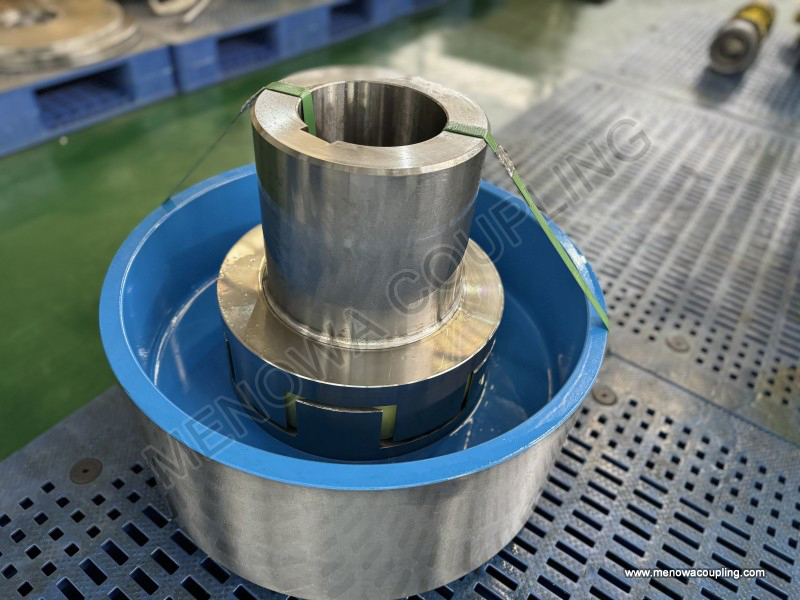
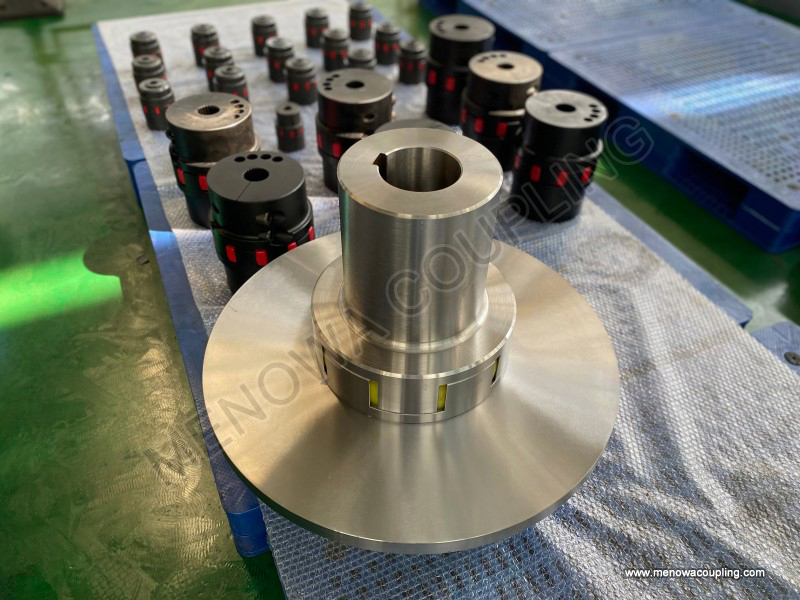
At the heart of every elastic coupling are the two hub assemblies, which serve as the primary connection points between the coupling and the rotating shafts. These hubs are typically cylindrical in shape, with a central bore that matches the diameter of the shafts they will connect. The design of the hub is critical to ensuring a secure fit, as any slippage between the hub and the shaft can lead to inefficiency, vibration, or even equipment failure. To prevent slippage, hubs are often equipped with keyways, which align with keys inserted into corresponding slots on the shaft, creating a mechanical lock that transfers torque without relative movement. In some cases, hubs may also use set screws, clamping mechanisms, or胀紧 sleeves to enhance the connection, especially in applications where high torque or frequent starts and stops are involved. The size and shape of the hub vary depending on the application; smaller couplings used in precision equipment may have compact, lightweight hubs, while heavy-duty couplings for industrial machinery feature larger, more robust hubs capable of withstanding higher loads.
The material used to manufacture the hubs is carefully selected based on the application’s requirements for strength, durability, and corrosion resistance. Common materials include aluminum alloys, which are lightweight and corrosion-resistant, making them ideal for applications where weight is a concern, such as in automotive or aerospace equipment. Steel is another popular choice for hubs, particularly carbon steel and stainless steel, due to its high strength and ability to handle heavy torque loads. Carbon steel hubs are often heat-treated to enhance their hardness and wear resistance, while stainless steel hubs are preferred in harsh environments where exposure to moisture, chemicals, or extreme temperatures could cause corrosion. In some specialized applications, such as those involving food processing or medical equipment, hubs may be made from food-grade or sterile materials to meet hygiene standards. Regardless of the material, the hub must be precision-machined to ensure that the central bore is perfectly aligned and sized, as even minor deviations can lead to misalignment and reduced coupling performance.
Connecting the two hubs is the elastic element, which is the defining component of an elastic coupling and the source of its flexibility. This element is responsible for absorbing vibrations, compensating for shaft misalignments, and damping shock loads, thereby protecting the connected shafts, bearings, and other equipment components. The elastic element is typically made from a flexible material that can deform under load and return to its original shape, allowing it to accommodate radial, axial, and angular misalignments between the two shafts. Radial misalignment occurs when the shafts are offset parallel to each other, axial misalignment happens when the shafts are displaced along their central axis, and angular misalignment occurs when the shafts are tilted relative to each other. The elastic element must be able to handle all three types of misalignment to ensure smooth operation.
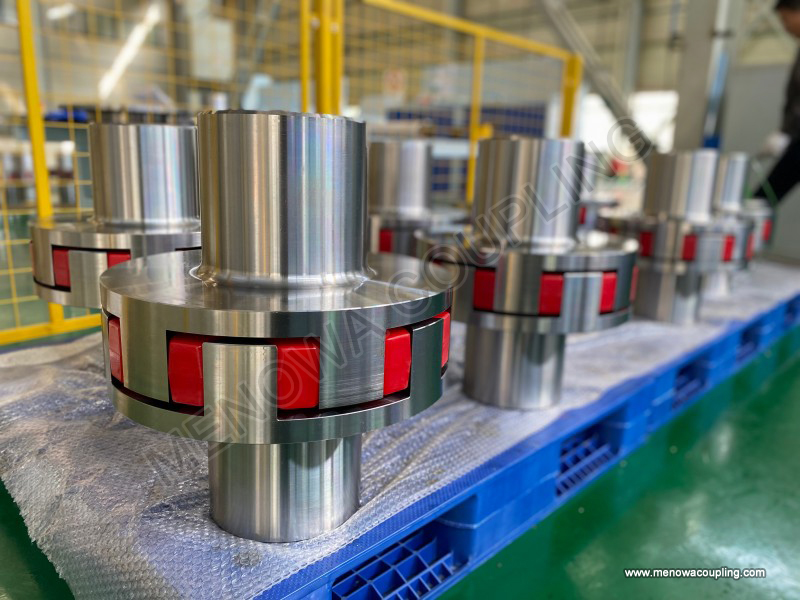
There are several types of elastic elements used in elastic couplings, each with its own unique properties and advantages. One common type is the rubber or elastomer insert, which is often shaped like a sleeve, disk, or梅花 (plum) and fits between the two hubs. Rubber-based elastic elements are known for their excellent vibration absorption and damping capabilities, making them ideal for applications with high levels of vibration, such as pumps, compressors, and motors. They are also relatively inexpensive and easy to replace, which makes them a popular choice for general industrial use. However, rubber elements have limitations, including a lower temperature range and susceptibility to wear and aging over time, especially when exposed to oil, chemicals, or extreme temperatures.
Another type of elastic element is the metal spring, which is used in couplings that require higher torque capacity and greater durability. Metal springs, typically made from stainless steel or high-carbon steel, offer superior strength and resistance to high temperatures and chemicals compared to rubber elements. They are often used in heavy-duty applications, such as in mining, construction, and power generation, where the coupling must handle large torque loads and harsh operating conditions. Metal spring elements can be designed in various configurations, including coil springs, leaf springs, and Belleville washers, each tailored to specific load and misalignment requirements. While metal springs provide excellent durability, they have lower vibration absorption capabilities than rubber elements, making them more suitable for applications where misalignment compensation is more critical than vibration damping.
Polyurethane is another popular material for elastic elements, offering a balance between the flexibility of rubber and the strength of metal. Polyurethane elements are more durable than rubber, resistant to oil and chemicals, and have a wider temperature range, making them suitable for a variety of industrial applications. They also provide good vibration absorption and misalignment compensation, making them a versatile choice for many coupling designs. Like rubber elements, polyurethane elements are available in various shapes and sizes, including sleeves, disks, and梅花-shaped inserts, and can be easily replaced when worn.
In addition to the hubs and elastic element, many elastic couplings include a housing or cover that encloses the internal components. The housing serves several important functions: it protects the elastic element and other internal parts from dust, debris, and environmental contaminants that could cause wear or damage; it prevents accidental contact with moving parts, enhancing safety; and it helps to maintain the alignment of the hubs and elastic element. The housing is typically made from the same material as the hubs, such as aluminum or steel, and is designed to be lightweight yet durable. In some cases, the housing may be split into two halves, allowing for easy installation and maintenance without removing the coupling from the shafts. The housing may also include vents or drainage holes to prevent the buildup of moisture or heat, which can degrade the elastic element over time.
Fasteners are another essential part of elastic couplings, used to secure the hubs to the shafts and to hold the coupling components together. Common fasteners include bolts, set screws, nuts, and washers, each selected based on the coupling’s design and the application’s load requirements. Bolts are used to connect the two halves of the housing (if present) and to secure the hubs to the elastic element, while set screws are used to lock the hubs onto the shafts, preventing slippage. Washers are often used to distribute the load from the bolts or set screws, reducing the risk of damage to the coupling components. The fasteners must be made from high-strength materials, such as stainless steel or alloy steel, to ensure they can withstand the torque and vibration generated during operation. It is also important that the fasteners are properly tightened to the recommended torque, as loose fasteners can lead to misalignment, vibration, and component failure.
Some elastic couplings also include additional components to enhance their performance or adapt to specific applications. For example, some couplings feature a keyway and key, which provide a positive connection between the hub and the shaft, ensuring that torque is transferred efficiently without slippage. The key is a small, rectangular piece of metal that fits into a slot (keyway) machined into both the hub and the shaft, creating a mechanical lock. In applications where keyways are not feasible, such as in hollow shafts or precision equipment,胀紧 sleeves may be used. An胀紧 sleeve is a cylindrical component that fits between the hub and the shaft, and when tightened, it expands to create a tight, friction-based connection that transfers torque.
Another optional component is the damping washer or bushing, which is used to further enhance the coupling’s vibration absorption capabilities. These washers are typically made from rubber or polyurethane and are placed between the hub and the elastic element, providing an additional layer of damping to reduce vibration transmission. In applications with high levels of shock or vibration, such as in construction equipment or industrial crushers, damping washers can significantly extend the life of the coupling and the connected equipment.
The performance of an elastic coupling is determined by the interaction of all its parts, and each component must be carefully designed and selected to ensure optimal performance. For example, the size and material of the hubs must match the torque and speed requirements of the application, while the elastic element must be chosen based on the level of misalignment, vibration, and temperature the coupling will encounter. The housing and fasteners must be robust enough to protect the internal components and maintain alignment, even under harsh operating conditions. When all parts work together seamlessly, the elastic coupling can effectively transfer torque, accommodate misalignments, absorb vibrations, and protect connected equipment, ensuring reliable and efficient operation.
It is also important to consider the maintenance requirements of the coupling’s parts to ensure long service life. The elastic element is typically the most wear-prone component, as it is subjected to repeated deformation and stress during operation. Over time, the elastic element may become worn, cracked, or degraded, which can reduce the coupling’s performance and increase vibration. Regular inspection of the elastic element is essential, and it should be replaced at the first sign of wear. The hubs and fasteners should also be inspected regularly to ensure they are secure and free from damage, such as cracks or corrosion. In addition, the coupling should be lubricated (if required) to reduce friction between moving parts, although many modern elastic couplings are designed to be maintenance-free, with self-lubricating components.
The design and configuration of elastic coupling parts can vary significantly depending on the specific application. For example, in precision applications such as robotics or medical equipment, the coupling must be compact, lightweight, and have minimal backlash to ensure accurate torque transmission. In these cases, the hubs may be made from lightweight aluminum alloys, and the elastic element may be a small, precision-machined polyurethane disk. In contrast, heavy-duty applications such as mining or power generation require couplings with large, robust hubs, strong metal spring elastic elements, and a durable steel housing to handle high torque loads and harsh operating conditions.
Another factor that influences the design of elastic coupling parts is the type of misalignment that the coupling must accommodate. For applications where radial misalignment is the primary concern, such as in pumps or fans, the elastic element may be designed to have greater radial flexibility. For applications with significant axial misalignment, such as in conveyor systems, the elastic element may be longer or have a more flexible design to allow for axial movement. Angular misalignment, which is common in equipment with misaligned shafts, requires an elastic element that can bend without losing its structural integrity.
In addition to their primary functions, elastic coupling parts can also contribute to the overall efficiency of the transmission system. A well-designed coupling with properly selected parts can reduce energy loss by minimizing friction and vibration, which in turn reduces the load on the connected motors and bearings. This not only improves the efficiency of the system but also extends the service life of the equipment, reducing maintenance costs and downtime.
It is worth noting that the selection of elastic coupling parts is not a one-size-fits-all process. Each application has unique requirements, and the parts must be chosen based on factors such as torque capacity, speed, misalignment tolerance, temperature range, environmental conditions, and maintenance requirements. For example, a coupling used in a food processing plant must have parts made from food-grade materials that are resistant to corrosion and easy to clean, while a coupling used in a high-temperature industrial furnace must have parts that can withstand extreme heat without degrading.
The development of new materials and manufacturing technologies has also led to improvements in elastic coupling parts. For example, the use of advanced polymers and composite materials has resulted in elastic elements that are more durable, resistant to chemicals and temperature extremes, and have better vibration absorption capabilities than traditional rubber or metal elements. Precision machining techniques have also improved the accuracy and consistency of hub and housing components, ensuring better alignment and more reliable torque transmission.
In conclusion, elastic couplings are complex assemblies composed of several key parts, each with a specific role in ensuring smooth, reliable, and efficient torque transmission. The hubs provide the connection to the rotating shafts, the elastic element enables flexibility, misalignment compensation, and vibration absorption, the housing protects internal components, and the fasteners secure the assembly together. Optional components such as keys,胀紧 sleeves, and damping washers can further enhance the coupling’s performance for specific applications. Understanding the function and importance of each part is essential for selecting the right elastic coupling for a given application, ensuring optimal performance, and extending the service life of the coupling and connected equipment. By carefully selecting and maintaining each component, elastic couplings can continue to play a vital role in modern mechanical transmission systems, supporting a wide range of industrial and commercial applications.
Post Date: May 14, 2026
https://www.menowacoupling.com/china-coupling/parts-of-elastic-coupling.html
Products

Related Articles
Gap Chart of Elastic Coupling
In the realm of mechanical power transmission, elastic couplings serve as critical components that bridge the gap between driving and driven shafts, accommodating misalignments while ensuring efficient torque transfer. Among the various tools and methodologies used to optimize the performance and longevity of elastic co…Size Chart of Elastic Coupling
The size chart of elastic coupling is an indispensable reference tool in mechanical transmission systems, serving as a bridge between the coupling’s design parameters and its practical application. It systematically organizes key dimensional and performance data, enabling engineers, technicians, and procurement personn…Material of Elastic Coupling
Elastic couplings play a crucial role in mechanical transmission systems, serving as a vital connection between driving and driven shafts to transmit torque while compensating for axial, radial, and angular misalignments. The performance, durability, and suitability of an elastic coupling for specific applications are l…Structure of Elastic Coupling
An elastic coupling is a critical mechanical component designed to connect two rotating shafts—typically a driving shaft and a driven shaft—in various mechanical systems, enabling the seamless transmission of torque while accommodating misalignments and dampening vibrations. Unlike rigid couplings that require precise…Elastic Coupling For Sale
In the complex world of mechanical transmission systems, elastic couplings stand as essential components that bridge the gap between rotating shafts, ensuring smooth power transfer while accommodating the inevitable misalignments and vibrations that occur during operation. These versatile devices are designed to transmi…Specification of Elastic Coupling
An elastic coupling is a critical mechanical component designed to connect two rotating shafts in a power transmission system, enabling the transfer of torque while accommodating various forms of misalignment and dampening vibrations. Unlike rigid couplings that require precise alignment and offer no flexibility, elasti…
 WeChat
 WhatsApp