Structure of Elastic Coupling
An elastic coupling is a critical mechanical component designed to connect two rotating shafts—typically a driving shaft and a driven shaft—in various mechanical systems, enabling the seamless transmission of torque while accommodating misalignments and dampening vibrations. Unlike rigid couplings that require precise alignment and offer no flexibility, elastic couplings leverage the elastic deformation of specific components to absorb shocks, compensate for axial, radial, and angular deviations, and protect the connected machinery from excessive wear and damage. The structure of an elastic coupling is meticulously engineered to balance flexibility and torque-transmitting capability, with each component playing a vital role in ensuring optimal performance across diverse industrial applications. To fully understand the functionality of elastic couplings, it is essential to examine their fundamental structural components, the variations in design across different types, and the materials used in their construction, as well as how these elements work together to fulfill their core functions.
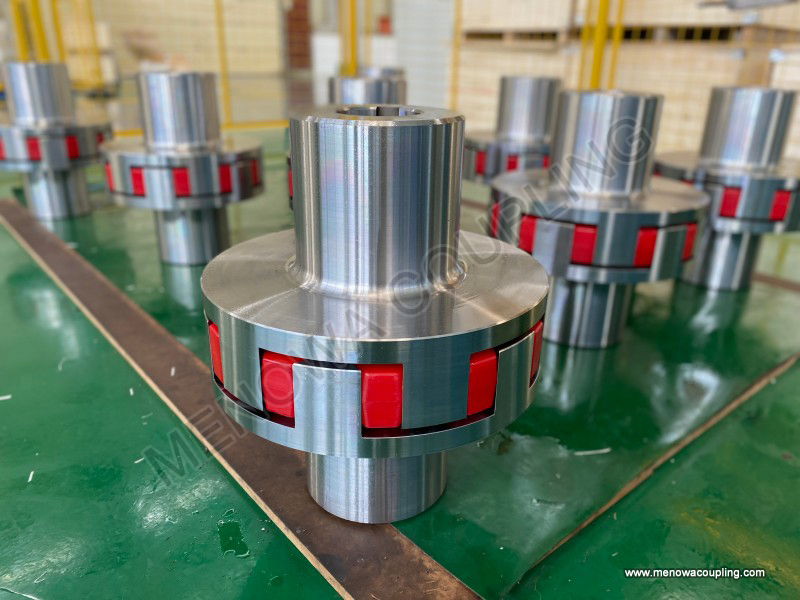
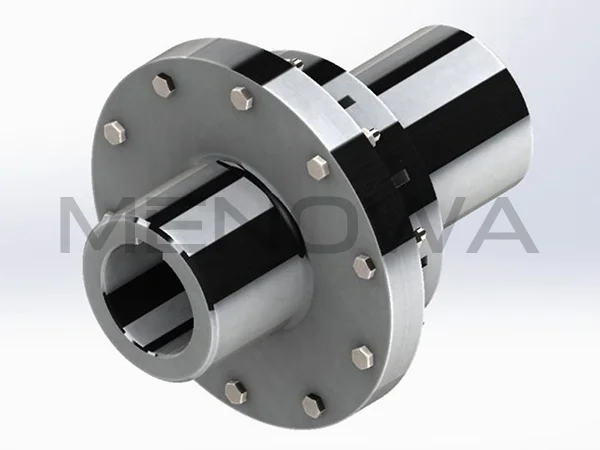
At the most basic level, nearly all elastic couplings share a common structural framework consisting of three primary components: two shaft hubs (also known as half-couplings), an elastic element, and fasteners that secure these parts together. The shaft hubs are the interface between the coupling and the rotating shafts, and their design is tailored to ensure a secure and precise connection that minimizes slippage during torque transmission. Typically, each hub features a bore that matches the diameter of the shaft it will be mounted on, with various methods used to fasten the hub to the shaft—including keyways and set screws, compression fittings, or taper-lock bushings. The keyway is a rectangular slot cut into both the hub bore and the shaft, into which a metal key is inserted to prevent relative rotation between the hub and the shaft. Set screws are then tightened against the shaft to further secure the hub in place, while compression fittings and taper-lock bushings provide a more uniform grip, distributing the clamping force evenly around the shaft to avoid damage and ensure a reliable connection. The outer surface of the hubs is often designed with flanges or protrusions that serve as mounting points for the elastic element and fasteners, with the exact shape and size varying depending on the type of elastic coupling and its intended application.
The elastic element is the heart of the elastic coupling, as it is responsible for providing the flexibility needed to compensate for misalignments and absorb vibrations. This component is made from materials with high elasticity and durability, allowing it to deform under load and return to its original shape when the load is removed— a property known as elastic resilience. The design and material of the elastic element vary significantly across different types of elastic couplings, each optimized for specific performance requirements such as torque capacity, misalignment compensation, and vibration damping. Common materials used for elastic elements include elastomers (such as rubber, polyurethane, and neoprene), engineering plastics, and metallic springs or diaphragms. Elastomeric elements are widely used due to their excellent vibration damping properties and ability to absorb shocks, making them ideal for applications where smooth operation is critical. Engineering plastics, such as nylon and polyacetal, offer a balance of flexibility, strength, and resistance to wear and chemicals, while metallic elastic elements—like stainless steel diaphragms or helical springs—provide higher torque capacity and durability, suitable for high-speed and high-temperature applications.
Fasteners are the third essential component of elastic couplings, serving to secure the elastic element between the two shaft hubs. These fasteners must be strong enough to withstand the torque and forces generated during operation, while also allowing the elastic element to deform freely. Common types of fasteners used include bolts, studs, and pins, with the choice depending on the coupling design and the forces it will encounter. In many cases, the fasteners pass through holes in the hub flanges and the elastic element, with nuts or washers used to secure them in place. Some designs incorporate locking mechanisms, such as lock washers or nylon-insert lock nuts, to prevent the fasteners from loosening due to vibration— a critical consideration in high-speed or high-vibration applications. The placement of the fasteners is also carefully engineered to ensure even distribution of forces across the elastic element, preventing localized stress concentrations that could lead to premature failure.
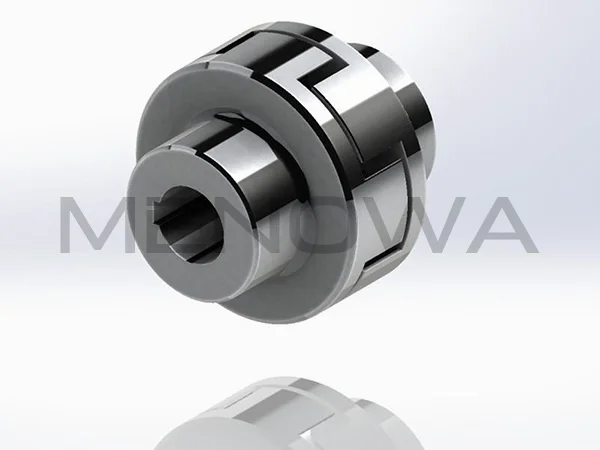
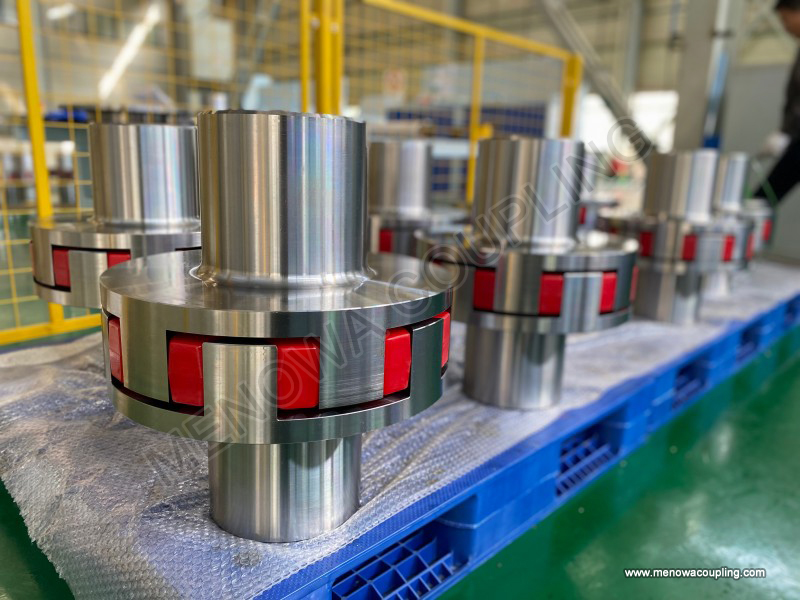
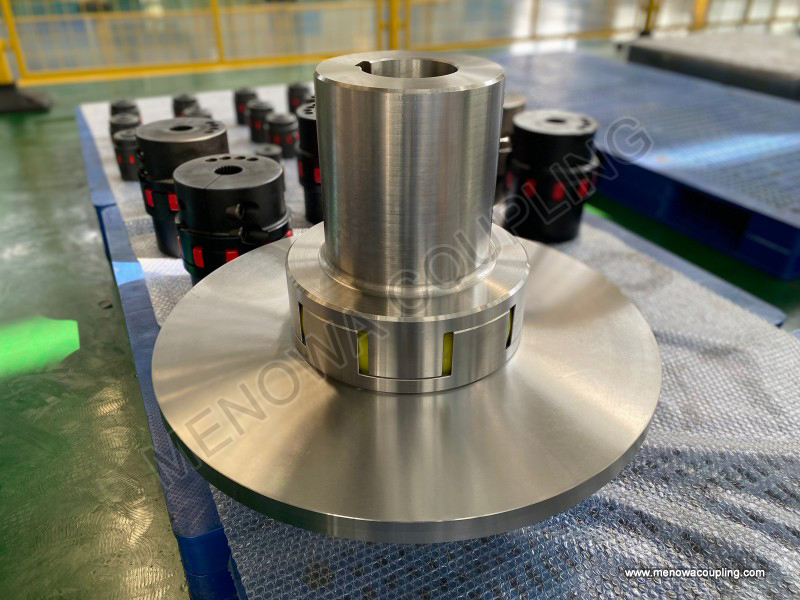
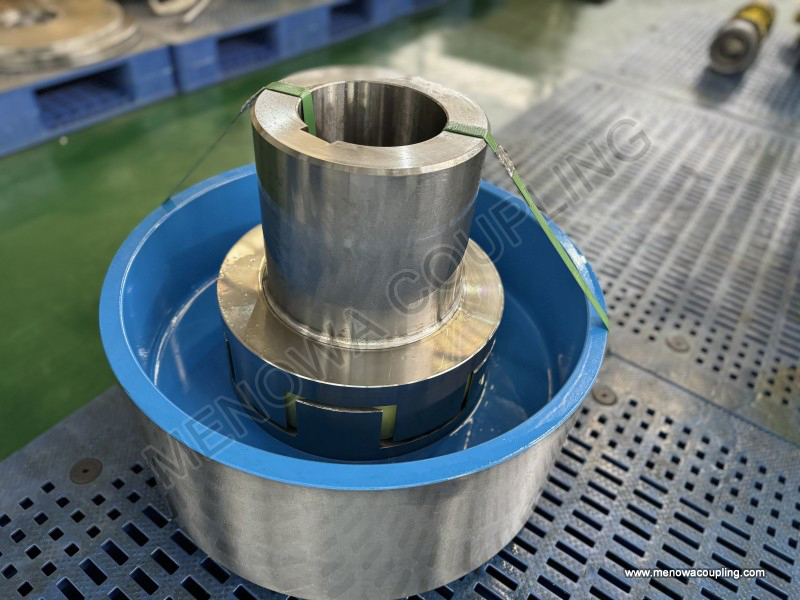
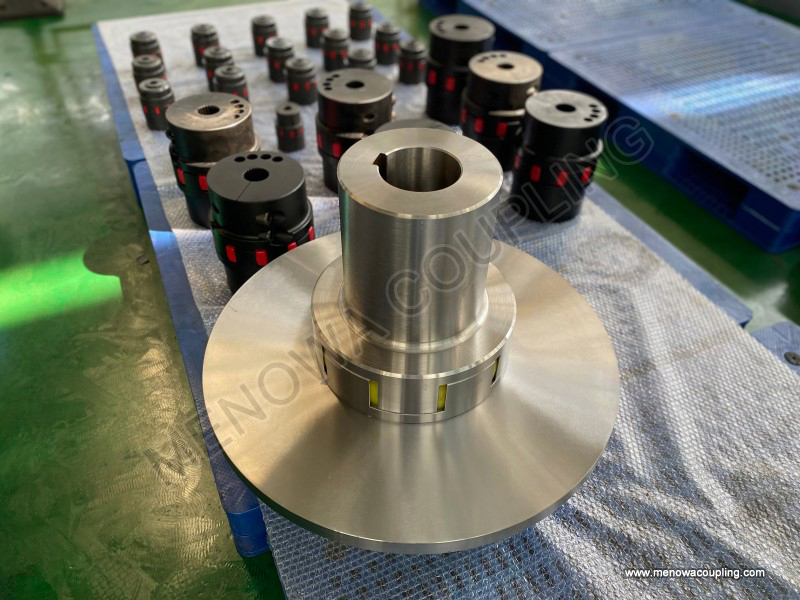
While the three core components—hubs, elastic element, and fasteners—are universal, the specific structure of elastic couplings varies widely based on their type, each designed to address specific application needs. One of the most common types is the jaw coupling, which features two hubs with protruding jaws that interlock with an elastic insert (the elastic element). The jaws are typically evenly spaced around the circumference of the hub, with the elastic insert fitting snugly between them. The insert is often shaped like a star or梅花 (plum blossom), with lobes that match the shape of the jaws, allowing for both torque transmission and flexibility. When torque is applied, the jaws press against the elastic insert, causing it to deform slightly and transmit the torque to the driven shaft. This design allows for moderate compensation of radial and angular misalignments, as well as effective vibration damping, making jaw couplings suitable for a wide range of industrial applications, including pumps, fans, and electric motors.
Another widely used type is the beam coupling, also known as a helical coupling, which features a one-piece design with a flexible beam section that serves as the elastic element. Unlike jaw couplings, beam couplings do not have a separate elastic insert; instead, the hub and elastic element are machined from a single piece of material—typically aluminum, stainless steel, or titanium. The flexible beam section is created by removing material along a spiral or helical path, resulting in a series of curved beams that can deform to accommodate misalignments. The number of helical cuts, the pitch of the helix, and the thickness of the beams all influence the flexibility and torque capacity of the coupling. Beam couplings offer several advantages, including zero backlash (since they are a one-piece design), high precision, and the ability to compensate for axial, radial, and angular misalignments. They are particularly well-suited for precision applications such as robotics, encoders, and servo motor systems, where accuracy and minimal vibration are critical.
Diaphragm couplings represent another important type of elastic coupling, characterized by the use of thin, flexible metal diaphragms as the elastic element. These diaphragms are typically made from stainless steel or Inconel, materials known for their high strength, fatigue resistance, and ability to withstand high temperatures. The diaphragms are mounted between the two hubs, with fasteners securing them to the hub flanges. In some designs, multiple diaphragms are stacked together to increase flexibility and torque capacity. The diaphragms deform elastically when torque is applied or when misalignments occur, allowing for precise torque transmission while compensating for axial, radial, and angular deviations. Unlike elastomeric couplings, diaphragm couplings do not require lubrication and are resistant to wear, making them suitable for high-speed, high-temperature, and high-torque applications such as gas turbines, compressors, and aerospace systems. The structure of diaphragm couplings is often more complex than that of jaw or beam couplings, with careful attention paid to the design of the diaphragms to ensure uniform stress distribution and long service life.
Elastic sleeve pin couplings are a simpler type of elastic coupling, consisting of two hubs with holes for pins, and an elastic sleeve that fits over the pins. The elastic sleeve—typically made from rubber or polyurethane—serves as the elastic element, absorbing vibrations and compensating for minor misalignments. The pins are inserted through the holes in the hubs and the elastic sleeve, with nuts securing them in place. When torque is transmitted, the pins press against the elastic sleeve, causing it to deform and transfer the torque to the driven hub. This design is simple, cost-effective, and easy to install, making it suitable for low to medium torque applications such as small electric motors, pumps, and conveyors. However, the elastic sleeve is prone to wear over time, especially in high-vibration or high-temperature environments, requiring periodic replacement to maintain performance.
The material selection for each component of an elastic coupling is a critical aspect of its design, as it directly impacts the coupling’s performance, durability, and suitability for specific applications. Shaft hubs are typically made from metals such as steel, aluminum, or cast iron, chosen for their strength, rigidity, and ability to withstand the forces generated during torque transmission. Steel hubs offer high strength and durability, making them suitable for high-torque applications, while aluminum hubs are lighter and more corrosion-resistant, ideal for applications where weight is a concern. Cast iron hubs are often used in heavy-duty applications due to their high rigidity and resistance to wear. The elastic element’s material is selected based on the required flexibility, vibration damping, temperature resistance, and chemical resistance. Elastomers like rubber and polyurethane are excellent for vibration damping but may have limited temperature resistance, while metallic diaphragms and springs offer higher temperature resistance and torque capacity but less vibration damping. Engineering plastics provide a balance of properties, making them suitable for a wide range of moderate-duty applications.
In addition to the core components and material selection, the structural design of elastic couplings must also consider factors such as misalignment compensation, torque capacity, and operational environment. The ability to compensate for misalignments is a key feature of elastic couplings, and the design of the elastic element is tailored to accommodate different types and magnitudes of misalignment. Axial misalignment occurs when the two shafts are offset along their central axis, radial misalignment when they are offset perpendicular to the axis, and angular misalignment when the shafts are at an angle to each other. Different coupling designs are optimized for different types of misalignment: beam couplings, for example, excel at compensating for angular and axial misalignment, while jaw couplings are better suited for radial misalignment. The torque capacity of a coupling is determined by the strength of its components, particularly the elastic element and fasteners, and must be matched to the requirements of the application to prevent failure.
The operational environment also plays a significant role in the structural design of elastic couplings. Couplings used in harsh environments—such as those exposed to high temperatures, chemicals, or moisture—require materials and designs that can withstand these conditions. For example, couplings used in chemical processing plants may be made from corrosion-resistant materials like stainless steel or engineering plastics, while those used in high-temperature applications may feature metallic elastic elements such as stainless steel diaphragms. In applications where hygiene is critical, such as food processing, couplings may have a smooth, easy-to-clean design to prevent the accumulation of debris.
Another important structural consideration is the presence of backlash, which is the amount of free movement between the components of the coupling. Backlash can cause inaccuracies in torque transmission, particularly in precision applications, and can lead to increased wear and noise. One-piece designs like beam couplings eliminate backlash entirely, making them ideal for precision systems, while couplings with separate elastic elements—such as jaw couplings—may have minimal backlash if designed correctly. The design of the elastic element and the fit between the components are critical in minimizing backlash, with tight tolerances and precise machining required to ensure a secure, backlash-free connection.
The assembly and disassembly of elastic couplings are also influenced by their structural design. Couplings that require frequent maintenance, such as those with replaceable elastic elements, are often designed to be easily disassembled without removing the shafts from the machinery. For example, some jaw couplings feature a split design that allows the hubs to be separated without removing the shafts, simplifying the replacement of the elastic insert. Other designs, such as beam couplings, are one-piece and cannot be disassembled, requiring the entire coupling to be replaced if the elastic element is damaged. The ease of assembly and disassembly is an important consideration in applications where downtime must be minimized.
In summary, the structure of an elastic coupling is a sophisticated integration of hubs, elastic elements, and fasteners, each designed to work together to transmit torque, compensate for misalignments, and dampen vibrations. The specific design varies across different types of couplings, with each type optimized for specific application requirements such as torque capacity, misalignment compensation, and environmental resistance. Material selection is a critical factor, with each component’s material chosen to balance strength, flexibility, and durability. The structural design also must consider factors such as backlash, assembly and disassembly, and operational environment to ensure optimal performance and long service life. By understanding the structure of elastic couplings and how each component contributes to their functionality, engineers and technicians can select the appropriate coupling for their specific application, ensuring reliable and efficient operation of the mechanical system.
The performance of an elastic coupling is directly tied to its structural integrity, and any compromise in the design or material of its components can lead to premature failure. For example, a worn or damaged elastic element can reduce the coupling’s ability to dampen vibrations and compensate for misalignments, leading to increased stress on the connected shafts and bearings. Similarly, a poorly designed hub or fastener can result in slippage or failure under torque, causing downtime and potential damage to the machinery. Regular inspection and maintenance of the coupling’s components—including checking for wear, damage, and loose fasteners—are essential to ensure its continued performance.
As mechanical systems become more complex and demanding, the design of elastic couplings continues to evolve, with advancements in materials and manufacturing techniques leading to improved performance and durability. New materials, such as high-performance elastomers and composite materials, are being used to enhance the flexibility and temperature resistance of elastic elements, while precision machining techniques are allowing for tighter tolerances and more efficient designs. These advancements are enabling elastic couplings to be used in increasingly challenging applications, from high-speed aerospace systems to precision robotics, where reliability and performance are critical.
In conclusion, the structure of an elastic coupling is a carefully engineered system that balances flexibility and strength to meet the demands of modern mechanical systems. From the basic components of hubs, elastic elements, and fasteners to the specialized designs of different coupling types, every aspect of the structure is tailored to ensure efficient torque transmission, misalignment compensation, and vibration damping. By selecting the right type of coupling, using appropriate materials, and maintaining the components properly, engineers can ensure that the elastic coupling performs reliably, protecting the connected machinery and optimizing the overall efficiency of the system. The study of elastic coupling structures is essential for anyone involved in the design, selection, or maintenance of mechanical systems, as it provides the foundation for understanding how these critical components work and how to maximize their performance.
Post Date: May 2, 2026
https://www.menowacoupling.com/china-coupling/structure-of-elastic-coupling.html
Products

Related Articles
Classification of Elastic Coupling
Elastic couplings are essential mechanical components designed to connect two rotating shafts while transmitting power efficiently, compensating for misalignments, and dampening vibrations and shock loads. Unlike rigid couplings, which require near-perfect alignment between shafts and offer no flexibility, elastic coupl…Components of Elastic Coupling
Elastic couplings are essential mechanical components widely used in various industrial applications to connect two rotating shafts, transmitting torque while accommodating misalignments, absorbing vibrations, and protecting connected equipment from damage. Unlike rigid couplings that require precise alignment and offer…Maintenance of Elastic Coupling
Elastic couplings are essential components in mechanical transmission systems, serving to connect two rotating shafts, transmit torque, and compensate for axial, radial, and angular misalignments. They also play a crucial role in absorbing vibrations and shock loads, thereby protecting the connected equipment such as mo…Dimensions of Elastic Coupling
The dimensions of elastic couplings are a critical factor that directly determines their performance, compatibility, and service life in mechanical transmission systems. Unlike rigid couplings, which rely on precise alignment and rigid connections to transmit torque, elastic couplings integrate flexible elements that al…Coaxiality of Elastic Coupling
In the complex ecosystem of mechanical transmission systems, elastic couplings serve as critical connectors that bridge rotating shafts, enabling the seamless transfer of torque while accommodating minor misalignments and absorbing vibrations. Unlike rigid couplings, which demand near-perfect alignment to function effec…Gap Chart of Elastic Coupling
In the realm of mechanical power transmission, elastic couplings serve as critical components that bridge the gap between driving and driven shafts, accommodating misalignments while ensuring efficient torque transfer. Among the various tools and methodologies used to optimize the performance and longevity of elastic co…
 WeChat
 WhatsApp