Components of Elastic Coupling
Elastic couplings are essential mechanical components widely used in various industrial applications to connect two rotating shafts, transmitting torque while accommodating misalignments, absorbing vibrations, and protecting connected equipment from damage. Unlike rigid couplings that require precise alignment and offer no flexibility, elastic couplings achieve their functional advantages through a combination of carefully designed components, each playing a critical role in ensuring smooth, efficient, and reliable power transmission. To fully understand the performance and functionality of elastic couplings, it is necessary to delve into the details of their core components, their materials, structural designs, and how they work together to meet the diverse demands of industrial operations. Every component, from the central elastic element to the connecting hubs and fastening mechanisms, contributes to the overall performance, durability, and adaptability of the coupling, making it suitable for applications ranging from light-duty precision machinery to heavy-duty industrial equipment.
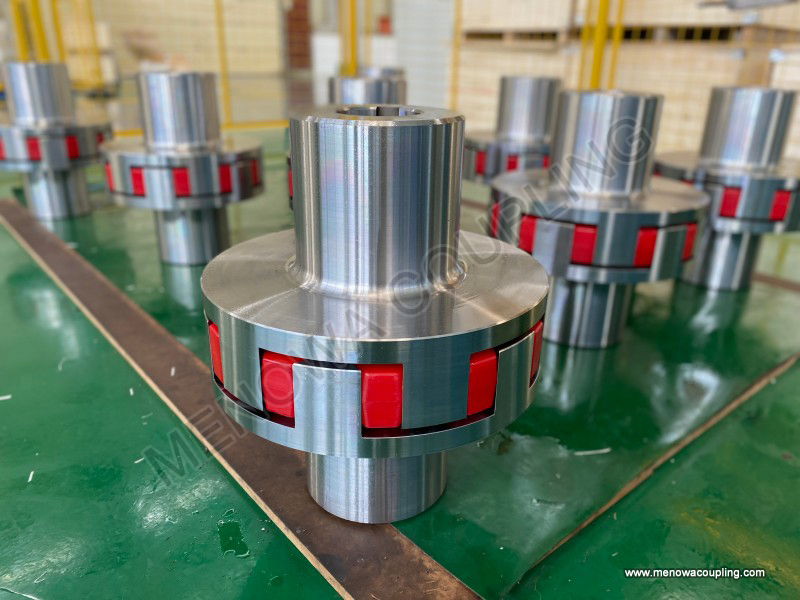
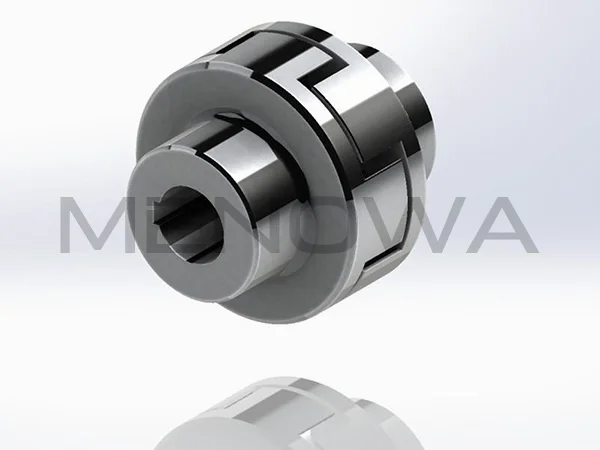
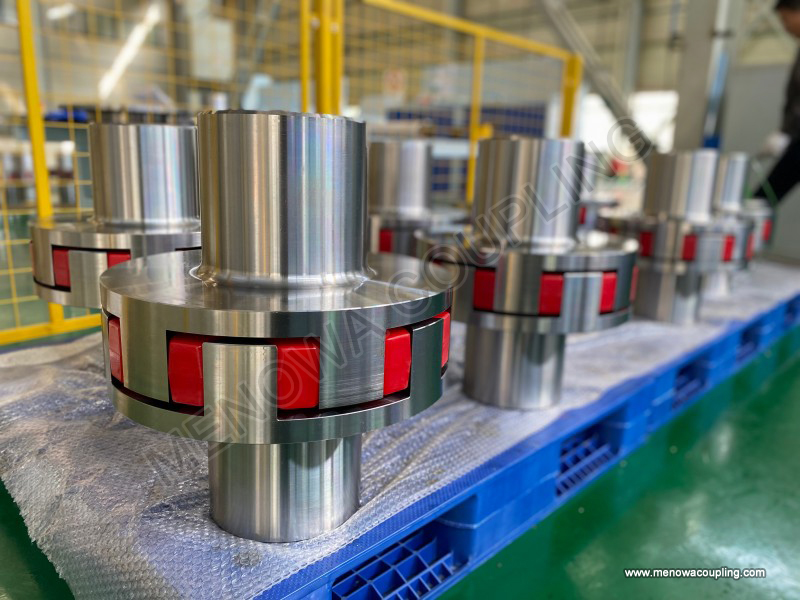
The elastic element is the heart of any elastic coupling, as it is responsible for providing the flexibility needed to compensate for shaft misalignments, absorb shocks and vibrations, and maintain torque transmission efficiency. This component is designed to undergo elastic deformation under load, allowing relative movement between the two connected shafts without causing excessive stress or damage to either the coupling or the connected equipment. The design and material of the elastic element vary significantly based on the specific application requirements, such as torque capacity, misalignment tolerance, operating temperature, and environmental conditions. Common types of elastic elements include rubber or polyurethane sleeves, elastomeric blocks, metal springs, bellows, and flexible diaphragms, each offering unique characteristics that make them suitable for different scenarios. For instance, rubber and polyurethane elements are widely used in light to medium-duty applications due to their excellent vibration damping properties and ability to compensate for small to moderate misalignments, while metal bellows and diaphragms are preferred for high-temperature, high-speed, or high-precision applications where rigidity and durability are paramount.
Rubber-based elastic elements are among the most common due to their cost-effectiveness, good flexibility, and superior vibration absorption capabilities. These elements are typically made from synthetic rubbers such as nitrile butadiene rubber (NBR), chloroprene rubber (CR), silicone rubber (VMQ), or polyurethane (PU), each with distinct properties tailored to specific operating conditions. NBR, for example, exhibits excellent oil resistance, making it suitable for applications where the coupling may come into contact with lubricants or hydraulic fluids, such as in automotive or industrial pump systems. CR offers good resistance to weathering and ozone, making it ideal for outdoor applications, while VMQ provides an extremely wide temperature range, capable of operating effectively from -50°C to +200°C, making it suitable for high-temperature environments like those found in aerospace or industrial furnace systems. PU, on the other hand, combines excellent elasticity with high wear resistance, making it a popular choice for applications with high torque requirements and frequent cyclic loads, such as in robotics or precision machining equipment. These rubber-based elements are often designed with specific shapes, such as cylindrical sleeves,梅花形 (plum-shaped) blocks, or tire-like structures, to maximize their flexibility and torque transmission capacity while minimizing stress concentrations.
Metal-based elastic elements, such as metal bellows and flexible diaphragms, are designed for applications that require higher rigidity, precision, and resistance to extreme temperatures or harsh environments. Metal bellows are typically made from stainless steel, inconel, or other high-strength alloys, and are formed into a corrugated tube shape that allows for axial, radial, and angular misalignment compensation. The corrugated design enables the bellows to undergo elastic deformation when subjected to torque or misalignment, while maintaining high torsional stiffness to ensure accurate torque transmission. This makes metal bellows couplings ideal for high-speed applications, such as in electric motors, turbines, and precision instrumentation, where even small amounts of torsional deflection could compromise performance. Flexible diaphragms, usually made from thin, high-strength metal sheets, are another type of metal elastic element that offers zero backlash and high precision. These diaphragms are often used in pairs, connected between the two hubs of the coupling, and their flexible design allows for angular and axial misalignment compensation while transmitting torque with minimal loss. Diaphragm couplings are particularly suitable for applications requiring precise positioning, such as in CNC machines, robotics, and aerospace systems, where backlash and torsional deflection must be minimized.
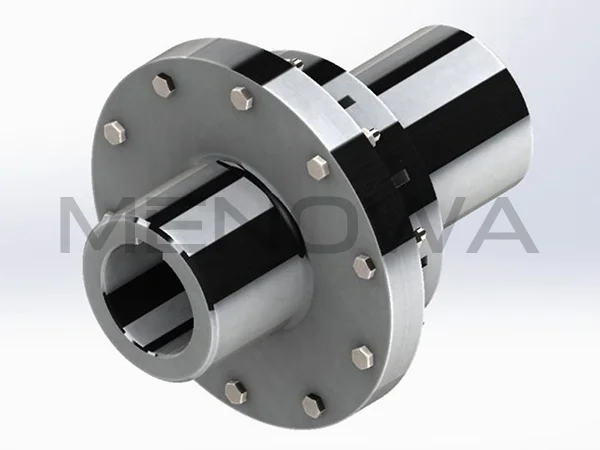
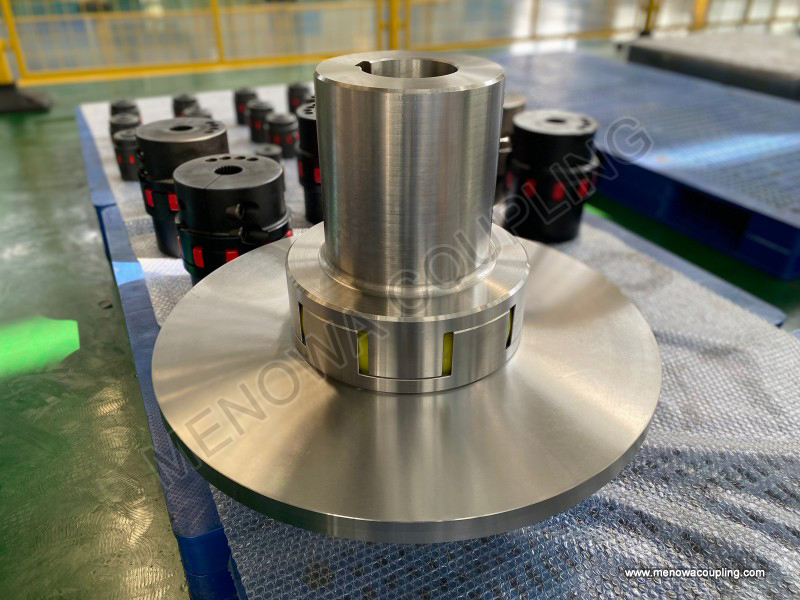
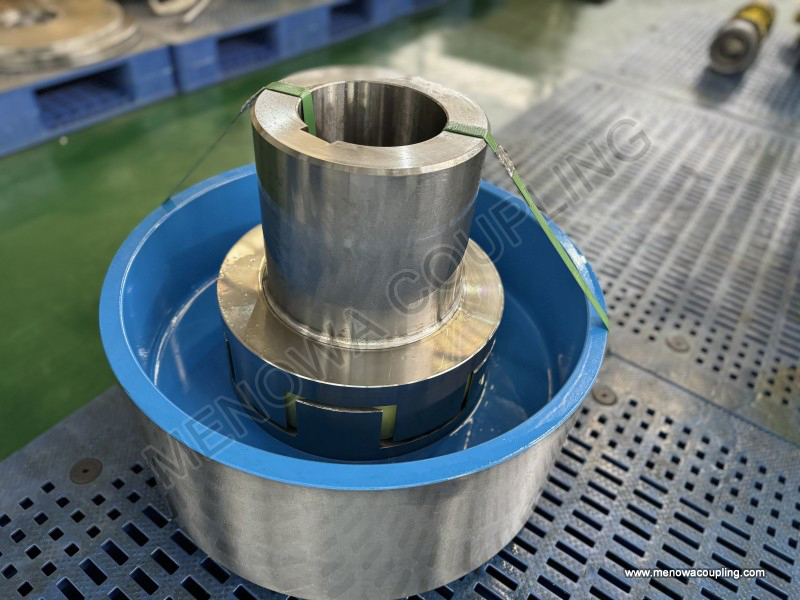
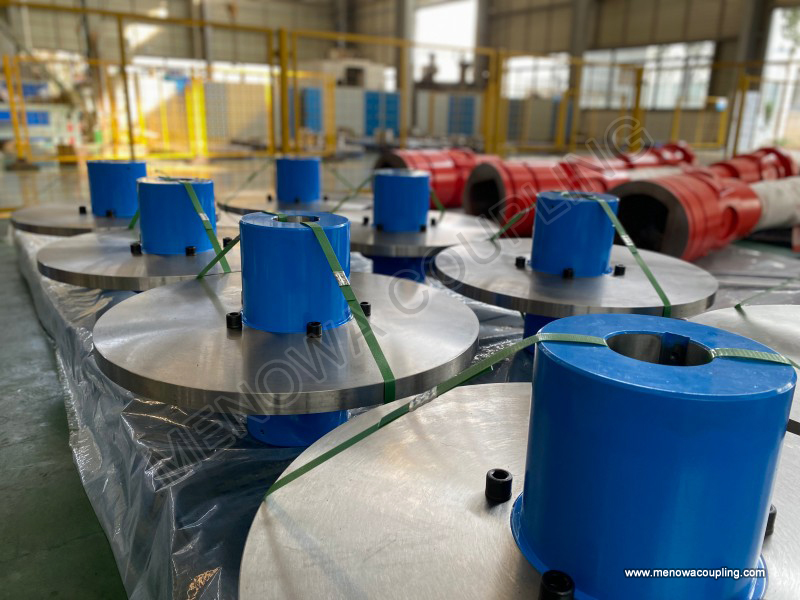
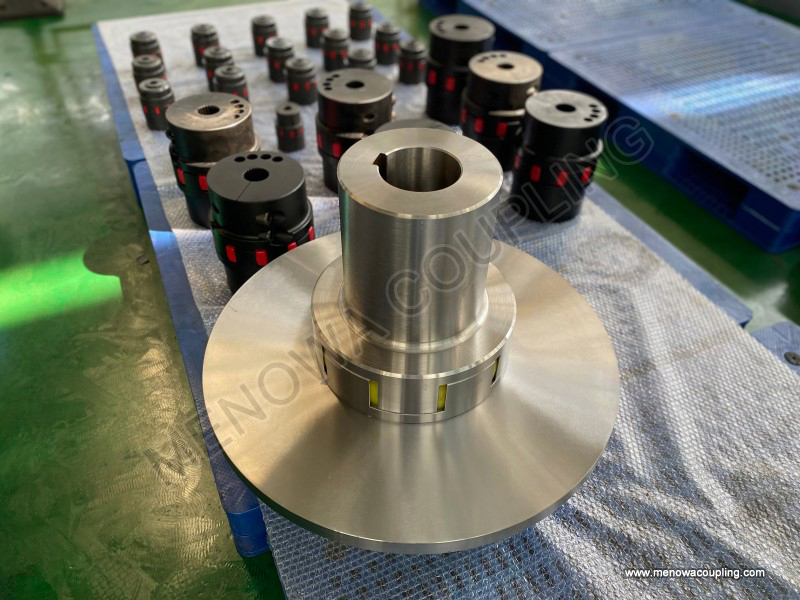
In addition to the elastic element, the hubs are critical components of elastic couplings, serving as the connection points between the coupling and the rotating shafts. Hubs are typically cylindrical in shape, with a bore that matches the diameter of the shaft, and are designed to transmit torque from the shaft to the elastic element and vice versa. The material of the hubs is chosen based on the torque requirements, operating environment, and compatibility with the connected equipment. Common materials for hubs include aluminum alloy, steel, stainless steel, and sometimes engineering plastics, each offering different strength, weight, and corrosion resistance properties. Aluminum alloy hubs are lightweight and corrosion-resistant, making them suitable for light to medium-duty applications where weight reduction is important, such as in automotive or small industrial machinery. Steel hubs, on the other hand, offer higher strength and torque capacity, making them ideal for heavy-duty applications, such as in industrial pumps, compressors, and gearboxes. Stainless steel hubs are preferred for applications in corrosive environments, such as in chemical processing plants or marine equipment, where resistance to rust and chemical attack is essential.
The design of the hub also includes features to ensure a secure connection to the shaft, preventing slippage during operation. Common shaft connection methods include set screws, clamping collars, keyways, D-shaped bores, and胀紧 sleeves, each offering different levels of torque transmission capacity and ease of installation. Set screws are a simple and cost-effective method, where screws are tightened through the hub to press against the shaft, creating friction that prevents slippage. However, this method can cause damage to the shaft surface over time, especially under high torque or frequent load changes. Clamping collars, also known as split hubs, use a split design that allows the hub to be tightened around the shaft using bolts, creating a uniform clamping force that distributes stress evenly across the shaft surface, reducing the risk of damage. This method is easy to install and remove, making it suitable for applications that require frequent maintenance or shaft replacement. Keyways and D-shaped bores are used for applications requiring higher torque transmission, where a key is inserted into a groove on the shaft and a corresponding groove in the hub, ensuring a positive connection that prevents slippage even under high loads.胀紧 sleeves (also known as taper-lock bushings) are another high-torque connection method, where a sleeve is inserted between the hub and the shaft, and tightened using bolts to create a friction fit that transmits torque without damaging the shaft.
Another important component of elastic couplings is the spacer or intermediate shaft, which is used in couplings designed to connect shafts that are separated by a distance. The spacer is typically a cylindrical or tubular component that connects the two hubs, providing support and maintaining the alignment between the shafts. Spacers are particularly useful in applications where the connected equipment is large or where there is a need to access the area between the shafts for maintenance or inspection. The material of the spacer is usually the same as the hubs, ensuring compatibility in terms of strength and corrosion resistance. In some cases, spacers may be designed with holes or slots to reduce weight, while maintaining sufficient rigidity to transmit torque effectively. The length of the spacer can be customized based on the distance between the shafts, making it a versatile component that enhances the adaptability of elastic couplings to different installation configurations.
Fastening mechanisms are also essential components of elastic couplings, as they hold the various parts of the coupling together, ensuring that torque is transmitted efficiently and that the coupling remains intact during operation. Common fastening mechanisms include bolts, nuts, washers, and pins, each chosen based on the specific requirements of the coupling design and application. Bolts are used to connect the hubs to the elastic element or to connect the spacer to the hubs, and are typically made from high-strength steel or stainless steel to withstand the torque and stress generated during operation. Nuts and washers are used to secure the bolts, preventing them from loosening due to vibration or cyclic loads. Lock washers, such as split washers or star washers, are often used to provide additional security, while flat washers distribute the clamping force evenly across the surface of the component, reducing the risk of damage. Pins are used in some coupling designs to align the components and prevent relative rotation, ensuring that the coupling operates smoothly and efficiently.
Sealing components are an often-overlooked but important part of elastic couplings, especially in applications where the coupling is exposed to dust, dirt, moisture, or other contaminants. Seals are designed to prevent foreign particles from entering the coupling, which could cause wear, corrosion, or damage to the elastic element and other components. Common types of seals used in elastic couplings include O-rings, lip seals, and dust covers. O-rings are made from rubber or elastomeric materials and are placed in grooves between the hub and the elastic element or between the spacer and the hubs, creating a tight seal that prevents the ingress of contaminants. Lip seals are used to seal the ends of the coupling, preventing dust and moisture from entering the bore of the hub and coming into contact with the shaft. Dust covers are typically made from metal or plastic and are attached to the ends of the coupling, providing a physical barrier against contaminants. In addition to protecting the coupling components, seals also help to retain lubricants, if used, ensuring that the moving parts of the coupling operate smoothly and with minimal friction.
The interaction between all these components is what enables elastic couplings to perform their essential functions in industrial applications. When torque is applied to one shaft, it is transmitted through the hub to the elastic element, which deforms slightly to accommodate any misalignment between the two shafts. The elastic element then transmits the torque to the other hub, which in turn drives the second shaft. During this process, the elastic element absorbs shocks and vibrations, reducing the impact on the connected equipment and extending its service life. The hubs ensure a secure connection to the shafts, preventing slippage, while the fastening mechanisms hold all components together, ensuring structural integrity. Seals protect the internal components from contaminants, ensuring reliable operation over time, and spacers provide flexibility in installation configurations.
The performance of an elastic coupling is determined by the design and quality of its components, as well as their compatibility with each other and with the application requirements. For example, a coupling used in a high-speed, precision application will require a metal bellows or diaphragm elastic element, high-strength steel hubs, and precise fastening mechanisms to ensure minimal torsional deflection and zero backlash. In contrast, a coupling used in a light-duty application, such as a small electric motor driving a fan, may use a rubber elastic element, aluminum hubs, and simple set screw fastening, as the torque and misalignment requirements are less demanding. The choice of materials for each component is also critical, as it affects the coupling’s durability, corrosion resistance, temperature tolerance, and overall performance. For instance, in corrosive environments, stainless steel or corrosion-resistant alloys are preferred for hubs and spacers, while in high-temperature environments, silicone rubber or metal elastic elements are used to ensure stability and performance.
Another important aspect of elastic coupling components is their maintenance requirements, which vary based on the type of components used. Rubber and polyurethane elastic elements are subject to wear and aging over time, especially in harsh environments, and may need to be replaced periodically to maintain the coupling’s performance. Metal elastic elements, such as bellows and diaphragms, are more durable but may require inspection for cracks or fatigue, especially in high-stress applications. Hubs and spacers may need to be inspected for wear, corrosion, or damage to the shaft connection features, such as keyways or clamping surfaces. Fastening mechanisms should be checked regularly to ensure they are tight, as vibration can cause bolts and nuts to loosen over time. Seals should be inspected for damage or wear, as a failed seal can lead to contamination and premature component failure.
In recent years, advancements in materials science and manufacturing technology have led to the development of new and improved elastic coupling components, enhancing their performance and expanding their range of applications. For example, the use of advanced elastomeric materials, such as reinforced polyurethane and composite rubbers, has improved the elasticity, wear resistance, and temperature tolerance of elastic elements. The development of precision machining techniques has allowed for the production of hubs and spacers with tighter tolerances, ensuring better alignment and torque transmission. Additionally, the use of computer-aided design (CAD) and finite element analysis (FEA) has enabled engineers to optimize the design of coupling components, reducing weight, improving strength, and enhancing overall performance.
It is also important to note that the components of an elastic coupling must be designed to work together harmoniously to achieve the desired performance. For example, the elastic element must be compatible with the hubs in terms of torque capacity and misalignment tolerance, and the fastening mechanisms must be strong enough to hold the components together under the maximum operating torque. The choice of shaft connection method must be appropriate for the torque requirements and the type of shaft, ensuring a secure and reliable connection. Seals must be designed to fit the specific geometry of the coupling components, providing effective protection against contaminants without interfering with the flexibility of the elastic element.
In conclusion, elastic couplings are complex mechanical devices composed of several key components, each playing a vital role in their overall functionality. The elastic element, hubs, spacers, fastening mechanisms, and seals work together to transmit torque, compensate for shaft misalignments, absorb vibrations, and protect connected equipment. The design and material of each component are tailored to the specific application requirements, ensuring that the coupling performs reliably in a wide range of industrial environments. Understanding the components of elastic couplings and their interactions is essential for selecting the right coupling for a given application, ensuring optimal performance, durability, and efficiency. As industrial technology continues to advance, the development of new materials and design techniques will further improve the performance of elastic coupling components, making them even more versatile and reliable for the challenges of modern industrial operations.
Post Date: May 14, 2026
https://www.menowacoupling.com/china-coupling/components-of-elastic-coupling.html
Products

Related Articles
Parts of Elastic Coupling
Elastic couplings are essential components in mechanical transmission systems, designed to connect two rotating shafts while accommodating misalignments, absorbing vibrations, and protecting connected equipment from damage. Unlike rigid couplings that require precise alignment and offer no flexibility, elastic couplings…Elastic Coupling For Sale
In the complex world of mechanical transmission systems, elastic couplings stand as essential components that bridge the gap between rotating shafts, ensuring smooth power transfer while accommodating the inevitable misalignments and vibrations that occur during operation. These versatile devices are designed to transmi…Specification of Elastic Coupling
An elastic coupling is a critical mechanical component designed to connect two rotating shafts in a power transmission system, enabling the transfer of torque while accommodating various forms of misalignment and dampening vibrations. Unlike rigid couplings that require precise alignment and offer no flexibility, elasti…Diagram of Elastic Coupling
Diagram of Elastic CouplingAn elastic coupling is a critical mechanical component designed to connect two rotating shafts, transmitting torque while accommodating misalignments, absorbing vibrations, and mitigating shock loads in various industrial and mechanical systems. Unlike rigid couplings that require precise alig…Elastic Coupling Production
Elastic couplings are essential components in mechanical transmission systems, serving as the critical link between two rotating shafts to transmit torque while accommodating misalignments, absorbing vibrations, and reducing shock loads. The production of elastic couplings is a sophisticated process that combines precis…What is Elastic Coupling
Elastic coupling is a critical component in mechanical transmission systems, designed to connect two rotating shafts while accommodating misalignments, absorbing vibrations, and protecting machinery from damage. Unlike rigid couplings that require precise alignment and offer no flexibility, elastic couplings utilize ela…
 WeChat
 WhatsApp