menowa@menowa.cn
+0086 159 5289 5200

China Coupling

You are here: Home > China Coupling > Diagram of Elastic Coupling
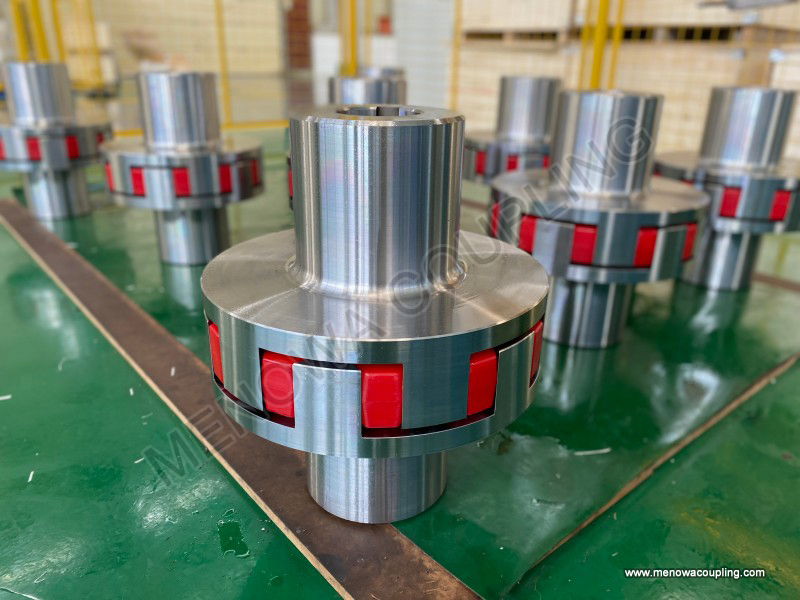
Diagram of Elastic Coupling

Diagram of Elastic Coupling
An elastic coupling is a critical mechanical component designed to connect two rotating shafts, transmitting torque while accommodating misalignments, absorbing vibrations, and mitigating shock loads in various industrial and mechanical systems. Unlike rigid couplings that require precise alignment and offer no flexibility, elastic couplings leverage elastic elements to bridge the gap between shafts, ensuring smooth power transmission even when there are minor deviations in axial, radial, or angular alignment. To fully understand the functionality and design of elastic couplings, it is essential to explore their structural components, working principles, common types, material selections, applications, and maintenance considerations, all of which contribute to their widespread use in modern machinery.
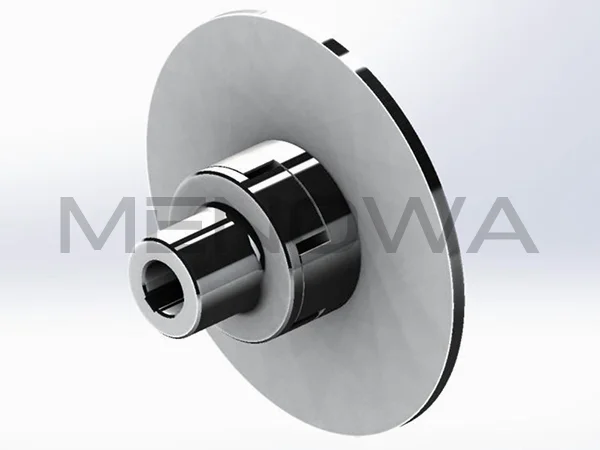
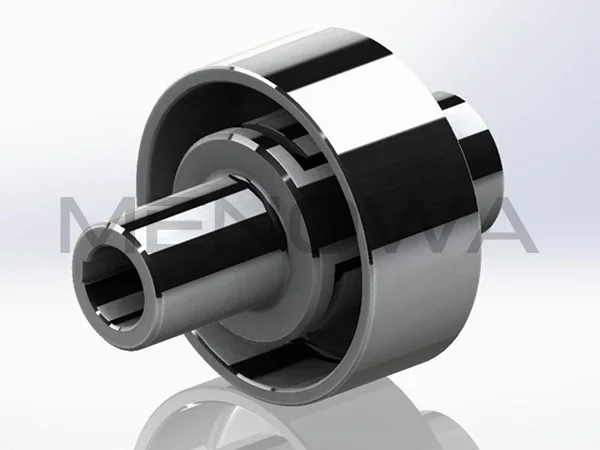
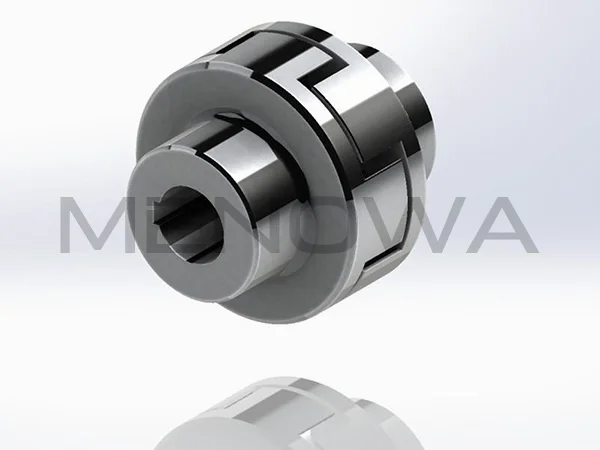
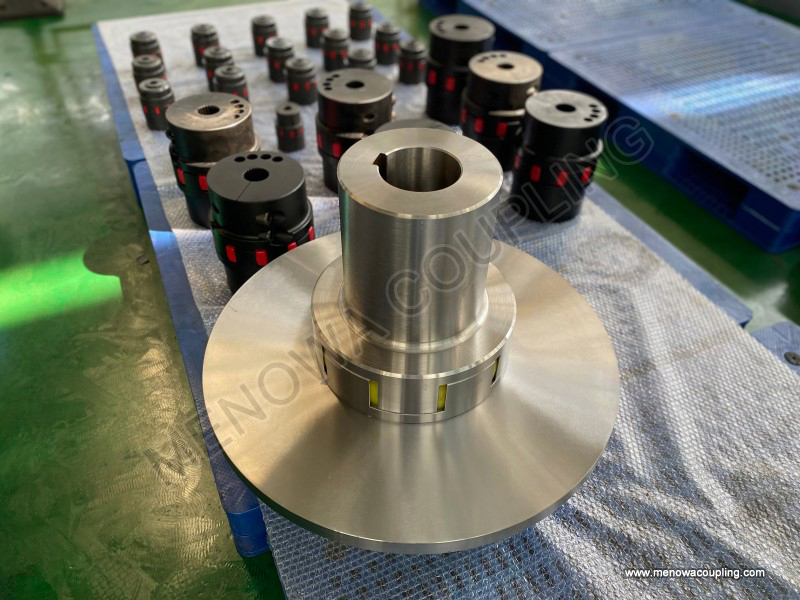
At the core of any elastic coupling is a combination of rigid and elastic components, each serving a distinct purpose in the transmission process. The rigid components typically include two hubs, which are connected to the driving and driven shafts respectively. These hubs are usually made from high-strength materials to withstand the torque and loads applied during operation, ensuring that the coupling can transfer power efficiently without deformation or failure. The elastic elements, which are the defining feature of elastic couplings, are positioned between the two hubs, acting as the buffer and compensation mechanism. These elements can be made from a variety of materials, each chosen based on the specific requirements of the application, such as the level of vibration, the magnitude of misalignment, and the operating environment. The diagram of an elastic coupling typically illustrates these key components, showing how the hubs are attached to the shafts and how the elastic elements connect the hubs, creating a flexible link that allows for relative movement between the two shafts.
The working principle of an elastic coupling revolves around the ability of the elastic elements to deform under load, thereby accommodating misalignments and absorbing vibrations. When torque is applied to the driving shaft, it is transferred to the hub connected to that shaft, which then transmits the torque to the elastic elements. The elastic elements deform slightly as they transfer the torque to the second hub, which in turn drives the driven shaft. This deformation of the elastic elements allows for small amounts of axial, radial, and angular misalignment between the two shafts. Axial misalignment occurs when the shafts are not perfectly aligned along their central axis, resulting in a slight end-to-end displacement. Radial misalignment happens when the shafts are offset from each other, creating a parallel gap between their axes. Angular misalignment occurs when the shafts are tilted relative to each other, forming an angle between their central lines. Without the elastic elements, these misalignments would cause excessive stress on the shafts, bearings, and other mechanical components, leading to premature wear and failure. The elastic elements absorb these stresses by deforming, reducing the impact on the rest of the system and ensuring smooth, reliable operation.
In addition to accommodating misalignments, elastic couplings also play a crucial role in absorbing vibrations and mitigating shock loads. Vibrations are a common issue in rotating machinery, often caused by imbalances in the shafts, uneven load distribution, or the operation of adjacent equipment. These vibrations can be harmful to the machinery, leading to increased wear, noise, and even structural damage over time. The elastic elements in the coupling act as shock absorbers, absorbing the vibrational energy and converting it into minor elastic deformation, which is then dissipated as heat or returned to the system as the elements return to their original shape. This vibration damping effect not only protects the coupling itself but also the connected equipment, extending the overall lifespan of the mechanical system. Similarly, when the system experiences sudden shock loads, such as during startup or when a heavy load is applied abruptly, the elastic elements absorb the impact, preventing the shock from being transmitted directly to the shafts and other components. This is particularly important in applications where sudden load changes are common, as it helps to prevent damage and ensure stable operation.
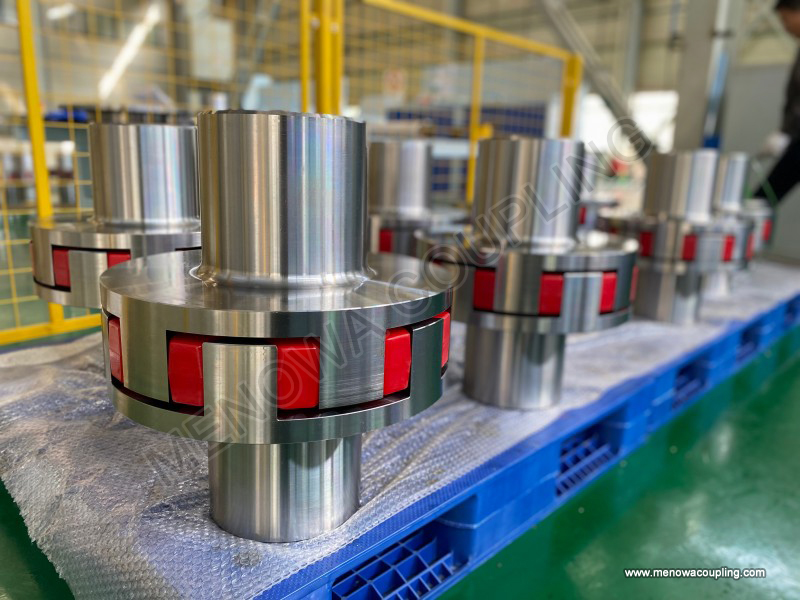
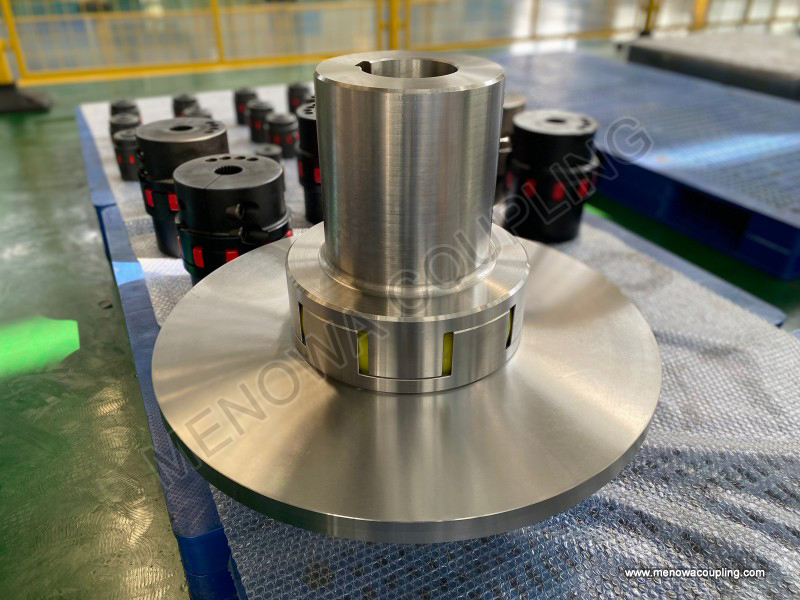
There are several common types of elastic couplings, each designed to meet specific application requirements, and their diagrams will vary slightly based on their structural design. One of the most widely used types is the jaw coupling, which consists of two jaw-shaped hubs and an elastic spider (or insert) that fits between the jaws. The spider is typically made from rubber, polyurethane, or other elastic materials, and its shape allows it to fit snugly into the jaws of both hubs. When torque is transmitted, the spider deforms to accommodate misalignments and absorb vibrations. Jaw couplings are known for their simplicity, durability, and ease of installation, making them suitable for a wide range of applications, including pumps, fans, and electric motors. Another common type is the梅花形弹性联轴器 (plum blossom elastic coupling), which features a plum-shaped elastic element that fits into corresponding grooves in the two hubs. This design offers excellent flexibility and vibration damping, making it ideal for applications with high levels of vibration or frequent start-stop cycles. The diagram of a plum blossom coupling clearly shows the symmetrical plum-shaped element and the grooved hubs, highlighting how the element connects the two shafts while allowing for misalignment.
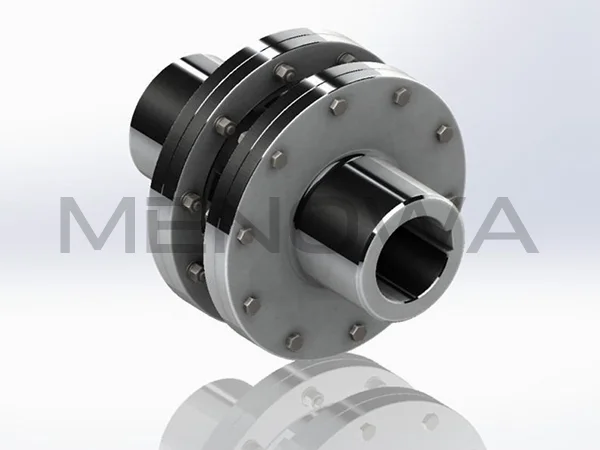
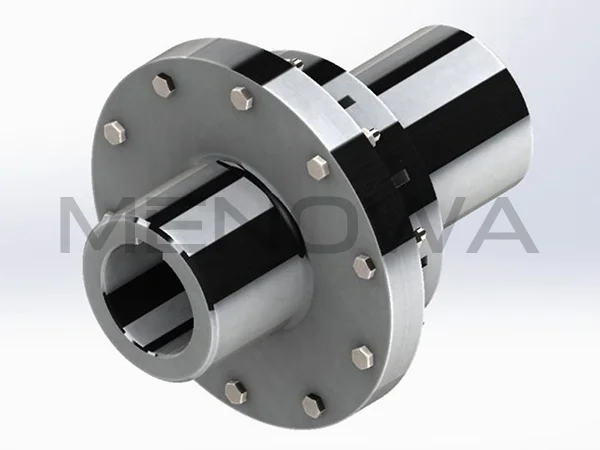
膜片联轴器 (diaphragm coupling) is another type of elastic coupling, but it uses thin metal diaphragms as the elastic elements instead of rubber or polyurethane. These diaphragms are typically made from stainless steel or other high-strength alloys, and they are designed to deform elastically under load. Diaphragm couplings offer several advantages, including high torque capacity, zero backlash, and resistance to high temperatures and corrosive environments. They are commonly used in high-precision applications, such as machine tools, aerospace equipment, and industrial robots, where precise torque transmission and minimal vibration are essential. The diagram of a diaphragm coupling shows the metal diaphragms connected between the two hubs, often in a series of layers to enhance flexibility and torque capacity. Unlike rubber-based elastic elements, metal diaphragms do not degrade over time due to wear or environmental factors, making diaphragm couplings suitable for long-term, low-maintenance applications.
Another type of elastic coupling is the tire coupling, which uses a flexible tire-shaped element to connect the two hubs. The tire element is typically made from rubber or a rubber composite, and it is attached to the hubs using bolts or clamps. Tire couplings offer excellent vibration damping and misalignment compensation, particularly for radial and angular misalignments. They are often used in applications where there are large amounts of misalignment or high levels of vibration, such as in heavy machinery, conveyor systems, and marine equipment. The diagram of a tire coupling illustrates the flexible tire element surrounding the hubs, showing how it can stretch and deform to accommodate movement between the shafts. Tire couplings are also known for their ability to absorb shock loads effectively, making them suitable for applications with frequent load fluctuations.
The selection of materials for elastic couplings is a critical factor that determines their performance, durability, and suitability for specific applications. The rigid components, such as the hubs, are typically made from materials with high strength and wear resistance, such as steel, aluminum alloy, or cast iron. Steel hubs are ideal for high-torque applications, as they offer excellent strength and durability, while aluminum alloy hubs are lighter, making them suitable for applications where weight is a concern, such as in automotive or aerospace systems. Cast iron hubs are often used in heavy-duty applications due to their high rigidity and resistance to wear. The elastic elements, on the other hand, are made from materials that offer good elasticity, vibration damping, and resistance to environmental factors. Rubber is a common choice for elastic elements due to its excellent flexibility and vibration absorption properties, but it may not be suitable for high-temperature or corrosive environments. Polyurethane is another popular material for elastic elements, offering better wear resistance and durability than rubber, as well as resistance to oils and chemicals. For high-temperature or high-precision applications, metal diaphragms made from stainless steel or titanium are used, as they can withstand extreme temperatures and maintain their elasticity over time.
The design of an elastic coupling is also influenced by the specific requirements of the application, including the torque capacity, the level of misalignment, the operating speed, and the environmental conditions. Torque capacity is one of the most important design considerations, as the coupling must be able to transmit the maximum torque generated by the driving shaft without failure. The torque capacity of an elastic coupling is determined by the strength of the rigid components and the elasticity of the elastic elements. For high-torque applications, larger hubs and thicker elastic elements are used to ensure that the coupling can withstand the load. The level of misalignment that the coupling needs to accommodate also affects its design; couplings used in applications with significant misalignment require more flexible elastic elements, such as tire elements or large rubber spiders. Operating speed is another important factor, as high-speed applications require couplings with minimal imbalance to prevent vibrations and ensure smooth operation. In such cases, diaphragm couplings or precision jaw couplings are often preferred, as they offer high balance and low vibration at high speeds.
Environmental conditions, such as temperature, humidity, and exposure to chemicals or corrosive substances, also play a role in the design and material selection of elastic couplings. In high-temperature environments, such as in industrial furnaces or power generation equipment, elastic elements made from high-temperature-resistant materials, such as silicone rubber or metal diaphragms, are used to prevent degradation. In corrosive environments, such as in chemical processing plants or marine applications, the rigid components are often made from corrosion-resistant materials, such as stainless steel or aluminum alloy, and the elastic elements are made from materials that are resistant to chemicals, such as polyurethane. Humid environments may require couplings with protective coatings to prevent rust and corrosion, ensuring long-term durability.
Elastic couplings are used in a wide range of applications across various industries, due to their ability to accommodate misalignments, absorb vibrations, and protect equipment. In the industrial sector, they are commonly used in pumps, fans, compressors, conveyors, and machine tools, where they connect electric motors to the driven equipment. For example, in a pump system, the elastic coupling connects the motor shaft to the pump shaft, accommodating any misalignment between the two shafts and absorbing vibrations generated by the pump, which helps to extend the life of the pump and motor. In the automotive industry, elastic couplings are used in the transmission system, connecting the engine to the transmission, and in the drivetrain, connecting the transmission to the wheels. They help to absorb vibrations from the engine and transmission, improving ride comfort and reducing wear on the drivetrain components. In the aerospace industry, elastic couplings are used in aircraft engines and landing gear systems, where they must withstand high temperatures, high speeds, and extreme loads, while ensuring precise torque transmission and minimal vibration.
In addition to industrial and automotive applications, elastic couplings are also used in medical equipment, such as centrifuges and diagnostic machines, where precision and low vibration are essential. They are also used in renewable energy systems, such as wind turbines and solar panel trackers, where they connect the generator to the turbine or tracker, accommodating misalignments caused by wind or structural movement and absorbing vibrations to protect the sensitive electrical components. The versatility of elastic couplings makes them an essential component in modern machinery, as they can be tailored to meet the specific needs of almost any application.
Proper maintenance of elastic couplings is essential to ensure their long-term performance and reliability. Regular inspection is key to identifying potential issues, such as wear or damage to the elastic elements, loose connections, or misalignment. The elastic elements are the most vulnerable part of the coupling, as they are subject to repeated deformation and wear over time. Depending on the material and application, elastic elements may need to be replaced periodically to prevent failure. For example, rubber elements may degrade over time due to exposure to heat, oil, or chemicals, while metal diaphragms may develop cracks if they are subjected to excessive loads or misalignment. Regular inspection of the hubs and fasteners is also important, as loose bolts or worn hubs can lead to misalignment and reduced performance.
Alignment checks are another important part of maintenance, as misalignment can cause excessive stress on the coupling and connected equipment. Even minor misalignment can lead to increased vibration, wear on the elastic elements, and premature failure. Alignment can be checked using tools such as dial indicators or laser alignment systems, which allow for precise measurement of axial, radial, and angular misalignment. If misalignment is detected, the shafts should be realigned to ensure that the coupling operates within its design parameters. Lubrication is also important for some types of elastic couplings, such as those with metal components that come into contact with each other. Proper lubrication helps to reduce friction and wear, extending the life of the coupling. However, it is important to use the correct type of lubricant, as some elastic materials may be damaged by certain lubricants.
In conclusion, elastic couplings are essential mechanical components that play a vital role in ensuring smooth, reliable power transmission in a wide range of applications. Their ability to accommodate misalignments, absorb vibrations, and mitigate shock loads makes them superior to rigid couplings in many scenarios, protecting equipment and extending its lifespan. The diagram of an elastic coupling provides a clear visual representation of its structure, highlighting the interaction between the rigid hubs and elastic elements. Understanding the different types of elastic couplings, their working principles, material selections, and maintenance requirements is essential for selecting the right coupling for a specific application and ensuring its optimal performance. As technology advances, elastic couplings continue to evolve, with new materials and designs being developed to meet the increasing demands of modern machinery, making them an indispensable part of industrial and mechanical systems around the world.

Diagram of Elastic Coupling

The working principle of an elastic coupling revolves around the ability of the elastic elements to deform under load, thereby accommodating misalignments and absorbing vibrations. When torque is applied to the driving shaft, it is transferred to the hub connected to that shaft, which then transmits the torque to the elastic elements. The elastic elements deform slightly as they transfer the torque to the second hub, which in turn drives the driven shaft. This deformation of the elastic elements allows for small amounts of axial, radial, and angular misalignment between the two shafts. Axial misalignment occurs when the shafts are not perfectly aligned along their central axis, resulting in a slight end-to-end displacement. Radial misalignment happens when the shafts are offset from each other, creating a parallel gap between their axes. Angular misalignment occurs when the shafts are tilted relative to each other, forming an angle between their central lines. Without the elastic elements, these misalignments would cause excessive stress on the shafts, bearings, and other mechanical components, leading to premature wear and failure. The elastic elements absorb these stresses by deforming, reducing the impact on the rest of the system and ensuring smooth, reliable operation.

In addition to accommodating misalignments, elastic couplings also play a crucial role in absorbing vibrations and mitigating shock loads. Vibrations are a common issue in rotating machinery, often caused by imbalances in the shafts, uneven load distribution, or the operation of adjacent equipment. These vibrations can be harmful to the machinery, leading to increased wear, noise, and even structural damage over time. The elastic elements in the coupling act as shock absorbers, absorbing the vibrational energy and converting it into minor elastic deformation, which is then dissipated as heat or returned to the system as the elements return to their original shape. This vibration damping effect not only protects the coupling itself but also the connected equipment, extending the overall lifespan of the mechanical system. Similarly, when the system experiences sudden shock loads, such as during startup or when a heavy load is applied abruptly, the elastic elements absorb the impact, preventing the shock from being transmitted directly to the shafts and other components. This is particularly important in applications where sudden load changes are common, as it helps to prevent damage and ensure stable operation.

There are several common types of elastic couplings, each designed to meet specific application requirements, and their diagrams will vary slightly based on their structural design. One of the most widely used types is the jaw coupling, which consists of two jaw-shaped hubs and an elastic spider (or insert) that fits between the jaws. The spider is typically made from rubber, polyurethane, or other elastic materials, and its shape allows it to fit snugly into the jaws of both hubs. When torque is transmitted, the spider deforms to accommodate misalignments and absorb vibrations. Jaw couplings are known for their simplicity, durability, and ease of installation, making them suitable for a wide range of applications, including pumps, fans, and electric motors. Another common type is the梅花形弹性联轴器 (plum blossom elastic coupling), which features a plum-shaped elastic element that fits into corresponding grooves in the two hubs. This design offers excellent flexibility and vibration damping, making it ideal for applications with high levels of vibration or frequent start-stop cycles. The diagram of a plum blossom coupling clearly shows the symmetrical plum-shaped element and the grooved hubs, highlighting how the element connects the two shafts while allowing for misalignment.

膜片联轴器 (diaphragm coupling) is another type of elastic coupling, but it uses thin metal diaphragms as the elastic elements instead of rubber or polyurethane. These diaphragms are typically made from stainless steel or other high-strength alloys, and they are designed to deform elastically under load. Diaphragm couplings offer several advantages, including high torque capacity, zero backlash, and resistance to high temperatures and corrosive environments. They are commonly used in high-precision applications, such as machine tools, aerospace equipment, and industrial robots, where precise torque transmission and minimal vibration are essential. The diagram of a diaphragm coupling shows the metal diaphragms connected between the two hubs, often in a series of layers to enhance flexibility and torque capacity. Unlike rubber-based elastic elements, metal diaphragms do not degrade over time due to wear or environmental factors, making diaphragm couplings suitable for long-term, low-maintenance applications.

Another type of elastic coupling is the tire coupling, which uses a flexible tire-shaped element to connect the two hubs. The tire element is typically made from rubber or a rubber composite, and it is attached to the hubs using bolts or clamps. Tire couplings offer excellent vibration damping and misalignment compensation, particularly for radial and angular misalignments. They are often used in applications where there are large amounts of misalignment or high levels of vibration, such as in heavy machinery, conveyor systems, and marine equipment. The diagram of a tire coupling illustrates the flexible tire element surrounding the hubs, showing how it can stretch and deform to accommodate movement between the shafts. Tire couplings are also known for their ability to absorb shock loads effectively, making them suitable for applications with frequent load fluctuations.

The selection of materials for elastic couplings is a critical factor that determines their performance, durability, and suitability for specific applications. The rigid components, such as the hubs, are typically made from materials with high strength and wear resistance, such as steel, aluminum alloy, or cast iron. Steel hubs are ideal for high-torque applications, as they offer excellent strength and durability, while aluminum alloy hubs are lighter, making them suitable for applications where weight is a concern, such as in automotive or aerospace systems. Cast iron hubs are often used in heavy-duty applications due to their high rigidity and resistance to wear. The elastic elements, on the other hand, are made from materials that offer good elasticity, vibration damping, and resistance to environmental factors. Rubber is a common choice for elastic elements due to its excellent flexibility and vibration absorption properties, but it may not be suitable for high-temperature or corrosive environments. Polyurethane is another popular material for elastic elements, offering better wear resistance and durability than rubber, as well as resistance to oils and chemicals. For high-temperature or high-precision applications, metal diaphragms made from stainless steel or titanium are used, as they can withstand extreme temperatures and maintain their elasticity over time.

The design of an elastic coupling is also influenced by the specific requirements of the application, including the torque capacity, the level of misalignment, the operating speed, and the environmental conditions. Torque capacity is one of the most important design considerations, as the coupling must be able to transmit the maximum torque generated by the driving shaft without failure. The torque capacity of an elastic coupling is determined by the strength of the rigid components and the elasticity of the elastic elements. For high-torque applications, larger hubs and thicker elastic elements are used to ensure that the coupling can withstand the load. The level of misalignment that the coupling needs to accommodate also affects its design; couplings used in applications with significant misalignment require more flexible elastic elements, such as tire elements or large rubber spiders. Operating speed is another important factor, as high-speed applications require couplings with minimal imbalance to prevent vibrations and ensure smooth operation. In such cases, diaphragm couplings or precision jaw couplings are often preferred, as they offer high balance and low vibration at high speeds.

Environmental conditions, such as temperature, humidity, and exposure to chemicals or corrosive substances, also play a role in the design and material selection of elastic couplings. In high-temperature environments, such as in industrial furnaces or power generation equipment, elastic elements made from high-temperature-resistant materials, such as silicone rubber or metal diaphragms, are used to prevent degradation. In corrosive environments, such as in chemical processing plants or marine applications, the rigid components are often made from corrosion-resistant materials, such as stainless steel or aluminum alloy, and the elastic elements are made from materials that are resistant to chemicals, such as polyurethane. Humid environments may require couplings with protective coatings to prevent rust and corrosion, ensuring long-term durability.

Elastic couplings are used in a wide range of applications across various industries, due to their ability to accommodate misalignments, absorb vibrations, and protect equipment. In the industrial sector, they are commonly used in pumps, fans, compressors, conveyors, and machine tools, where they connect electric motors to the driven equipment. For example, in a pump system, the elastic coupling connects the motor shaft to the pump shaft, accommodating any misalignment between the two shafts and absorbing vibrations generated by the pump, which helps to extend the life of the pump and motor. In the automotive industry, elastic couplings are used in the transmission system, connecting the engine to the transmission, and in the drivetrain, connecting the transmission to the wheels. They help to absorb vibrations from the engine and transmission, improving ride comfort and reducing wear on the drivetrain components. In the aerospace industry, elastic couplings are used in aircraft engines and landing gear systems, where they must withstand high temperatures, high speeds, and extreme loads, while ensuring precise torque transmission and minimal vibration.

In addition to industrial and automotive applications, elastic couplings are also used in medical equipment, such as centrifuges and diagnostic machines, where precision and low vibration are essential. They are also used in renewable energy systems, such as wind turbines and solar panel trackers, where they connect the generator to the turbine or tracker, accommodating misalignments caused by wind or structural movement and absorbing vibrations to protect the sensitive electrical components. The versatility of elastic couplings makes them an essential component in modern machinery, as they can be tailored to meet the specific needs of almost any application.

Proper maintenance of elastic couplings is essential to ensure their long-term performance and reliability. Regular inspection is key to identifying potential issues, such as wear or damage to the elastic elements, loose connections, or misalignment. The elastic elements are the most vulnerable part of the coupling, as they are subject to repeated deformation and wear over time. Depending on the material and application, elastic elements may need to be replaced periodically to prevent failure. For example, rubber elements may degrade over time due to exposure to heat, oil, or chemicals, while metal diaphragms may develop cracks if they are subjected to excessive loads or misalignment. Regular inspection of the hubs and fasteners is also important, as loose bolts or worn hubs can lead to misalignment and reduced performance.

Alignment checks are another important part of maintenance, as misalignment can cause excessive stress on the coupling and connected equipment. Even minor misalignment can lead to increased vibration, wear on the elastic elements, and premature failure. Alignment can be checked using tools such as dial indicators or laser alignment systems, which allow for precise measurement of axial, radial, and angular misalignment. If misalignment is detected, the shafts should be realigned to ensure that the coupling operates within its design parameters. Lubrication is also important for some types of elastic couplings, such as those with metal components that come into contact with each other. Proper lubrication helps to reduce friction and wear, extending the life of the coupling. However, it is important to use the correct type of lubricant, as some elastic materials may be damaged by certain lubricants.

In conclusion, elastic couplings are essential mechanical components that play a vital role in ensuring smooth, reliable power transmission in a wide range of applications. Their ability to accommodate misalignments, absorb vibrations, and mitigate shock loads makes them superior to rigid couplings in many scenarios, protecting equipment and extending its lifespan. The diagram of an elastic coupling provides a clear visual representation of its structure, highlighting the interaction between the rigid hubs and elastic elements. Understanding the different types of elastic couplings, their working principles, material selections, and maintenance requirements is essential for selecting the right coupling for a specific application and ensuring its optimal performance. As technology advances, elastic couplings continue to evolve, with new materials and designs being developed to meet the increasing demands of modern machinery, making them an indispensable part of industrial and mechanical systems around the world.

Post Date: May 11, 2026

https://www.menowacoupling.com/china-coupling/diagram-of-elastic-coupling.html

Related Articles

  • Uses of Elastic Coupling

    In the complex landscape of mechanical power transmission, elastic couplings stand as indispensable components that bridge the gap between rotating shafts, ensuring seamless torque transfer while addressing the inherent challenges of misalignment, vibration, and shock. Unlike rigid couplings that demand precise alignmen…
  • Maintenance of Elastic Coupling

    Elastic couplings are essential components in mechanical transmission systems, serving to connect two rotating shafts, transmit torque, and compensate for axial, radial, and angular misalignments. They also play a crucial role in absorbing vibrations and shock loads, thereby protecting the connected equipment such as mo…
  • Coaxiality of Elastic Coupling

    In the complex ecosystem of mechanical transmission systems, elastic couplings serve as critical connectors that bridge rotating shafts, enabling the seamless transfer of torque while accommodating minor misalignments and absorbing vibrations. Unlike rigid couplings, which demand near-perfect alignment to function effec…
  • Size Chart of Elastic Coupling

    The size chart of elastic coupling is an indispensable reference tool in mechanical transmission systems, serving as a bridge between the coupling’s design parameters and its practical application. It systematically organizes key dimensional and performance data, enabling engineers, technicians, and procurement personn…
  • Structure of Elastic Coupling

    An elastic coupling is a critical mechanical component designed to connect two rotating shafts—typically a driving shaft and a driven shaft—in various mechanical systems, enabling the seamless transmission of torque while accommodating misalignments and dampening vibrations. Unlike rigid couplings that require precise…
  • Elastic Coupling For Sale

    In the complex world of mechanical transmission systems, elastic couplings stand as essential components that bridge the gap between rotating shafts, ensuring smooth power transfer while accommodating the inevitable misalignments and vibrations that occur during operation. These versatile devices are designed to transmi…
  • Elastic Coupling Production

    Elastic couplings are essential components in mechanical transmission systems, serving as the critical link between two rotating shafts to transmit torque while accommodating misalignments, absorbing vibrations, and reducing shock loads. The production of elastic couplings is a sophisticated process that combines precis…