Material of Elastic Coupling
Elastic couplings play a crucial role in mechanical transmission systems, serving as a vital connection between driving and driven shafts to transmit torque while compensating for axial, radial, and angular misalignments. The performance, durability, and suitability of an elastic coupling for specific applications are largely determined by the materials used in its construction, particularly the elastic elements and the hub components. Selecting the right material is essential to ensure optimal performance, minimize wear and tear, reduce maintenance costs, and extend the service life of both the coupling and the connected equipment. This article explores the various materials commonly used in elastic couplings, their properties, advantages, disadvantages, and typical applications, providing a comprehensive overview to help understand how material selection influences coupling performance.
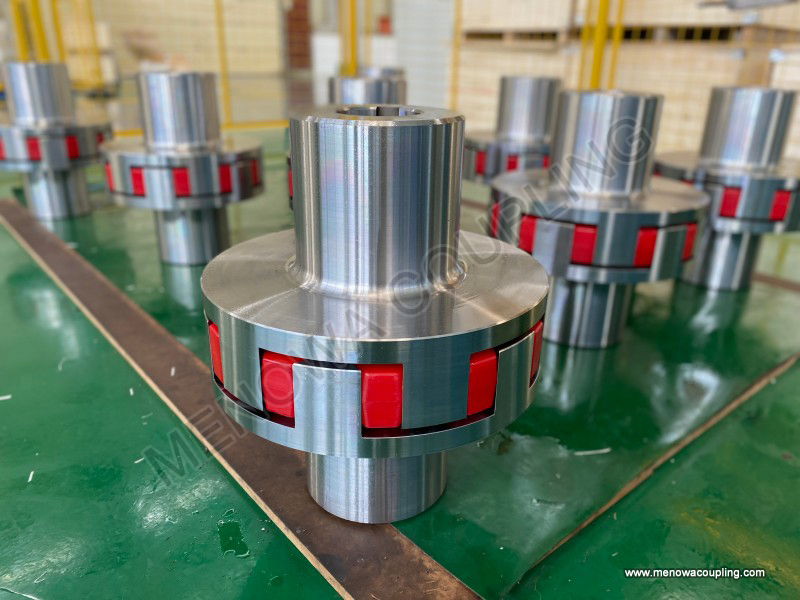
The core components of an elastic coupling typically include the hub (which connects to the shafts), the elastic element (which provides flexibility and damping), and sometimes intermediate components that facilitate torque transmission. Each of these components requires materials with specific characteristics to meet the demands of different operating conditions, such as varying levels of torque, speed, temperature, and environmental exposure. While the hub and intermediate components are often made of metallic materials for strength and rigidity, the elastic elements are usually fabricated from non-metallic or specialized metallic materials designed to absorb vibration, compensate for misalignment, and protect the connected machinery from shock loads.
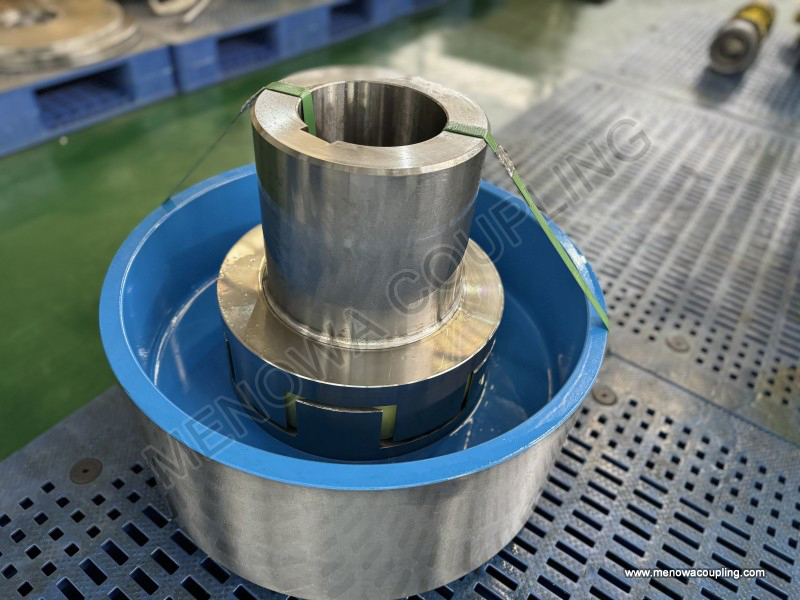
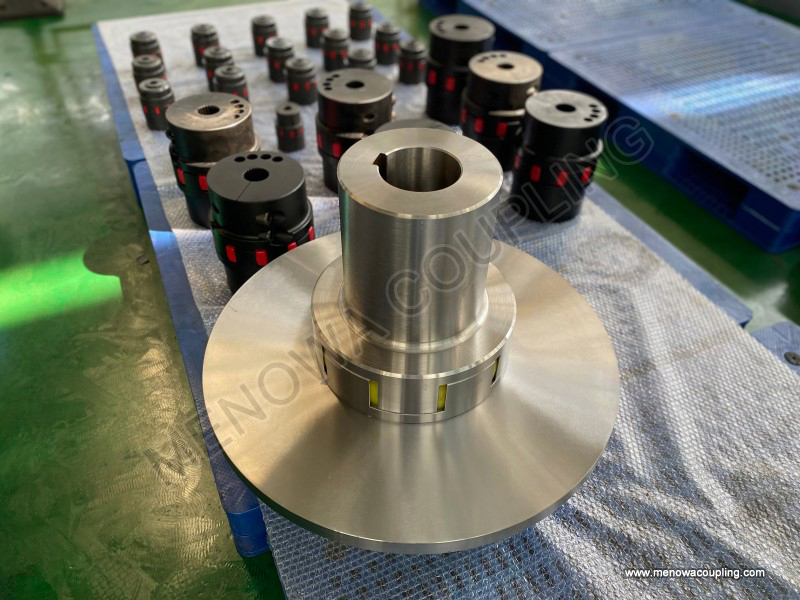
Metallic materials are widely used in the construction of the hub and other structural components of elastic couplings due to their high strength, rigidity, and ability to withstand heavy loads. The most common metallic materials include aluminum alloys, stainless steel, and carbon steel, each offering distinct properties that make them suitable for different applications. Aluminum alloys are particularly popular for hubs in many elastic couplings, especially those used in light to medium-duty applications. These alloys, often containing elements such as magnesium, silicon, and copper, combine lightweight properties with good strength and corrosion resistance. The low density of aluminum alloys reduces the moment of inertia of the coupling, which is beneficial for high-speed applications where minimizing rotational mass is critical. Additionally, aluminum alloys are easy to machine, allowing for precise manufacturing of hubs with tight tolerances, ensuring a secure fit with the shafts. They also exhibit good resistance to atmospheric corrosion, making them suitable for use in indoor and moderately harsh outdoor environments. However, aluminum alloys have lower tensile strength and hardness compared to steel, which limits their use in heavy-duty applications where high torque and load-bearing capacity are required.
Stainless steel is another commonly used metallic material for elastic coupling components, especially in applications where corrosion resistance is a primary concern. Stainless steel contains chromium, which forms a protective oxide layer on the surface, preventing rust and corrosion even in harsh environments such as those exposed to moisture, chemicals, or saltwater. This makes stainless steel ideal for couplings used in marine, chemical, and food processing industries, where exposure to corrosive substances is common. Stainless steel also offers high strength and durability, making it suitable for heavy-duty applications with high torque requirements. However, stainless steel is heavier than aluminum alloys, which can increase the moment of inertia and may not be ideal for high-speed applications. It is also more expensive and more difficult to machine, which can increase manufacturing costs.
Carbon steel is used in elastic coupling components where maximum strength and load-bearing capacity are required. Carbon steel, particularly medium to high-carbon grades, offers excellent tensile strength, hardness, and toughness, making it suitable for heavy-duty industrial applications such as mining, construction, and power generation. These couplings can withstand large torques and shock loads without deformation or failure. However, carbon steel has poor corrosion resistance and is prone to rusting if not properly protected, typically through painting, galvanizing, or other surface treatments. This limits its use in corrosive environments unless additional protective measures are implemented. Carbon steel is also heavier than aluminum alloys, which can be a disadvantage in high-speed applications.
While metallic materials form the structural backbone of elastic couplings, the elastic elements are the key to their ability to compensate for misalignment and absorb vibration. The most common materials used for elastic elements include rubber, polyurethane, nylon, and metallic springs, each with unique properties that make them suitable for different operating conditions. Rubber is one of the most widely used materials for elastic elements due to its excellent elasticity, damping properties, and ability to absorb shock and vibration. Natural rubber and synthetic rubbers such as nitrile rubber (NBR), chloroprene rubber (CR), and silicone rubber (VMQ) are commonly used, each offering distinct advantages based on their chemical composition.
Natural rubber exhibits good elasticity and flexibility, making it effective at absorbing vibration and compensating for small misalignments. It is also relatively low in cost and easy to process, making it a popular choice for light-duty applications such as small fans, pumps, and compressors. However, natural rubber has limited resistance to oil, chemicals, and high temperatures, and it tends to degrade over time when exposed to sunlight and ozone. This limits its use in harsh environments where exposure to these elements is common.
Synthetic rubbers address many of the limitations of natural rubber. Nitrile rubber (NBR) is widely used for elastic elements in applications where oil resistance is required, such as in automotive and industrial machinery where the coupling may come into contact with lubricants or hydraulic fluids. NBR offers good elasticity, damping properties, and resistance to oil, grease, and many chemicals, making it suitable for use in harsh industrial environments. It also has a reasonable temperature range, typically operating between -35°C and +80°C, which covers most common industrial applications. However, NBR has poor resistance to ozone and sunlight, and it may become brittle at low temperatures below its operating range.
Chloroprene rubber (CR) is another synthetic rubber used in elastic coupling elements, offering good resistance to ozone, sunlight, and weathering, making it suitable for outdoor applications. It also has moderate oil resistance and good elasticity, making it effective at absorbing vibration and compensating for misalignment. CR has a temperature range similar to NBR, operating between -30°C and +80°C, and it is often used in applications such as construction machinery and outdoor equipment. However, CR is more expensive than NBR and has slightly lower oil resistance compared to nitrile rubber.
Silicone rubber (VMQ) is a high-performance synthetic rubber that offers an extremely wide temperature range, operating between -50°C and +200°C, making it suitable for applications in extreme temperature environments such as aerospace, automotive engine compartments, and industrial furnaces. Silicone rubber also has excellent resistance to ozone, sunlight, and weathering, and it maintains its elasticity even at high and low temperatures. However, silicone rubber has poor oil and chemical resistance, making it unsuitable for applications where it may come into contact with lubricants or corrosive substances. It is also more expensive than other synthetic rubbers, which limits its use to specialized applications where temperature resistance is critical.
Polyurethane is another popular material for elastic elements in elastic couplings, offering a balance of strength, elasticity, and durability. Polyurethane materials are available in a range of hardness levels, allowing for customization based on the specific requirements of the application. They offer excellent耐磨性 (wear resistance), which makes them suitable for high-speed applications where friction and wear are concerns. Polyurethane also has good resistance to oil, chemicals, and abrasion, and it maintains its elasticity over a wide temperature range (-40°C to +120°C). Compared to rubber, polyurethane has higher tensile strength and rigidity, making it capable of transmitting larger torques without excessive deformation. This makes it suitable for medium to heavy-duty applications such as冶金 equipment,矿山 machinery, and起重运输 equipment. However, polyurethane is more expensive than rubber, and it has slightly lower damping properties, which may make it less effective at absorbing high-frequency vibrations compared to rubber.
Nylon is a thermoplastic material used in some elastic coupling elements, particularly in applications where cost-effectiveness and light weight are important. Nylon offers good tensile strength, toughness, and wear resistance, and it is easy to machine and mold into complex shapes. It also has good resistance to chemicals and moisture, making it suitable for use in some industrial environments. Nylon elastic elements are often used in light to medium-duty applications such as small motors, conveyors, and packaging machinery. However, nylon has lower elasticity compared to rubber and polyurethane, which limits its ability to compensate for large misalignments and absorb shock. It also tends to absorb moisture, which can affect its dimensional stability and performance over time.
Metallic springs are used as elastic elements in some high-performance elastic couplings, particularly those designed for heavy-duty applications with high torque requirements. These springs are typically made of high-strength steel alloys such as carbon steel, stainless steel, or alloy steel, which offer excellent elasticity, strength, and durability. Metallic springs can transmit large torques while maintaining their elastic properties, and they have a wide temperature range, making them suitable for harsh environments. They also have a long service life and require minimal maintenance, making them ideal for applications such as数控机床,航空航天 equipment, and precision instruments. However, metallic springs have higher manufacturing costs due to the complex processes required to form and heat-treat the springs. They also produce more noise during operation compared to non-metallic elastic elements, and they require precise alignment to avoid premature wear and failure.
In addition to the primary materials used for hubs and elastic elements, some elastic couplings may include additional components made from other materials to enhance performance. For example, some couplings use fiber-reinforced composites for the elastic elements, which offer a combination of high strength, light weight, and good damping properties. These composites, which may include materials such as glass fiber or carbon fiber reinforced polymers, are used in specialized applications where weight reduction and high performance are critical, such as aerospace and racing applications. However, these composite materials are often more expensive than traditional materials, which limits their use to high-end applications.
The selection of materials for an elastic coupling is influenced by a variety of factors, including the torque and speed requirements of the application, the level of misalignment that needs to be compensated, the operating temperature range, the environmental conditions (such as exposure to moisture, chemicals, or sunlight), and the desired service life and maintenance requirements. For example, in applications with high torque and heavy loads, carbon steel or stainless steel hubs combined with polyurethane or metallic spring elastic elements are often preferred. In applications with high speeds and light loads, aluminum alloy hubs with rubber or polyurethane elastic elements may be more suitable. In corrosive environments, stainless steel hubs and nitrile rubber or silicone rubber elastic elements are recommended to ensure durability and performance.
Another important factor to consider when selecting materials for elastic couplings is the compatibility between the materials used in different components. For example, the elastic element must be compatible with the hub material to ensure a secure connection and prevent premature failure due to friction, corrosion, or chemical reactions. Additionally, the material of the elastic element must be able to withstand the forces exerted by the hub during operation, including torque, shear, and compression.
The performance of an elastic coupling is not only determined by the materials used but also by the design of the coupling and the manufacturing processes. For example, the way the elastic element is attached to the hub, the geometry of the elastic element, and the precision of the manufacturing process can all affect the coupling’s ability to transmit torque, compensate for misalignment, and absorb vibration. However, the material selection is the foundation of the coupling’s performance, and even a well-designed coupling will fail prematurely if the wrong materials are used.
In recent years, there has been a growing trend towards the development of new materials and material combinations for elastic couplings to meet the increasing demands of modern industrial applications. For example, advances in polymer technology have led to the development of high-performance polyurethanes and rubbers with improved properties, such as higher temperature resistance, better wear resistance, and enhanced damping capabilities. Additionally, the use of composite materials has increased, offering lightweight and high-strength solutions for specialized applications. These advancements have allowed elastic couplings to be used in a wider range of applications, from small household appliances to large industrial machinery and aerospace systems.
It is also important to consider the maintenance requirements of the materials used in elastic couplings. For example, rubber elastic elements may require regular inspection and replacement due to wear and aging, while metallic springs and polyurethane elements may have a longer service life and require less frequent maintenance. The environmental conditions can also affect the maintenance requirements; for example, couplings used in corrosive environments may require more frequent cleaning and inspection to prevent corrosion and failure.
In conclusion, the materials used in elastic couplings play a critical role in determining their performance, durability, and suitability for specific applications. Metallic materials such as aluminum alloys, stainless steel, and carbon steel are used for the structural components, providing strength and rigidity, while non-metallic materials such as rubber, polyurethane, and nylon, as well as metallic springs, are used for the elastic elements, providing flexibility, damping, and misalignment compensation. Each material has its own unique properties, advantages, and disadvantages, and the selection of the right material depends on a variety of factors, including torque, speed, temperature, environmental conditions, and maintenance requirements. By understanding the properties of different materials and their suitability for different applications, engineers and designers can select the optimal elastic coupling for their specific needs, ensuring reliable and efficient operation of the mechanical transmission system. As technology continues to advance, new materials and material combinations will continue to improve the performance and versatility of elastic couplings, making them an even more essential component in modern mechanical systems.
Post Date: May 14, 2026
https://www.menowacoupling.com/china-coupling/material-of-elastic-coupling.html
Products

Related Articles
Components of Elastic Coupling
Elastic couplings are essential mechanical components widely used in various industrial applications to connect two rotating shafts, transmitting torque while accommodating misalignments, absorbing vibrations, and protecting connected equipment from damage. Unlike rigid couplings that require precise alignment and offer…Maintenance of Elastic Coupling
Elastic couplings are essential components in mechanical transmission systems, serving to connect two rotating shafts, transmit torque, and compensate for axial, radial, and angular misalignments. They also play a crucial role in absorbing vibrations and shock loads, thereby protecting the connected equipment such as mo…Dimensions of Elastic Coupling
The dimensions of elastic couplings are a critical factor that directly determines their performance, compatibility, and service life in mechanical transmission systems. Unlike rigid couplings, which rely on precise alignment and rigid connections to transmit torque, elastic couplings integrate flexible elements that al…Coaxiality of Elastic Coupling
In the complex ecosystem of mechanical transmission systems, elastic couplings serve as critical connectors that bridge rotating shafts, enabling the seamless transfer of torque while accommodating minor misalignments and absorbing vibrations. Unlike rigid couplings, which demand near-perfect alignment to function effec…Gap Chart of Elastic Coupling
In the realm of mechanical power transmission, elastic couplings serve as critical components that bridge the gap between driving and driven shafts, accommodating misalignments while ensuring efficient torque transfer. Among the various tools and methodologies used to optimize the performance and longevity of elastic co…Size Chart of Elastic Coupling
The size chart of elastic coupling is an indispensable reference tool in mechanical transmission systems, serving as a bridge between the coupling’s design parameters and its practical application. It systematically organizes key dimensional and performance data, enabling engineers, technicians, and procurement personn…
 WeChat
 WhatsApp