Maintenance of Elastic Coupling
Elastic couplings are essential components in mechanical transmission systems, serving to connect two rotating shafts, transmit torque, and compensate for axial, radial, and angular misalignments. They also play a crucial role in absorbing vibrations and shock loads, thereby protecting the connected equipment such as motors, pumps, compressors, and reducers from potential damage. Given their critical function in ensuring the stable and efficient operation of machinery, proper maintenance of elastic couplings is not only necessary to extend their service life but also to minimize downtime, reduce maintenance costs, and enhance the overall reliability of the entire transmission system. Neglecting maintenance can lead to premature wear, component failure, and even serious accidents, which may result in significant economic losses. Therefore, establishing a systematic and regular maintenance routine for elastic couplings is a fundamental aspect of mechanical equipment management.
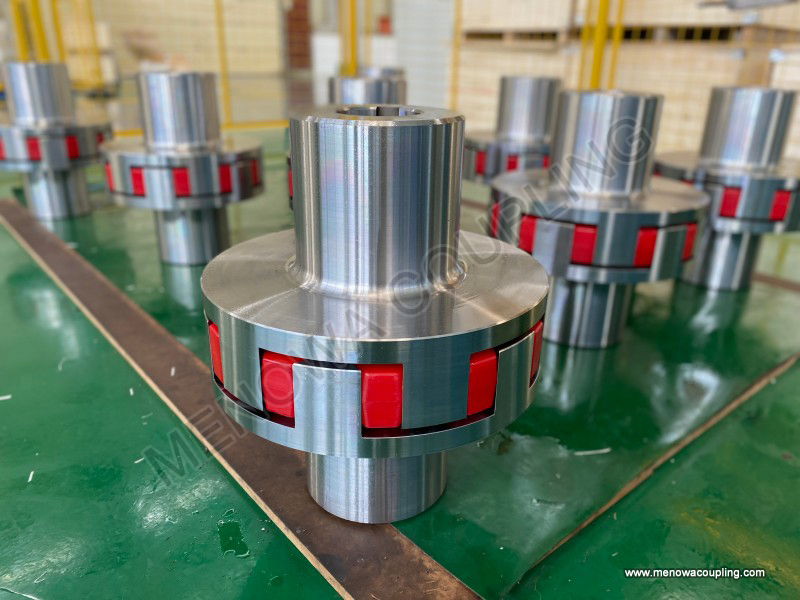
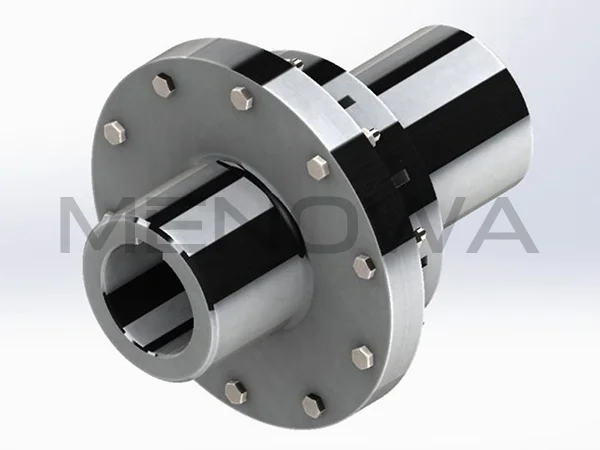
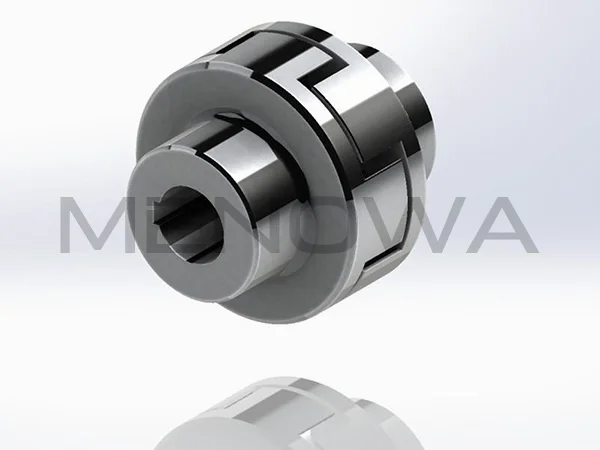
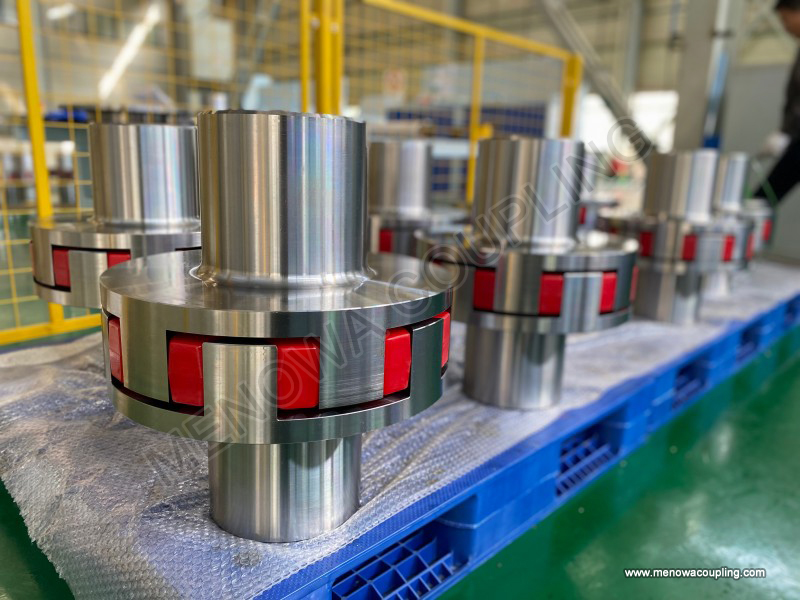
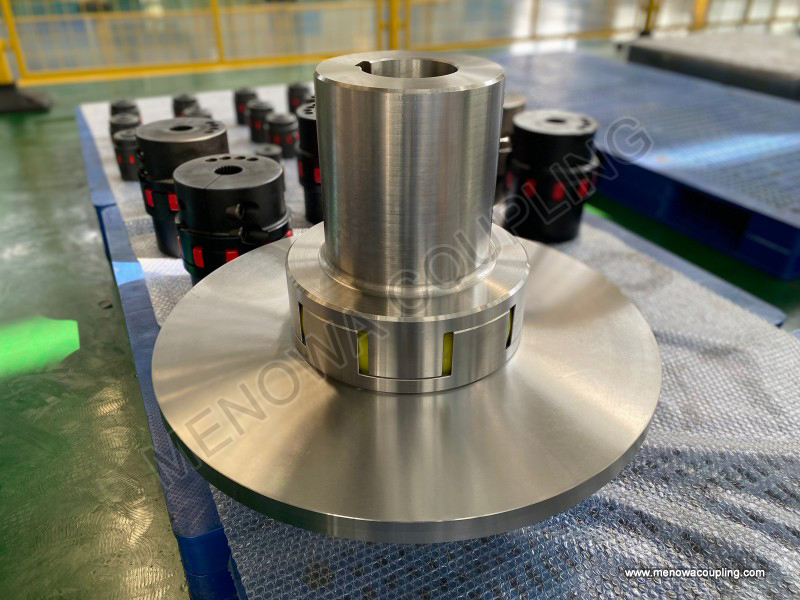
Before delving into the specific maintenance procedures, it is important to understand the basic structure and working principles of elastic couplings, as this knowledge provides a foundation for effective maintenance. Elastic couplings typically consist of two hubs that connect to the driving and driven shafts, an elastic element that transmits torque and absorbs vibrations, and fasteners such as bolts or pins that secure the components together. The elastic element, which can be made of rubber, polyurethane, metal springs, or other resilient materials, is the core component that enables the coupling to compensate for misalignments and dampen vibrations. Different types of elastic couplings, such as jaw couplings,梅花 couplings, diaphragm couplings, and elastic sleeve pin couplings, have slight variations in their structures, but the general maintenance principles apply to most types. Regardless of the specific type, the key maintenance objectives are to ensure the integrity of all components, maintain proper alignment, keep the coupling clean and lubricated (where applicable), and promptly identify and address any signs of wear or damage.
Regular inspection is the cornerstone of elastic coupling maintenance, as it allows for the early detection of potential issues before they escalate into serious problems. Inspections should be conducted on a scheduled basis, with the frequency depending on the operating conditions of the coupling. For couplings operating in normal, moderate-load conditions, a monthly visual inspection and a quarterly detailed inspection are recommended. However, for couplings used in harsh environments—such as high temperatures, high humidity, corrosive atmospheres, or heavy-load, high-vibration applications—inspections should be more frequent, possibly weekly visual checks and monthly detailed inspections. Additionally, after any unexpected events such as equipment overload, sudden shutdowns, or vibrations, an immediate inspection should be performed to assess any potential damage to the coupling.
The visual inspection should focus on several key areas. First, check the overall condition of the coupling, including the hubs, elastic element, and fasteners. Look for any signs of physical damage such as cracks, dents, or deformation on the hubs. Cracks can occur due to fatigue, excessive torque, or misalignment, and if left unaddressed, they can spread and lead to hub failure. Next, examine the elastic element closely. For rubber or polyurethane elements, look for signs of aging, such as hardening, cracking, swelling, or discoloration. These symptoms indicate that the elastic element is losing its resilience and may need to be replaced. For metal elastic elements such as diaphragms or springs, check for cracks, corrosion, or excessive bending, as these can compromise their ability to transmit torque and absorb vibrations. Also, inspect the fasteners, including bolts, nuts, and pins, to ensure they are securely tightened. Loose fasteners can cause misalignment, increased vibration, and even damage to the coupling or connected equipment. Look for any signs of bolt loosening, such as missing or damaged lock washers, or visible gaps between the bolt heads and the coupling surface.
In addition to visual inspections, detailed inspections should include measurements and tests to assess the coupling’s performance and condition. One of the most important aspects of detailed inspection is checking the alignment of the coupling. Even though elastic couplings can compensate for a certain degree of misalignment, excessive misalignment over time can accelerate wear on the elastic element, bearings, and other components. To check alignment, use tools such as a dial indicator or laser alignment tool. For radial alignment, mount the dial indicator on one hub and measure the runout on the other hub as the shafts rotate. The radial runout should be within the manufacturer’s recommended limits, typically no more than 0.05 millimeters for most applications. For angular alignment, measure the axial gap between the two hubs at multiple points around the circumference. The angular deviation should also be within the specified limits, usually no more than 1 degree for elastic elements. If misalignment is detected beyond the acceptable range, adjustments should be made to the position of the connected equipment, such as shimming the motor or pump base, to correct the alignment.
Another important part of detailed inspection is checking the fit between the hubs and the shafts. The hubs are typically mounted on the shafts using a keyway and key, or through a press fit. Check for any signs of slippage between the hub and the shaft, which can be indicated by wear on the key or keyway, or by marks on the shaft surface. Slippage can occur due to insufficient torque on the fasteners, worn keys, or improper fit. If slippage is detected, the key should be inspected for wear and replaced if necessary, and the hub should be resecured to the shaft with the correct torque. Additionally, measure the dimensions of the key and keyway to ensure they are within the specified tolerances, as excessive wear can lead to loose fits and reduced torque transmission.
Cleaning is an essential maintenance procedure that should be performed regularly to keep the elastic coupling in good condition. Dirt, dust, oil, and other contaminants can accumulate on the coupling components over time, leading to increased friction, corrosion, and wear. For example, dust and debris can get caught between the elastic element and the hubs, causing abrasion and reducing the flexibility of the elastic element. Oil or grease buildup can attract more contaminants and may also degrade rubber or polyurethane elastic elements. Therefore, the coupling should be cleaned at least once every three months, or more frequently in dirty or dusty environments.
The cleaning process should be performed with the equipment shut down and disconnected from the power source to ensure safety. Start by removing any loose debris using a soft brush or compressed air. Compressed air should be used carefully to avoid blowing debris into the bearing or other sensitive components. Next, wipe the coupling components with a clean, lint-free cloth dampened with a suitable cleaning agent. For metal components, a mild detergent or degreaser can be used to remove oil and grease. However, it is important to avoid using harsh chemicals that may damage the elastic element, especially if it is made of rubber or polyurethane. After cleaning, rinse the components with clean water (if applicable) and dry them thoroughly with a clean cloth to prevent corrosion. For couplings in corrosive environments, after cleaning, apply a thin layer of anti-corrosion coating or rust inhibitor to the metal components to protect them from oxidation.
Lubrication is another critical maintenance task for certain types of elastic couplings. While some elastic couplings, such as diaphragm couplings and certain types of jaw couplings, do not require lubrication, others, such as gear-type elastic couplings or elastic sleeve pin couplings, rely on proper lubrication to reduce friction and wear between moving parts. The type of lubricant and the lubrication interval depend on the coupling design and operating conditions. It is important to use the lubricant recommended for the specific coupling type, as using the wrong lubricant can lead to component damage.
For lubricated elastic couplings, the lubricant should be checked regularly to ensure it is clean and at the correct level. Inspect the lubricant for signs of contamination, such as discoloration, the presence of metal particles, or a milky appearance, which indicates water contamination. If the lubricant is contaminated, it should be drained and replaced immediately. The lubrication interval should be followed strictly; typically, lubricant replacement is required every 6 to 12 months, but this can vary depending on the operating load, speed, and environment. When adding or replacing lubricant, ensure that the coupling is filled to the recommended level, as over-lubrication can cause overheating and excessive friction, while under-lubrication can lead to increased wear and component failure. Additionally, after lubrication, check for any leaks around the coupling seals and address any leaks promptly to prevent lubricant loss.
Replacement of worn or damaged components is an integral part of elastic coupling maintenance. Even with regular inspection and maintenance, components such as the elastic element, keys, and fasteners will eventually wear out and need to be replaced. The elastic element is particularly prone to wear due to its role in absorbing vibrations and compensating for misalignments. The replacement interval for the elastic element depends on the material, operating conditions, and load. For rubber or polyurethane elements, replacement is typically needed every 2 to 5 years under normal conditions, while in harsh environments, this interval may be shortened to 1 to 2 years. Metal elastic elements, such as diaphragms, can have a longer service life, often 5 to 8 years, but they should still be inspected annually for signs of wear or damage.
When replacing components, it is important to ensure that the new parts are compatible with the coupling and meet the required specifications. Using incompatible or low-quality parts can lead to coupling failure and damage to connected equipment. The replacement process should be performed carefully, following the correct procedures. First, shut down the equipment and disconnect the power source. Remove the fasteners that secure the coupling halves together, then separate the halves and remove the worn component. Clean the mating surfaces of the hubs to remove any debris or old lubricant. Install the new component, ensuring it is properly aligned and seated. Reassemble the coupling halves and tighten the fasteners to the recommended torque. After replacement, perform a test run to ensure the coupling operates smoothly without excessive vibration or noise.
In addition to regular maintenance procedures, it is important to consider the operating environment when maintaining elastic couplings. Different environments present different challenges that can affect the performance and service life of the coupling. For example, in high-temperature environments, the elastic element may degrade more quickly, so more frequent inspections and replacements are necessary. In corrosive environments, such as those with exposure to chemicals or saltwater, the metal components of the coupling are prone to corrosion, so regular cleaning and anti-corrosion treatments are essential. In dusty or dirty environments, the coupling should be cleaned more frequently to prevent debris buildup. For couplings operating in high-vibration or heavy-load conditions, the inspection frequency should be increased, and the elastic element should be checked for signs of fatigue more often.
Another important aspect of elastic coupling maintenance is record-keeping. Maintaining detailed records of all maintenance activities, including inspections, cleanings, lubrications, and component replacements, is essential for tracking the condition of the coupling over time. These records can help identify patterns of wear or failure, determine the optimal maintenance interval, and provide a reference for future maintenance. The records should include the date of maintenance, the type of maintenance performed, the results of inspections, any components replaced, and the name of the person performing the maintenance. This information can also be useful for troubleshooting any issues that may arise with the coupling or connected equipment.
Troubleshooting common issues is also an important part of elastic coupling maintenance. By recognizing the signs of common problems and understanding their causes, maintenance personnel can take prompt action to address issues before they lead to failure. Some common issues with elastic couplings include excessive vibration, abnormal noise, misalignment, wear of the elastic element, and loose fasteners. Excessive vibration can be caused by misalignment, worn elastic elements, unbalanced shafts, or loose fasteners. To address this, check the alignment, inspect the elastic element for wear, balance the shafts if necessary, and tighten any loose fasteners. Abnormal noise, such as squeaking, grinding, or clicking, can indicate worn components, misalignment, or lack of lubrication. Inspect the coupling for worn parts, check the alignment, and ensure proper lubrication. Misalignment, as mentioned earlier, can be corrected by adjusting the position of the connected equipment. Wear of the elastic element is a normal part of the coupling’s life cycle and requires replacement of the element. Loose fasteners should be tightened to the recommended torque, and any damaged lock washers or nuts should be replaced.
It is also important to note that proper installation of elastic couplings is a prerequisite for effective maintenance. A poorly installed coupling will be more prone to wear, misalignment, and failure, even with regular maintenance. During installation, ensure that the shafts are clean and free of debris, the key and keyway are properly fitted, and the coupling halves are aligned correctly. The fasteners should be tightened to the recommended torque, and any lock washers or other anti-loosening devices should be installed properly. Additionally, ensure that the elastic element is not compressed or stretched beyond its design limits, as this can reduce its service life.
In conclusion, the maintenance of elastic couplings is a systematic process that involves regular inspection, cleaning, lubrication (where applicable), component replacement, and troubleshooting. By following a consistent maintenance routine, maintenance personnel can ensure that elastic couplings operate efficiently and reliably, extend their service life, and minimize the risk of equipment failure. The key to effective maintenance is to be proactive—identifying and addressing potential issues before they escalate into serious problems. Additionally, understanding the specific requirements of the coupling type and operating environment is essential for tailoring the maintenance routine to meet the unique needs of the equipment. With proper maintenance, elastic couplings can continue to play their critical role in mechanical transmission systems, ensuring the stable and efficient operation of machinery across various industries.
Post Date: May 1, 2026
https://www.menowacoupling.com/china-coupling/maintenance-of-elastic-coupling.html
Products

Related Articles
Specification of Elastic Coupling
An elastic coupling is a critical mechanical component designed to connect two rotating shafts in a power transmission system, enabling the transfer of torque while accommodating various forms of misalignment and dampening vibrations. Unlike rigid couplings that require precise alignment and offer no flexibility, elasti…Diagram of Elastic Coupling
Diagram of Elastic CouplingAn elastic coupling is a critical mechanical component designed to connect two rotating shafts, transmitting torque while accommodating misalignments, absorbing vibrations, and mitigating shock loads in various industrial and mechanical systems. Unlike rigid couplings that require precise alig…Elastic Coupling Production
Elastic couplings are essential components in mechanical transmission systems, serving as the critical link between two rotating shafts to transmit torque while accommodating misalignments, absorbing vibrations, and reducing shock loads. The production of elastic couplings is a sophisticated process that combines precis…What is Elastic Coupling
Elastic coupling is a critical component in mechanical transmission systems, designed to connect two rotating shafts while accommodating misalignments, absorbing vibrations, and protecting machinery from damage. Unlike rigid couplings that require precise alignment and offer no flexibility, elastic couplings utilize ela…Characteristics of Elastic Coupling
Elastic coupling is a critical component in mechanical transmission systems, designed to connect two rotating shafts while accommodating various forms of misalignment, absorbing vibrations, and transmitting torque efficiently. Unlike rigid couplings that require precise alignment and offer no flexibility, elastic coupli…Working Principle of Elastic Coupling
In the complex and interconnected world of mechanical power transmission, elastic couplings stand as indispensable components that bridge the gap between driving and driven shafts, ensuring the smooth, efficient, and protected transfer of torque. Unlike rigid couplings that demand precise alignment and offer no flexibil…
 WeChat
 WhatsApp