Gear Type Coupling For Sale
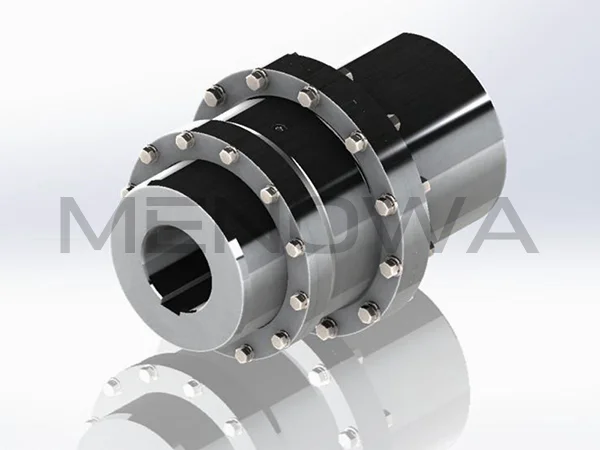
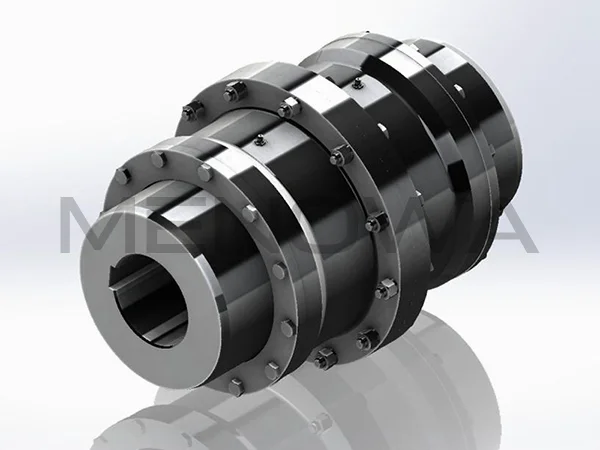
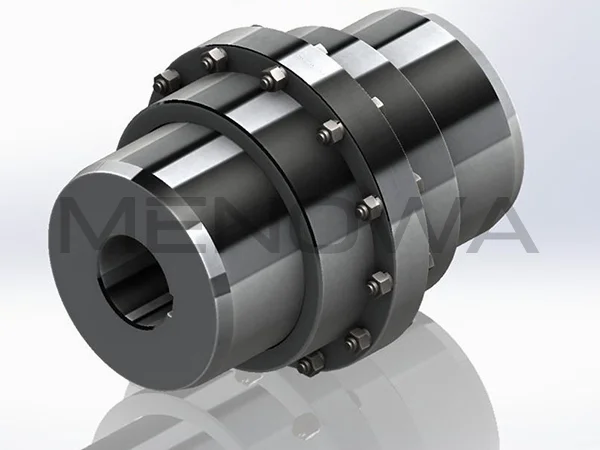
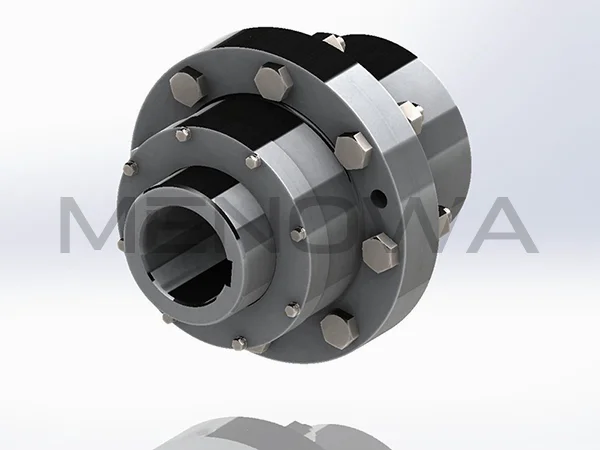
A gear type coupling is a versatile and robust mechanical device designed to connect two rotating shafts, enabling the efficient transmission of torque while accommodating a certain degree of misalignment between the shafts. This type of coupling is widely recognized for its ability to handle heavy loads and harsh operating conditions, making it an essential component in various industrial applications. Unlike other types of couplings that may prioritize flexibility or simplicity, gear type couplings are engineered to balance strength, durability, and adaptability, ensuring reliable performance even in the most demanding environments. Whether used in large-scale industrial machinery or smaller mechanical systems, gear type couplings play a critical role in maintaining the smooth and efficient operation of rotating equipment, minimizing downtime and maximizing productivity.

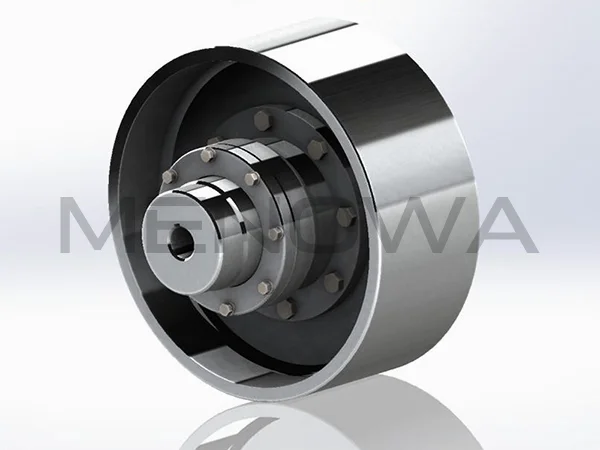
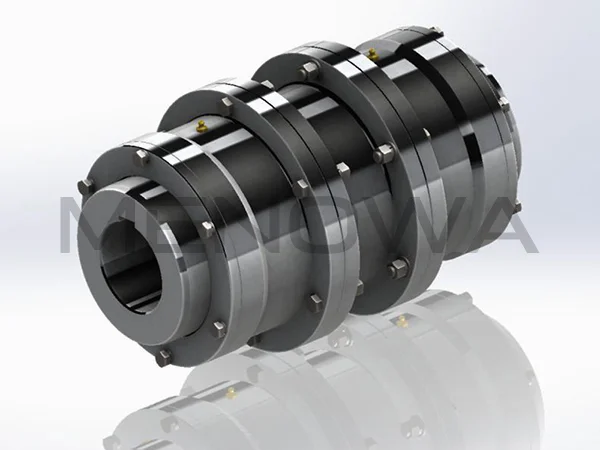
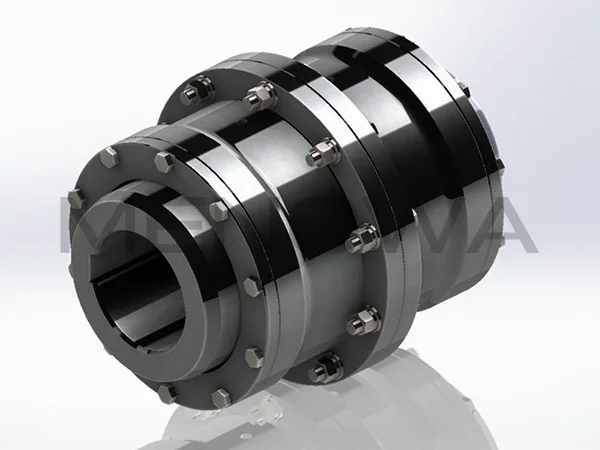
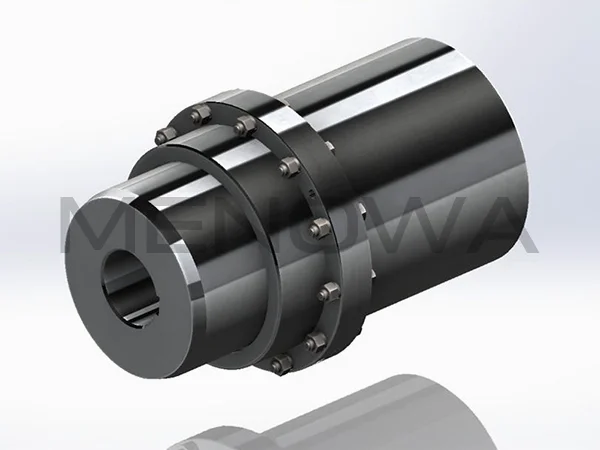
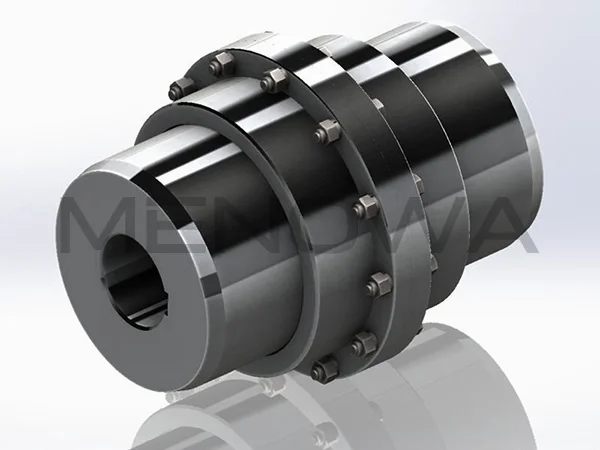
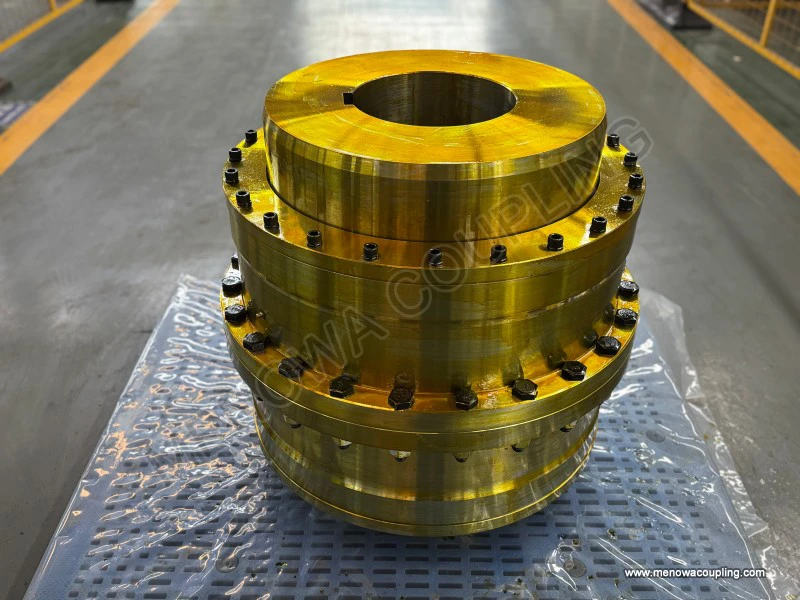
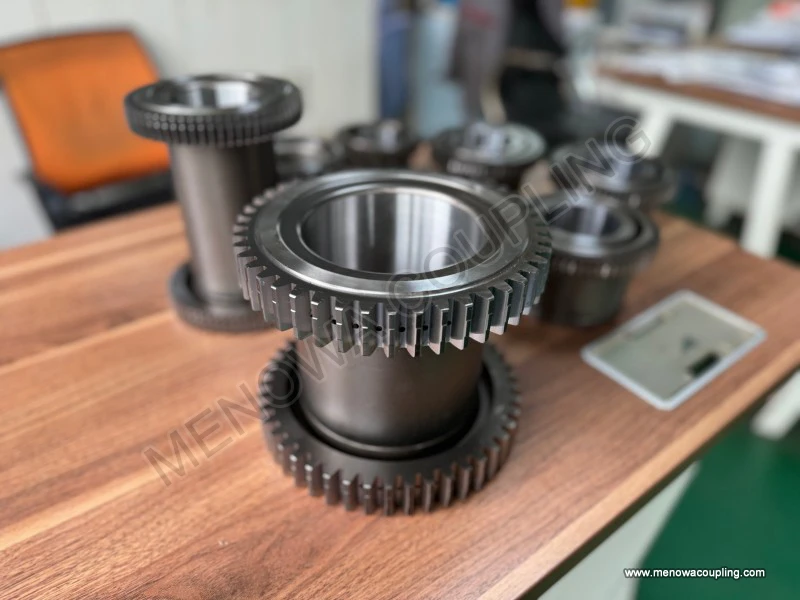
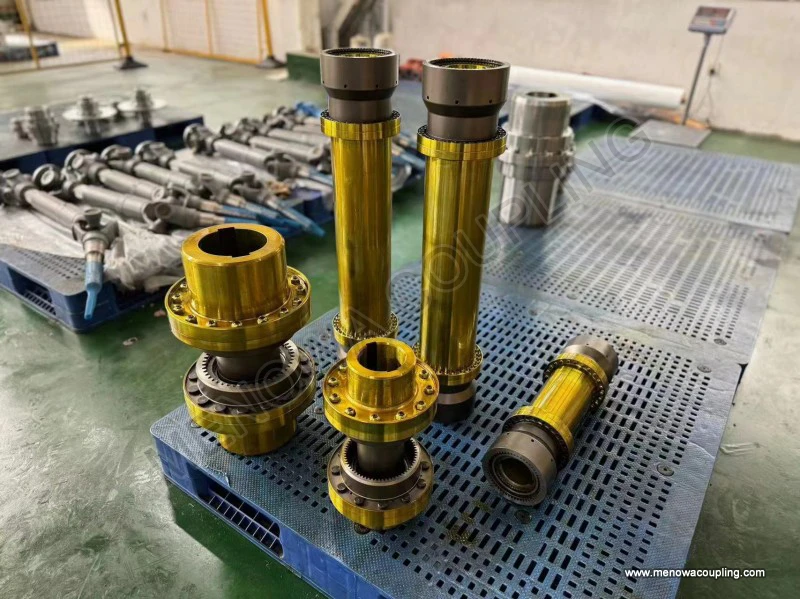
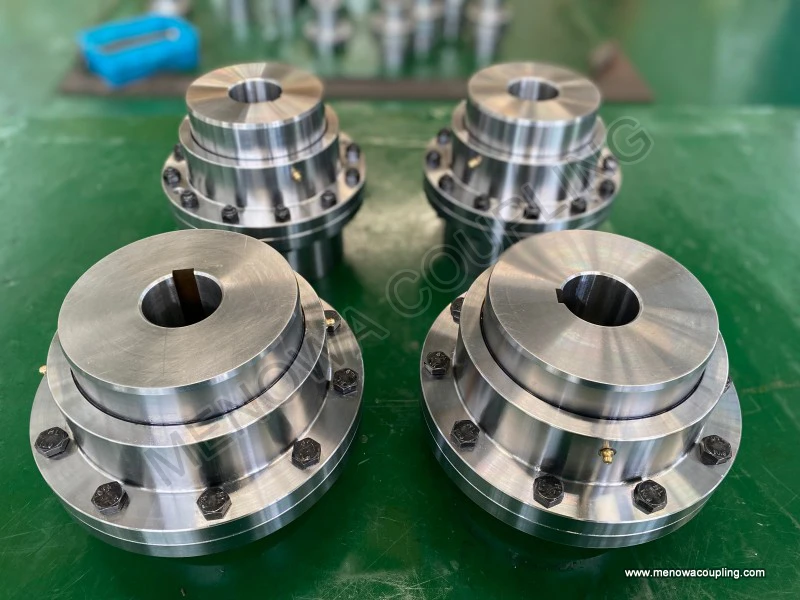
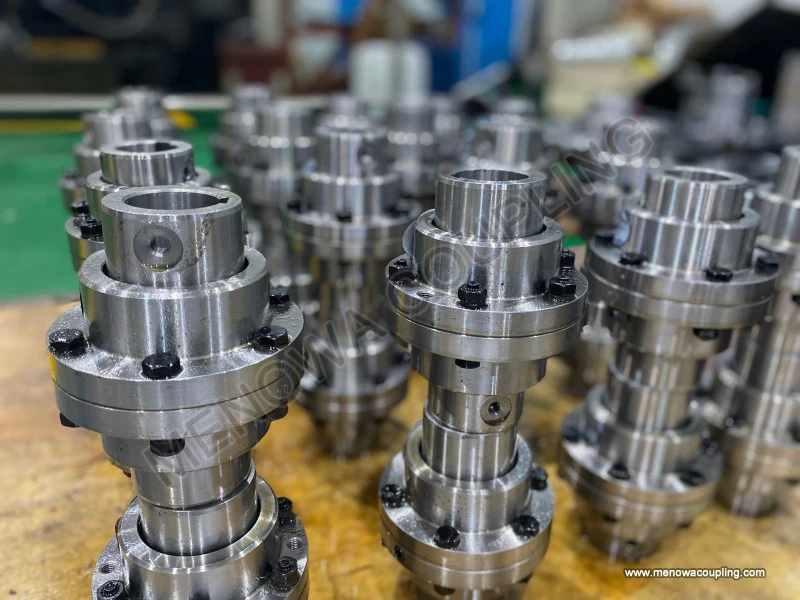
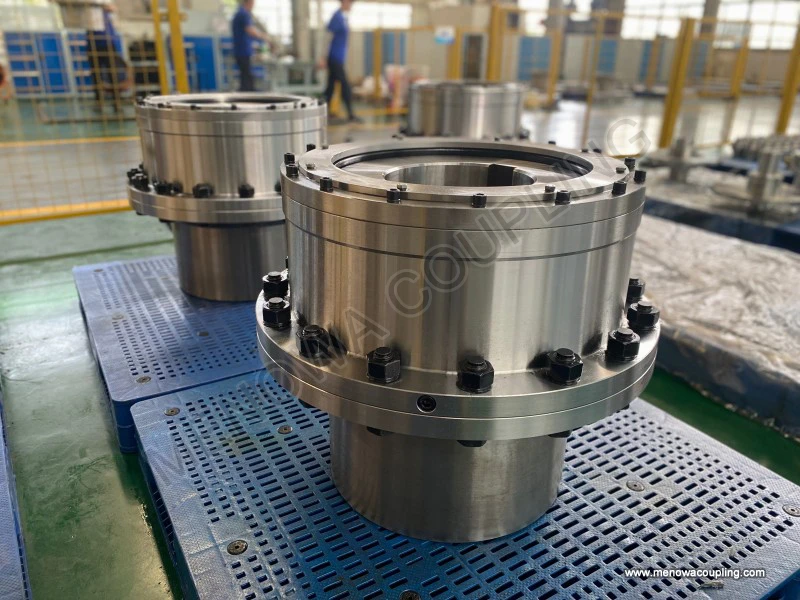
The basic structure of a gear type coupling consists of several key components that work together to facilitate torque transmission and misalignment compensation. At the core of the coupling are two hubs with external gear teeth, which are mounted on the respective shafts that need to be connected. These external gears mesh with internal gear teeth located on a sleeve or housing that encloses the hubs. The sleeve serves as a protective cover while also ensuring that the gears remain properly engaged during operation. In some designs, an intermediate shaft or spacer may be included to connect the two hub-sleeve assemblies, allowing for greater flexibility in terms of installation distance and alignment. Additionally, seals are integrated into the design to prevent the ingress of dust, dirt, and other contaminants, which can cause premature wear and damage to the gear teeth. These seals also help retain lubricant, which is essential for reducing friction between the meshing gears and extending the service life of the coupling.
One of the key distinguishing features of gear type couplings is their ability to accommodate three types of misalignment: angular, radial, and axial. Angular misalignment occurs when the two shafts are not perfectly aligned along the same axis, resulting in a slight angle between them. Radial misalignment happens when the shafts are parallel but offset from each other, while axial misalignment refers to the axial movement of one shaft relative to the other. Gear type couplings can compensate for these misalignments due to the design of their gear teeth, which allow for slight movement between the meshing components without compromising the transmission of torque. This flexibility is crucial in industrial settings, where precise alignment of shafts can be challenging due to factors such as equipment vibration, thermal expansion, and installation errors. By accommodating these misalignments, gear type couplings help reduce stress on the shafts, bearings, and other mechanical components, thereby extending the overall service life of the equipment.
Gear type couplings are available in two main configurations: straight tooth and curved tooth (also known as drum tooth) designs. Straight tooth gear couplings feature gear teeth that are cut parallel to the axis of the shaft. This design is relatively simple to manufacture and is suitable for applications where misalignment is minimal. However, straight tooth couplings have limited capacity to accommodate angular misalignment and can experience increased wear when misalignment is present, as the gear teeth tend to make contact only at the edges. In contrast, curved tooth gear couplings have gear teeth that are cut with a curved profile, typically in the shape of a drum. This curved design allows for greater contact between the gear teeth, distributing the load more evenly and enabling the coupling to accommodate larger angular misalignments. Curved tooth couplings also exhibit better wear resistance and higher torque capacity compared to straight tooth designs, making them the preferred choice for most heavy-duty industrial applications. As a result, straight tooth couplings are becoming less common in new installations, with curved tooth designs being the industry standard for most demanding applications.
The performance and durability of a gear type coupling are heavily dependent on the materials used in its construction and the manufacturing processes employed. High-strength alloy steels are the most common materials used for the hubs, sleeves, and gear teeth, as they offer excellent tensile strength, toughness, and wear resistance. Common alloy steels used include 42CrMo, 40Cr, and 45# steel, which are selected for their ability to withstand heavy loads and resist fatigue. These materials are often subjected to heat treatment processes such as quenching and tempering (known as tempering) to further enhance their mechanical properties. Tempering improves the overall strength and toughness of the steel, while surface hardening processes such as carburizing, nitriding, or induction hardening are used to increase the hardness of the gear teeth, reducing wear and extending their service life. The surface hardness of the gear teeth typically ranges from HRC 45 to 55, ensuring optimal durability even under heavy load conditions.
In addition to the main components, the seals and lubricants used in gear type couplings also play a critical role in their performance and longevity. Seals are typically made from nitrile rubber or fluororubber, which offer excellent resistance to oil, heat, and wear. These seals are designed to create a tight seal between the sleeve and the hubs, preventing the leakage of lubricant and the entry of contaminants. Lubrication is essential for reducing friction between the meshing gear teeth, as well as protecting against corrosion and wear. The type of lubricant used depends on the operating conditions of the coupling, with lithium-based greases containing molybdenum disulfide being commonly used for general applications. For high-temperature environments, synthetic lubricants may be preferred, as they offer better thermal stability and resistance to oxidation. Regular lubrication and maintenance of the seals are essential to ensure the long-term performance of the coupling, as insufficient lubrication or damaged seals can lead to premature wear and failure.
Gear type couplings are used in a wide range of industrial applications, thanks to their high torque capacity, durability, and ability to accommodate misalignment. One of the most common applications is in the metallurgical industry, where they are used to connect the shafts of rolling mills, continuous casting machines, and crushers. These applications require couplings that can handle extremely high torques and withstand the harsh conditions associated with heavy-duty operation, such as high temperatures, vibration, and dust. In the mining industry, gear type couplings are used in equipment such as ball mills, conveyors, and excavators, where they must endure heavy loads and frequent starts and stops. The lifting and transportation industry also relies heavily on gear type couplings, using them in bridge cranes, port cranes, and conveyor systems, where their compact design and high torque capacity make them ideal for space-constrained applications.
The energy and power generation industry is another major user of gear type couplings, where they are used in turbines, generators, and wind turbines. In these applications, precision and reliability are critical, as any failure can result in significant downtime and financial losses. Gear type couplings used in power generation are often subjected to rigorous balancing processes to ensure smooth operation at high speeds, reducing vibration and minimizing stress on the equipment. The chemical and petrochemical industries also use gear type couplings in pumps, compressors, and other equipment, where they must resist corrosion from harsh chemicals and operate in high-temperature environments. In these applications, couplings may be made from stainless steel or other corrosion-resistant materials, or they may be coated with protective layers such as zinc or nickel-phosphorus to enhance their resistance to corrosion.
Proper installation and maintenance are essential to ensure the optimal performance and longevity of gear type couplings. Before installation, it is important to inspect all components for any signs of damage, such as cracks, dents, or excessive wear on the gear teeth. The shafts should be cleaned and inspected to ensure they are free of burrs or debris, which could affect the fit of the coupling hubs. The hubs are typically mounted on the shafts using an interference fit, which may require heating the hubs in hot oil or an oven to expand them, allowing for easy installation. Once the hubs are in place, the sleeve is installed over the hubs, ensuring that the gear teeth mesh properly. It is important to check the alignment of the shafts using a dial indicator, ensuring that angular and radial misalignments are within the recommended limits. Proper alignment is critical, as excessive misalignment can lead to increased wear, noise, and premature failure of the coupling.
After installation, regular maintenance is required to keep the coupling in good working condition. This includes regular lubrication, inspection of the seals, and checking for any signs of wear or damage. The frequency of lubrication depends on the operating conditions, but it is generally recommended to inspect the lubricant level every 1000 hours of operation and replace it every 3000 hours or once a year, whichever comes first. The seals should be inspected regularly for signs of leakage or damage, and replaced if necessary. It is also important to check the gear teeth for any signs of wear, such as pitting, scoring, or tooth loss, which could indicate a problem with lubrication or alignment. If any damage is detected, the coupling should be repaired or replaced promptly to prevent further damage to the equipment.
When selecting a gear type coupling for a specific application, several factors need to be considered to ensure optimal performance. The first factor is the torque capacity required, which depends on the power of the driving equipment and the load being transmitted. It is important to select a coupling with a torque capacity that exceeds the maximum operating torque of the system, to provide a safety margin and prevent overload. The second factor is the speed of the shafts, as high-speed applications require couplings that have been properly balanced to reduce vibration. The third factor is the amount of misalignment that the coupling will need to accommodate, which will determine whether a straight tooth or curved tooth design is appropriate. Other factors to consider include the operating environment (such as temperature, humidity, and the presence of contaminants), the installation space available, and the maintenance requirements of the coupling.
Another important consideration when selecting a gear type coupling is the type of connection between the coupling and the shafts. The most common types of connections are keyed connections, where a key is used to secure the hub to the shaft, and splined connections, which provide a more secure and uniform transfer of torque. Keyed connections are simple and cost-effective, making them suitable for most applications, while splined connections are preferred for high-torque applications where a more secure connection is required. In some cases, hydraulic or shrink-fit connections may be used for applications that require even higher torque capacity or where space is limited.
Gear type couplings offer several advantages over other types of couplings, making them a popular choice for industrial applications. One of the main advantages is their high torque capacity, which allows them to transmit large amounts of power efficiently. Unlike flexible couplings, which may have lower torque capacity, gear type couplings can handle heavy loads without compromising performance. Another advantage is their ability to accommodate multiple types of misalignment, which is essential in industrial settings where precise alignment is difficult to achieve. Gear type couplings also have a compact design, making them suitable for applications where space is limited. Additionally, they are highly durable and require minimal maintenance when properly lubricated and maintained, resulting in lower operating costs over time.
Despite their many advantages, gear type couplings do have some limitations that should be considered. One of the main limitations is that they require regular lubrication to prevent wear and damage to the gear teeth. Without proper lubrication, the meshing gears can experience excessive friction, leading to overheating, wear, and premature failure. Another limitation is that they can generate noise at high speeds, especially if the gears are not properly aligned or lubricated. Additionally, gear type couplings are not suitable for applications where extremely high speeds are required without proper balancing, as this can lead to excessive vibration and damage to the equipment. However, these limitations are often outweighed by the advantages of gear type couplings, making them the preferred choice for most heavy-duty industrial applications.
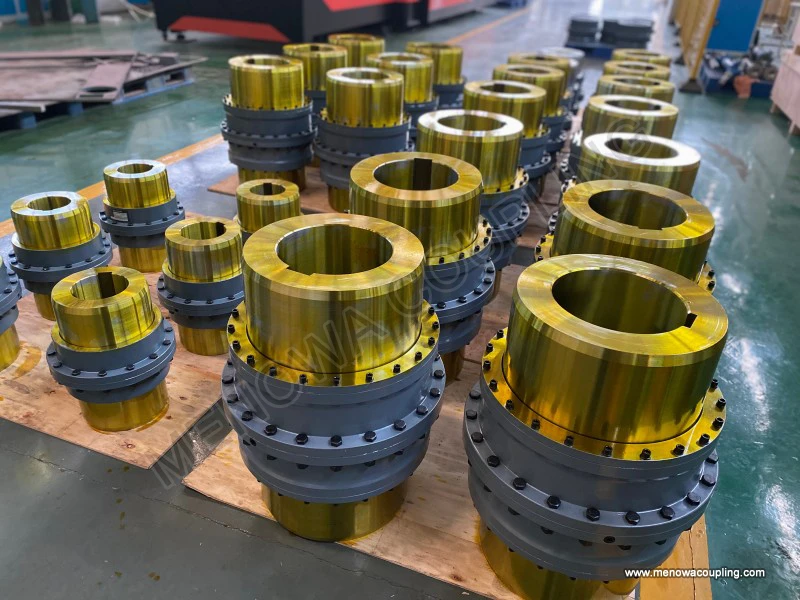
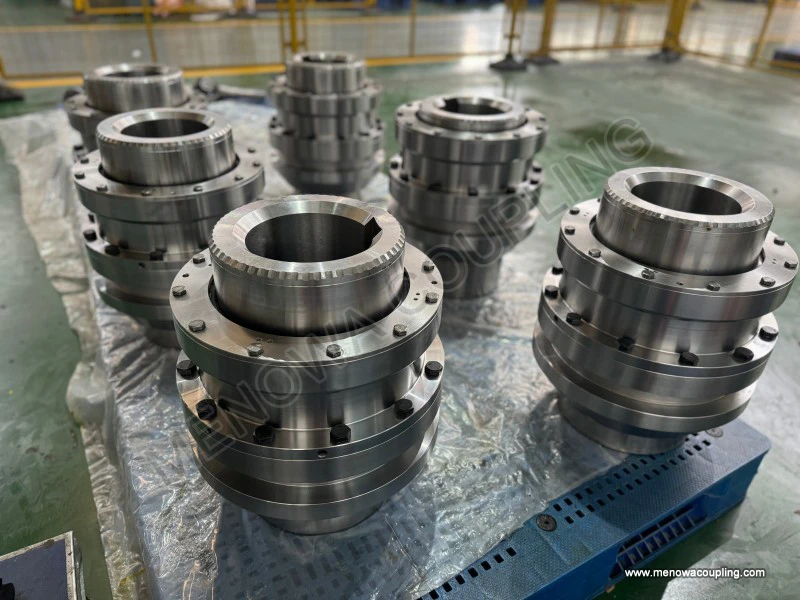
When looking for gear type couplings for sale, it is important to choose a product that is designed and manufactured to meet the specific requirements of your application. The coupling should be made from high-quality materials and subjected to rigorous quality control processes to ensure reliability and durability. It is also important to consider the level of customer support and after-sales service provided by the supplier, as this can be crucial in the event of any issues or maintenance needs. Whether you need a standard coupling for a general application or a custom-designed coupling for a specific industrial process, there are a wide range of options available to meet your needs.
In conclusion, gear type couplings are essential components in a wide range of industrial applications, offering high torque capacity, durability, and the ability to accommodate misalignment. Their robust design and versatility make them suitable for use in harsh operating conditions, from metallurgical and mining equipment to power generation and chemical processing. By selecting the right gear type coupling for your application and ensuring proper installation and maintenance, you can ensure the smooth and efficient operation of your equipment, minimizing downtime and maximizing productivity. Whether you are in need of a straight tooth or curved tooth coupling, a standard or custom design, there are numerous options available to meet the unique requirements of your industrial system. Investing in a high-quality gear type coupling is a smart decision that will pay off in the long run, providing reliable performance and long service life for your equipment.
Post Date: Apr 27, 2026
https://www.menowacoupling.com/china-coupling/gear-type-coupling-for-sale.html
Products
Tags
Supply
Related Articles
Size Chart of Curved Tooth Coupling
The global industrial transmission component market has maintained steady expansion alongside the continuous upgrading of industrial manufacturing, intelligent equipment iteration, and the vigorous development of heavy industry sectors worldwide. As a core high-efficiency power transmission component, curved tooth coupl…Coaxiality of Curved Tooth Coupling
In the global industrial transmission industry, curved tooth couplings have emerged as a core component of high-precision and high-torque shaft connection systems, widely adopted in heavy machinery, automated production lines, energy transmission equipment and cross-border industrial supporting fields. Coaxiality, as th…What is Gear Type Coupling
Gear type coupling is a fundamental flexible mechanical transmission component widely applied in modern industrial power transmission systems, serving as a critical connecting unit between two rotating shafts in mechanical equipment. Unlike rigid couplings that require precise shaft alignment and lack displacement compe…Gap Chart of Gear Type Coupling
Gear type couplings stand as one of the most widely used mechanical transmission components in industrial power systems, relied upon for their exceptional torque transmission capacity, high structural rigidity, and reliable adaptability to complex operating conditions. At the core of their stable operation lies the prec…Size Chart of Gear Type Coupling
A size chart of gear type coupling is an indispensable reference tool in industrial power transmission systems, serving as a bridge between the functional requirements of machinery and the technical specifications of the coupling itself. It systematically organizes key dimensional and performance parameters, allowing en…Barrel Gear Coupling Hubs
Barrel gear coupling hubs stand as indispensable foundational mechanical components within modern power transmission systems, serving as the key connecting medium that links driving shafts and driven shafts to achieve stable torque transfer, rotational motion synchronization, and effective compensation for various shaft…
 WeChat
 WhatsApp